
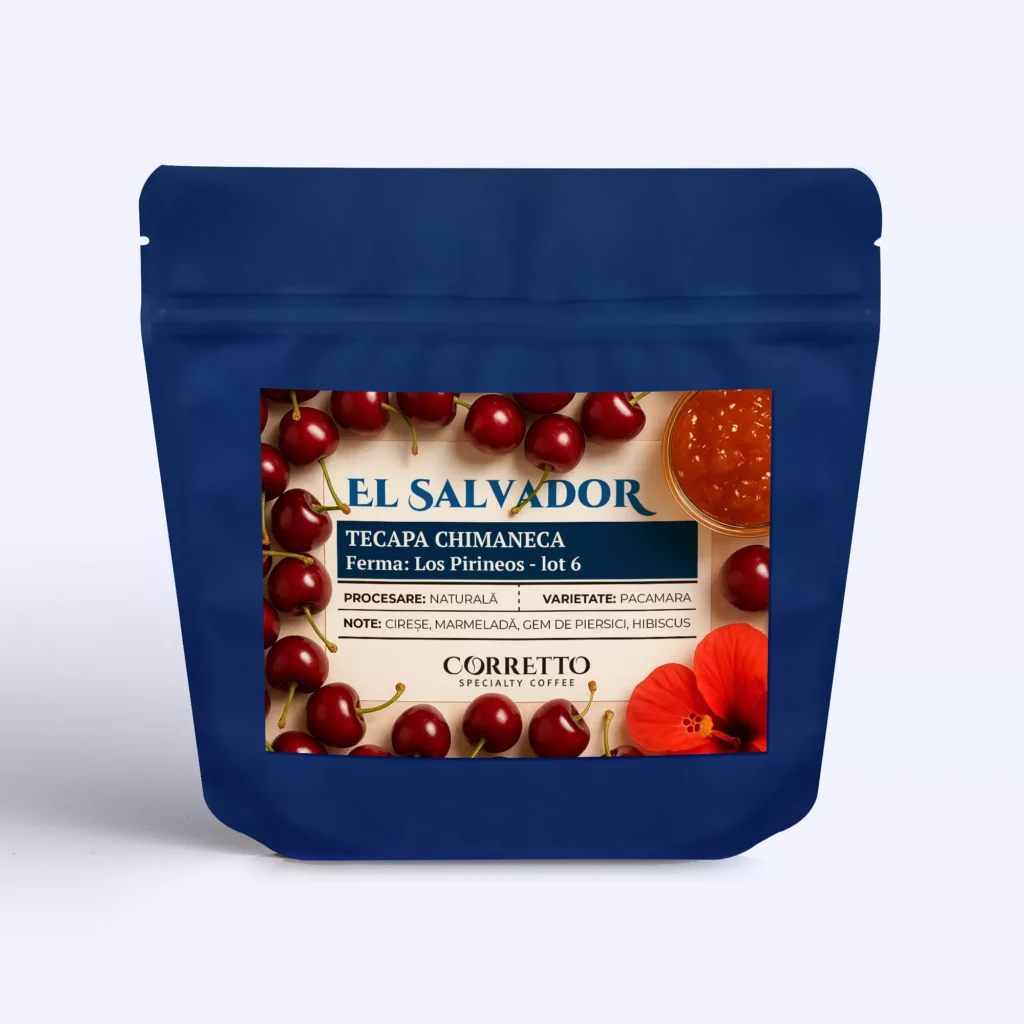
de Specialitate Corretto, El Salvador Tecapa Chimaneca, Natural, 100% Arabica, 88 puncte SCA
volcanoes, altitude, and a microclimate made for coffee, El Salvador
- Roast Level: Medium
- Natural
- Single Origin
Not rated yet · Be the first to review it
RON 80.00
≈ RON 400.00 / kg
You’ll be taken to the roaster’s shop to complete your purchase.
- Roaster based in
- Romania
- Ship to
- United States · Check on the roaster’s shop
🇸🇻 Origin: Central America, El Salvador, Tecapa-Chinameca region
🌱 Variety: Pacamara
⛰️ Altitude: 1600 m
☕ Tasting notes: Cherries, Marmalade, Peach Jam, Hibiscus
Single-origin coffee from El Salvador, scoring 88 SCA points, roasted by Corretto to a Medium / Omni Roast profile. It has a velvety medium body and pleasant fruity acidity. We recommend it for espresso and brew methods.
Taste profile
From the details listed by the roaster’s shop.
Tasting notes
- Cherries
- Marmalade
- Peach Jam
- Hibiscus
- Roast LevelMedium
- LightDark
Description
El Salvador Tecapa Chimaneca Natural Pacamara Specialty Coffee | Detailed Information and Description
🇸🇻 Origin: Central America, El Salvador, Tecapa-Chimaneca region
👨🌾 Producer: Los Pirineos Farm — Lot 6 (microlot)
🌱 Variety: Pacamara
⛰️ Altitude: 1600 m
💧 Processing: Natural
🔥 Roast profile: Medium / Omni Roast
☕ Tasting notes: Cherries, Marmalade, Peach Jam, Hibiscus
🍒 Acidity: Fruity, floral | Intensity: Medium — vibrant
🫘 Body: Medium — velvety
📏 Bean size: Screen 17
🏆 SCA score: 88 points
⚙️ Recommended for: Espresso and brew methods (V60, Aeropress, Chemex)
⏳ Optimal degassing: 7–14 days from the roast date
The Tecapa-Chinameca region: volcanoes, altitude, and a microclimate made for coffee
In eastern El Salvador, the department of Usulután sits along the Cordillera Tecapa-Chinameca, a range of active and extinct volcanoes that has shaped one of the best terroirs in Central America. The soil here is crushed volcanic ash, rich in minerals and naturally drained by steep slopes. Beneath the canopy of shade trees, coffee cherries ripen slowly at an altitude of 1600 meters, in a cool microclimate with frequent morning fog and gentle afternoon sun.
Production volumes in Tecapa-Chinameca are small. Coffee from here is shipped in fully traceable microlots, not standardized containers. If the La Libertad region (home to classic Bourbons, like those from Familia Pacas) is El Salvador’s traditional school, Tecapa-Chinameca is where rare varieties are grown and experimental processing methods are tested.
Pacamara — El Salvador’s signature variety
Pacamara is a distinctly Salvadoran creation, developed in the 1950s by the Instituto Salvadoreño de Investigaciones del Café (ISIC) by crossing two varieties: Pacas (a natural mutation of Bourbon discovered here in 1949) and Maragogype (a giant mutation of Typica originating in Brazil).
The result is a plant that produces enormous beans, among the largest in the coffee world, and a flavor profile that competitors at the World Brewers Cup and World Barista Championship constantly seek out. Pacamara delivers floral notes, red fruit, aromatic herbs, and concentrated sweetness that stands out exceptionally well with natural processing.
The beans in this lot reach screen 17—large and dense, with a surface that allows for even fermentation inside the cherry. Uniform size sorting matters during roasting: each bean receives heat at the same rate, without burnt or underdeveloped beans in the same batch.
If you’ve never tried Pacamara, now’s the time. The difference from Bourbon, Caturra, or Catuai is apparent from the first sip.
Los Pirineos Farm, Lot 6: a microlot from Tecapa-Chinameca
This lot comes from Los Pirineos, a farm with a reputation built in the Tecapa-Chinameca region. “Lot 6” means exactly what it sounds like: the sixth microlot separated from this farm’s harvest, processed and sorted separately rather than mixed with the rest of the production.
Separating lots is what distinguishes specialty coffee from commodity coffee. A farmer producing one lot a year mixes everything they harvest into the same sack. A farmer producing microlots separates cherries by picking date, plot, variety, and processing method, then cups each lot. Only the lots that score highly are exported as fully traceable microlots.
This lot’s score of 88 SCA points places it in the “Excellent” category—a threshold reached only by microlots that are well grown, well processed, and well roasted.
Natural processing: cherry fermentation and African beds
Natural processing (or “natural,” “dry process”) is the oldest coffee processing method and, at the same time, the one that has gained the most ground in specialty coffee in recent years.
With natural processing, the cherries are not depulped. The bean remains inside the whole fruit throughout drying. The cherries are laid out on African beds (raised frames with mesh that allow air to circulate on all sides) and turned by hand at regular intervals for 2–4 weeks, until the fruit is completely dehydrated and becomes a dry shell like a raisin.
All this time, the bean absorbs sugars and aromatic compounds from the fruit pulp. Fermentation inside the cherry gives natural coffees their characteristic notes: intense red fruit, concentrated sweetness, dried fruit notes, and sometimes floral notes.
A washed Pacamara would be cleaner and more floral, with sharp acidity. This natural Pacamara is sweeter and denser, with a velvety texture and a fruity character that comes directly from the cherry pulp.
Flavor profile: cherries, marmalade, peach jam, hibiscus
Cherries come through in the first sip—notes of ripe red cherries with a slight ferment. It’s the dominant note that a well-processed Natural Pacamara delivers almost inevitably. Marmalade follows immediately. It’s more of a texture than an aroma: concentrated, slightly citrusy sweetness, with a consistency that coats the tongue. Think homemade bitter orange marmalade: sweet, but with that fruity acidity in the background. Peach jam comes through in the middle of the cup—a softer, rounder sweetness with the warm acidity of ripe peaches. It’s the note that connects the cherries to the floral finish. Hibiscus closes out the cup. Its floral, slightly tannic acidity settles into the aftertaste and lingers pleasantly for a few minutes after each sip. Hibiscus is the signature of the vibrant acidity you look for in a premium Natural.
The body is medium but velvety: the texture of well-processed naturals, leaving the palate with a sensation of “fruit concentrate.” The acidity is fruity and floral, the intensity is medium to vibrant, and the natural sweetness is pronounced. Exactly what you should expect from an 88-point SCA Natural Pacamara.
How to brew El Salvador Pacamara Natural at home
The Medium / Omni Roast profile makes this lot versatile: it works both as espresso and with brew methods. Try it first as a pour-over or in an Aeropress. Complex naturals like this one give their best results with gravity-fed brewing, where the fruity and floral acidity has room to shine.
Espresso recipe
Dose: 18g coffee (fine grind)
Yield: 38g–42g in the cup
Extraction time: 27–32 seconds
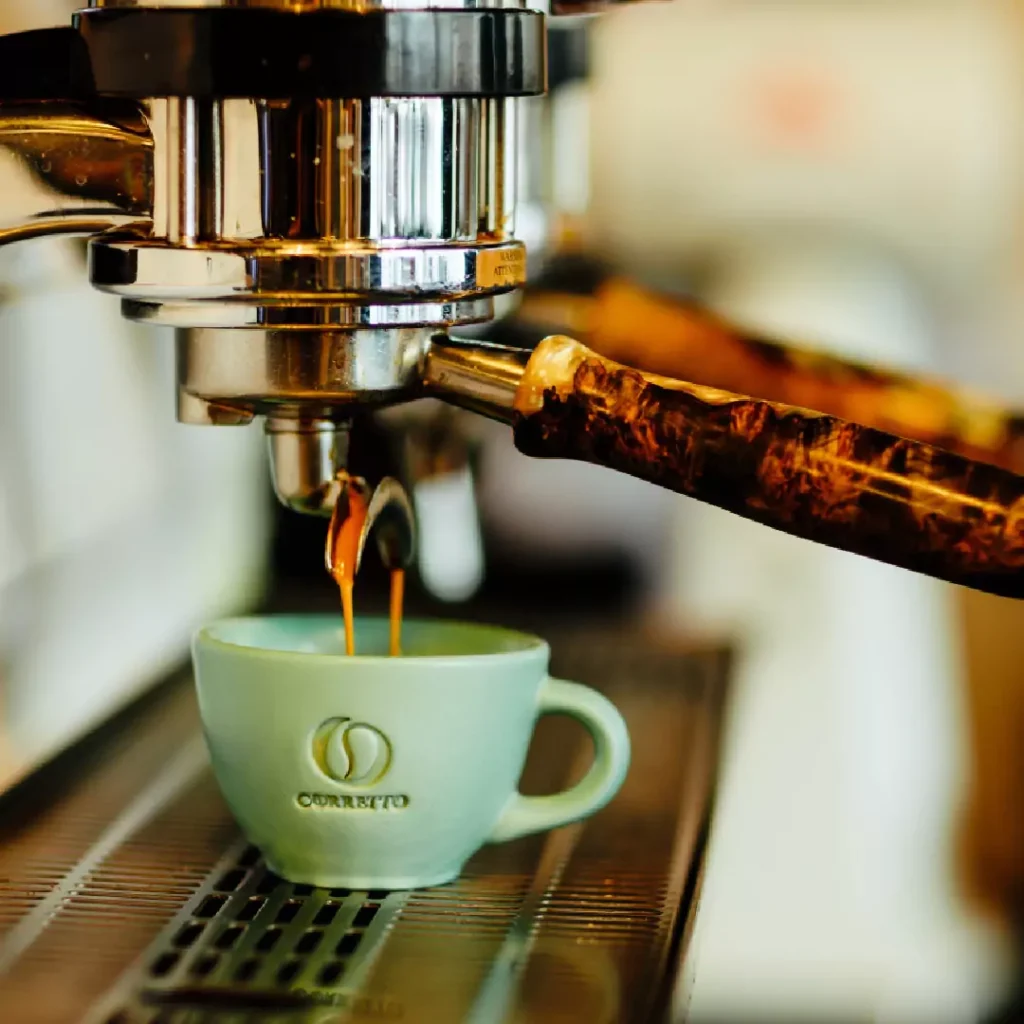
The shot is dense, with rich crema in orange-red hues (a characteristic sign of well-processed naturals). The cherries come through in concentrated form, the marmalade gives it a syrupy body, and the floral hibiscus finish lingers longer than you might expect from an espresso. In a cappuccino, the milk pairs surprisingly well with the peach and cherry notes—the result is reminiscent of a red-fruit milkshake.
☕ Corretto tip: Pacamara espresso calls for a slightly longer extraction than a classic Bourbon. The large, dense beans extract more slowly. Start at a 1:2.2 ratio (18g → 40g) and adjust to taste. If the fruity acidity seems too pronounced, shorten the extraction slightly to 1:2 (18g → 36g): you’ll get a sweeter, rounder shot.
Brew recipe (V60 / Chemex / Aeropress)
Dose: 15g coffee to 250ml water
Grind: Medium (like coarse salt)
Water temperature: 92–94°C
Total time: 3:00–3:30 minutes
In a V60, the coffee opens up completely. Cherries and peach jam dominate the first sips, marmalade appears in the middle, and hibiscus closes out the cup with a long floral acidity. In an Aeropress (using the inverted method, a 2-minute steep, and a slow press), the body becomes even more velvety and the sweetness more concentrated. With a Chemex, the flavor clarity is at its peak: the coffee comes close to a red-fruit tea with concentrated sugars.
☕ Corretto tip: With an 88 SCA Natural Pacamara, water quality matters just as much as the recipe. Use filtered water with medium mineralization (TDS between 75 and 150 ppm). Water that’s too soft “flattens” the fruity acidity, while water that’s too hard hides it under mineral notes. With high SCA scores, every detail shows up in the cup.
Choose the right grind
El Salvador Tecapa Chimaneca Natural Pacamara is available from us in our coffee shop as whole beans or freshly ground, depending on how you prefer your order. If you’re not sure which grind size is right for you, we’ve prepared a complete guide to the four grind types—Espresso, Filter, Turkish Coffee, and French Press—with parameters, ratios, and practical tips for each. You’ll find it in the “Grind Types” tab on this page.
Reviews
No reviews yet.
Similar coffees
From El Salvador, by other roasters
Steamhouse
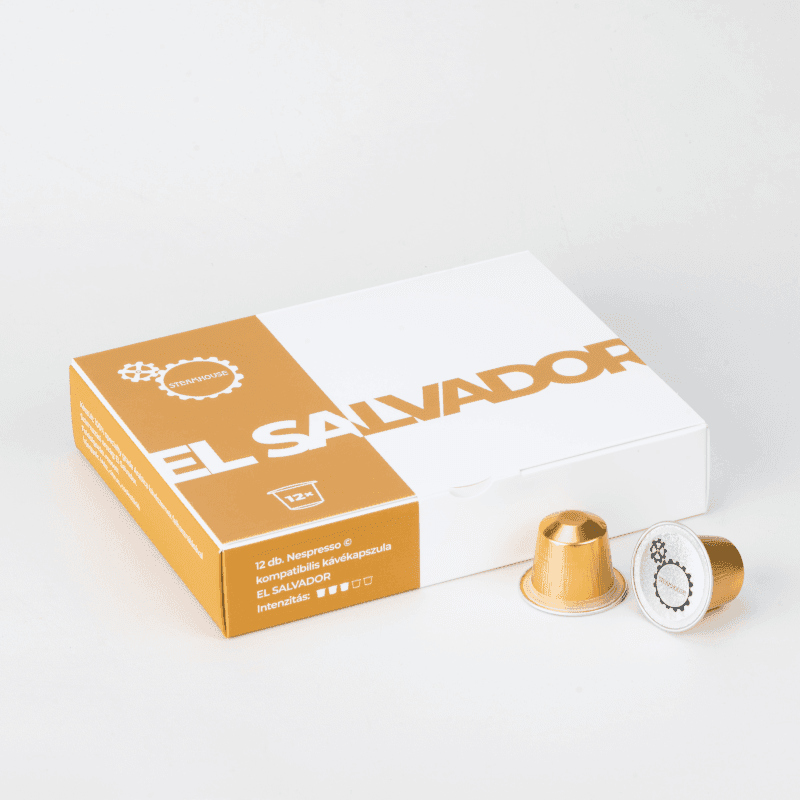
Pack of 12 El Salvador capsules
$6.50
Medium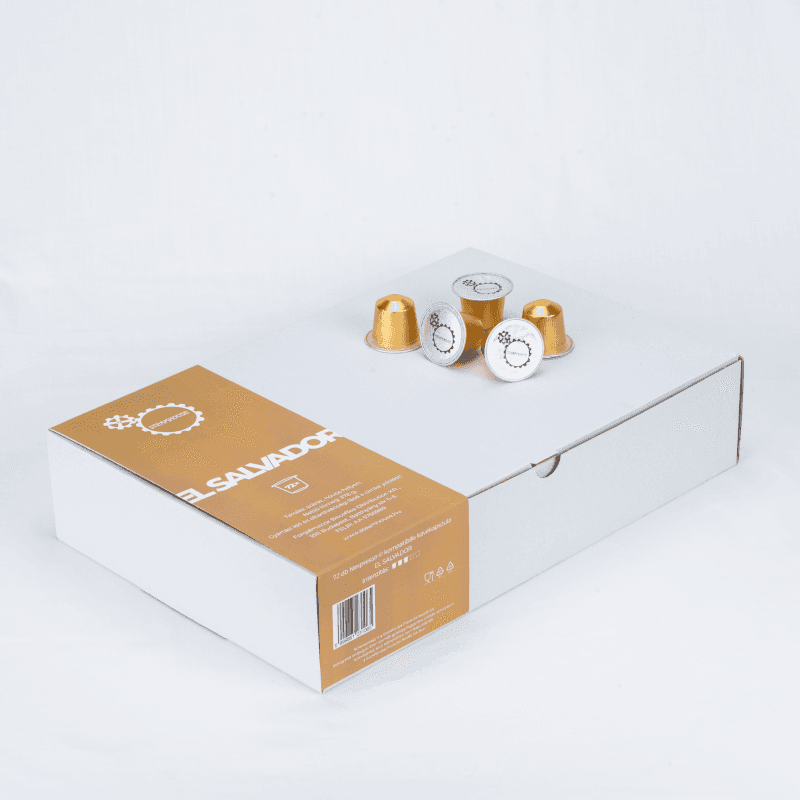
Steamhouse
Pack of 72 El Salvador capsules
$32.50
Medium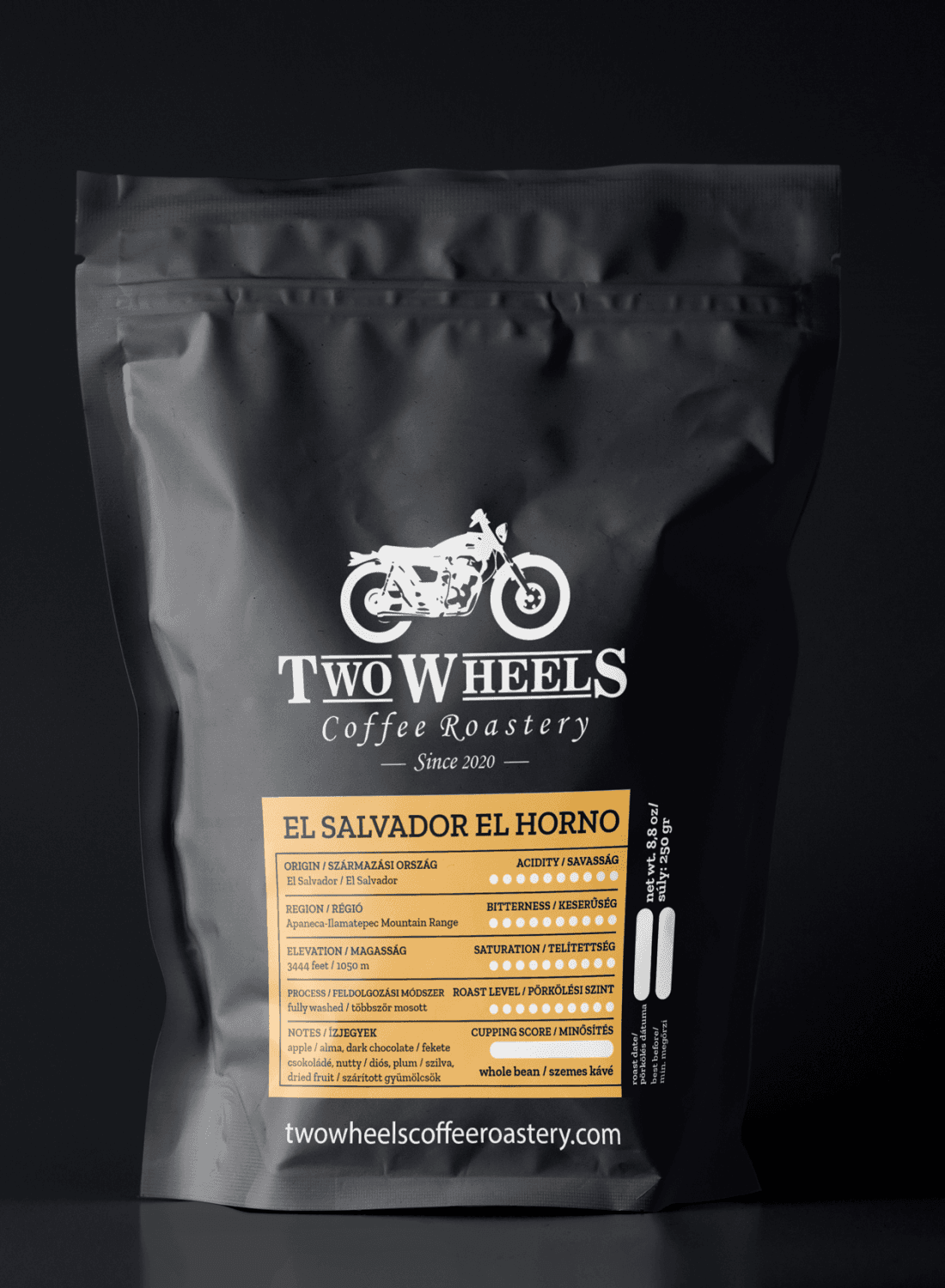
Two Wheels Coffee
El Salvador EL Horno specialty coffee
$5.29
Medium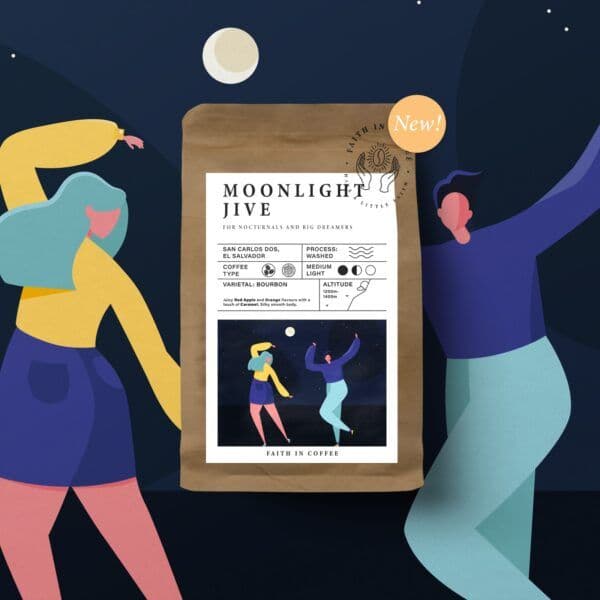
Faith In Coffee
Moonlight Jive
$10.06
Medium
Ghost Town Coffee
El Salvador - El Manzano
$13.83
Medium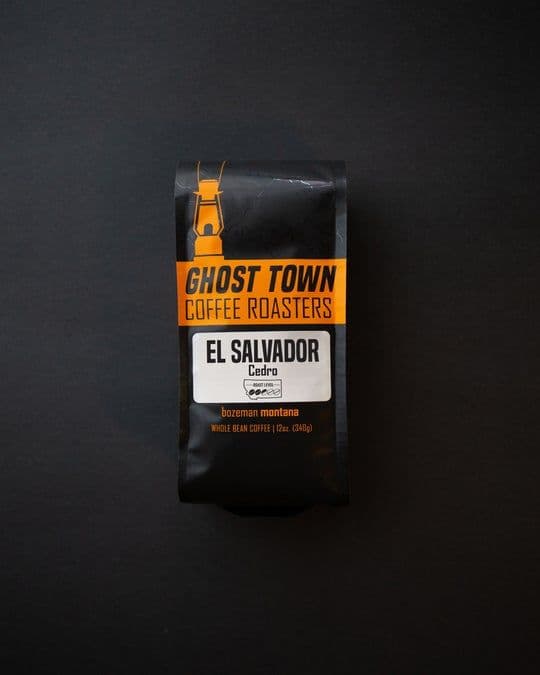
Ghost Town Coffee
El Salvador - Cedro
$15.14
Medium
Hannoversche Kaffeemanufaktur
El Salvador Finca Las Tinieblas
$9.50
Medium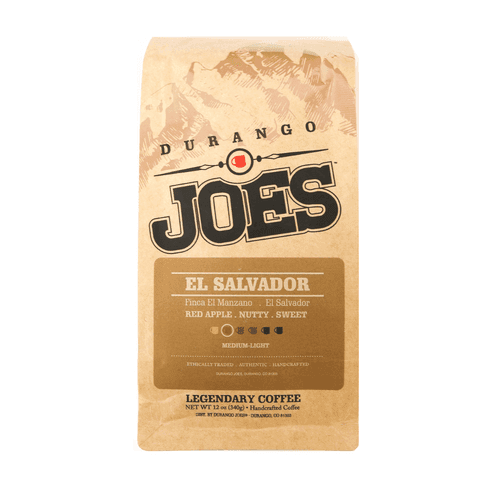
Durango Joes Coffee
El Salvador
$15.30
MediumMore from Caffè Corretto
All products from Caffè Corretto →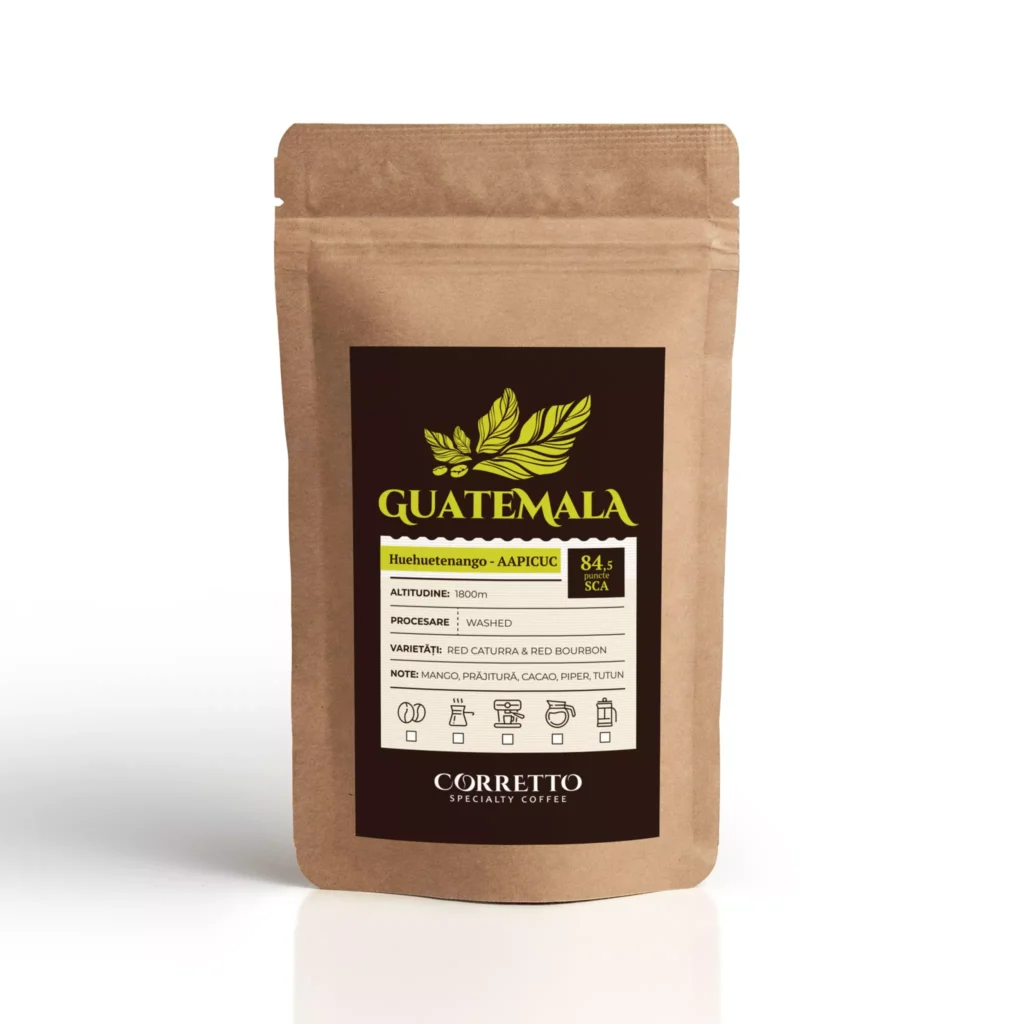
Caffè Corretto
de Specialitate Corretto, Guatemala Huehuetenango, Washed, 100% Arabica, 84,5 puncte SCA
RON 38.00
Medium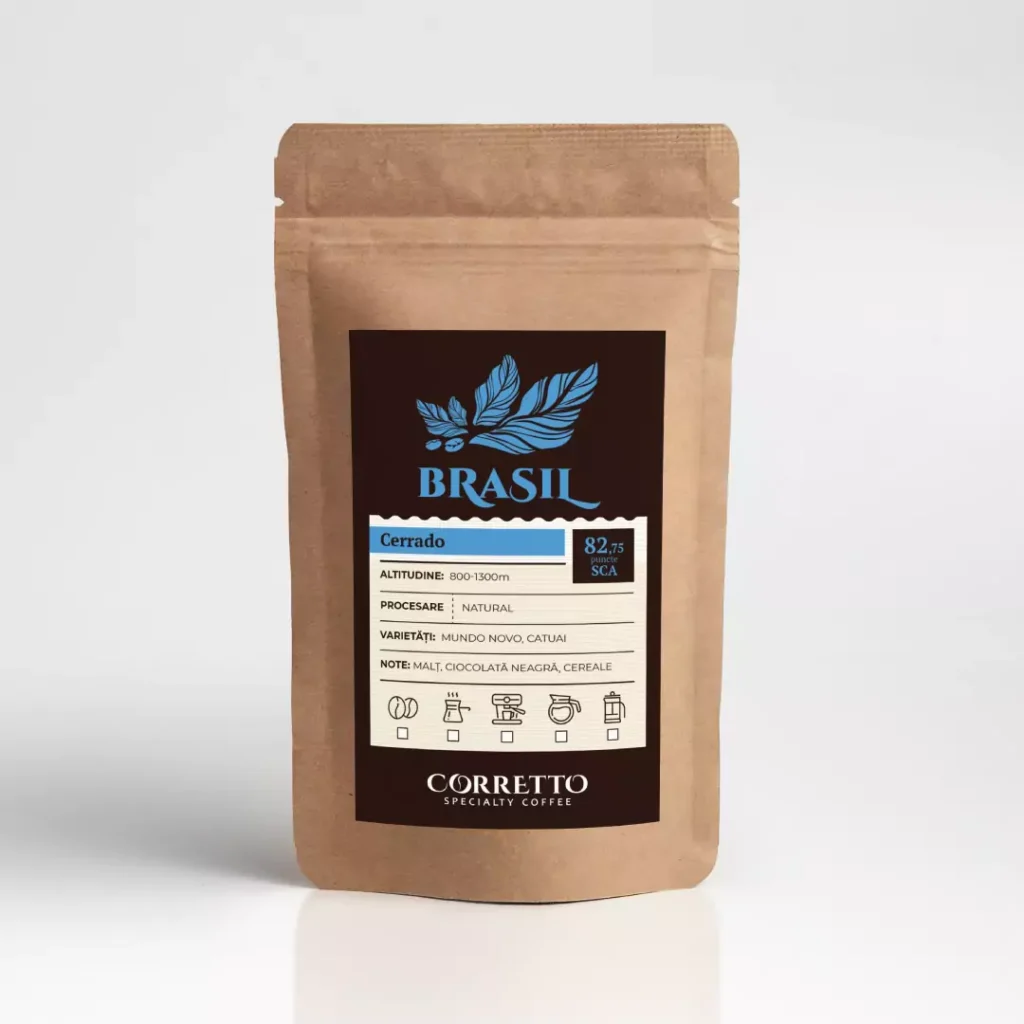
Caffè Corretto
de Specialitate Corretto, Brazilia Cerrado, Natural, 100% Arabica, 82,75 puncte SCA
RON 32.00
Caffè Corretto
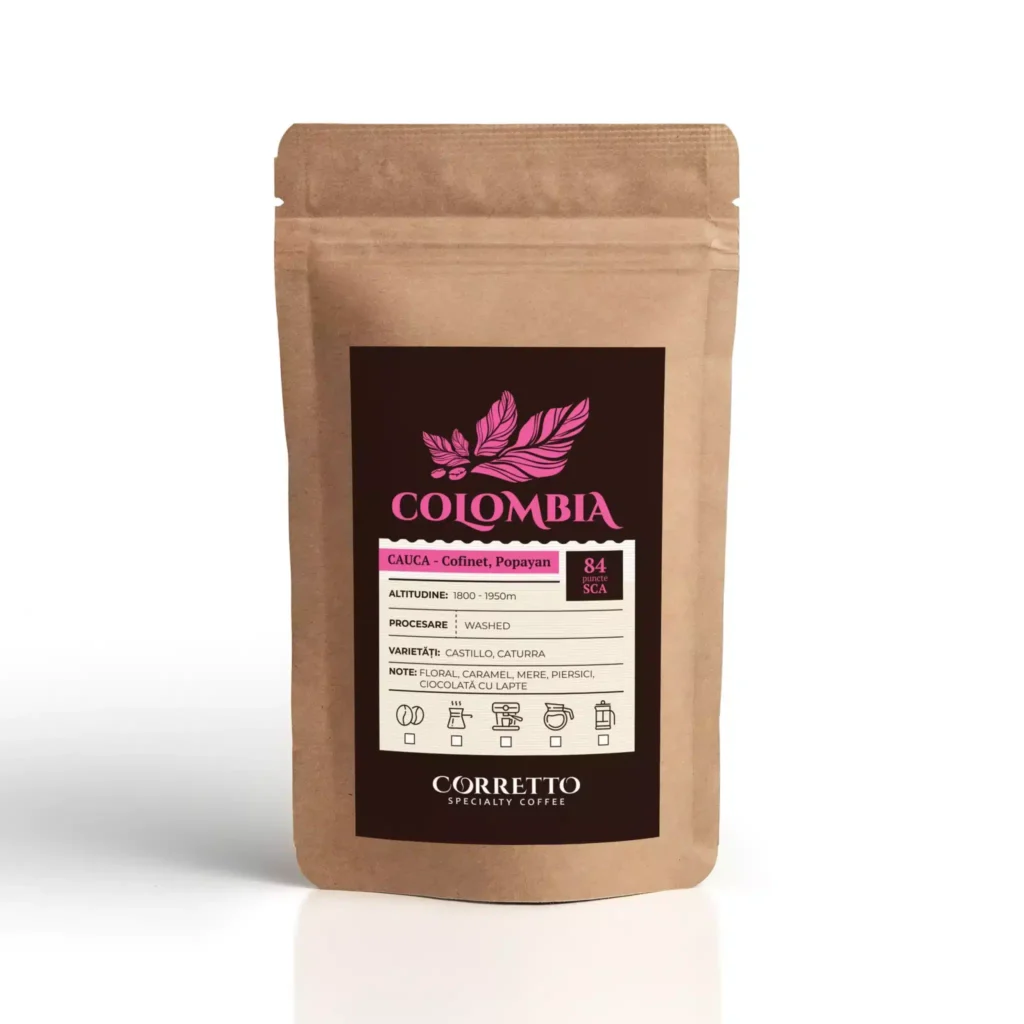
de Specialitate Corretto, Columbia Cauca Popayan, Washed, 100% Arabica, 84 puncte SCA
RON 36.00
Caffè Corretto
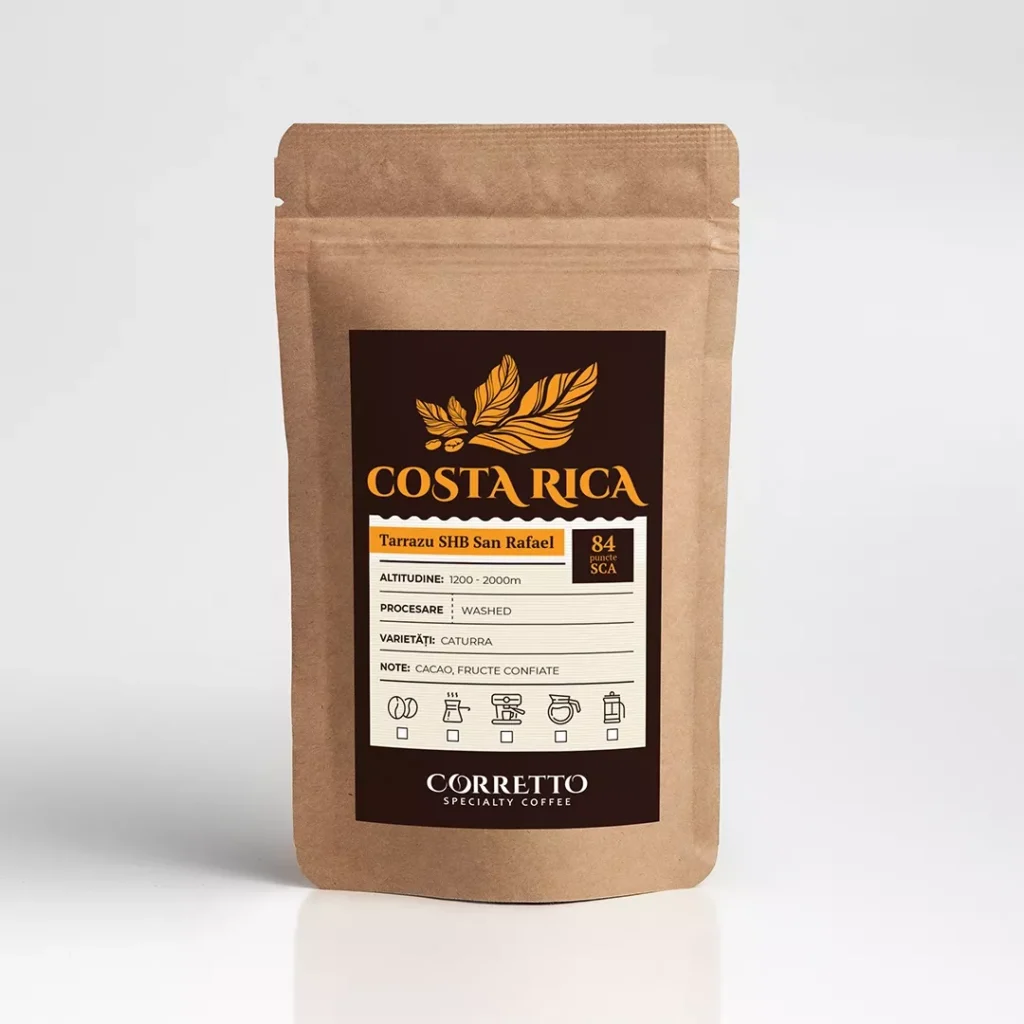
de Specialitate Corretto, Costa Rica Tarrazu SHB San Rafael, Washed, 100% Arabica, 84 puncte SCA
RON 38.00
Medium