
Specialty Coffee
Today, "regular" coffee production is often a hidden synonym for poor quality, lack of durability, and transparency. Instead, this means an unpleasant experience through bad taste and a not-so-great feeling in your body…
364 products · Ship to United States: roasters based there come first, then those whose shop says it delivers there

The Coffee Designers
Nicaragua – Pacamara Gigante
RON 40.00
Medium
The Coffee Designers
Kenya – Cheetah Selection
RON 40.00
Medium
The Coffee Designers
Ethiopia – Yirgacheffe Top Gr. 1
RON 40.00
Medium
The Coffee Designers
Guatemala – Natural Coban
RON 40.00
Medium
The Coffee Designers
Ethiopia – Sidamo Top Gr. 2
RON 40.00
Medium
The Coffee Designers
Colombia Barrique Rum Fermentation
RON 250.00
Medium
The Coffee Designers
Colombia – Cauca Women Coffee Project
RON 40.00
Medium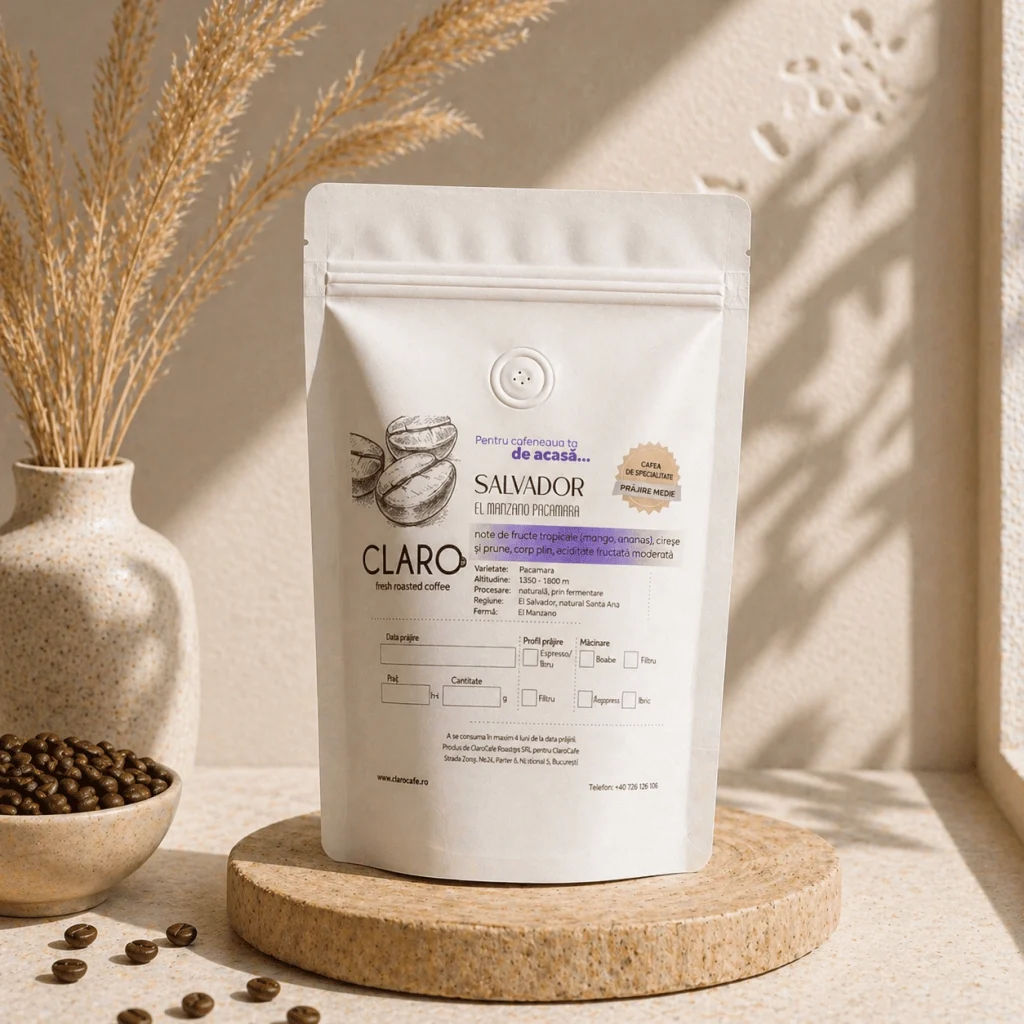
ClaroCafe Roastery
El Salvador El Manzano – Pacamara
RON 68.00
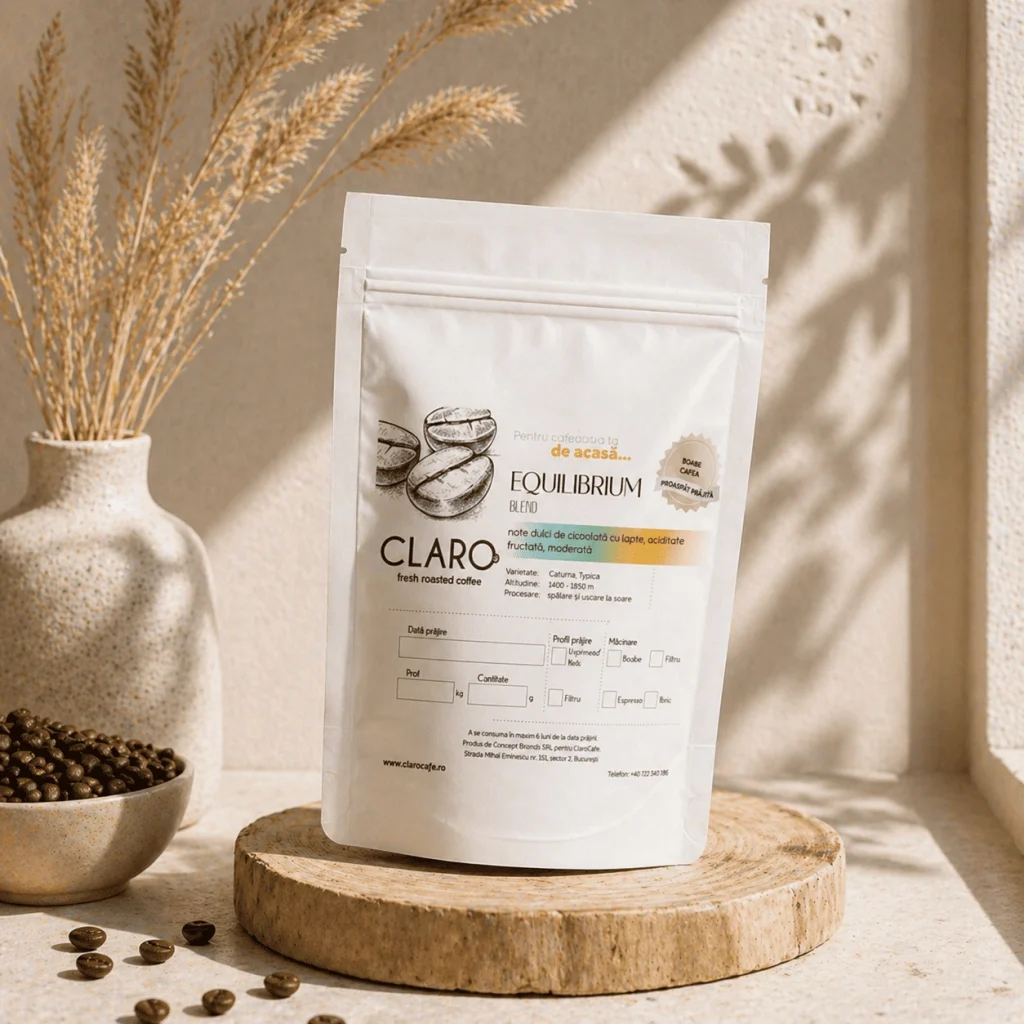
ClaroCafe Roastery
Claro Equilibrium – Blend
RON 50.00
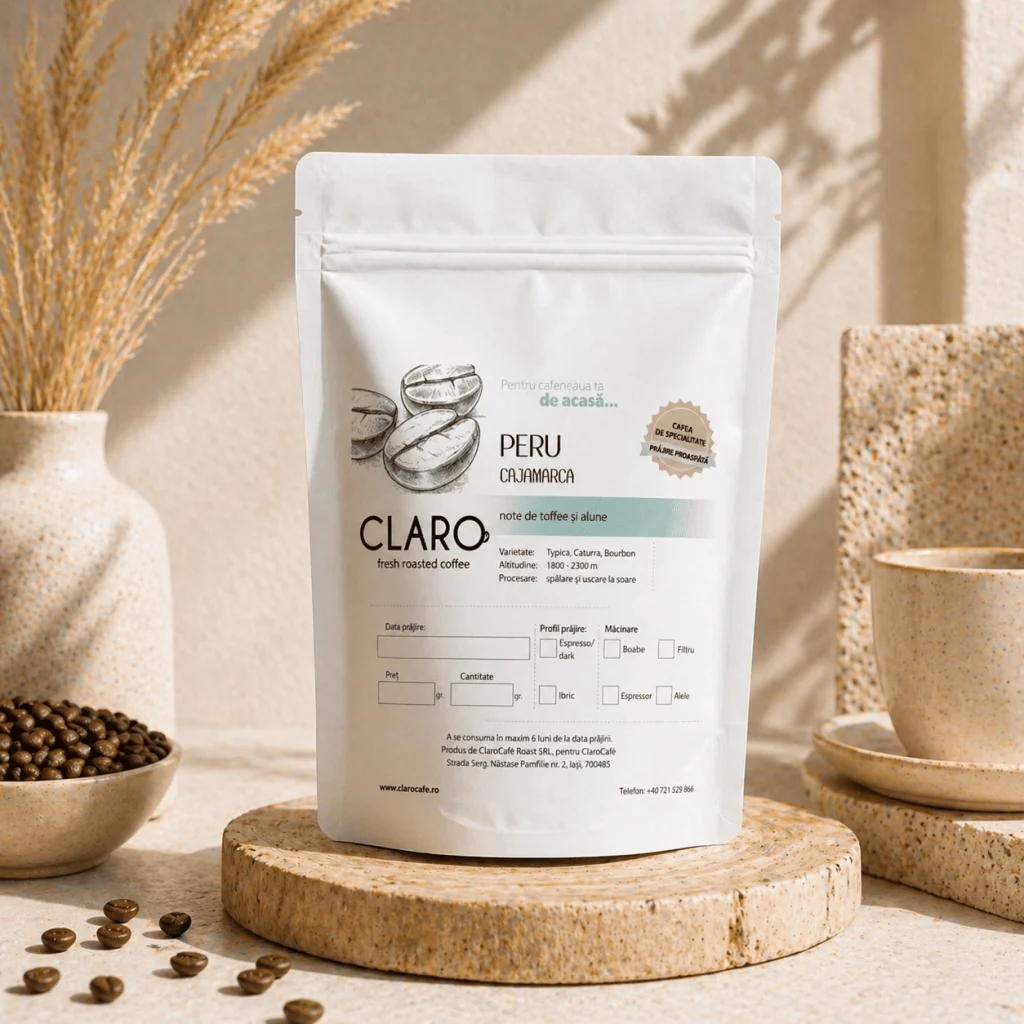
ClaroCafe Roastery
Peru Cajamarca
RON 50.00
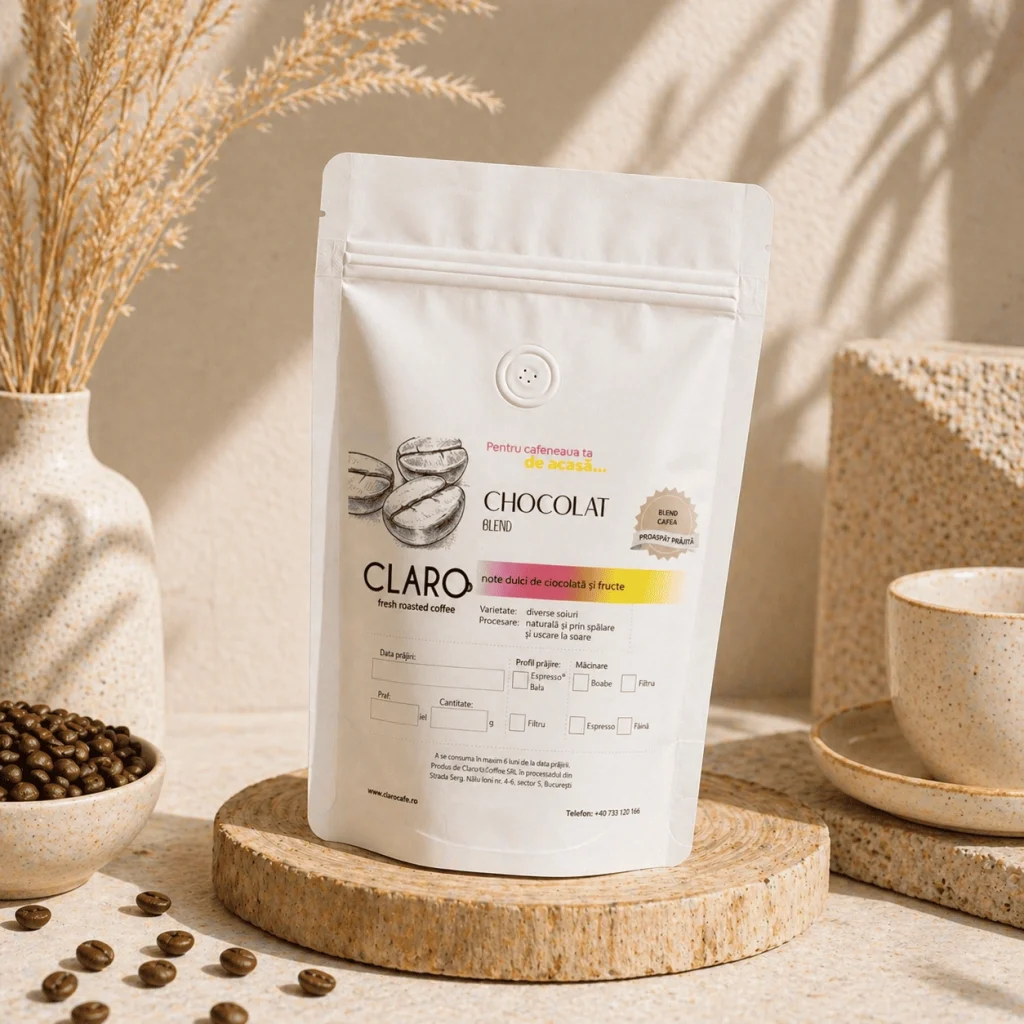
ClaroCafe Roastery
Claro Chocolat – Blend
RON 50.00
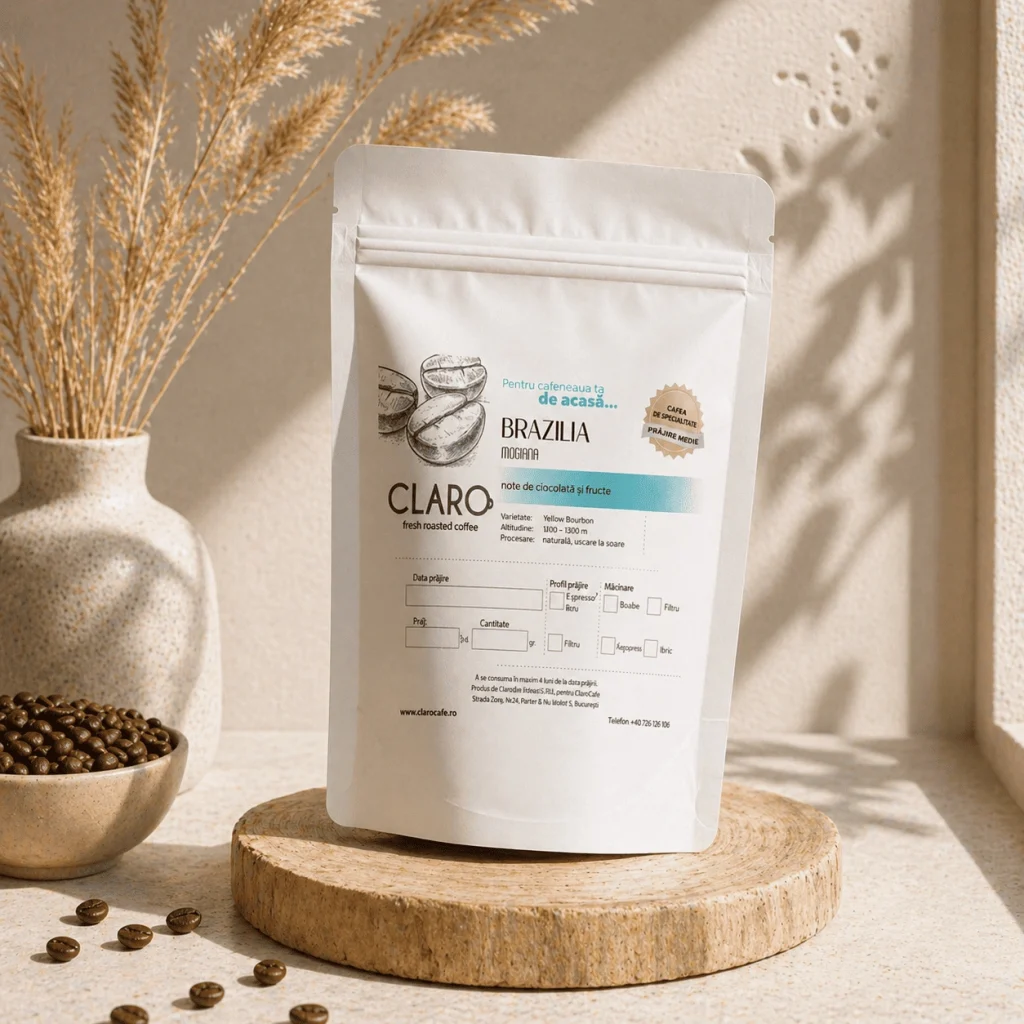
ClaroCafe Roastery
Brazilia Mogiana Sertãozinho
RON 50.00
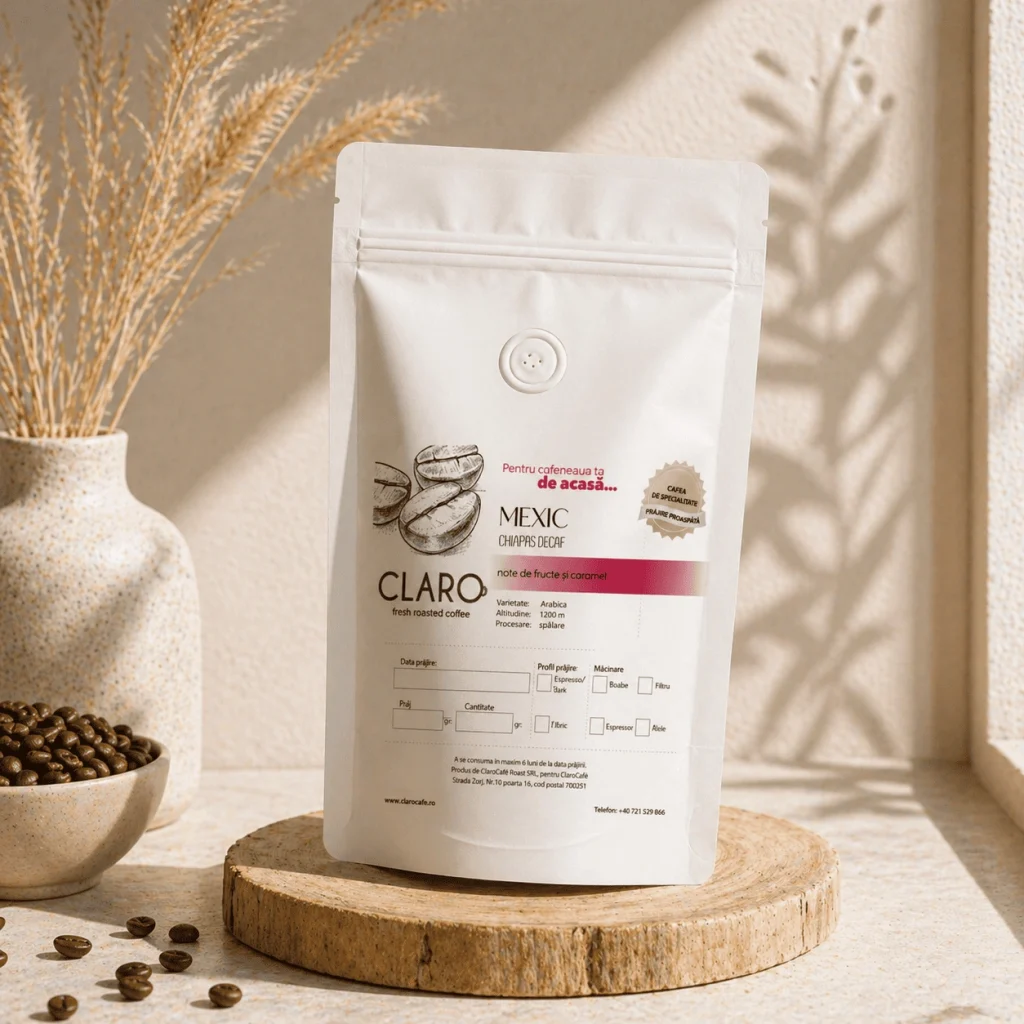
ClaroCafe Roastery
Mexic Chiapas Decaf
RON 55.00
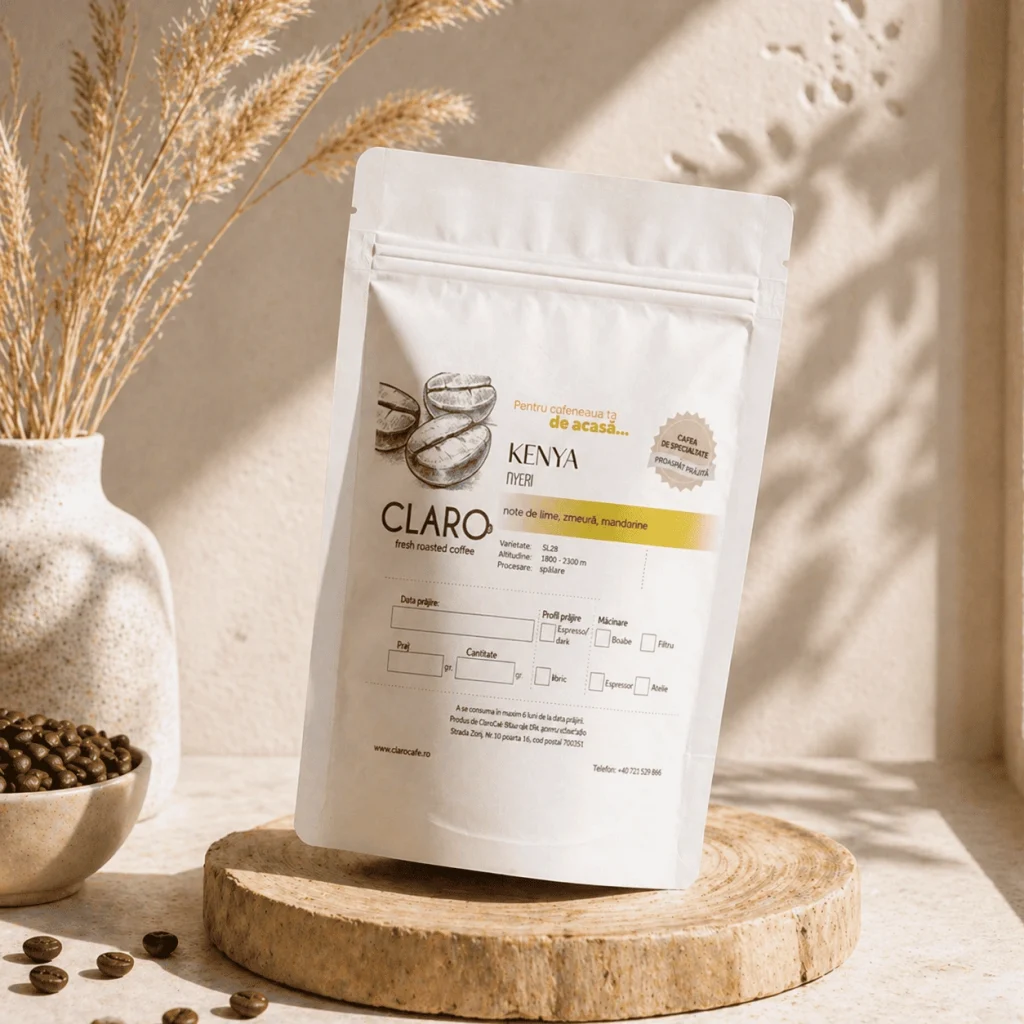
ClaroCafe Roastery
Kenya Nyeri
RON 55.00
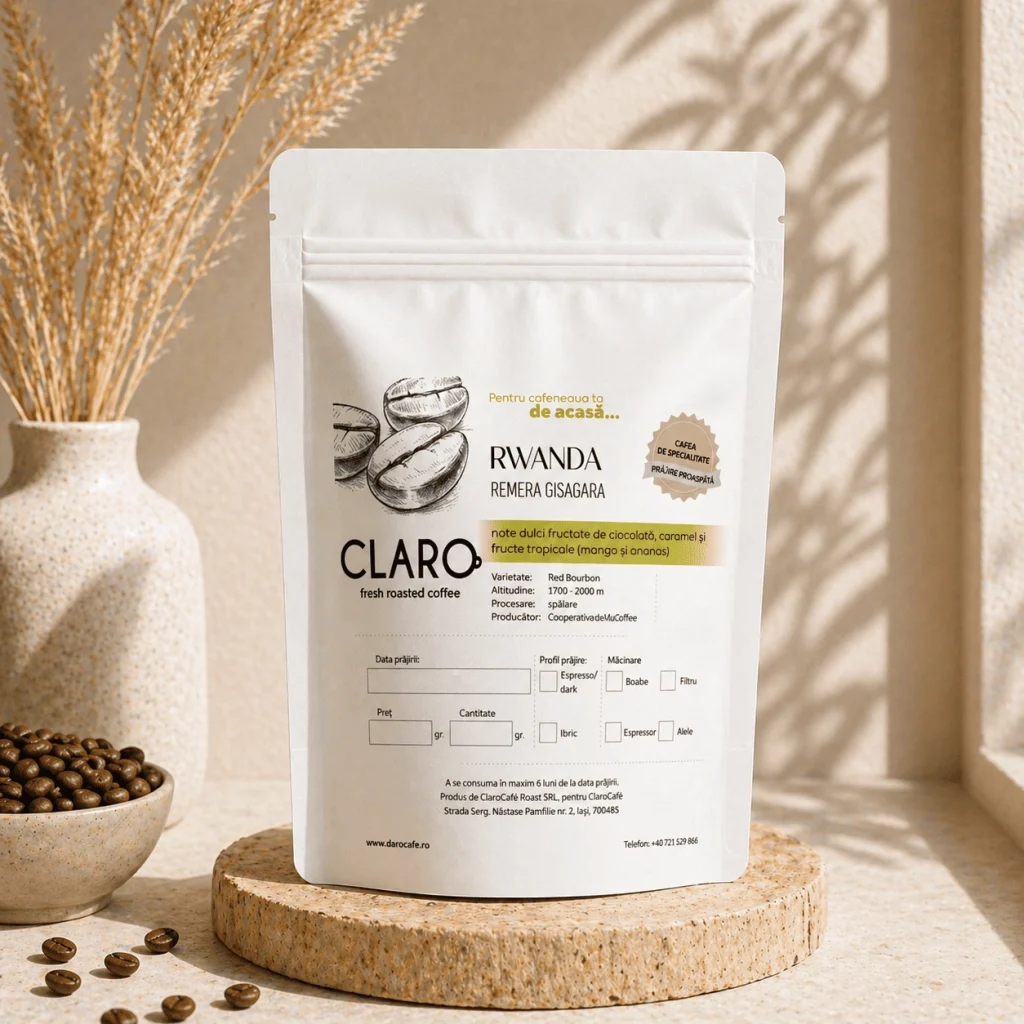
ClaroCafe Roastery
Rwanda Remera Gisagara
RON 60.00
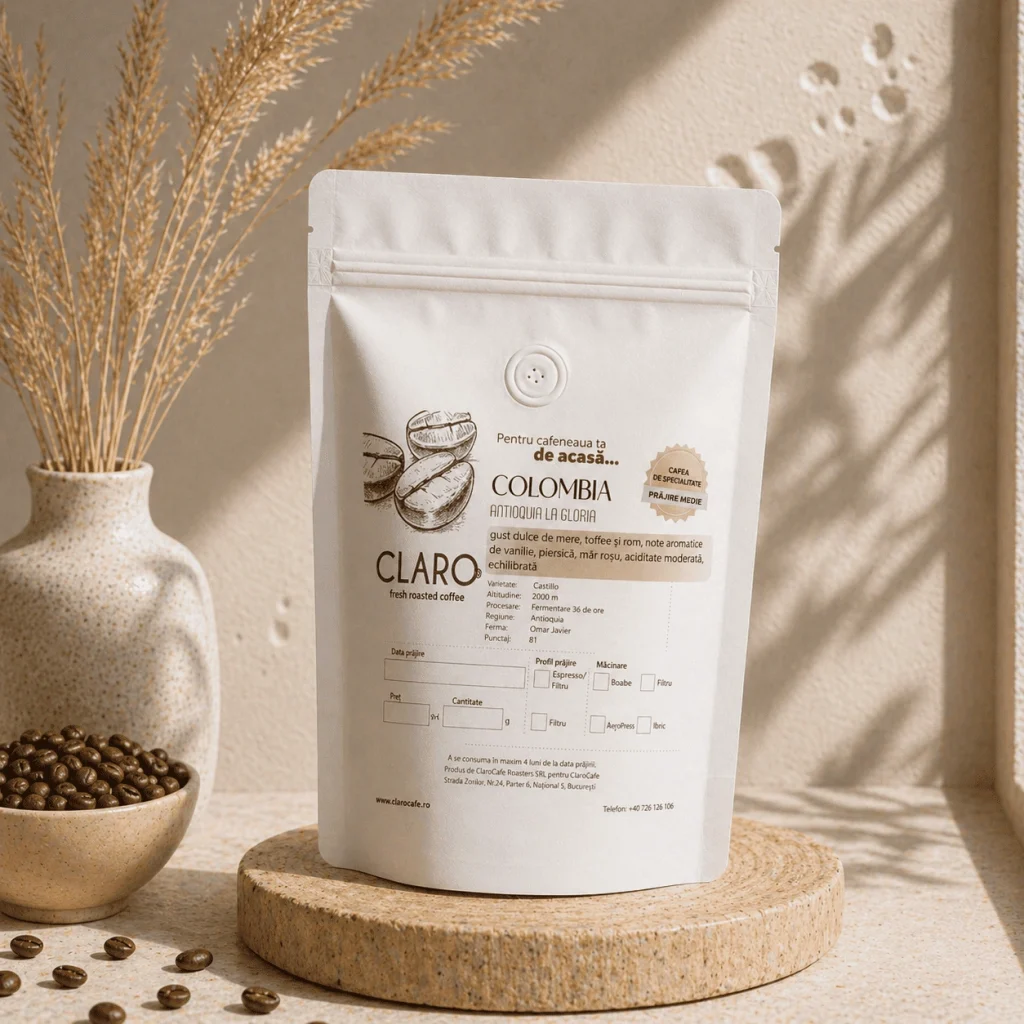
ClaroCafe Roastery
Columbia Antioquia La Gloria
RON 68.00
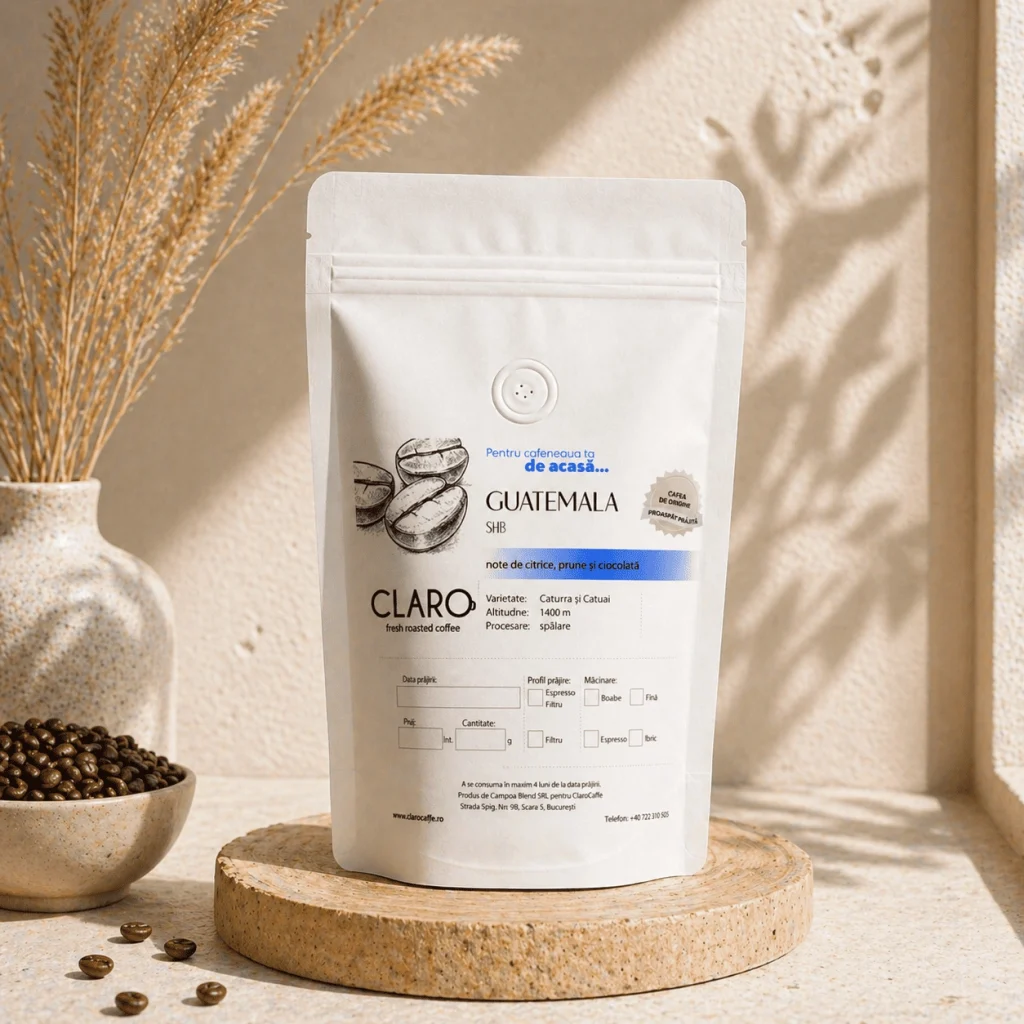
ClaroCafe Roastery
Guatemala SHB – Cafea de Origine
RON 45.00
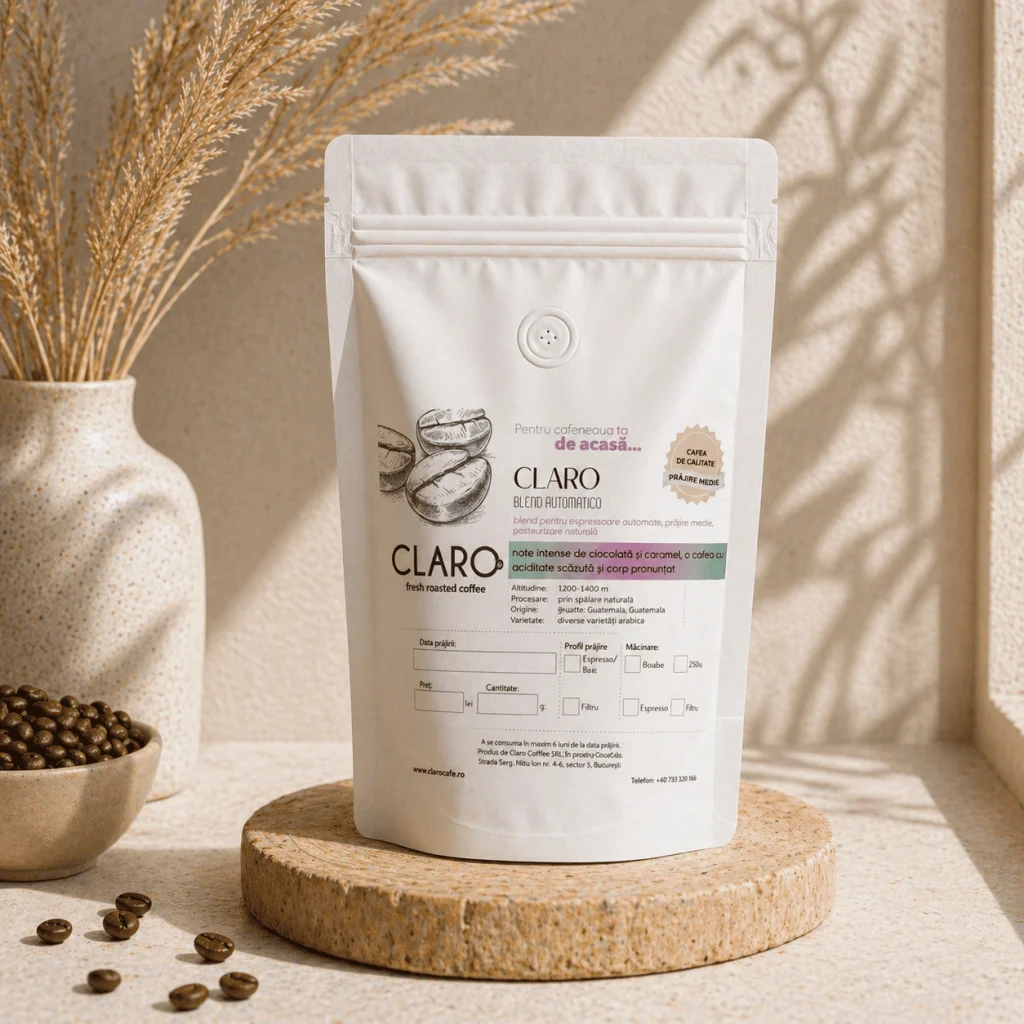
ClaroCafe Roastery
Claro Automatico – Blend Cafea de Origine
RON 45.00
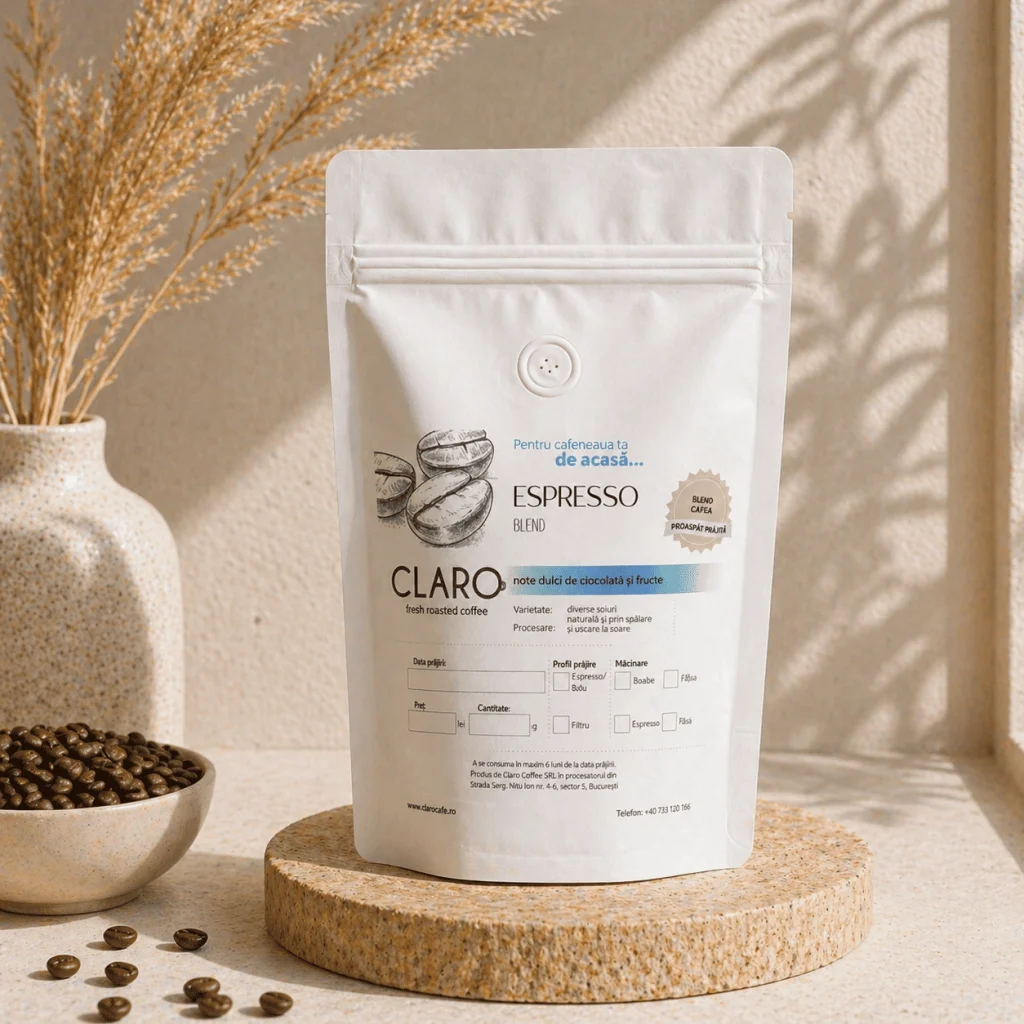
ClaroCafe Roastery
Claro Espresso – Blend Cafea de Origine
RON 45.00
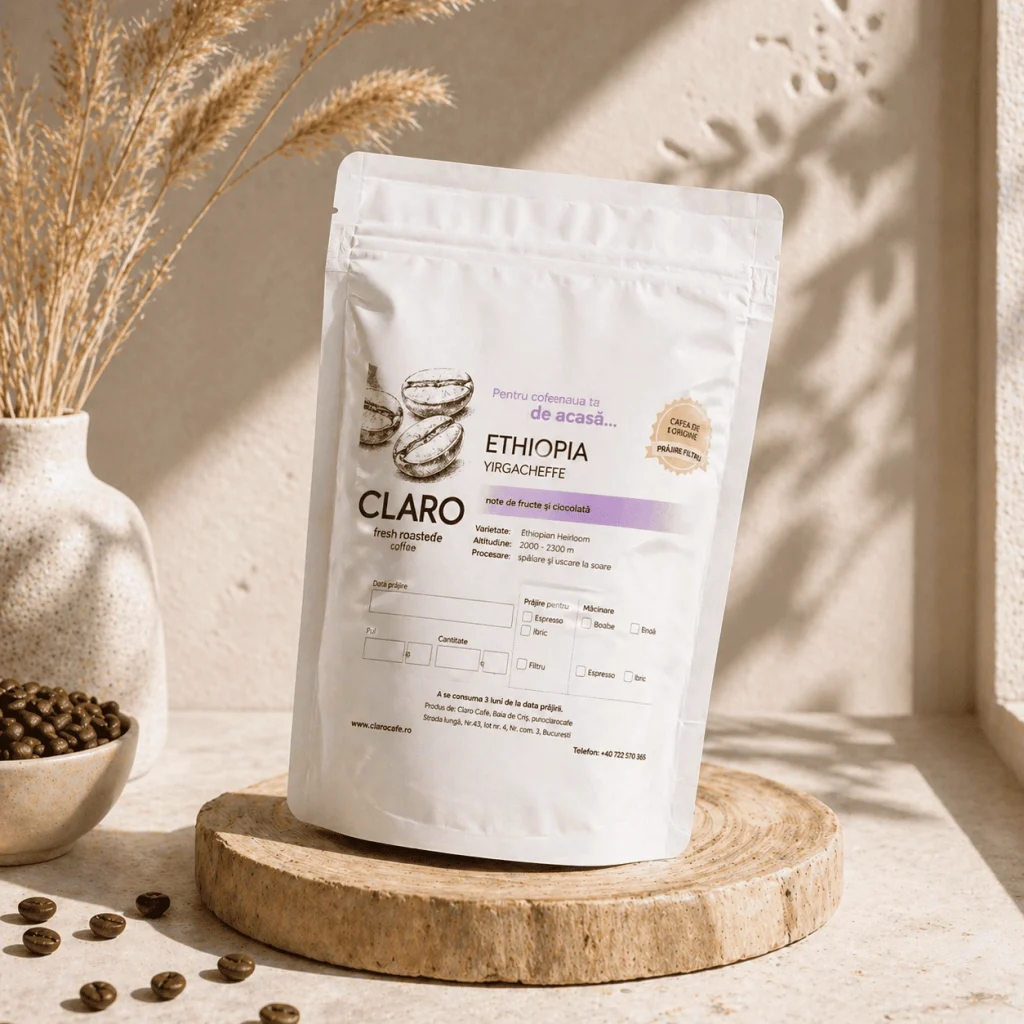
ClaroCafe Roastery
Ethiopia Yirgacheffe – Cafea de Origine
RON 55.00
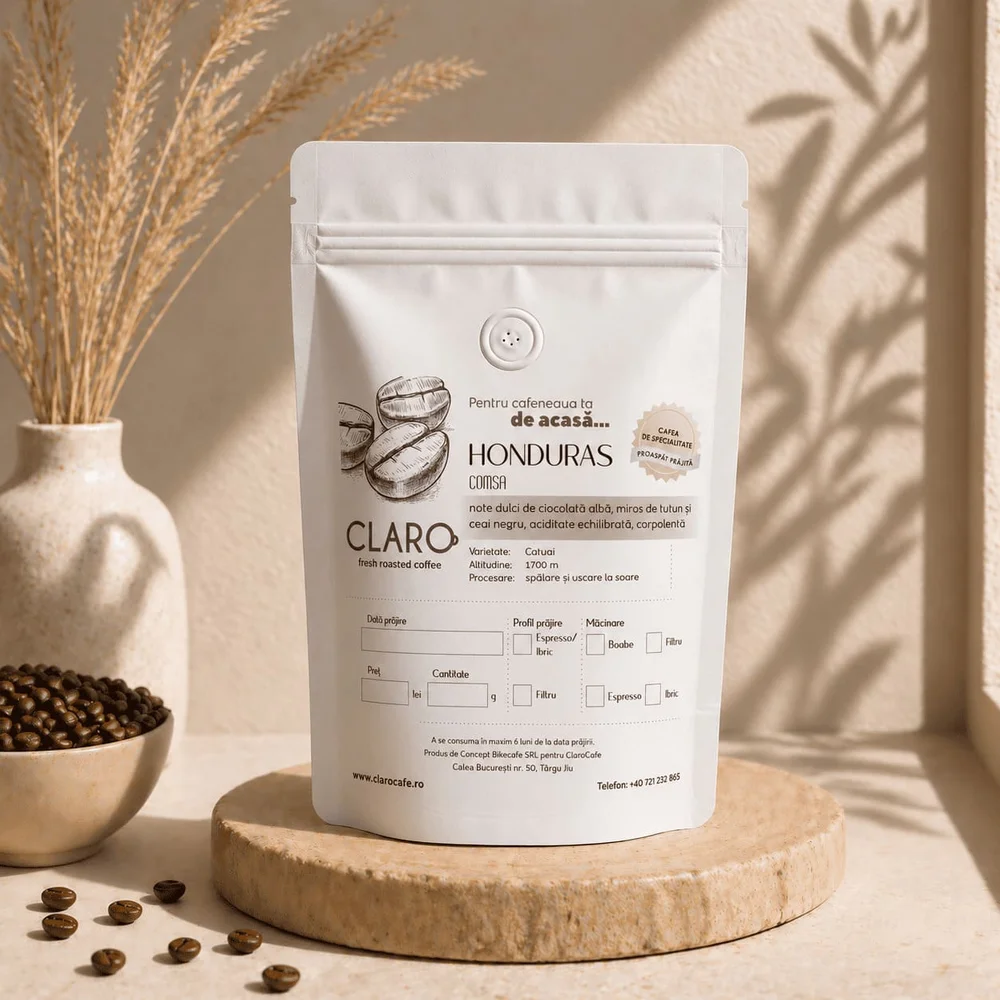
ClaroCafe Roastery
Honduras Comsa
RON 68.00
Dark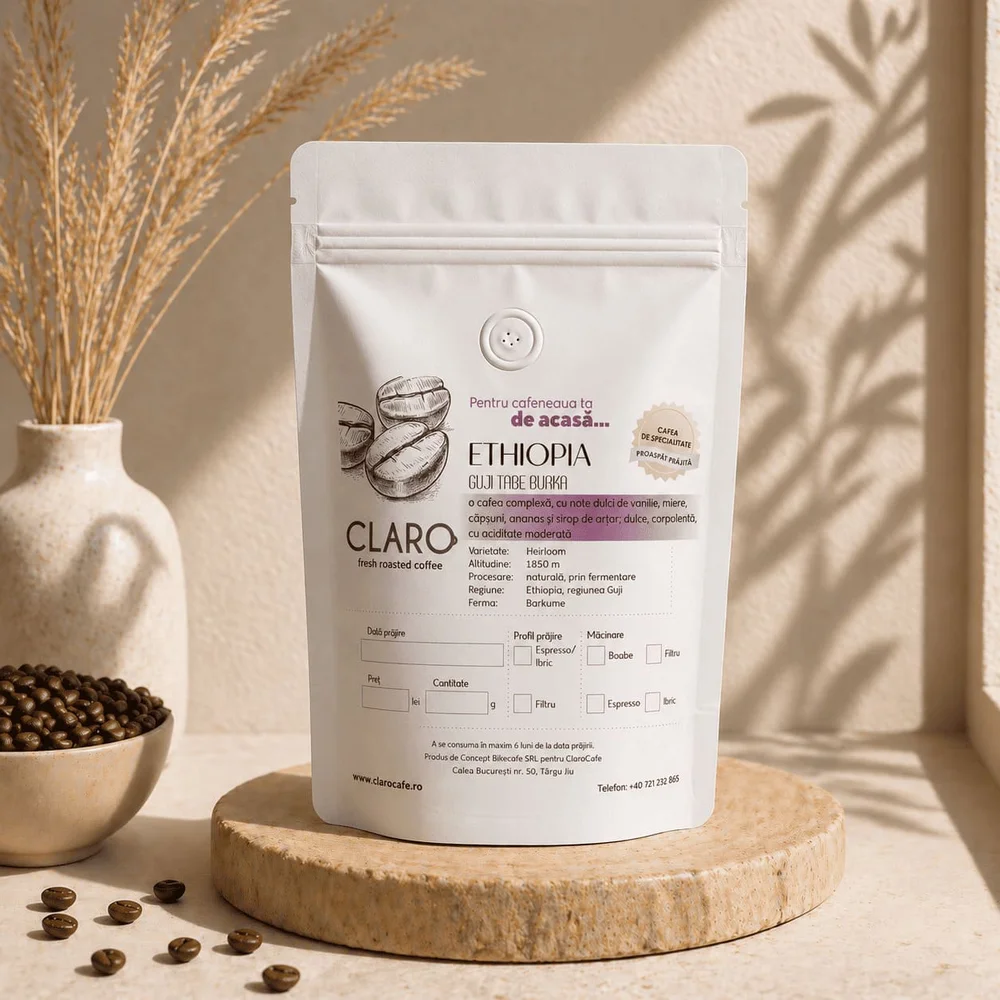
ClaroCafe Roastery
Ethiopia Guji Tabe Burka
RON 65.00
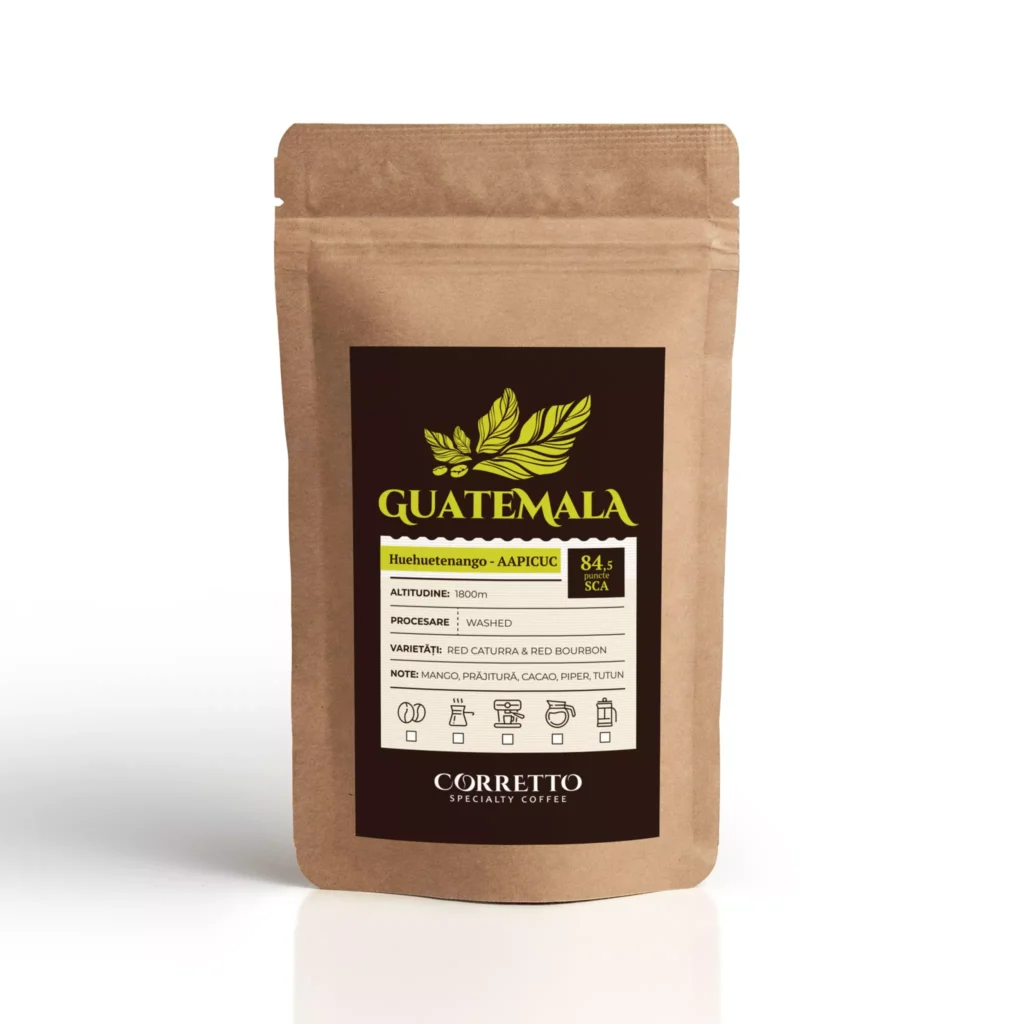
Caffè Corretto
de Specialitate Corretto, Guatemala Huehuetenango, Washed, 100% Arabica, 84,5 puncte SCA
RON 38.00
Medium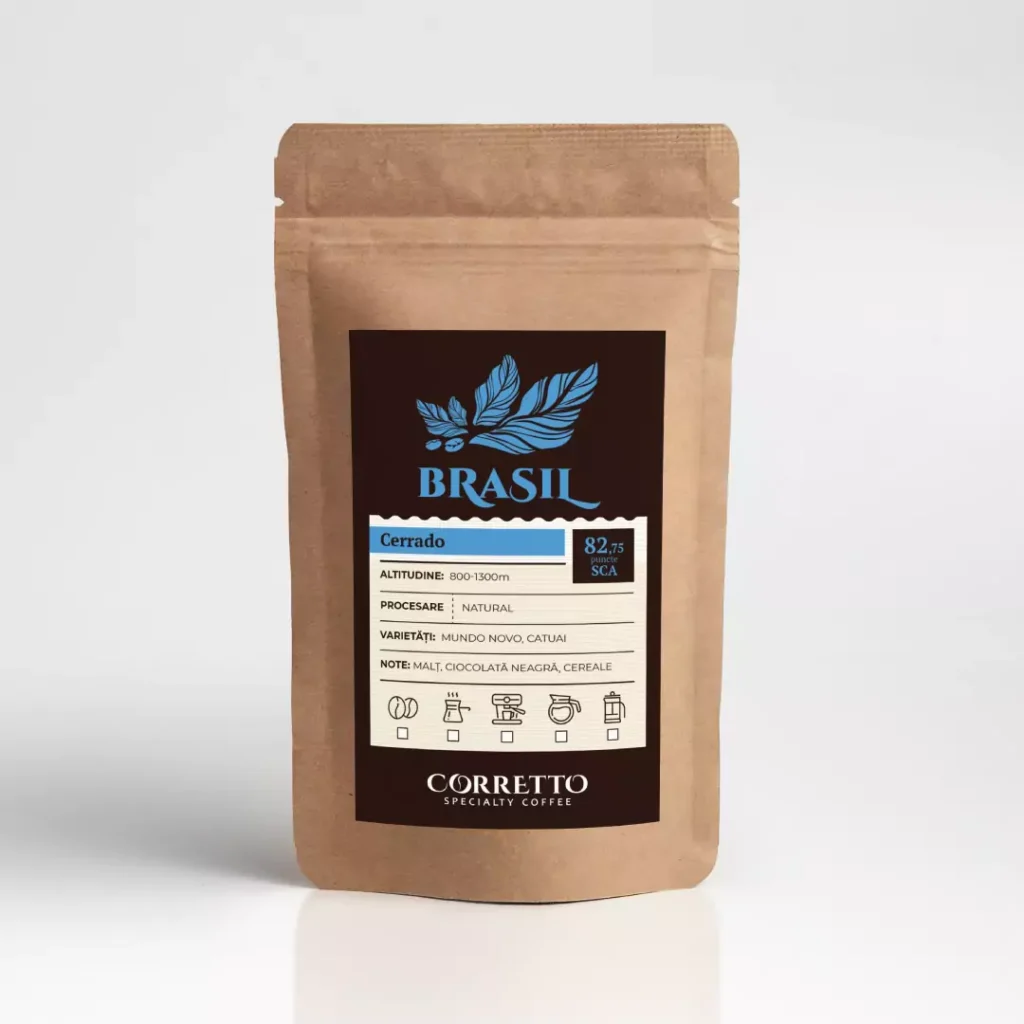
Caffè Corretto
de Specialitate Corretto, Brazilia Cerrado, Natural, 100% Arabica, 82,75 puncte SCA
RON 32.00
Today, "regular" coffee production is often a hidden synonym for poor quality, lack of durability, and transparency. Instead, this means an unpleasant experience through bad taste and a not-so-great feeling in your body. In contrast, most cases of special coffee mean guaranteed quality during all stages of coffee production, from the process from seeds to your cup of coffee.
Growing and processing
The journey of coffee begins with the growth of coffee trees. First, a raw coffee seed is planted. It must be a good quality seed and must be planted in the right place at the right time to produce quality coffee. The two most popular types of coffee are; soft taste Arabica and Robusta, which are bitter, but easier to grow. Almost all specialty coffee comes from the first 10% of Arabica seeds.
After 3-4 years, the planted coffee tree will give the first red fruits - coffee beans that are ready to be harvested.
The coffee is harvested mostly by hand, either "harvested by tape" or "selectively selected". Picking with strips is a faster process, but it also means that all the berries of the tree are harvested at the same time. Selective manual harvesting takes more time but gives a better result because only the grains that are at the peak of maturity are harvested and the raw beans are left for later.
Once the harvest is complete, the coffee must be processed as soon as possible to prevent damage. There are methods to do this: dry, semi-dry, and wet.
When the dry method is used, the coffee beans are stretched to dry over a large area and dried under the sun. In the wet method, the bean pulp is removed and the beans are fermented in tanks and washed with large amounts of water. This is one of the most important steps in coffee processing and is often wrong. False fermentation and washing can give the coffee impurities and a bad bitter taste, which cannot be removed afterward.
Once the coffee is dry, it is sorted by size and weight. Damaged and incorrectly colored beans are removed. Unfortunately, much of the global coffee industry consists of poor quality coffee beans, which are sold and used to produce cheap coffee blends without a fair payment to farmers. Removing these poor-quality coffee beans is important because even a coffee bean over baking can spoil your coffee cup giving it a sour and vinegar-like taste. Once the sorting is complete, the green coffee beans are stored in jute or sisal bags until shipped to a monastery.
Roasting
Now it's time to test the coffee. The taster, also called the "cupper", will check the color, which for a professional cupper says a lot about quality. After visual approval, it's time for some tasting of roasting, brewing, smelling, and releasing "slurp", and once the quality is approved by the cupper, the rest of the beans are fried.
Beans are usually fried at about 230-260 degrees Celsius. The coffee is kept stirring until roasting. When the inside temperature of the grains reaches 230 degrees Celsius, the oil inside them begins to come out. This changes the beans from green to brown and gives the coffee a real flavor. Once the roasting is complete, the beans are cooled immediately, either by air or water and now the coffee must hurry to reach your cup. The flavors begin to fade immediately after roasting because coffee is best to enjoy 2-30 days after frying. High-quality coffee is often excellent after 30 days, but there is no hope for regular coffees.
Grinding and brewing the coffee
Are you already buying coffee as beans? If not, you may want to think about it, because getting the right grinding for you can make a big difference. Why is this important? Well, it will allow you to quickly extract all the flavor (before they lose their flavor after grinding) to allow for that perfect cup of coffee. Finer for espresso, coarser for filtrate. Some studies say that ground coffee can lose up to 60% of its flavor in 15 minutes after grinding, so if you're wondering why home coffee doesn't taste as good as your favorite coffee, this could be a reason. . Now preparing ...
Making coffee itself is a chemist-like process that you can spend your whole life studying, but covering the basics is enough for many of us. Prepare carefully and before taking the first sip, take a second and appreciate the long journey he has made, just for you and your health.