Pibe
Not rated yet · Be the first to review it
from€22.00
≈ €88.00 / kg
You’ll be taken to the roaster’s shop to complete your purchase.
- Roaster based in
- Spain
- Ship to
- United States · Check on the roaster’s shop
Café Pibe is an invitation to travel without rushing. To slow down and discover how nature, from a faraway place, can express itself in a cup. From the mountains of Kenya, this coffee speaks of fertile lands, small-scale producers, and a coffee tradition admired around the world. Each sip turns an everyday gesture into a different kind of experience. Pibe is a way to get closer to an extraordinary origin and remember that the best stories often begin with a cup in your hands.
Sizes and prices
| Grind | Coffee Size | Per kg | Price |
|---|---|---|---|
| Whole Beans | 250g | €88.00 | €22.00 ↗ |
| Ground-Espresso | 250g | €88.00 | €22.00 ↗ |
| Ground (Moka) | 250g | €88.00 | €22.00 ↗ |
| Ground (AeroPress) | 250g | €88.00 | €22.00 ↗ |
| Café mólido (Cafetera Chemex) | 250g | €88.00 | €22.00 ↗ |
| Café mólido (Cafetera de goteo) | 250g | €88.00 | €22.00 ↗ |
| Café mólido (Cafetera Moccamaster) | 250g | €88.00 | €22.00 ↗ |
| Café mólido (Cafetera V60) | 250g | €88.00 | €22.00 ↗ |
Show all 9
| Grind | Coffee Size | Per kg | Price |
|---|---|---|---|
| Café mólido (Cafeteria Prensa Francesa) | 250g | €88.00 | €22.00 ↗ |
Description
Café Pibe: a journey to the heart of Kenyan coffee
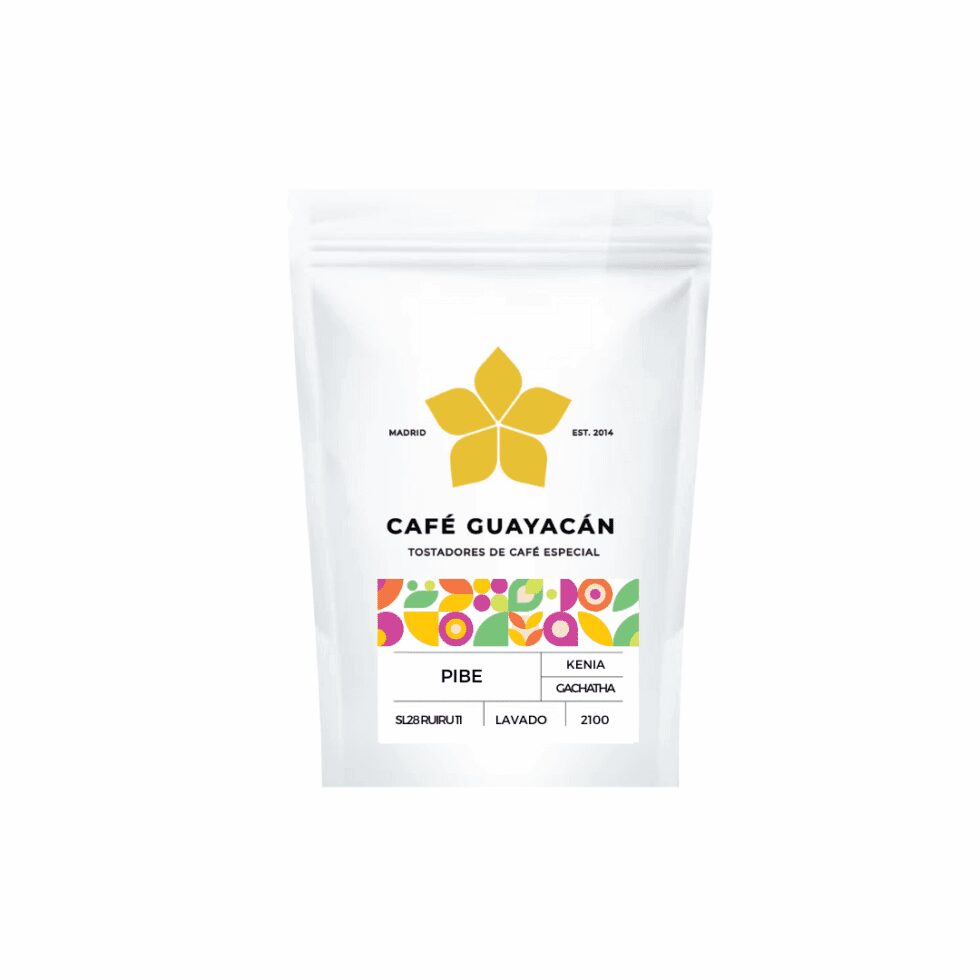
Café Pibe comes from Kenya, one of the most admired countries in the coffee world. It comes from the Nyeri region, a land where generations of farmers have devoted their lives to growing extraordinary coffee. Behind every cup are families, tradition, and an approach to coffee grounded in care and patience.
If you’re looking for a coffee that helps you discover why Kenya holds a special place in the world of specialty coffee, Café Pibe is a wonderful introduction.
Coffee and Kenya
When you talk about specialty coffee, you talk about Kenya.
Although it produces less coffee than some other countries, its international reputation is immense. Kenyan coffees are prized for their distinctive character, elegance, and the extraordinary dedication that goes into growing and processing them.
The combination of altitude, climate, and knowledge accumulated over decades has made the country a point of reference for coffee lovers, baristas, and roasters around the world.
Each harvest represents the work of thousands of small-scale producers who have made coffee an essential part of their cultural identity.
Coffee farming in the Gachatha region
Café Pibe comes from the Nyeri region, located between the slopes of Mount Kenya and the Aberdare Range. There, thousands of small-scale producers grow coffee on family farms and deliver their cherries to the Gachatha washing station, founded in 1963.
The Gachatha cooperative brings together more than 1,500 producers who work together to maintain high quality standards. It also promotes initiatives to support coffee-growing families and protect the region’s natural environment.
When you choose Café Pibe, you’re choosing more than an exceptional coffee. You’re also supporting a way of producing coffee based on collaboration, experience, and respect for the land.
The reputation of peaberry coffee
Café Pibe belongs to a highly prized category in Kenya: peaberry coffee.
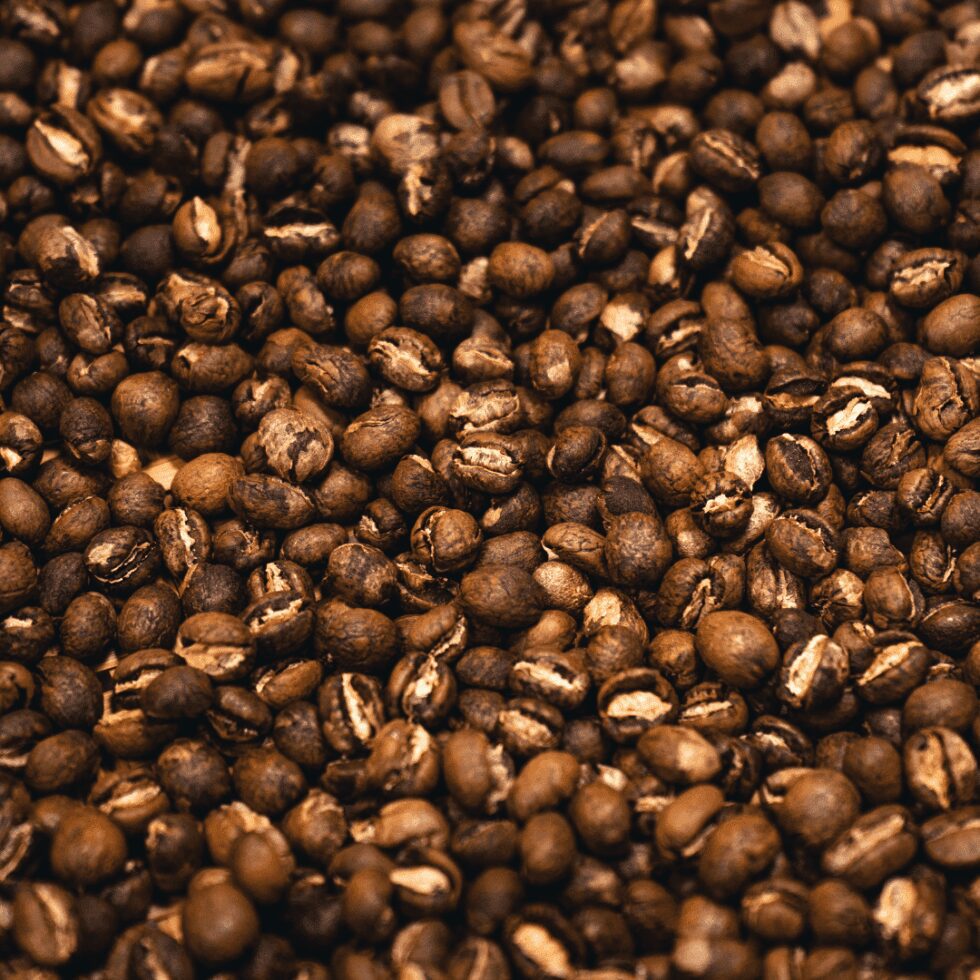
As the fruit develops, it usually produces two seeds. In some cases, however, only one develops, creating a rounded bean known as a peaberry.
Its rarity has drawn the interest of coffee producers and enthusiasts for decades. Many consumers seek out these lots specifically for their uniqueness and the experience they offer in the cup.
That’s why peaberry coffees often hold a special place among the most exclusive selections from Kenyan harvests.
The washed process in Kenyan coffee
The washed process is part of Kenya’s coffee identity.
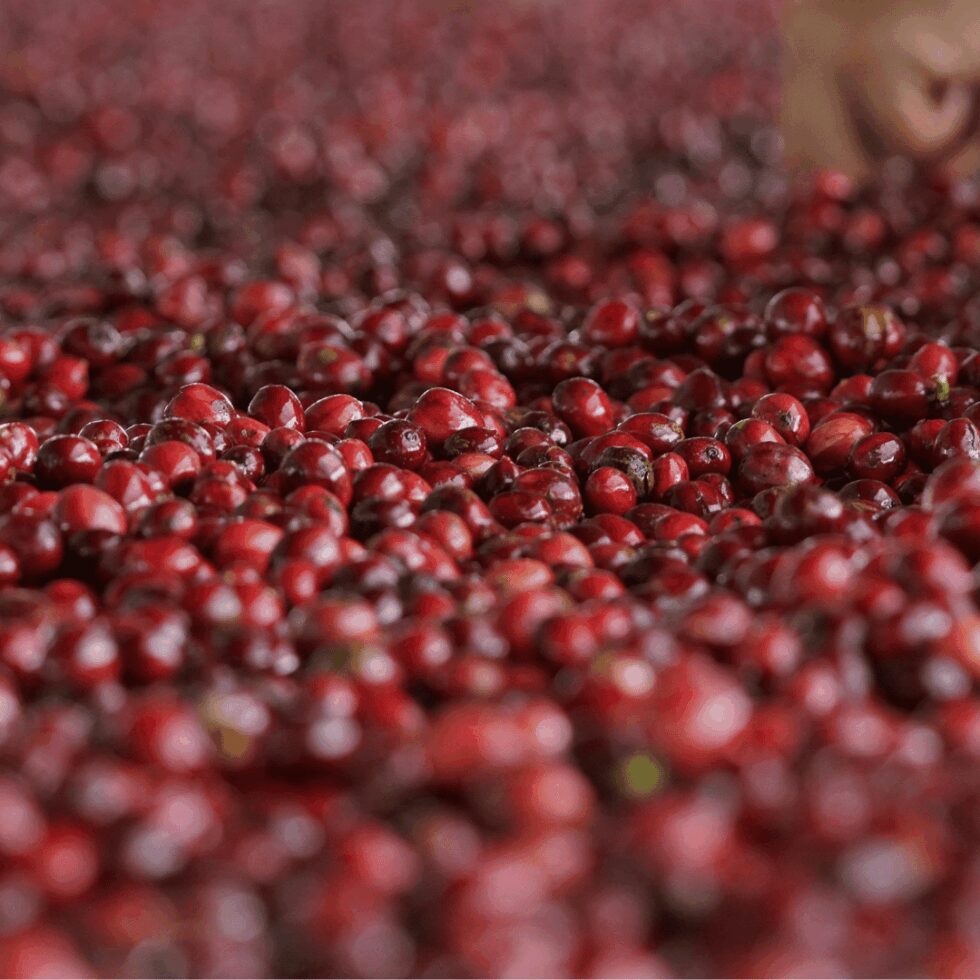
After the ripe cherries are picked by hand, they’re delivered to the washing station the same day. There, a carefully supervised process begins, including depulping, fermentation, washing, and drying on raised African beds.
This method helps preserve the coffee’s purity and clearly express the character of its origin.
The international reputation of Kenyan coffee is closely tied to the excellence with which this process has been carried out, generation after generation.
The connection between the SL28 and Ruiru 11 varieties and Kenya
Few varieties are as closely associated with a country as SL28 is with Kenya.
SL28 is part of the modern history of Kenyan coffee and is one of the varieties that have helped build the country’s international reputation.
Ruiru 11, in turn, represents the evolution of Kenyan coffee farming. It was developed to address the challenges of contemporary coffee growing without compromising the quality that has made Kenyan coffee famous.
The coexistence of historic and modern varieties shows how Kenyan producers can preserve tradition while looking to the future.
Why will you love Café Pibe?
Because it’s a coffee that invites you to explore.
You’ll love it if you enjoy discovering new origins.
You’ll love it if you want to understand why Kenya is one of the countries most admired by coffee lovers.
You’ll love it because behind every cup is a real story of farmers, cooperatives, and generations devoted to perfecting their craft.
And you’ll love it because it’s a coffee that feels authentic.
It doesn’t try to impress with gimmicks. It simply and honestly expresses where it comes from.
Recipes for making Café Pibe
Espresso
- 18 grams of coffee.
- Pull approximately twice that amount into the cup.
- Suggested time: 25–30 seconds.
Aim for a balanced extraction and adjust the grinder if needed.
Moka pot
- Fill the water chamber up to the valve.
- Add coffee without tamping it.
- Heat over medium-low heat.
Remove the pot from the heat when you begin to hear the characteristic sound at the end of extraction.
Drip coffee maker
- 15 grams of coffee for every 250 ml of water.
- Use freshly heated water.
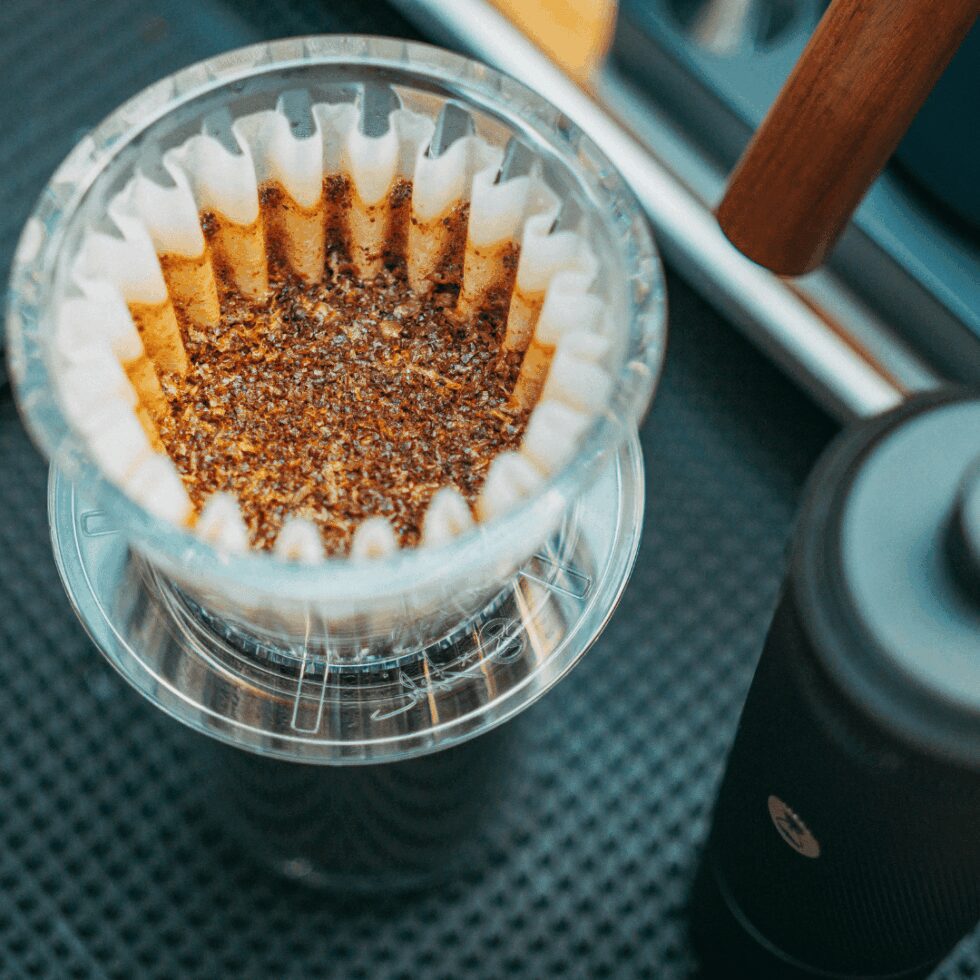
- Pour the water slowly in circular motions.
A slow preparation lets you enjoy all its nuances.
French press
- 30 grams of coffee for 500 ml of water.
- Steep for 4 minutes.
- Press the plunger down gently.
Ideal for anyone looking for a simple, enjoyable brew to share.
A barista tip for Café Pibe
Grind only as much coffee as you plan to use for each brew.
Coffee starts to lose some of its aromatic richness just minutes after it’s ground. Brewing with freshly ground coffee is one of the simplest and most effective ways to improve the final result at home.
It’s a small detail that makes a big difference.
Learn to make Café Pibe with Café Guayacán
Knowledge is always behind a great cup.
If you’d like to learn how to make coffee like a professional, we invite you to take part in the Barista for a Day experience, where you’ll discover how to use different brewing methods and improve your everyday brews.
And if you’d like to deepen your ability to perceive and understand coffee, the Coffee Tasting with the Five Senses experience will help you develop a new way of connecting with every cup.
Because the more you understand coffee, the more you enjoy it.
Reviews
No reviews yet.
Similar coffees
Other roasters’ coffees like this one

Earth Bean Coffee
Colombia Magdalena
$18.00
Medium
Earth Bean Coffee
Malca (espresso)
$17.00
Medium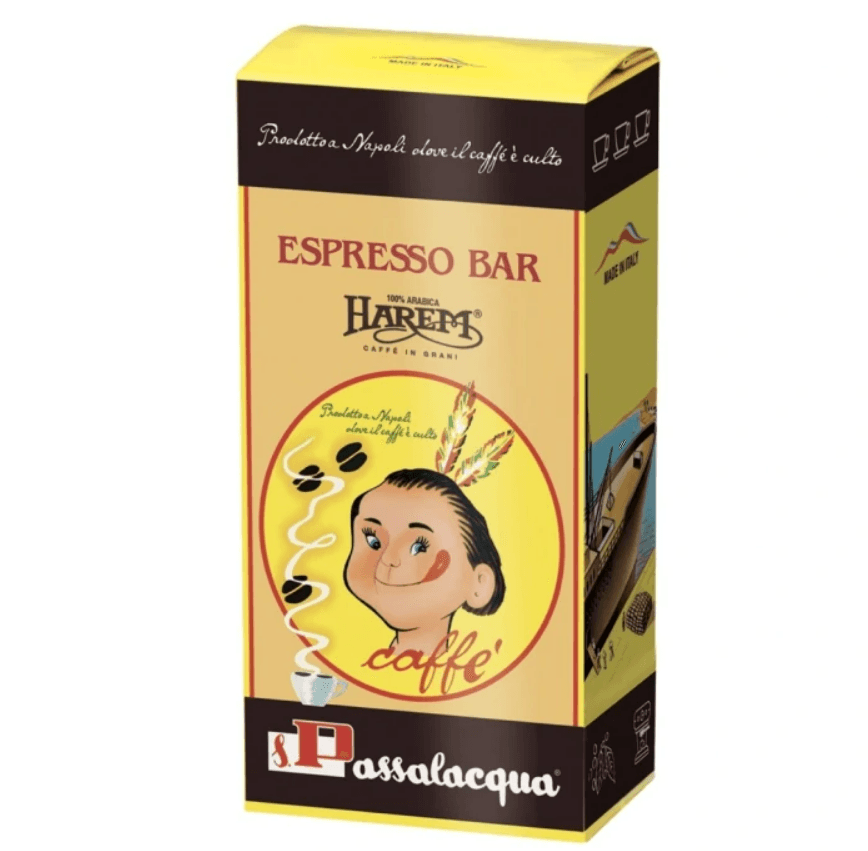
Passalacqua
Harem
$19.00
Dark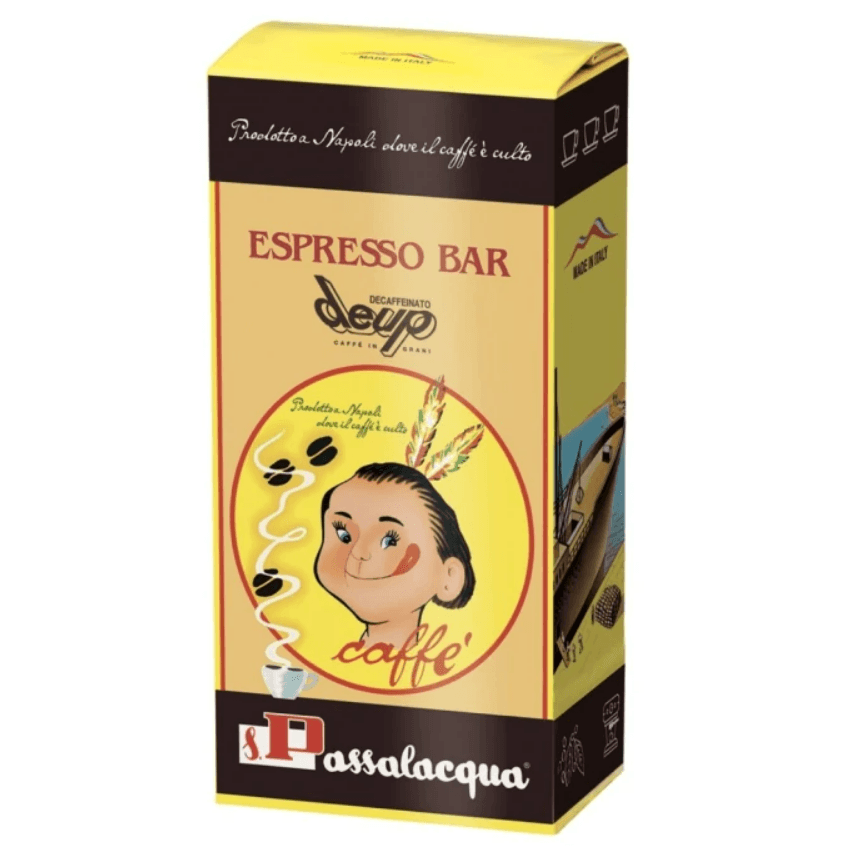
Passalacqua
Deup
$14.50
Dark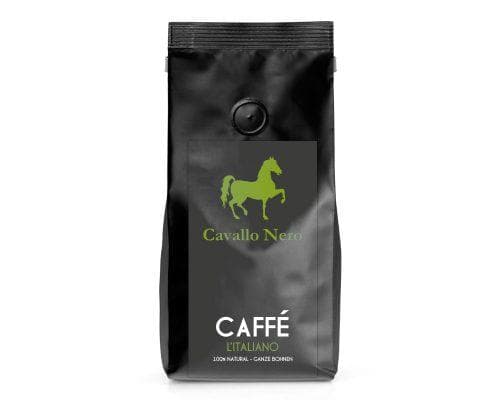
Biotiva
Coffee L'Italiano
$12.50
Dark
Biotiva
Cavallo Nero Coffee Extra Mild
$12.50
Medium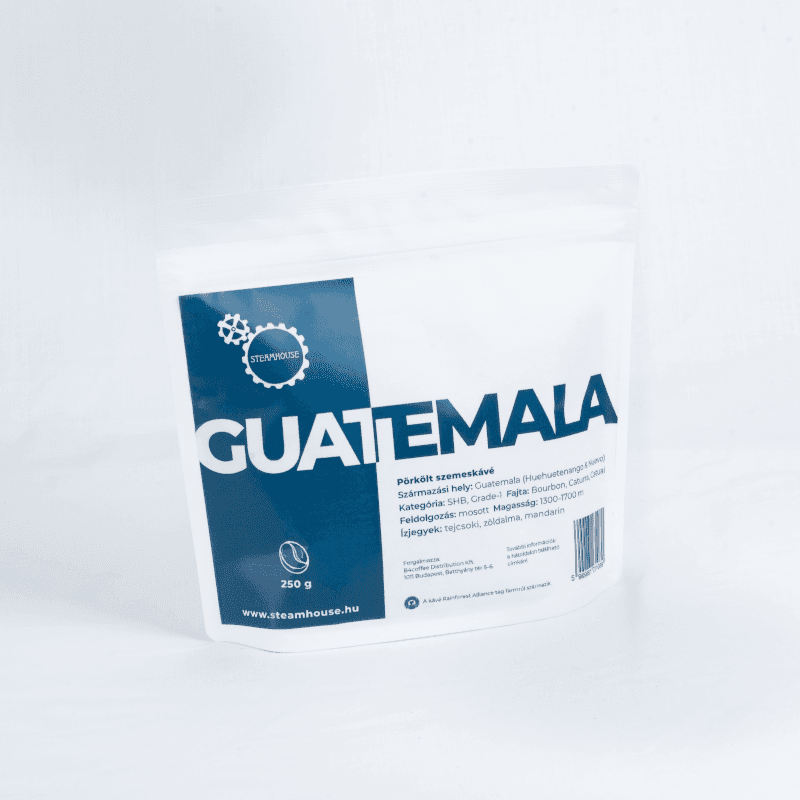
Steamhouse
Guatemala Coffee Beans
$10.00
Medium
Two Wheels Coffee
Burundi Nemba Bourbon specialty coffee
$5.29
Medium