
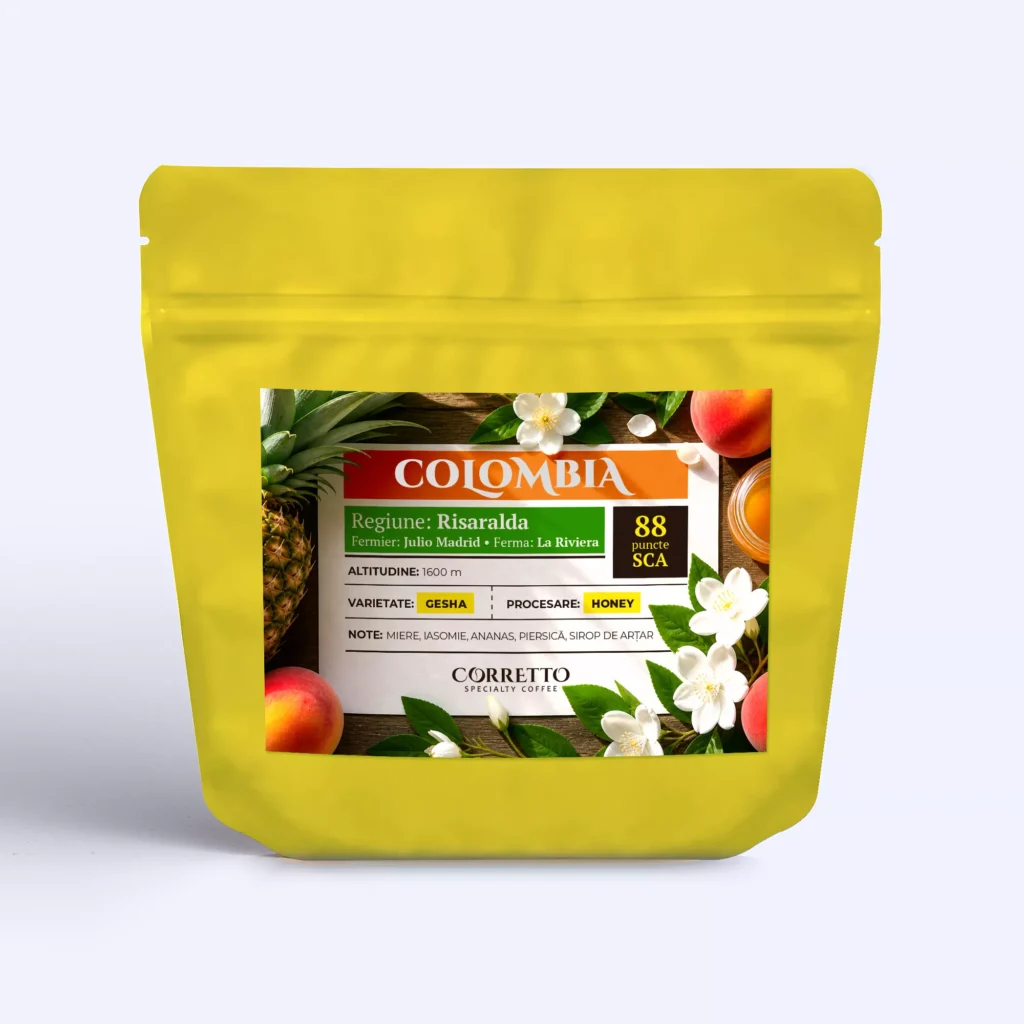
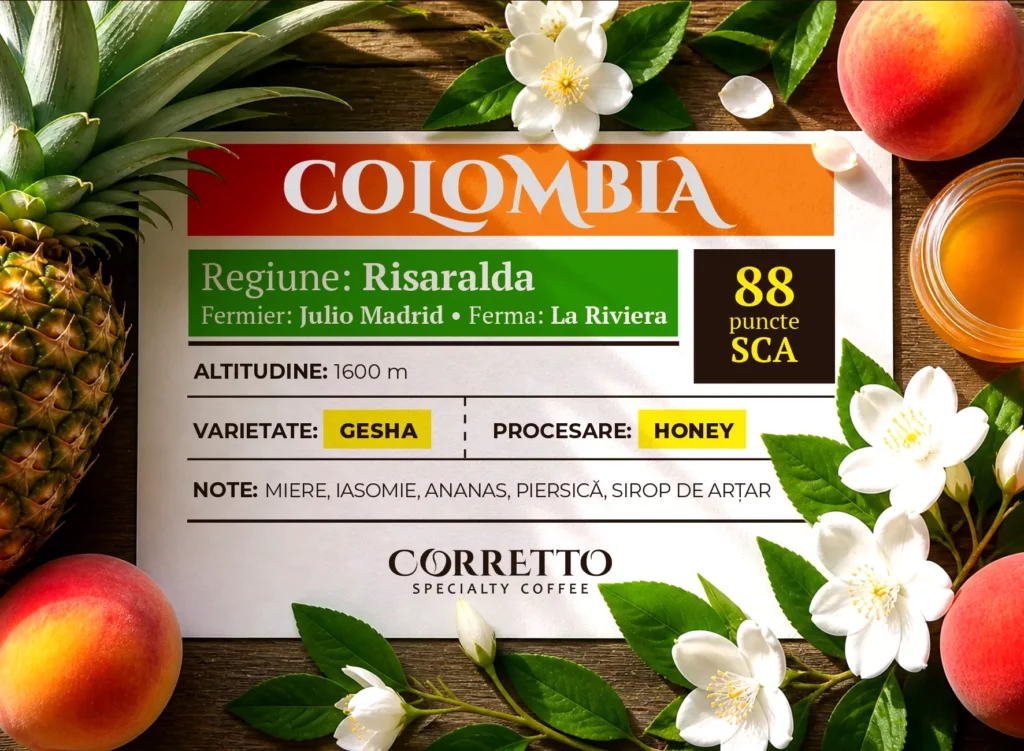

de Specialitate Corretto, Columbia Risaralda Gesha, Honey, 100% Arabica, 88 puncte SCA
Colombia
- Roast Level: Medium
- Honey
- Single Origin
Not rated yet · Be the first to review it
RON 80.00
≈ RON 400.00 / kg
You’ll be taken to the roaster’s shop to complete your purchase.
- Roaster based in
- Romania
- Ship to
- United States · Check on the roaster’s shop
🇨🇴 Origin: South America, Colombia, Risaralda region
🌱 Variety: Gesha
⛰️ Altitude: 1600 m
☕ Tasting notes: Honey, Jasmine, Pineapple, Peach, Maple syrup
Single-origin coffee from Colombia, scoring 88 SCA points, roasted by Corretto to a Medium / Omni Roast profile. It has a subtle, silky body and citrus-floral acidity. We recommend it for V60, Aeropress, and Chemex.
Taste profile
From the details listed by the roaster’s shop.
Tasting notes
- Honey
- Jasmine
- Pineapple
- Peach
- Maple syrup
- Roast LevelMedium
- LightDark
Description
Colombia Risaralda Gesha Specialty Coffee | Detailed Information and Description
🇨🇴 Origin: South America, Colombia, Risaralda region
👨🌾 Producer: Julio Madrid — La Riviera Farm (microlot)
🌱 Variety: Gesha
⛰️ Altitude: 1600 m
💧 Processing: Honey
🔥 Roast profile: Medium / Omni Roast
☕ Tasting notes: Honey, Jasmine, Pineapple, Peach, Maple syrup
🍒 Acidity: Citrus, floral | Intensity: Vibrant
🫘 Body: Light, silky
📏 Bean size: Screen 17
🏆 SCA score: 88 points
⚙️ Recommended for: V60, Aeropress, Chemex
⏳ Optimal degassing: 7–14 days from the roast date
📦 Colombia Gesha specialty coffee is available in 200 g bags
Risaralda at altitude: 1600 m and the terroir of top Colombian coffee
Risaralda is part of Colombia’s Eje Cafetero (along with Caldas and Quindío), an area declared a UNESCO World Heritage Site in 2011 for its coffee-growing landscape. The soils are volcanic, formed from ash and igneous rock, and naturally drained by the slopes of the Central Cordillera descending toward the Cauca River.
La Riviera Farm is located at an altitude of 1600 m, significantly higher than most commercial Colombian lots. At this elevation, temperatures are lower, the day-to-night temperature difference is greater, and coffee cherries ripen much more slowly. This slow maturation concentrates sugars and aromatic compounds in the bean, especially for demanding varieties like Gesha, which don’t develop their full flavor profile at low altitudes.
Risaralda’s microclimate has two rainy seasons each year, allowing for two flowering periods and two harvests. Coffee is grown on steep slopes beneath the canopy of shade trees, in soils with good natural drainage.
Gesha: one of the world’s most prized coffee varieties
Gesha (also spelled “Geisha,” although Gesha is the correct Ethiopian form) is one of the world’s most prized Arabica coffee varieties.
Native to the village of Gesha in western Ethiopia, the variety was collected by British explorers in the 1930s and transferred to the CATIE Research Center in Costa Rica in the 1950s. It remained there for decades, considered a variety with yields too low for commercial cultivation. In the ’60s, Gesha seeds reached Panama, where they were planted in isolation on a few farms.
In 2004, at the Best of Panama competition, Hacienda La Esmeralda presented a Gesha lot that scored over 95 SCA points and won the auction at record-setting prices for the time. Its profile was completely different from classic Central American coffees: floral notes of jasmine, citrus notes of bergamot, tropical fruit, and concentrated sweetness. Over the next two decades, the variety was planted in Costa Rica, Honduras, Colombia, Ecuador, Ethiopia (rediscovered in its homeland), Kenya, and other origins.
Gesha grown in Colombia is relatively rare. It requires high altitudes (over 1500 m), is susceptible to disease, and has lower yields than common Colombian varieties (Caturra, Castillo, Colombia). Only farmers who invest in experimental lots grow it consistently. This lot, planted at 1600 m on La Riviera Farm, is an example of Gesha well adapted to Colombian terroir.
In the cup, Gesha has its characteristic profile: distinct floral-citrus acidity, notes of jasmine and bergamot, tropical fruit and yellow citrus, a light, silky body, and a long, “perfume-like” finish. This is a coffee that doesn’t need experimental processing to be remarkable. Its character comes from its genetics.
Honey processing: between washed and natural
Honey is a processing method that sits between washed and natural.
In classic washed processing, the cherry is mechanically depulped, and the mucilage (the sweet, sticky layer surrounding the bean) is completely removed through fermentation in water, followed by washing. The bean dries clean, with no mucilage on the parchment. The result is a coffee with a clear profile, pronounced acidity, and no fermentation notes.
In natural processing, the cherry isn’t depulped. The bean remains inside the whole fruit throughout drying, and the fruit’s sugars transfer into the bean. The result is a coffee with a fuller body, concentrated sweetness, and intense fruit notes, but sometimes with a dominant fermented character.
Honey processing is the middle ground. The cherry is depulped, but the mucilage is left on the bean (partially or fully) during drying. The bean dries on raised beds or patios, with the mucilage clinging to the parchment, slowly dehydrating and transferring sugars inward.
There are different grades of Honey, depending on how much mucilage is left on the bean and the drying time. Yellow Honey has less mucilage and dries quickly, with a profile close to washed. Red Honey has a moderate amount of mucilage and dries at a moderate pace, with a balanced profile. Black Honey has the most mucilage and dries slowly, with a profile close to natural.
For Gesha, Honey processing is a strategic choice. Washed processing would have produced a clean floral profile, but one with less depth. Natural processing would have loaded the coffee with fermented notes that would have overshadowed the florals. Honey preserves Gesha’s clarity (jasmine, citrus) and adds concentrated sweetness (honey, maple syrup) without weighing down the body.
The name “Honey” comes from the appearance of the mucilage during drying: sticky, golden-brown, like honey. It has nothing to do with adding honey or any sweetener.
Tasting profile: honey, jasmine, pineapple, peach, maple syrup
The notes on the bag describe a coffee with five dimensions, each appearing at a different point in the cup.
Honey is the first note you notice, starting with the aroma as soon as you grind the coffee. It isn’t sugary sweetness, but a more delicate sweetness with a floral quality—the exact sensation of acacia or linden honey. It gives the cup its baseline character and is present on the palate from the first sip.
Jasmine appears right away. It’s Gesha’s classic signature: a fragrant floral note that fills your mouth with the sensation of warm jasmine tea. Jasmine is what sets a good Gesha apart from any other coffee; it never appears in classic varieties like Bourbon or Caturra.
Pineapple comes through in the middle. It’s a tropical note with citrus acidity as well as fruity sweetness. Think ripe pineapple, not sour, unripe pineapple—a freshly cut pineapple with juice running from it. This note adds juiciness to the cup.
Peach follows the pineapple, with a softer feel. It’s a ripe yellow peach with a silky texture, bridging the pineapple’s citrus acidity and the sweetness of the finish.
Maple syrup closes out the cup. It’s a caramelized, woody sweetness that lingers in the aftertaste for several minutes after each sip. This note comes directly from Honey processing, where the mucilage sugars concentrate in the bean during slow drying.
The acidity is citrus-floral, the intensity is vibrant, and the body is light but silky. At 88 SCA points, this coffee scores highly across all evaluation components, but its overall profile is elegant and light, not heavy or intense.
How to brew Colombia Gesha Honey coffee at home
The Medium / Omni Roast profile is designed to preserve Gesha’s floral and fruity notes. Our recommendation: brew this lot exclusively using pour-over methods (V60, Chemex) or an Aeropress. Espresso isn’t the right method for a Gesha, because the high pressure compresses the flavor profile and you lose some of its floral subtlety.
V60 recipe
Dose: 15 g coffee to 250 ml water
Grind: medium-fine (slightly finer than for a typical washed coffee)
Water temperature: 92–94°C
Total time: 2:45–3:15 minutes
Place the paper filter in the V60 and rinse it with hot water (this removes the paper taste and warms the carafe). Discard the rinse water. Add the ground coffee, make a small “crater” in the center, and pour in 40–50 g of water for the bloom. Let it sit for 30 seconds. Then pour in the remaining water in slow spirals, from the center outward, in 3–4 pours. The total brew time should be between 2:45 and 3:15 minutes.
With a V60, Gesha Honey reveals all its notes. Jasmine fully opens up in the aroma, honey and pineapple dominate the first sips, peach appears in the middle, and maple syrup closes out the cup with a long, sweet aftertaste. This is a coffee to sip slowly, with pauses in between, so you can appreciate its complexity on the palate.
☕ Corretto tip: With a Gesha, water temperature makes a big difference. At 94°C, the citrus acidity (pineapple) comes through more strongly. At 90°C, sweetness (honey, maple syrup) dominates. Start at 92°C and adjust based on your preference.
Chemex recipe
Dose: 30 g coffee to 500 ml water
Grind: medium (slightly coarser than for V60)
Water temperature: 92–94°C
Total time: 4:00–4:30 minutes
Chemex uses paper filters thicker than V60 filters, which retain more of the coffee’s oils and produce a very clean cup, almost like a good tea. Chemex is a suitable method for a Gesha with a floral profile. Aromatic clarity is at its peak, and Gesha’s floral subtlety comes through fully.
☕ Corretto tip: With a Chemex and a coffee scoring 88 SCA points, water quality matters a lot. Use filtered water with medium mineral content (TDS between 75 and 150 ppm). Tap water can mask subtle floral notes.
Aeropress recipe
Dose: 15 g coffee to 220 ml water
Grind: medium-fine
Water temperature: 88–90°C (lower than for V60)
Total time: 1:30–2:00 minutes
For a Gesha, use the inverted method: add the coffee, then the water, let it steep for 1:30, stir briefly, and press slowly. The lower temperature (88–90°C) is intentional; the gentler extraction preserves Gesha’s floral notes without extracting tannins.
With an Aeropress, Gesha Honey has the most concentrated body of the filter methods. Honey and maple syrup become dominant, jasmine remains present in the aroma, and peach appears in the finish.
☕ Corretto tip: For a coffee this aromatic, avoid making large, diluted cups. A concentrated Aeropress (15 g to 220 ml, without diluting afterward) is closer to how it should be enjoyed. Add hot water only if the cup is too intense for you.
Choose the right grind
Colombia Gesha Honey Risaralda coffee is available from us as whole bean or ground to order, depending on how you prefer your order. If you’re not sure which grind size is right for you, we’ve prepared a complete guide to the four grind types—Espresso, Filter, Ibrik, and French Press—with settings, ratios, and practical tips for each. You can find it in the “Grind Types” tab on this page.
Reviews
No reviews yet.
Similar coffees
From Colombia, by other roasters
Contego
Coffee Columbia LaManuela
$4.65
Medium
Oetterli Coffee
DEZALÉ SINGLE ORIGIN
$12.27
Medium
Stone Street Coffee
PUMPKIN SPICE
$13.29
Medium
Stone Street Coffee
SOUTHERN PECAN DECAF
$13.29
Medium
Dinzler Kaffeerösterei
DINZLER coffee La Sera
$7.00
Medium
Elm Coffee Roasters
Colombia Adelino Urbano
$17.45
Medium
Four Sigmatic
Instant Mushroom Coffee With Lion's Mane
$13.08
Medium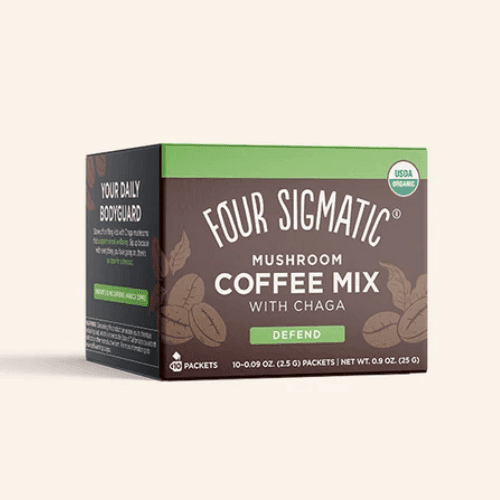
Four Sigmatic
Instant Mushroom Coffee with Chaga and Cordyceps
$13.07
MediumMore from Caffè Corretto
All products from Caffè Corretto →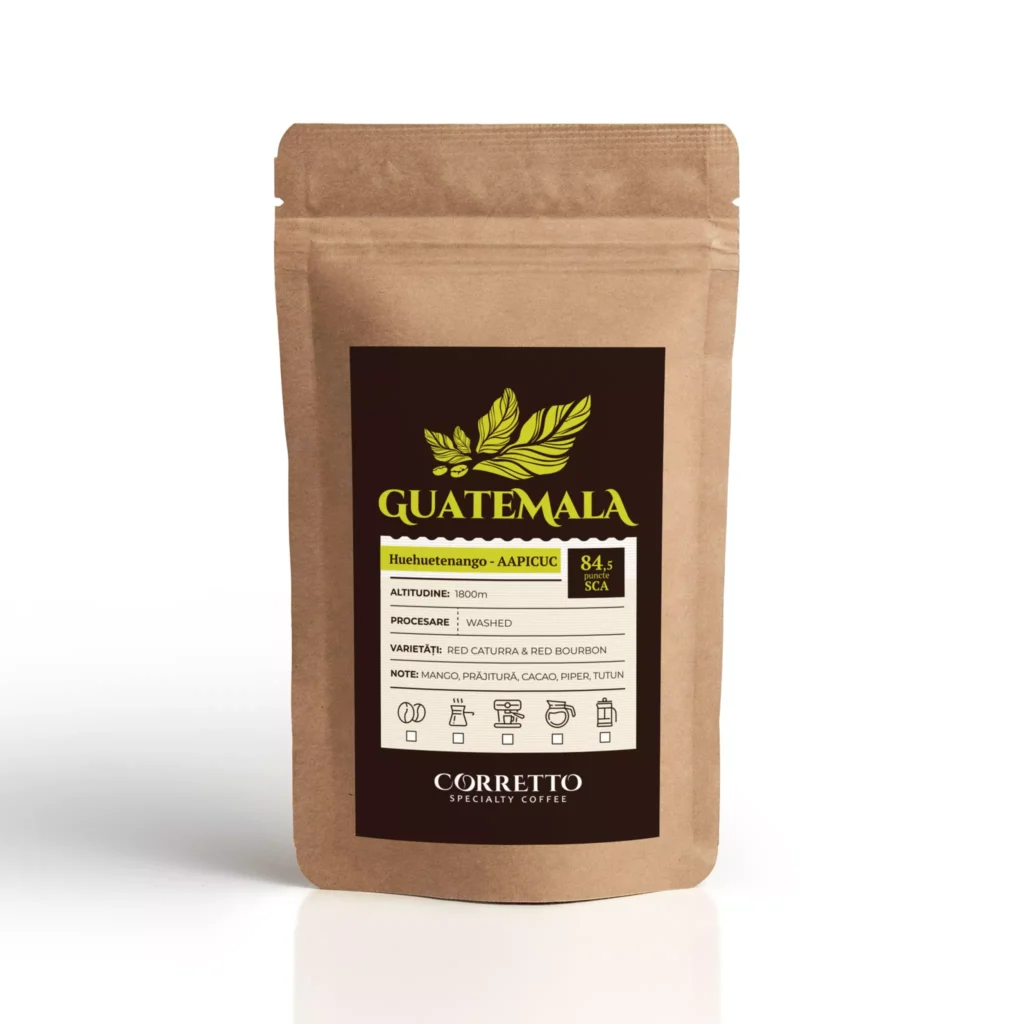
Caffè Corretto
de Specialitate Corretto, Guatemala Huehuetenango, Washed, 100% Arabica, 84,5 puncte SCA
RON 38.00
Medium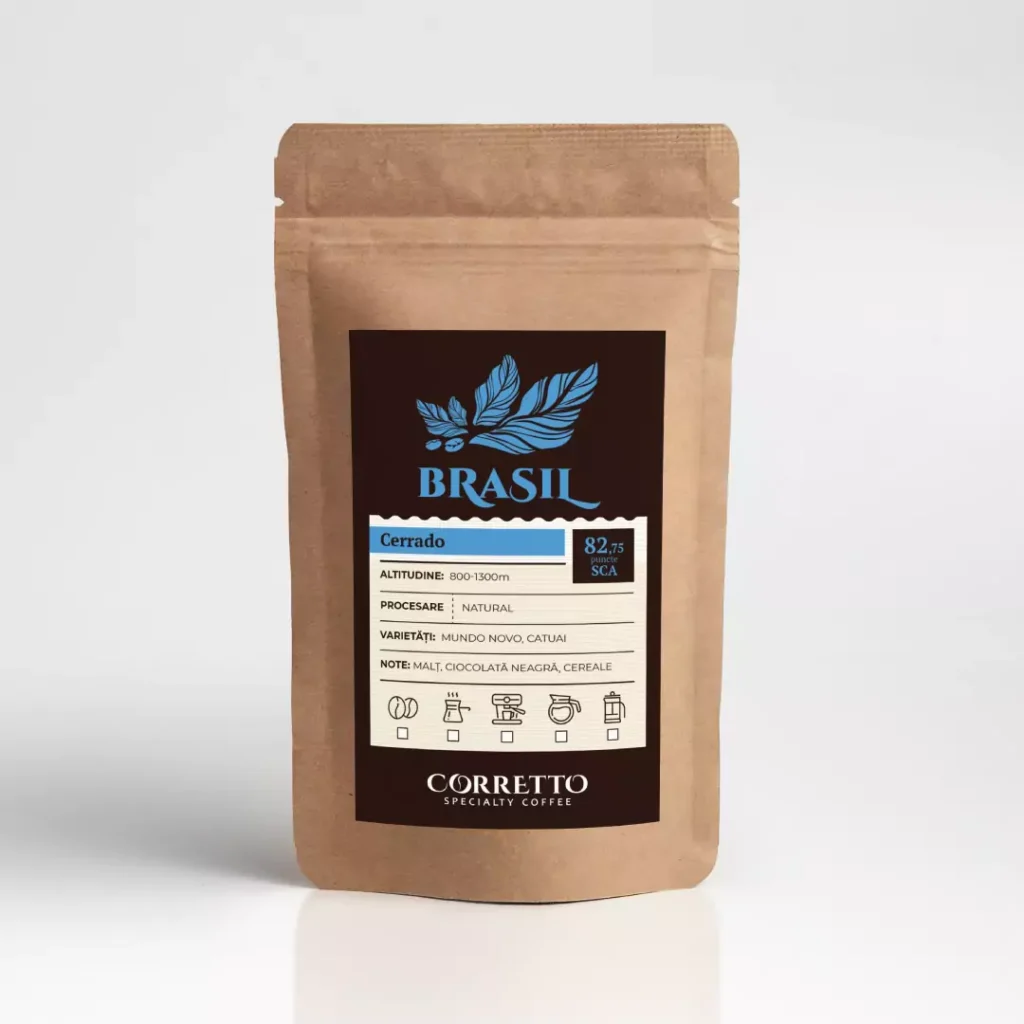
Caffè Corretto
de Specialitate Corretto, Brazilia Cerrado, Natural, 100% Arabica, 82,75 puncte SCA
RON 32.00
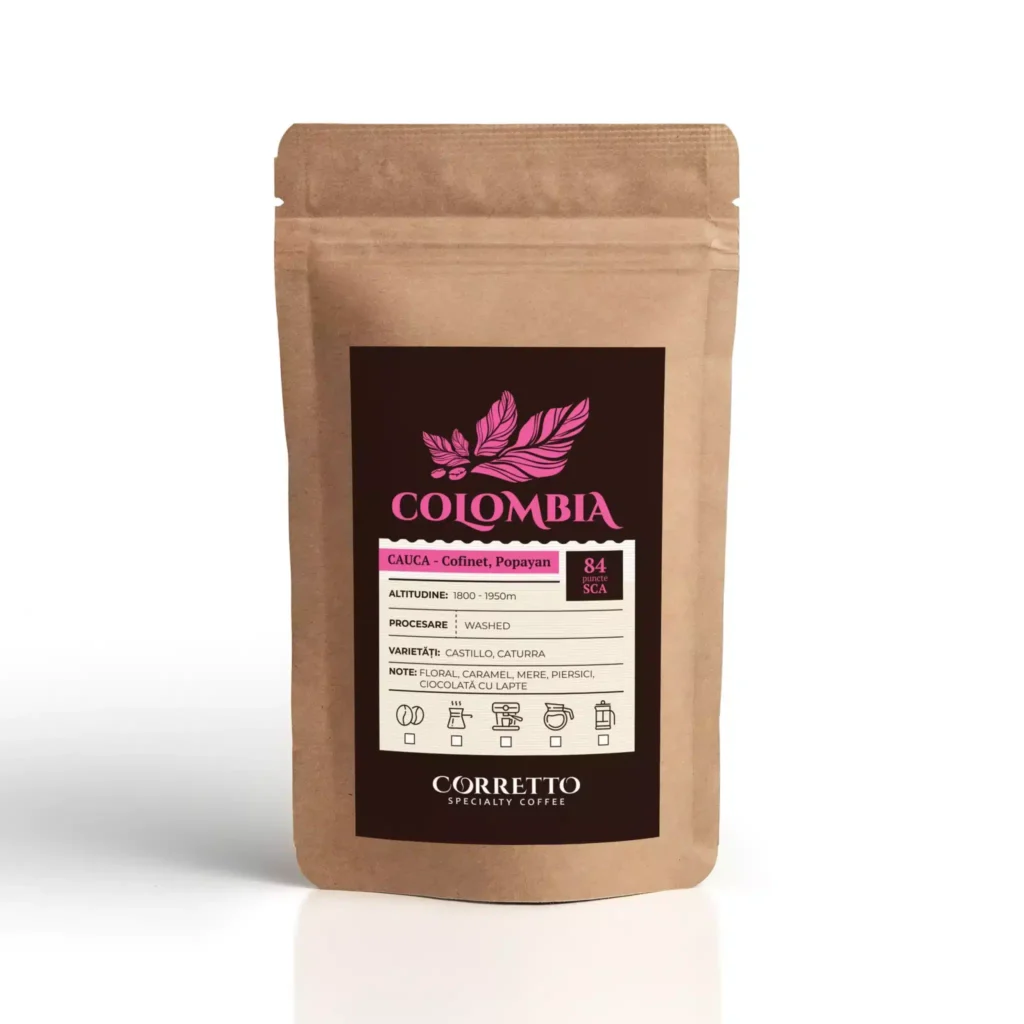
Caffè Corretto
de Specialitate Corretto, Columbia Cauca Popayan, Washed, 100% Arabica, 84 puncte SCA
RON 36.00
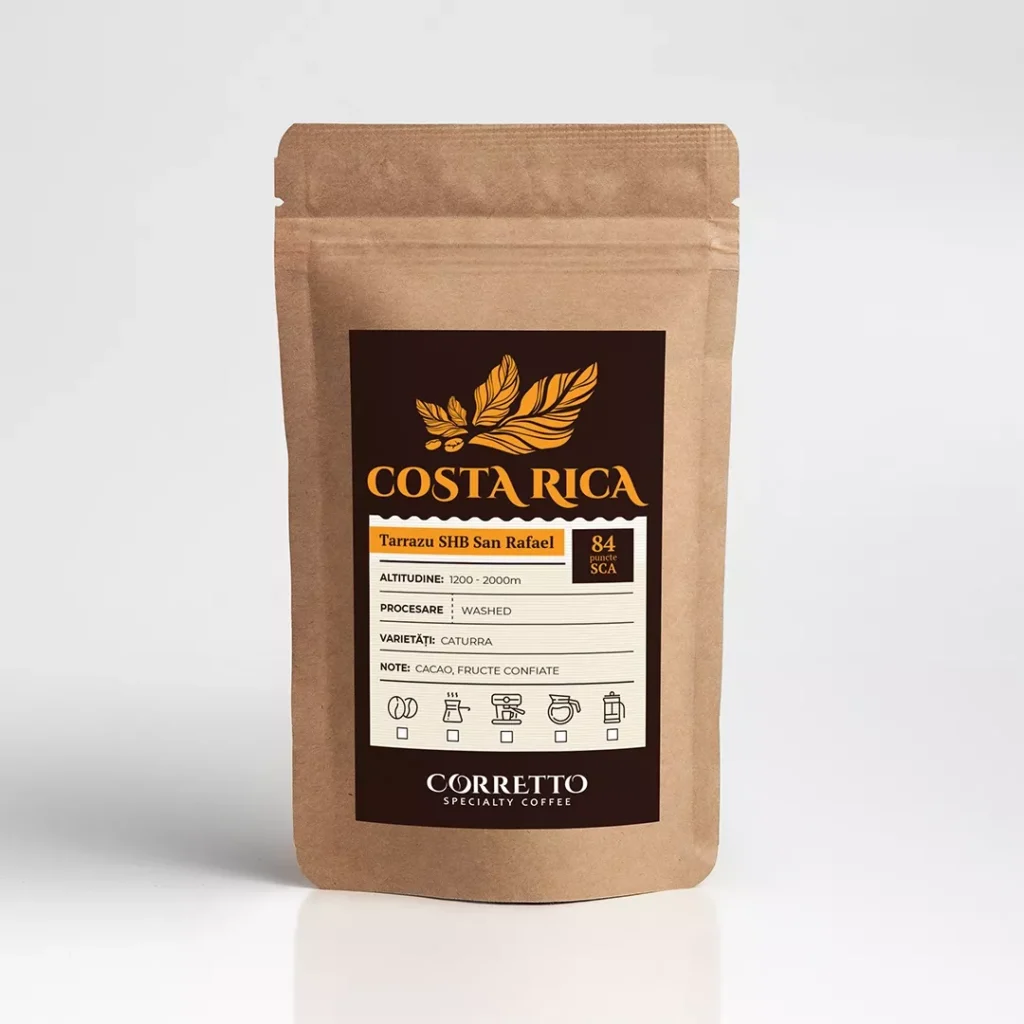
Caffè Corretto
de Specialitate Corretto, Costa Rica Tarrazu SHB San Rafael, Washed, 100% Arabica, 84 puncte SCA
RON 38.00
Medium