
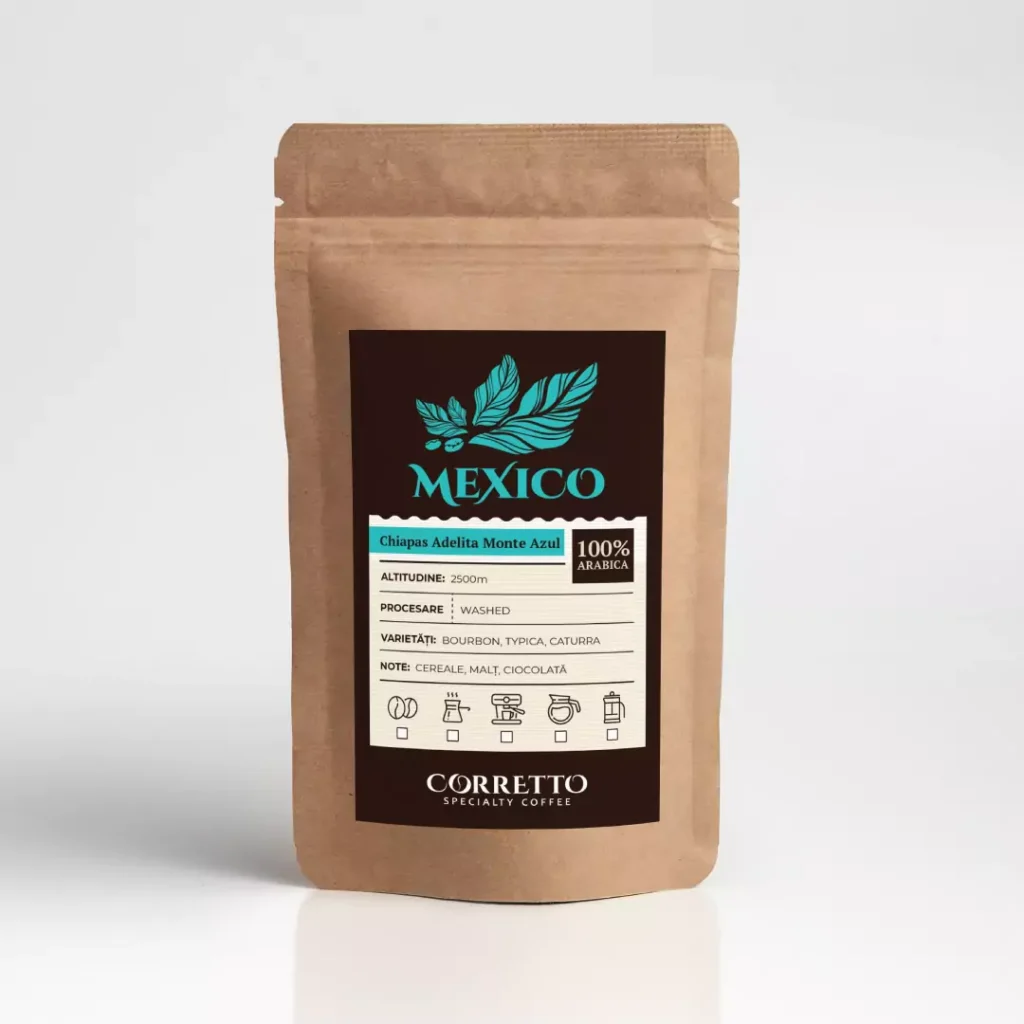
de Specialitate Corretto, Mexic Chiapas Adelita Monte Azul, Washed, 100% Arabica
Mexico
- Roast Level: Medium
- Washed
- Single Origin
Not rated yet · Be the first to review it
fromRON 48.00
≈ RON 216.00 / kg
You’ll be taken to the roaster’s shop to complete your purchase.
- Roaster based in
- Romania
- Ship to
- United States · Check on the roaster’s shop
🇲🇽 Origin: Central America, Mexico, Chiapas state
🌱 Varieties: Bourbon, Typica, Caturra
⛰️ Altitude: 2,500 m
☕ Flavor profile: Cereal, Malt, Chocolate
Single-origin coffee from Mexico, roasted by Corretto to a medium / Omni Roast profile. Grown at 2,500 m—one of the highest coffee-growing elevations in the range. Recommended for espresso.
Taste profile
From the details listed by the roaster’s shop.
- Roast LevelMedium
- LightDark
Sizes and prices
| Grind | Coffee Size | Per kg | Price |
|---|---|---|---|
| Whole Beans | 200g | RON 240.00 | RON 48.00 ↗ |
| Whole Beans | 400g | RON 240.00 | RON 96.00 ↗ |
| Whole Beans | 500g | RON 228.00 | RON 114.00 ↗ |
| Whole Beans | 1kg | RON 216.00 | RON 216.00 ↗ |
Description
Mexico Chiapas Adelita Monte Azul Washed Specialty Coffee | Detailed Information and Description
🇲🇽 Origin: Central America, Mexico, Chiapas state
🌱 Varieties: Bourbon, Typica, Caturra
⛰️ Altitude: 2,500 m
💧 Processing: Washed
🔥 Roast profile: Medium / Omni Roast
☕ Flavor profile: Cereal, Malt, Chocolate
🍒 Acidity: Low | Intensity: High
🫘 Body: Full
📏 Bean size: Screen 17
⚙️ Recommended for: Espresso
⏳ Optimal degassing: 7–14 days from the roast date
📦 Mexico specialty coffee available in 200 g, 400 g, 500 g, and 1 kg bags
Mexico Chiapas Coffee: An Origin the Specialty Coffee World Is Just Discovering
Mexico is one of the world’s largest coffee producers, but it was overlooked for a long time in the specialty coffee world. The traditional perception was that it produced decent but unremarkable coffee—good for blends, not as a single origin. But that has changed. Chiapas, in southern Mexico on the border with Guatemala, produces lots that rival those from neighboring Huehuetenango.
Chiapas is Mexico’s largest coffee-producing state. It stretches across the slopes of the Sierra Madre de Chiapas mountains, with elevations reaching over 2,000 m, fertile volcanic soil, dense tropical forest, and a temperate high-altitude climate. Coffee has been grown here for over a century on small farms, often under the shade of native trees—a practice that slows the cherries’ maturation and increases their aromatic complexity.
The Adelita Monte Azul lot comes from an altitude of 2,500 m—one of the highest coffee-growing elevations in the entire Corretto range and among the highest in the world. At this altitude, temperatures stay low year-round, the cherries need extra months to ripen, and the beans become extremely dense. This density is directly reflected in the cup: full body, concentrated sweetness, and high intensity.
The term “Altura”—used in Mexico for coffee grown at high elevations—is a quality indicator found on the finest Mexican lots. Chiapas Altura is the Mexican equivalent of a Costa Rican SHB or an El Salvadoran SHG.
Adelita Monte Azul: Small-Scale Farmers in the Chiapas Mountains
Monte Azul is a farm in Chiapas that also serves as a processing station for a group of small-scale farmers in the area. The farmers grow coffee on small plots at high elevations and bring their cherries to Monte Azul for depulping, fermentation, and drying.
The name “Adelita” has special resonance in Mexican culture. Adelitas were the women soldiers of the Mexican Revolution (1910–1920) who, in addition to fighting, prepared café de olla—coffee brewed in clay pots with piloncillo (unrefined cane sugar), cinnamon, cloves, and cocoa. This traditional recipe became emblematic of coffee culture in Mexico and is still enjoyed today.
Harvesting in Chiapas takes place from December through April, by hand, with only ripe cherries selected. The varieties grown—Bourbon, Typica, and Caturra—are classics brought to Mexico by European settlers in the 19th century. At an altitude of 2,500 m, these varieties develop slowly, accumulate complex sugars, and produce dense beans with a concentrated flavor profile.
The beans are screen size 17—large, uniform, and well suited to even roasting.
Bourbon, Typica, and Caturra Varieties: Three Classics at an Extreme Altitude
The lot combines three traditional Arabica varieties.
Typica is the oldest cultivated variety—the original Arabica line brought from Yemen to the rest of the world. It produces clean, sweet coffees with medium body and a finesse that modern varieties cannot replicate. Its yield is low, but the cup quality makes up for it.
Bourbon is the other foundational genetic line. It produces coffees with full body, high sweetness, and aromatic complexity. At 2,500 m, Bourbon develops its sugars to the fullest.
Caturra is a dwarf mutation of Bourbon, more productive and compact. It adds structure and a slight citrus acidity to the blend of varieties.
Together, the three varieties produce a lot with full body (Bourbon + Typica at extreme altitude), high intensity (the bean density from 2,500 m), and low acidity that lets the cereal, malt, and chocolate notes dominate without competition.
Washed Processing
The Adelita Monte Azul lot is processed using the washed method. The cherries are depulped, the beans are fermented under controlled conditions, washed with fresh water, and sun-dried to 11–12% moisture.
For a lot grown at 2,500 m, washed processing does something essential: it lets the altitude express itself in the cup without interference. The bean density, sugars accumulated over months of slow ripening, and minerals from the soil all come through clearly, without the extra sweetness a Natural process would add.
Flavor Profile: Cereal, Malt, and Chocolate
If you’ve tried Brazil Cerrado from the Corretto range, Mexico Chiapas’s flavor profile will look familiar at first glance: cereal, malt, chocolate. But the difference is clear from the first sip.
Brazil Cerrado is a comfort coffee—medium body, medium intensity, low acidity, and an espresso profile. Mexico Chiapas is in the same family of notes, but amplified: the body is full (not medium), the intensity is high (not medium), and the bean density from 2,500 m gives it a concentration you don’t get at 800–1,300 m (Brazil’s growing altitude).
Cereal is the opening note—a warm taste reminiscent of toasted cereal or freshly baked bread. Malt follows right after: a warm, dense sweetness reminiscent of digestive biscuits or malt extract. Chocolate rounds out the profile—not mild milk chocolate, but homemade chocolate with a depth that anchors the cup.
The body is full—substantial, with weight in the mouth. Acidity is low, almost imperceptible. Intensity is high—which, combined with the full body and low acidity, makes for a cup that hits you with roasted sweetness and density, not fruit or acidity.
It’s a straightforward coffee, with no complications. You don’t have to look for hidden notes or sip carefully to pick out subtle differences. What’s in the cup is there from the first sip to the last.
How to Brew Mexico Chiapas Coffee at Home
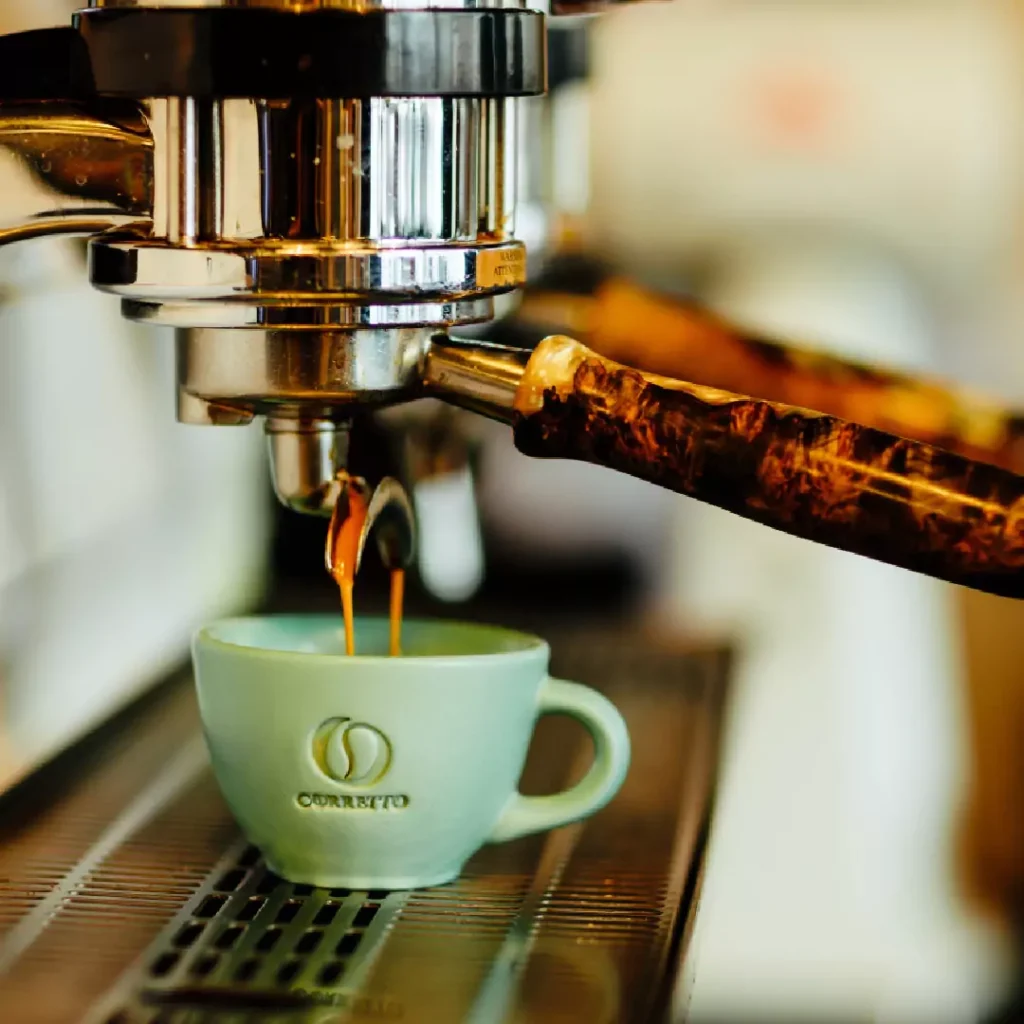
This lot is roasted to a medium / Omni Roast profile, but is recommended for espresso, where the full body and high intensity reach their full potential under pressure.
Espresso Recipe
Dose: 18 g coffee (fine grind)
Yield: 36–40 g in the cup
Extraction time: 25–30 seconds
The shot is dense, with thick, stable crema. Cereal and malt dominate from the first sip, while chocolate appears in the aftertaste as a warm base note. The texture is substantial—you can feel the weight of the dense beans from 2,500 m. In a cappuccino, the full body stands up to the milk without getting lost—you get a creamy, substantial cup where malt and chocolate blend with the milk in a way reminiscent of a cookie latte.
☕ Corretto’s Tip: For even more intensity, reduce the yield to 32–34 g (1:1.8 ratio). The shorter extraction concentrates the malt and chocolate. For a more balanced cup, pull 42–44 g (1:2.3 ratio)—the cereal notes open up, and a slight roundness emerges.
Choose the Right Grind
Reviews
No reviews yet.
Similar coffees
From Mexico, by other roasters
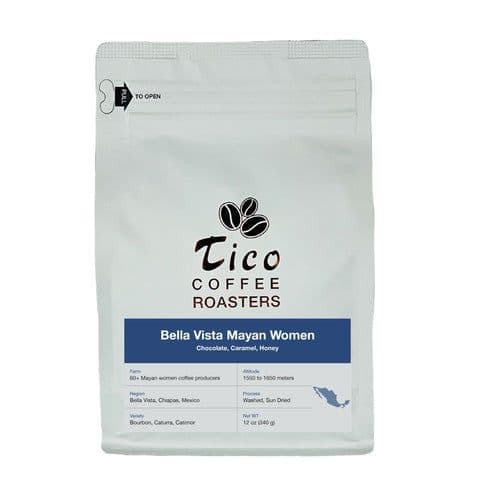
Tico Coffee Roasters
Mexico Bella Vista Mayan Women
$17.64
Medium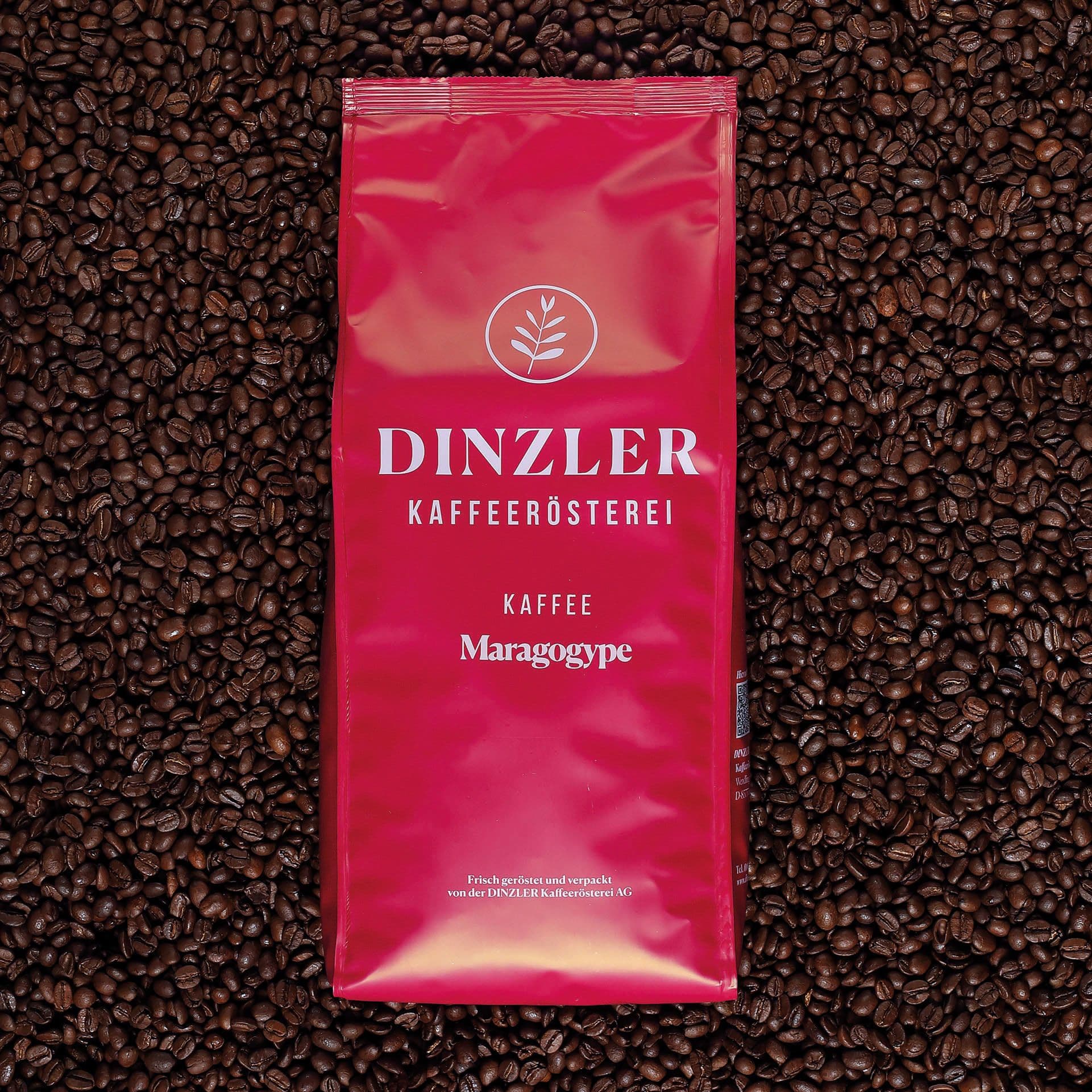
Dinzler Kaffeerösterei
DINZLER Coffee Maragogype
$8.00
Medium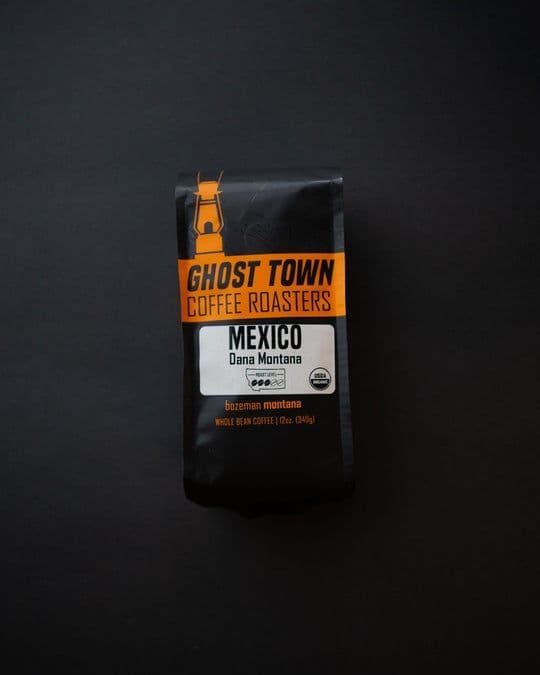
Ghost Town Coffee
Mexico - Dana Montana
$11.63
Medium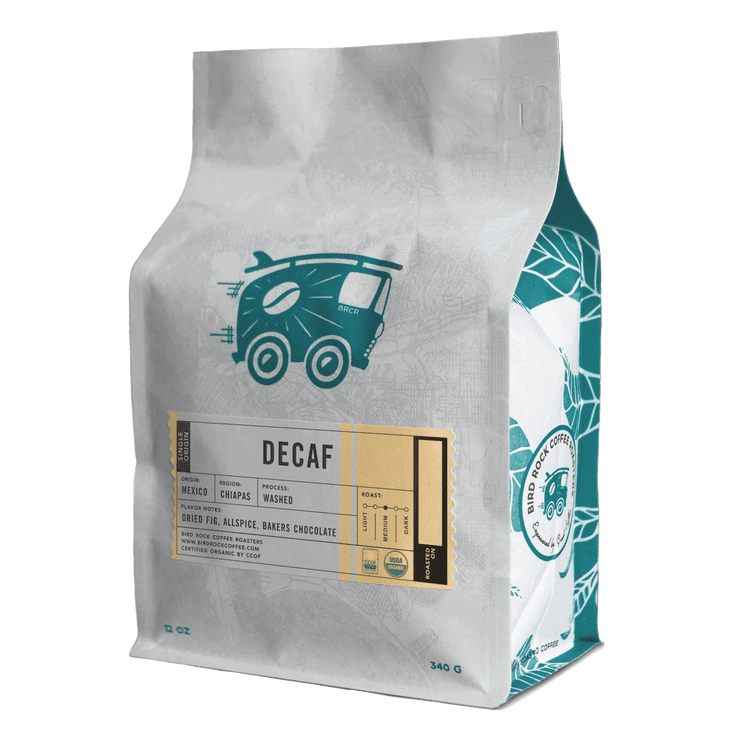
Bird Rock
MEXICO: DECAF
$17.55
Medium
Big Shoulders Coffee
Mexico Finca Santa Cruz Tonga
$22.91
Medium
Hannoversche Kaffeemanufaktur
Organic Mexico Santa Catarina
$6.90
Medium
Cafés Novell
Novell Capsules Nespresso Zero Waste Mexico
$3.95
Medium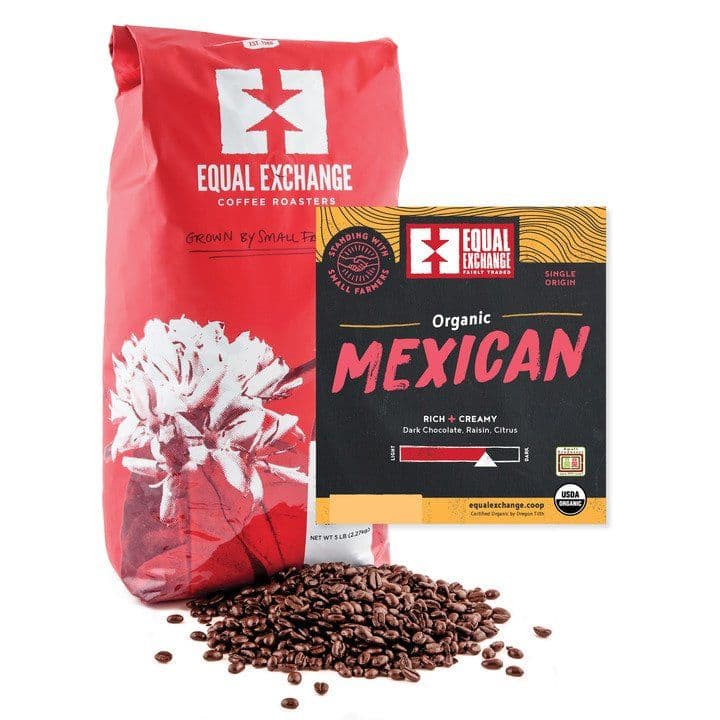
Equal Exchange
Organic Mexican Coffee
$48.48
MediumMore from Caffè Corretto
All products from Caffè Corretto →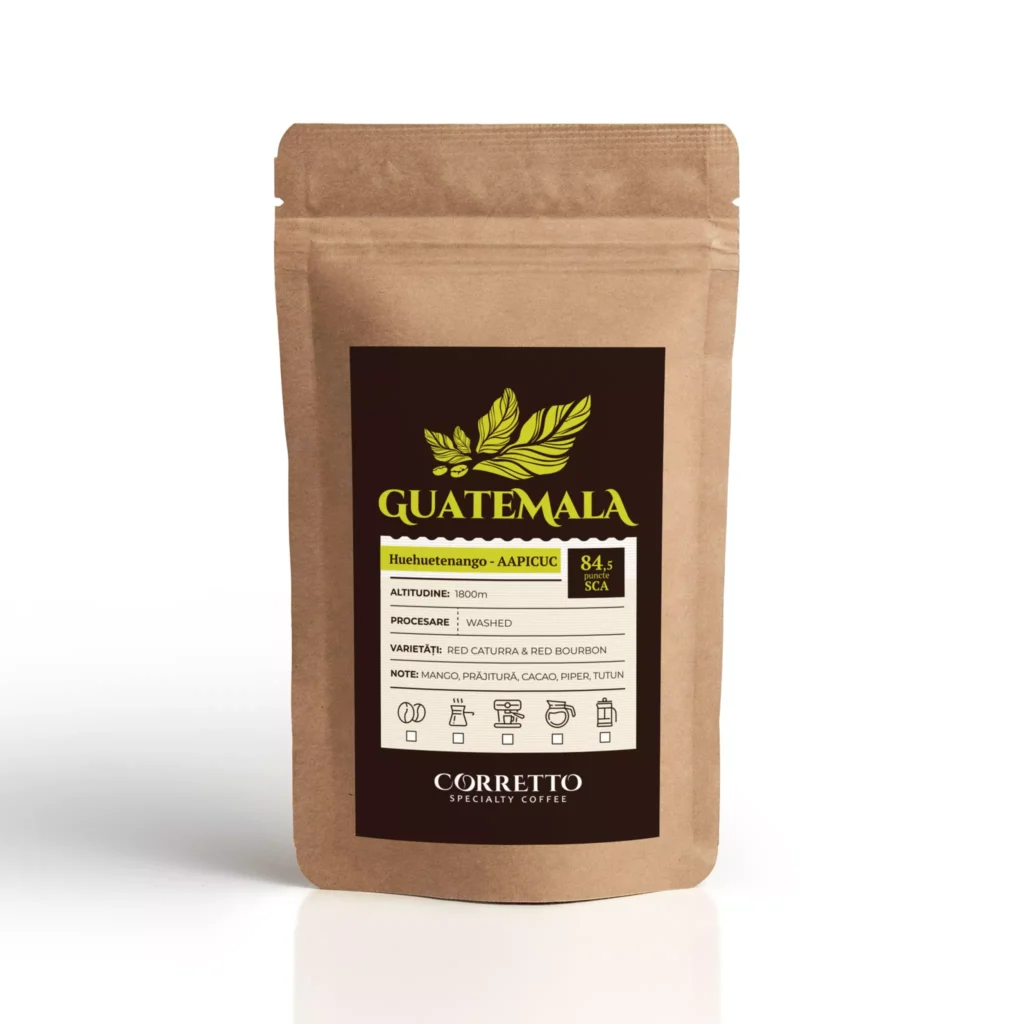
Caffè Corretto
de Specialitate Corretto, Guatemala Huehuetenango, Washed, 100% Arabica, 84,5 puncte SCA
RON 38.00
Medium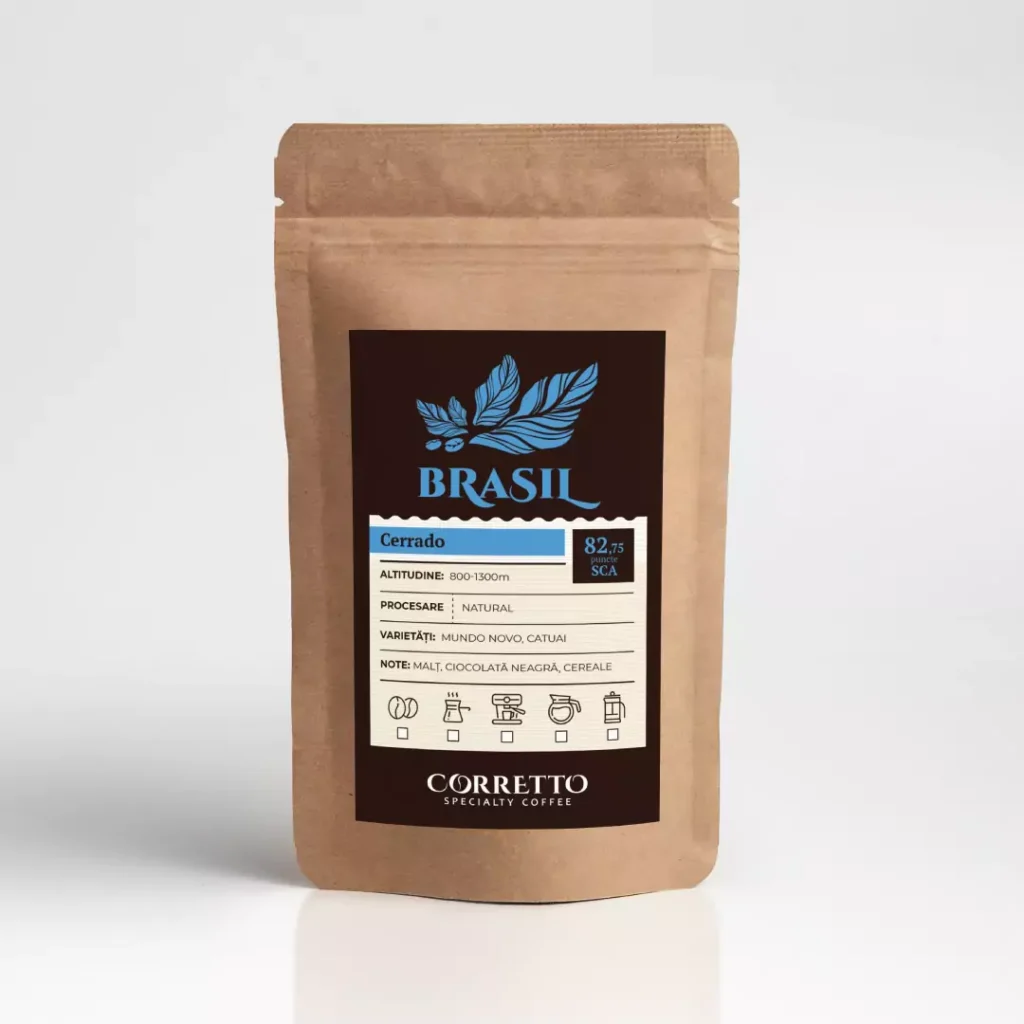
Caffè Corretto
de Specialitate Corretto, Brazilia Cerrado, Natural, 100% Arabica, 82,75 puncte SCA
RON 32.00
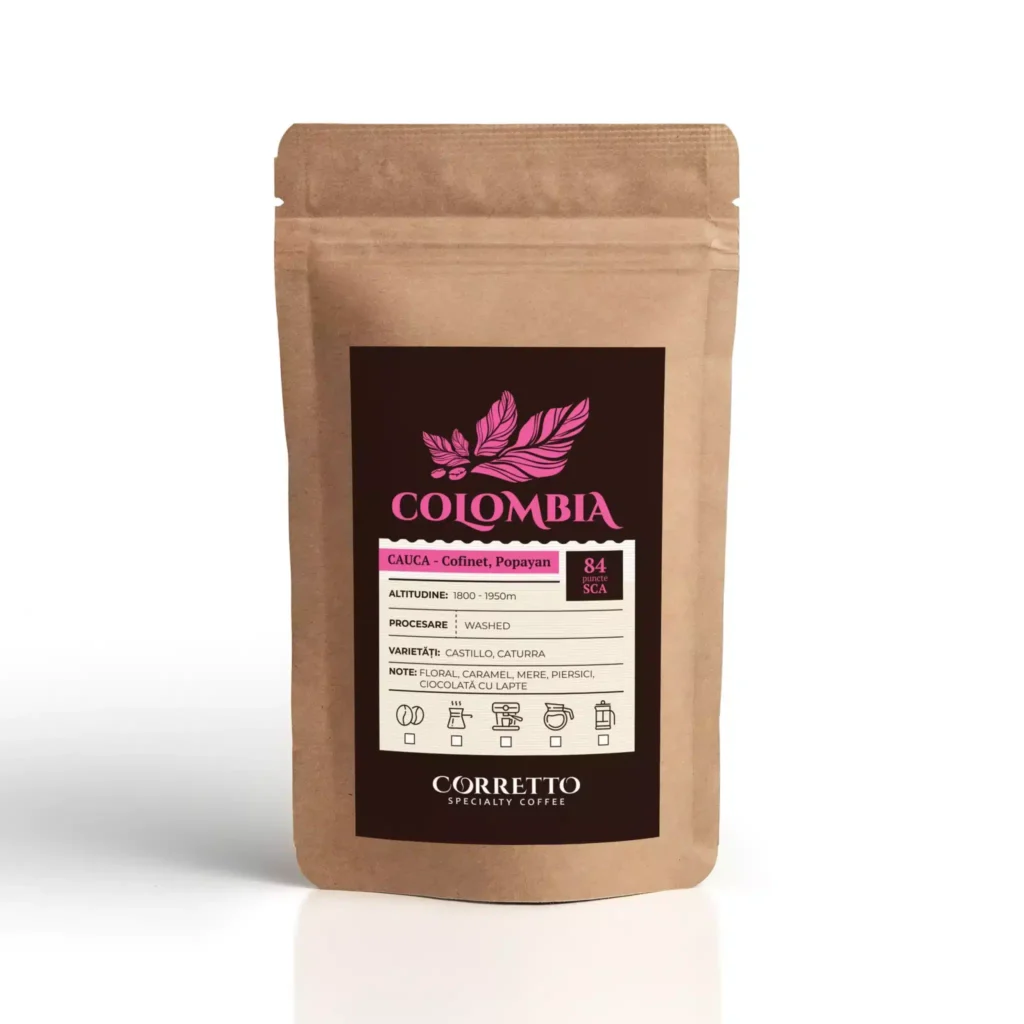
Caffè Corretto
de Specialitate Corretto, Columbia Cauca Popayan, Washed, 100% Arabica, 84 puncte SCA
RON 36.00
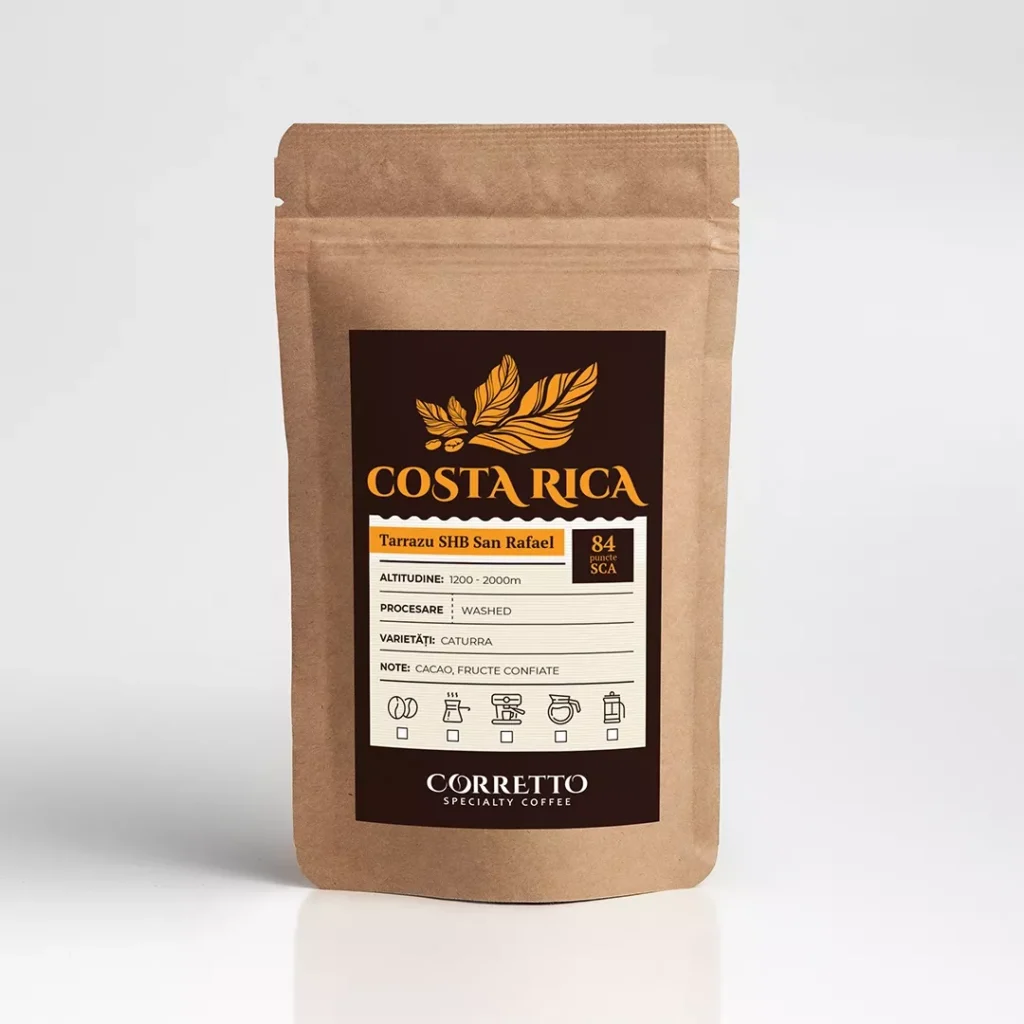
Caffè Corretto
de Specialitate Corretto, Costa Rica Tarrazu SHB San Rafael, Washed, 100% Arabica, 84 puncte SCA
RON 38.00
Medium