
Coffee origin
 Coffee from Ecuador
Cafendo lists 52 coffees with beans from Ecuador, from 34 roasters in 11 countries. 51 of them are single origins; the others are blends with beans from other countries too.
Most frequent in the roasters' tasting notes of 11 single origins:
- chocolate 45%
- nuts 45%
- citrus 36%
- honey and sugar 36%
- floral 27%
Roasters with coffee from Ecuador
- Coffea Circulor(Sweden)
- Assembly Coffee(United Kingdom)
- The Right Roast(United Kingdom)
- Almanac Coffee
- Berliner Kaffeerösterei(Germany)
- DAK Coffee Roasters(Netherlands)
- Dune Coffee Roasters(United States)
- JWC Roastery(Malaysia)
Ecuador at a glance
- Growing regions
- Loja, Zamora Chinchipe, El Oro, and Manabí
- Species
- Arabica and Robusta
- Processing
- washed and natural (dried in the cherry)
52 products · Ship to United States: roasters based there come first, then those whose shop says it delivers there

Coffea Circulor
ECUADOR Finca Cruz Loma Pacamara Washed WX
€20.00

Coffea Circulor
ECUADOR Finca Soledad Pepe Synergy Geisha Washed WX
€25.00

Coffea Circulor
ECUADOR Finca Cruz Loma & Coffea Circulor Sidra Hydro Honey HHX
€16.00

The Right Roast
Putushio, Ecuador (Reserve Range)
£25.44

The Right Roast
El Alisal (Limited Edition)
£28.07

The Right Roast
Finca Soledad Ecuador Sidra (Exceptional Series)
£34.25

Odin Coffee Roasters
OCR Ecuador El Sauce
CA$22.50
Medium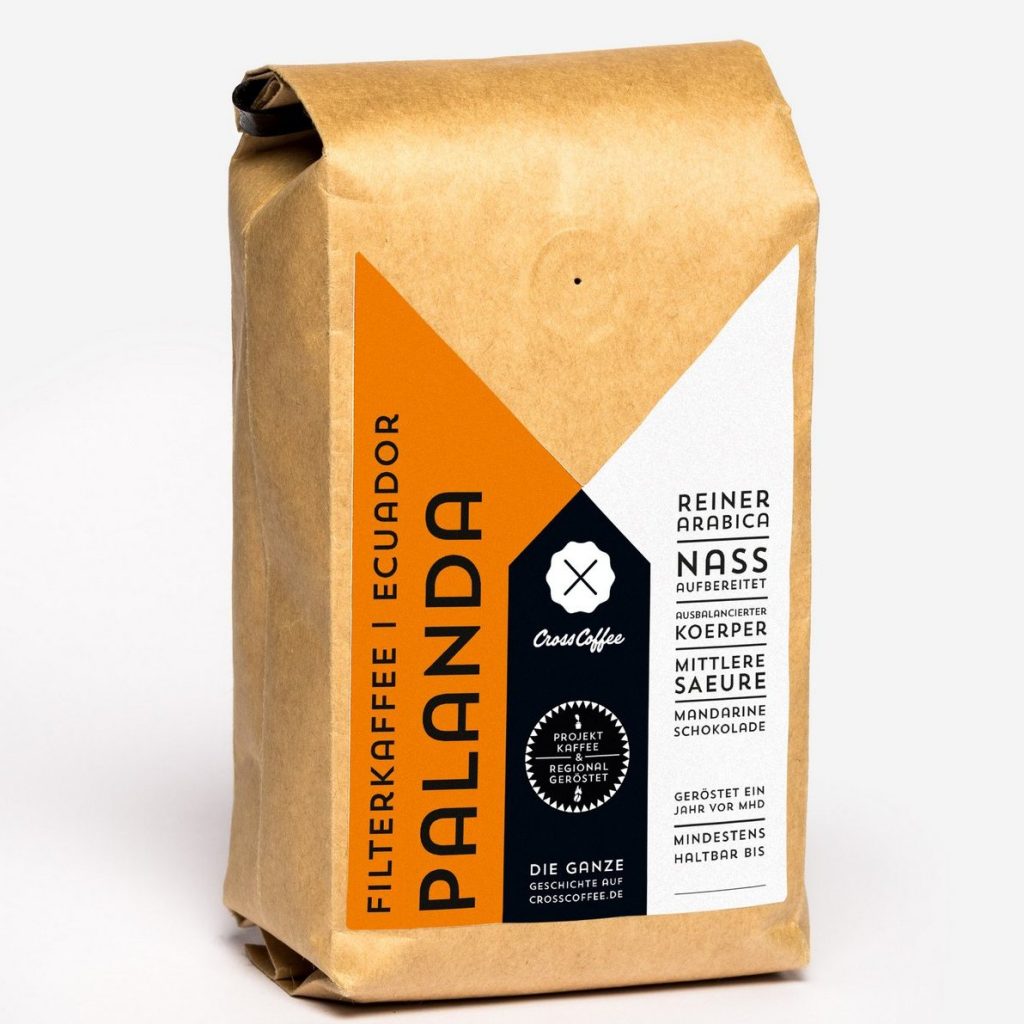
Cross Coffee
PALANDA – FILTERKAFFEE
€9.80
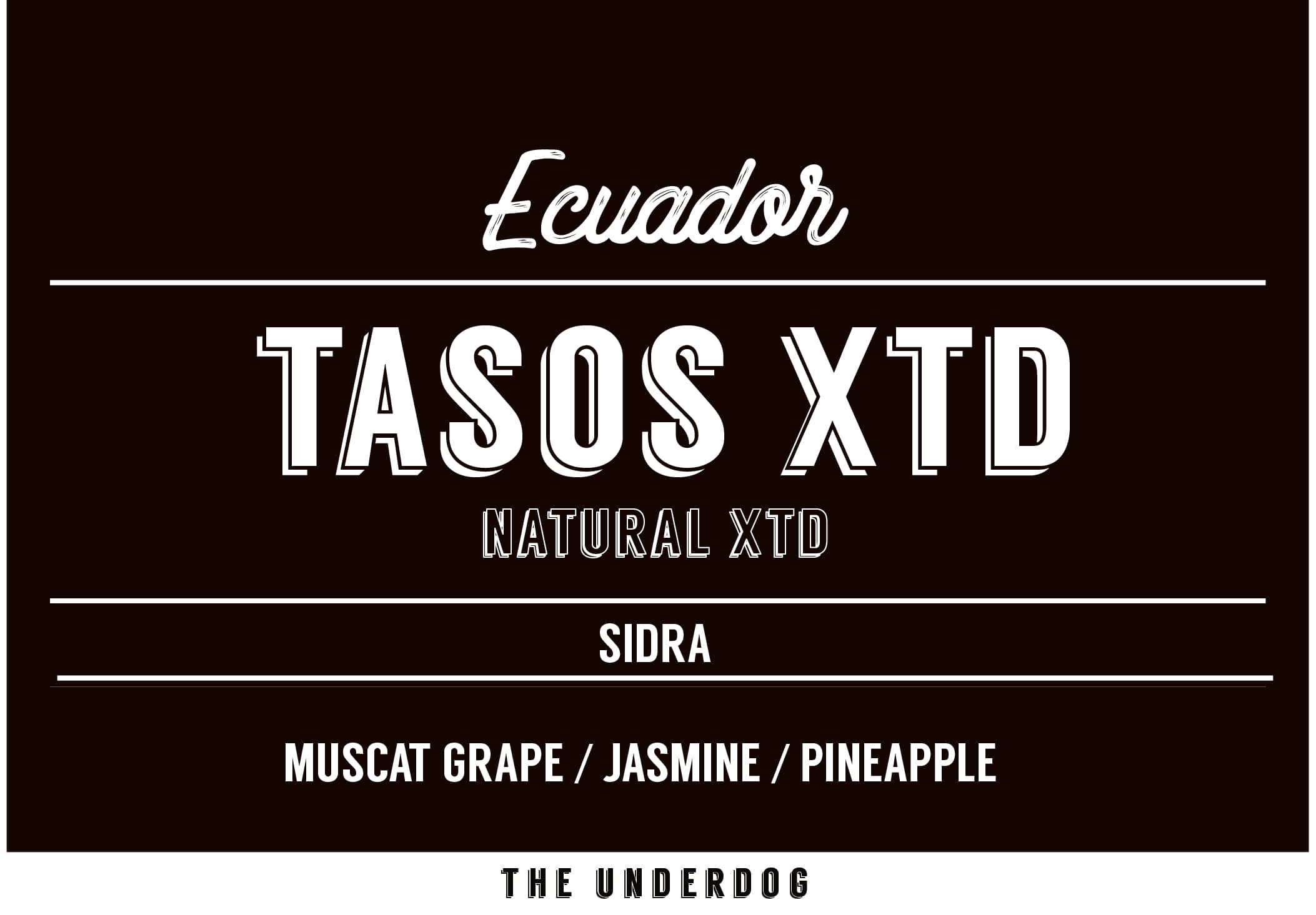
The Underdog
Ecuador, Finca Soledad, Tasos XTD
€25.00
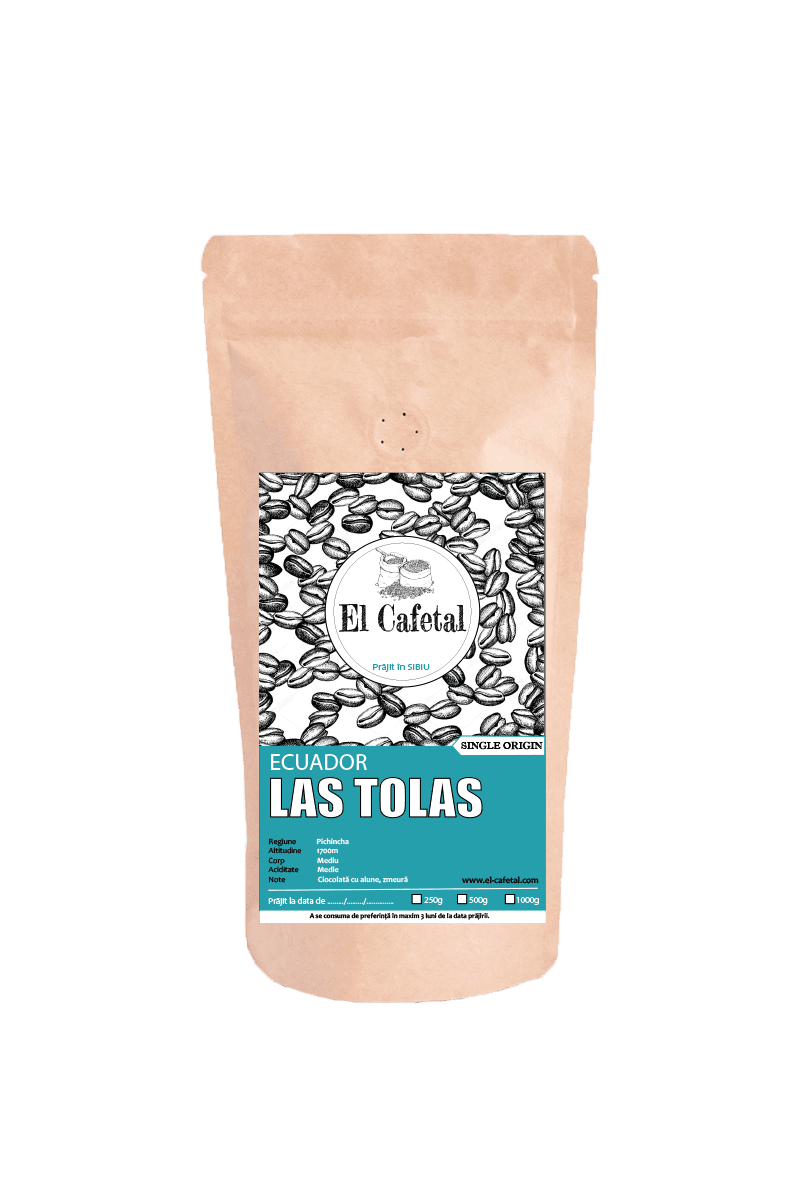
El-Cafetal
ECUADOR LAS TOLAS
RON 56.00
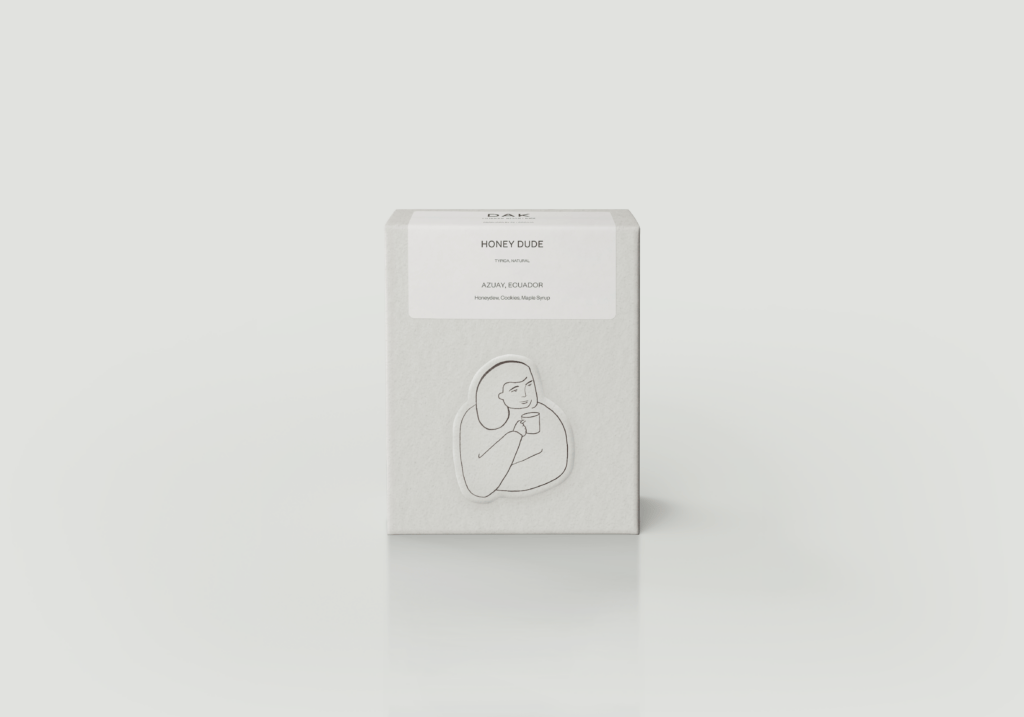
DAK Coffee Roasters
Honey Dude
€19.95
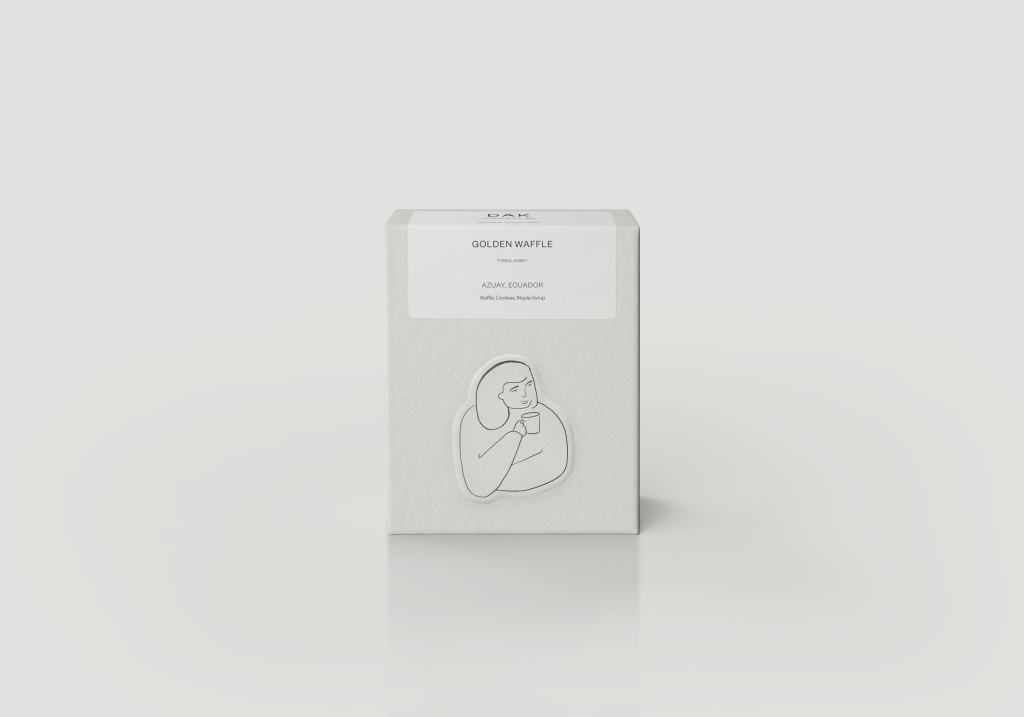
DAK Coffee Roasters
Golden Waffle
€19.95
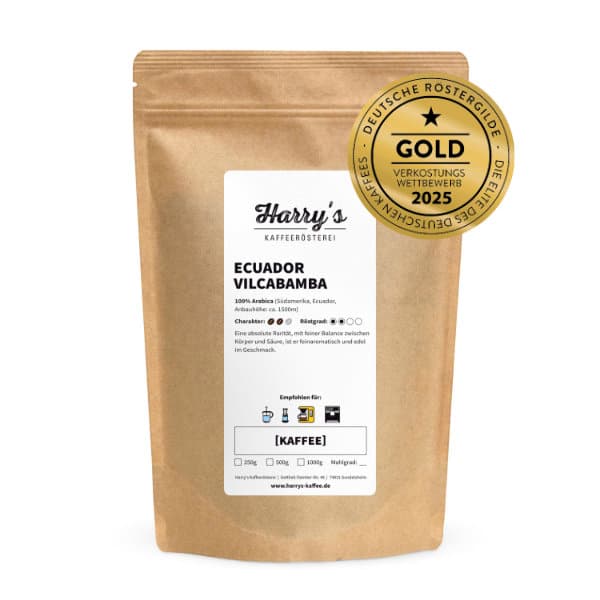
Harrys Kaffee
Ecuador Vilcabamba
€12.70
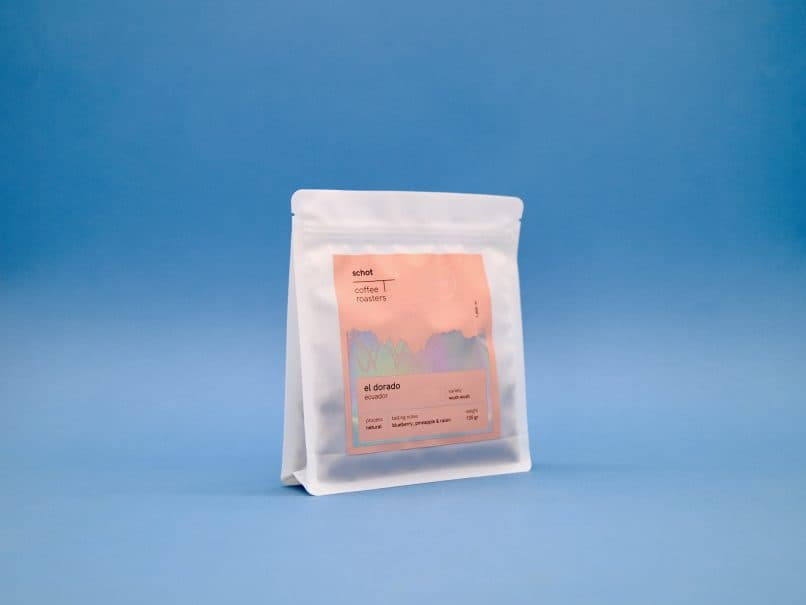
Schot Coffee Roasters
Ecuador El Dorado Wush Wush Natural
€24.85

Cafe Chez Moi
Ecuador – Asociatia Procap
RON 56.00
Light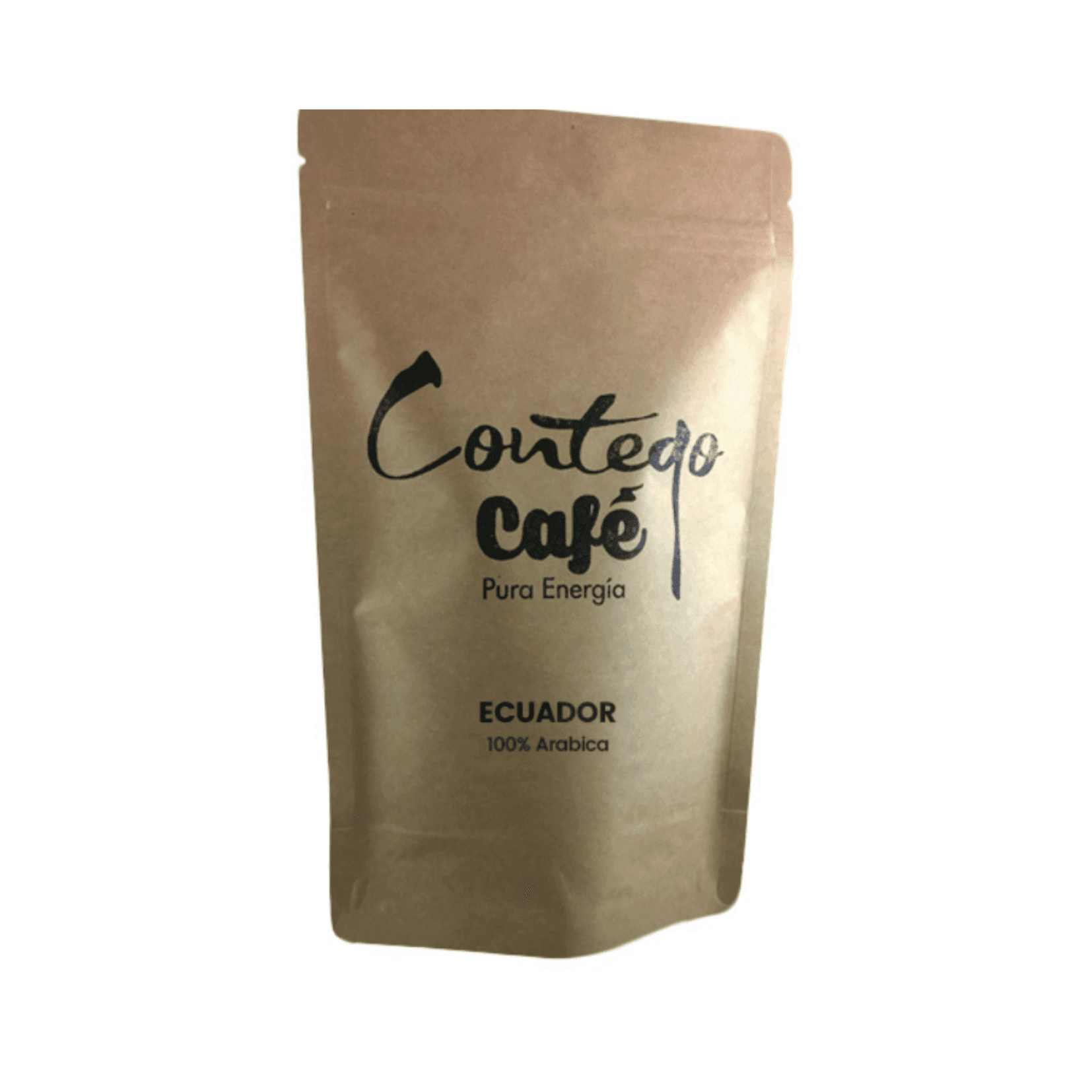
Contego
Ecuador Loja Fresh Coffee
$6.06
Medium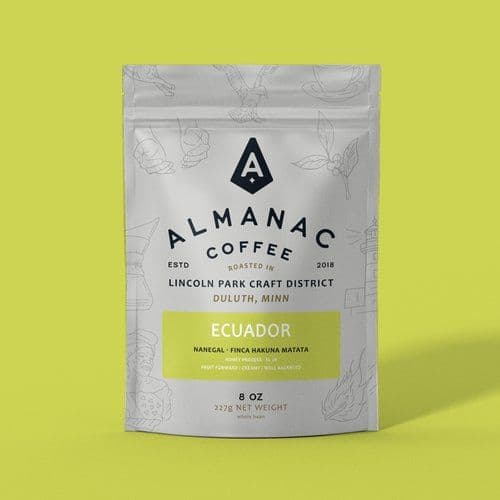
Almanac Coffee
ECUADOR - NANEGAL - HONEY
$16.54
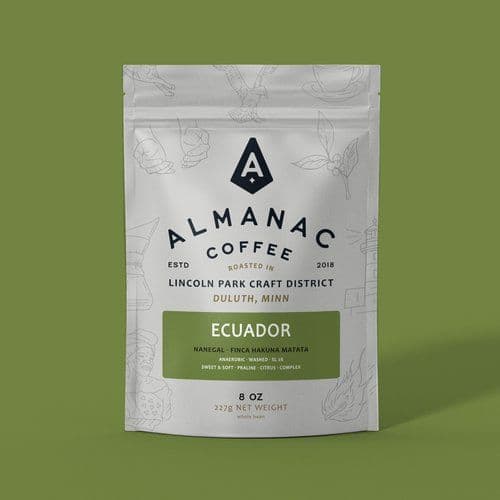
Almanac Coffee
ECUADOR - NANEGAL - ANAEROBIC
$16.54
Black Sheep
Galapagos Specialty Finca San Cristobal BIO
$17.95
Medium
Hannoversche Kaffeemanufaktur
Organic Melange Equatorial
$7.10
Medium
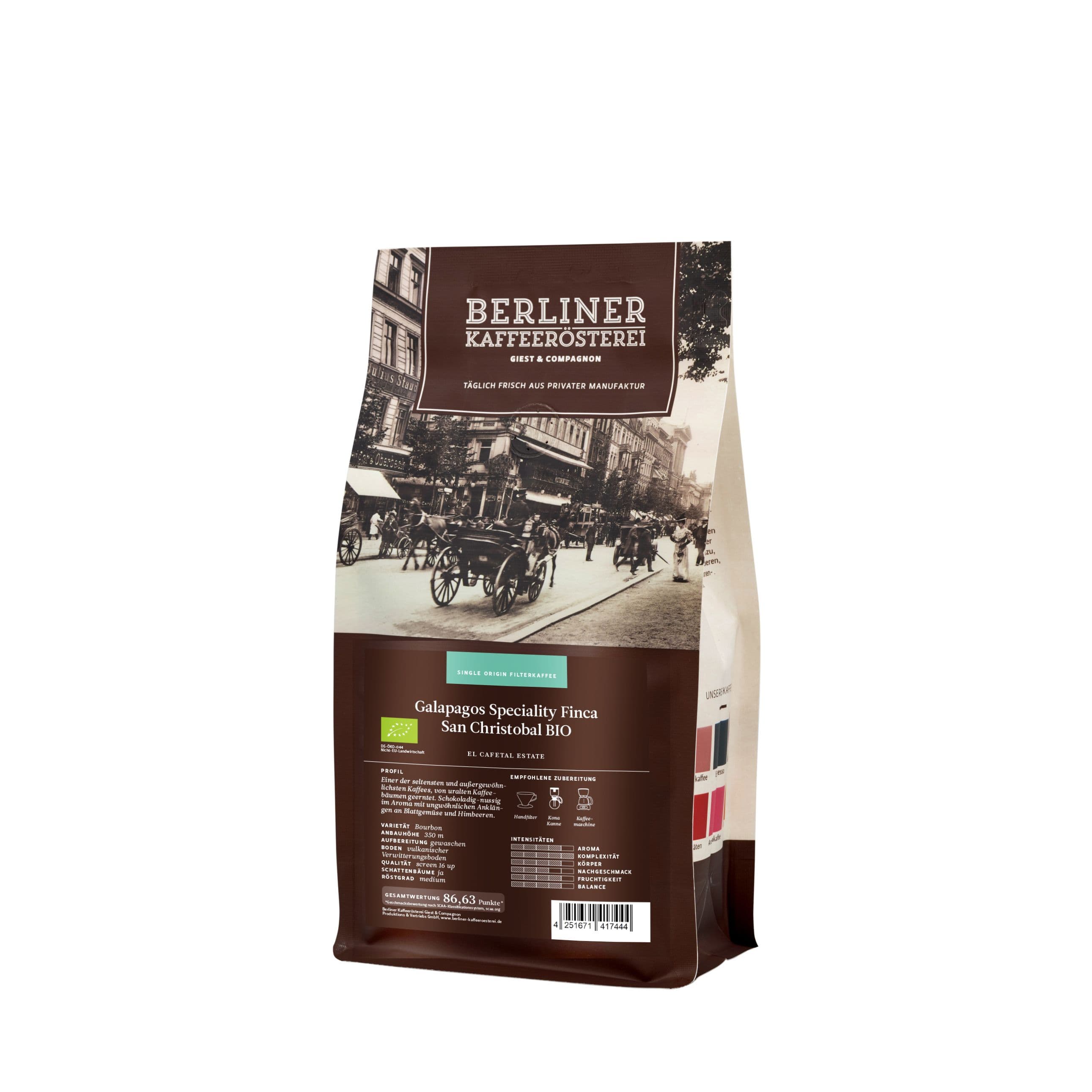
Berliner Kaffeerösterei
Galapagos Speciality Finca San Cristóbal BIO
$17.95
Medium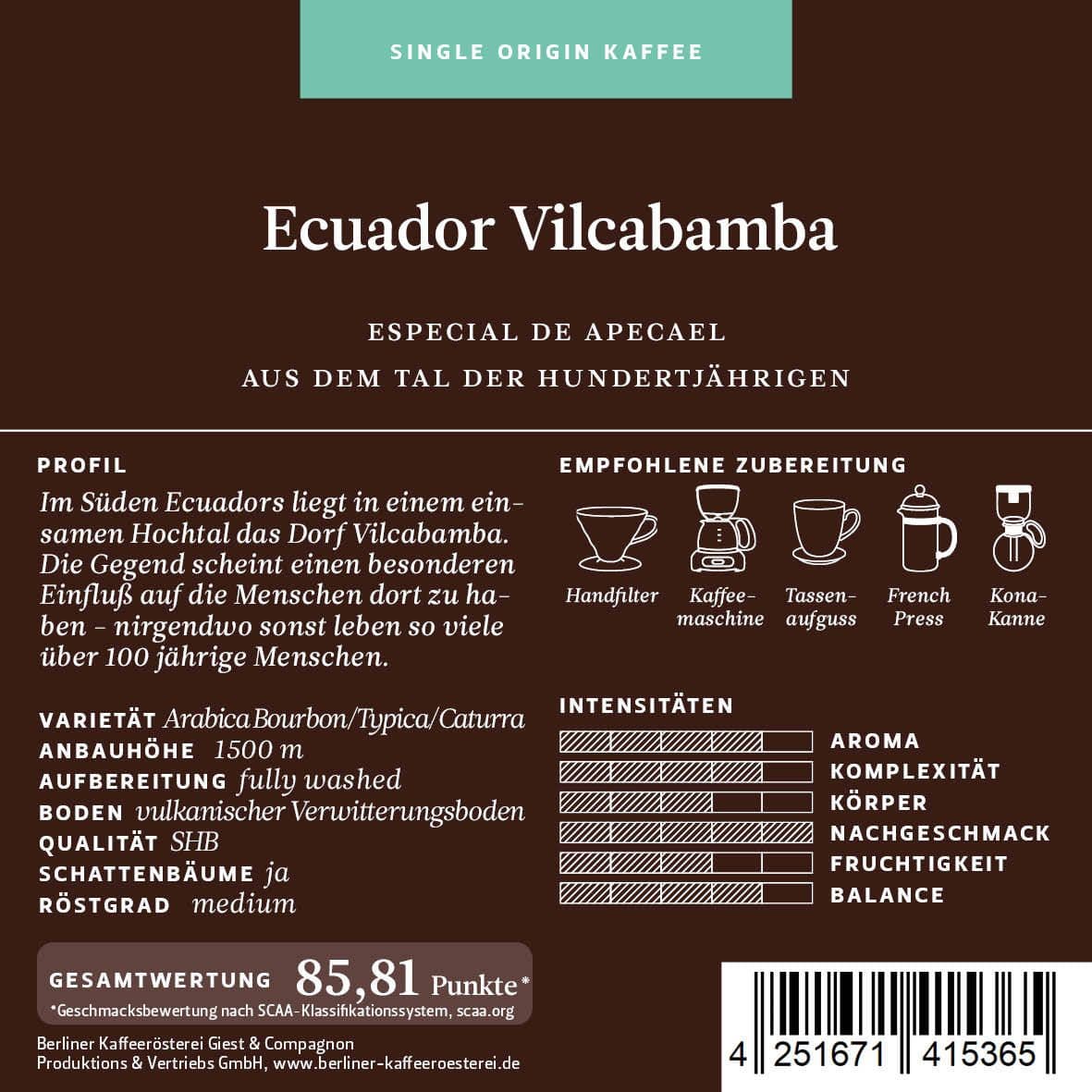
Berliner Kaffeerösterei
Ecuador Vilcabamba
$9.95
Medium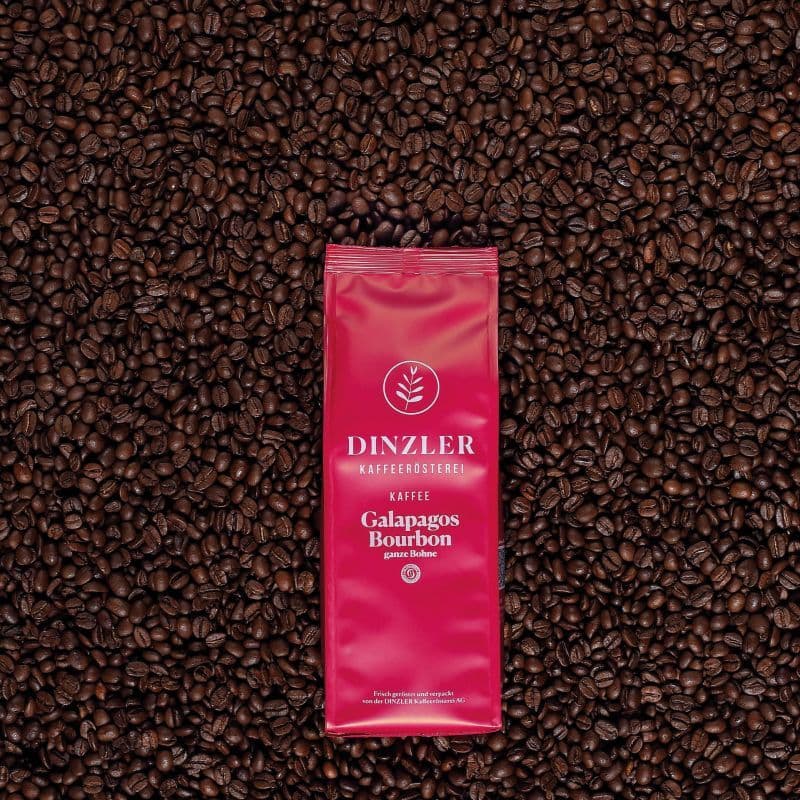
Dinzler Kaffeerösterei
DINZLER Coffee Galapagos Bourbon
$14.60
Dark
Kaffeemacher
La Carolina, Filterkaffee aus Ecuador
€15.90
Read about coffee from Ecuador
Coffee arrived in Ecuador relatively late, reaching the province of Manabí around 1860. Coffee production spread throughout the country, and around 1905 exports to Europe began from the port of Manta. Ecuador is one of the few countries where Arabica and Robusta coffee are also grown.
After the disease destroyed much of the cocoa crop in the 1920s, many farmers focused on coffee. Exports began to rise in 1935, and by 1985 these 220,000 bags had become 1.8 million bags. The global crisis of the 1990s caused an inevitable decline in production, but by 2011 production had returned to about one million bags a year. Until the 1970s, Ecuador's main export crop was coffee, but it was later replaced by oil, shrimp, and bananas.
Ecuadorians consume more instant coffee than fresh coffee and, interestingly, the cost of producing Ecuadorian coffee is high enough for instant coffee producers to import coffee from Vietnam instead of buying it in Ecuador.
Ecuador does not have a good reputation for quality coffee. Partly because 40% of its production is Robusta, but much of Ecuador's exported coffee is still relatively weak. To reduce production costs, much of the crop is dried either on the tree or on the terrace, and the term locally describes this natural process as café en bola. This coffee usually ends in instant coffee and about 83% of the country's exports are processed naturally. Colombia is one of the main importers because the producers of instant coffee there will pay a better price than the local ones. This is because Colombian coffee is expensive because the national brand is strong in foreign markets.
While coffee has long been made in Ecuador, there are those who believe that it is only worth considering coffee in the country as a hidden gem. The geographical location and climate are certainly necessary for the extraordinary preparation of coffee and it will be interesting to see if, as a result of investments in the specialty coffee industry, some new and extraordinary coffees come from Ecuador in the future.
Traceability
It is rare for coffee to be traced to a single estate. It is more common to see a lot of things from a group of producers or sometimes many can be put together by an exporter. Many of these may come from a large number of farmers, but can still be excellent.
Taste Profile
Ecuadorian coffees are beginning to realize their quality potential, making sweeter and more complex coffees available. Pleasant acidity makes them more interesting.