
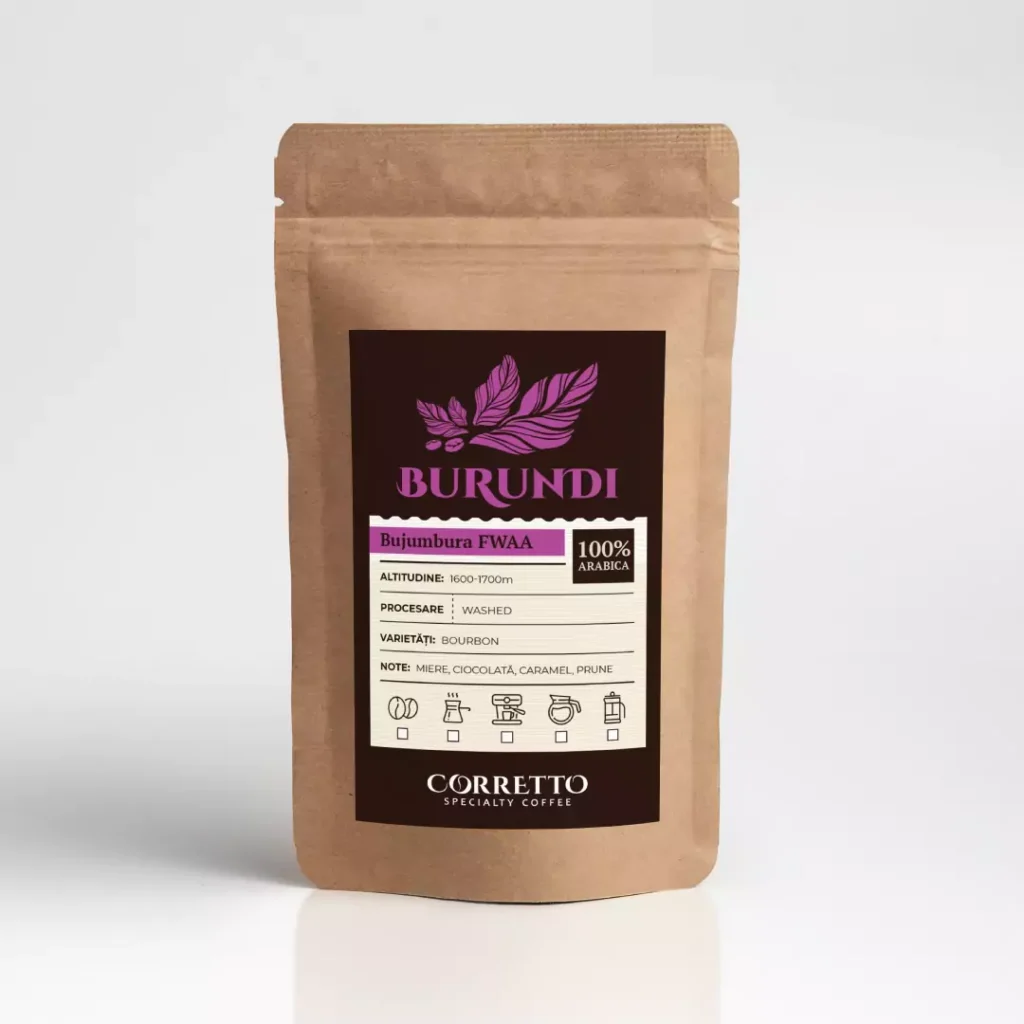
de Specialitate Corretto, Burundi Bujumbura Fully Washed AA, 100% Arabica
Burundi
- Washed
- Single Origin
Not rated yet · Be the first to review it
fromRON 44.00
≈ RON 198.00 / kg
You’ll be taken to the roaster’s shop to complete your purchase.
- Roaster based in
- Romania
- Ship to
- United States · Check on the roaster’s shop
🇧🇮 Origin: Africa, Burundi, Bujumbura region
🌱 Variety: Bourbon
⛰️ Altitude: 1600 m – 1700 m
☕ Tasting notes: Honey, Chocolate, Caramel, Plums
Single-origin coffee from Burundi, expertly roasted by Corretto for espresso. It has a medium-full body, high acidity, and notes of chocolate, caramel, and honey, with a finish of ripe plums. It works well for espresso and brew methods (V60, Chemex, drip).
Taste profile
From the details listed by the roaster’s shop.
Tasting notes
- Honey
- Chocolate
- Caramel
- Plums
Sizes and prices
| Grind | Coffee Size | Per kg | Price |
|---|---|---|---|
| Whole Beans | 200g | RON 220.00 | RON 44.00 ↗ |
| Whole Beans | 400g | RON 220.00 | RON 88.00 ↗ |
| Whole Beans | 500g | RON 209.00 | RON 104.50 ↗ |
| Whole Beans | 1kg | RON 198.00 | RON 198.00 ↗ |
Description
Burundi Bujumbura Fully Washed AA Specialty Coffee | Details and Description
🇧🇮 Origin: Africa, Burundi, Bujumbura region
👨🌾 Producer: Local smallholder farmers
🌱 Variety: Bourbon
⛰️ Altitude: 1600 m – 1700 m
💧 Processing: Washed / Fully Washed
🔥 Roast profile: Espresso
☕ Tasting notes: Honey, Chocolate, Caramel, Plums
🍒 Acidity: High | Intensity: High
🫘 Body: Medium-full
📏 Bean size: Screen 17
⚙️ Recommended for: Espresso and brew methods (V60, Chemex, drip)
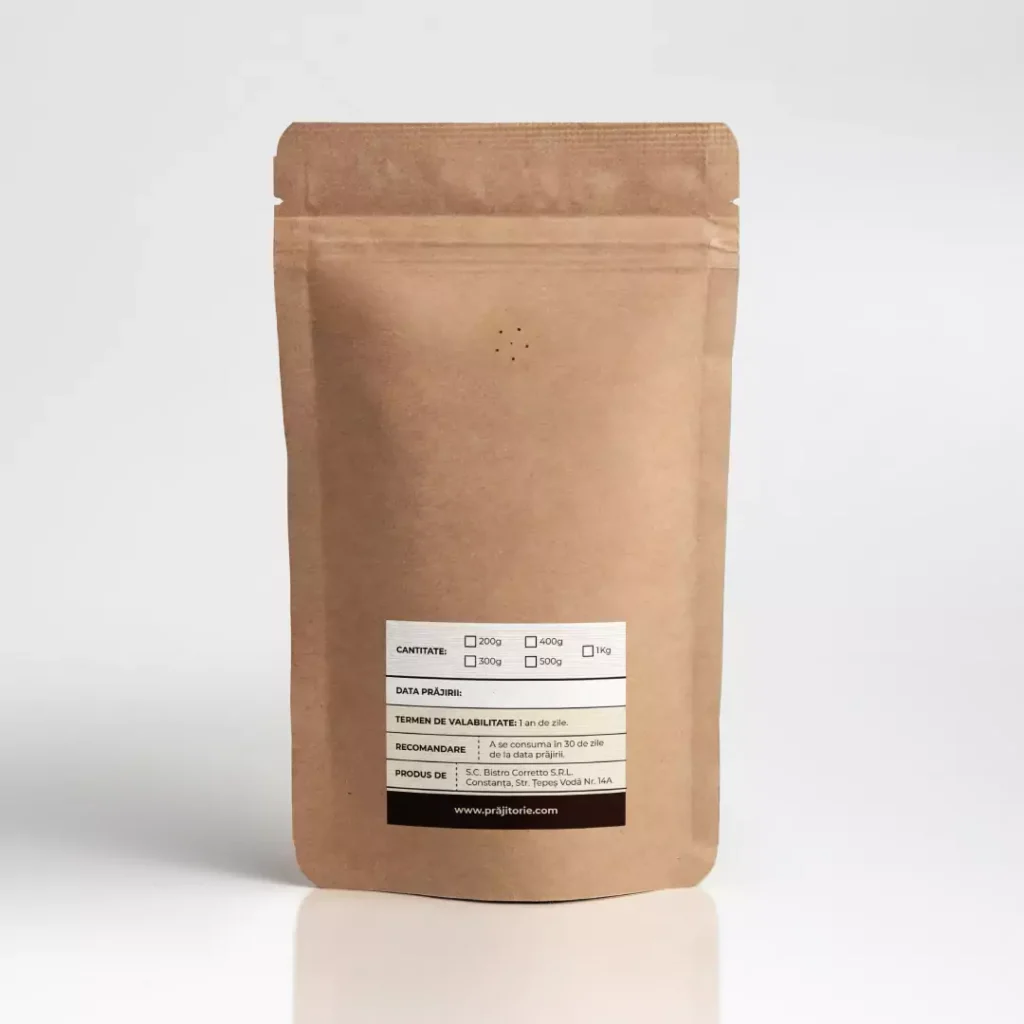
⏳ Optimal degassing: 7–14 days from the roast date
📦 Burundi specialty coffee available in 200g, 400g, 500g, and 1kg bags
Burundi Bujumbura Coffee: Origin, Altitude, and Terroir
Burundi is in Central Africa, between Rwanda, Tanzania, and the Democratic Republic of the Congo. It’s a small country, but its coffee-growing conditions are hard to match. The hills around the capital, Bujumbura, rise to 1600–1700 meters, and the volcanic soil is rich in minerals from the eruptions that shaped the region—and the coffee industry as a whole.
The climate does the rest. Lake Tanganyika, the world’s second-deepest lake, sends a moist breeze across the plantations. Nights are cool, days are warm, and humidity is constant—which extends the coffee cherries’ ripening period by several weeks compared with farms at lower elevations. Bourbon cherries stay on the branches longer (a quality advantage) and develop complex sugars that you can taste directly in the cup: Burundi coffee’s sweetness comes not just from roasting, but also from the soil and climate.
100% Arabica Coffee Grown by Smallholder Farmers in Burundi
You won’t find industrial plantations in Burundi. Everything is produced on a small scale. Growing 100% Arabica coffee is a family tradition—each lot comes from a few hundred trees planted on the steep hills around the Bujumbura region. Each family hand-picks its cherries (selective picking), choosing only fully ripe ones—uniformly red, with no green or overripe fruit in the lot.
After harvesting, coffee from several families is brought to a local washing station. There, the beans are sorted one by one, and those that don’t meet the standard are separated. The process is slow and labor-intensive, but the quality comes through in every cup: a uniform lot means a predictable roast and a clean taste. Smallholder farming practices come with a responsibility to the community—when you buy these Burundi-origin coffee beans, you directly support social initiatives that develop local communities.
Flavor Profile: Coffee Beans with Notes of Chocolate, Caramel, and Plums
Open the bag and you’ll immediately smell chocolate and caramel. Roasted for espresso, Burundi coffee brings out the Bourbon beans’ natural sugars without scorching them.
The body is medium-full—not thin like a typical washed African coffee, but not heavy like a dark-roasted Brazilian lot either. The acidity is high and lively, but not aggressive: it’s more reminiscent of ripe citrus than green lemon. Chocolate is the dominant note, followed by caramel and honey. The finish—the aftertaste that lingers on your tongue—brings sweet plums and lightly fruity notes.
Compared with other African coffees (Ethiopia, Kenya) that lean toward floral notes or bright acidity, Burundi Bujumbura is more “rounded.” Its flavor is balanced, without extremes—a coffee you can drink in the morning without thinking about tasting notes, but if you pause for a moment, they’re all there. This balance of sweetness, acidity, and body is exactly what makes Burundi origin coffee worthy of a place on the shelf alongside East Africa’s better-known, more aromatic lots.
What Do Fully Washed (FW) and AA Grading Mean?
Fully Washed (FW)
After harvesting, the fruit pulp is mechanically removed. The beans go through controlled fermentation tanks and are then washed with fresh water. The goal is to leave only the bean, without any fruit residue that could introduce unwanted notes. The result is a “clean” flavor with distinct, clear notes of chocolate and caramel.
AA Grading and Screen 17
“AA” is the highest sorting grade in the African grading system. The beans in this lot are screen 17 (approximately 7 mm in diameter). Uniform size matters for roasting: each bean absorbs heat at the same rate, resulting in more balanced extraction in an espresso machine or drip brewer.
How to Brew Burundi Bujumbara Coffee at Home
We recommend this lot for espresso and brew methods. Its medium-full body and high acidity give it a structure that holds up well both under espresso machine pressure and during the longer contact time of drip methods.
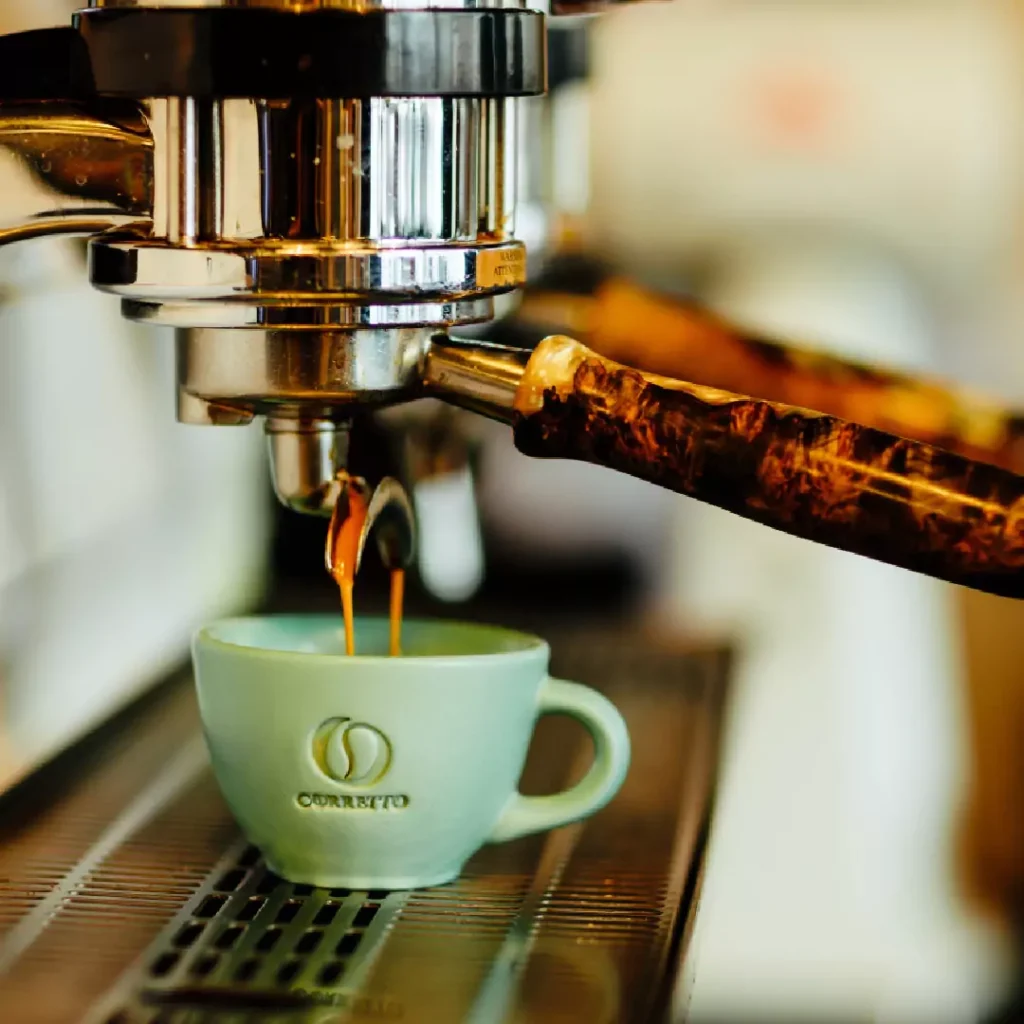
Espresso Recipe
Dose: 18g coffee (fine grind)
Yield: 36g–40g in the cup
Extraction time: 25–30 seconds
Expect a dense shot with reddish-brown crema and a lingering flavor. The high acidity balances milk very well—in a cappuccino or flat white, the caramel and honey notes come forward.
☕ Corretto tip: If it tastes too intense, increase the yield to 42–44g—the longer ratio (1:2.3) opens up the chocolate notes without losing body. For an Americano, pull a standard doppio (18g → 36g) and add 90–100ml hot water: you’ll preserve the crema and get a larger drink without over-extraction.
Brew Recipe (V60 / Chemex / Drip)
Dose: 15g coffee to 250ml water
Grind: Medium (like coarse salt)
Water temperature: 92–95°C
Total time: 3:00–3:30 minutes
With drip brewing, the acidity opens up more, and plum and citrus notes emerge that are less noticeable in espresso. If you like your morning coffee without milk, brew is the best method for this lot.
☕ Corretto tip: For the best results, let the beans degas for at least 7–10 days from the roast date (printed on the bag) before grinding. The difference in flavor clarity is significant.
Choose the Right Grind
Burundi Bujumbura coffee is available in our coffee shop as whole beans or freshly ground, depending on how you prefer your order. If you’re not sure which grind size is right for you, we’ve put together a complete guide to four grind types—Espresso, Drip, Turkish Coffee, and French Press—with parameters, ratios, and practical tips for each. You’ll find it in the “Grind Types” tab on this page.
.
Reviews
No reviews yet.
Similar coffees
From Burundi, by other roasters
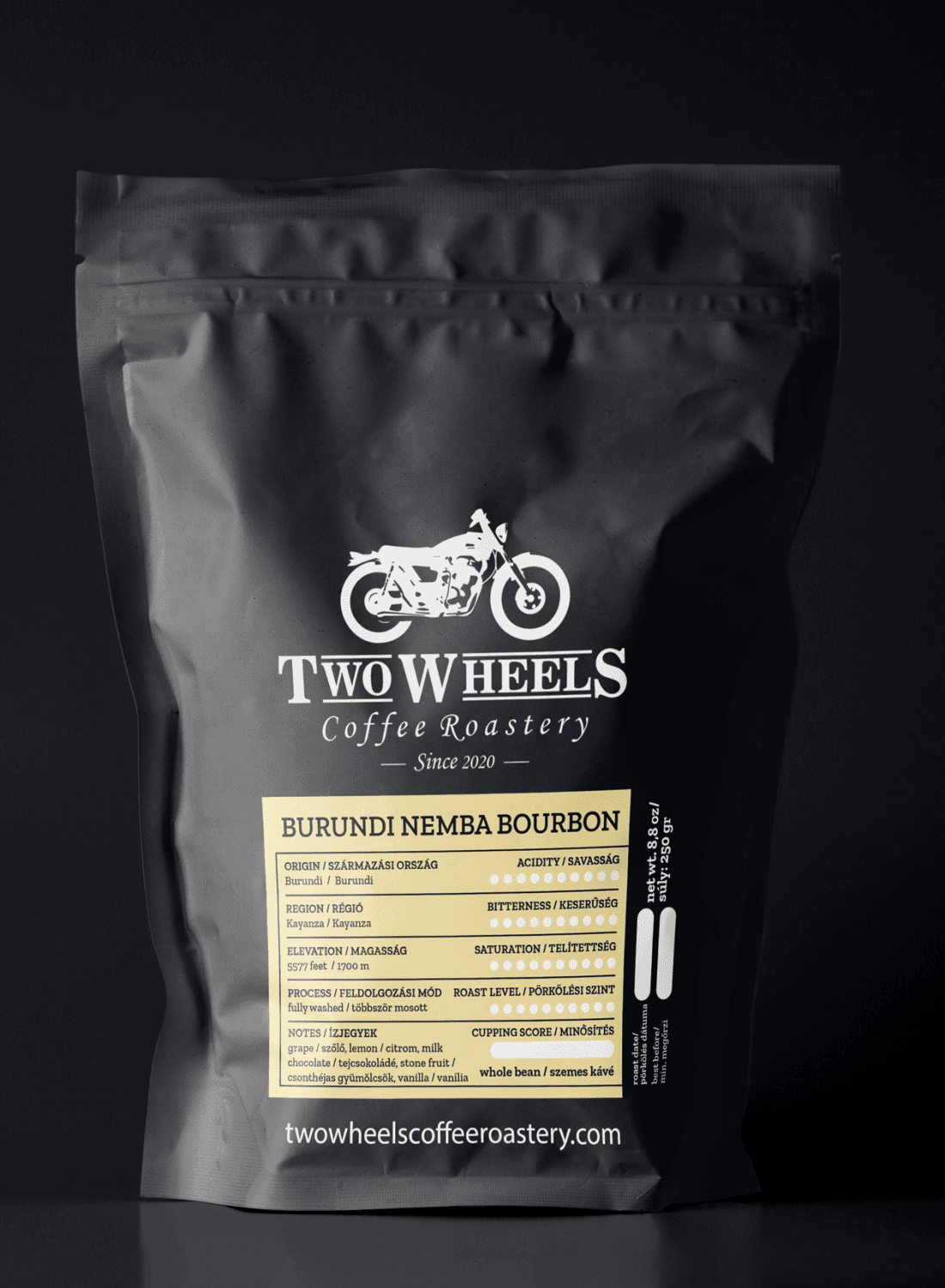
Two Wheels Coffee
Burundi Nemba Bourbon specialty coffee
$5.29
Medium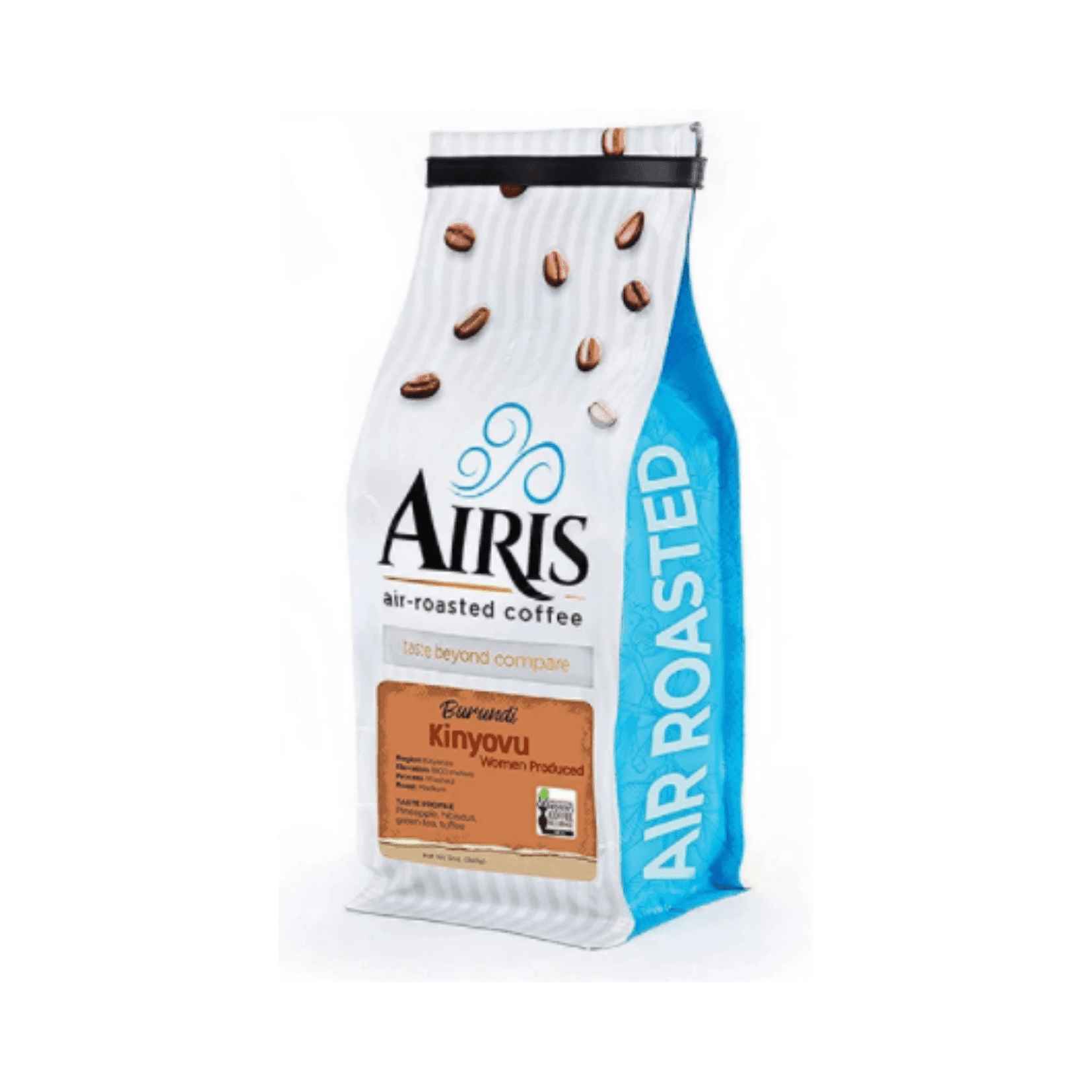
Good As Gold
Burundi Kinyovu
$11.36
Light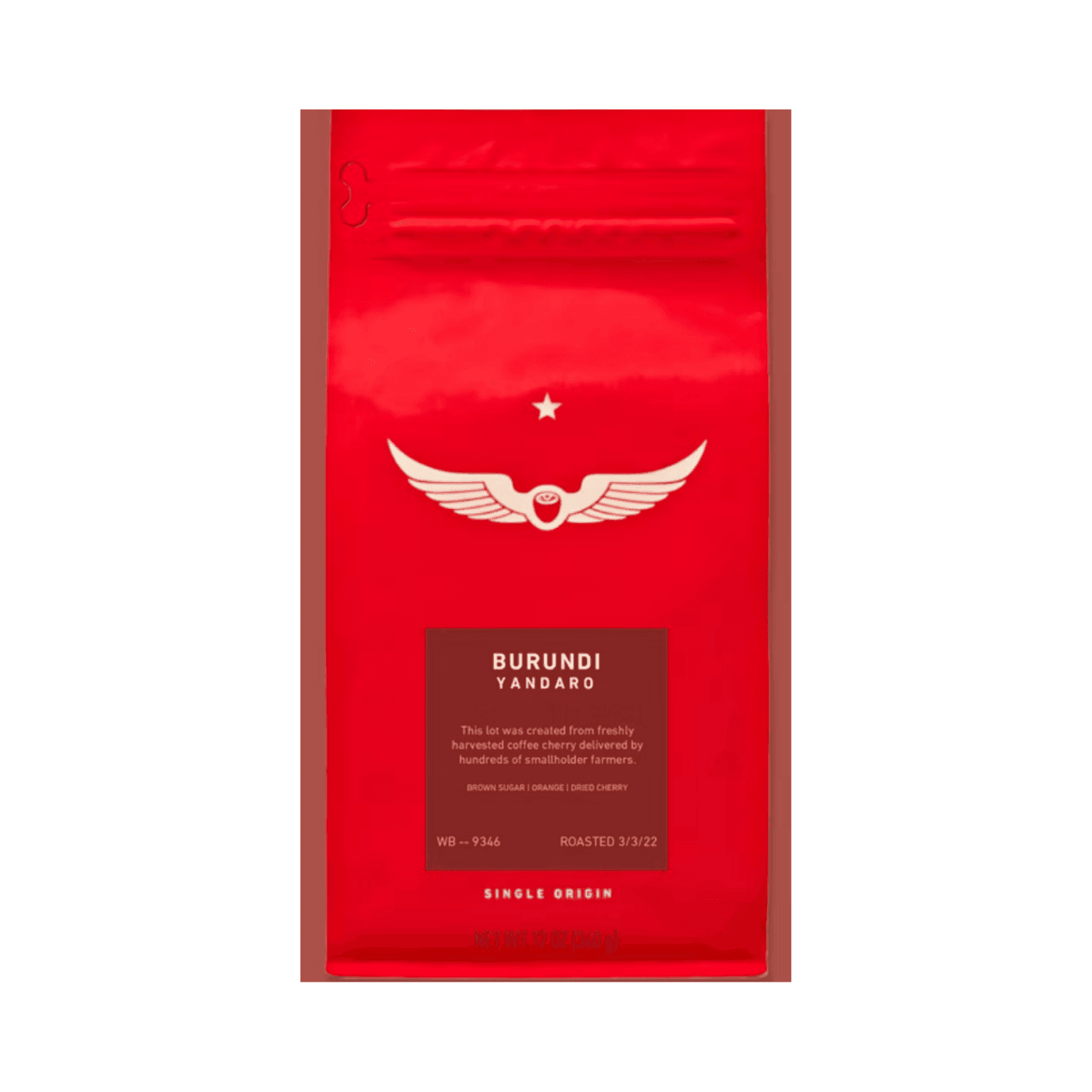
Intelligentsia coffee
BURUNDI YANDARO
$18.04
Medium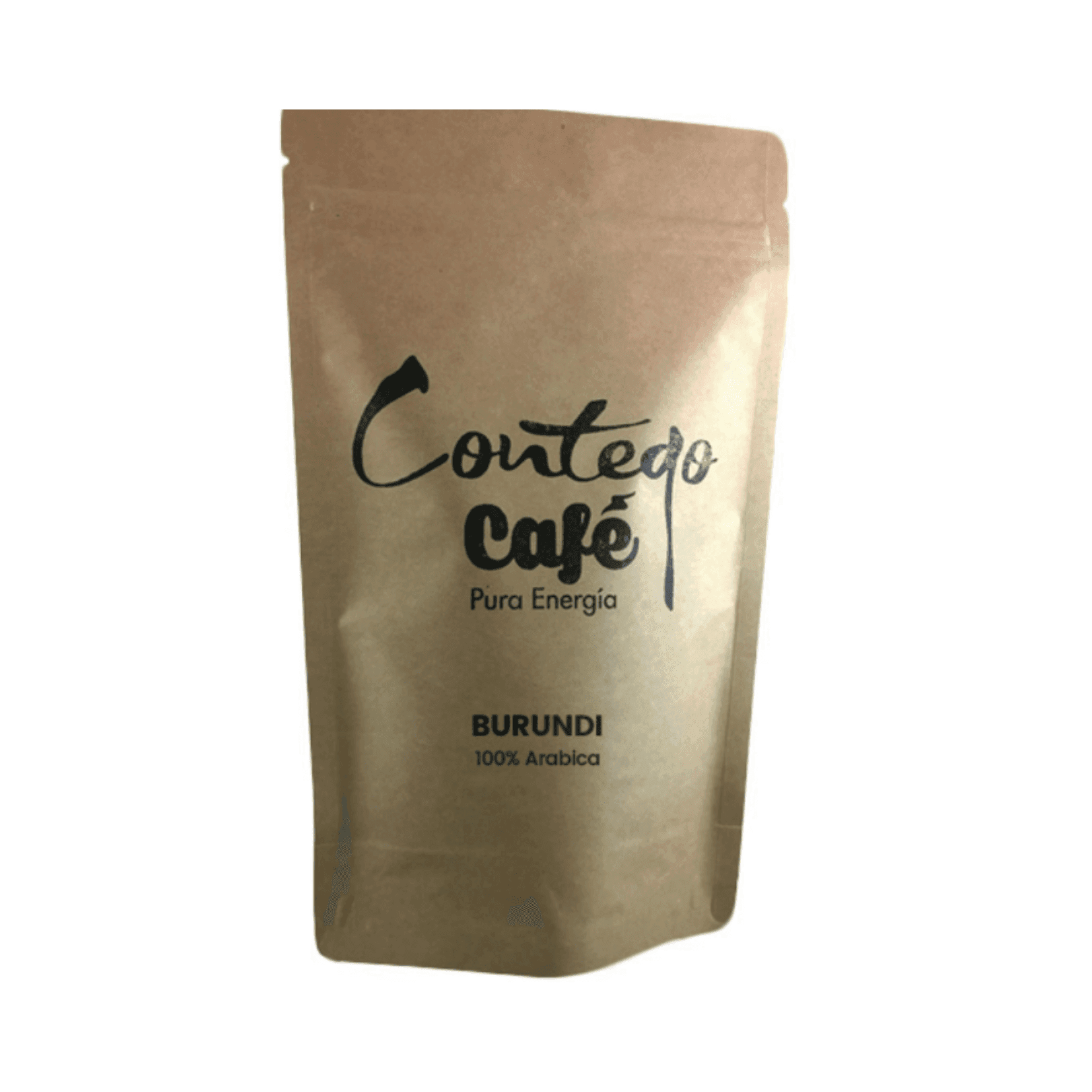
Contego
Fresh Roasted Coffee Burundi A Plus
$5.05
Medium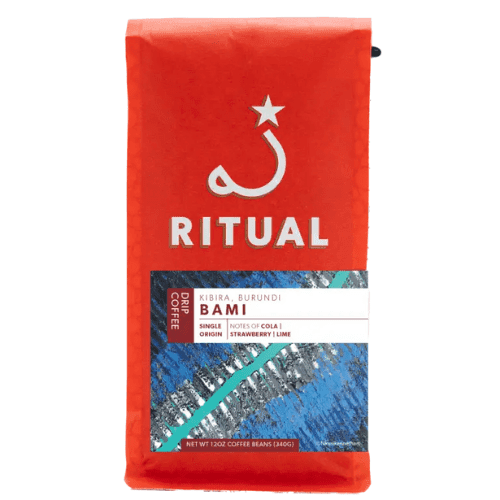
Ritual Coffee Roasters
BAMI, BURUNDI
$21.39
Medium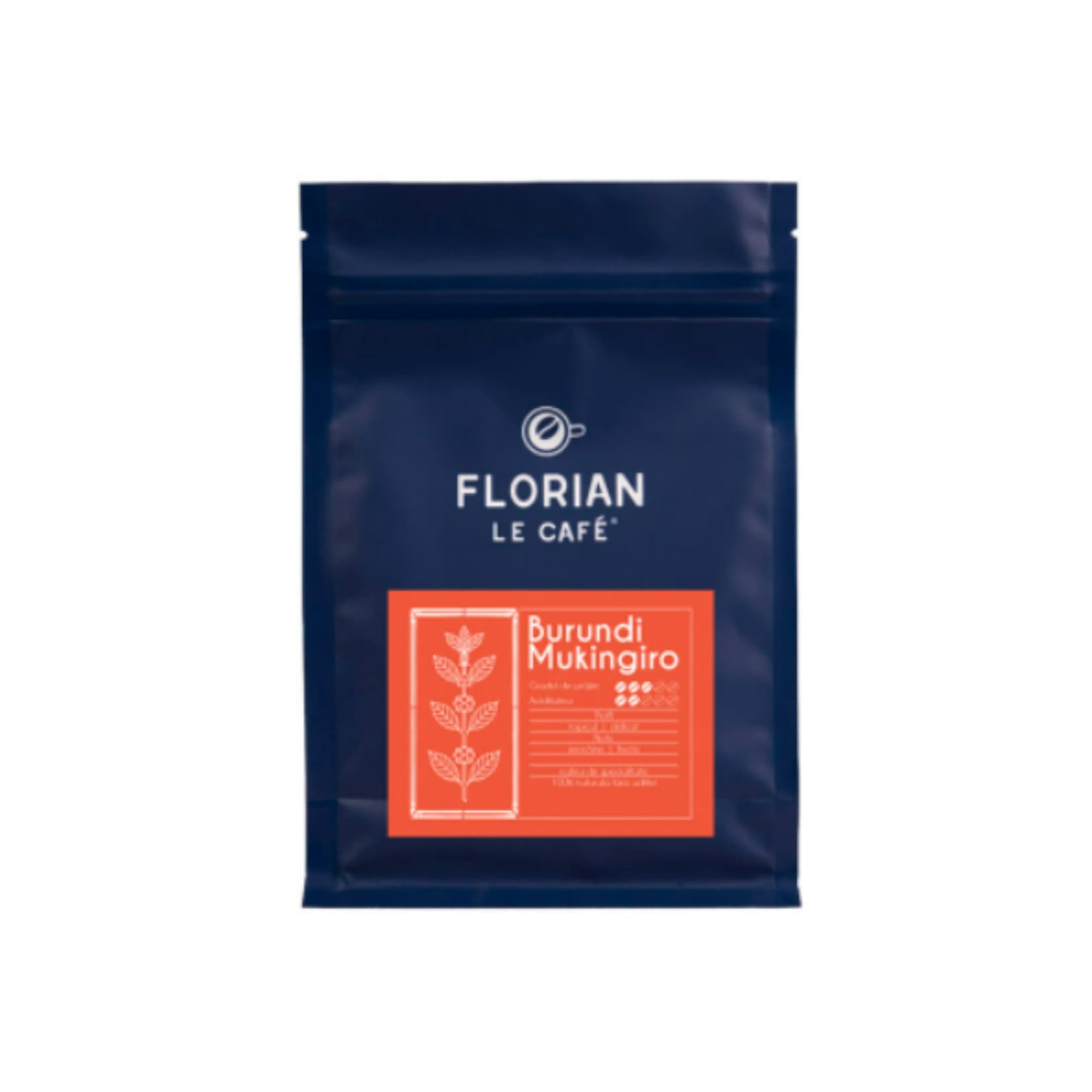
Florian le Café
BURUNDI MUKINGIRO
$7.88
Medium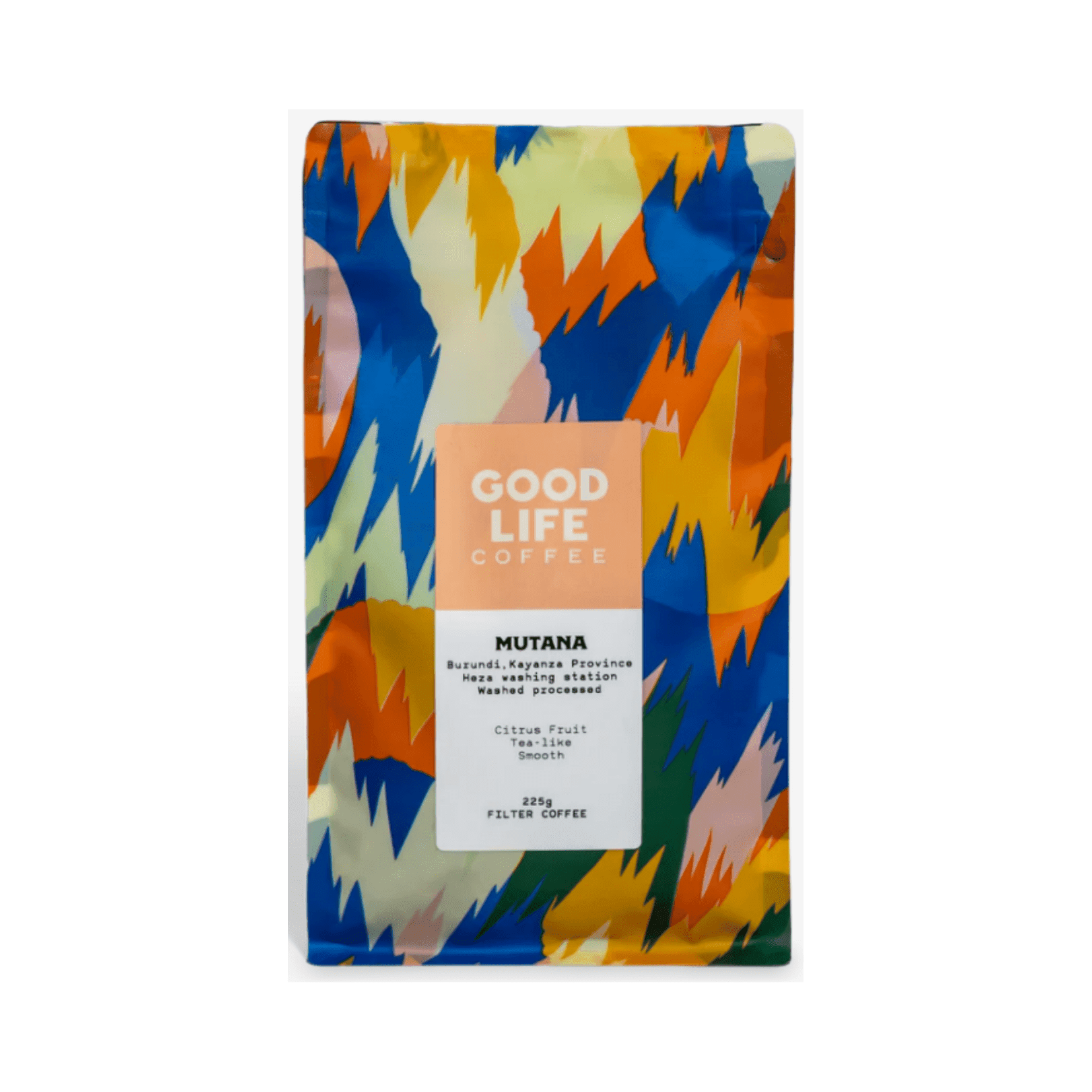
Fellow
Mutana Burundi - Fellow Coffee
$15.84
Medium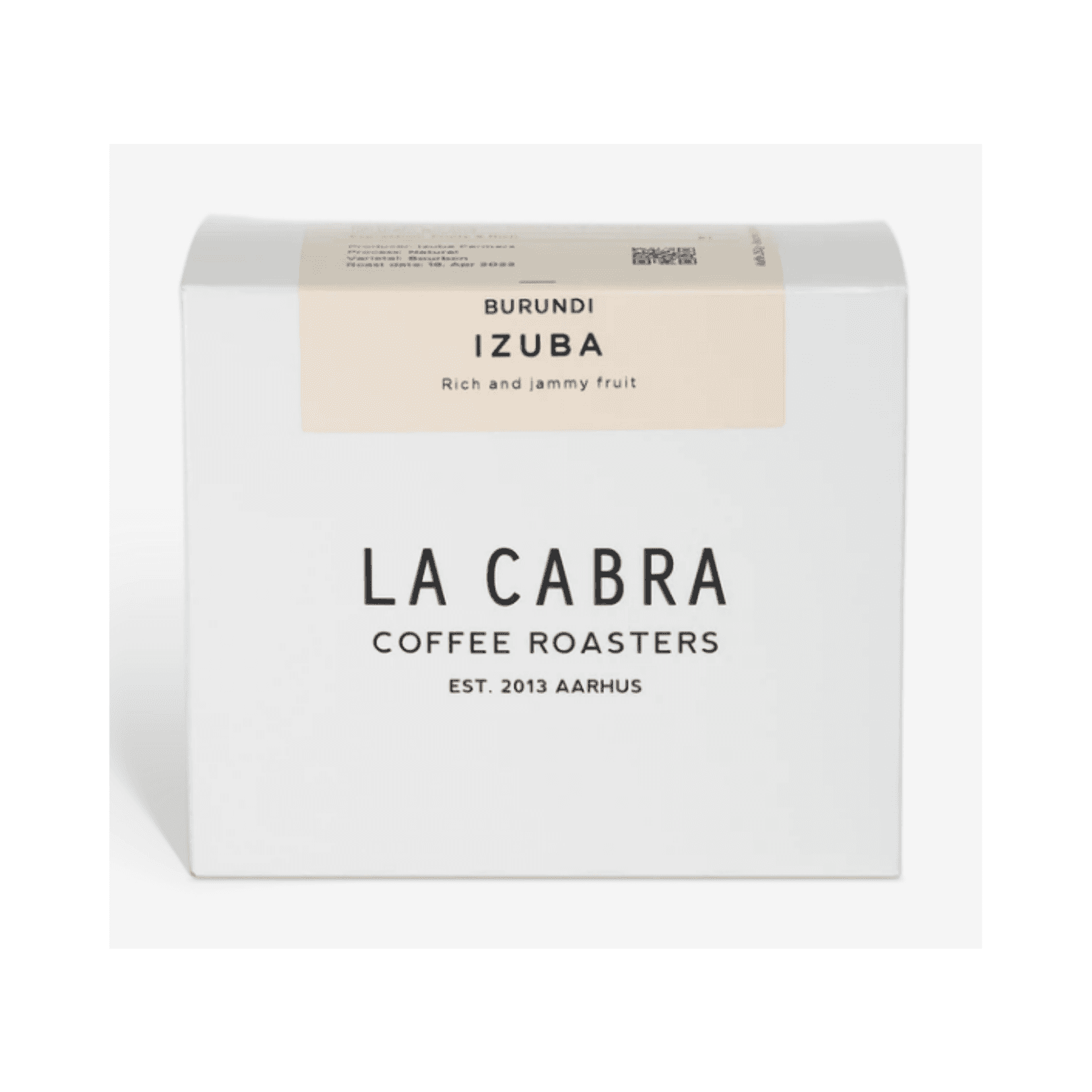
Fellow
Izuba Natural Burundi - Fellow Coffee
$17.70
MediumMore from Caffè Corretto
All products from Caffè Corretto →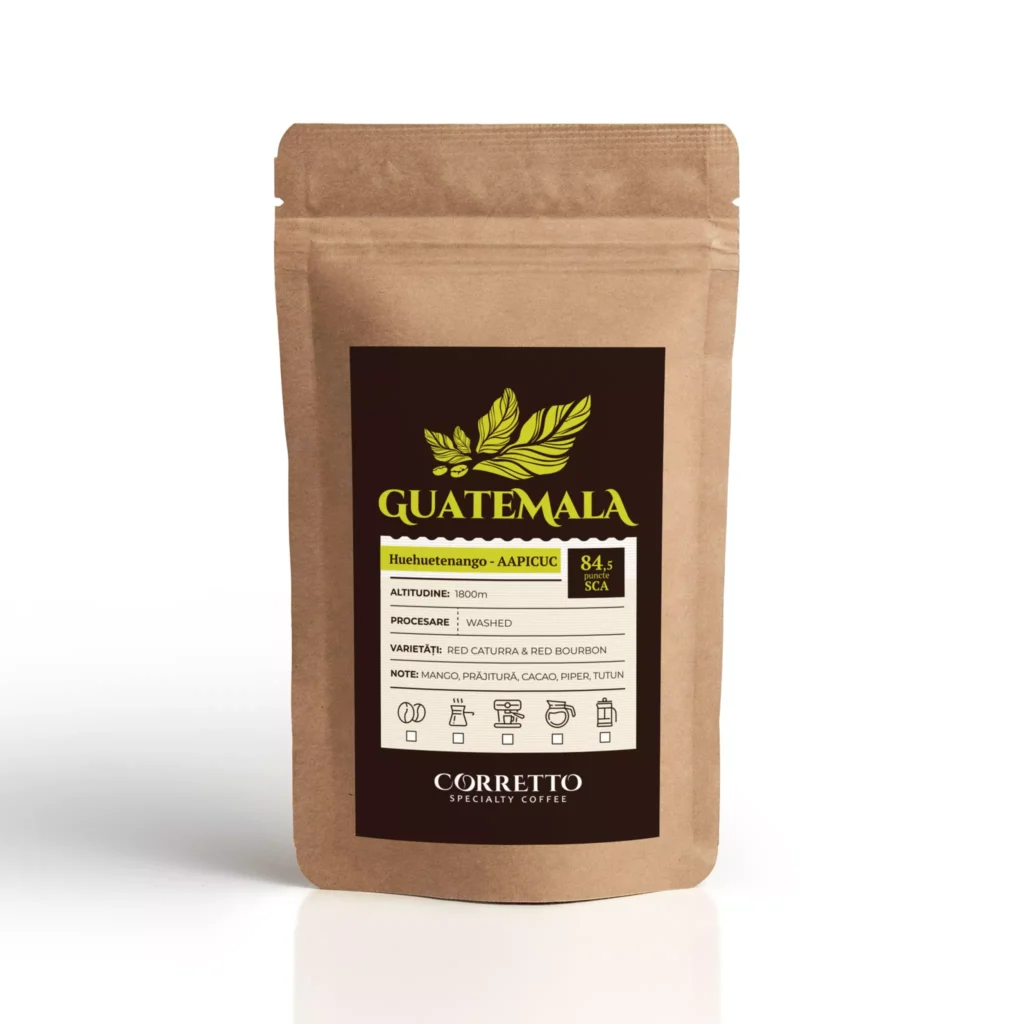
Caffè Corretto
de Specialitate Corretto, Guatemala Huehuetenango, Washed, 100% Arabica, 84,5 puncte SCA
RON 38.00
Medium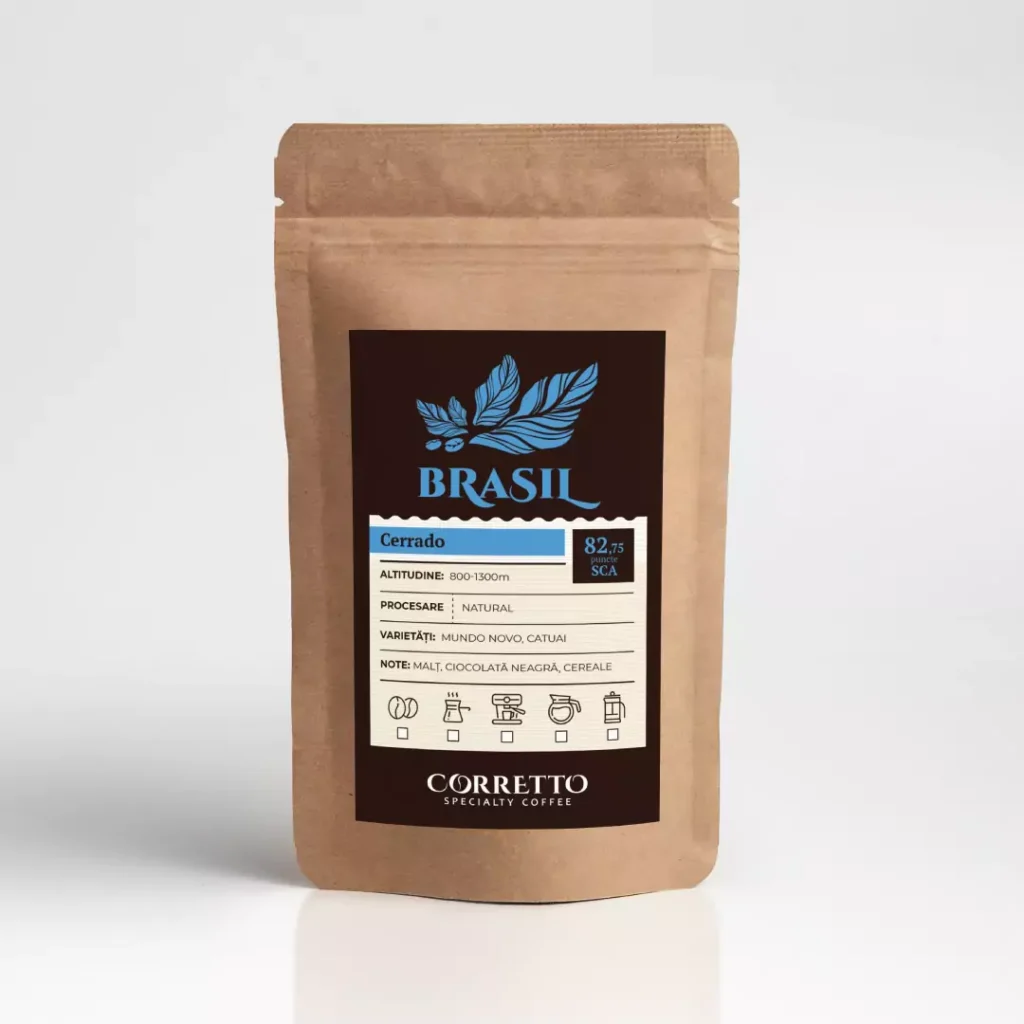
Caffè Corretto
de Specialitate Corretto, Brazilia Cerrado, Natural, 100% Arabica, 82,75 puncte SCA
RON 32.00
Caffè Corretto
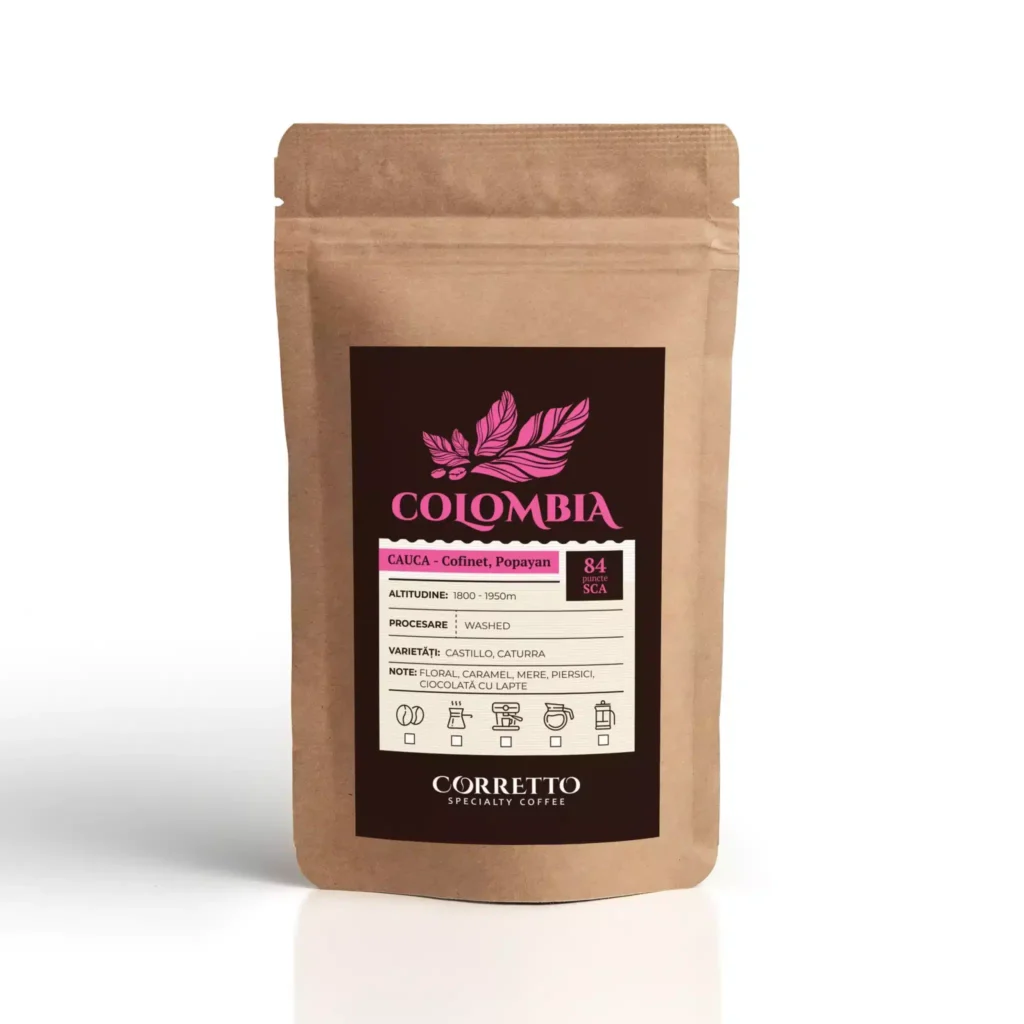
de Specialitate Corretto, Columbia Cauca Popayan, Washed, 100% Arabica, 84 puncte SCA
RON 36.00
Caffè Corretto
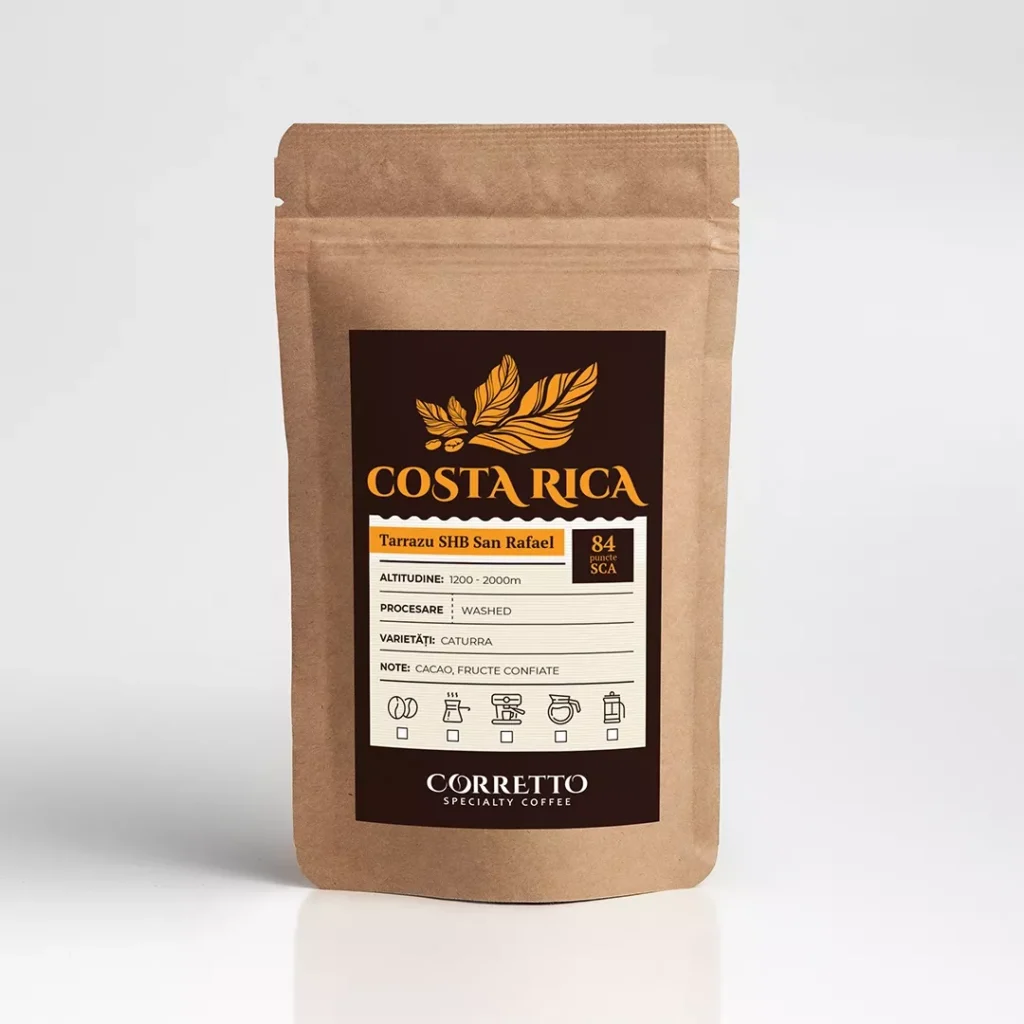
de Specialitate Corretto, Costa Rica Tarrazu SHB San Rafael, Washed, 100% Arabica, 84 puncte SCA
RON 38.00
Medium