


Castanhas Do Brazil, Cocatrel, Minas Gerais, Brazil | Natural FSC-9012
Brazil
- Natural
- Single Origin
Not rated yet · Be the first to review it
£17.08
You’ll be taken to the roaster’s shop to complete your purchase.
- Roaster based in
- United Kingdom
- Ship to
- United States · Not listed by the roaster’s shop
Description
-----
| Location: | Tres Pontas , Minas Gerais |
| Producer | Cocatrel Cooperative |
| Varietal: | Mixed |
| Process: | Natural |
| Altitude: | 900-1000 |
| Production/Harvest Date: | 2025 |
| Cup Score: | 83 |
|
Cup profile: |
Milk chocolate, raisin, toffee, orange |
The Cocatrel Cooperative was founded in 1961 in Tres Pontas and has grown into the second-largest cooperative in Brazil. It has over 6000 members with 11 different buying points across the region. All the coffee is electronically tagged and recorded on delivery with a unique QR code, giving full traceability. Over half of the members of the cooperative grow coffee on land that is less than 10ha in size. At Falcon Specialty we work with a branch of the Cooperative called Cocatrel Direct Trade. They work to source the best coffees and promote them for their members. ‘Castanhas do Brasil’, which translates as "Nuts of Brazil", is a blend made mainly from one particular area called Carmo De Cachoeira. The coffee is selected for its sweet and creamy hazelnut praline profile by the cupping team in the Cocatrel Direct Lab, who assign it to this profile blend. The coffee must have a clean profile and be scoring 83+ on evaluation. All the coffees that are part of this blend are dried in static boxes. These are 1m deep boxes with capacity for 15000 litre volume of cherry, which equates to 25 to 30 bags of green coffee. The boxes have a vented grill at the bottom to allow for air to be circulated from below up through the drying coffee. There are two thermometers at different depths to ensure a safe temperature, remaining below 40c. They are referred to as static as the coffee remains still in the boxes and is not turned or rotated during drying. After it is dried, the coffee is left to rest for 1 to 2 weeks before being milled. This method has allowed the production of more fruity and prominent profiles from the usual profile we associate with Brazil natural coffee.
Reviews
No reviews yet.
Similar coffees
From Brazil, by other roasters
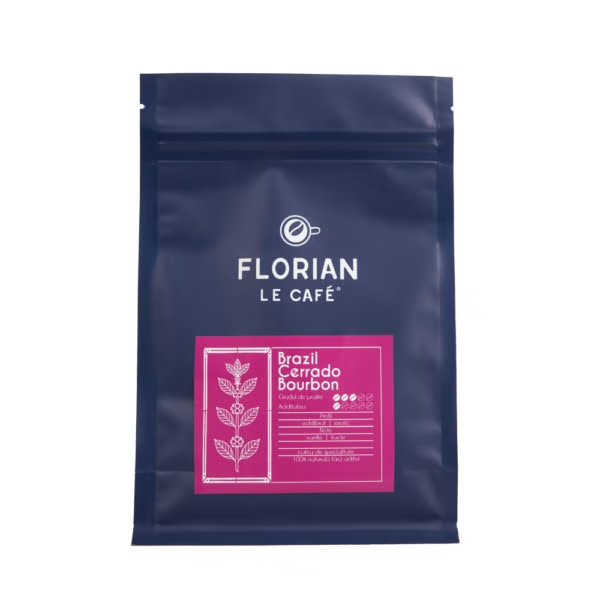
Florian le Café
Brazil-Cerrado-Bourbon
$7.07
Light
Two Wheels Coffee
Brazil Diamond Specialty Coffee
$5.29
Dark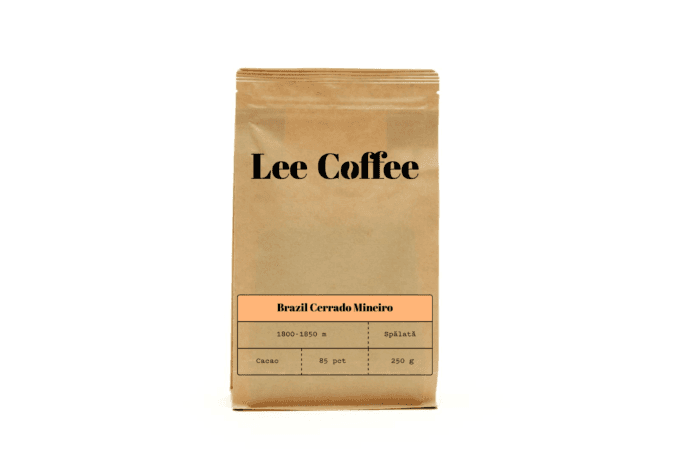
Lee Coffee
Brazilia Cerrado Mineiro
$7.07
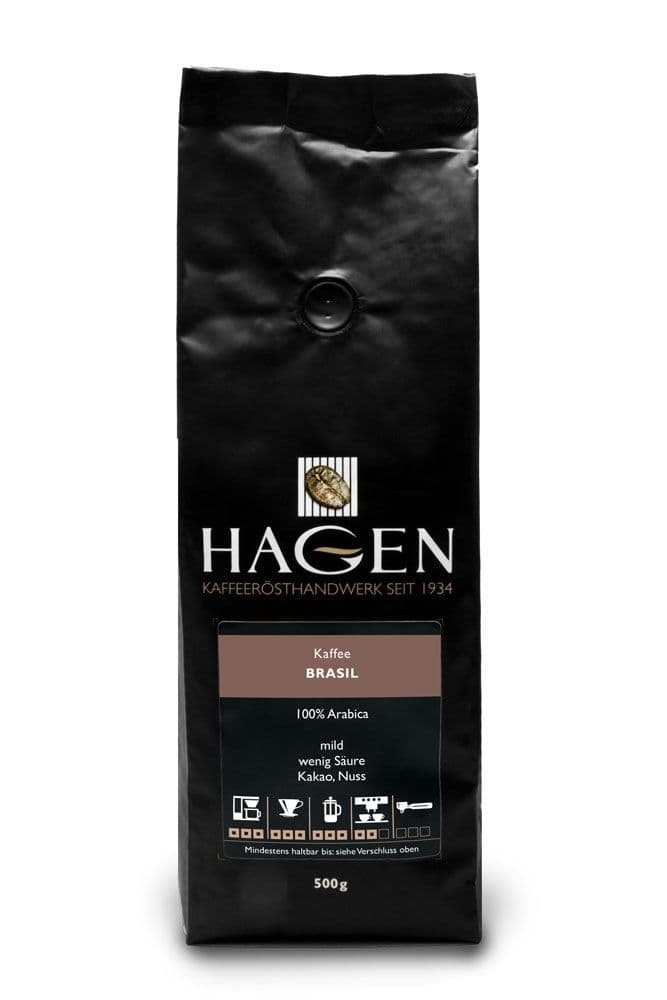
Hagen Kaffee
Coffee BRASIL
$5.80
Medium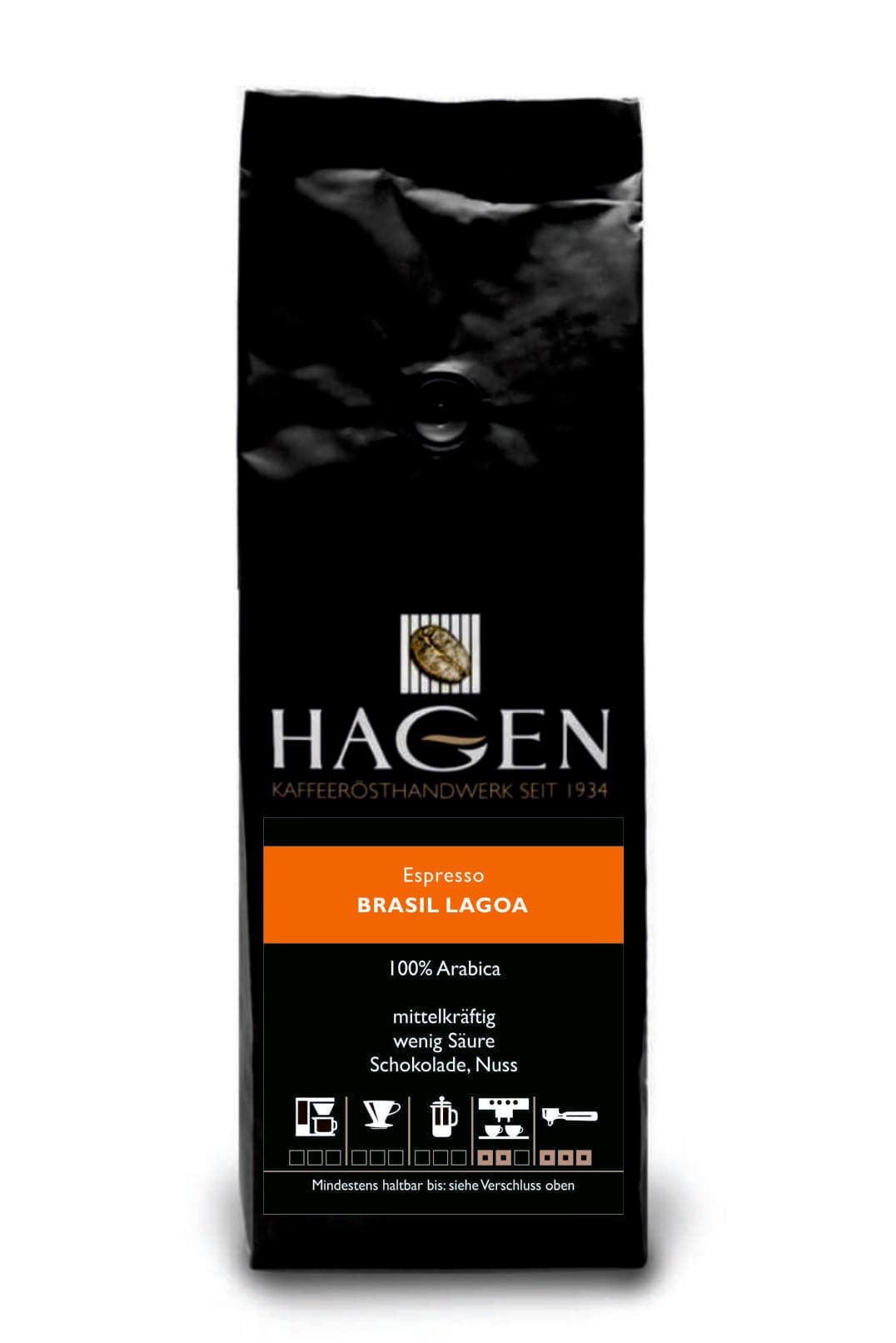
Hagen Kaffee
Espresso BRASIL LAGOA
$7.60
Medium
Caffitaly Moldova
Caffitaly Best Origins Brasile Monorigine Special Edition
$3.72
Medium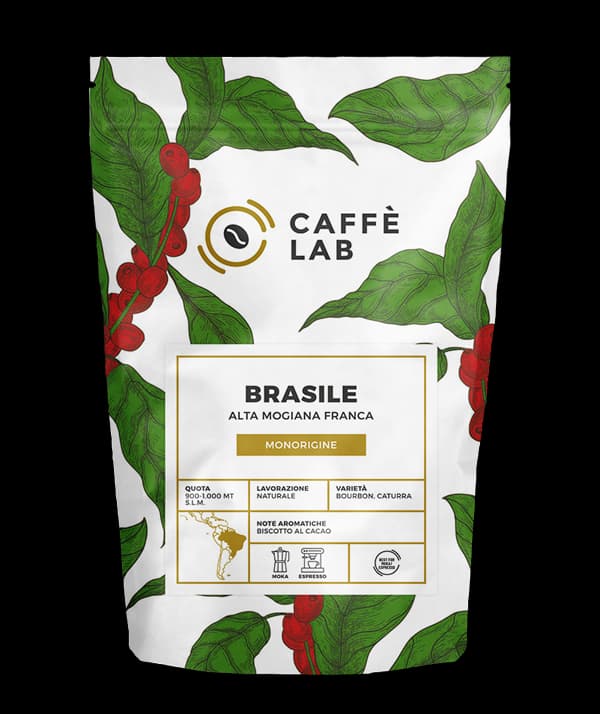
CaffèLab
BRAZIL High Mogiana Franca
$7.00
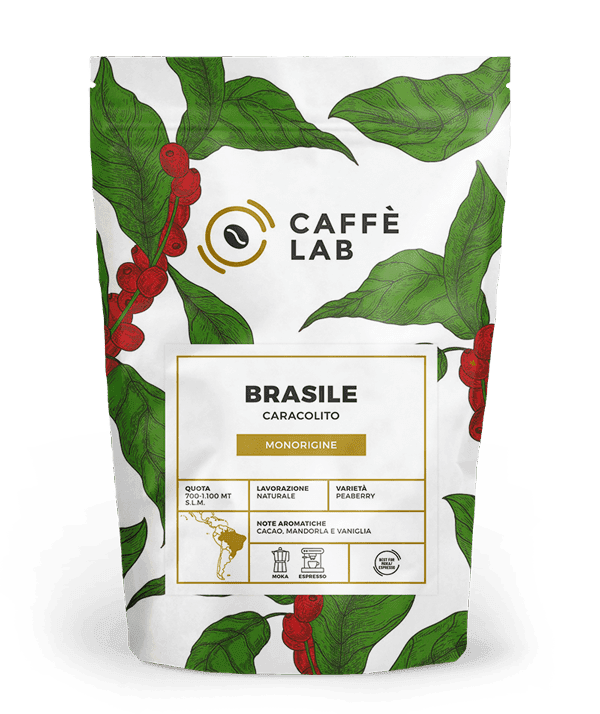
CaffèLab
BRAZIL Caracolito
$7.00
MediumMore from Falcon Micro
All products from Falcon Micro →
Falcon Micro
Seasoning Coffee | MUK-Seasoning
£7.32

Falcon Micro
Attia - Chapata, Cooperativa de Caficultores de Anserma, Colombia | Natural FSC-8575
£24.41£29.29

Falcon Micro
Bellavista, Huabal, Peru | Natural FSC-8628
£24.41

Falcon Micro
Coproca Lot 1214, Nyamasheke District, Rwanda | Natural FSC-8444
£18.91£21.35