
Coffee origin
 Coffee from Laos
Cafendo lists 10 coffees with beans from Laos, from 9 roasters in 6 countries. All of them are single origins.
Roasters with coffee from Laos
- 44 North Coffee(United States)
- Axil Coffee Roasters(Australia)
- Bodhi Leaf Coffee Traders(United States)
- Coffee Compass(United Kingdom)
- Coffex Coffee(Malaysia)
- Itinéraire Café(France)
- Les Torréfacteurs Français(France)
- Road to coffee(Canada)
10 products · Ship to United States: roasters based there come first, then those whose shop says it delivers there

Third coast
Laos
$15.00
Medium
Bodhi Leaf Coffee Traders
Roasted - Laos Gor Village
$23.95
Medium
44 North Coffee
Laos CPC
$9.00
Medium
44 North Coffee
Stonecutter Series: Laos CPC Peaberry - NEW!
$18.00
Light
Axil Coffee Roasters
Heavyweight Espresso
A$13.95

Itinéraire Café
LAOS – BOLOVEN
€16.90
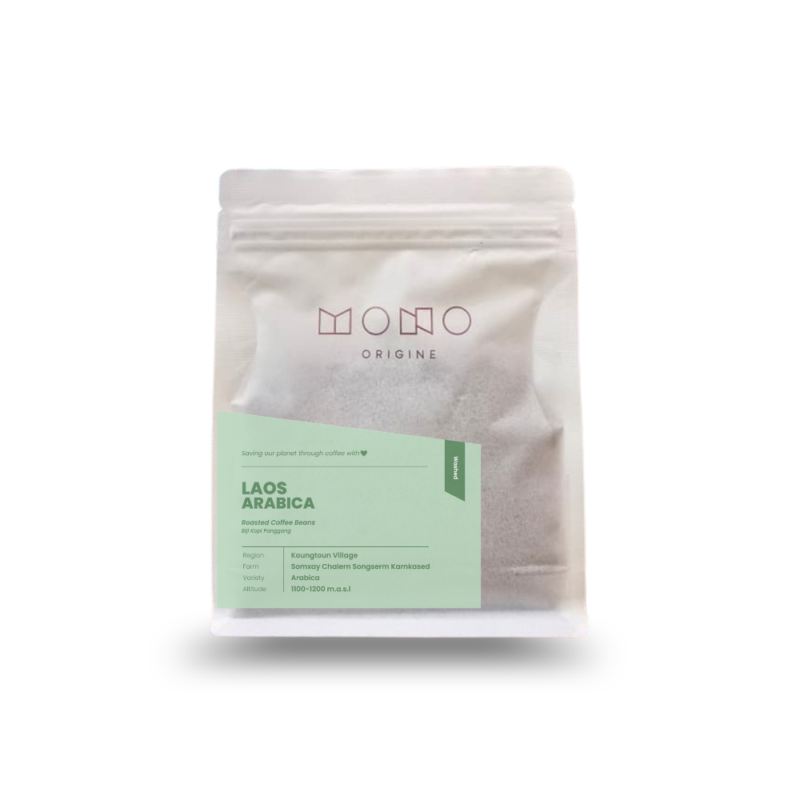
Coffex Coffee
Laos – Arabica SOE
MYR 31.00
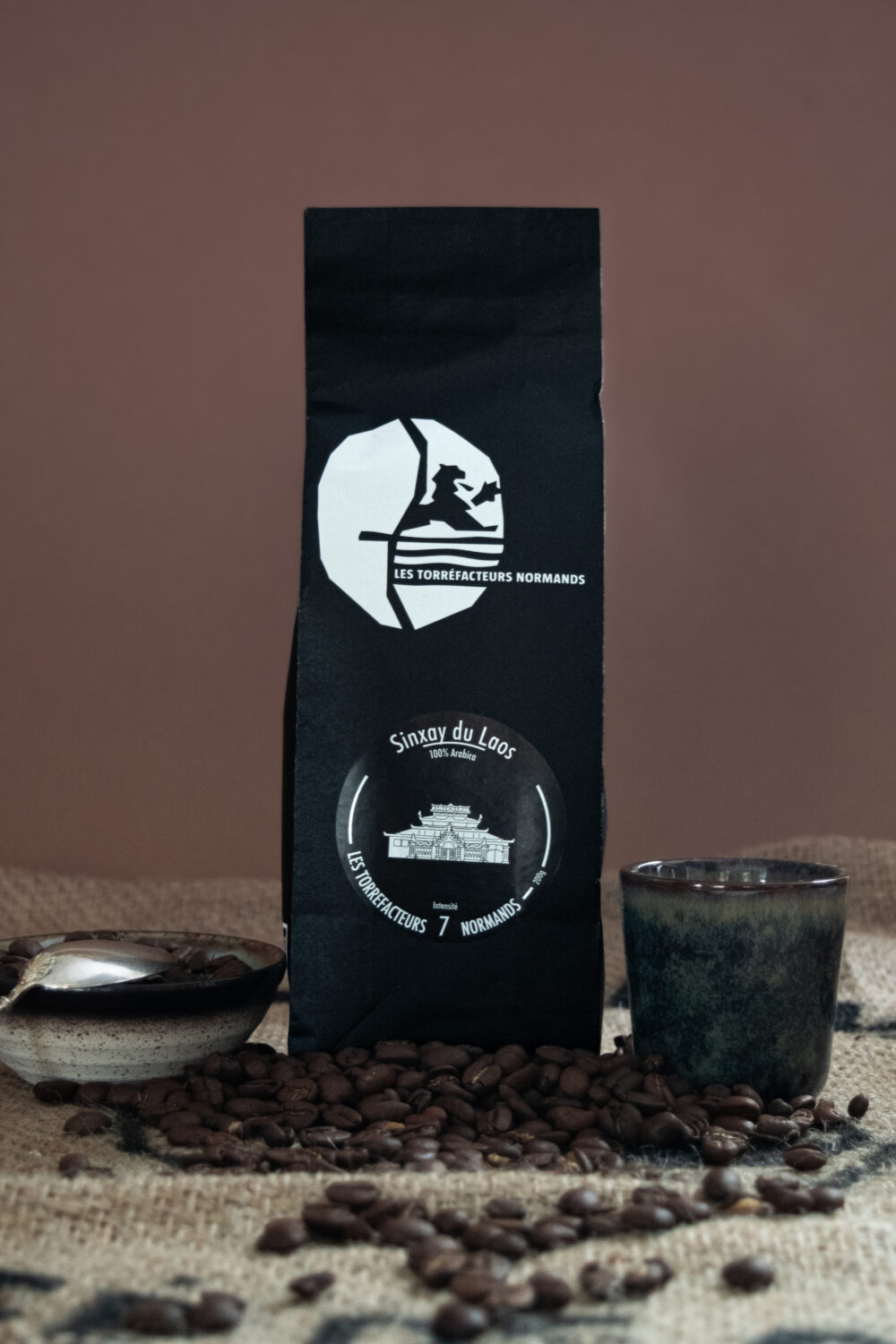
Les Torréfacteurs Français
Le Café Sinxay du Laos
€11.40

Coffee Compass
Laos Phetlamka Estate Java Natural Process
£15.50

Road to coffee
Mixtape
CA$21.00
MediumRead about coffee from Laos
Questions about coffee from Laos
Where can I buy coffee from Laos?
Cafendo lists 10 coffees with beans from Laos, from 9 roasters in 6 countries. All of them are single origins. Cafendo does not sell coffee itself: each coffee links to a shop that sells it, usually the roaster’s own. The roasters with the most coffees from Laos on Cafendo are 44 North Coffee, Axil Coffee Roasters, and Bodhi Leaf Coffee Traders.
The first few coffee plants were introduced to the country and the soils of Laos by French settlers around 1915. After trial and error in trying to harvest coffee beans in the north, the French realized that southern Laos was ideal for plantations. Millions of years ago a volcanic eruption occurred in the south, causing the soils in the south to contain rich minerals ideal for coffee production. The south is also home to the Bolaven Plateau, which remains Laos' main production region.
Bolaven Plateau is located in the area known as Paksong, where the vegetation is green all year round. Not only does its rich soil serve as a reason for ideal coffee production, but also its high altitude from 800 to 1350 meters and cold climate.
For the past twenty years and continuing, the Laotian government has been working with coffee harvesters to plant more Arabica plants because it produces a higher price, thus increasing farmers' incomes. There are 20,000 coffee communities in 250 villages in Laos and many of these families depend on coffee cultivation as a livelihood.