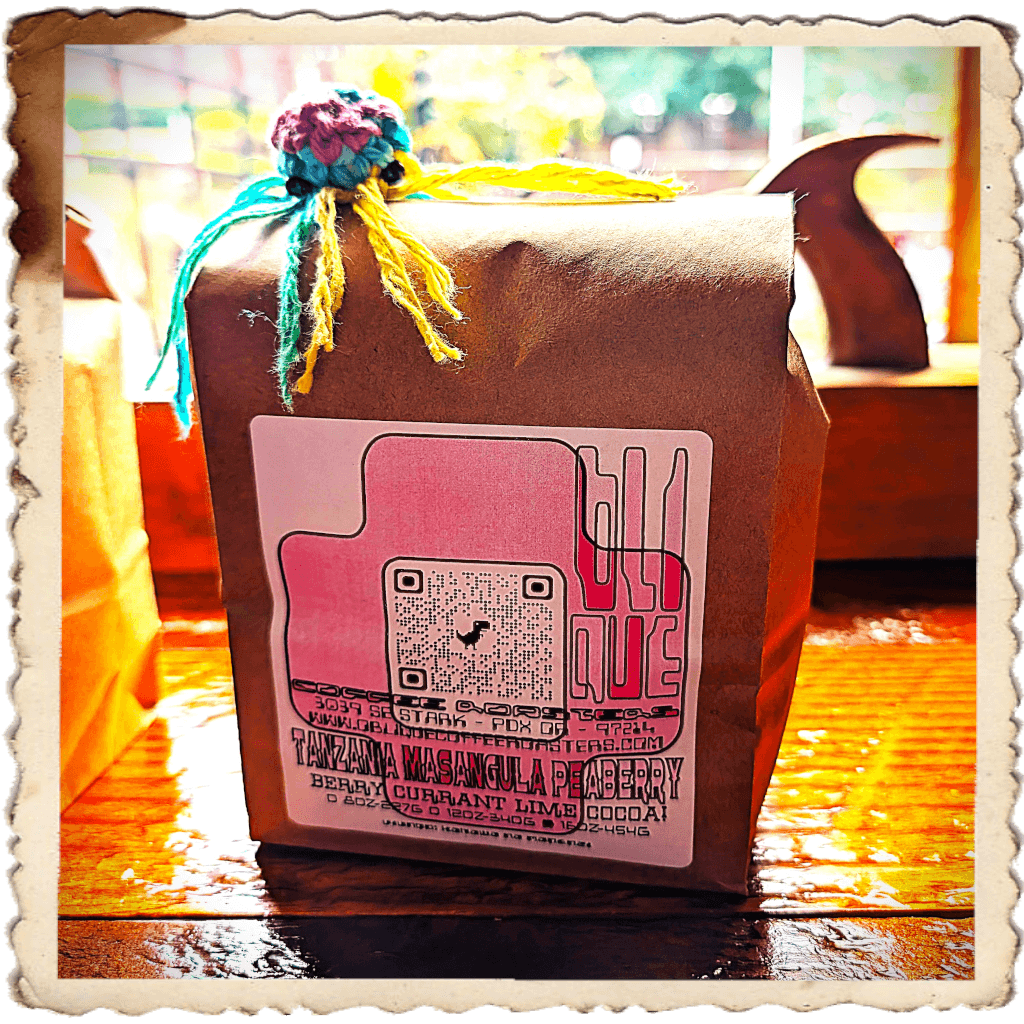
 Oblique Coffee Roasters
Tanzania Masangula Peaberry
Tanzania
- Single Origin
Tanzania Masangula Peaberry is a coffee from Tanzania, sold by Oblique Coffee Roasters (United States). Price: $12.00 to $24.00, depending on the size. That is from $52.91 per kilo.
Not rated yet · Be the first to review it
from$12.00
≈ $52.91 / kg
You’ll be taken to the roaster’s shop to complete your purchase.
- Roaster based in
- United States
- Ship to
- United States · ✓ Yes, the roaster is based there
Berry, Currant, Lime, Cocoa!
Sizes and prices
Description
According to the Tanzania Coffee Board, coffee was first introduced to the areas around Moshi in the foothills of Mt. Kilimanjaro in 1898. Today, the northern areas of Moshi and Arusha (at the base of Mt. Meru) and the southern area of Mbeye remain known for producing some of the best quality in the country. While most of Tanzania’s coffee is produced by smallholder farmers (90% according to Philippe Jobin’s Coffees Produced Throughout the World), some large estates exist in the north owned and operated by European families and corporations.
Much more common than large estates are small coffee gardens owned by individuals and usually less than a hectare in size. Historically, smallholder farmers would deliver unprocessed coffee cherry to private collectors, who would then sell to exporters to be processed at their wet mill, usually located on an estate of their own. If the farming areas are very far from the nearest town, it would be more common for a smallholder farmer to depulp, ferment, and wash their coffee at home so the dry parchment could be stored and delivered to the buyer at the next suitable time.
Historically, buyers, exporters, and coffee processors generally preferred to buy cherry to have more control over the washing process, as the quality of washing and drying can vary widely between smallholder farmers. Still, in January of 2018, the government made dramatic and sudden coffee regulation changes that threw the Tanzanian coffee industry into disarray. Before the changes, private buyers and exporters could buy cherry and parchment, but the new regulations stipulated that only cooperatives (AMCOS: Agricultural Marketing Cooperative Societies) could buy cherry and parchment. In addition, instead of one weekly auction in Moshi, there would be four zonal auctions. As a result, farmers scrambled to organize into AMCOS, some with CPUs (central processing units/washing stations), some doing farm/home-processed coffee.
During this time, five local banks closed throughout Tanzania, many private companies pulled out their export operations, and farmers and exporters alike were forced to dramatically adapt their operations in a very short time and with little guidance. Things have settled down a bit, but time will tell if the new regional auction system is an improvement since the regional auctions outside of Moshi are sporadic (the first Mbeya auction happened in August 2019, with few buyers and no coffee sold).
Tanzania uses a system of bean size grading very much like the system used in Kenya. In Tanzania, “AA” is the largest size grade, consisting of beans with screen sizes 17 and 18. Screen sizes globally refer to screen hole size in #/64ths of an inch wide. “AB” refers to the 15/16 screen, “C” grade is the 14/15 screen, and “PB” is the small peaberry bean. Larger screen sizes fetch higher auction prices even today, with much of the international market preferring a large size bean. We’ve found no absolute correlation between bean size and cup quality, which is why many of our Tanzania offerings are AB and PB grade. For some reason, Peaberry coffee from Tanzania became hugely popular over the years, in the US at least.
Atlas partners with our sister company, Ibero (NKG East Africa), to source traceable lots from three different AMCOS (agricultural and marketing cooperative societies) from the Mbeya area of Southern Tanzania. Since Ibero stayed in Tanzania when most other millers and exporters were leaving, they have a great relationship with many AMCOS in the area, working with each to build small-scale and affordable washing stations, improve quality and agronomy practices, and partner with local schools to start coffee clubs for the area’s youth.
The Tanzania specialty scene is not new but is in a phase of rebuilding and revitalization in many ways, and we’re proud to partner with Ibero to offer these lots.
2026 Tanzania Microlot Details
This season, we’ll be bringing in Peaberry, Washed, and Natural, and Anaerobic Naturals lots from our producer partners. You can find additional details on all lots on the AMCOS’ traceable pages.
Questions about Tanzania Masangula Peaberry
Where does Tanzania Masangula Peaberry come from?
It comes from Tanzania.
How much does Tanzania Masangula Peaberry cost?
Price: $12.00 to $24.00, depending on the size. That is from $52.91 per kilo. Prices come from the shop and can change; the shop has the current ones.
Where can I buy Tanzania Masangula Peaberry?
In the online shop of Oblique Coffee Roasters: the prices on this page link to it. Cafendo does not sell coffee itself.
Reviews
No reviews yet.
If you like this coffee, try these
Picked from other roasters for a shared origin, process, roast, tasting notes and price. Coffees that the same people saved or rated highly count the most.
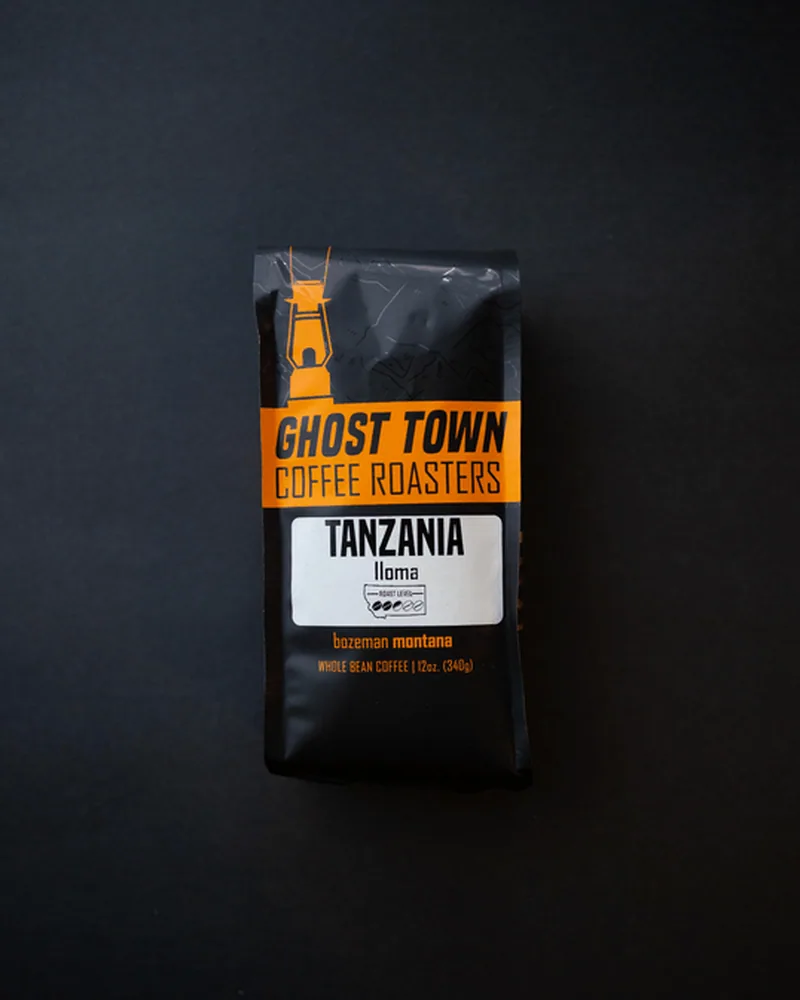
Ghost Town Coffee
Tanzania - Iloma
$11.41
LightWhy: TanzaniaSimilar price
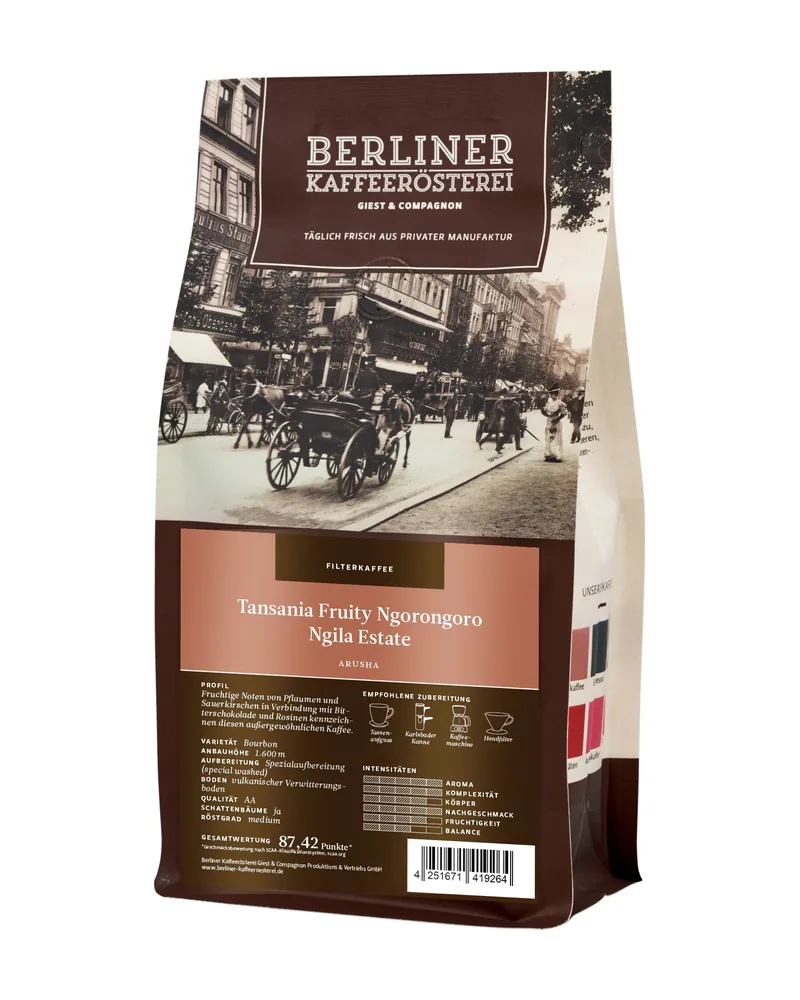
Berliner Kaffeerösterei
Tanzania Fruity Ngorongoro Ngila Estate
$8.95
MediumWhy: TanzaniaSimilar price
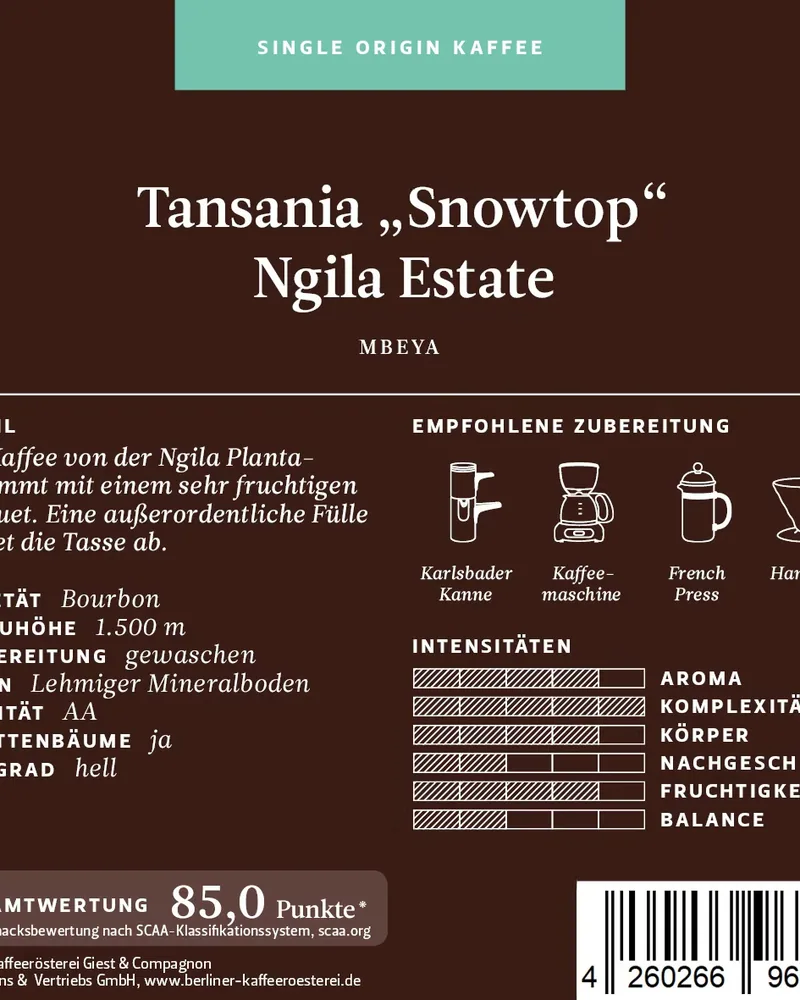
Berliner Kaffeerösterei
Tanzania "Snowtop" Ngila Estate
$7.45
MediumWhy: TanzaniaSimilar price
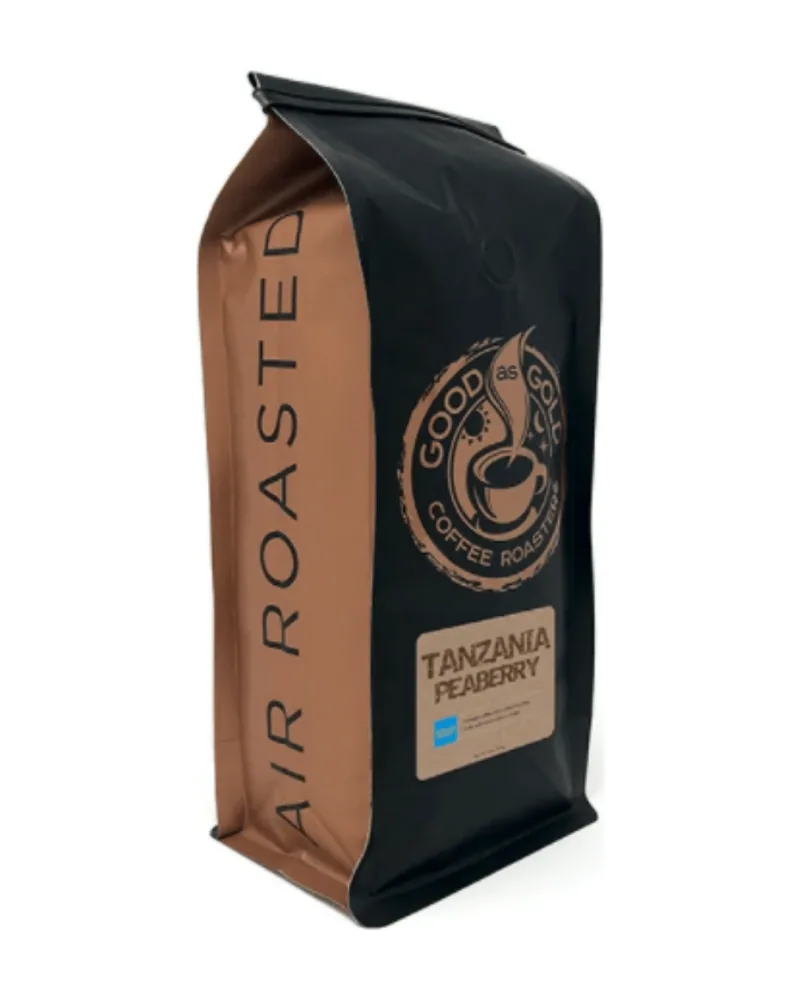
Good As Gold
Tanzania Peaberry
$7.86
MediumWhy: TanzaniaSimilar price
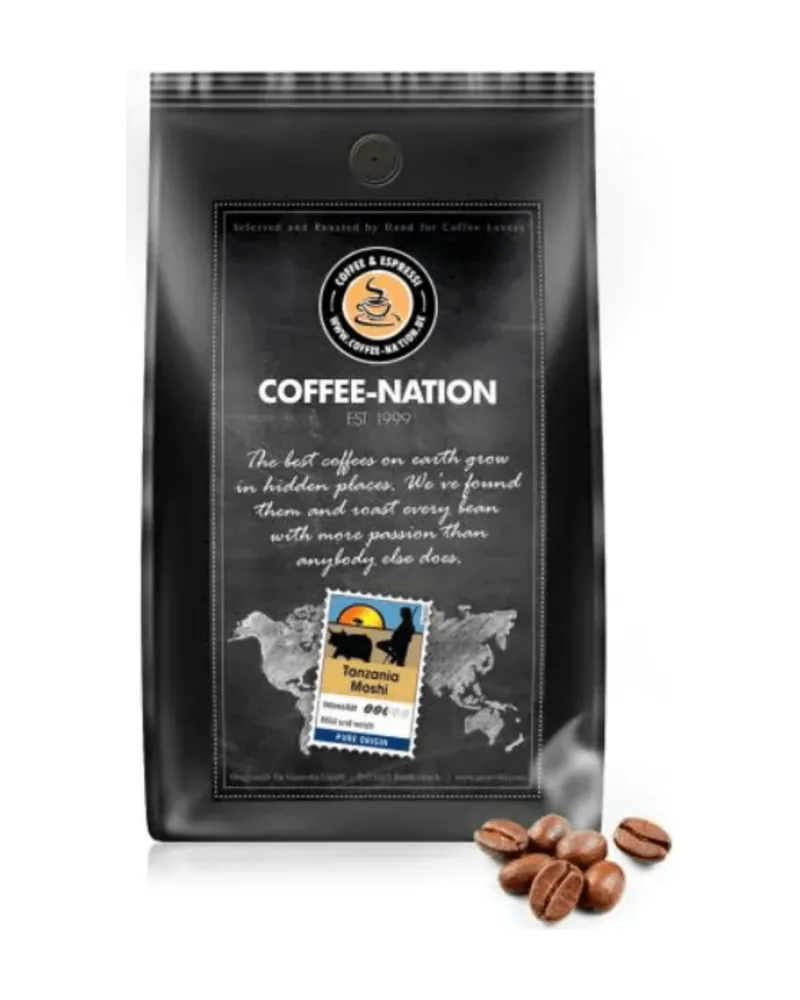
Gourvita Trends
TANZANIA MOSHI - von Coffee-Nation
$13.90
MediumWhy: TanzaniaSimilar price

Gorilla Coffee
Tanzania, Kamaro AA
$16.75
Why: TanzaniaSimilar price
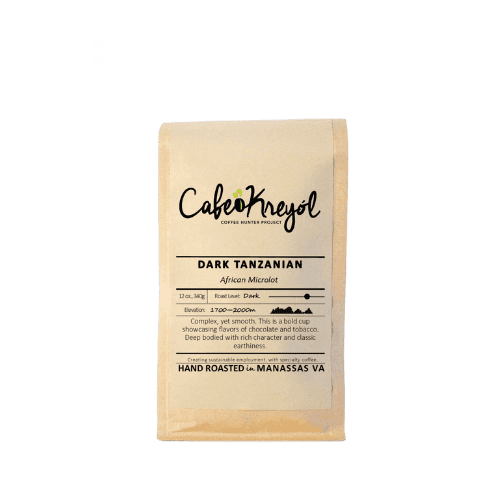
Cafe Kreyol
Dark Tanzanian - African Microlot
$14.99
DarkWhy: TanzaniaSimilar price
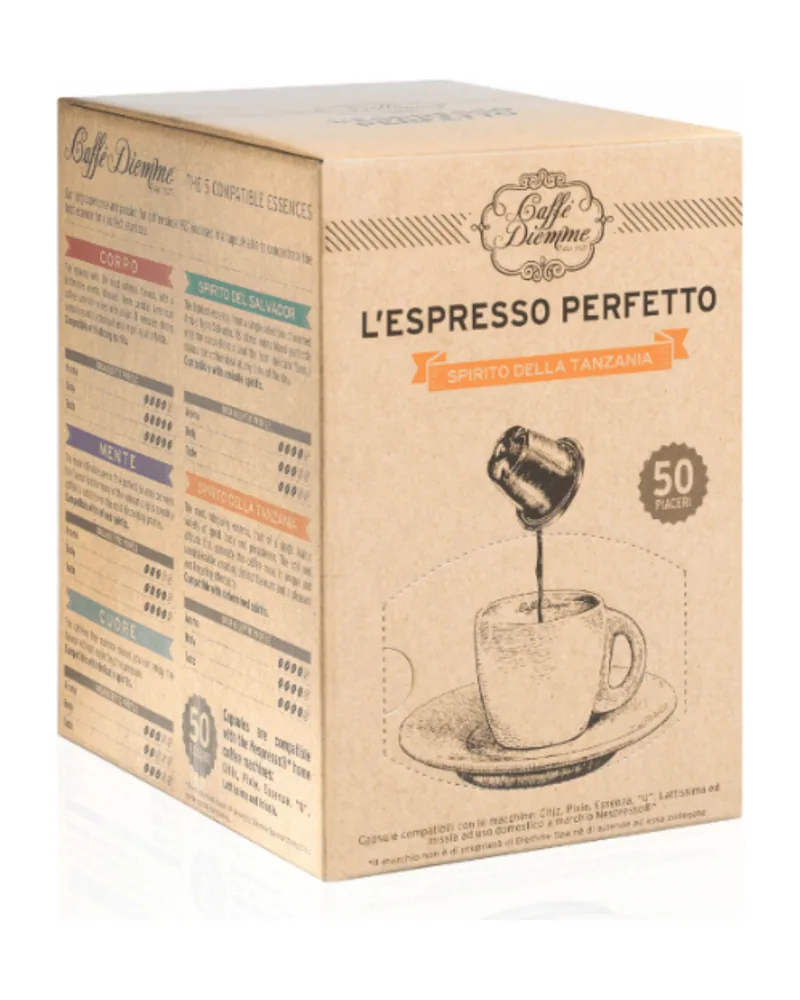
Caffè Diemme
SPIRITO DELLA TANZANIA - L'ESPRESSO PERFETTO
$14.00
MediumWhy: TanzaniaSimilar price