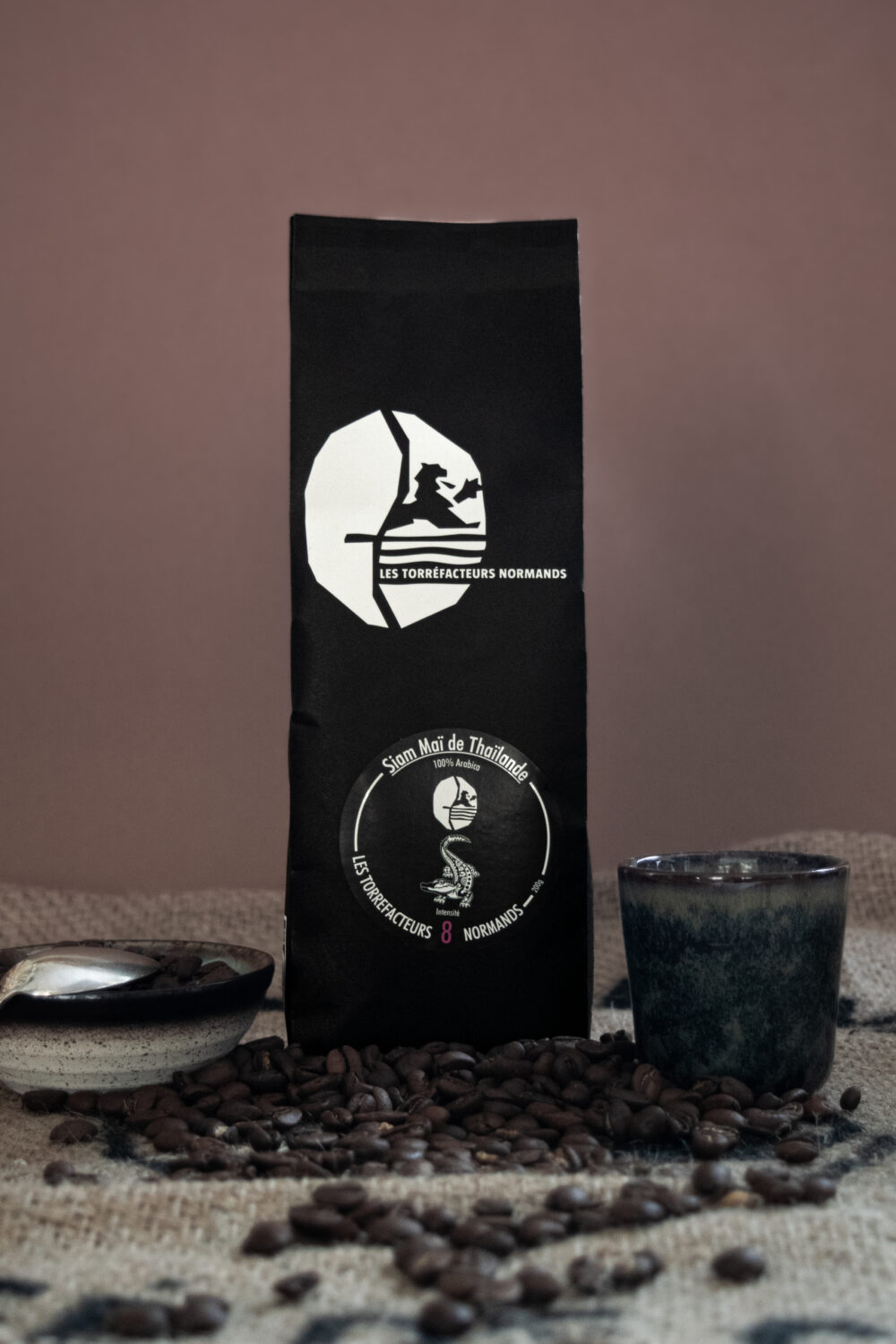
Le Café de Thaïlande Siam Maï
Le Café de Thaïlande Siam Maï is a coffee sold by Les Torréfacteurs Français (France). Price: €22.00 to €108.00, depending on the size. That is from €108.00 per kilo.
Not rated yet · Be the first to review it
from€22.00
≈ €108.00 / kg
You’ll be taken to the roaster’s shop to complete your purchase.
- Roaster based in
- France
- Ship to
- United States · Check on the roaster’s shop
Sizes and prices
Description
Thailand is recognized worldwide for its rich culinary culture and spicy cuisine. However, this Southeast Asian country is also famous for its high-quality coffee. Coffee culture in Thailand has evolved over the years to become an essential part of everyday Thai life. Whether in bustling metropolises like Bangkok or in quiet villages in the north of the country, coffee is an integral part of Thai culture.
Thai coffee is unique because of its variety of flavors and the meticulous care taken at every stage of production. From carefully grown coffee beans to meticulous roasting techniques, every step of coffee production in Thailand is carried out with precision and passion. It is this passion for coffee that has shaped Thailand’s unique coffee culture.
The diversity of coffee culture in Thailand reflects the diversity of the country itself. From the mountainous north to the tropical south, every region of Thailand has its own traditions and coffee production methods. This contributes to the richness and variety of Thai coffees, offering coffee lovers a range of flavors and aromas to discover.
History of coffee production in Thailand
The history of coffee in Thailand dates back to the 19th century, when French missionaries introduced coffee plants to the north of the country. However, it wasn’t until the 20th century that coffee production in Thailand really began to develop, thanks to the efforts of the Thai government and the Coffee Association of Thailand.
In the 1970s, the Thai government launched a coffee development program in the north of the country as part of a broader effort to eradicate opium poppy cultivation. This program had a profound impact on coffee production in Thailand, transforming the north of the country into a leading coffee-producing region.
Since then, coffee production in Thailand has continued to grow and diversify. Today, Thailand is Asia’s third-largest coffee producer and ranks 25th worldwide. Coffee production is an important source of income for many rural communities, helping improve quality of life and reduce poverty.
Understanding the coffee bean: Arabica and its quality
Arabica is the most widely grown type of coffee in Thailand, representing about 99% of the country’s total coffee production. Arabica is appreciated for its smooth flavor and delicate aroma, making it a popular choice among coffee lovers around the world.
The quality of Arabica coffee depends largely on growing conditions and harvesting techniques. In Thailand, Arabica is generally grown at high elevations, in mountainous regions where the cool climate and rich soils encourage the growth of high-quality coffee plants.
In addition, Thai coffee producers place great importance on hand-picking coffee beans. This harvesting method makes it possible to select only the ripest coffee beans, contributing to the superior quality of Thai Arabica coffee.
Coffee production in Chiang – The heart of Thai coffee
Chiang Mai, often called the “heart of Thai coffee,” is Thailand’s main coffee-producing region. Located in the north of the country, this mountainous region is ideal for growing Arabica coffee. Our coffee beans come from this region!
Coffee farms in Chiang Mai are generally small, with average production of around 1 to 2 tons per year. Despite their small size, however, these farms produce some of the best coffee beans in the world. Chiang Mai coffee is renowned for its smooth flavor and rich aroma, with notes of fruit, nuts, and chocolate.
In addition to coffee production, Chiang Mai is also an important center for coffee research and development in Thailand. Chiang Mai University, for example, has a department dedicated to studying coffee and improving coffee production techniques.
The role of the Akha and Ivory communities in coffee production
The Akha and Ivory communities play a crucial role in coffee production in Thailand. These indigenous communities, who live in the mountains of northern Thailand, have been growing coffee for generations.
The Akha and the Ivory are best known for their sustainable approach to coffee production. They grow coffee in agroforestry systems, a cultivation method that promotes biodiversity and soil conservation. By growing coffee beneath the forest canopy, they help preserve tropical forests and combat climate change.
Sustainable coffee production: Thailand’s strategy
Thailand is a global leader in sustainable coffee production. The country has adopted a variety of sustainable agricultural practices to ensure the quality of its coffee while minimizing its impact on the environment.
An important aspect of sustainable coffee production in Thailand is the use of agroforestry systems. As mentioned earlier, these systems involve growing coffee beneath the forest canopy, which helps preserve biodiversity and conserve soil.
In addition, many Thai coffee producers use organic production methods, avoiding the use of pesticides and chemical fertilizers. This not only improves coffee quality, but also contributes to soil health and environmental protection.
Finally, Thailand has also introduced initiatives to ensure fair trade in coffee. This guarantees that coffee producers receive a fair price for their product, thereby improving their quality of life and helping reduce poverty.
A closer look at Siam Maï Anaerobic: Thailand’s unique coffee house
Siam Maï Anaerobic is a unique coffee house in Thailand, known for its innovative production methods and distinctive flavor profiles. Located in Chiang Rai province in northern Thailand, Siam Maï Anaerobic is at the forefront of the Thai coffee industry.
One of the distinctive features of Siam Maï Anaerobic is its anaerobic fermentation process. This fermentation method, which takes place in an oxygen-free environment, gives the coffee a unique flavor profile, with notes of tropical fruit, flowers, and wine.
In addition to its production methods, Siam Maï Anaerobic is also known for its commitment to sustainability. The coffee house uses organic farming practices and works closely with local communities to ensure environmentally friendly and socially responsible coffee production.
The taste of Thailand: Exploring coffee flavors – lychee, strawberry, raspberry, and black currant
Thai coffee is known for its range of unique flavors. Because of the diversity of coffee-producing regions in Thailand, every cup of Thai coffee offers a unique taste experience.
Among the most notable flavors in Thai coffee, you’ll find lychee, strawberry, raspberry, and black currant. These fruity flavors are a distinctive feature of Thai coffee, reflecting the country’s rich biodiversity.
Lychee, for example, gives coffee a smooth, slightly floral taste. Strawberry, on the other hand, gives coffee a sweet and tangy flavor, while raspberry and black currant add a note of spice and depth.
These fruity flavors, combined with the smoothness of Arabica and the rich aroma of roasted coffee, make Thai coffee a taste experience not to be missed.
The rise of coffee culture in Thai urban life
Over the past few decades, coffee culture has grown rapidly in Thai cities. From Bangkok to Chiang Mai, coffee shops have become popular gathering places for locals and tourists.
This explosion in urban coffee culture is partly due to the growing popularity of specialty coffee in Thailand. Thai consumers are becoming increasingly discerning about coffee, seeking high-quality products with unique flavor profiles.
In response to this demand, many new coffee shops have opened across Thailand, offering a range of premium-quality specialty coffees. These establishments emphasize quality from bean to cup, ensuring that every cup of coffee is perfectly prepared and enjoyed.
The future of the Thai coffee industry
The future of the Thai coffee industry is promising. With growing demand for premium-quality coffee and increased awareness of the importance of sustainability, Thailand is well positioned to continue thriving as a coffee producer.
Moreover, with the rise of urban coffee culture, demand for Thai coffee is likely to continue increasing, both nationally and internationally.
Finally, the richness of Thailand’s coffee traditions, combined with innovation and a commitment to quality, ensures that the Thai coffee industry will continue to grow.
In conclusion, whether you’re a coffee lover looking to discover new flavors or a coffee producer committed to sustainability, Thailand has something to offer. So why not have a cup of our Thai coffee and discover for yourself the richness and diversity of coffee from this incredible country?
Characteristics of Sian Maï coffee from Thailand:
- Anaerobic method
- SCA score: 88
- Greenhouse drying on an Asian raised bed
- Altitude: 1,350 m
- Chiang Mai region
Questions about Le Café de Thaïlande Siam Maï
How much does Le Café de Thaïlande Siam Maï cost?
Price: €22.00 to €108.00, depending on the size. That is from €108.00 per kilo. Prices come from the shop and can change; the shop has the current ones.
Where can I buy Le Café de Thaïlande Siam Maï?
In the online shop of Les Torréfacteurs Français: the prices on this page link to it. Cafendo does not sell coffee itself.
Answers built from the shop’s own data and the Cafendo catalog.
Reviews
No reviews yet.
Similar coffees
Other roasters’ coffees like this one

Earth Bean Coffee
Colombia Magdalena
$18.00
Medium
Earth Bean Coffee
Malca (espresso)
$17.00
Medium
Passalacqua
Harem
$19.00
Dark
Passalacqua
Deup
$14.50
Dark
Biotiva
Coffee L'Italiano
$12.50
Dark
Biotiva
Cavallo Nero Coffee Extra Mild
$12.50
Medium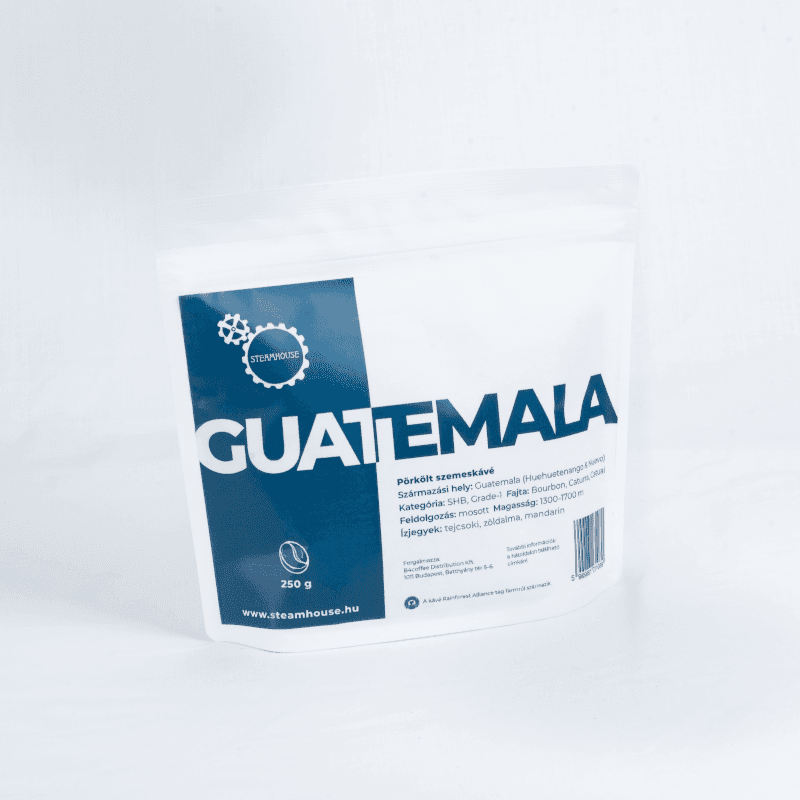
Steamhouse
Guatemala Coffee Beans
$10.00
Medium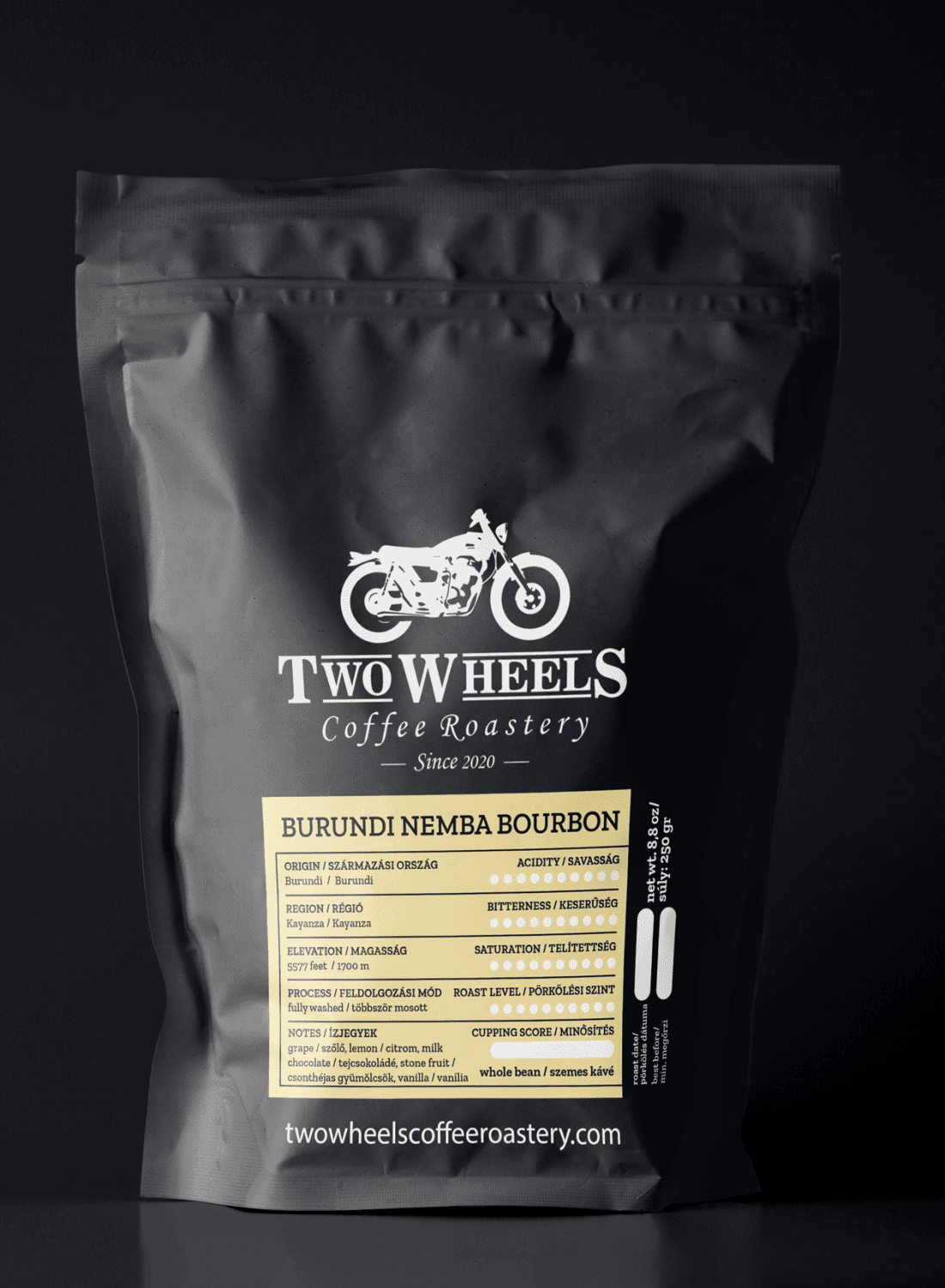
Two Wheels Coffee
Burundi Nemba Bourbon specialty coffee
$5.29
Medium