


Colombie - El Diviso Bourbon Rouge
Pitalito - Huila, Colombia
- Anaerobic
- Single Origin
Not rated yet · Be the first to review it
from€28.00
You’ll be taken to the roaster’s shop to complete your purchase.
- Roaster based in
- France
- Ship to
- United States · ✓ Yes, according to the roaster’s shop
Taste profile
From the details listed by the roaster’s shop.
Tasting notes
- Blackcurrant
- Strawberries
- Red fruit candy
Sizes and prices
Description
Origin: Colombia
Region: Pitalito - Huila
Process: Natural Anaerobic Thermal Shock
Varieties: Red Bourbon
Producer: Nestor Lasso
Altitude: 1850m
Tasting notes: Blackcurrant, strawberries, red fruit candy
* 250g bag of pure joy!
Five years ago, Nestor Lasso and his brother Adrian took over the family farm and set out to explore specialty coffee and experimentation instead of growing coffee the way their parents had.
Today, at 22 and 24, the two brothers have partnered with Jhoan Vergara, also the child of a coffee grower, to create El Diviso.
El Diviso brings together the two family farms, El Diviso (Nestor and Adrian Lasso) and Las Flores (Jhoan Vergara), near the town of Pitalito in Colombia’s Huila region. This partnership was wonderful because the three young men joined forces and combined their knowledge to improve quality.
Then, three years ago, Cat & Pierre, founders of CATA Export, and the three producers began a journey of trial and error to define fermentation processes and protocols on the farm, with the goal of connecting these coffees directly to the UK market.
This learning process took time and money, but the result was exciting: these coffees have now been used in numerous barista competitions across Europe. They recently won first place at the Brewers Cup in Ireland and third place in Austria.
WORDS FROM NESTOR :
"I grew up in a vereda (locality, editor’s note) called Normandia, near the town of Pitalito, in the south of the Huila region.
I’ve always lived on a farm, and as far back as I can remember, this region has always been a coffee-growing area.
I had a very healthy childhood here. Everyone knows each other, and it’s safe. My childhood memories are of playing in nature and playing hide-and-seek, and I’ve always been super happy to be here.
Generally, coffee producers are poorly paid, and it isn’t very appealing. The only thing that keeps producers from going hungry is eating the fruit and vegetables grown on the farm.
When it comes to material goods, we have access only to the bare necessities. So many young people prefer to go to the city to find an office job or less physically demanding work because they think coffee isn’t worth it.
Beyond the economic benefits specialty coffee can bring, I’ve always had a passion for production. When I realized that specialty coffee offered a real opportunity for economic development, and that I could also expand my knowledge of coffee production, especially processing, I really got into it.
I more or less understand how the market works thanks to the close partnership we have with Cat and Pierre, and social media also lets us see who buys our coffees. It also lets us see how specialty coffees are marketed in Europe.
Cat told me how important the sensory side of the business is, and encouraged me to learn how to cup so I could control the quality of what’s produced and understand the impact of the processes and whether they are improving the coffee in the cup.
We mustn’t forget that coffee prices are very high right now, which is why many producers want to know how we work. But we quickly identify people who are truly motivated to produce specialty coffee, who come to ask us questions and learn with us, and those who see it only as a temporary opportunity to make money.
What really makes the difference is the producer’s passion for coffee. If you aren’t naturally passionate, you’ll never make it!
Often, some coffee producers here have a lot of money because they have a lot of land and the best machines available. But they aren’t interested in specialty coffee; they don’t see the point of changing because they aren’t as passionate about coffee as we are.
I’ve noticed that specialty coffee consumption in the country has changed a lot in recent years. Until recently, Colombians drank only coffee byproducts, everything that couldn’t be exported. But people here have realized that coffee is a much more noble product than it seems. Many producers now keep some of their harvest to roast themselves and drink at home. All the enthusiasm for specialty coffee has really brought about a different way of seeing coffee."
The Process:
Step 1: The coffee cherries are first disinfected and immersed in water to separate impurities and lower-density beans. They are then sorted by hand to keep only perfectly ripe cherries. These then undergo 60 hours of oxidation at an average ambient temperature of 25 °C, followed by thermal shock. The next step is 80 hours of fermentation by immersion in a mixture of water and must from previous fermentations of the same variety.
Step 2: Drying takes place in stainless steel dehumidifiers, allowing better control over moisture loss and consistent replication of drying curves. This dark, airtight environment improves quality control, minimizes the loss of terpenes and aromatic compounds in the coffee, and protects it from outside contamination. The drying temperature does not exceed 38 °C until the coffee reaches a final moisture content of 10 to 11%.
Step 3: Once drying is complete, the coffee is packed in bags with GrainPro liners to preserve the beans’ stability and freshness.
Reviews
No reviews yet.
Similar coffees
From Colombia, by other roasters
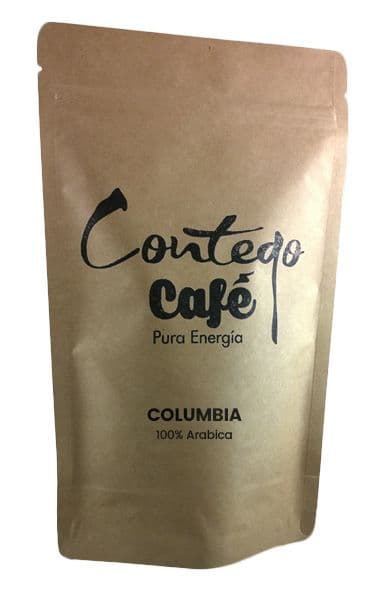
Contego
Coffee Columbia LaManuela
$4.65
Medium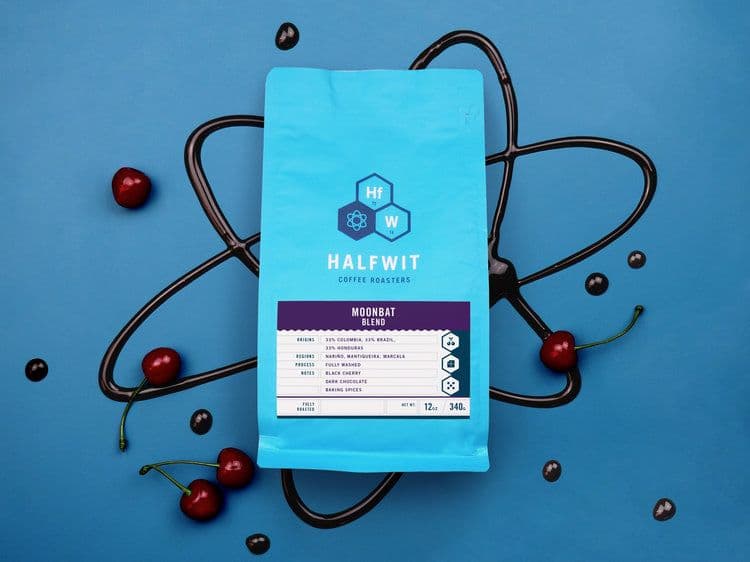
HalfWit Coffee Roasters
Moonbat Blend
$12.97
Light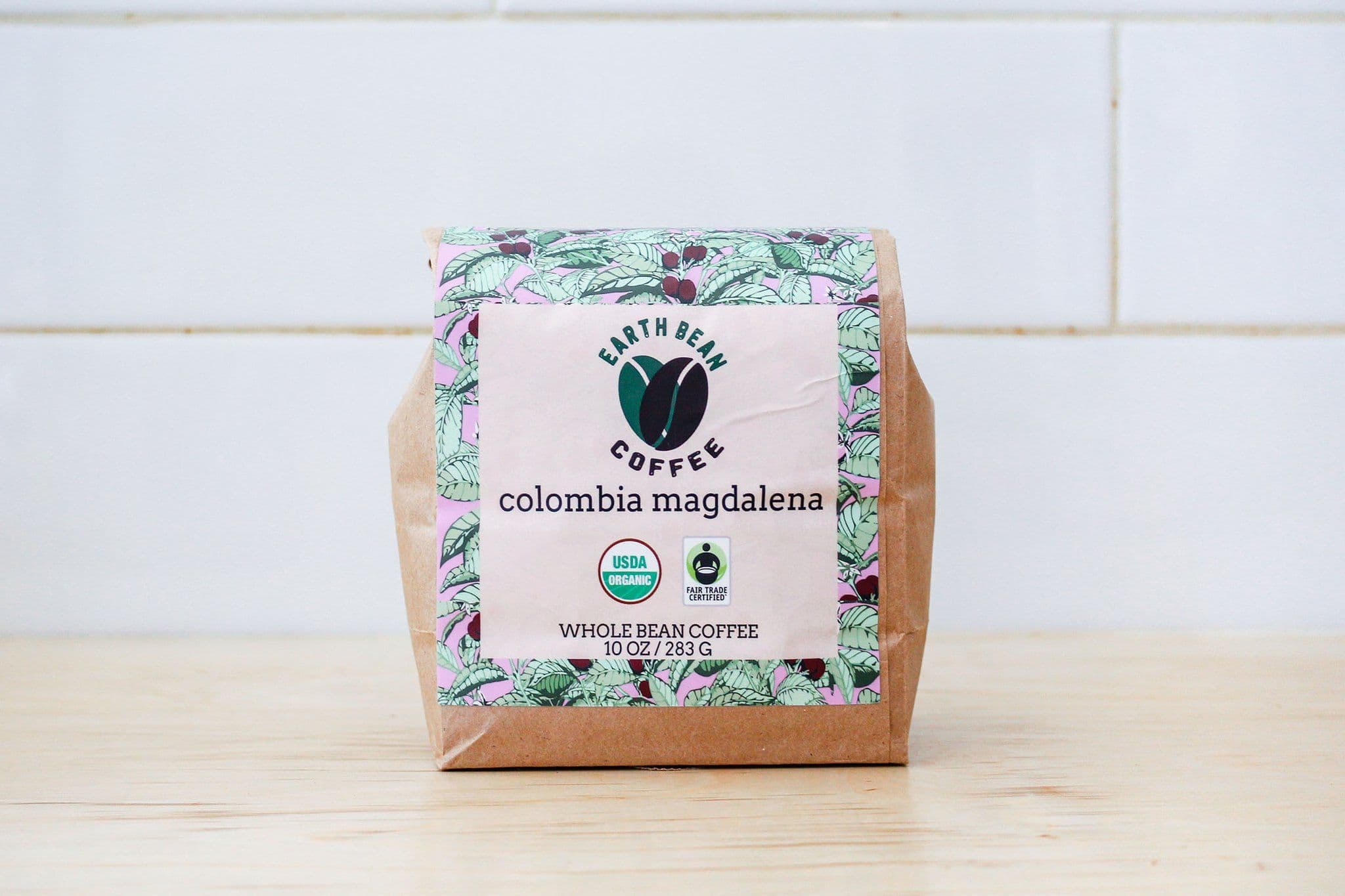
Earth Bean Coffee
Colombia Magdalena
$15.88
Dark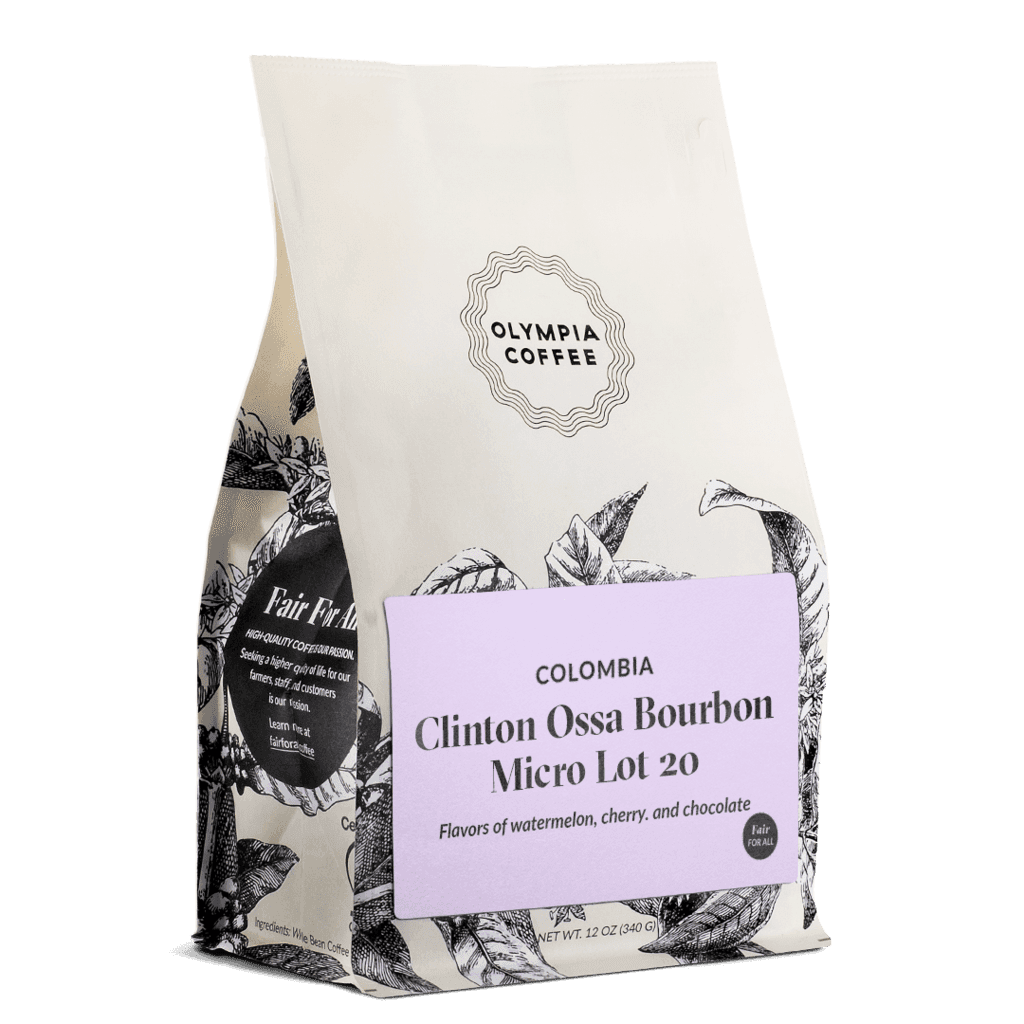
Olympia Coffee
COLOMBIA Clinton Ossa Bourbon Micro Lot 20
$22.17

Olympia Coffee
COLOMBIA Morning Sun Organic
$14.17

Lee Coffee
Columbia Supremo Huila Scr.18
$7.07
Smokin' Aces Coffee
Juan Tama
$16.91

My Coffee Cup
SINGLE ORIGIN COLOMBIA
$3.99
Dark


