
Whole Bean Coffee
Coffee , when it comes in big mass from the producers, isn’t arriving as you get it from the stores. Usually, they come in bags, unroasted. Unroasted coffee has a green color, and by keeping the coffee raw they can keep…
2,281 products
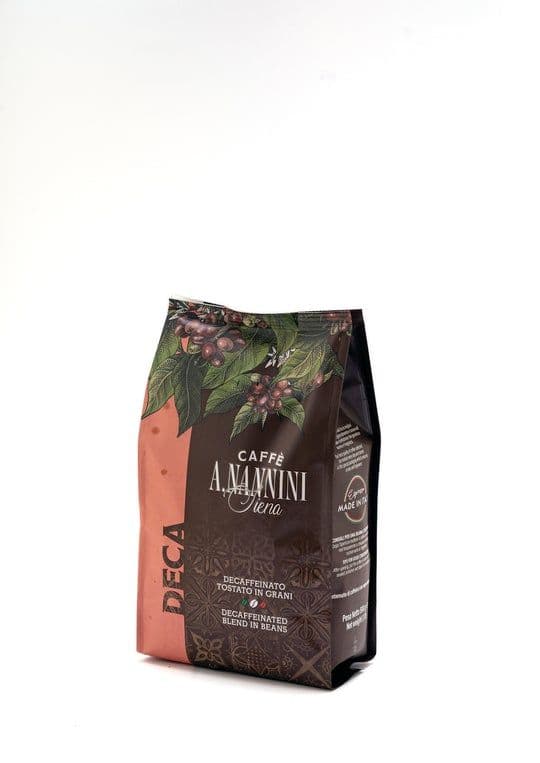
Nannini Dolci e Caffè
A. Nannini Decaffeinated
$13.70
Medium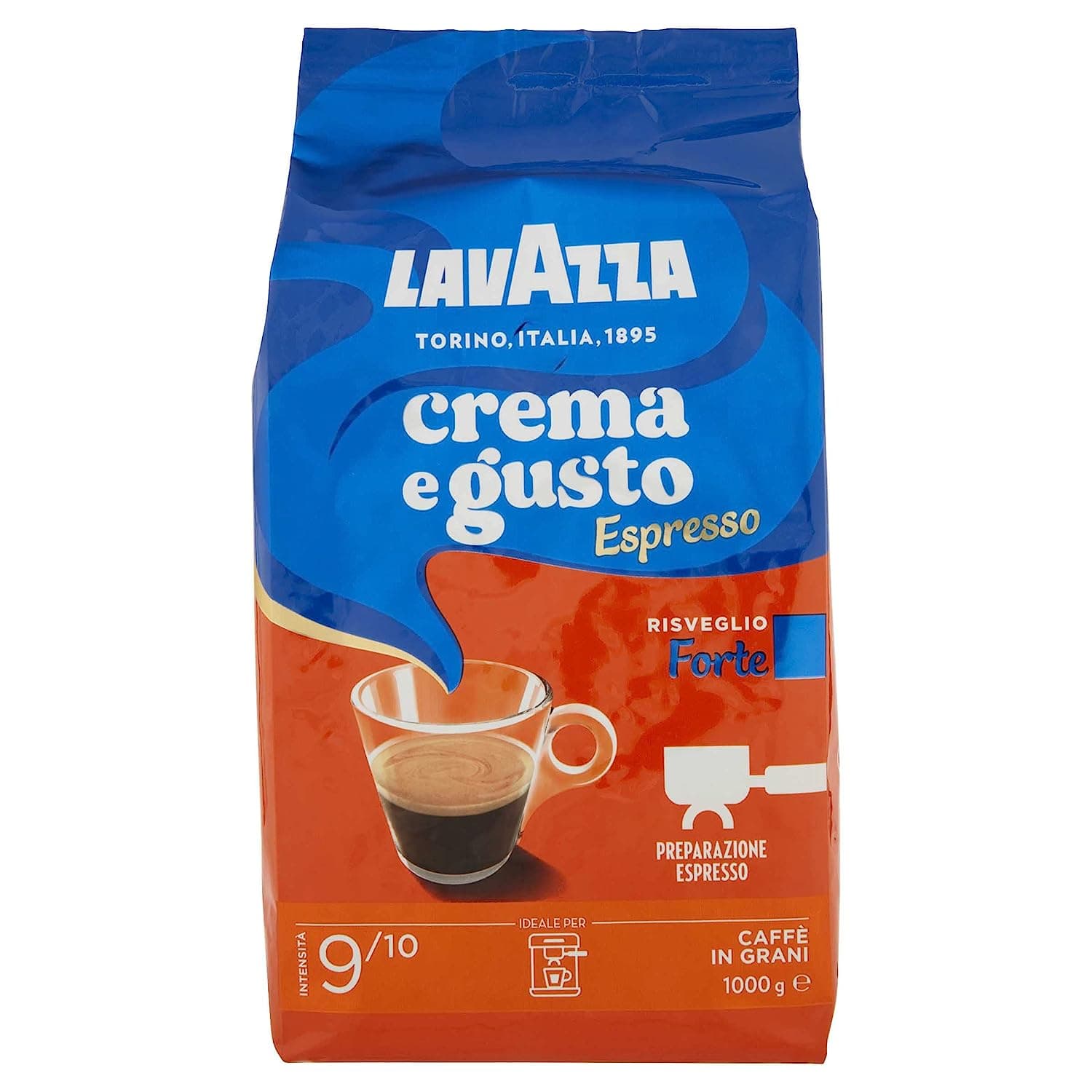
Lavazza
Lavazza Espresso Crema e Gusto 1000g Whole Beans
$40.00
Medium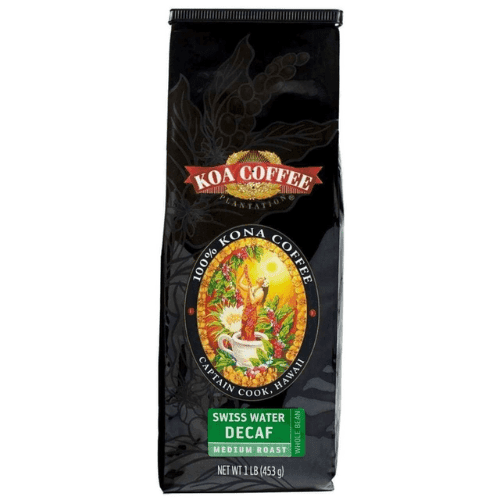
Koa Coffee
SWISS WATER DECAF WHOLE BEAN 100% KONA COFFEE
$77.54
Medium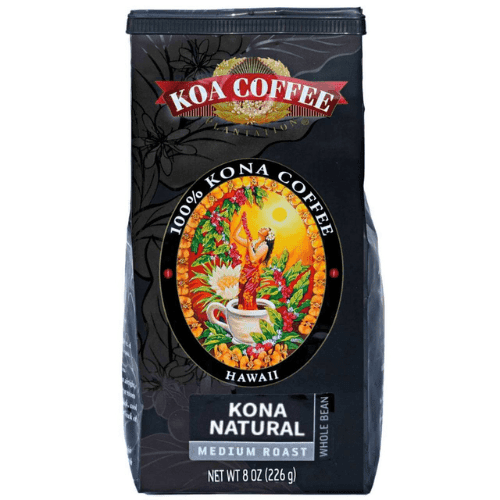
Koa Coffee
100% KONA NATURAL MEDIUM ROAST WHOLE BEAN COFFEE
$34.88
Medium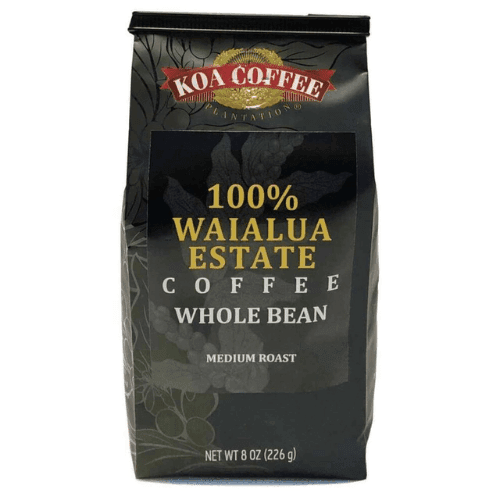
Koa Coffee
100% WAIALUA ESTATE WHOLE BEAN MEDIUM ROAST COFFEE
$30.00
Medium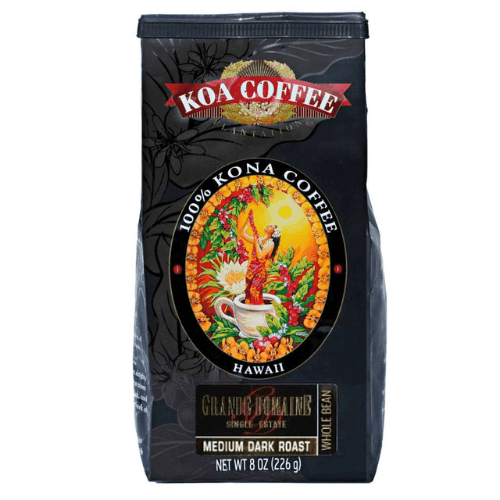
Koa Coffee
GRANDE DOMAINE VIENNA ROAST WHOLE BEAN 100% KONA COFFEE
$40.70
Dark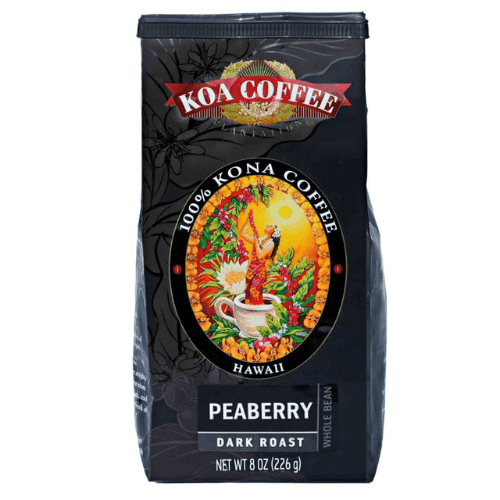
Koa Coffee
PEABERRY DARK ROAST WHOLE BEAN 100% KONA COFFEE
$52.25
Dark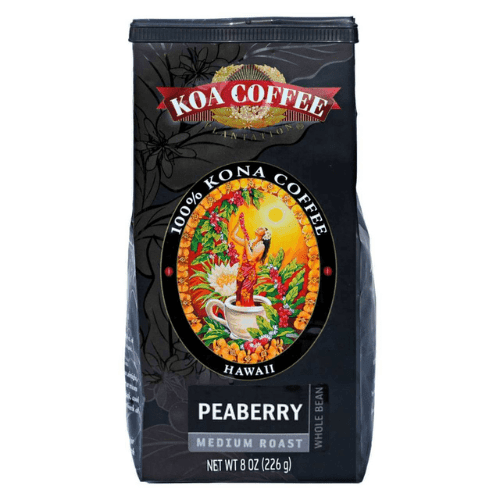
Koa Coffee
PEABERRY MEDIUM ROAST WHOLE BEAN 100% KONA COFFEE
$52.25
Medium
Koa Coffee
PRIVATE RESERVE DARK ROAST WHOLE BEAN 100% KONA COFFEE
$34.82
Dark
Koa Coffee
PRIVATE RESERVE DARK ROAST WHOLE BEAN 100% KONA COFFEE
$34.80
Dark
Koa Coffee
PRIVATE RESERVE MEDIUM ROAST WHOLE BEAN 100% KONA COFFEE
$28.99
Medium
Koa Coffee
ESTATE DARK ROAST WHOLE BEAN 100% KONA COFFEE
$36.76
Dark
Koa Coffee
PRIVATE RESERVE MEDIUM ROAST WHOLE BEAN 100% KA'U COFFEE
$31.84
Medium
Amor Perfecto
Elias Roa
$24.89
Medium
Amor Perfecto
Insignia
$18.90
Medium
Amor Perfecto
Samuel Bermudez
$48.71
Medium
Amor Perfecto
Umbertino Cuatindoy
$24.85
Medium
Brewpoint Coffee
New Moon: Caffeinated Infused Coffee
$12.11
Medium
Brewpoint Coffee
Full Moon: Decaffeinated Infused Coffee
$12.10
Medium
Brewpoint Coffee
The Acrobat: Medium Roast Coffee
$16.11
Medium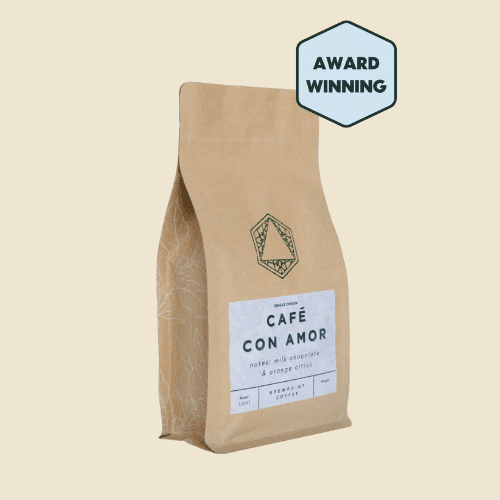
Brewpoint Coffee
Cafe Con Amor: Light Roast Coffee
$18.12
Light
Stumptown Coffee Roasters
Roaster's Pick
$23.62
Medium
PUREGUSTO
PUREGUSTO MAMA CATA - GREAT TASTE AWARD - COFFEE BEANS 6KG
$82.52
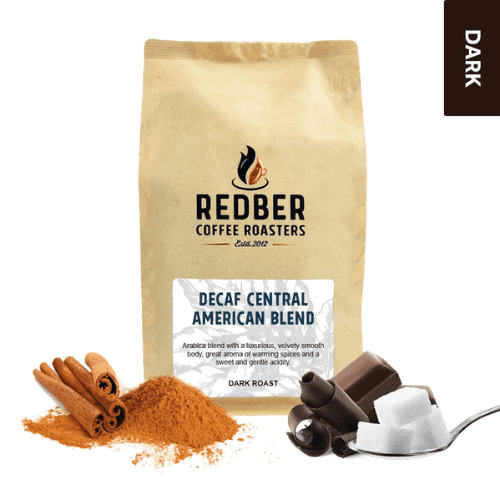
Redber Coffee Roastery
CENTRAL AMERICAN DECAF BLEND - Dark Roast
$7.35
DarkCoffee, when it comes in big mass from the producers, isn’t arriving as you get it from the stores. Usually, they come in bags, unroasted. Unroasted coffee has a green color, and by keeping the coffee raw they can keep the freshness for a longer time. After they roast it, the quality of the beans can decrease faster. That’s why the manufacturers roast the coffee beans only before they wrap them in a sealed bag.
Roasting
The roasting process is done in big industrial machines, and they follow a strict order. With the roasting process, the coffee will start to get its specific brown color and own its specific coffee aroma. But in order to achieve that there is a strict order, every coffee roaster should follow.
STEP 1: Drying
Raw coffee contains around 7 to 11 percent water. High water intensity can prevent the coffee from gaining its ideal roast. After the coffee is placed into a roaster, it takes some time for the beans to absorb sufficient heat to start evaporating the water. This is when the drying process is starting. It requires a large amount of heat and energy, otherwise, the beans will be burnt not roasted.
STEP 2: Yellowing
Once the water has been drowned out of the beans, the first coloring reactions start to begin. At this stage, the coffee beans are still very dense and have a little breadiness. Soon the beans start to expand their thin papery skins (chaff) flakes off. The roasting machines separate the chaff by the air flowing through the roaster and are collected and safely removed to prevent the risk of fire.
These first two roasting stages are essential. The machine needs to be at a certain heat, otherwise, the coffee is not properly dried then it will not roast evenly which drives it to be undercooked. This coffee will taste bitter and grassy from the combination of roasted and unroasted beans.
STEP 3: First crack
With the browning reactions, inside a bean will start to gather different gases (mostly carbon dioxide) and water. These elements will create pressure inside the bean that will break open, making a popping noise and nearly doubling in volume. This is called the first crack. From this point onwards, you can smell the specific coffee aroma.
STEP 4: Roast Development
After the first crack, the beans will be much smoother on the surface. This stage of the process determines the end color of the beans and the roast level. At this point, the roaster can determine the balance of acidity and bitterness for the coffee.
STEP 5: Second Crack
At this point, the beans begin to crack for the second time with a quieter and snappier sound. Once you reach the second crack, the oils will be driven to the surface of the coffee bean. A great part of the acidity will be lost and a new kind of flavor is developing. The intensity of a flavor inside the bean is set during the roasting process. If the process is gone past the second crack the result is usually the beans catching fire which is extremely dangerous.
There are different roasting types such as ‘French Roast’ or ‘Italian Roast’. The terms are used to indicate the darkness of the roast.
Grounding
The grounding process is also an important aspect of the coffee-making process. The purpose of grinding before preparation is to expose enough surface to extract the flavor trapped in the beans to make a good cup of coffee. If you would brew the whole beans you’d end up with a very weak flavor. The finer the beans are ground, the more surface area is exposed and the better the aroma will be. Also, with a finer brew, the coffee can be brewed faster, because the water has more access to it.
So the grounding could be different for the different types of brewing methods. The size of the coffee grounds influences both the brewing time and the final taste. Finally, the coffee grind exposes more of it to the air, which means that the coffee will get older faster. That’s why some of the coffee consumers purchase their coffee while they are in the form of beans and they grind it right before the brew.
Grounding size
For the grounding, they use terms such as ‘coarse’, ‘medium’, and ‘fine’, but they could be relative. There are no common ground settings. So a 5 size grounding could be different on other grounders.
Packaging
The last step in the process, where roasted coffees are placed in bags. Here you have two main choices for packaging the coffee. The packaging is decided based on the preservation of the coffee, but also on the environmental impact, cost, and look of the packaging.
Unsealed
The first option is the unsealed option. The coffee is packed in handmade paper bags with a simple grease-resistant lining to prevent any leaching of the coffee oil. In this process, the coffee is constantly exposed to oxygen and will stale quickly. This is a cheaper option, and the roasters always emphasize for the coffee to be used within seven to ten days. This method is usually used for a certain amount of clients, and when the coffee doesn't need to be transported at great distances. Also, this option is more ecological because the type of packaging is sometimes recyclable and is generally considered to have the least impact on the environment.
Sealed
In this case scenario, they use triple-ply foil bags. The beans (whole beans or grounded) are sealed as soon as the coffee is packed to prevent fresh air from getting in, But the package must have a valve to allow the carbon dioxide to escape. Coffee will stale much slower inside these bags, but once opened the rate of staling will increase and has to be consumed within a few days if the coffee is grounded.
The benefits of whole bean coffee
Whole bean coffee can keep its freshness and flavor for a longer time. It’s ideal for those who prefer a delicious black coffee and have the time to prepare it. Most of the coffee’s taste and aroma is from the oil which is coating the beans. In a pre-brewed coffee bag, the oil starts to evaporate.
Pre-ground coffees are usually packaged with a uniform, medium-fine consistency which can be used for all the general coffee makers at home.