
Afrika
We do not sell mass-produced coffee and we only specialize in coffees recognized nationally and internationally as being of superior quality. But even mass-produced coffees had small beginnings. That’s why we wanted to…
671 Produkte

Bertazzo
Caffè New York - Monorigine Etiopia
6,90 $
Medium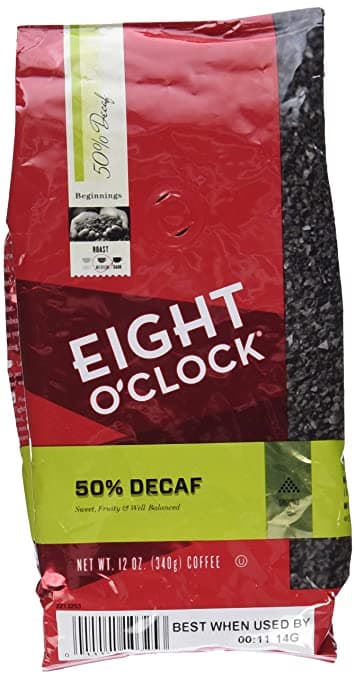
Eight o Clock Coffee
Eight O'Clock 50% Decaf Ground Coffee
15,92 $
Medium
Kicking Horse Coffee
Kicking Horse Coffee, Smart Ass, Medium Roast, Whole Bean, 2.2 Pound - Certified Organic, Fairtrade, Kosher Coffee
23,58 $
Medium
Kicking Horse Coffee
Kicking Horse Coffee, Smart Ass, Medium Roast, Whole Bean, 10 Oz - Certified Organic, Fairtrade, Kosher Coffee
6,23 $
Medium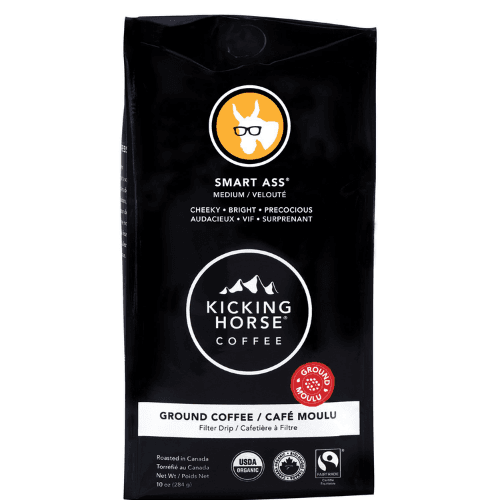
Kicking Horse Coffee
Kicking Horse Coffee, Smart Ass, Medium Roast, Ground, 10 Oz - Certified Organic, Fairtrade, Kosher Coffee
6,26 $
Medium
NESCAFE
Nescafe Dolce Gusto Pods, Skinny Cappuccino, 16 capsules, Pack of 3
41,67 $
Dark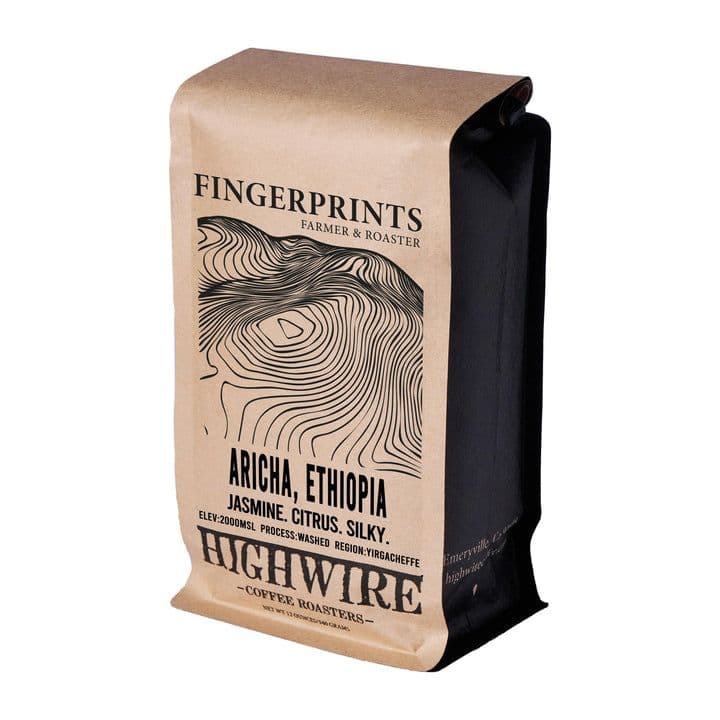
Highwire
Aricha, Ethiopia
18,08 $
Medium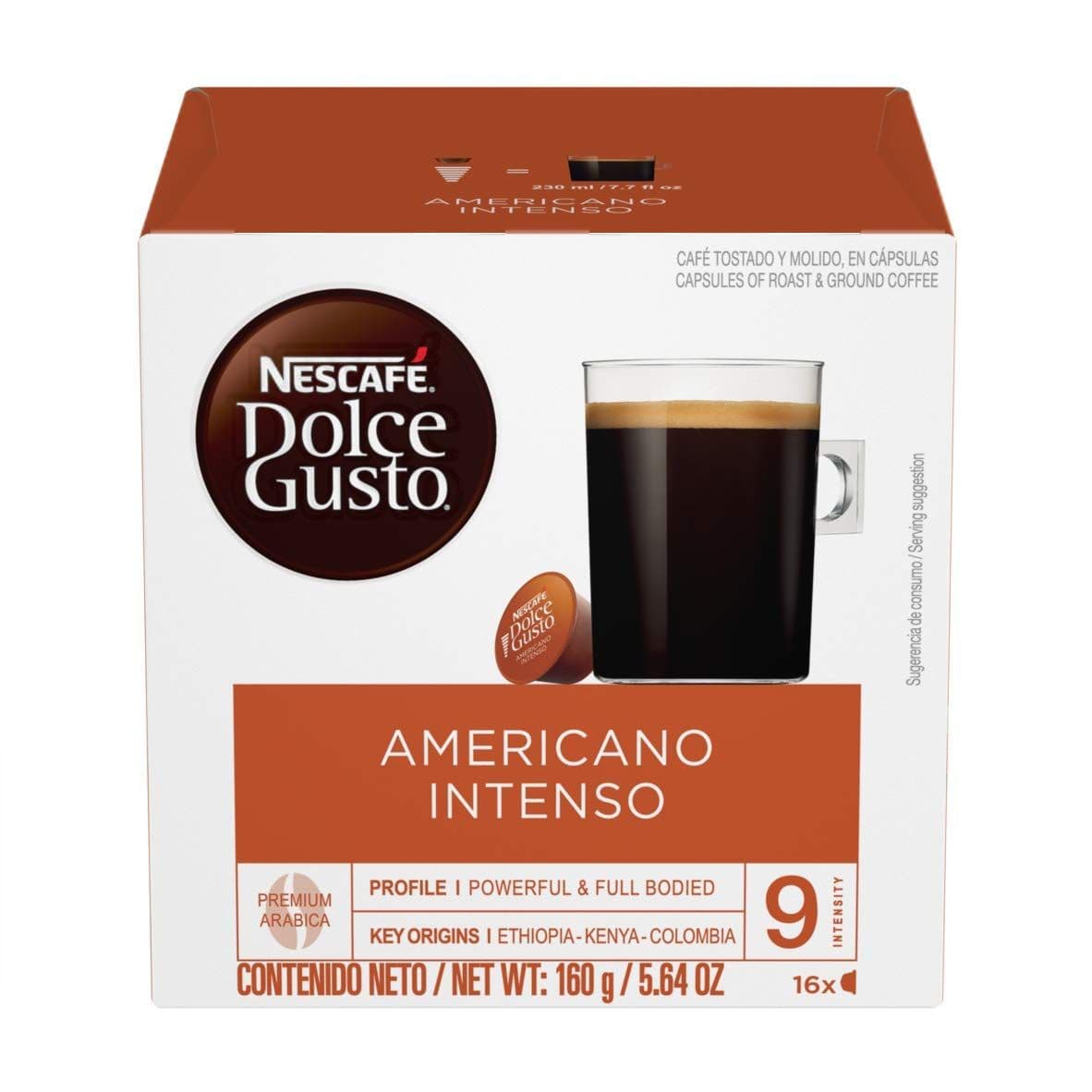
NESCAFE
Nestle Coffee mate Dolce Gusto Nescafe Pods, Americano Intenso, 16 Count, Pack of 3
45,20 $
Dark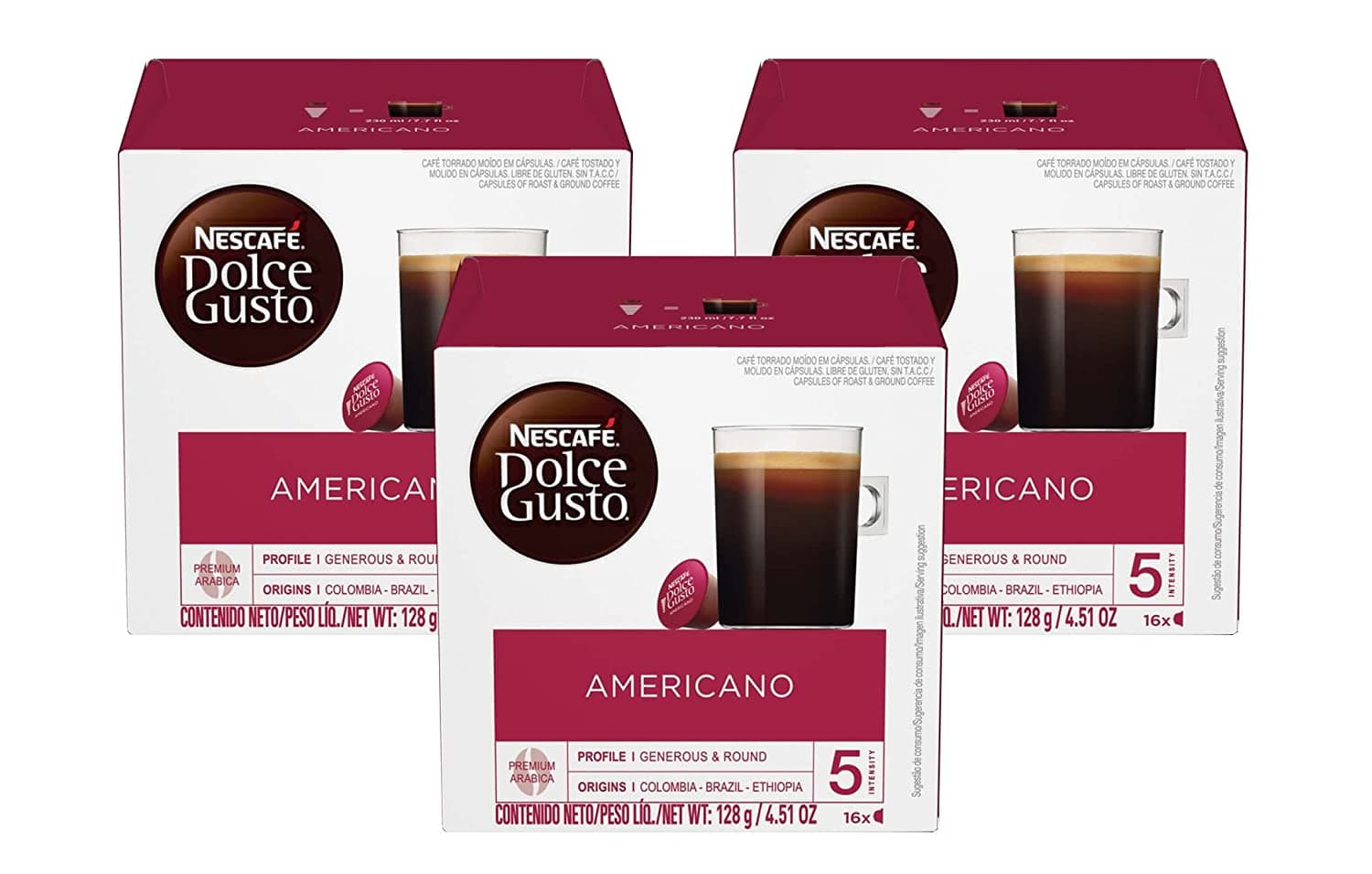
NESCAFE
Dolce Gusto Nescafe Coffee Pods, Americano, Capsules, 16 Count, Pack of 3
36,07 $
Medium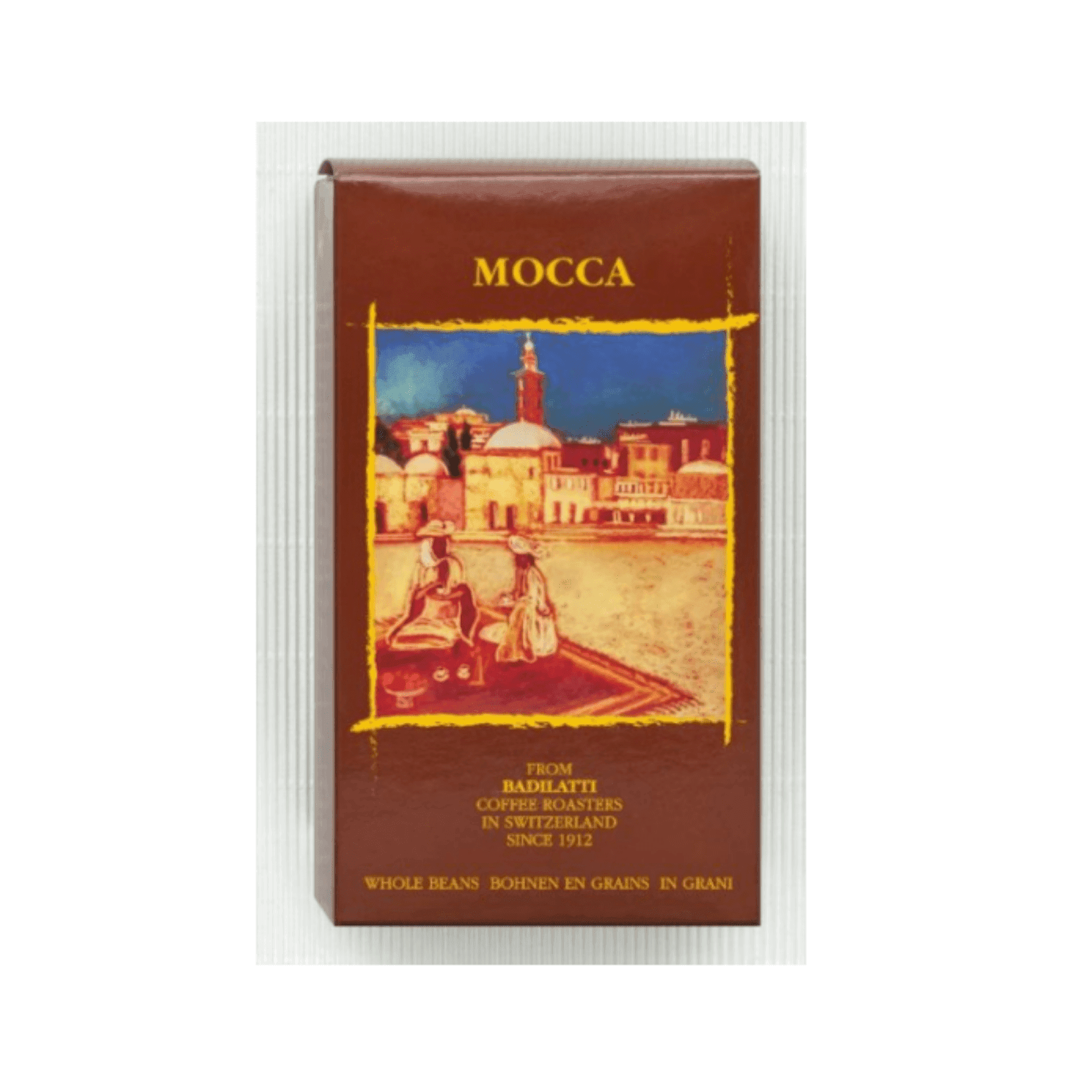
Cafè Badilatti
Mocca
6,01 $
Medium
Cafè Badilatti
Espresso Bio & Max Havelaar
18,45 $
Dark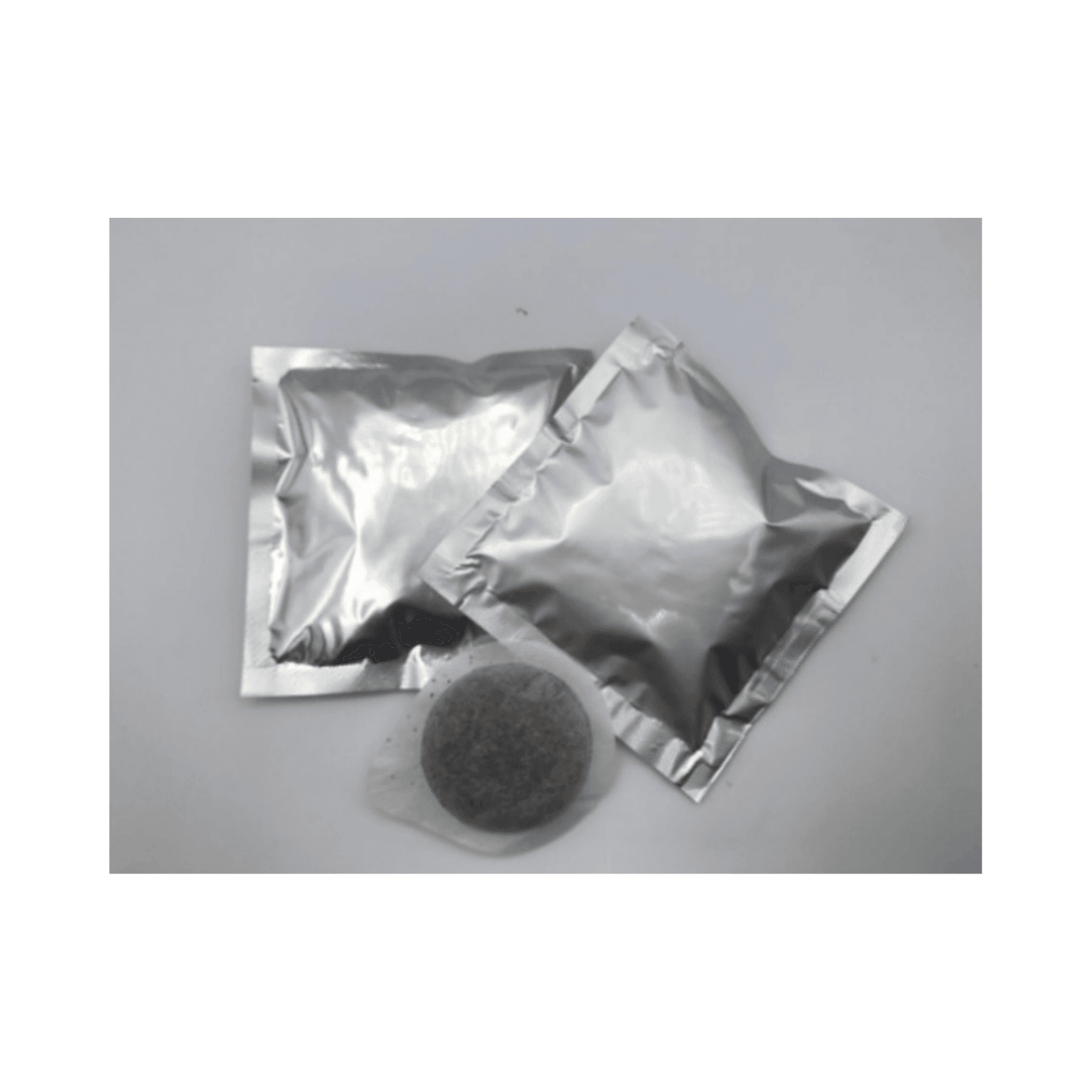
Cafè Badilatti
DORMABAIN "svelt e net"
19,41 $
Medium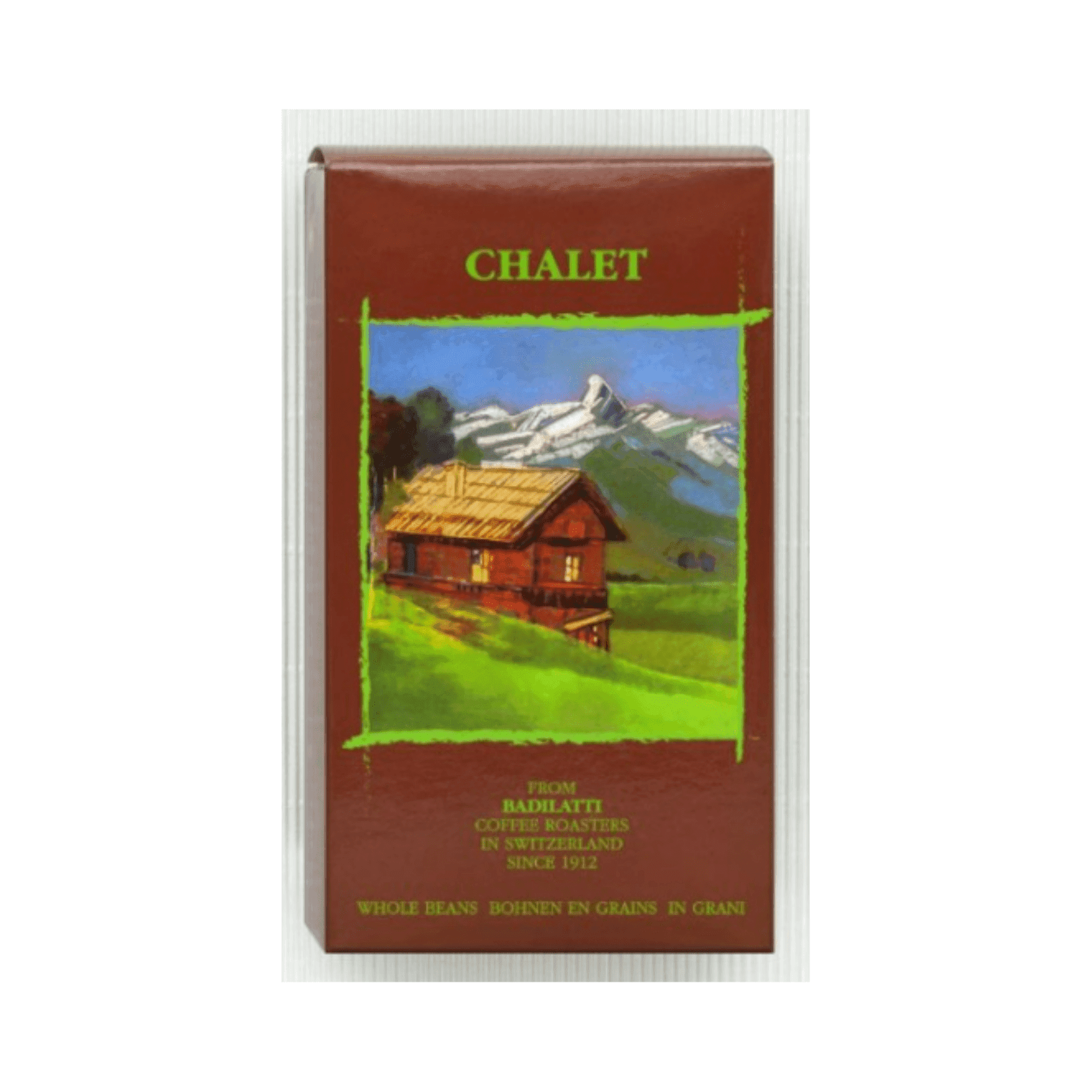
Cafè Badilatti
Chalet Coffee
6,02 $
Medium
Intelligentsia coffee
ORGANIC BLACK CAT ESPRESSO
15,37 $
Medium
Intelligentsia coffee
HONEY BADGER ESPRESSO
17,98 $
Medium
Intelligentsia coffee
ILLUMINATION BLEND
18,50 $
Medium
Intelligentsia coffee
EL GALLO ORGANIC BREAKFAST BLEND
15,26 $
Medium
Intelligentsia coffee
INTELLIGENTSIA HOUSE BLEND
14,84 $
Medium
Intelligentsia coffee
ETHIOPIA METAD CHELCHELE WASHED
22,49 $
Medium
Intelligentsia coffee
ETHIOPIA METAD BERITI WASHED
19,80 $
Medium
Intelligentsia coffee
BOREALIS BLEND
18,95 $
Medium
Intelligentsia coffee
BURUNDI YANDARO
18,04 $
Medium
Dallmayr
Ethiopia ground
7,00 $
Medium
Dallmayr
prodomo can ground
4,80 $
MediumWe do not sell mass-produced coffee and we only specialize in coffees recognized nationally and internationally as being of superior quality. But even mass-produced coffees had small beginnings. That’s why we wanted to analyze the history of coffee, its remarkable spread in the world, and how to help people avoid bad coffee in the future.
African Origin
The first serious evidence we have of coffee consumption dates back to the middle of the 15th century and derives from the Sufi monasteries in Yemen. We can certainly confidently assume that coffee was consumed in Yemen sometime before.
However, the most famous story of the first discovery of coffee is the story of an Abyssinian goat herder (now Ethiopia) named Kaldi, who lived around 850 AD. He watched as his goats became energized after eating the berries growing on some green bushes nearby. Kaldi himself tried a few and had a similarly exuberant experience with goats.
At his wife's suggestion, he took some berries to a nearby monastery to share his experience with the monks there. The chief monk was not impressed and threw the grains into the fire. However, the pleasant aroma came from the fire, so the grains were recovered and kept in water to preserve them. And that gave people their first cup of real coffee.
There is also a strong chance that the word "coffee" comes from the Kaffa region of Ethiopia, although there are alternative theories based on the Arabic word "qahwa" which means "to prepare". Kaffa has certainly known coffee for centuries. I still maintain a practice of mixing coffee beans ground with ghee (clarified butter) to give it a distinct, buttery flavor. This is made all the more remarkable given the return to this practice by some very modern coffee sellers, such as Bulletproof Coffee.
A type of coffee plant that found its way to Reunion (then called Bourbon Island) produced smaller beans and was considered a different variety of arabica. This plant and its seeds were the types first introduced in Central America and northern South America. In fact, it seems that his point of arrival could have been French Guiana and spread from there.
The coffee arrived in Brazil in 1727 thanks to the cunning work of a soldier named Francisco de Melo Palheta. Palheta was stationed in Brazil (under Portuguese leadership) and was sent to French Guiana to try to obtain coffee beans from the local governor. The governor did not want to, but his wife was more inclined to Palheta and gave the beans to take back to his masters in Brazil.
In 1893, Brazilian coffee was introduced to Kenya and Tanzania, not far from its place of origin in Ethiopia, 600 years before, thus ending the transcontinental journey. This is also part of the reason why Ethiopian coffee is so revered because it is truly original coffee.