Volcanica Coffee
Brazil Coffee
Brasilien
- Rostningsgrad: Medium
- Tvättad
- Single origin
- Koffeinfritt
Brazil Coffee är ett kaffe från Brasilien, som säljs av Volcanica Coffee (Suwanee, USA). Bearbetning: tvättad. Rostning: medium. Rosteriets smakbeskrivning: chocolate, honey, almond, dried fruits. Pris: 21,99 US$ till 104,45 US$, beroende på storlek. Det motsvarar från 46,05 US$ per kilo.
Inget betyg än · Bli först med att recensera det
från21,99 US$
≈ 46,05 US$ / kg
Du skickas till rosteriets butik för att slutföra ditt köp.
- Rosteri baserat i
- USA
- Leverans till
- Sverige · ✓ Ja, enligt rosteriets butik
Smakprofil
Utifrån uppgifterna i rosteriets butik.
Smakbeskrivning
- Chocolate
- Honey
- Almond
- Dried Fruits
- RostningsgradMedium
- LjusMörk
Storlekar och priser
| Malning | Innehåll | Per kg | Pris |
|---|---|---|---|
| Hela bönor | 16oz | 48,48 US$ | 21,99 US$ ↗ |
| Malet för espresso | 16oz | 48,48 US$ | 21,99 US$ ↗ |
| Malet för filter | 16oz | 48,48 US$ | 21,99 US$ ↗ |
| Malet för French press | 16oz | 48,48 US$ | 21,99 US$ ↗ |
| Hela bönor | 3lb | 48,48 US$ | 65,97 US$ ↗ |
| Malet för espresso | 3lb | 48,48 US$ | 65,97 US$ ↗ |
| Malet för filter | 3lb | 48,48 US$ | 65,97 US$ ↗ |
| Malet för French press | 3lb | 48,48 US$ | 65,97 US$ ↗ |
Visa alla 12
| Malning | Innehåll | Per kg | Pris |
|---|---|---|---|
| Hela bönor | 5lb | 46,05 US$ | 104,45 US$ ↗ |
| Malet för espresso | 5lb | 46,05 US$ | 104,45 US$ ↗ |
| Malet för filter | 5lb | 46,05 US$ | 104,45 US$ ↗ |
| Malet för French press | 5lb | 46,05 US$ | 104,45 US$ ↗ |
Beskrivning
Brazil Coffee is an estate coffee from the Minas Gerais region. It has an amazing taste with hints of sweetness, chocolate notes, balanced acidity, and a pleasantly clean taste. Rated a low acid coffee due to the lower acidity.
Certifications:
- Kosher Certified
- Rainforest Alliance Certified
Flavor Notes: Chocolate, Honey, Almond, Dried Fruits.
Processing: Washed Process
Roast: Medium Roast
Additional Information:
- pH: 5.2 Low Acid Coffee
- Single Origin Coffee
- Altitude: 3,500 Feet
History of Brazil Coffee
Brazil has become synonymous with coffee for nearly two centuries, and to this day, Brazil still produces more than a third of the entire world’s coffee. At its peak, though, Brazil nearly controlled 80% of coffee production across the globe.
Introduced in the earlier half of the 18th century, coffee made its way to Brazil from French Guiana and has quite a romantic, though somewhat incredulous, the history behind how it arrived, if you were to believe legend at least.
According to the story, Francisco de Melo Palheta brought the first coffee plant to Brazil’s northern region of Para. As the story goes, Palheta traveled to French Guiana on a diplomatic mission, though engaged in a bit of auxiliary mission of seducing the wife of the governor of French Guiana. As a gift for his seductive prowess and romance, the governor’s wife bequeathed Mr. Palheta with a bouquet that secretly hid coffee seeds within them that he could then take to Brazil.
Coffee production, however, did not take a foothold in Brazil’s economy until the beginning of the 19th century, as demand spiked throughout the industrialized world. Brazil’s coffee farms flourished due to their commercial and grand sizes, as well as through their optimal location for export near Rio de Janeiro.
Brazil became a powerhouse of coffee exportation largely due to its reliance on slave labor, loose land regulation that allowed land owners to deplete soil nutrients for years on end and then move on to the next plot of land, and an ideal tropical climate and terrain for industrializing coffee production. Brazil became home to some of the wealthiest and most influential ‘coffee barons’ that played huge roles in shaping the government’s policies to be supportive of the burgeoning coffee industry.
When slavery was abolished in Brazil by the 1880s, despite initial fears that coffee production would slump, they continued harvesting record numbers of Brazilian coffee year over year. To stabilize the price of coffee for its farmers, Brazil began the practice of valorization, in which the government would purchase coffee from producers at an inflated price when the market for coffee was down, and then would sell the coffee when the market was high (aka, buy low, sell high principle of commodities).
The 1920s saw the peak of coffee production in Brazil, as infrastructure, financing, and an overall boom in demand entailed a massive surge in coffee coming out of Brazil. But, due to macroeconomic conditions, the combination of a massive surplus and a drop in demand going into the Great Depression, coffee prices crashed, and so too did the coffee economy of Brazil.
In order to stabilize the coffee economy within Brazil, which going into the mid-20th century had become an indicator for the global coffee economy, various Western countries partnered with Brazil to draw up an international agreement of a quota system that would become the precursor to the International Coffee Agreement (ICA) that came about in 1962.
Going into the specialty coffee phase of coffee, and thus the 21st-century, Brazil has played a major role in determining the overall price of coffee from one year to the next, and remains to this day a huge contributor to the shape and definition of what coffee has become now and going into the future.
The Minas Gerais region contains ancient chain of active volcanos approximately 600 million years ago. These volcanoes contribute to the excellent soil and conditions that product this excellent Brazilian coffee.
Brazil Coffee Roast Profile
We have sourced our Brazil coffee from the region of Minas Gerais, which has some of the largest mountains in Brazil and is approximately 1,200msl. The region was once known for its luscious fields and pasture that housed a massive dairy production industry at the turn of the 20th century. Now, Minas Gerais produces some of the best and world-renowned coffee from Brazil.
Our roasting approach of this rich and tantalizing Brazilian coffee is to bring out the coffee’s savory chocolate notes with sweet aromas of dried fruit and honey that will pair well with any meal, morning, noon or night.
We have roasted this Brazil coffee to a medium roast, making sure to not go past the 2nd crack so as to highlight the provenance of the coffee, while teasing out the natural opulent texture of sensation that has become emblematic of Brazil’s specialty coffee industry.
Due to the naturally occurring tannins within our Brazil coffee, it has a low acidic taste with a full body that is reminiscent of a semi-sweet chocolate bar with roasted almonds thrown in that is guaranteed to delight your morning routine with its flavorful notes present from the first sip to the last drop.
Frågor om Brazil Coffee
Hur smakar Brazil Coffee?
Rosteriets smakbeskrivning: chocolate, honey, almond, dried fruits. Smakgrupper: fruktigt, choklad, nötigt och karamell och sött.
Var kommer Brazil Coffee ifrån?
Det kommer från Brasilien. Höjd: 1 067 m.
Hur bearbetas Brazil Coffee?
Bearbetningsmetod: tvättad.
Vilken rostningsgrad har Brazil Coffee?
Rostningsgrad: medium.
Vad kostar Brazil Coffee?
Pris: 21,99 US$ till 104,45 US$, beroende på storlek. Det motsvarar från 46,05 US$ per kilo. Priserna kommer från butiken och kan ändras; butiken har de aktuella priserna.
Var kan jag köpa Brazil Coffee?
I Volcanica Coffees webbutik: priserna på den här sidan länkar dit. Enligt butiken levererar den över hela världen. Cafendo säljer inget kaffe själva.
Recensioner
Inga recensioner än.
Gillar du det här kaffet? Prova de här
Utvalt från andra rosterier utifrån gemensamt ursprung, bearbetning, rostning, smakbeskrivning och pris. Kaffe som samma personer har sparat eller gett höga betyg väger tyngst.
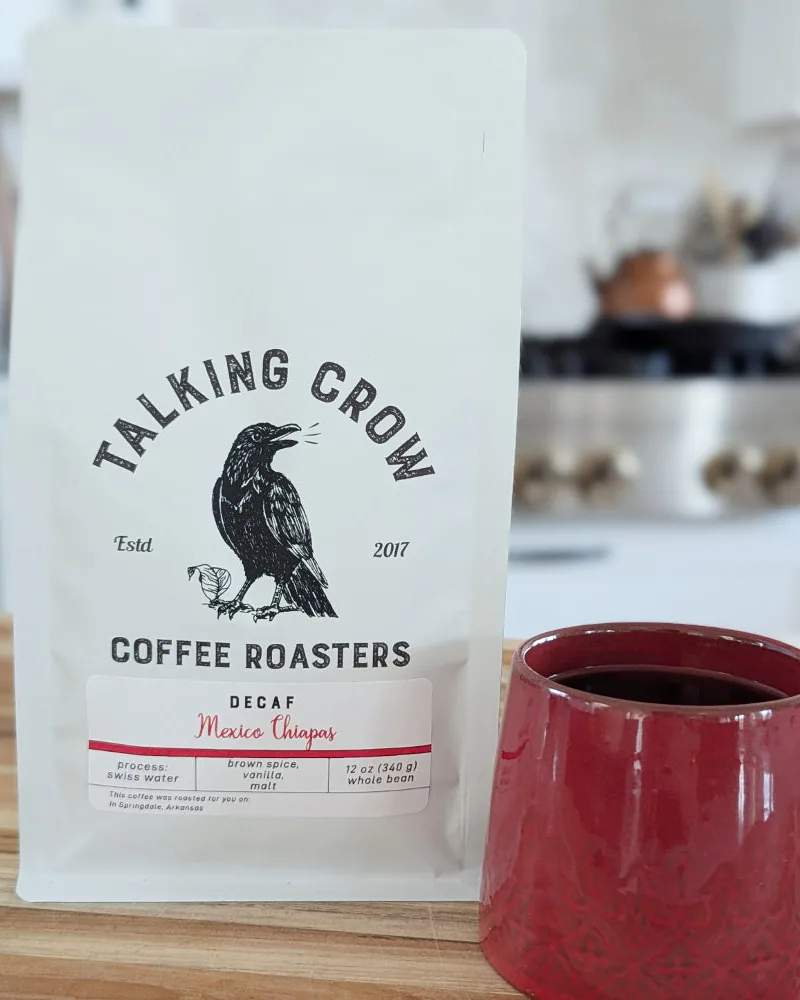
Talking Crow Coffee Roasters
Decaf Mexico Chiapas
23,00 US$
MediumVarför: Nötigt · ChokladTvättadLiknande pris
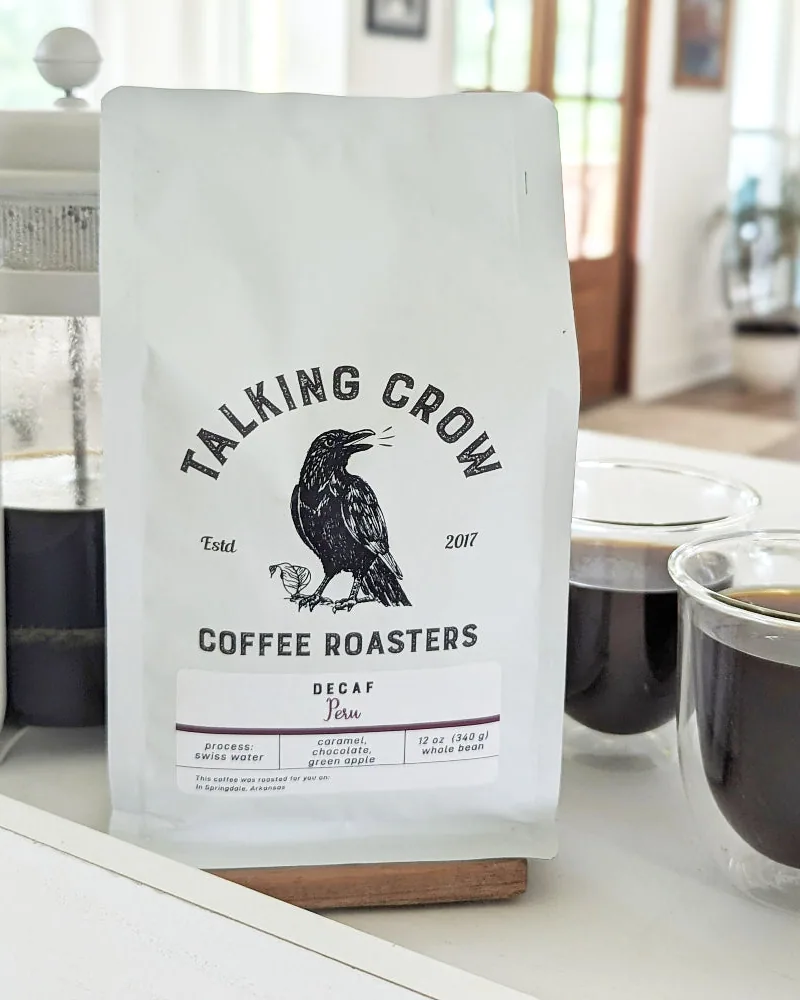
Talking Crow Coffee Roasters
Decaf Peru Cajamarca
23,75 US$
MediumVarför: Fruktigt · NötigtTvättadLiknande pris
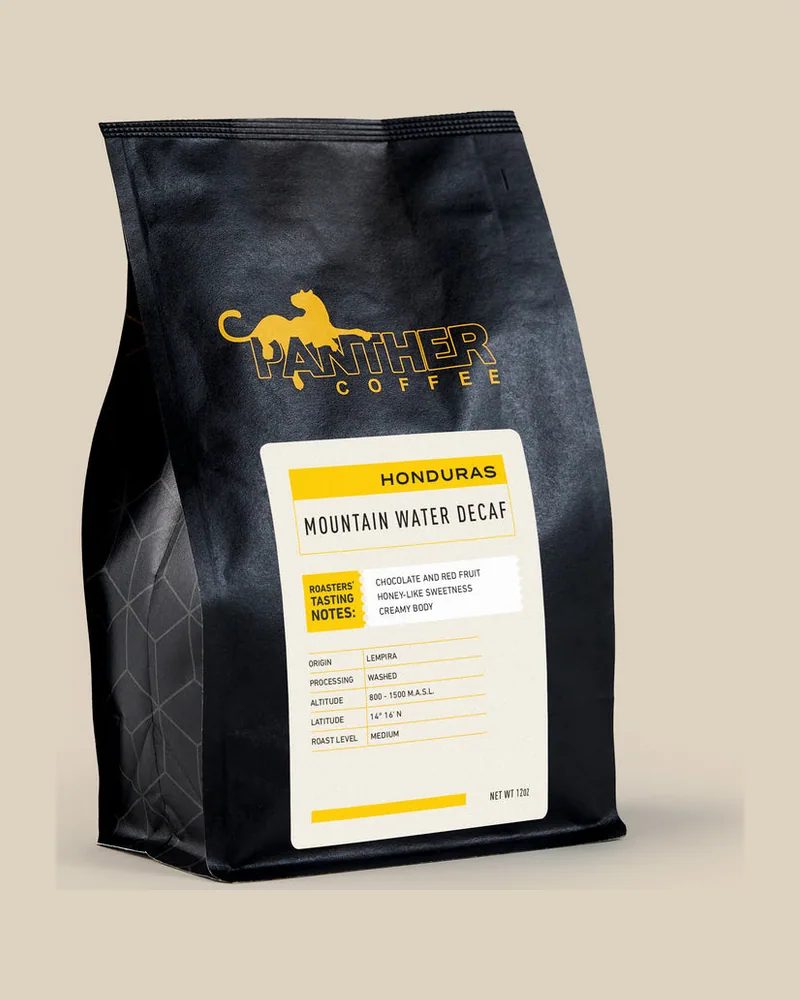
Panther Coffee
Mountain Water DECAF - Honduras Specialty coffee
22,00 US$
MediumVarför: Fruktigt · ChokladTvättadLiknande pris
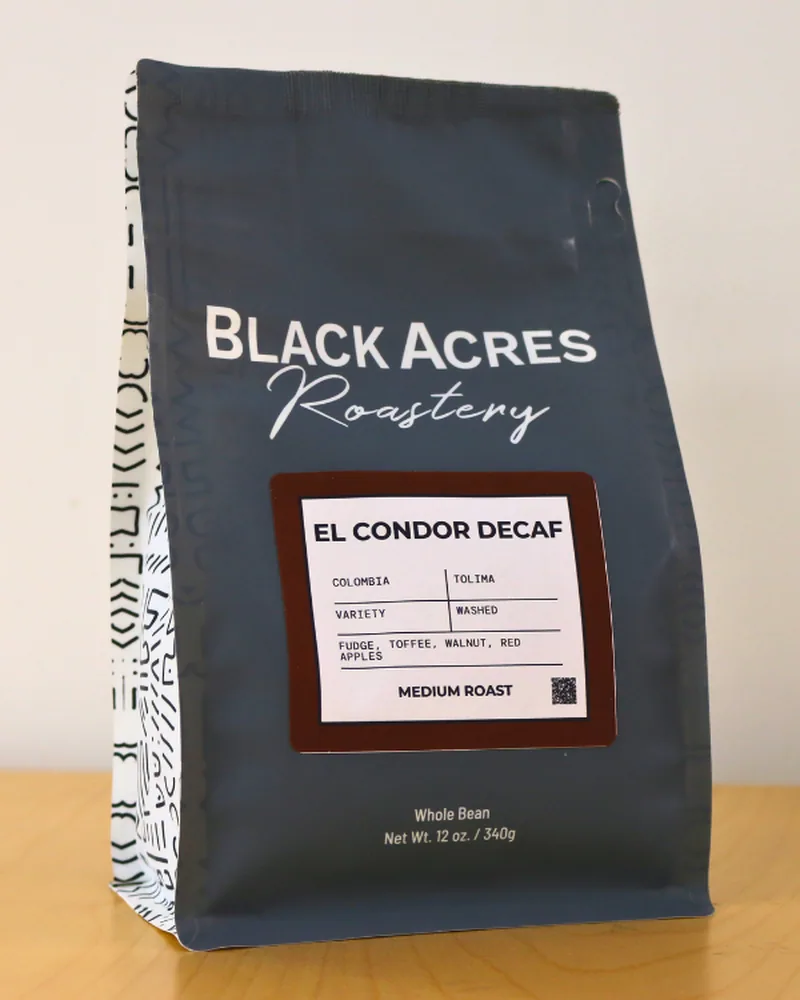
Black Acres Roastery
El Condor Decaf
17,50 US$
MediumVarför: Fruktigt · NötigtTvättadLiknande pris
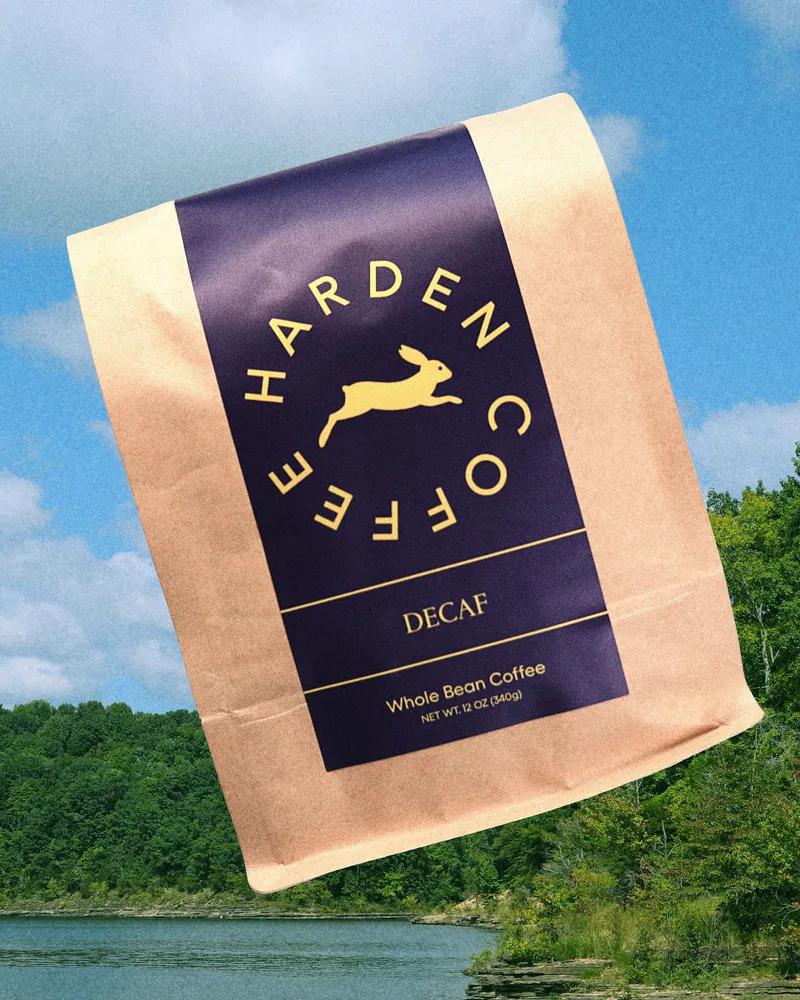
Harden Coffee
DECAF BLEND
24,00 US$
MörkVarför: BrasilienNötigt · ChokladLiknande pris

Elements Coffee Roasters
Stasis Sugarcane Decaf Colombia Valle del Cauca
18,00 US$
MediumVarför: Fruktigt · NötigtTvättadLiknande pris
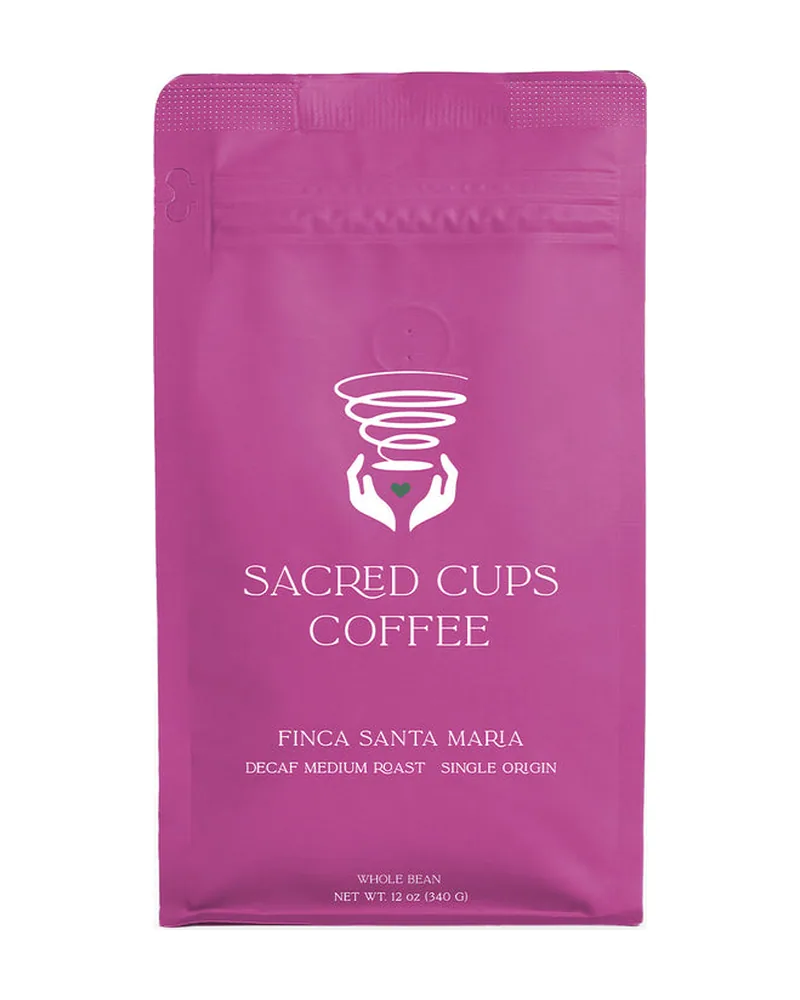
Purity Coffee
Finca Santa Maria Decaf Coffee
32,00 US$
MediumVarför: Fruktigt · ChokladTvättadLiknande pris
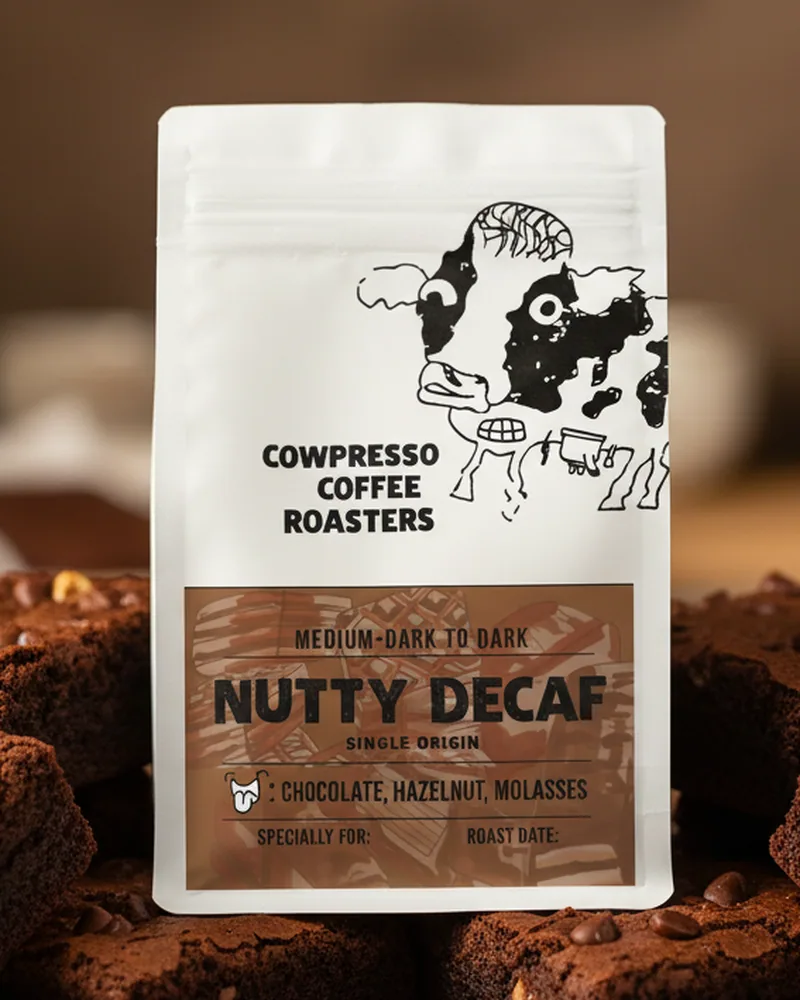
Cowpresso Coffee Roasters
NUTTY DECAF
18,00 SGD
MörkVarför: BrasilienNötigt · ChokladLiknande pris