Volcanica Coffee
Brazil Coffee
Brasil
- Nível de torra: Média
- Lavado
- Origem única
- Descafeinado
Brazil Coffee é um café de Brasil, vendido por Volcanica Coffee (Suwanee, Estados Unidos). Processo: lavado. Torra: média. As notas de prova do torrefador: chocolate, honey, almond, dried fruits. Preço: de 21,99 US$ a 104,45 US$, consoante o tamanho. Isso equivale a partir de 46,05 US$ por quilo.
Ainda sem classificação · Seja o primeiro a avaliá-lo
de21,99 US$
≈ 46,05 US$ / kg
Vai ser levado à loja da torrefação para concluir a compra.
- Torrefação sediada em
- Estados Unidos
- Enviar para
- Portugal · ✓ Sim, segundo a loja da torrefação
Perfil de sabor
A partir dos dados indicados pela loja da torrefação.
Notas de prova
- Chocolate
- Honey
- Almond
- Dried Fruits
- Nível de torraMédia
- LeveEscuro
Tamanhos e preços
| Moagem | Conteúdo | Por kg | Preço |
|---|---|---|---|
| Em grão | 16oz | 48,48 US$ | 21,99 US$ ↗ |
| Moído para espresso | 16oz | 48,48 US$ | 21,99 US$ ↗ |
| Moído para filtro | 16oz | 48,48 US$ | 21,99 US$ ↗ |
| Moído para French press | 16oz | 48,48 US$ | 21,99 US$ ↗ |
| Em grão | 3lb | 48,48 US$ | 65,97 US$ ↗ |
| Moído para espresso | 3lb | 48,48 US$ | 65,97 US$ ↗ |
| Moído para filtro | 3lb | 48,48 US$ | 65,97 US$ ↗ |
| Moído para French press | 3lb | 48,48 US$ | 65,97 US$ ↗ |
Mostrar todos os 12
| Moagem | Conteúdo | Por kg | Preço |
|---|---|---|---|
| Em grão | 5lb | 46,05 US$ | 104,45 US$ ↗ |
| Moído para espresso | 5lb | 46,05 US$ | 104,45 US$ ↗ |
| Moído para filtro | 5lb | 46,05 US$ | 104,45 US$ ↗ |
| Moído para French press | 5lb | 46,05 US$ | 104,45 US$ ↗ |
Descrição
Brazil Coffee is an estate coffee from the Minas Gerais region. It has an amazing taste with hints of sweetness, chocolate notes, balanced acidity, and a pleasantly clean taste. Rated a low acid coffee due to the lower acidity.
Certifications:
- Kosher Certified
- Rainforest Alliance Certified
Flavor Notes: Chocolate, Honey, Almond, Dried Fruits.
Processing: Washed Process
Roast: Medium Roast
Additional Information:
- pH: 5.2 Low Acid Coffee
- Single Origin Coffee
- Altitude: 3,500 Feet
History of Brazil Coffee
Brazil has become synonymous with coffee for nearly two centuries, and to this day, Brazil still produces more than a third of the entire world’s coffee. At its peak, though, Brazil nearly controlled 80% of coffee production across the globe.
Introduced in the earlier half of the 18th century, coffee made its way to Brazil from French Guiana and has quite a romantic, though somewhat incredulous, the history behind how it arrived, if you were to believe legend at least.
According to the story, Francisco de Melo Palheta brought the first coffee plant to Brazil’s northern region of Para. As the story goes, Palheta traveled to French Guiana on a diplomatic mission, though engaged in a bit of auxiliary mission of seducing the wife of the governor of French Guiana. As a gift for his seductive prowess and romance, the governor’s wife bequeathed Mr. Palheta with a bouquet that secretly hid coffee seeds within them that he could then take to Brazil.
Coffee production, however, did not take a foothold in Brazil’s economy until the beginning of the 19th century, as demand spiked throughout the industrialized world. Brazil’s coffee farms flourished due to their commercial and grand sizes, as well as through their optimal location for export near Rio de Janeiro.
Brazil became a powerhouse of coffee exportation largely due to its reliance on slave labor, loose land regulation that allowed land owners to deplete soil nutrients for years on end and then move on to the next plot of land, and an ideal tropical climate and terrain for industrializing coffee production. Brazil became home to some of the wealthiest and most influential ‘coffee barons’ that played huge roles in shaping the government’s policies to be supportive of the burgeoning coffee industry.
When slavery was abolished in Brazil by the 1880s, despite initial fears that coffee production would slump, they continued harvesting record numbers of Brazilian coffee year over year. To stabilize the price of coffee for its farmers, Brazil began the practice of valorization, in which the government would purchase coffee from producers at an inflated price when the market for coffee was down, and then would sell the coffee when the market was high (aka, buy low, sell high principle of commodities).
The 1920s saw the peak of coffee production in Brazil, as infrastructure, financing, and an overall boom in demand entailed a massive surge in coffee coming out of Brazil. But, due to macroeconomic conditions, the combination of a massive surplus and a drop in demand going into the Great Depression, coffee prices crashed, and so too did the coffee economy of Brazil.
In order to stabilize the coffee economy within Brazil, which going into the mid-20th century had become an indicator for the global coffee economy, various Western countries partnered with Brazil to draw up an international agreement of a quota system that would become the precursor to the International Coffee Agreement (ICA) that came about in 1962.
Going into the specialty coffee phase of coffee, and thus the 21st-century, Brazil has played a major role in determining the overall price of coffee from one year to the next, and remains to this day a huge contributor to the shape and definition of what coffee has become now and going into the future.
The Minas Gerais region contains ancient chain of active volcanos approximately 600 million years ago. These volcanoes contribute to the excellent soil and conditions that product this excellent Brazilian coffee.
Brazil Coffee Roast Profile
We have sourced our Brazil coffee from the region of Minas Gerais, which has some of the largest mountains in Brazil and is approximately 1,200msl. The region was once known for its luscious fields and pasture that housed a massive dairy production industry at the turn of the 20th century. Now, Minas Gerais produces some of the best and world-renowned coffee from Brazil.
Our roasting approach of this rich and tantalizing Brazilian coffee is to bring out the coffee’s savory chocolate notes with sweet aromas of dried fruit and honey that will pair well with any meal, morning, noon or night.
We have roasted this Brazil coffee to a medium roast, making sure to not go past the 2nd crack so as to highlight the provenance of the coffee, while teasing out the natural opulent texture of sensation that has become emblematic of Brazil’s specialty coffee industry.
Due to the naturally occurring tannins within our Brazil coffee, it has a low acidic taste with a full body that is reminiscent of a semi-sweet chocolate bar with roasted almonds thrown in that is guaranteed to delight your morning routine with its flavorful notes present from the first sip to the last drop.
Perguntas sobre Brazil Coffee
A que sabe Brazil Coffee?
As notas de prova do torrefador: chocolate, honey, almond, dried fruits. Grupos de sabor: frutado, chocolate, frutos secos e caramelo e doce.
De onde vem Brazil Coffee?
Vem de Brasil. Altitude: 1067 m.
Como é processado Brazil Coffee?
Método de processamento: lavado.
Que nível de torra tem Brazil Coffee?
Nível de torra: média.
Quanto custa Brazil Coffee?
Preço: de 21,99 US$ a 104,45 US$, consoante o tamanho. Isso equivale a partir de 46,05 US$ por quilo. Os preços vêm da loja e podem mudar; a loja tem os preços atuais.
Onde posso comprar Brazil Coffee?
Na loja online de Volcanica Coffee: os preços desta página ligam a ela. Segundo a sua loja, entrega em todo o mundo. A Cafendo não vende café.
Avaliações
Ainda sem avaliações.
Se gosta deste café, experimente estes
Escolhidos entre outras torrefações por origem, processo, torra, notas de prova e preço em comum. Os cafés que as mesmas pessoas guardaram ou classificaram bem contam mais.
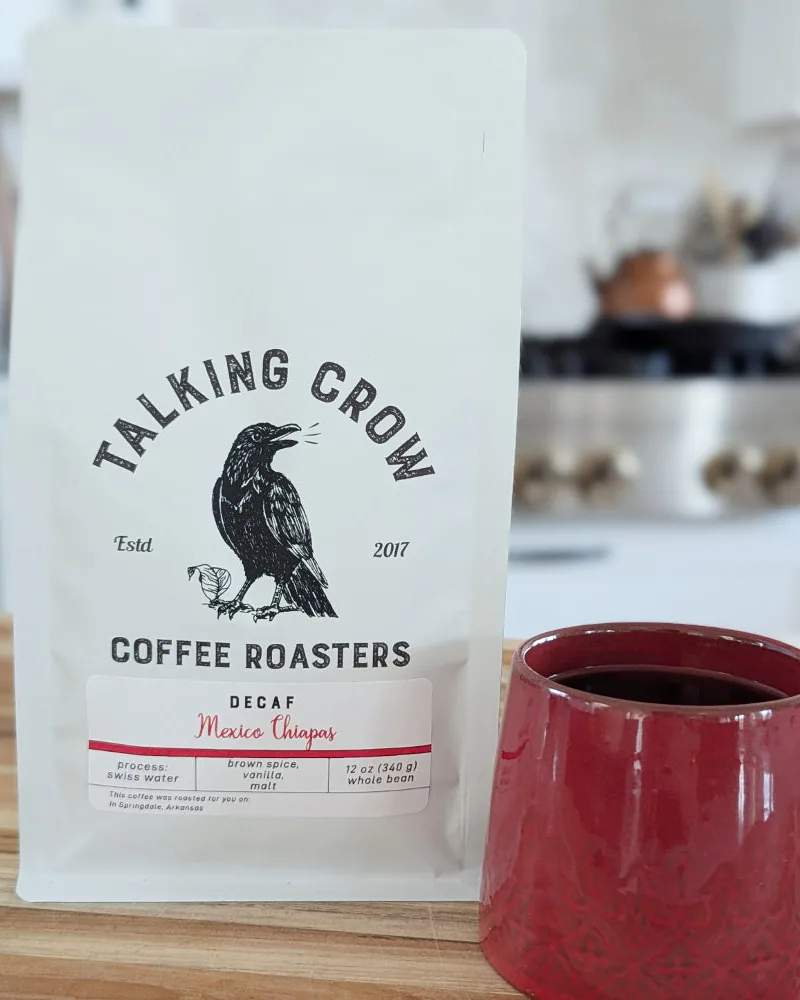
Talking Crow Coffee Roasters
Decaf Mexico Chiapas
23,00 US$
MédiaPorquê: Frutos secos · ChocolateLavadoPreço semelhante
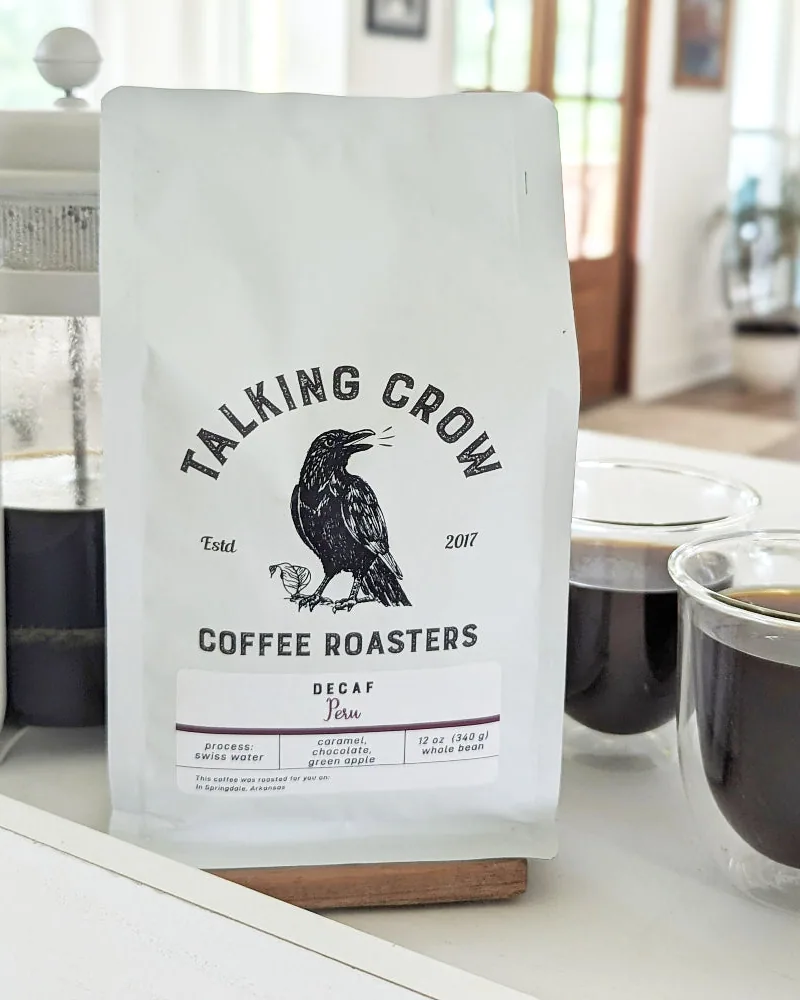
Talking Crow Coffee Roasters
Decaf Peru Cajamarca
23,75 US$
MédiaPorquê: Frutado · Frutos secosLavadoPreço semelhante
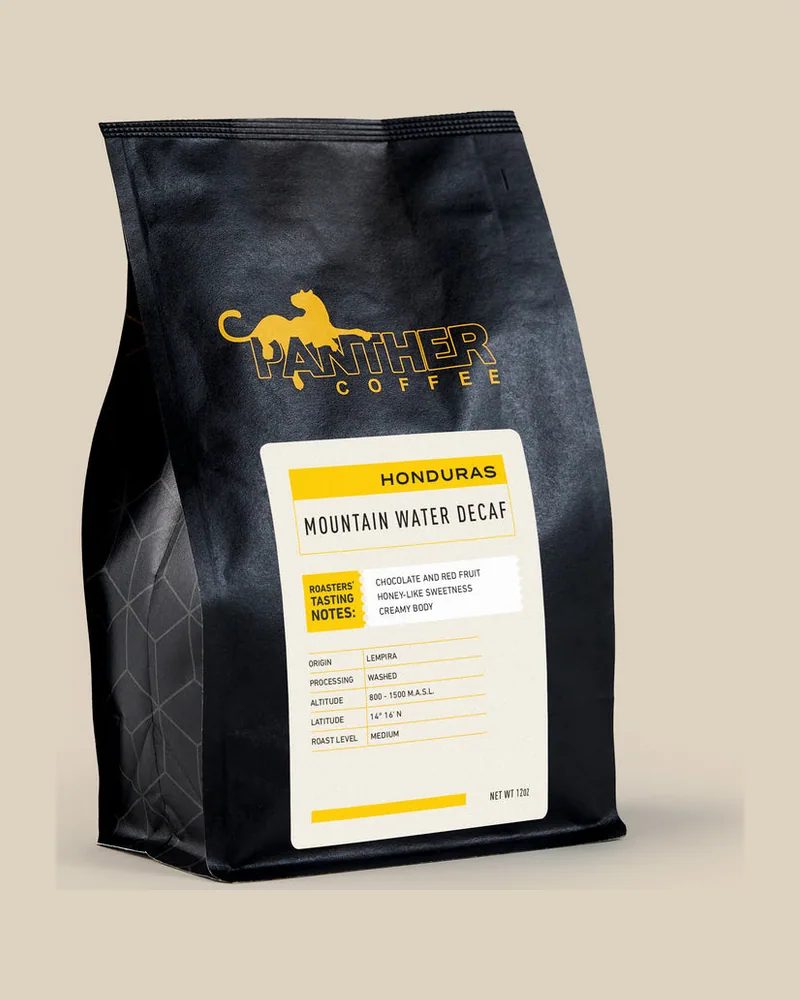
Panther Coffee
Mountain Water DECAF - Honduras Specialty coffee
22,00 US$
MédiaPorquê: Frutado · ChocolateLavadoPreço semelhante
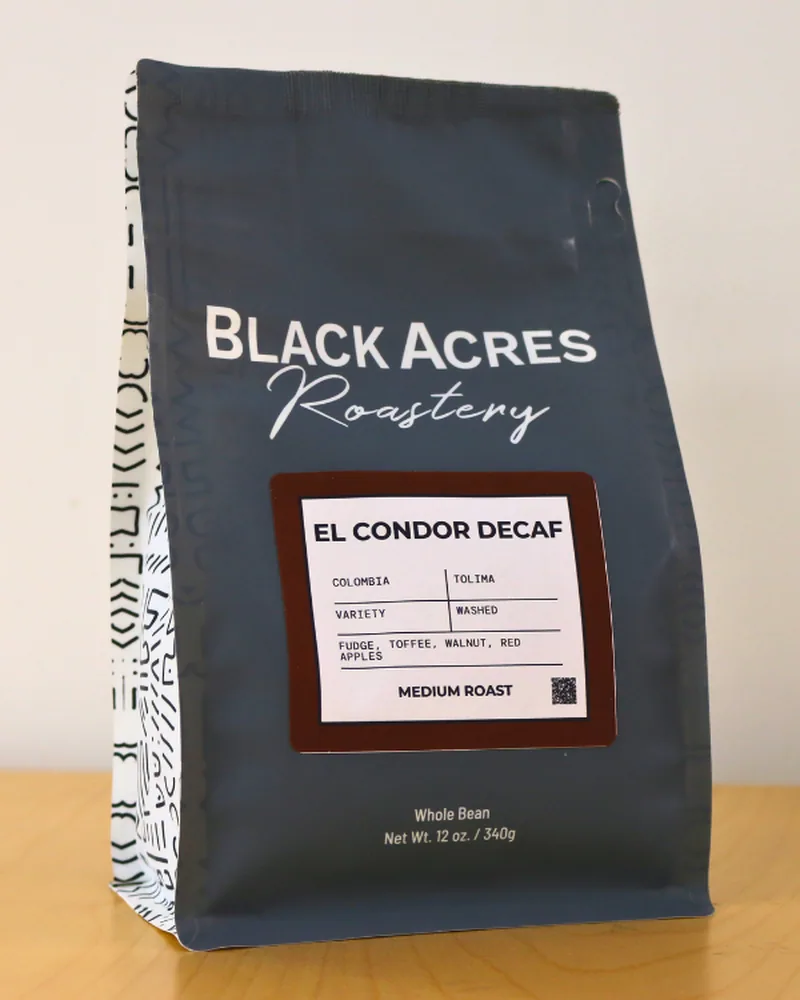
Black Acres Roastery
El Condor Decaf
17,50 US$
MédiaPorquê: Frutado · Frutos secosLavadoPreço semelhante
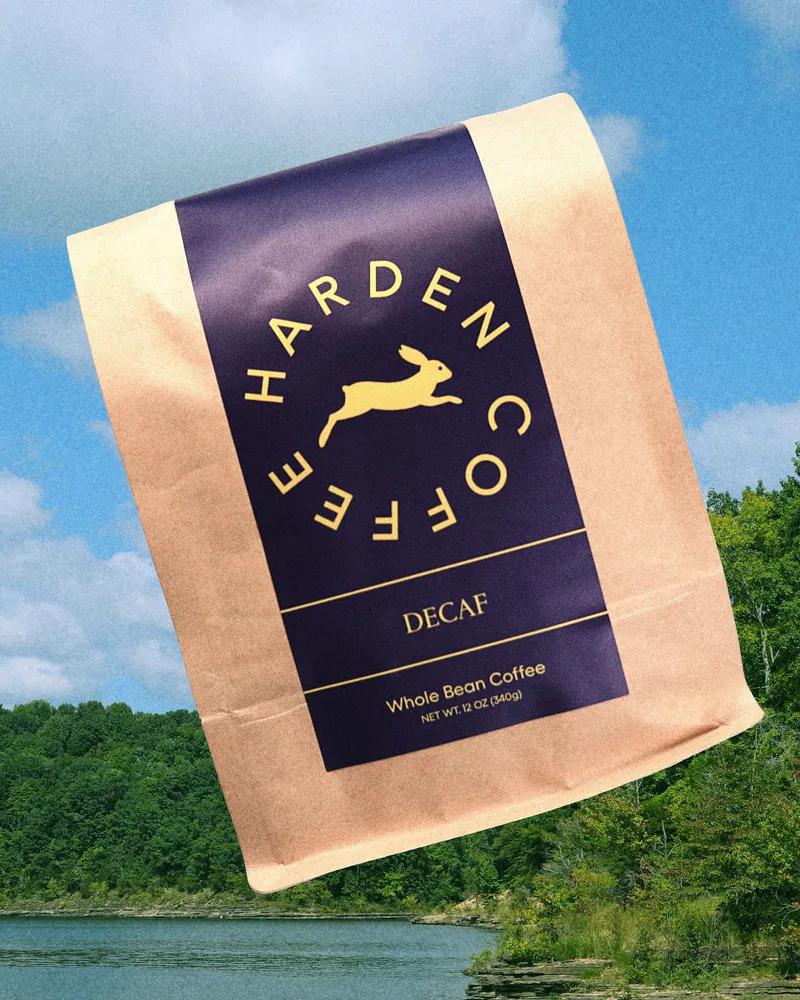
Harden Coffee
DECAF BLEND
24,00 US$
EscuraPorquê: BrasilFrutos secos · ChocolatePreço semelhante

Elements Coffee Roasters
Stasis Sugarcane Decaf Colombia Valle del Cauca
18,00 US$
MédiaPorquê: Frutado · Frutos secosLavadoPreço semelhante
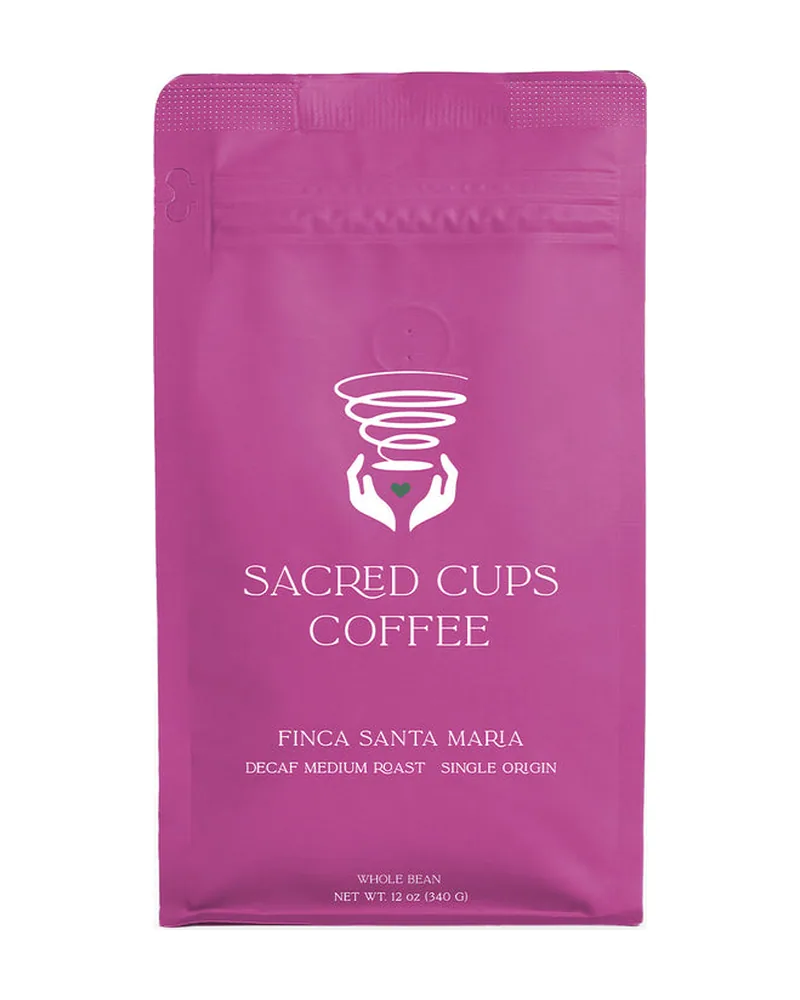
Purity Coffee
Finca Santa Maria Decaf Coffee
32,00 US$
MédiaPorquê: Frutado · ChocolateLavadoPreço semelhante
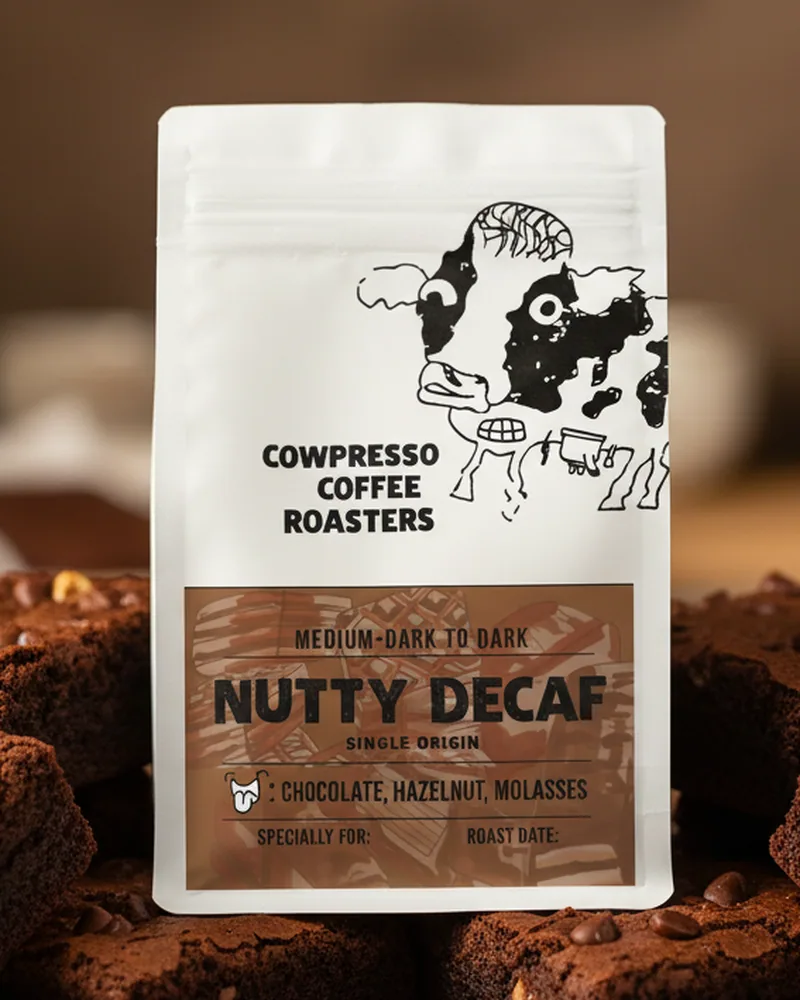
Cowpresso Coffee Roasters
NUTTY DECAF
18,00 SGD
EscuraPorquê: BrasilFrutos secos · ChocolatePreço semelhante