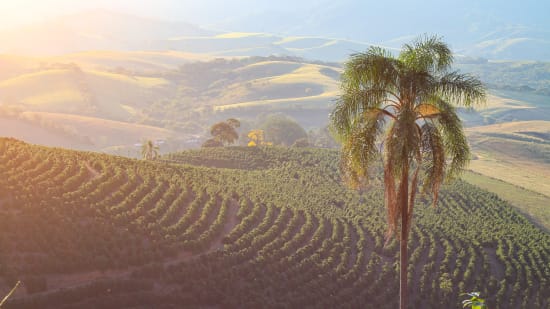
BRAZIL-Natural – Fazenda Sertão – Yellow Bourbon-Carmo de Minas
Carmo de Minas, Minas Gerais, Brasil
- Natural
- Origem única
BRAZIL-Natural – Fazenda Sertão – Yellow Bourbon-Carmo de Minas é um café de Brasil, vendido por Coffee Bouteaque (Estados Unidos). Região: Carmo de Minas, Minas Gerais. Processo: natural. Variedade: Yellow Bourbon. Preço: 19,99 US$.
Ainda sem classificação · Seja o primeiro a avaliá-lo
de19,99 US$
Vai ser levado à loja da torrefação para concluir a compra.
- Torrefação sediada em
- Estados Unidos
- Enviar para
- Portugal · Consulte a loja da torrefação
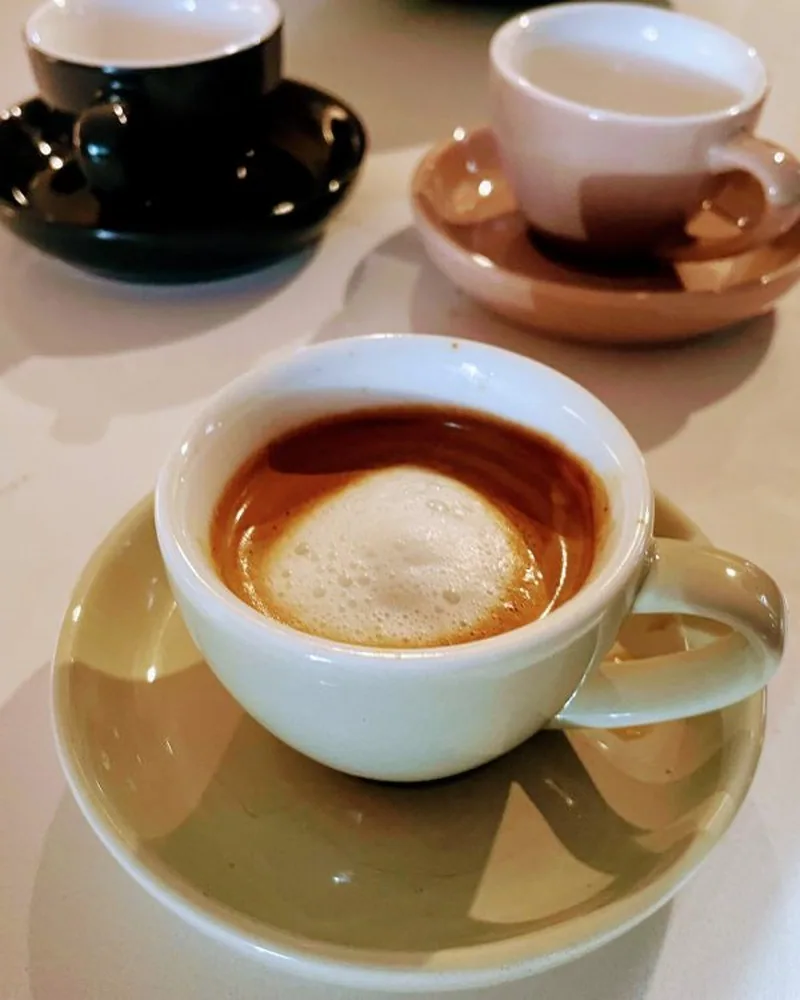
The Cup: Salted peanut with mild fruit flavor, a soft mouthfeel, and mild fruit-like sweetness.
Country: Brazil
Region: Carmo de Minas, Minas Gerais
Farm: Sertao
Variety: Yellow Bourbon
Altitude: 1100-1400 MASL
Processing Method: Natural
Harvest-May-August
Tamanhos e preços
| Moagem | Preço |
|---|---|
| Em grão | 19,99 US$ ↗ |
| Moído para espresso | 19,99 US$ ↗ |
| Moído para filtro | 19,99 US$ ↗ |
| Moído para French press | 19,99 US$ ↗ |
| Moído para ibrik | 19,99 US$ ↗ |
| fine | 19,99 US$ ↗ |
| Perk | 19,99 US$ ↗ |
Descrição
Brazil
It’s hard to imagine the “beginnings” of coffee in Brazil, as the two things have become so synonymous. The first coffee plants were reportedly brought in the relatively early 18th century, spreading from the northern state of Pará in 1727 all the way down to Rio de Janerio within 50 years. In 1820, Brazil was already producing 30 percent of the world’s coffee supply, but by 1920, it accounted for 80 percent of the global total. Since the 19th century, the weather in Brazil has been one of the liveliest topics of discussion among traders and brokers, and a major deciding factor in the global market trends and pricing that affect the coffee-commodity market. Incidents of frost and heavy rains have caused coffee yields to wax and wane over the past few decades, but the country is holding strong as one of the two largest coffee producers annually, along with Colombia. Brazil’s post-harvest processing is also somewhat unique, and has been adopted largely in response to a combination of productivity, climate, and desired profile: Pulped Natural and Natural processing still dominates the industry here. Pulped Natural coffees are depulped and allowed to dry with their mucilage still intact; while Naturals are typically either dried on the trees before harvesting (called Boya) or picked and laid out on patios in order to finish drying before being hulled. Both processes tend to lend the coffees a nutty creaminess that has a more tempered fruit tone than the bright and acidic Washed or even Honey coffees we see elsewhere from Mesoamerica.
Sertao
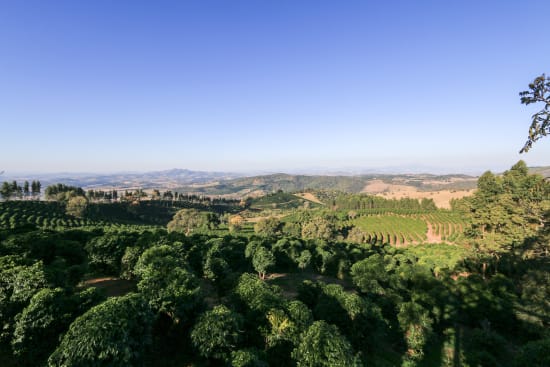
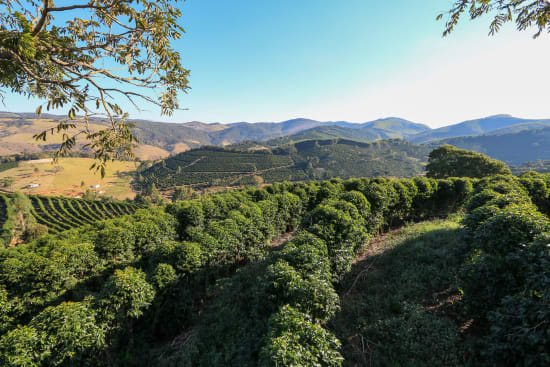
Fazenda Sertão is an 850-hectare farm with 330 hectares planted in coffee trees of several varieties, including Red and Yellow Bourbon, Yellow Catucai, and Yellow Catuai. The farm also grows bananas and corn and is used to raise dairy livestock. This farm has a love story behind it: Among the first generation of coffee growers in this area was Jose Isidro Pereira, a dentist-turned–coffee producer who inherited Fazenda Sertão from his mother when she passed away—an incident that ended his dentistry career but put him on a path to coffee farming. In 1949, Jose Isidro met the “love of his life,” Nazareth, who continues to run the farm her husband left in her care. Nazareth and Jose Isidro’s children—Francisco, Luiz Paulo, Clycia, and Sandra—are also coffee producers, carrying on the family tradition.
Natural
Brazilian Naturals are picked either selectively by hand or strip-picked by hand or mechanically for more commercial quality. They are then typically spread to dry on patios or, in the production of some specialty coffees, dried on raised beds. Drying can take 20–25 days, depending on the weather.
Yellow Bourbon
Naturally occurring Typica mutation; selected from Ethiopian coffee cultivated in Yemen transplanted to Bourbon Island (now Réunion) in 18c
Minas Gerais
Minas Gerais is the largest state for coffee production, accounting for half of the country’s coffee. It contains many subregions with varying elevations and climates, all part of the Brazilian highlands. Brazil’s largest rivers and mountains are in this state, with the southern portion producing the most coffee due to the forested hills and cool weather. Coffee is also produced in the highland savannah in the west, the Mantiqueira Mountains in the south, and the Atlantic forest in the east.
Perguntas sobre BRAZIL-Natural – Fazenda Sertão – Yellow Bourbon-Carmo de Minas
De onde vem BRAZIL-Natural – Fazenda Sertão – Yellow Bourbon-Carmo de Minas?
Vem de Brasil. Região: Carmo de Minas, Minas Gerais. Produtor: Sertao. Altitude: 1100–1400 m. Variedade: Yellow Bourbon.
Como é processado BRAZIL-Natural – Fazenda Sertão – Yellow Bourbon-Carmo de Minas?
Método de processamento: natural.
Quanto custa BRAZIL-Natural – Fazenda Sertão – Yellow Bourbon-Carmo de Minas?
Preço: 19,99 US$. Os preços vêm da loja e podem mudar; a loja tem os preços atuais.
Onde posso comprar BRAZIL-Natural – Fazenda Sertão – Yellow Bourbon-Carmo de Minas?
Na loja online de Coffee Bouteaque: os preços desta página ligam a ela. A Cafendo não vende café.
Avaliações
Ainda sem avaliações.
Se gosta deste café, experimente estes
Escolhidos entre outras torrefações por origem, processo, torra, notas de prova e preço em comum. Os cafés que as mesmas pessoas guardaram ou classificaram bem contam mais.

Oetterli Coffee
HAUS KAFFEE - SITIO VARGEM GRANDE
13,28 US$
ClaraPorquê: BrasilNaturalPreço semelhante
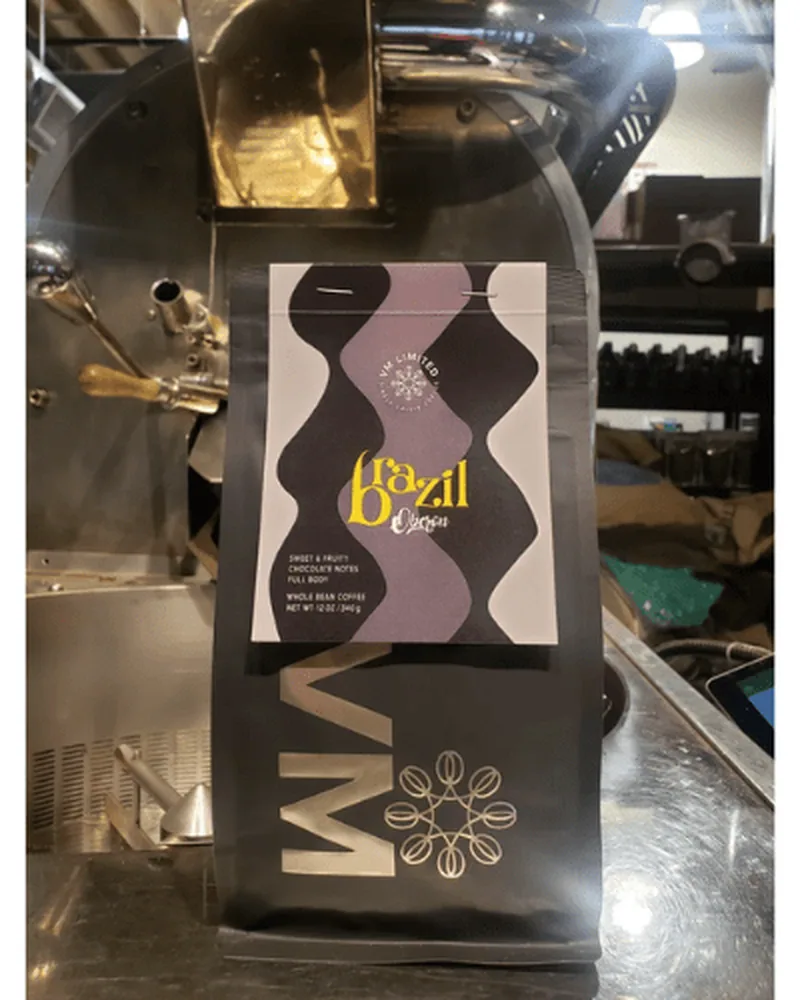
Villa Myriam
Brazil Oberon
16,22 US$
MédiaPorquê: BrasilNaturalPreço semelhante
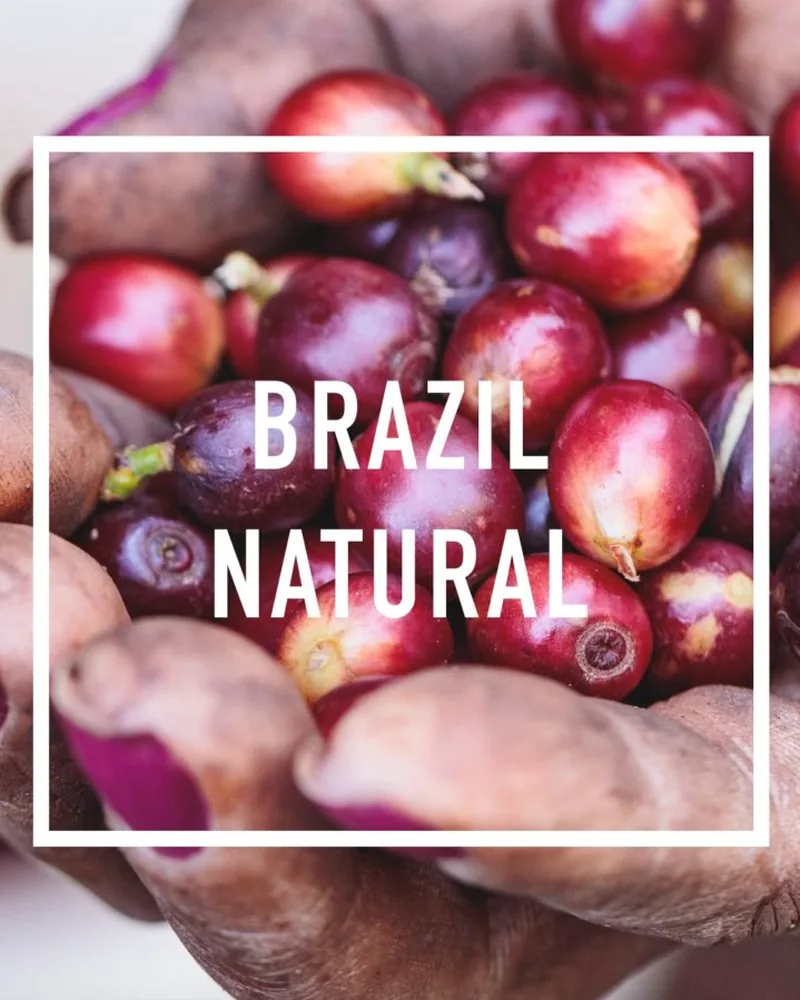
Daybreak Coffee Roasters
Brazil Natural
23,00 US$
Porquê: BrasilNaturalPreço semelhante
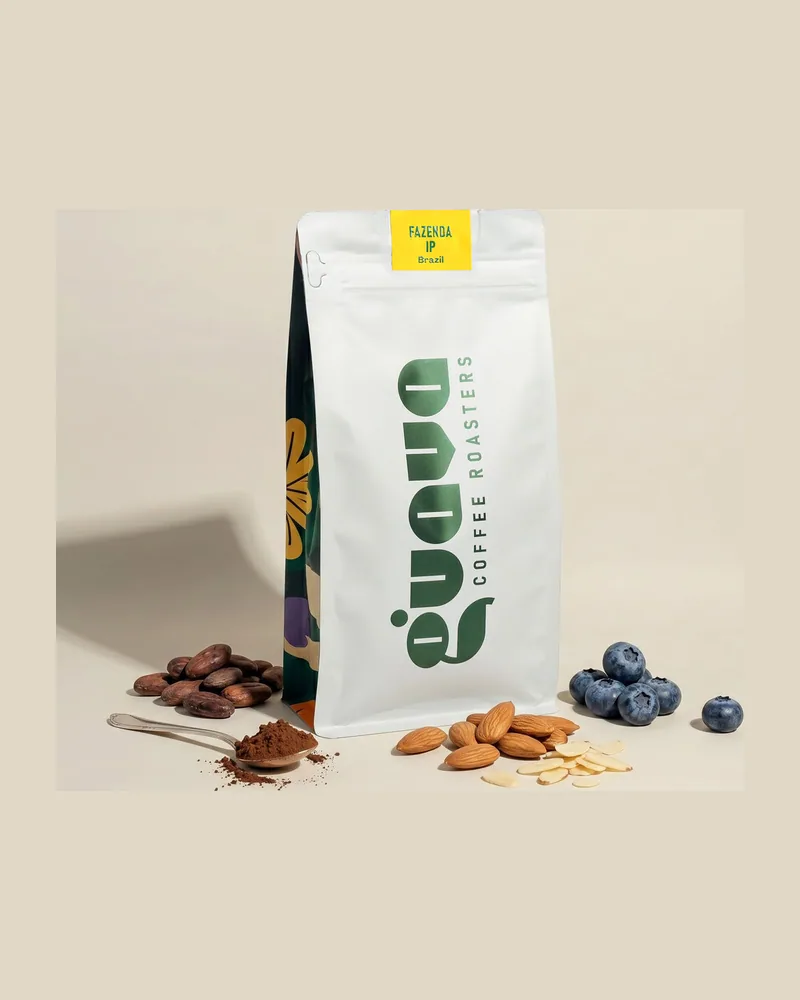
Guava Coffee Roasters
Brazil - Fazenda IP
55,00 RON
Porquê: BrasilNaturalPreço semelhante
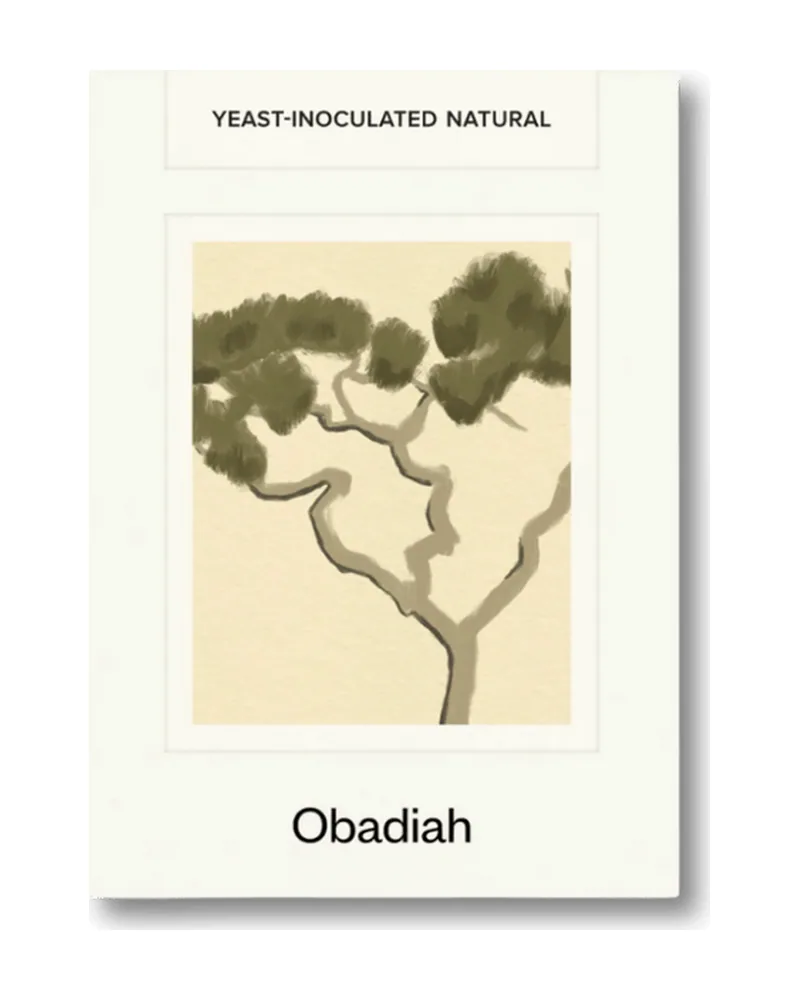
The Right Roast
Nossa Senhora de Fatima (Distinction Release)
19,00 £
Porquê: BrasilNaturalPreço semelhante
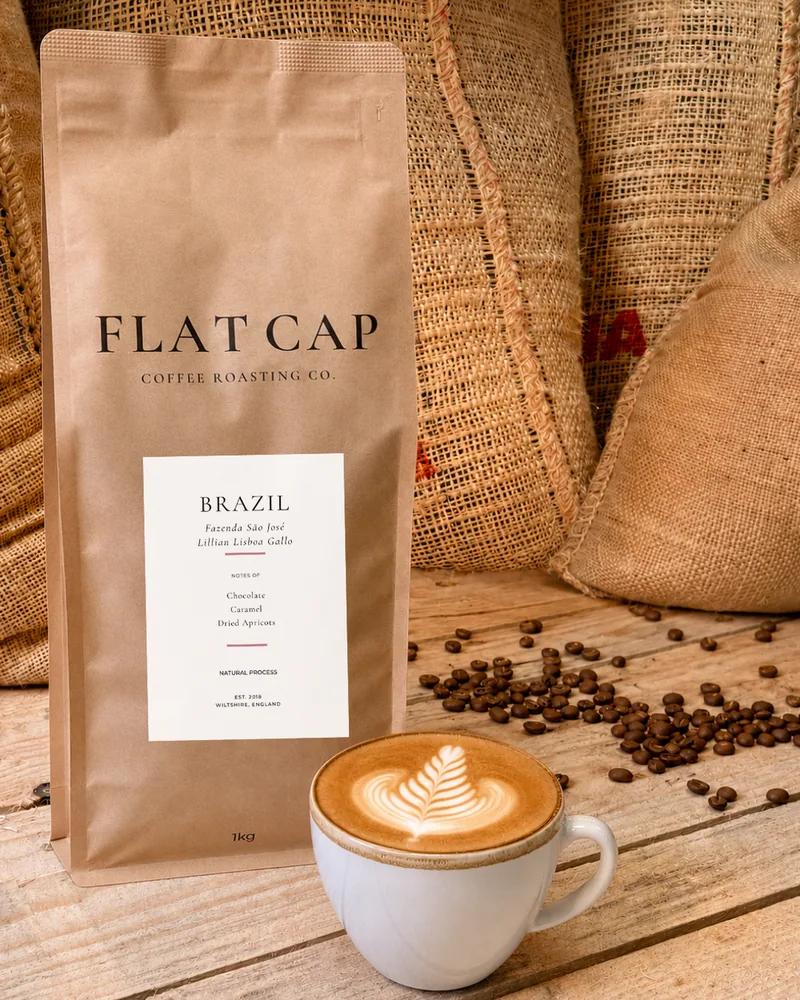
The Flat Cap Coffee Roasting Company
Brazil - Fazenda São José
10,45 £
EscuraPorquê: BrasilNaturalPreço semelhante
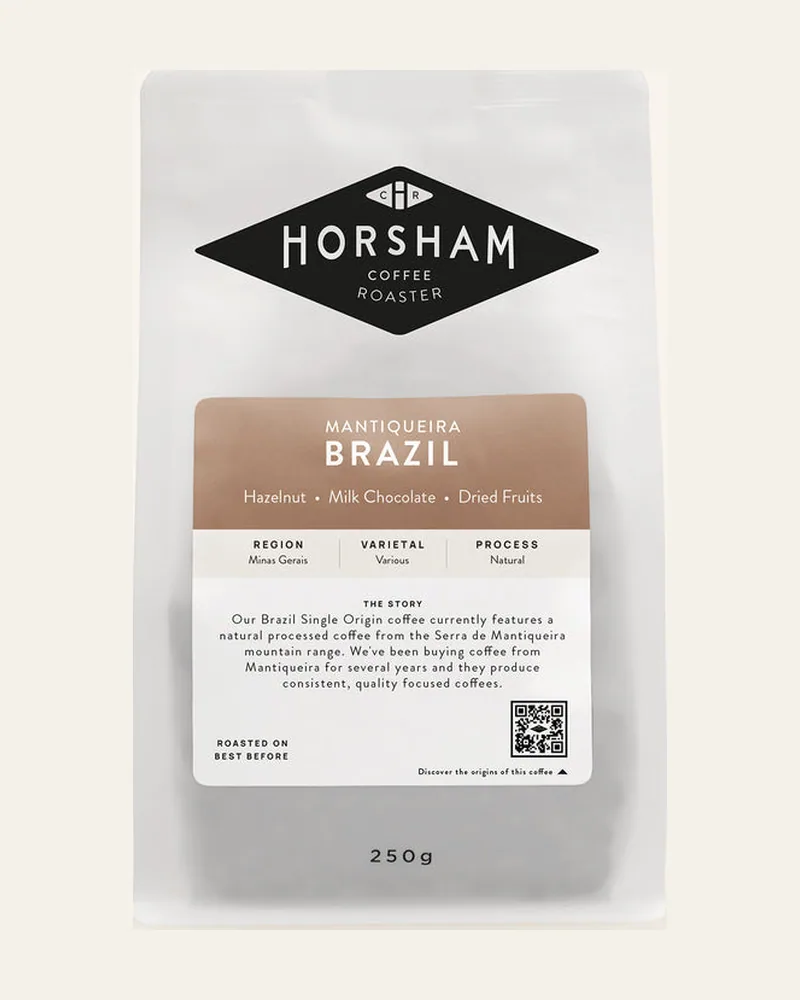
Horsham Coffee Roaster
Brazil Single Origin
9,75 £
Porquê: BrasilNaturalPreço semelhante
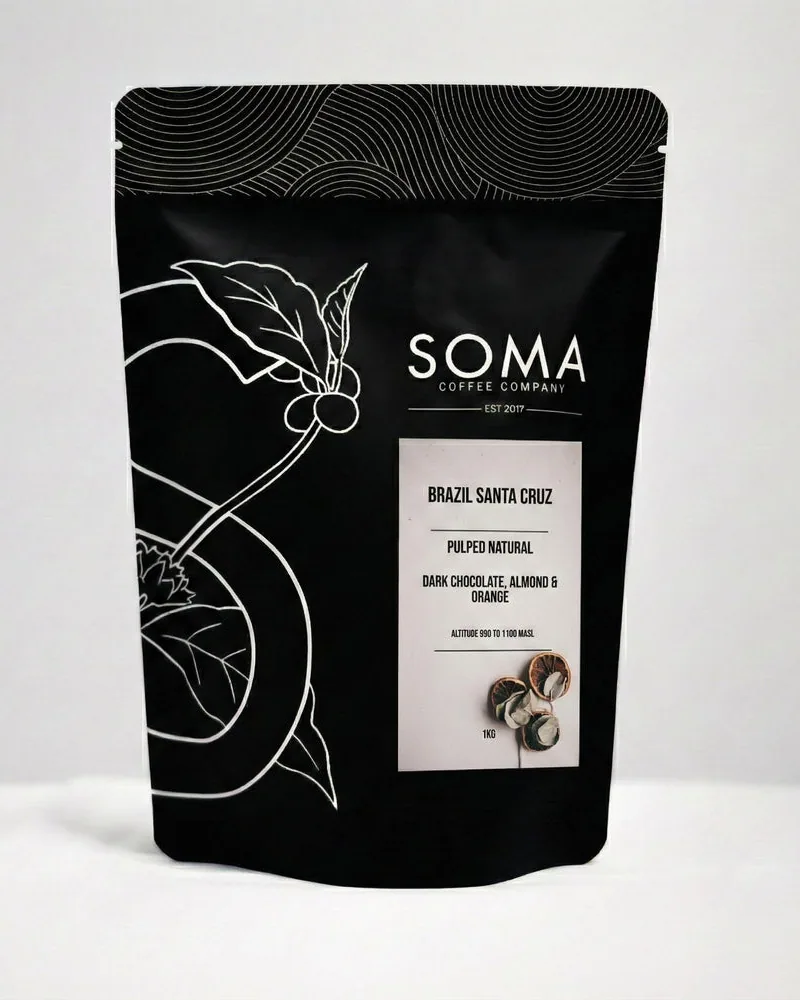
Soma Coffee Company
BRAZIL - SANTA CRUZ | PULPED NATURAL
13,50 €
Porquê: BrasilNaturalPreço semelhante