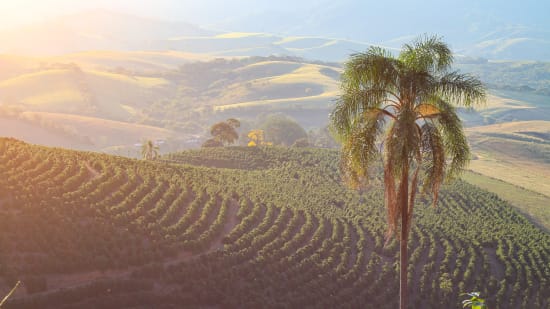
BRAZIL-Natural – Fazenda Sertão – Yellow Bourbon-Carmo de Minas
Carmo de Minas, Minas Gerais, Brasil
- Naturell
- Single origin
BRAZIL-Natural – Fazenda Sertão – Yellow Bourbon-Carmo de Minas er en kaffe fra Brasil, solgt av Coffee Bouteaque (USA). Region: Carmo de Minas, Minas Gerais. Foredling: naturell. Variant: Yellow Bourbon. Pris: 19,99 USD.
Ikke vurdert ennå · Bli den første til å vurdere den
fra19,99 USD
Du blir sendt til brenneriets butikk for å fullføre kjøpet.
- Brenneriet holder til i
- USA
- Send til
- Norge · Sjekk i brenneriets nettbutikk
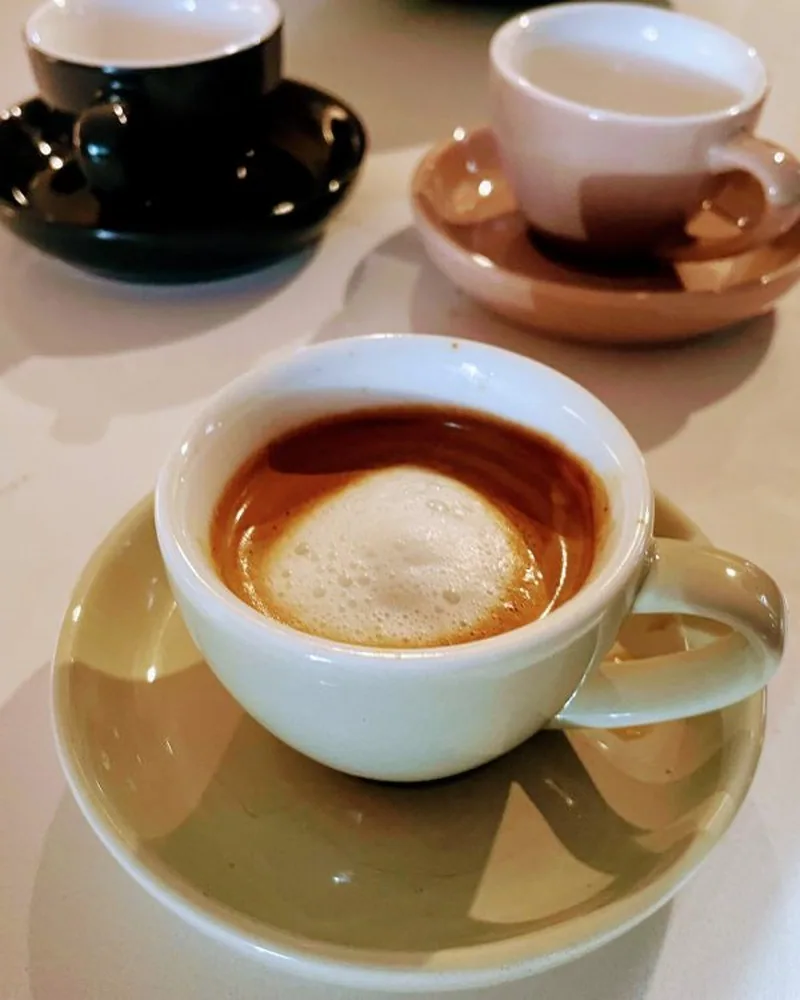
The Cup: Salted peanut with mild fruit flavor, a soft mouthfeel, and mild fruit-like sweetness.
Country: Brazil
Region: Carmo de Minas, Minas Gerais
Farm: Sertao
Variety: Yellow Bourbon
Altitude: 1100-1400 MASL
Processing Method: Natural
Harvest-May-August
Størrelser og priser
| Malegrad | Pris |
|---|---|
| Hele bønner | 19,99 USD ↗ |
| Malt til espresso | 19,99 USD ↗ |
| Malt til filter | 19,99 USD ↗ |
| Malt til French press | 19,99 USD ↗ |
| Malt til ibrik | 19,99 USD ↗ |
| fine | 19,99 USD ↗ |
| Perk | 19,99 USD ↗ |
Beskrivelse
Brazil
It’s hard to imagine the “beginnings” of coffee in Brazil, as the two things have become so synonymous. The first coffee plants were reportedly brought in the relatively early 18th century, spreading from the northern state of Pará in 1727 all the way down to Rio de Janerio within 50 years. In 1820, Brazil was already producing 30 percent of the world’s coffee supply, but by 1920, it accounted for 80 percent of the global total. Since the 19th century, the weather in Brazil has been one of the liveliest topics of discussion among traders and brokers, and a major deciding factor in the global market trends and pricing that affect the coffee-commodity market. Incidents of frost and heavy rains have caused coffee yields to wax and wane over the past few decades, but the country is holding strong as one of the two largest coffee producers annually, along with Colombia. Brazil’s post-harvest processing is also somewhat unique, and has been adopted largely in response to a combination of productivity, climate, and desired profile: Pulped Natural and Natural processing still dominates the industry here. Pulped Natural coffees are depulped and allowed to dry with their mucilage still intact; while Naturals are typically either dried on the trees before harvesting (called Boya) or picked and laid out on patios in order to finish drying before being hulled. Both processes tend to lend the coffees a nutty creaminess that has a more tempered fruit tone than the bright and acidic Washed or even Honey coffees we see elsewhere from Mesoamerica.
Sertao
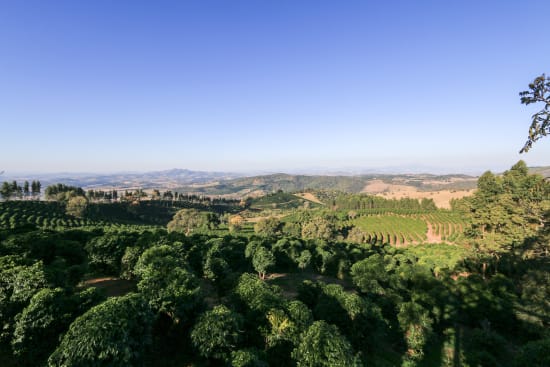
Fazenda Sertão is an 850-hectare farm with 330 hectares planted in coffee trees of several varieties, including Red and Yellow Bourbon, Yellow Catucai, and Yellow Catuai. The farm also grows bananas and corn and is used to raise dairy livestock. This farm has a love story behind it: Among the first generation of coffee growers in this area was Jose Isidro Pereira, a dentist-turned–coffee producer who inherited Fazenda Sertão from his mother when she passed away—an incident that ended his dentistry career but put him on a path to coffee farming. In 1949, Jose Isidro met the “love of his life,” Nazareth, who continues to run the farm her husband left in her care. Nazareth and Jose Isidro’s children—Francisco, Luiz Paulo, Clycia, and Sandra—are also coffee producers, carrying on the family tradition.
Natural
Brazilian Naturals are picked either selectively by hand or strip-picked by hand or mechanically for more commercial quality. They are then typically spread to dry on patios or, in the production of some specialty coffees, dried on raised beds. Drying can take 20–25 days, depending on the weather.
Yellow Bourbon
Naturally occurring Typica mutation; selected from Ethiopian coffee cultivated in Yemen transplanted to Bourbon Island (now Réunion) in 18c
Minas Gerais
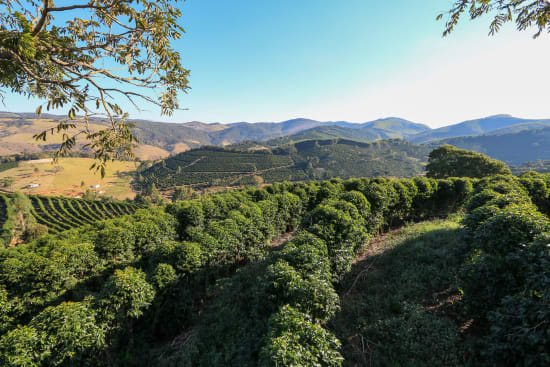
Minas Gerais is the largest state for coffee production, accounting for half of the country’s coffee. It contains many subregions with varying elevations and climates, all part of the Brazilian highlands. Brazil’s largest rivers and mountains are in this state, with the southern portion producing the most coffee due to the forested hills and cool weather. Coffee is also produced in the highland savannah in the west, the Mantiqueira Mountains in the south, and the Atlantic forest in the east.
Spørsmål om BRAZIL-Natural – Fazenda Sertão – Yellow Bourbon-Carmo de Minas
Hvor kommer BRAZIL-Natural – Fazenda Sertão – Yellow Bourbon-Carmo de Minas fra?
Den kommer fra Brasil. Region: Carmo de Minas, Minas Gerais. Produsent: Sertao. Høyde over havet: 1 100–1 400 m. Variant: Yellow Bourbon.
Hvordan er BRAZIL-Natural – Fazenda Sertão – Yellow Bourbon-Carmo de Minas foredlet?
Foredlingsmetode: naturell.
Hva koster BRAZIL-Natural – Fazenda Sertão – Yellow Bourbon-Carmo de Minas?
Pris: 19,99 USD. Prisene kommer fra butikken og kan endre seg. Butikken har gjeldende priser.
Hvor kan jeg kjøpe BRAZIL-Natural – Fazenda Sertão – Yellow Bourbon-Carmo de Minas?
I nettbutikken til Coffee Bouteaque: prisene på denne siden lenker dit. Cafendo selger ikke kaffe selv.
Vurderinger
Ingen vurderinger ennå.
Liker du denne kaffen, prøv disse
Plukket ut fra andre brennerier etter felles opprinnelse, foredling, brenning, smaksnotater og pris. Kaffer som de samme menneskene har lagret eller vurdert høyt, teller mest.

Oetterli Coffee
HAUS KAFFEE - SITIO VARGEM GRANDE
13,28 USD
LysHvorfor: BrasilNaturellLignende pris
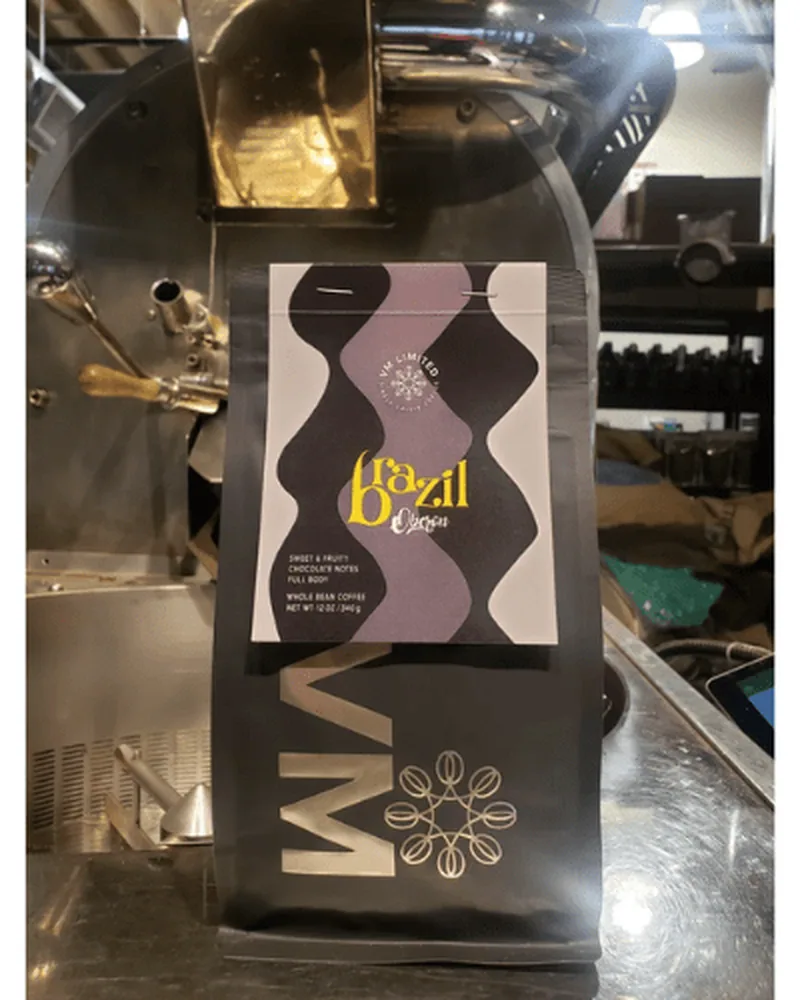
Villa Myriam
Brazil Oberon
16,22 USD
MiddelsHvorfor: BrasilNaturellLignende pris
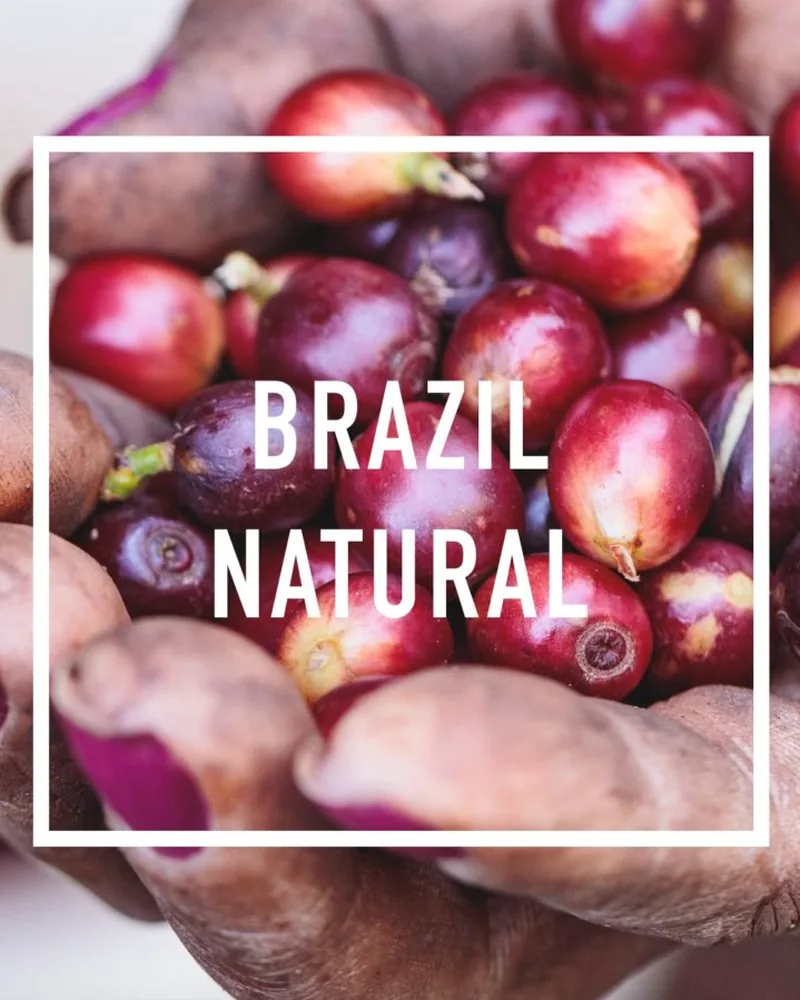
Daybreak Coffee Roasters
Brazil Natural
23,00 USD
Hvorfor: BrasilNaturellLignende pris
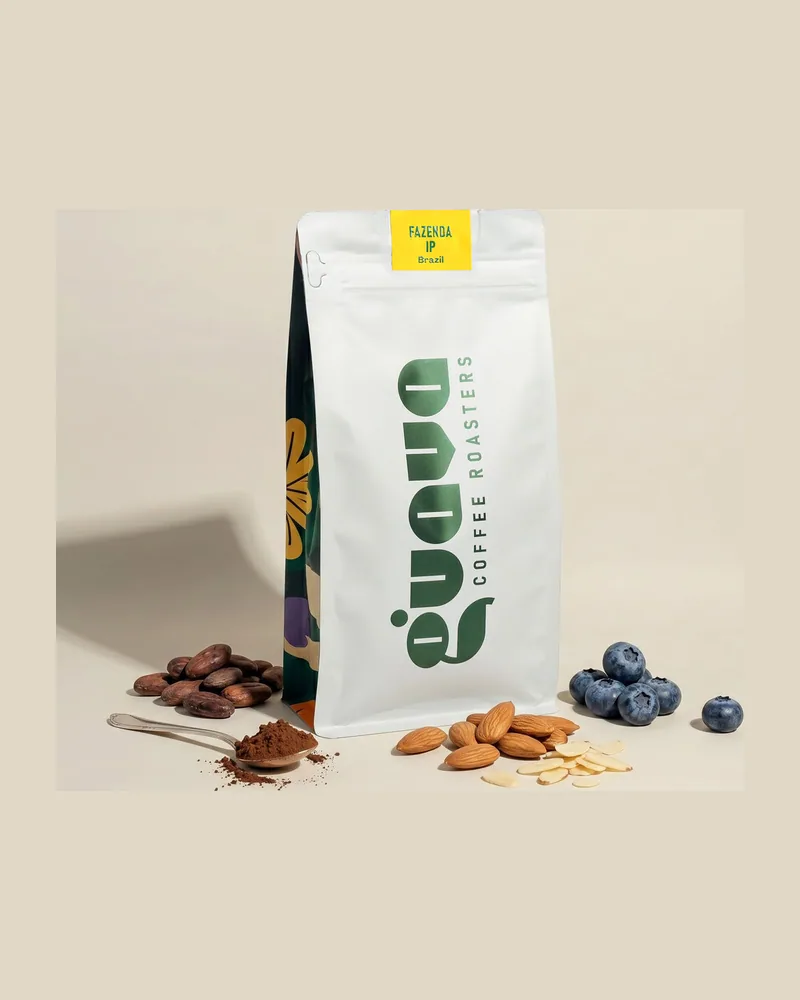
Guava Coffee Roasters
Brazil - Fazenda IP
55,00 RON
Hvorfor: BrasilNaturellLignende pris
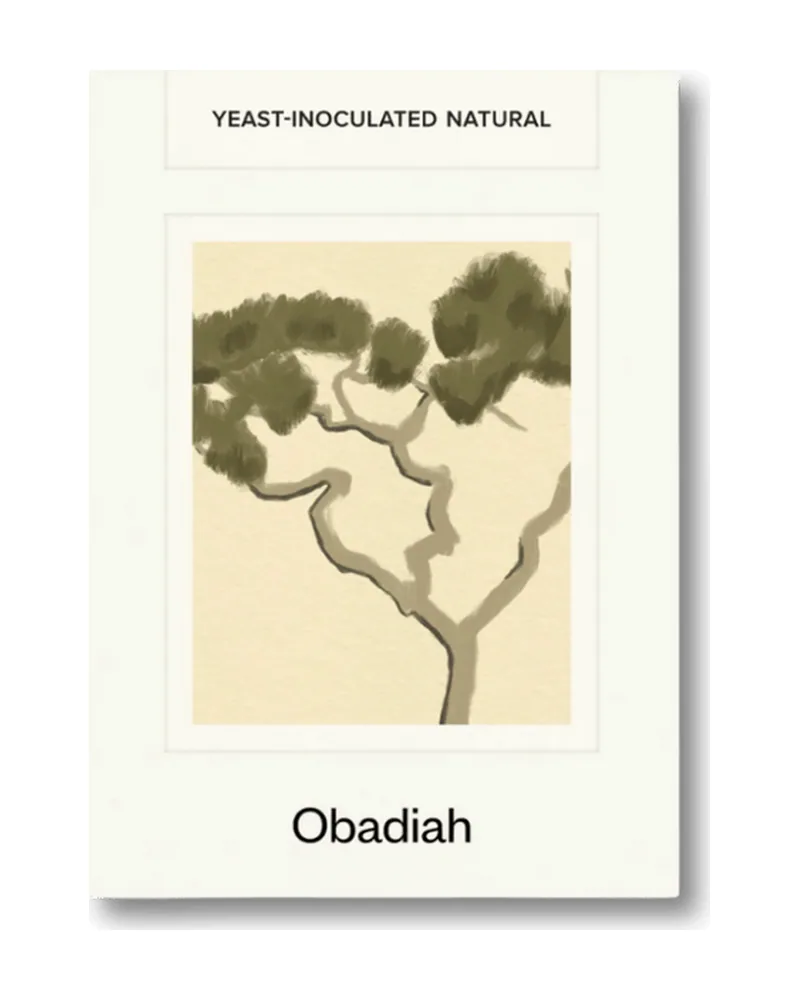
The Right Roast
Nossa Senhora de Fatima (Distinction Release)
19,00 £
Hvorfor: BrasilNaturellLignende pris
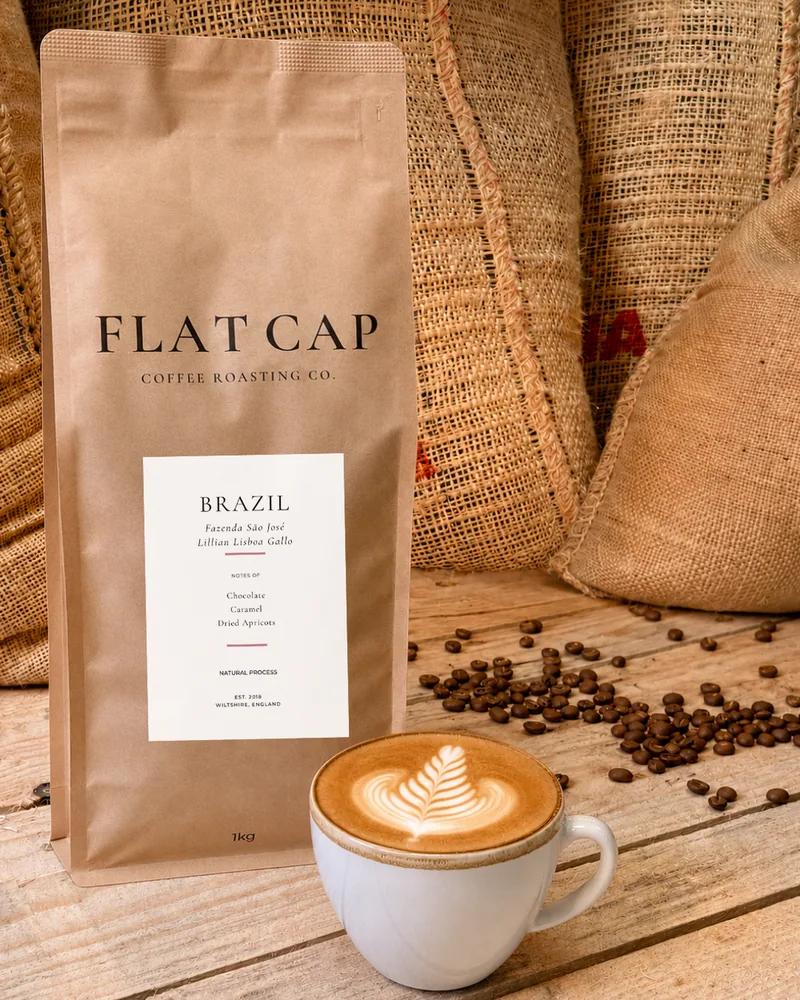
The Flat Cap Coffee Roasting Company
Brazil - Fazenda São José
10,45 £
MørkHvorfor: BrasilNaturellLignende pris
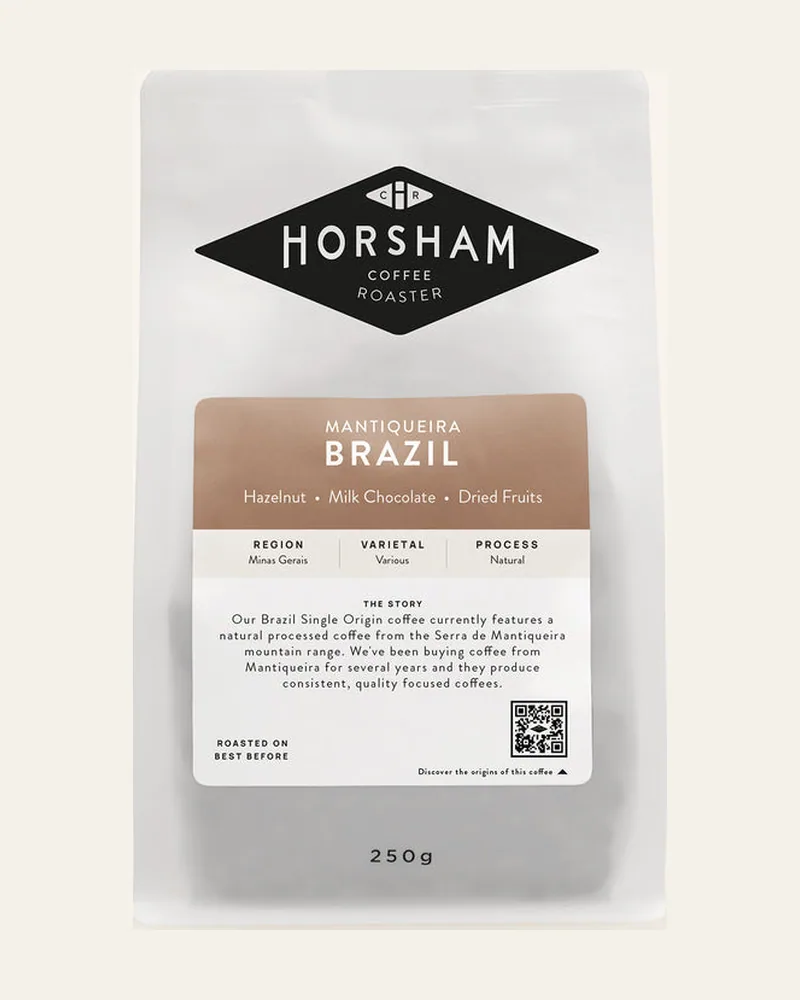
Horsham Coffee Roaster
Brazil Single Origin
9,75 £
Hvorfor: BrasilNaturellLignende pris
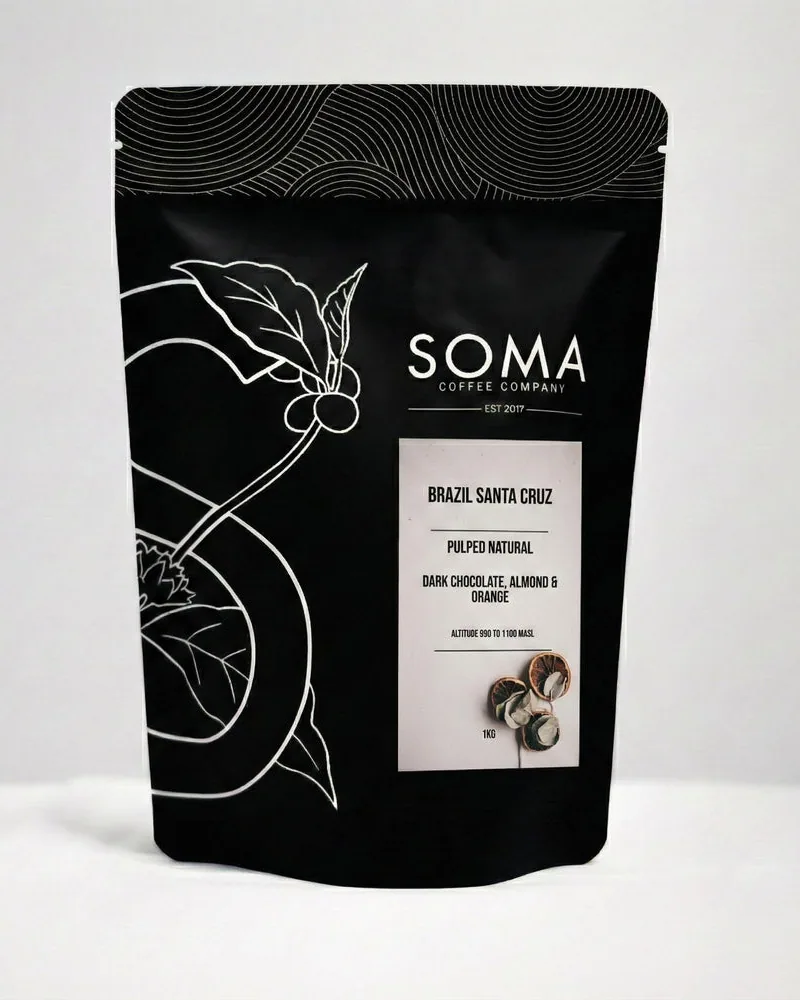
Soma Coffee Company
BRAZIL - SANTA CRUZ | PULPED NATURAL
13,50 €
Hvorfor: BrasilNaturellLignende pris