
Coffee Cups
All of us have our favourite coffee cup or coffee mug. However, each coffee brew has its cup. Single espresso coffee has the size of 29 ml to 37 ml. An espresso is a short coffee, longer than a ristretto. So if your fav…
229 Produkte
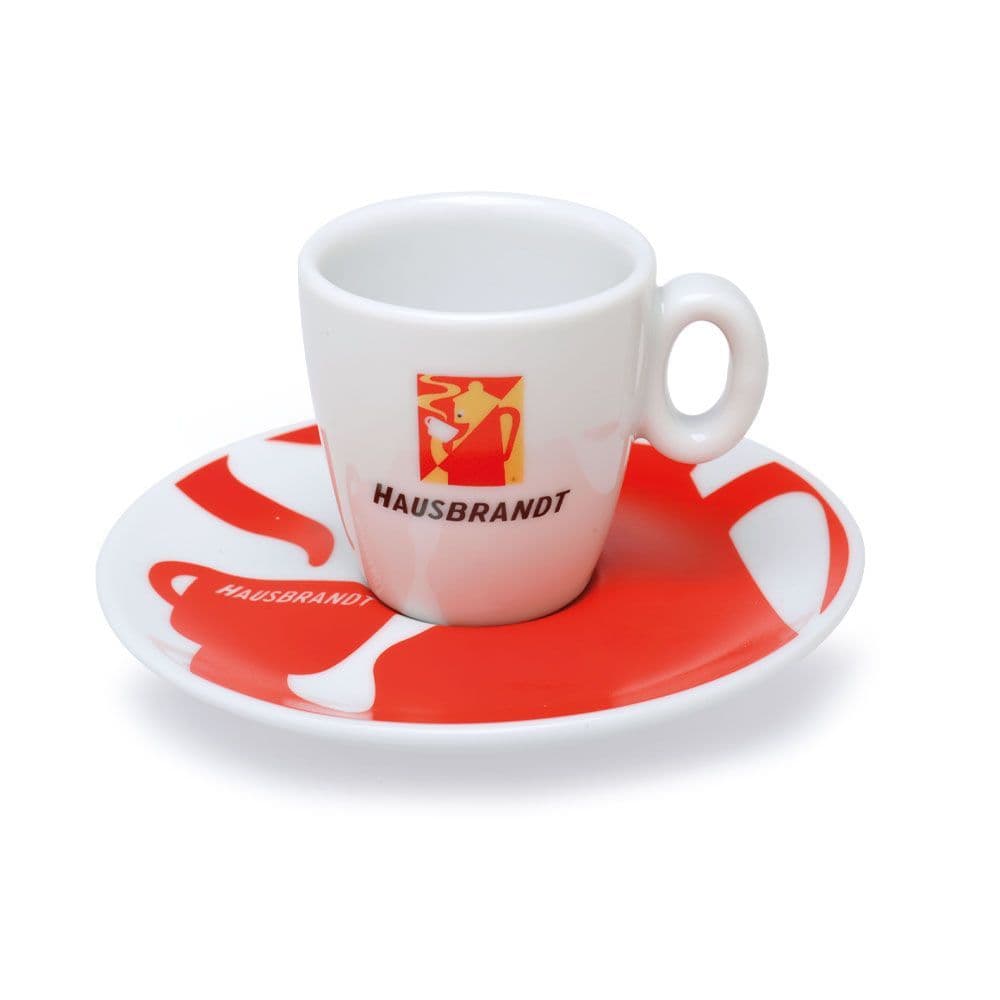
Hausbrandt Kaffee
RED CLASSIC LINE CUPS
11,00 $
Hagen Kaffee
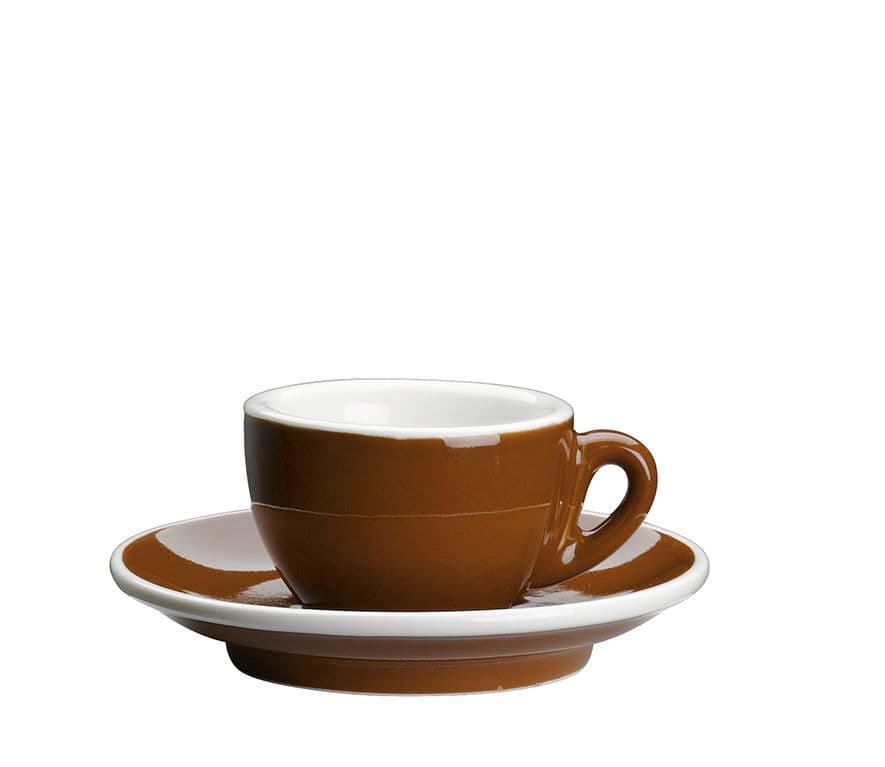
Cilio espresso cup "Roma" chestnut
10,95 $
Hagen Kaffee
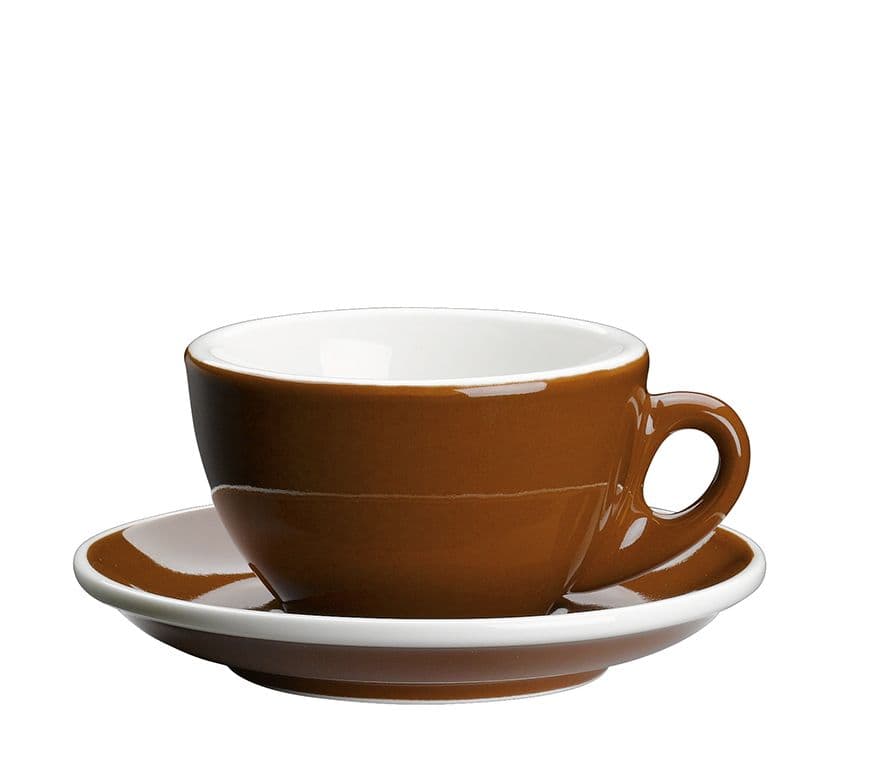
Cilio cappuccino cup "Roma" chestnut
14,95 $
Berliner Kaffeerösterei
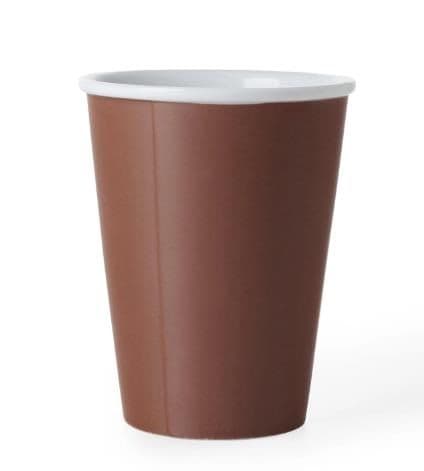
VIVA - Anytime™ Andy cup - Brown
9,15 $
Berliner Kaffeerösterei
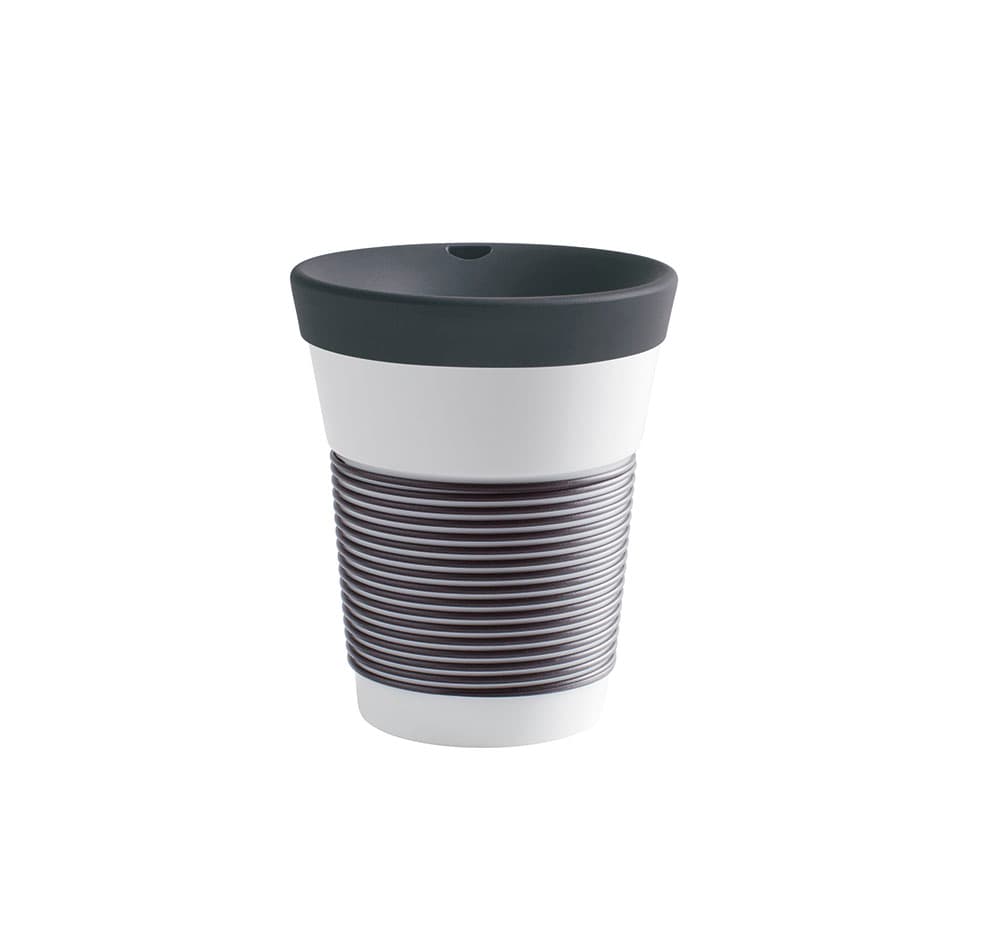
Kahla - Cupit mug 0.35 l anthracite
16,95 $
Berliner Kaffeerösterei
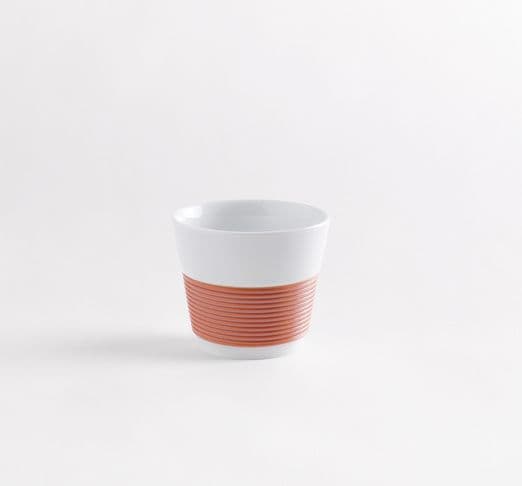
Kahla - Cupit mug 0.23 l coral sunset
14,95 $
Berliner Kaffeerösterei
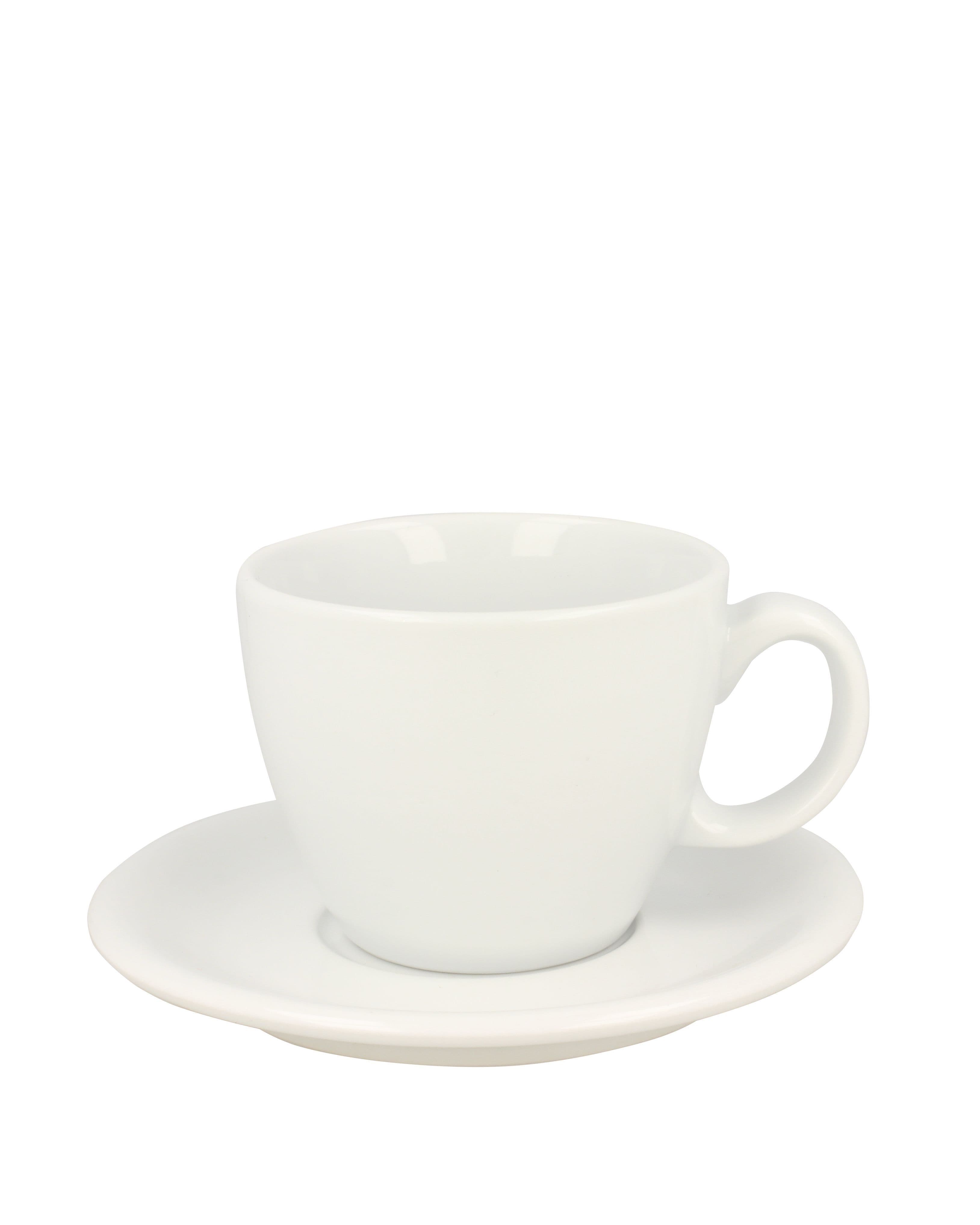
Capital pot - latte macchiato set white (6 pieces)
49,95 $
Berliner Kaffeerösterei
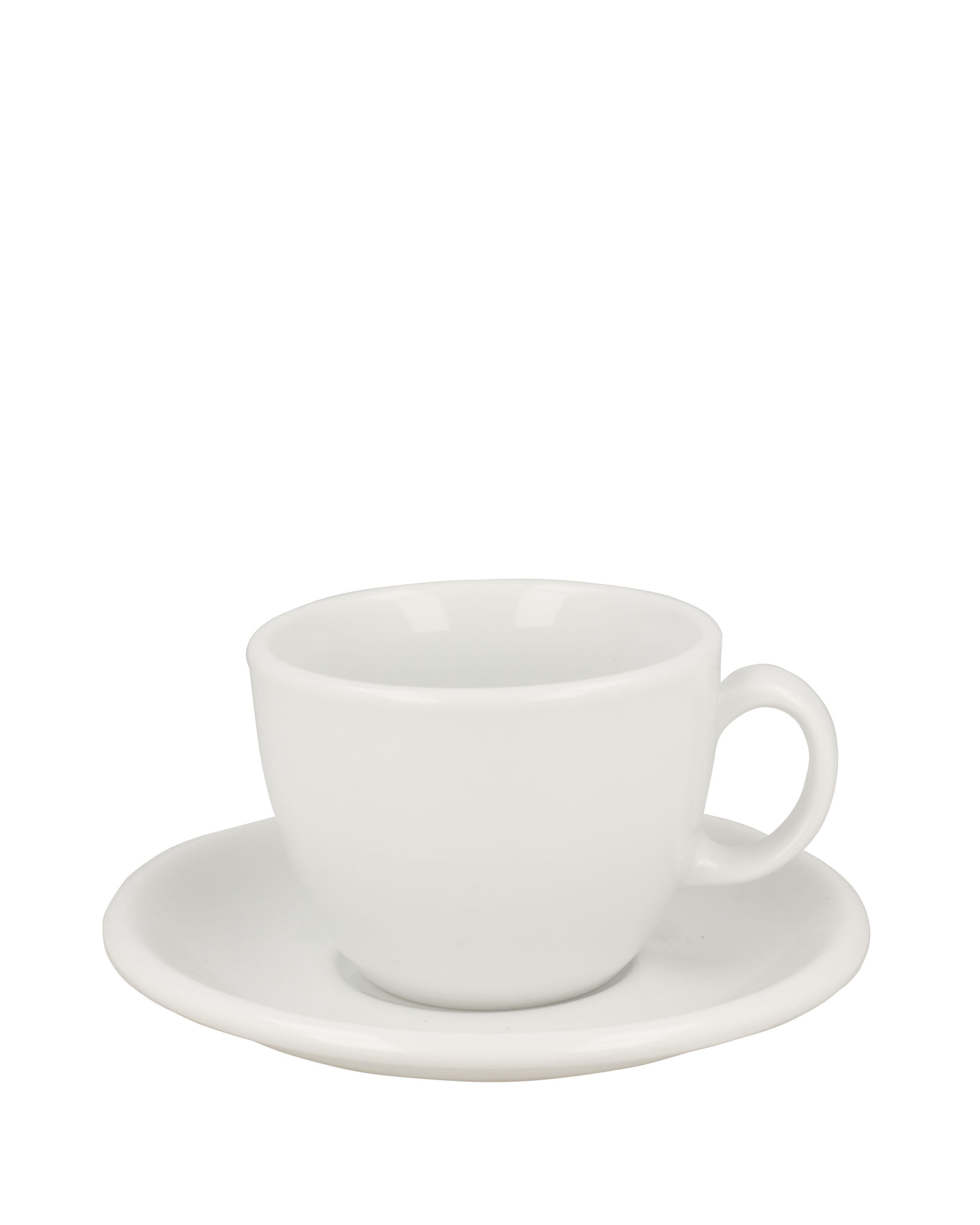
Capital pot - cappucino set white (6 pieces)
44,95 $
Berliner Kaffeerösterei
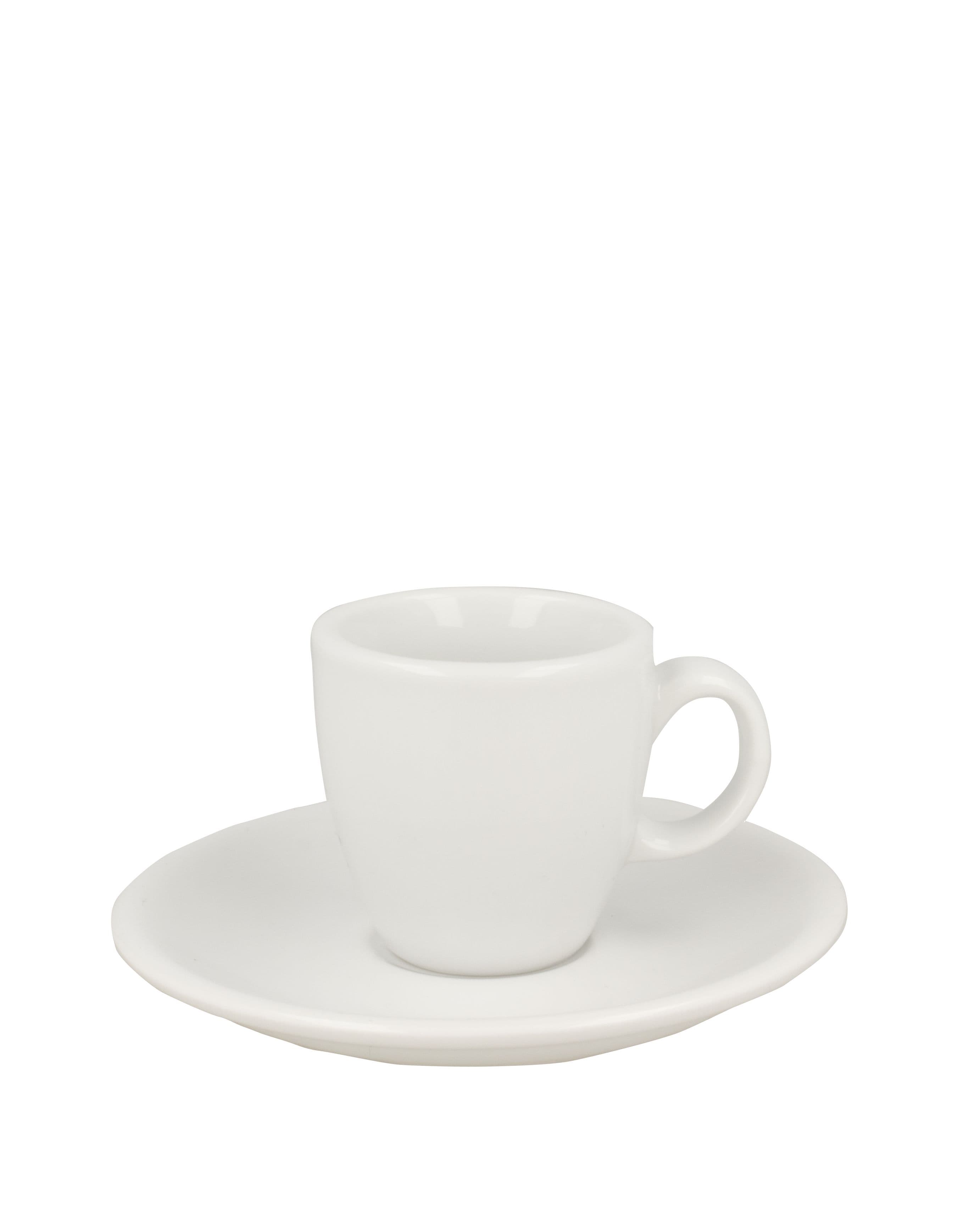
Capital pot - espresso set white (6 pieces)
27,90 $
Berliner Kaffeerösterei
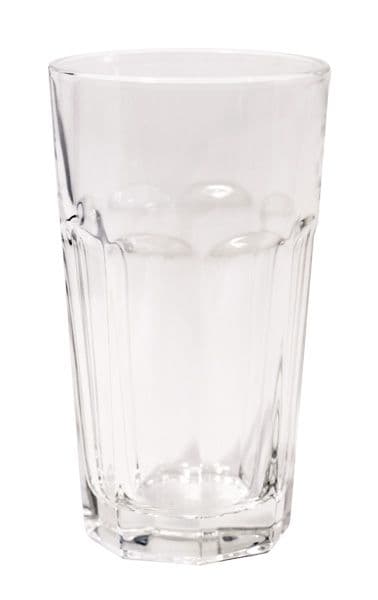
Latte macchiato glass - 340ml - 6 pieces
10,90 $
Berliner Kaffeerösterei
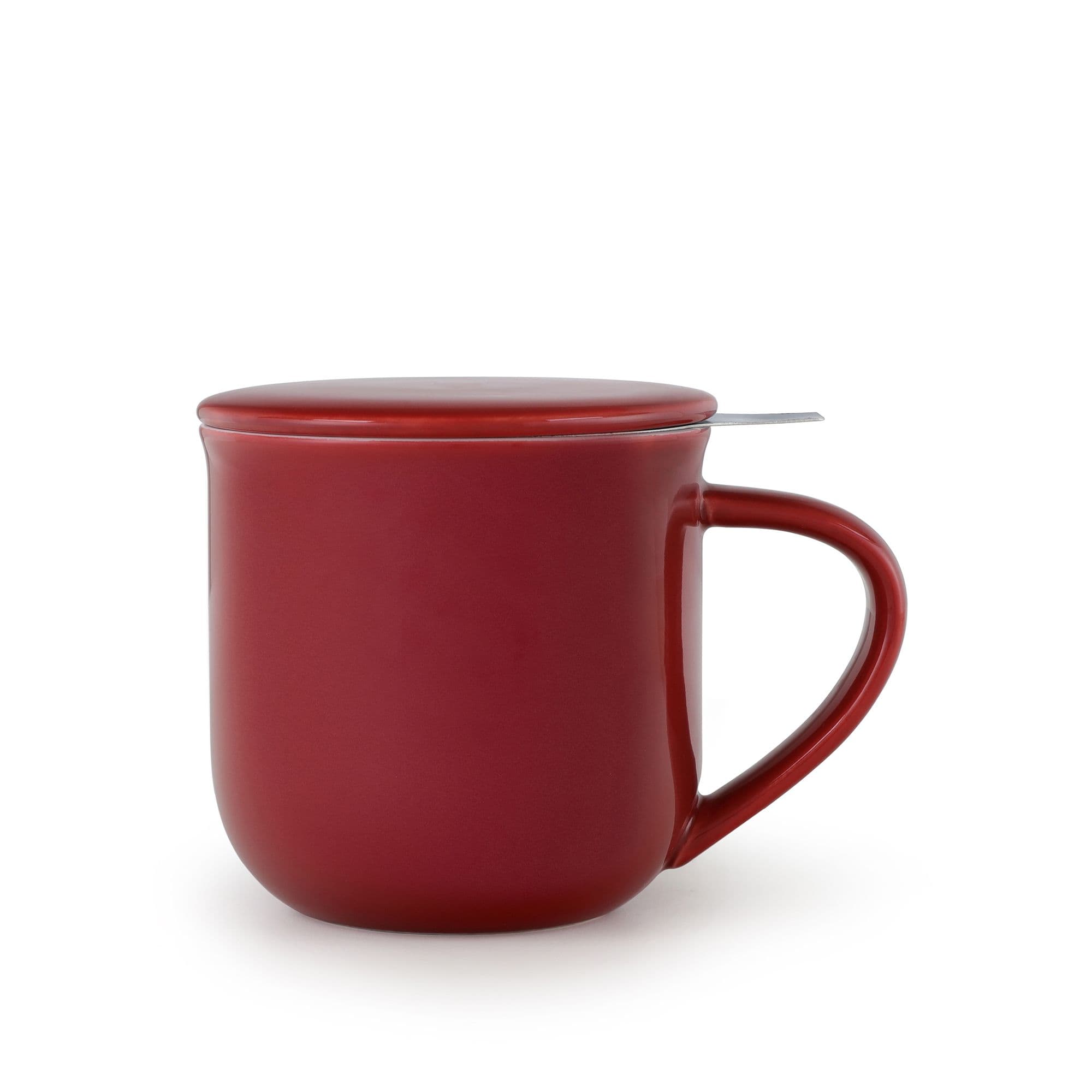
VIVA - Minima™ Eva Infuser Mug - Cranberry
18,95 $
Berliner Kaffeerösterei
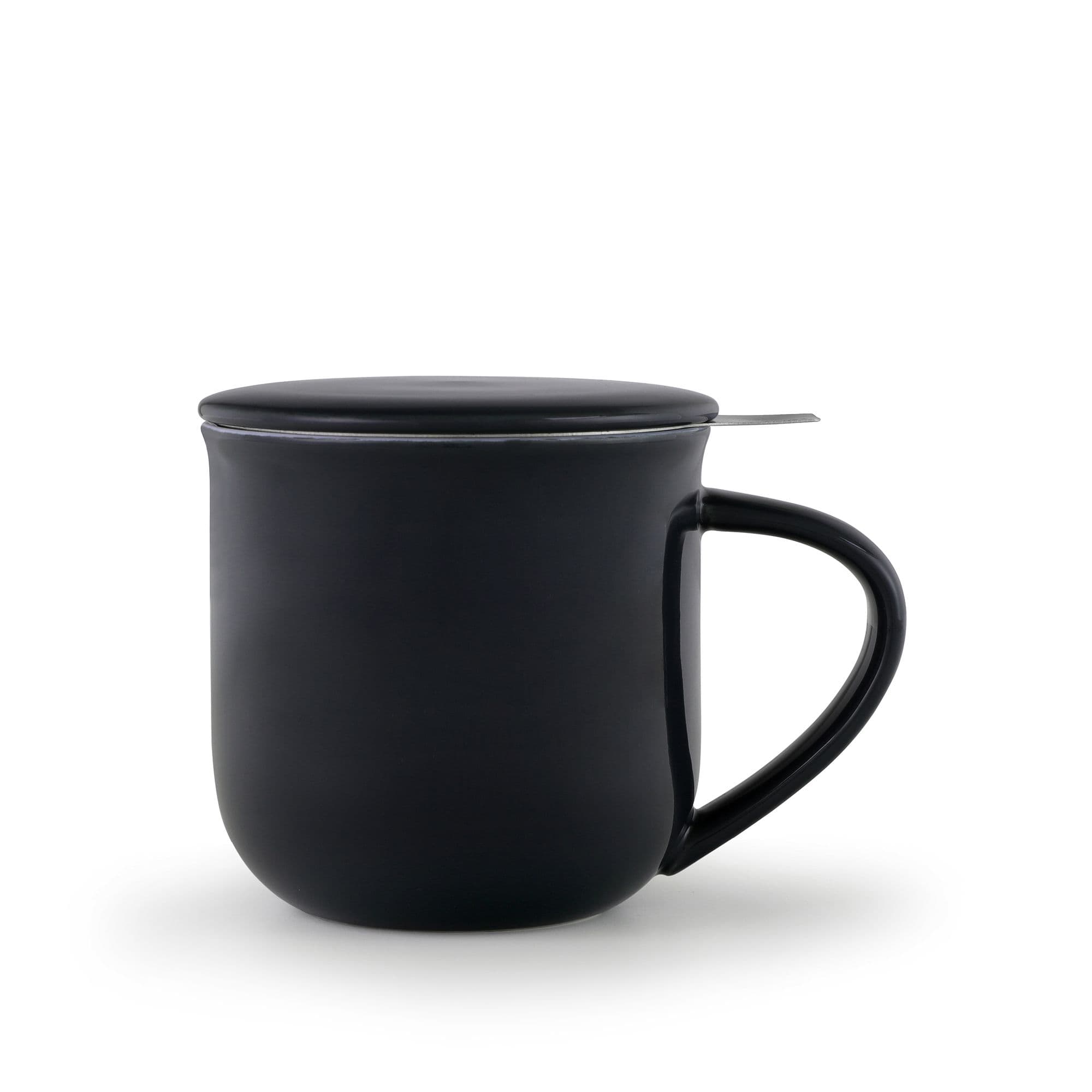
VIVA - Minima™ Eva Infuser Mug
18,95 $
Berliner Kaffeerösterei
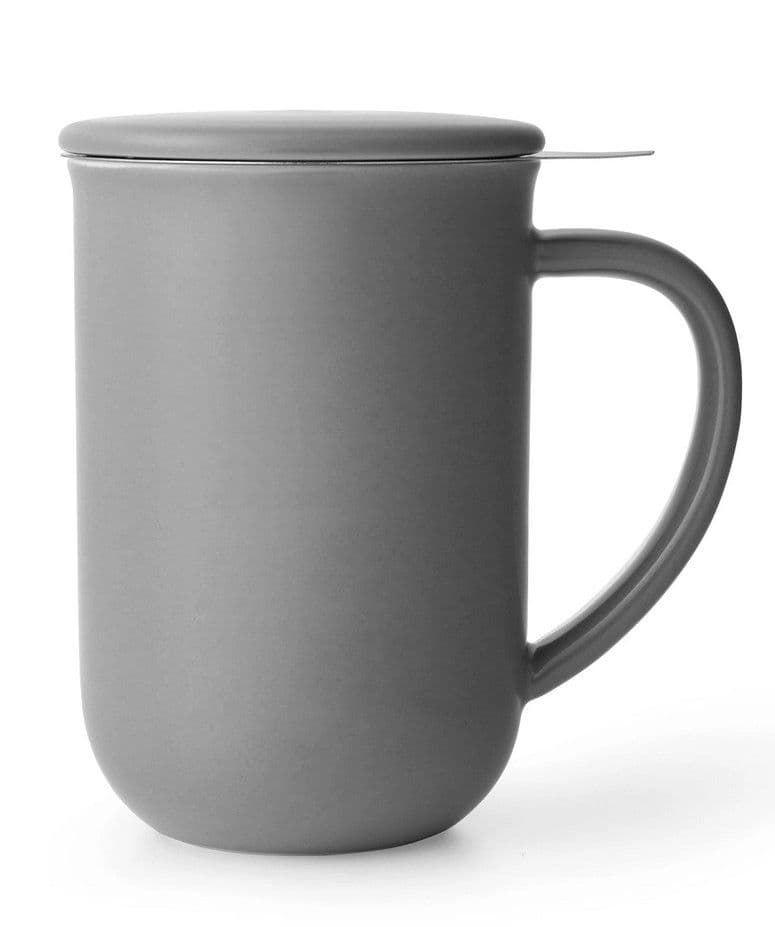
VIVA - Minima™ Balance tea cup - Wool Grey
22,95 $
Berliner Kaffeerösterei
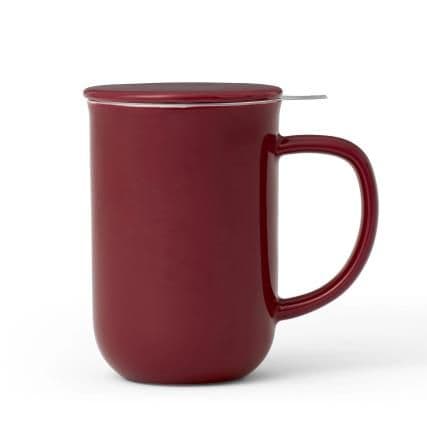
VIVA - Minima™ Balance tea cup - cranberry
22,95 $
Berliner Kaffeerösterei
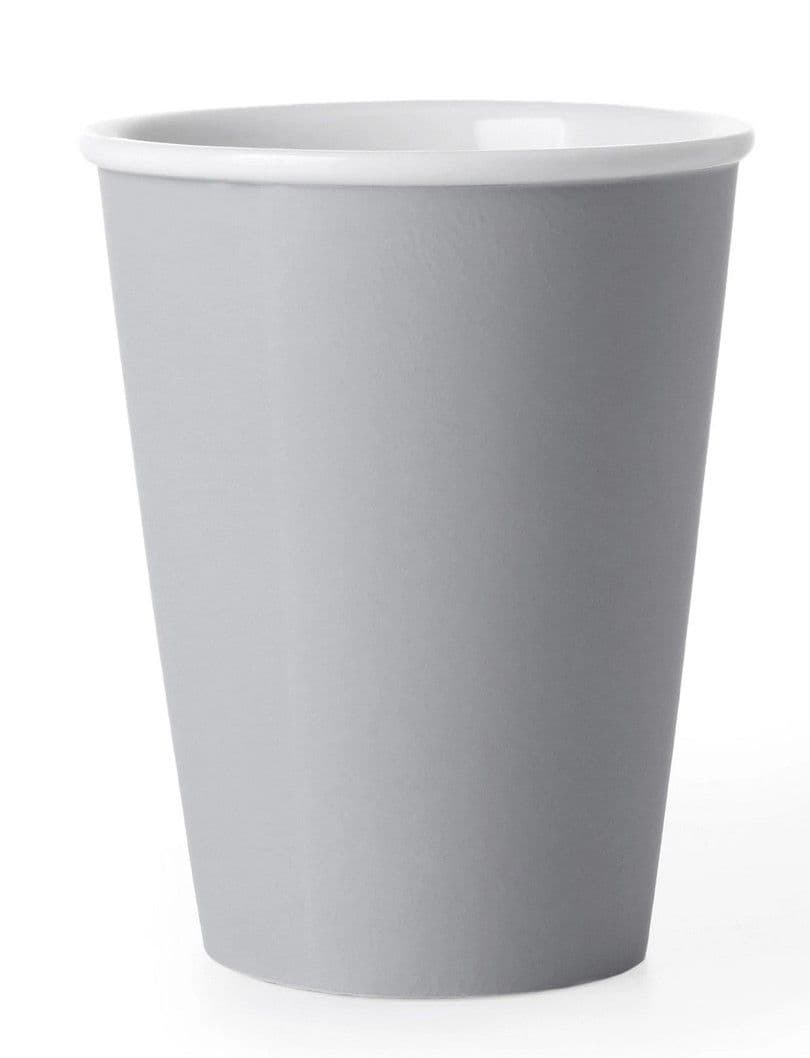
VIVA - Anytime™ Andy cup - Wool Gray
9,15 $
Berliner Kaffeerösterei
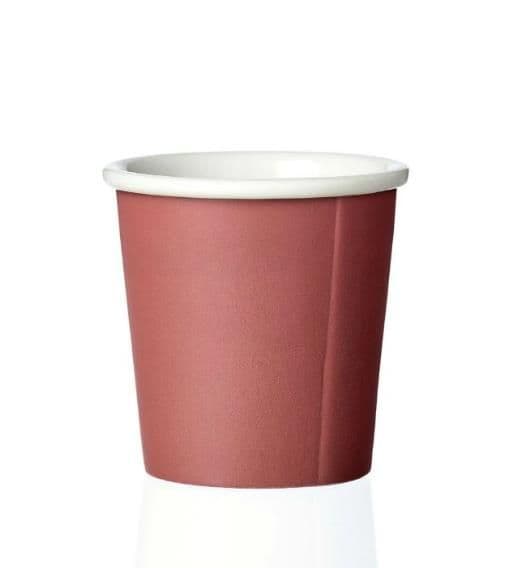
VIVA - Anytime™ Anna cup - Porcelain in Bordeaux
6,95 $
Berliner Kaffeerösterei
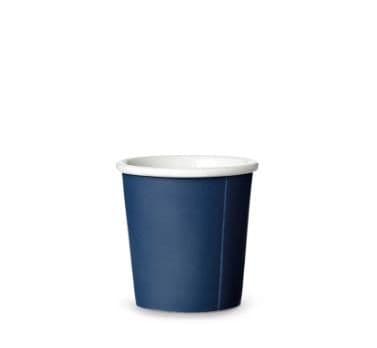
VIVA - Anytime™ Anna cup
6,95 $
Berliner Kaffeerösterei
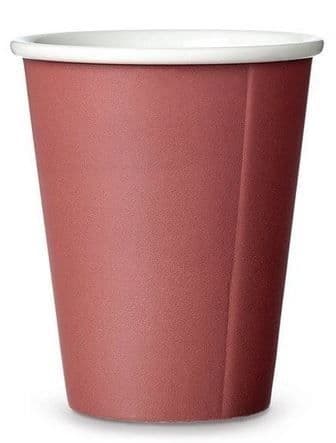
VIVA - Anytime™ Laura cup
7,95 $
Berliner Kaffeerösterei
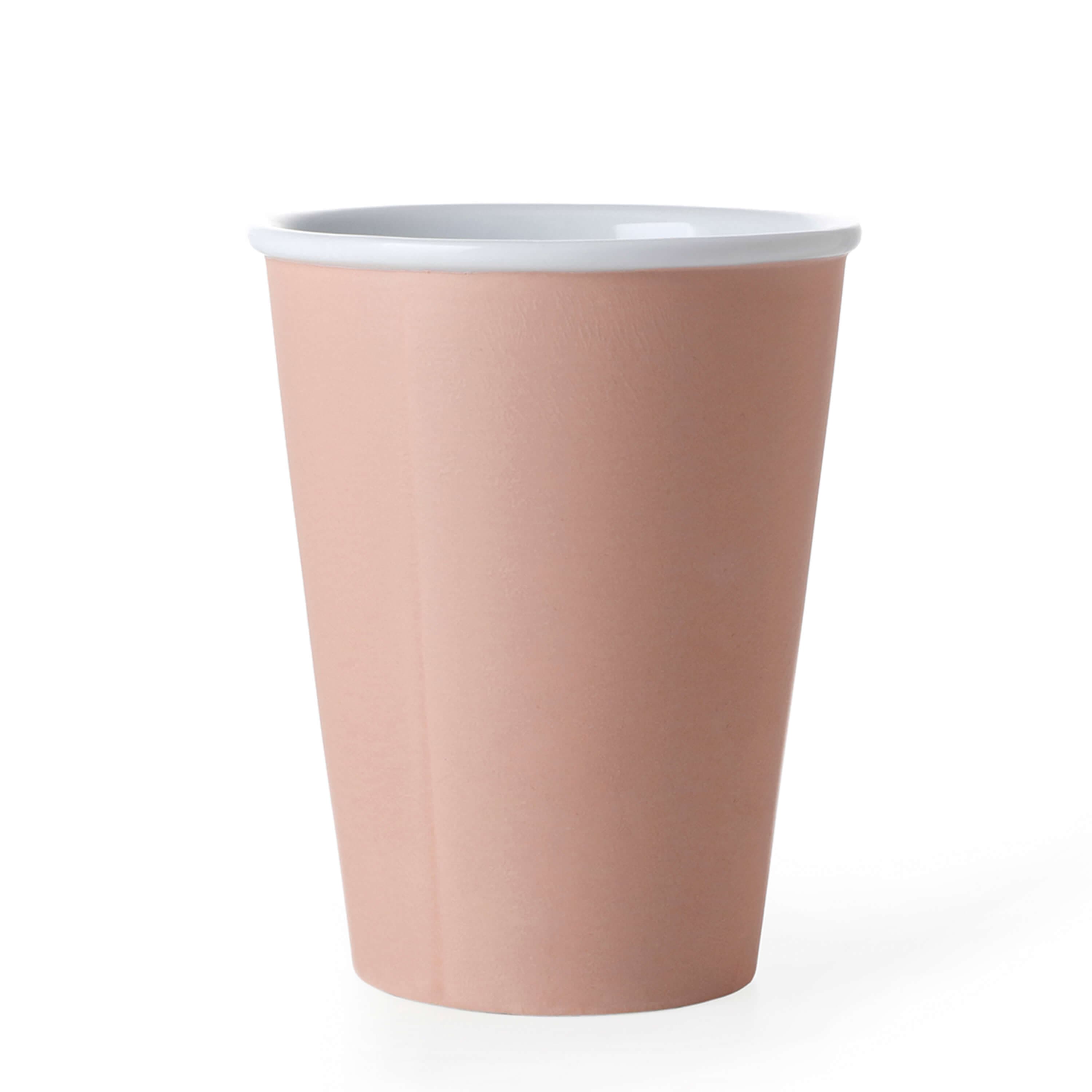
VIVA - Anytime™ Andy cup - Stone Rose
9,15 $
Berliner Kaffeerösterei
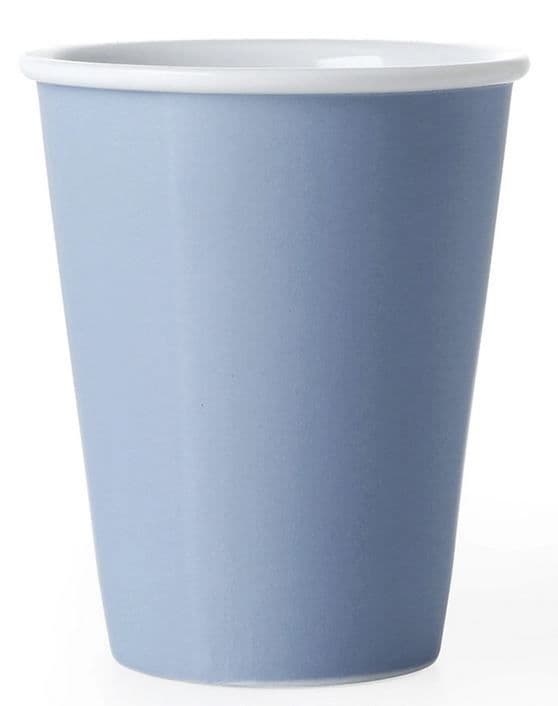
VIVA - Anytime™ Laura cup
7,95 $
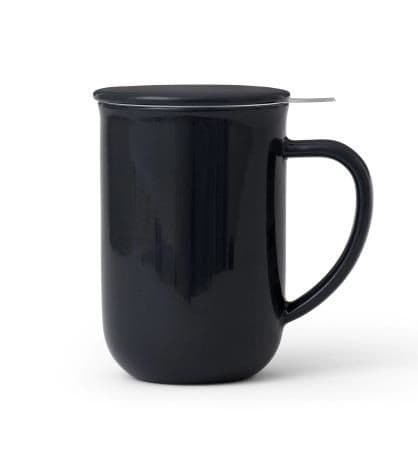
Berliner Kaffeerösterei
VIVA - Minima™ Balance tea cup
22,95 $
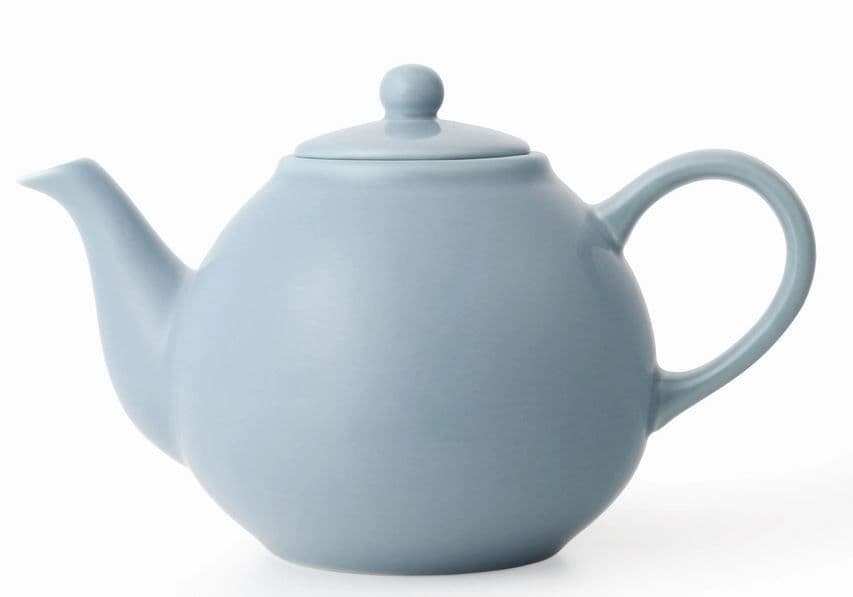
Berliner Kaffeerösterei
VIVA - Classic™ Teapot
25,95 $
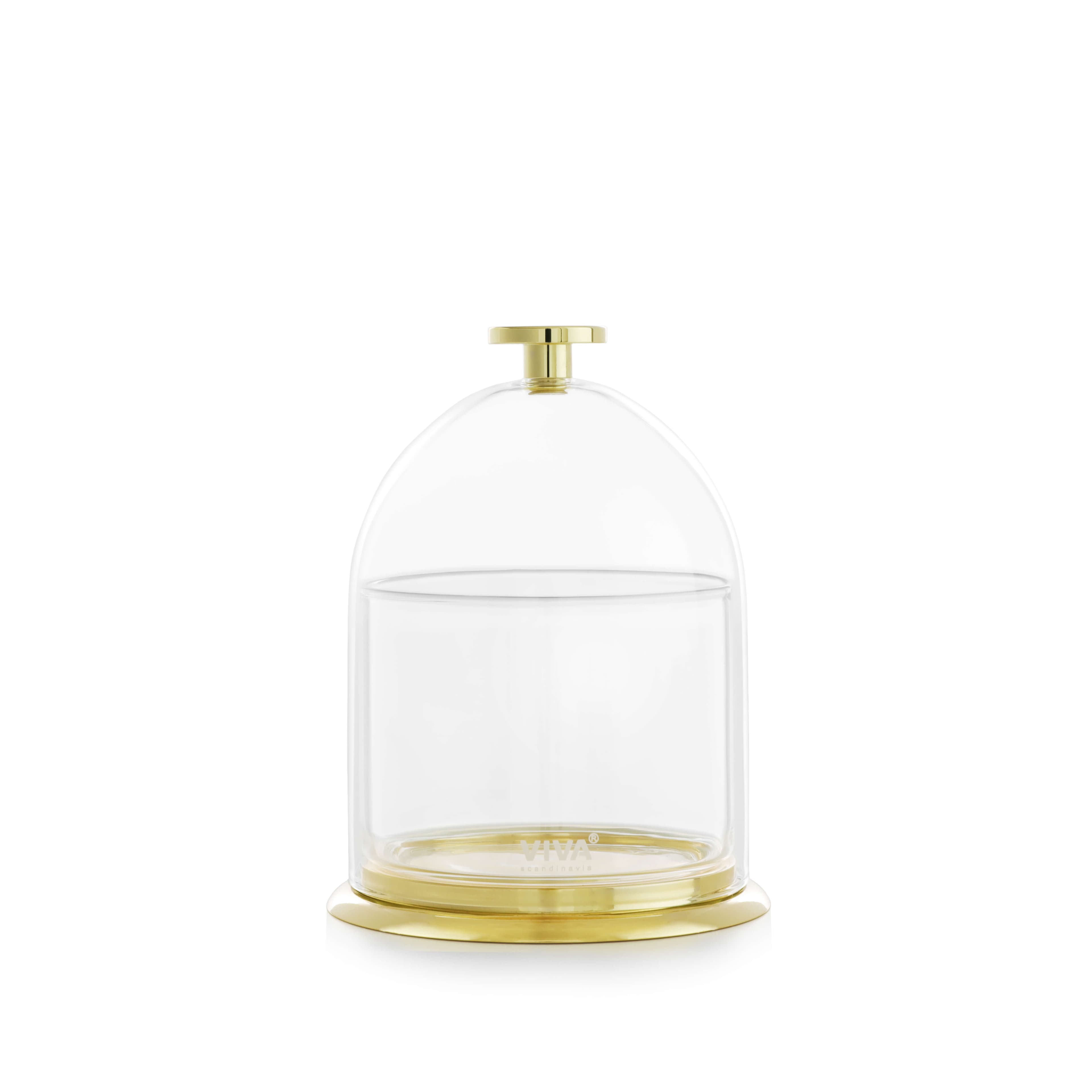
Berliner Kaffeerösterei
VIVA - Senses™ Dome
24,95 $
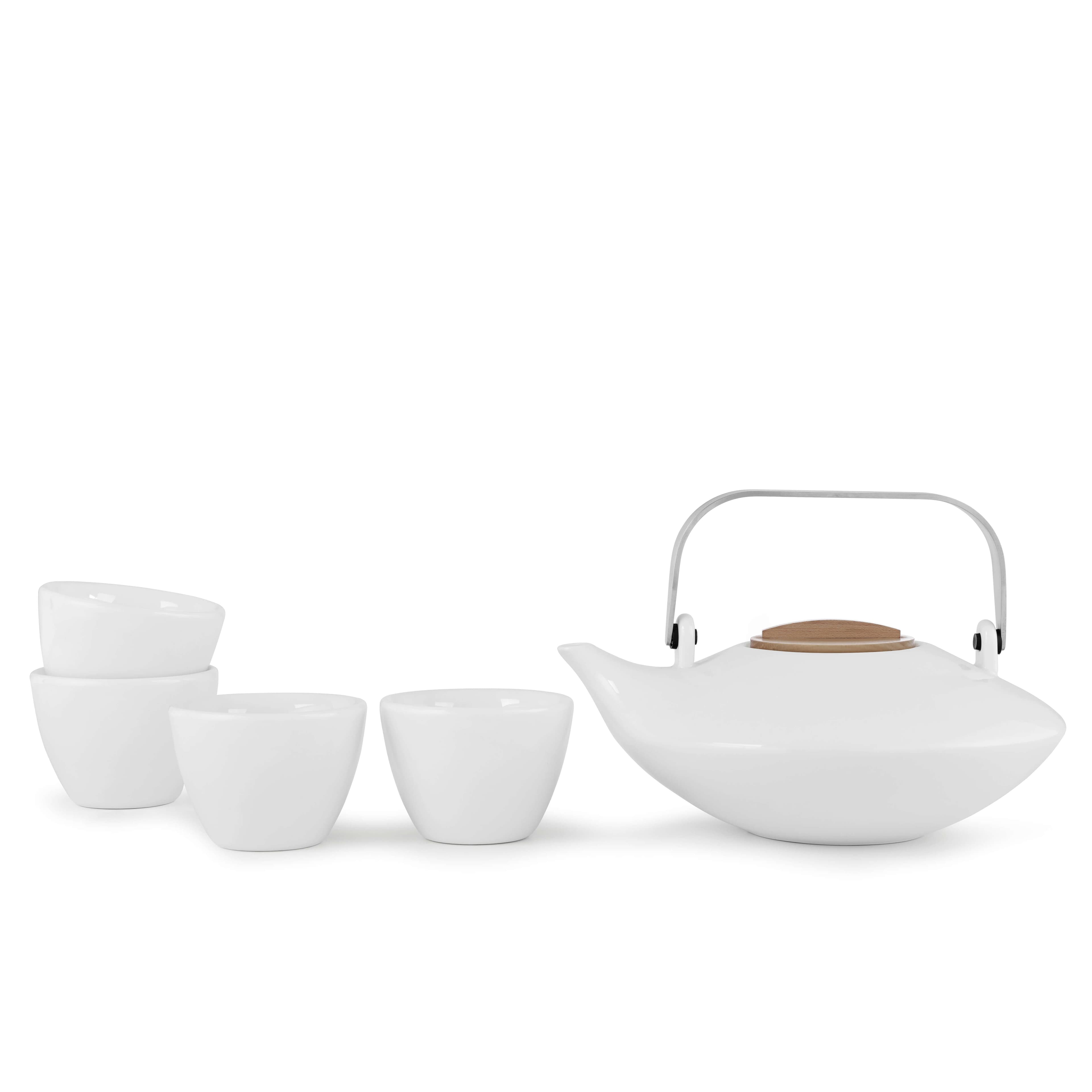
Berliner Kaffeerösterei
VIVA - Pure™ tea set
85,95 $
All of us have our favourite coffee cup or coffee mug. However, each coffee brew has its cup. Single espresso coffee has the size of 29 ml to 37 ml. An espresso is a short coffee, longer than a ristretto. So if your favorite coffee brew is espresso, then an espresso cup is what you need. They usually are more significant than the ristretto cup.
A coffee cup can also be a disposable cup containing hot drinks, including coffee. Disposable cups are made of paper or polyethylene foam. Coffee shops usually use paper cups to give beverages to customers on the go. Some paper cups have a sleeve to provide insulation against the heat transferred through the contained.
Besides, a new trend is around where consumers purchase reusable cups instead of disposable cups. Reusable cups have a more sustainable approach to coffee consumption, and it becomes more popular. The reusable cups can include bamboo cups, americano cups made of polypropylene, and other organic materials such as starch and paper pulp.
Coffee Drinkware
Coffee cups have various sizes, standardized to reflect paper cup sizes. In addition, there are also coffee cups for people who spend their time traveling. These cups are typically 225, 336, 460, and sometimes even 570 ml. Slight variations are expected in some coffeehouses. However, these sizes are the standard ones. There are coffeehouses that house cups for mochas, latte, and other coffee drinks. These cups also are made from ceramic ware and formed to encourage caffe latte art.
Demitasse Cups
The demitasse cup is specially designed for espresso. The capacity of this cup is 60-80 ml, and usually, it is served on a saucer. The traditional macchiato contains two shots of espresso, and a dollop of foam is also served in the demitasse cup, accompanied by a saucer.
Porcelain Cups
Porcelain allows for heat retention and crema preservation. However, the porcelain cools down quickly due to air bubbles in the cup. We mentioned that porcelain helps with crema preservation. Crema is the coffee foam at the top of an espresso. Porcelain helps conserve crema, perfect for latte art or milk-based espresso drinks.
Ceramic Cups
Ceramic is usually the general term for all clay materials, excluding porcelain. The material is sturdier than the porcelain, and since the material is thicker, the cup's walls have better heat retention abilities. Ceramic is the preferred material when the coffee cup has to be more robust and resistant to damage.
Paper Cups
The paper cup may be lined with wax or plastic to prevent leakage. Leslie Buck designed a paper cup for the Sherri Cum Company in 1963, and it is recognized as an iconic part of New York City. Unfortunately, the plastic-lined paper cups produce plastic fragments that contaminate the ecosystems where they are processed.
Bamboo Cups
Bamboo coffee cups are promoted as a natural alternative. They are made of powdered bamboo fibers suspended in the glue that contains melanin and formaldehyde. However, the German consumer group Stiftung Warentest has raised concerns: The use of these substances makes the bamboo cups a health hazard when used for hot drinks.
Polystyrene Cups
Polystyrene is sometimes known as styrofoam (not to be confused with the Styrofoam company), and it is mainly used because of its insulating properties. The use of polystyrene is controversial in a coffee cup because it is non-biodegradable, challenging to recycle, and has various health risks.
The Coffee Cup Sleeve
The sleeve of a coffee cup is roughly cylindrical that fit tightly over handle-less paper cups to insulate the drinker’s hands from hot coffee. The coffee sleeve was created and patented by Jay Sorensen in 1993. They are now frequently utilized by coffeehouses and different vendors that sell hot beverages in disposable paper cups. Coffee sleeves are typically made of textured paperboard, but other materials are.