Out Of The Grey Coffee
Single Origin - Mexican Custepec SHG - Specialty Coffee
- Rostningsgrad: Medium
- Tvättad
Single Origin - Mexican Custepec SHG - Specialty Coffee är ett kaffe som säljs av Out Of The Grey Coffee (USA). Bearbetning: tvättad. Rostning: medium. Pris: 22,99 US$ till 23,48 US$, beroende på storlek.
Inget betyg än · Bli först med att recensera det
från22,99 US$
Du skickas till rosteriets butik för att slutföra ditt köp.
- Rosteri baserat i
- USA
- Leverans till
- Sverige · ✓ Ja, enligt rosteriets butik
Smakprofil
Utifrån uppgifterna i rosteriets butik.
- RostningsgradMedium
- LjusMörk
Storlekar och priser
| Malning | Choose Your Caffeine Option | Pris |
|---|---|---|
| Hela bönor | Regular | 22,99 US$ ↗ |
| Malet för espresso | Regular | 23,48 US$ ↗ |
| Malet för French press | Regular | 23,48 US$ ↗ |
| Malet för ibrik | Regular | 23,48 US$ ↗ |
| Medium Coarse (Drip Coffeemaker) | Regular | 23,48 US$ ↗ |
| Medium (Cone-Bottom Filter) | Regular | 23,48 US$ ↗ |
| Medium Fine (K-Cup Pod/Pour-Over) | Regular | 23,48 US$ ↗ |
Beskrivning
Full bodied, intense and creamy with flavors of nuts, dark chocolate and sweet caramel with woody smooth finish.
Industry Review: The Coffee Attendant
Perfect choice for coffee drinkers suffering from digestive issues, or those that just prefer low acidic coffees with a higher level of antioxidants.
100% delicious!
Roast: Dark Medium
Processing: Fully Washed
Altitude: 1100 M.A.S.L.
Harvest: November - March
12 oz. Handcrafted Specialty Coffee
Historically, Mexican coffee was viewed as an inexpensive, low-grown blender with cup characteristics including a nuttiness, chocolate, and generally mild citric acid. However, today, high-grown Mexican coffee has extremely interesting complex citric and malic acidity, balanced sweetness in the form of chocolate and toffee, and an overall clean cup. We've had Mexican coffees that have absolutely knocked our socks off; in fact, some of the ootgCoffee staff wax very poetically about the fruity, floral, vanilla-cherry-chocolate cups they've had from here.
Being such a large producing country and relatively close to visit, Mexico is bursting with potential. The climate and altitude conditions are excellent for specialty coffee, and every year more efforts are made to not just find it, but improve it, and of course to then protect it from dangers like leaf rust and ojo de gallo. Throughout the countryside you find a number of nurseries hosting stronger, better varieties that will lead to a sustainable focus on quality and consistency. The diversity throughout the country leaves endless possibilities for new, exciting cup profiles. We have been thrilled to find taste characteristics from across the world present in coffees grown so close to home, and we’re only at the beginning of discovering what is possible. Lot separation, altitude separation, variety separation—all are being tried more and more, with great results. We believe that some of the biggest opportunities and the most potential is basically there with our next-door neighbors to the south, and we continue to nurture our relationships with growers there—specifically within the Chiapas region—to empower and encourage them as they continue to overcome the obstacles of the past 15 to 20 years.
HISTORY
As throughout most of Mesoamerica, Mexico was first planted in coffee during early colonial times, most likely in the late 18th century. Due to the greater attention paid to the region's rich mineral deposits and mining opportunities, however, coffee didn't really develop as an industry until later, especially coming into its own in the late 19th and early 20th centuries, with the redistribution of farms after independence and the emergence of smallholder farmers, specifically those of indigenous origin. In the late 20th century, the Mexican government established a national coffee institution called INMECAFE, which, like the FNC in Colombia and ICAFE in Costa Rica, was developed in order to offer technical assistance, botanical information and material, and financial credits to producers. Unfortunately, INMECAFE was something of a short-lived experiment, and dissolved in 1989, leaving growers with a vacuum in their access to support and resources—especially those in very remote rural areas. This disruption to the infrastructure as well as the coffee crisis that followed the end of the International Coffee Agreement plunged Mexico's coffee farmers into despairing financial times, which of course in turn affected quality dramatically. Throughout the 1990s and since the beginning of the 21st century, an increased presence, influence, and focus of Fair Trade and Fairtrade certifications and the emphasis of the democratically run small-farmer cooperative organization has worked to transform the image of Mexican coffee to one that reflects sustainability, affordability, and relatively easy logistics, considering its proximity to the United States.
In recent years, Mexico has struggled mightily with coffee-leaf rust and other pathogens that have reduced both yield and cup quality. This, combined with enormous turnover of land ownership and loss of labor to emigration and relocation has created a somewhat tentative future for the producing country, though we have seen great cups and great promise from quality-inclined growers and associations there. The top cups are fantastic, and they're worth the work and long-term investment to try to overcome the obstacles facing the average farmer, who owns between 1–5 hectares. (Though some of the mid-size estates will run closer to 25 hectares.)
FAIR TRADE, ORGANIC
One of the things that has set Mexico's coffee apart is the abundance of both Fair Trade- and organic-certified coffees, especially in areas like Oaxaca, Veracruz, and Chiapas. The strong influence of indigenous groups and cultures has long been the driving force between smallholders' embrace of organic practices, as they are often in line with traditional growing philosophies and utilize similar if not the same techniques. Fair Trade has also done considerable work with regards to encouraging smallholders to organize and operate within cooperatives, which allows them to pool resources, provides better access to credit and financing options, and creates more market presence and leverage in a competitive global economy. In addition, many of the coffees that we at ootgCoffee source from Mexico come from the buffer zones around one of the largest and most forest reserves in the world: El Triunfo Biosphere Reserve.
Frågor om Single Origin - Mexican Custepec SHG - Specialty Coffee
Hur bearbetas Single Origin - Mexican Custepec SHG - Specialty Coffee?
Bearbetningsmetod: tvättad.
Vilken rostningsgrad har Single Origin - Mexican Custepec SHG - Specialty Coffee?
Rostningsgrad: medium.
Vad kostar Single Origin - Mexican Custepec SHG - Specialty Coffee?
Pris: 22,99 US$ till 23,48 US$, beroende på storlek. Priserna kommer från butiken och kan ändras; butiken har de aktuella priserna.
Var kan jag köpa Single Origin - Mexican Custepec SHG - Specialty Coffee?
I Out Of The Grey Coffees webbutik: priserna på den här sidan länkar dit. Enligt butiken levererar den över hela världen. Cafendo säljer inget kaffe själva.
Recensioner
Inga recensioner än.
Gillar du det här kaffet? Prova de här
Utvalt från andra rosterier utifrån gemensamt ursprung, bearbetning, rostning, smakbeskrivning och pris. Kaffe som samma personer har sparat eller gett höga betyg väger tyngst.
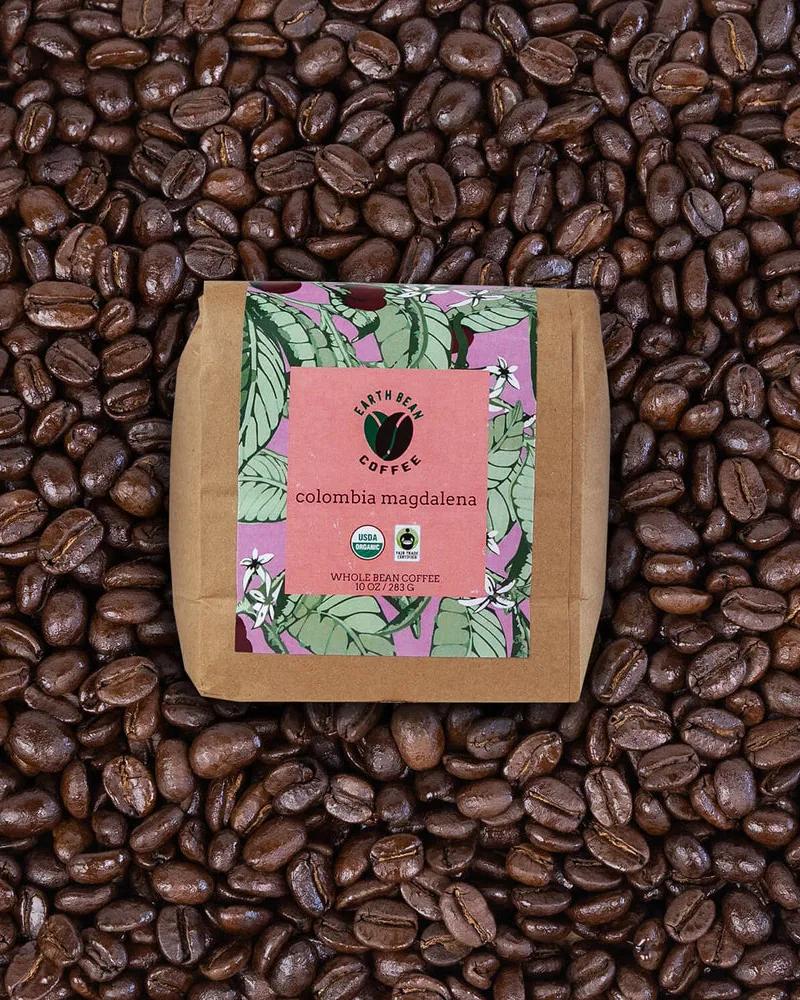
Earth Bean Coffee
Colombia Magdalena
18,00 US$
MediumVarför: TvättadLiknande prisSamma rostning
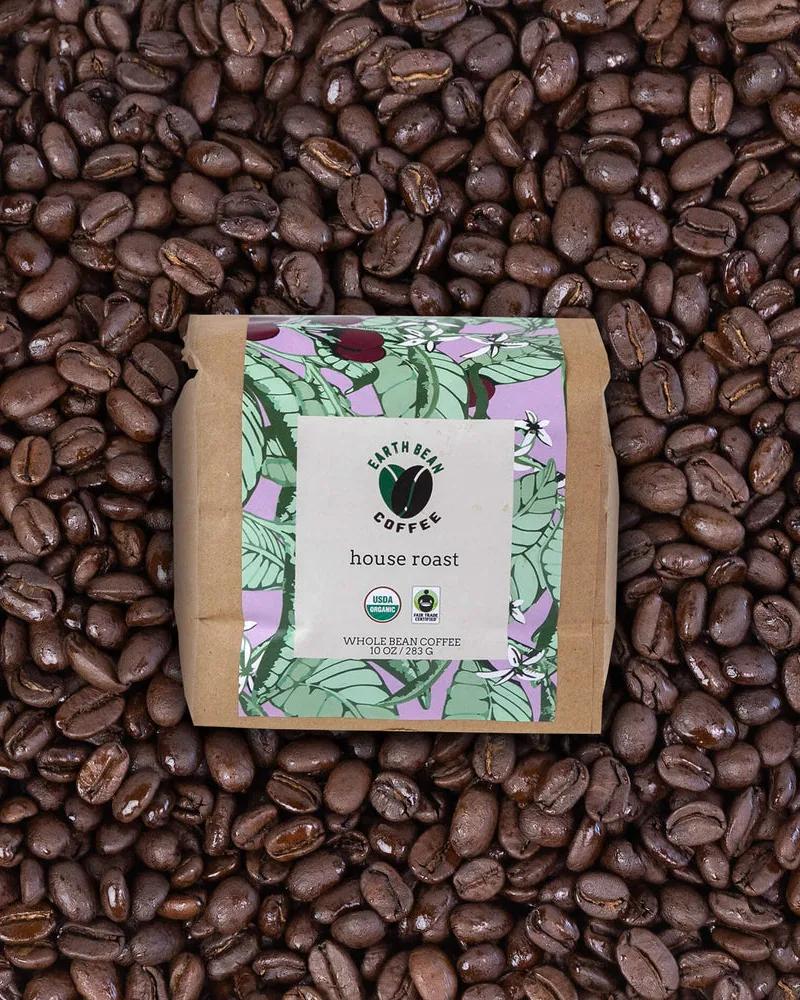
Earth Bean Coffee
House
16,00 US$
MediumVarför: TvättadLiknande prisSamma rostning
Oetterli Coffee
ORANGUTAN SUMATRA
14,38 US$
MediumVarför: TvättadLiknande prisSamma rostning
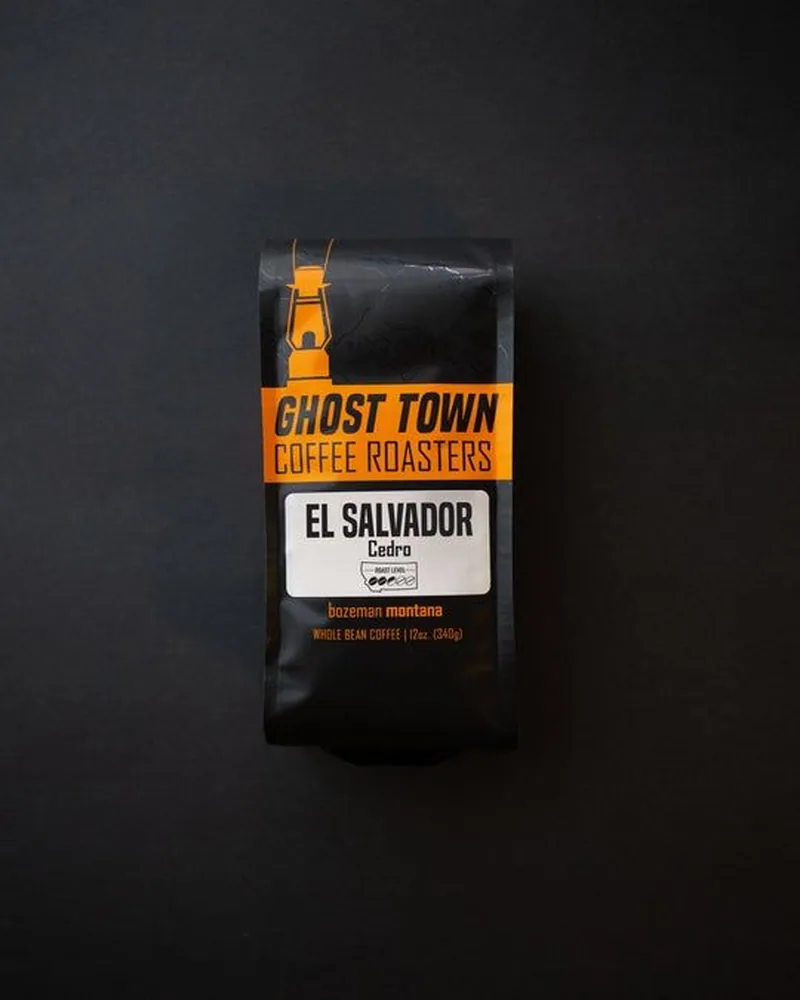
Ghost Town Coffee
El Salvador - Cedro
15,14 US$
MediumVarför: TvättadLiknande prisSamma rostning
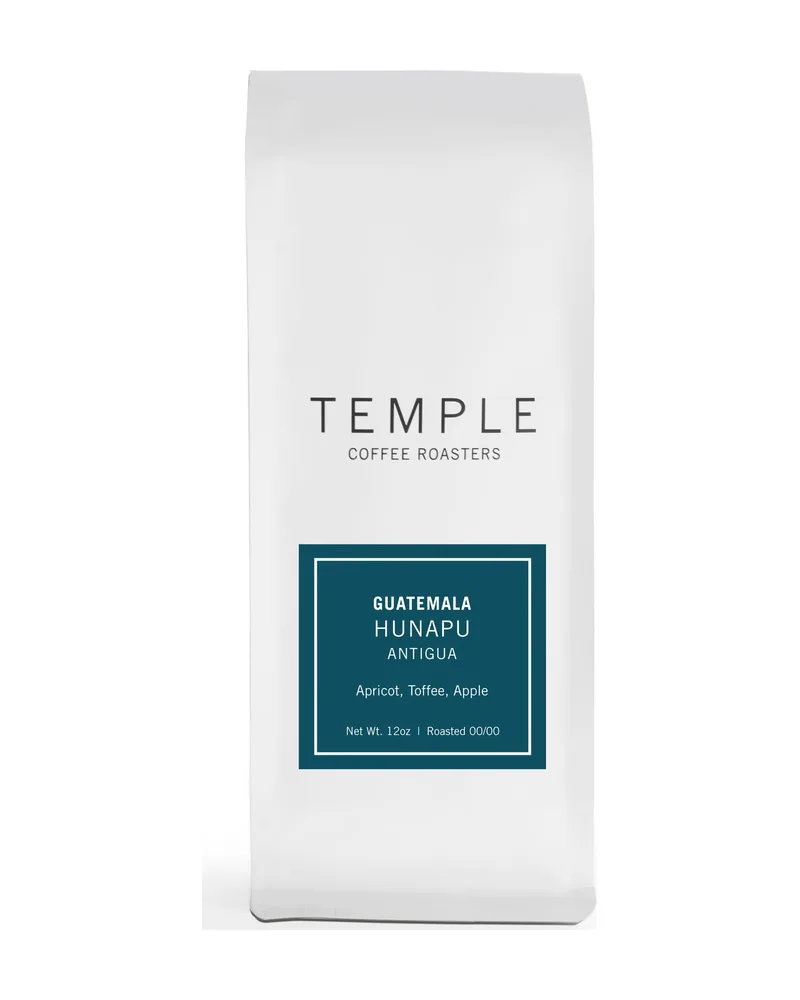
Temple Coffee Roasters
GUATEMALA HUNAPU
17,63 US$
MediumVarför: TvättadLiknande prisSamma rostning
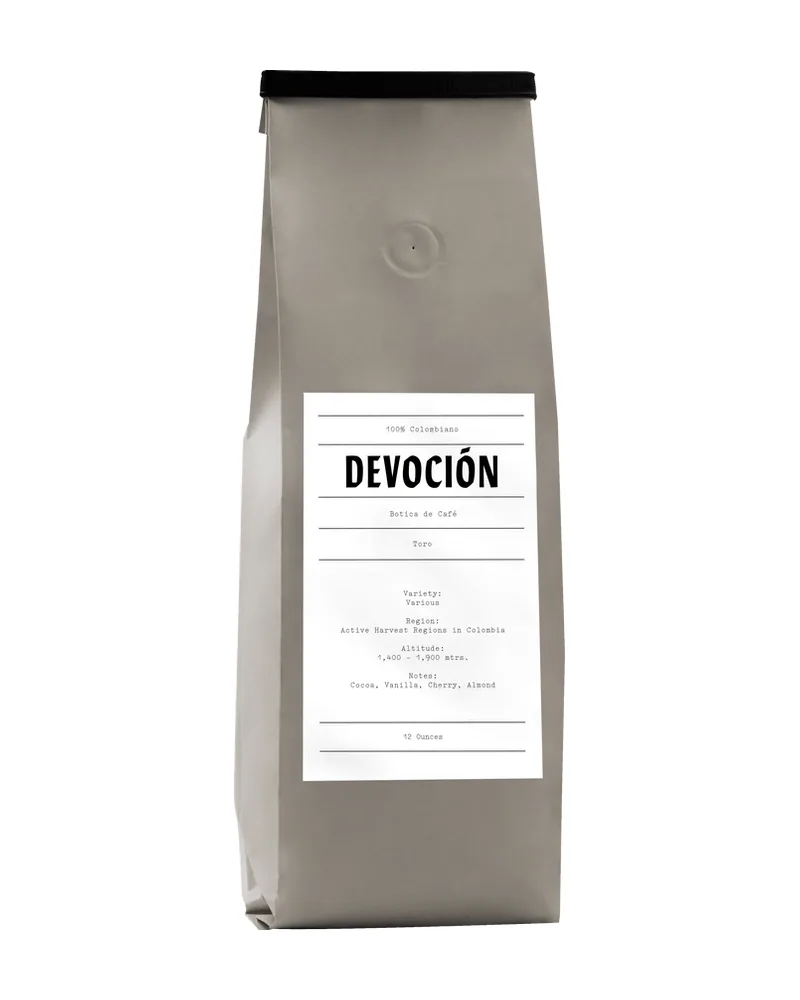
Devocion USA
TORO
16,83 US$
MediumVarför: TvättadLiknande prisSamma rostning
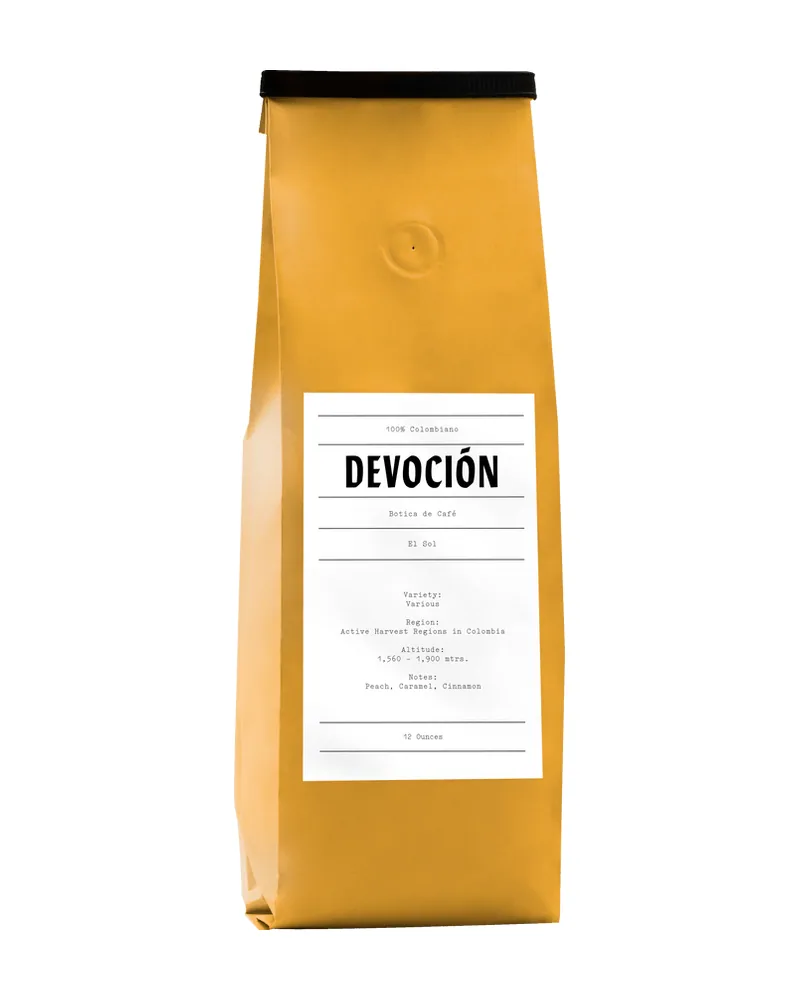
Devocion USA
EL SOL
16,83 US$
MediumVarför: TvättadLiknande prisSamma rostning
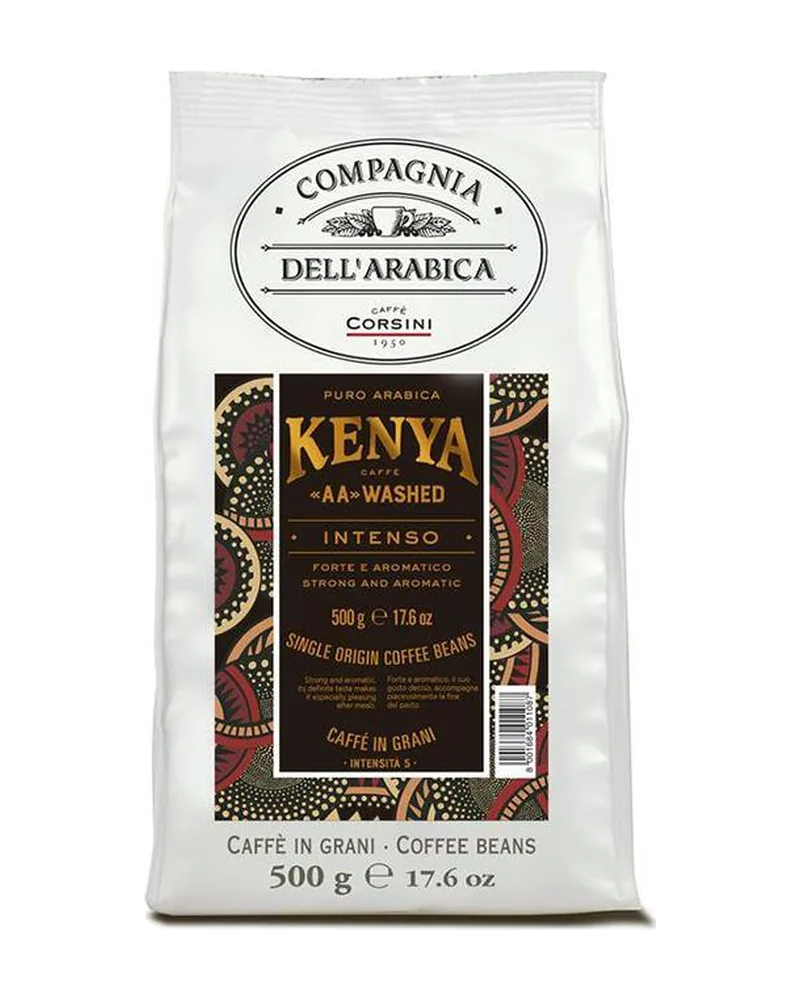
Caffe Corsini
Corsini Kenya AA Washed
19,39 US$
MediumVarför: TvättadLiknande prisSamma rostning