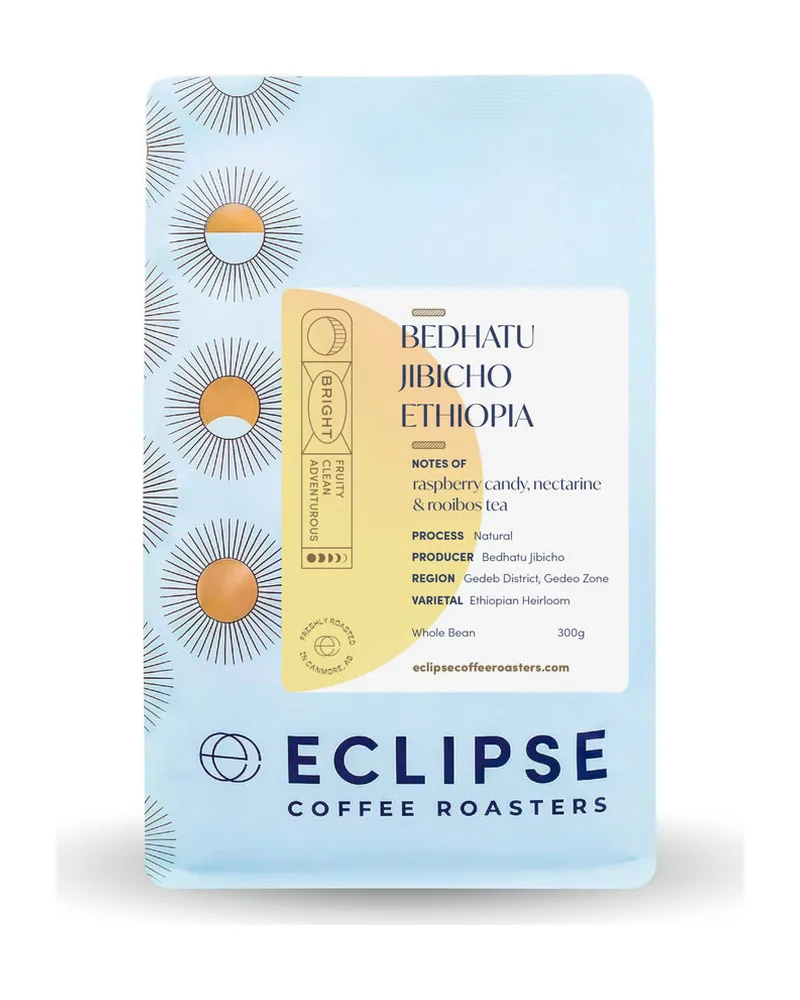
Eclipse Coffee Roasters
Las Lajas Finca San Isidro
- Blend
Las Lajas Finca San Isidro är ett kaffe som säljs av Eclipse Coffee Roasters (Canmore, Kanada). Region: Sabanilla de Alajuela, Central Valley. Varietet: Caturra, Catuai. Pris: 7,36 CA$ till 58,20 CA$, beroende på storlek. Det motsvarar från 60,84 CA$ per kilo.
Inget betyg än · Bli först med att recensera det
från7,36 CA$9,20 CA$
≈ 60,84 CA$ / kg
Du skickas till rosteriets butik för att slutföra ditt köp.
- Rosteri baserat i
- Kanada
- Leverans till
- Sverige · ✓ Ja, enligt rosteriets butik
Storlekar och priser
| Malning | Innehåll | Per kg | Pris |
|---|---|---|---|
| Hela bönor | 90g | 81,78 CA$ | 7,36 CA$ ↗ |
| Malet för espresso | 90g | 82,67 CA$ | 7,44 CA$ ↗ |
| Malet för AeroPress | 90g | 82,67 CA$ | 7,44 CA$ ↗ |
| Malet för filter | 90g | 82,67 CA$ | 7,44 CA$ ↗ |
| Malet för French press | 90g | 82,67 CA$ | 7,44 CA$ ↗ |
| Medium Fine (Stove Top) | 90g | 82,67 CA$ | 7,44 CA$ ↗ |
| Hela bönor | 300g | 67,33 CA$ | 20,20 CA$ ↗ |
| Malet för espresso | 300g | 67,33 CA$ | 20,20 CA$ ↗ |
Visa alla 18
| Malning | Innehåll | Per kg | Pris |
|---|---|---|---|
| Malet för AeroPress | 300g | 67,33 CA$ | 20,20 CA$ ↗ |
| Malet för filter | 300g | 67,33 CA$ | 20,20 CA$ ↗ |
| Malet för French press | 300g | 67,33 CA$ | 20,20 CA$ ↗ |
| Medium Fine (Stove Top) | 300g | 67,33 CA$ | 20,20 CA$ ↗ |
| Hela bönor | 950g | 60,84 CA$ | 57,80 CA$ ↗ |
| Malet för espresso | 950g | 61,26 CA$ | 58,20 CA$ ↗ |
| Malet för AeroPress | 950g | 61,26 CA$ | 58,20 CA$ ↗ |
| Malet för filter | 950g | 61,26 CA$ | 58,20 CA$ ↗ |
| Malet för French press | 950g | 61,26 CA$ | 58,20 CA$ ↗ |
| Medium Fine (Stove Top) | 950g | 61,26 CA$ | 58,20 CA$ ↗ |
Beskrivning
Farm Info
Producer: Oscar and Francisca Chacón
Region: Sabanilla de Alajuela, Central Valley
Altitude: 1,400-1,600m above sea level
Varietals: Caturra, Catuai
This coffee is a perla negra natural micro lot from the famous Las Lajas Micromill in Costa Rica. The owners, Oscar and Francisca Chacón, are third-generation coffee producers but the coffee is more than just in their family heritage: It's in their hearts and souls as well. The couple is committed not only to farm in an environmentally and socially responsible way, but also to produce coffee of the highest quality. They are innovative with regards to processing and were one of the early innovators in Costa Rica with regards to perfecting different honey and natural methods of processing.
In 2005, after years of delivering their cherry to a cooperative for the going market price, they decided to join the brand-new "micromill revolution" and buy their own depulper to have more control over the quality and the price they received for their lots. "At first, we didn't know what we were doing," Oscar explains. "We were just experimenting." That experimentation led to some of the most exciting new flavor profiles we have ever tasted: Now, the Chacons produce a wide range of Honey process coffees, modulating the drying time in order to create different effects in the cup.
Necessity bred more innovation for the family when an earthquake in 2008 wiped out electricity and water to their area during the harvest. Unable to run the depulpers or to wash the mucilage off to produce Washed lots, Francisca took inspiration from her knowledge of African coffee production and quickly built raised beds on the property. Their Natural lots caught the attention of the coffee world and the rest is history.
These days, Las Lajas focuses on several variations of both Honey and Natural process. Perla Negra or “Black Pearl” is a process developed by Oscar and Francisca Chacón at Las Lajas. This is a natural process, where the ripe coffee beans with a high percentage of brix degrees are taken to raised beds where they will be laid out in a thin layer to maximise sunlight exposure. After a week the beans will rest in the shade (cold ) to be later transferred to the greenhouse patio to continue its dehydration, in which the cherries are moved twice a day, which makes it an extremely slow drying process. It is then transferred to clean sacks where it is tied off and “rested” for 3 days before being transferred to raised beds and finished as a Natural.
The farm produces 100% Arabica coffee, primarily Caturra and Catuaí varietals, which is grown in the shade of native trees. Organic composts are produced on site using vermiculture (worm composting), and the production process is entirely free of chemicals and agro-toxins.
Origin
Costa Rican coffee, often called "El Grano de Oro" (The Golden Bean), has been the backbone of the nation's development since the late 1700s. Its history is a rare example of a luxury crop directly funding a country's modernization, from its first railroads to its national opera house.
Brief history
Early introduction (18th–19th c.): Coffee was introduced to Costa Rica in the late 18th century; commercial cultivation began in the early 1800s. By mid-19th century coffee had become the country’s first major export and economic engine.
- Political/economic impact: Coffee export earnings financed infrastructure (roads, railways) and banking. The coffee oligarchy shaped politics and helped modernize the state.
- Geographic expansion: Plantations spread from the Central Valley to the Western and Tarrazú highlands, where elevation and climate proved excellent for quality Arabica.
- Rise of cooperatives and smallholders: Over the 20th century land reforms and cooperatives (notably Coope Tarrazú and others) broadened ownership beyond large estates to many small farmers.
- Focus on quality and regulation: In 1989 Costa Rica passed laws protecting coffee quality and eventually established strict grading (strictly hard bean (SHB), etc.) and promoted specialty coffee. The National Coffee Institute (Icafe) and cooperatives supported research and quality control.
- Diversification and sustainability (late 20th–21st c.): Facing price volatility, producers moved into specialty markets, organic and shade-grown practices, eco-tourism (coffee tours), and direct trade relationships with roasters worldwide.
Interesting facts
- Coffee variety: Costa Rica grows mainly Arabica (notably Caturra, Catuai, and Villa Sarchi variants); Robusta is effectively banned for commercial planting to protect quality.
- Elevation advantage: Many top coffee areas sit between 1,200–1,800 meters (4,000–6,000 ft), producing dense, flavorful beans often labeled SHB (Strictly Hard Bean).
- Tarrazú fame: The Tarrazú region is world-famous for bright acidity, floral and citrus notes, and consistent high quality.
- Microclimates: Small changes in slope, shade, and soil mean farms only a few kilometers apart can produce markedly different cup profiles.
- Wet vs. dry processing: Washed (wet) processing is common and helps produce clean, bright flavors; some producers use natural/dry or honey processes for sweeter, fruitier profiles.
- Specialty movement: Costa Rica led early specialty coffee efforts in Latin America, and many producers focus on single-farm and micro-lot coffees sold at premium prices.
- Coffee and national identity: Coffee helped create Costa Rica’s middle class and funded early public education and infrastructure—part of national development narrative.
- Cupping culture: Professional cupping (sensory evaluation) is widespread; Costa Rica hosts competitions and awards for best lots and baristas.
- Coffee tourism: “Ruta del Café” and many finca tours let visitors see processing, taste fresh brews, and stay on coffee farms.
- Shade and biodiversity: Shade-grown coffee plantations can support native birds and biodiversity; many farms combine coffee with native forest conservation.
- Climate vulnerability: Coffee leaf rust (roya) outbreaks and climate change (warmer temps, shifting rainfall) have threatened yields; adaptation includes moving to higher elevations, new varieties, and improved farm practices.
- Direct trade and cooperatives: Many Costa Rican farmers sell via cooperatives or direct-trade relationships that return higher prices and longer-term contracts to producers.
- Cultural export: Costa Rican coffee cups are often described as bright, clean, and balanced—traits sought after by specialty roasters globally.
- Legal protection: Some regions and names associated with high-quality coffee (like Tarrazú) are promoted with geographic indicators to protect reputation and value.
Frågor om Las Lajas Finca San Isidro
Vad kostar Las Lajas Finca San Isidro?
Pris: 7,36 CA$ till 58,20 CA$, beroende på storlek. Det motsvarar från 60,84 CA$ per kilo. Priserna kommer från butiken och kan ändras; butiken har de aktuella priserna.
Var kan jag köpa Las Lajas Finca San Isidro?
I Eclipse Coffee Roasterss webbutik: priserna på den här sidan länkar dit. Enligt butiken levererar den över hela världen. Cafendo säljer inget kaffe själva.
Recensioner
Inga recensioner än.
Liknande kaffe
Kaffe från andra rosterier som liknar det här

HalfWit Coffee Roasters
Moonbat Blend
18,00 US$
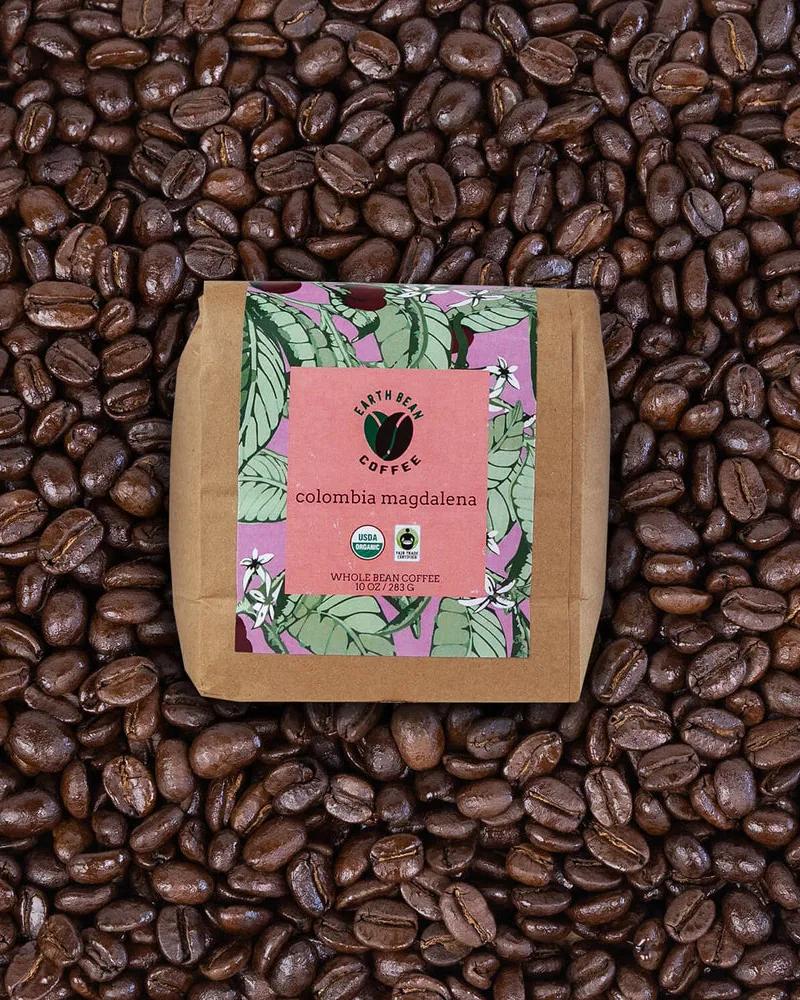
Earth Bean Coffee
Colombia Magdalena
18,00 US$
Medium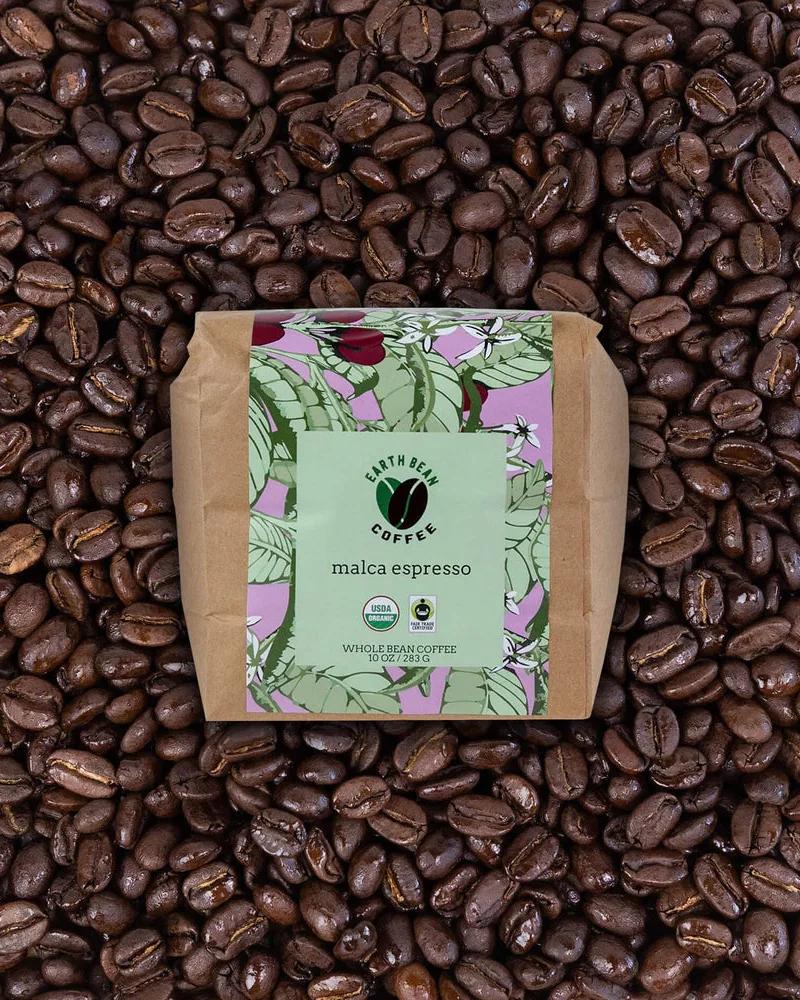
Earth Bean Coffee
Malca (espresso)
17,00 US$
Medium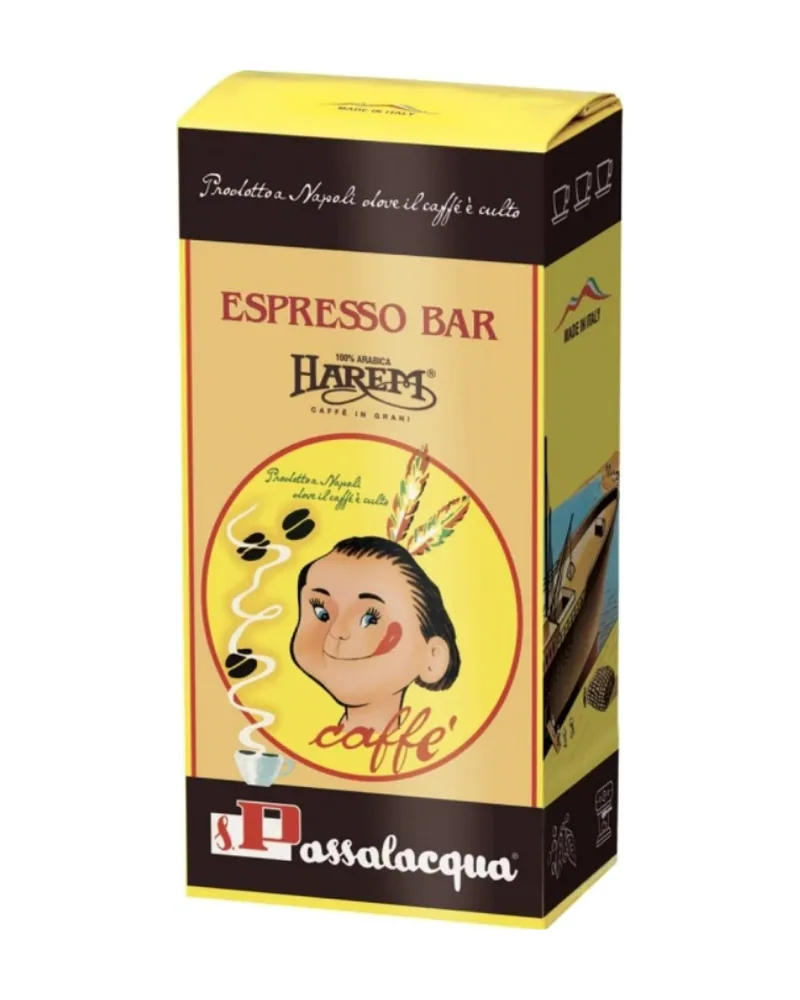
Passalacqua
Harem
19,00 US$
Mörk
Passalacqua
Deup
14,50 US$
Mörk
Green Cup Coffee
Pacha Mama - BIO
9,90 €

Green Cup Coffee
Tempixque
9,90 €
Biotiva
Coffee L'Italiano
12,50 US$
Mörk