NANO Kaffee
Colombia | Tres Dragones
Colombia
- Rostningsgrad: Ljus
- Single origin
Colombia | Tres Dragones är ett kaffe från Colombia, som säljs av NANO Kaffee (Tyskland). Rostning: ljus. Rosteriets smakbeskrivning: dried blueberries, aged rum barrels. Pris: 5,00 € till 84,50 €, beroende på storlek. Det motsvarar från 83,33 € per kilo.
Inget betyg än · Bli först med att recensera det
från5,00 €
≈ 83,33 € / kg
Du skickas till rosteriets butik för att slutföra ditt köp.
- Rosteri baserat i
- Tyskland
- Leverans till
- Sverige · ✓ Ja, enligt rosteriets butik
Smakprofil
Utifrån uppgifterna i rosteriets butik.
Smakbeskrivning
- Dried blueberries
- Aged rum barrels
- RostningsgradLjus
- LjusMörk
Storlekar och priser
Beskrivning
High-quality specialty coffee – freshly roasted at the NANO KAFFEE roastery in Berlin Kreuzberg. A product of the highest quality. Grown, sourced, and roasted in respectful harmony with people, plants, and the planet.
NANO KAFFEE – Conscious Coffee from Berlin.
• 100% Arabica
• Filter coffee
• hybrid dry processed (natural, aerobic, and anaerobic)
• whole beans
• Flavor notes: dried blueberries, dark chocolate, aged rum barrels
This filter coffee also makes an excellent fruity espresso.
Stats
ORIGIN Colombia
REGION Valle del Cauca, Caicedonia
ALTITUDE 1500–1800 m above sea level
FARM Café Granja La Esperanza
FOB 13.19 eur / kg
VARIETY Caturra and Colombia
Packaging note:
The product image shows the 250-g package. The 60-g and 1,000-g sizes come in coffee bags with a front label and no sleeve.
Quick Info
From harvest at the perfect time, this outstanding, often award-winning coffee goes through an extremely precise process. This includes flotation to select the densest beans, drying at 38°C for ±10 days, aerobic and anaerobic processing (24 hours, 72 hours), climate-controlled storage, and, of course, careful roasting. This selection of unique beans from a brilliant coffee is the crème de la crème. Quality, technology, craftsmanship, and passion bring out delicate notes of dried blueberries, dark chocolate, and aged rum barrels.
• World-class coffee
• Commitment to outstanding quality
• Growing and developing rare and new varieties
• Innovative fermentation methods (in this case, aerobic and anaerobic)
• Responsibility and care for the farmers
* Farm that produces award-winning coffee beans
THE FARMERS – From Colombia to the World
Background
Tres Dragones comes from Potosí, the family’s first farm, founded in 1945. At the time, the typically large family of 14 children did most of the farm work themselves. In the late 1990s, two brothers took over the operation and began transforming Granja La Esperanza into what it is today.
Café Granja La Esperanza began its specialty coffee journey with a bold experiment: the farm grew the Geisha variety on Colombian soil. But it’s not just about experiments: discipline. Innovation. Commitment. Dedication. Experience. Passion. Devotion. Craftsmanship. Consistency. Excellence. Quality. Tradition. The future. Innovation. Technology. Microbiology. Attention to detail. The list goes on ...
Café Granja is world-famous
Café Granja La Esperanza’s coffees have won many prestigious awards, including the SCAA Triple Crown Award, SCAA Best Coffee of the Year, World Barista Championship, Good Food Award, Roasters Choice Award, and many others ... Their profiles are recognized and highly valued around the world, and their unique beans are distributed to buyers in over 45 countries across 5 continents. For five years, Café Granja La Esperanza has also been the first Colombian farm to hold online auctions (with incredible prices, including over €1,800/kg in October 2025 alone).
Luis and Rigoberto Herrera and every member of their passionate team are undoubtedly shaping what specialty coffee is today, not only for Colombia.
NATURE – What makes Colombia so special for coffee?
Welcome to Valle del Cauca and its “Bosque de niebla,” or cloud forest, where clouds rest on the coffee trees.
The land gets plenty of sunshine thanks to its proximity to the equator. Three branches of the Andes run through the region, creating a diverse microclimate while also supplying nutrients from volcanic soil. Winds from the Pacific and Atlantic help keep temperatures moderate. All this creates perfect climatic conditions for growing coffee and also results in two rainy seasons, which in turn lead to two harvest seasons (!)—a rarity in the world of coffee.
As if that weren’t enough, Café Granja La Esperanza is one of the most advanced and experimental farms in the world. Many innovations have contributed to the excellence of its coffees. For example, this year around 25 varieties were grown simultaneously in Potosí. Most are naturally intended for consumption, while others are trials to adapt more exotic varieties to Colombian soil or to gain a broad understanding of the terroir of the Cauca Valley. This approach is more reminiscent of making fine wine than typical agricultural coffee cultivation.
As farms face ever-greater challenges from the effects of climate change, it may become essential to develop varieties that can cope with future problems. Under current conditions, adapting coffee varieties to Colombia’s climate and soil is quite difficult. Although Café Granja La Esperanza has already adapted hybrids, it continues to advance development and research and has already developed its own hybrids through manual cross-pollination of trees, such as the San Juan variety.
Although they understand the global coffee market very well and could do less while still remaining an important player, Café Granja La Esperanza is known and appreciated for its experiments (in addition to the exceptional taste of its coffees).
And, of course, Colombia’s ecosystem and the natural abundance surrounding the farms also play an important role: 20% of the farms’ land is protected as a nature reserve. Granja La Esperanza protects over 26 bird species, 14 other animal species, and 30 tree species.
IMPACT – Working with and for people
Rigoberto names three pillars on which the quality of their coffee is based: “The variety’s genetic material, the terroir, and human talent. Of these three, the people who work at Granja La Esperanza are the most important resource.”
Fair wages begin with recognizing the true value of the pickers. That’s why hand pickers are trained to pick only the ripest cherries individually and are paid by the day. There is no daily minimum quantity a picker must deliver, and they are not paid by the weight they pick. This also results in better quality. In addition, farmers are paid 24% more than the average wage in Colombia—particularly important when you consider that, according to the latest survey from 2020, more than half of Colombian coffee farmers lived below the poverty line.
At Café Granja, everyone is like family. There is work for women, too. School supplies are provided, and school infrastructure is improved so children can be cared for and receive an education while their parents work.
Café Granja La Esperanza wants to create jobs, support farmers, and ultimately contribute to peace in a region where people, after falling deep into poverty, sometimes switch from growing coffee to growing coca. This can, of course, lead to other dependencies ... and when things get even worse, people fight for leftist guerrillas, right-wing paramilitaries, or the gunmen of the drug mafia. Whoever it is, as long as there is food for the day.
With their focus on high-quality, traceable, ethically grown beans and the introduction of exotic varieties such as Gesha and innovative growing methods, Colombian coffee producers like Café Granja La Esperanza have enhanced the reputation of Colombian coffee on the international stage. This movement has not only revitalized Colombia’s coffee industry but also promoted sustainable practices and fair trade, creating greater economic opportunities for small farmers and cooperatives across the country, driving the revival of the National Federation of Coffee Growers of Colombia (Fedecafé), and ultimately attracting the attention of conscious coffee lovers around the world.
TASTE – Precise Processes
Colombia has been growing coffee since the early 19th century, and its coffee is known for its full body, vibrant acidity, and rich finish.
Café Granja has been part of the scene for about eight decades and continues to prove its expertise.
In addition to excellent geographical conditions and the ongoing development of its growing practices, Tres Dragones undergoes a special process to become a unique coffee. The cherries are individually picked at optimal ripeness and sorted by flotation to retain only the densest fruit. Before fermentation, the Brix value is measured to determine the sugar concentration. The first fermentation is a 24-hour aerobic fermentation (open tanks, with oxygen), which gets enzymatic activity underway and lays the foundation for flavor development. In the second fermentation, the cherries undergo 72 hours of anaerobic fermentation (closed tanks, without oxygen), increasing complexity and deepening the aromatic structure. To stabilize their condition, the cherries are dried in mechanical dryers (called “Silos” at Café Granja) at a constant temperature of 38°C for 8–12 days. Finally, they are stored under climate-controlled conditions at 18–19°C to preserve their freshness and protect their aromatic integrity.
The laboratory team of Q-Grader experts checks and analyzes every batch, ensuring the quality, consistency, and stability of the protocols and processes.
A very specific process that produces precisely crafted notes of dried blueberries, dark chocolate, and aged rum barrels.
Commitment to quality, innovative fermentation methods, and the cultivation of rare varieties.
Something special for anyone who wants to enjoy a sip of world-class quality.
FUN FACT: THREE DRAGONS?
After a devastating fire in 2017 reduced the farm in Potosí to rubble, the Herrera brothers looked for a light on the horizon and were able to redesign and reorganize their production facility from scratch. From then on, three mechanical dryers—the Tres Dragones—were used to find new ways to further enhance the natural notes in the profile of Tres Dragones coffee.
-
High-quality specialty coffee – freshly roasted at the NANO KAFFEE roastery in Berlin Kreuzberg.
A product of the highest quality. Grown, sourced, and roasted in respectful harmony with people, plants, and the planet.
NANO KAFFEE – Conscious Coffee from Berlin.
Frågor om Colombia | Tres Dragones
Hur smakar Colombia | Tres Dragones?
Rosteriets smakbeskrivning: dried blueberries, aged rum barrels. Smakgrupper: fruktigt.
Var kommer Colombia | Tres Dragones ifrån?
Det kommer från Colombia.
Vilken rostningsgrad har Colombia | Tres Dragones?
Rostningsgrad: ljus.
Vad kostar Colombia | Tres Dragones?
Pris: 5,00 € till 84,50 €, beroende på storlek. Det motsvarar från 83,33 € per kilo. Priserna kommer från butiken och kan ändras; butiken har de aktuella priserna.
Var kan jag köpa Colombia | Tres Dragones?
I NANO Kaffees webbutik: priserna på den här sidan länkar dit. Enligt butiken levererar den till Tyskland, Österrike, Belgien, Bulgarien, Kanada, Tjeckien och 25 andra länder. Cafendo säljer inget kaffe själva.
Recensioner
Inga recensioner än.
Gillar du det här kaffet? Prova de här
Utvalt från andra rosterier utifrån gemensamt ursprung, bearbetning, rostning, smakbeskrivning och pris. Kaffe som samma personer har sparat eller gett höga betyg väger tyngst.
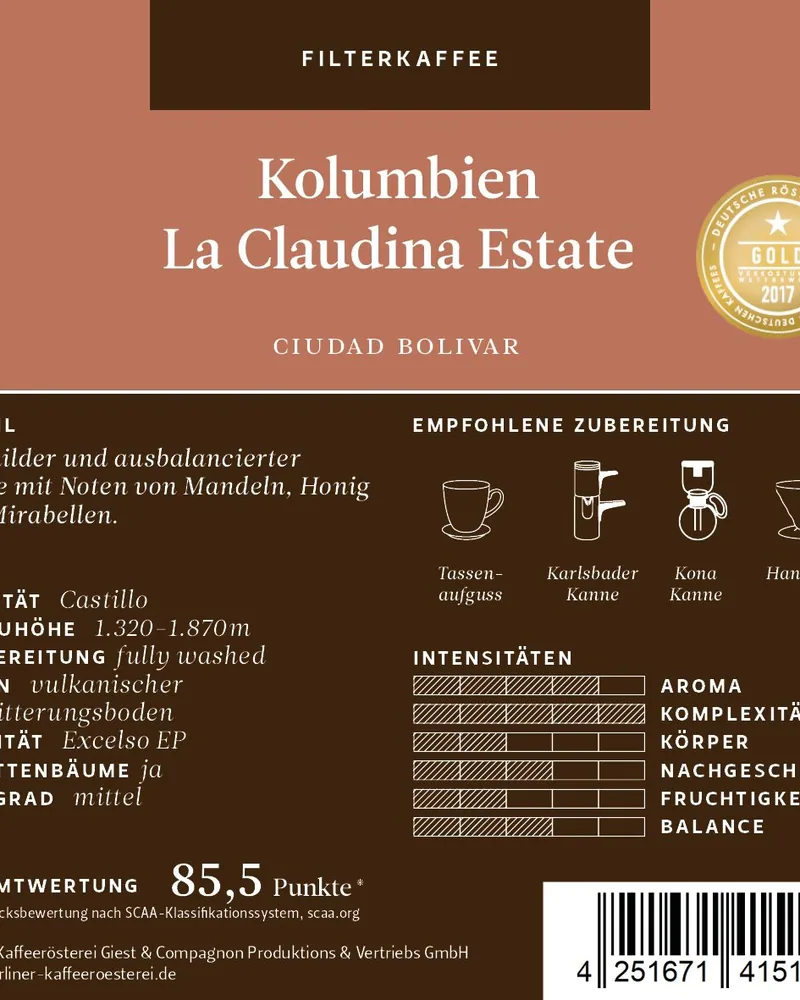
Berliner Kaffeerösterei
Colombia La Claudina Estate
8,25 US$
MediumVarför: ColombiaFruktigtLiknande pris
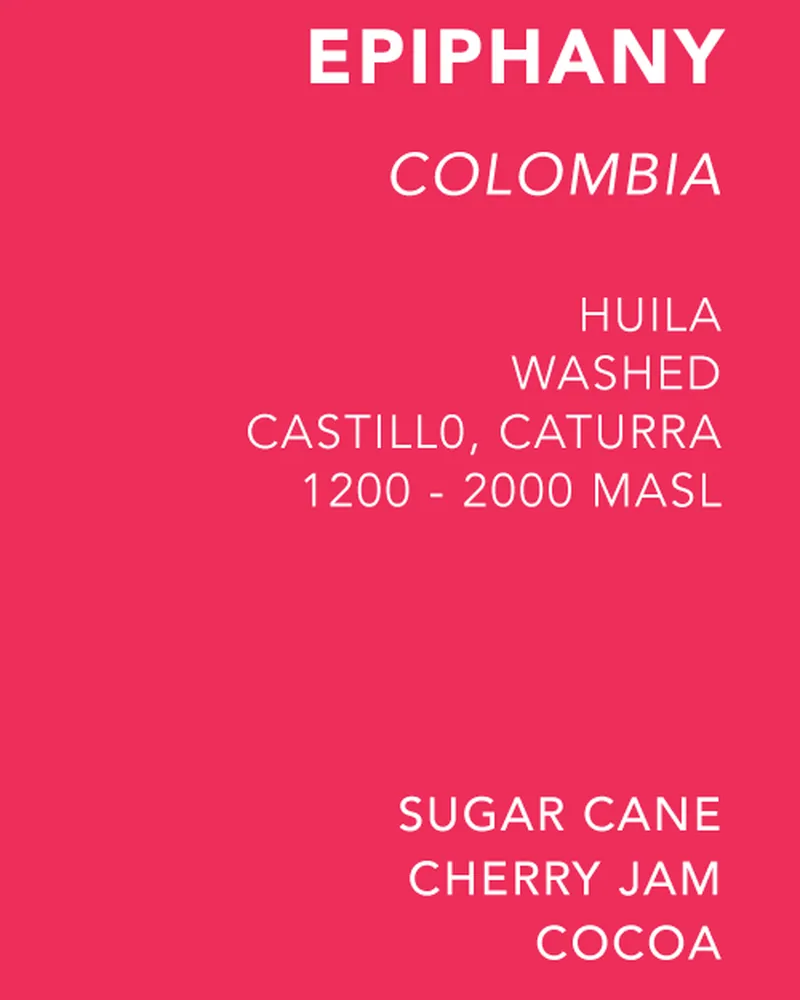
Docent Coffee
Epiphany
9,00 US$
MediumVarför: ColombiaFruktigtLiknande pris
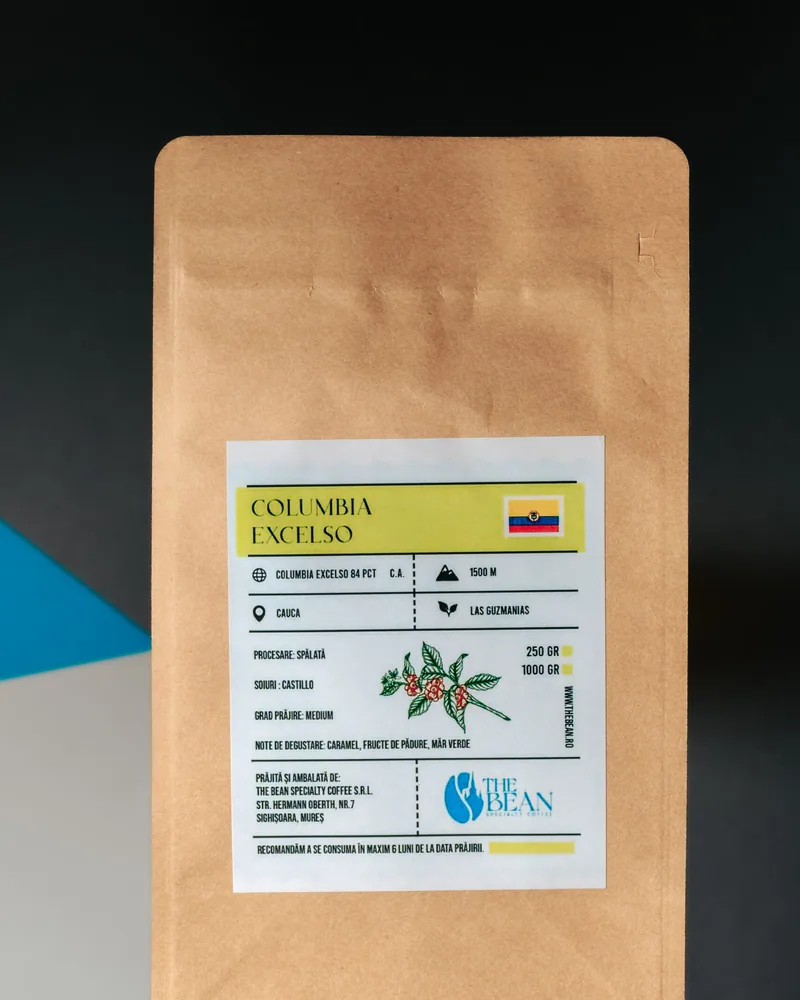
The Bean Specialty Coffee
Columbia Excelso
38,00 RON
MediumVarför: ColombiaFruktigtLiknande pris
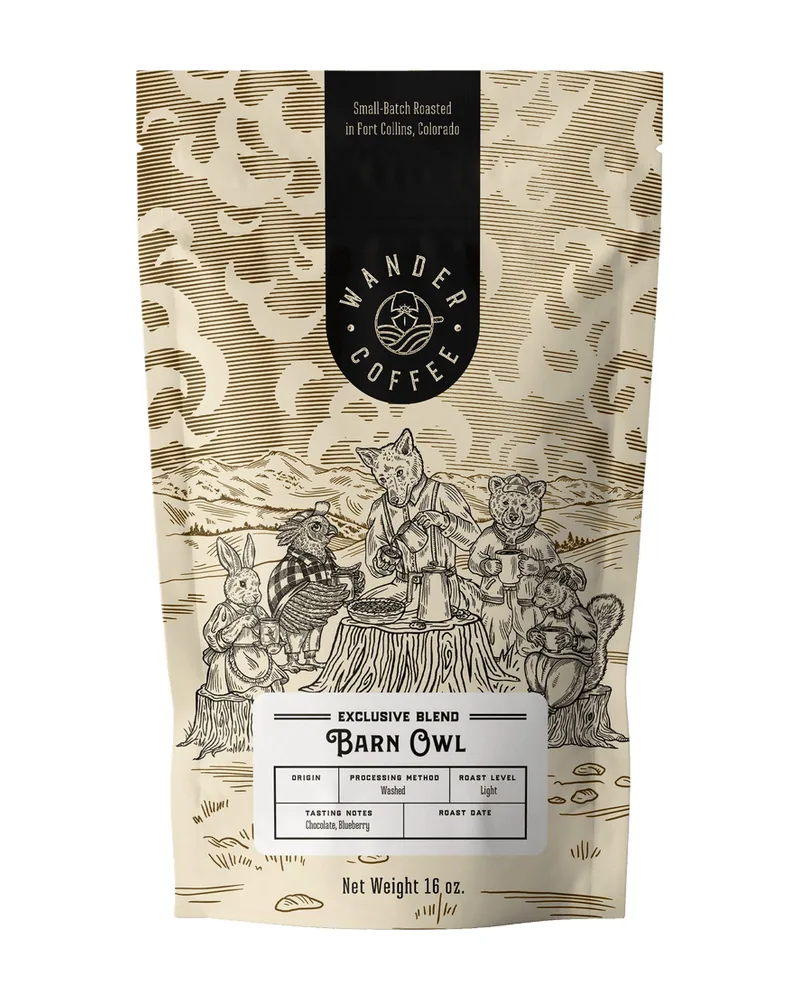
Wander Coffee
Barn Owl
7,00 US$
MediumVarför: ColombiaFruktigtLiknande pris
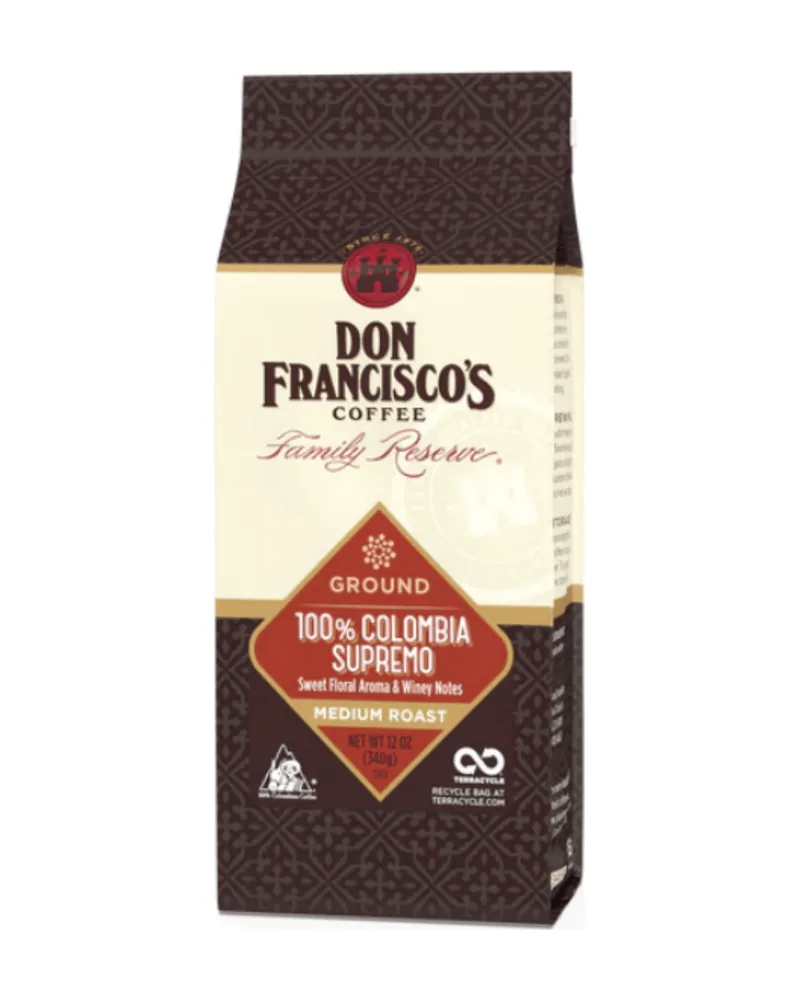
Gavina
COLOMBIA SUPREMO COFFEE
8,10 US$
MediumVarför: ColombiaFruktigtLiknande pris
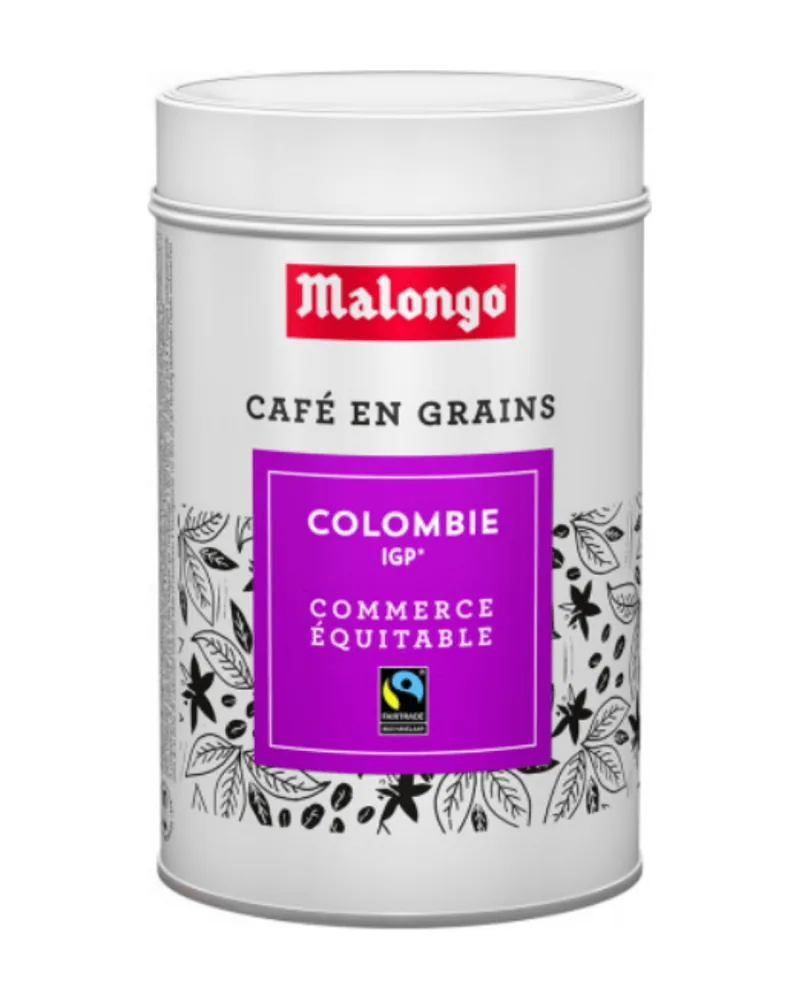
Malongo
COFFEE BEANS COLOMBIA IGP
5,90 US$
MediumVarför: ColombiaFruktigtLiknande pris
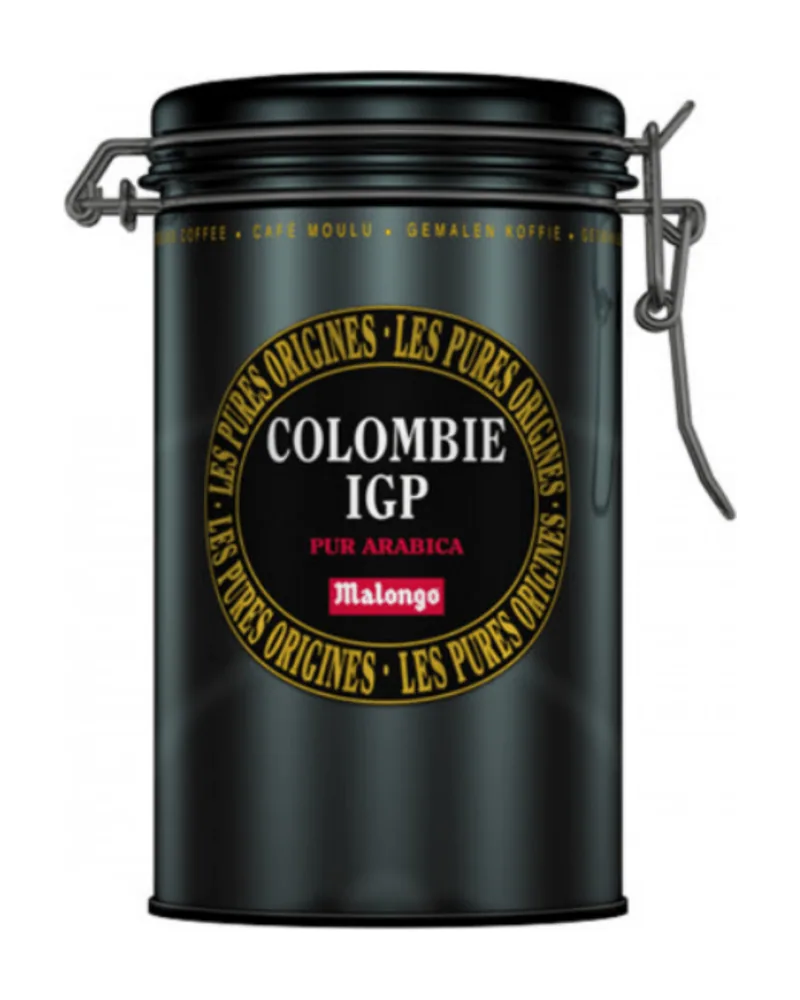
Malongo
COLOMBIA PGI GROUND COFFEE
8,60 US$
MediumVarför: ColombiaFruktigtLiknande pris
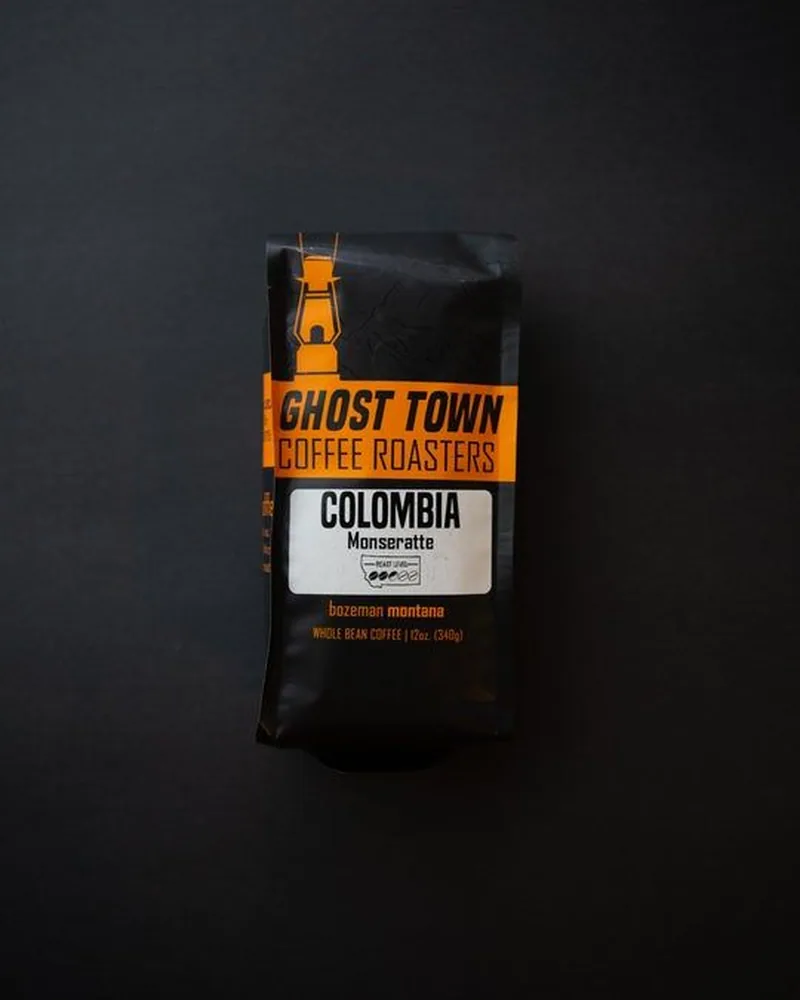
Ghost Town Coffee
Colombia - Monserrate
11,41 US$
LjusVarför: ColombiaFruktigtSamma rostning