Volcanica Coffee
Tanzania Peaberry Coffee
Tanzânia
- Nível de torra: Média
- Lavado
- Origem única
Tanzania Peaberry Coffee é um café de Tanzânia, vendido por Volcanica Coffee (Suwanee, Estados Unidos). Processo: lavado. Torra: média. As notas de prova do torrefador: cinnamon, stone fruits. Preço: de 19,99 US$ a 94,95 US$, consoante o tamanho. Isso equivale a partir de 41,87 US$ por quilo.
Ainda sem classificação · Seja o primeiro a avaliá-lo
de19,99 US$
≈ 41,87 US$ / kg
Vai ser levado à loja da torrefação para concluir a compra.
- Torrefação sediada em
- Estados Unidos
- Enviar para
- Portugal · ✓ Sim, segundo a loja da torrefação
Perfil de sabor
A partir dos dados indicados pela loja da torrefação.
Notas de prova
- Cinnamon
- Stone Fruits
- Nível de torraMédia
- LeveEscuro
Tamanhos e preços
| Moagem | Conteúdo | Por kg | Preço |
|---|---|---|---|
| Em grão | 16oz | 44,07 US$ | 19,99 US$ ↗ |
| Moído para espresso | 16oz | 44,07 US$ | 19,99 US$ ↗ |
| Moído para filtro | 16oz | 44,07 US$ | 19,99 US$ ↗ |
| Moído para French press | 16oz | 44,07 US$ | 19,99 US$ ↗ |
| Em grão | 3lb | 44,07 US$ | 59,97 US$ ↗ |
| Moído para espresso | 3lb | 44,07 US$ | 59,97 US$ ↗ |
| Moído para filtro | 3lb | 44,07 US$ | 59,97 US$ ↗ |
| Moído para French press | 3lb | 44,07 US$ | 59,97 US$ ↗ |
Mostrar todos os 12
| Moagem | Conteúdo | Por kg | Preço |
|---|---|---|---|
| Em grão | 5lb | 41,87 US$ | 94,95 US$ ↗ |
| Moído para espresso | 5lb | 41,87 US$ | 94,95 US$ ↗ |
| Moído para filtro | 5lb | 41,87 US$ | 94,95 US$ ↗ |
| Moído para French press | 5lb | 41,87 US$ | 94,95 US$ ↗ |
Descrição
Tanzania Peaberry Coffee is now sourced from the prestigious Kilimanjaro Plantation, nestled on the southern slopes of Mount Kilimanjaro. This estate has been growing high-quality Arabica Bourbon coffee since 1955, with its roots tracing back to the introduction of Arabica Bourbon by missionaries in 1890. The rich volcanic soil and perfect climatic conditions make this single-origin coffee one of the finest in the world.
The coffee from Kilimanjaro Plantation is known for its vibrant acidity, rich body, and intense flavor, with delicate winy overtones and a fragrant aroma. Originally grown on large plantations, the coffee is now a vital part of the local “shamba” (cultivated garden) tradition of the Chaga tribe, who have been integral to the region’s coffee cultivation. Each cup reflects the legacy of Kilimanjaro’s world-class coffee production, combining tradition and excellence in every sip.
Certifications:
- Kosher Certified
- Single Origin
- Rainforest Alliance - RFA
- UTZ Certified
Flavor Notes: Cinnamon, Light Milk Chocolate, and Stone Fruits
Processing: Washed Process
Roast: Medium Roast
Additional Information:
- Country: Tanzania
- Drying: Raised Beds (A natural drying process that results in a sweeter, more floral flavor)
- Altitude: 4900 FT
- Farm: Kilimanjaro Estate
- pH: 5
- Single Origin Coffee
-
Peaberry Coffee: What is a Peaberry Coffee? Tanzania Peaberry Coffee beans are unique and have a much richer flavor. They are only found in 5% of the crop and are removed manually. The flavor of the Tanzania Peaberry Coffee is of a finer quality than the rest of the crop and is desired by coffee connoisseurs.
Tanzania Coffee History
Most sources indicate that coffee arrived in Tanzania in the 16th century from Ethiopia. Originally, the Haya tribe in Tanzania would take the ripened coffee cherries and boil their skins with various herbs until macerated, and then smoked the mixture until it became something akin to coffee cherry jerky, which they would then chew on. They called coffee concoction amwani.
At first, coffee wasn’t meant for daily consumption in Tanzania. The people of the Haya tribe restricted its use for cultural, primarily religious, rituals, in which primarily high-ranking officials and royals were allowed to consume amwani and it was tightly controlled who could grow the crop.
Coffee became a cash crop in Tanzania in the 20th century under German colonial rule, in which the colonists mandated coffee trees be planted in every region in 1911, and soon after coffee became a major exported crop and indelibly linked to Tanzania. After World War I, the British took over the country and quickly planted over ten million seedlings throughout Tanzania, and eventually created the first cooperative in the country by 1925, called the Kilimanjaro Native Planters’ Association (KNPA).
After Tanzania’s independence in 1961, the government made quick work to develop the infrastructure and help grow the coffee industry into the burgeoning success that it is today. Despite occasional setbacks, like the coffee wilt disease spreading through the crops in the 1990s, and various economic troubles of the country, coffee has persisted to become one of the most important crops of Tanzania, and that is no more apparent than in Tanzania Peaberry coffee that Tanzania is known the world over for.
What Makes the Tanzania Peaberry So Unique
Although they are referred to as beans, the coffee that we know and love is in fact a seed. Normally, the seeds inside coffee cherries develop two flat surfaced sides. In approximately 4-6% of the world’s coffee production, only a single seed grows inside the coffee cherry. These are what we refer to as peaberries.
The reason why Tanzania Peaberry coffees are so well-known and taste so good is because they grow on the slopes of Mount Kilimanjaro between 1,050 to 2,500 meters above sea level in volcanic soil that provides essential nutrients that seep into the coffee beans and lend exotic flavors to Tanzania Peaberries that have made this particular coffee synonymous with great peaberry coffee.
Despite peaberries growing in almost every single region that coffee is grown in all over the world, Tanzania Peaberry coffee has won the distinction of having some of the best peaberry coffee around due to the country’s ideal climate, centuries long traditions of coffee production, and great infrastructure that continues to help support and develop coffee producers to create some great coffee.
Flavor Profile of Tanzania Peaberry Coffee
Our Tanzania Peaberry Coffee is grown on the Kilimanjaro Estate that specializes in growing bourbon and kent varietals that display a fruity, floral notes that is similar to wine, similar to a Cabernet with tart cherry flavors that coat the palate and with wild, exotic aromatics.
The roasting profile we created accentuates the fruity tones of the Tanzania Peaberry coffee while drawing out the robust body of this peaberry to give an overall balanced cup that isn’t overwhelming in acidity and is still pleasantly sensational.
The Tanzania Peaberry coffee is distinctive and packed with flavor that keeps impressing us the more cups of it we’ve had. There always seems to be something new to discover each morning when having the Tanzania Peaberry coffee, with notes of cinnamon, light milk chocolate, and stone fruits.
Tanzania Peaberry Coffee is UTZ Certified
Our Tanzania Peaberry Coffee is UTZ Certified, which stands for more sustainable farming and better opportunities for farmers, their families, and our planet. The UTZ certification program for Tanzania Peaberry enables coffee farmers to use better farming methods, grow better crops, and generate more income.
Perguntas sobre Tanzania Peaberry Coffee
A que sabe Tanzania Peaberry Coffee?
As notas de prova do torrefador: cinnamon, stone fruits. Grupos de sabor: frutado e especiado.
De onde vem Tanzania Peaberry Coffee?
Vem de Tanzânia. Produtor: Kilimanjaro Estate. Altitude: 1494 m.
Como é processado Tanzania Peaberry Coffee?
Método de processamento: lavado.
Que nível de torra tem Tanzania Peaberry Coffee?
Nível de torra: média.
Quanto custa Tanzania Peaberry Coffee?
Preço: de 19,99 US$ a 94,95 US$, consoante o tamanho. Isso equivale a partir de 41,87 US$ por quilo. Os preços vêm da loja e podem mudar; a loja tem os preços atuais.
Onde posso comprar Tanzania Peaberry Coffee?
Na loja online de Volcanica Coffee: os preços desta página ligam a ela. Segundo a sua loja, entrega em todo o mundo. A Cafendo não vende café.
Avaliações
Ainda sem avaliações.
Se gosta deste café, experimente estes
Escolhidos entre outras torrefações por origem, processo, torra, notas de prova e preço em comum. Os cafés que as mesmas pessoas guardaram ou classificaram bem contam mais.
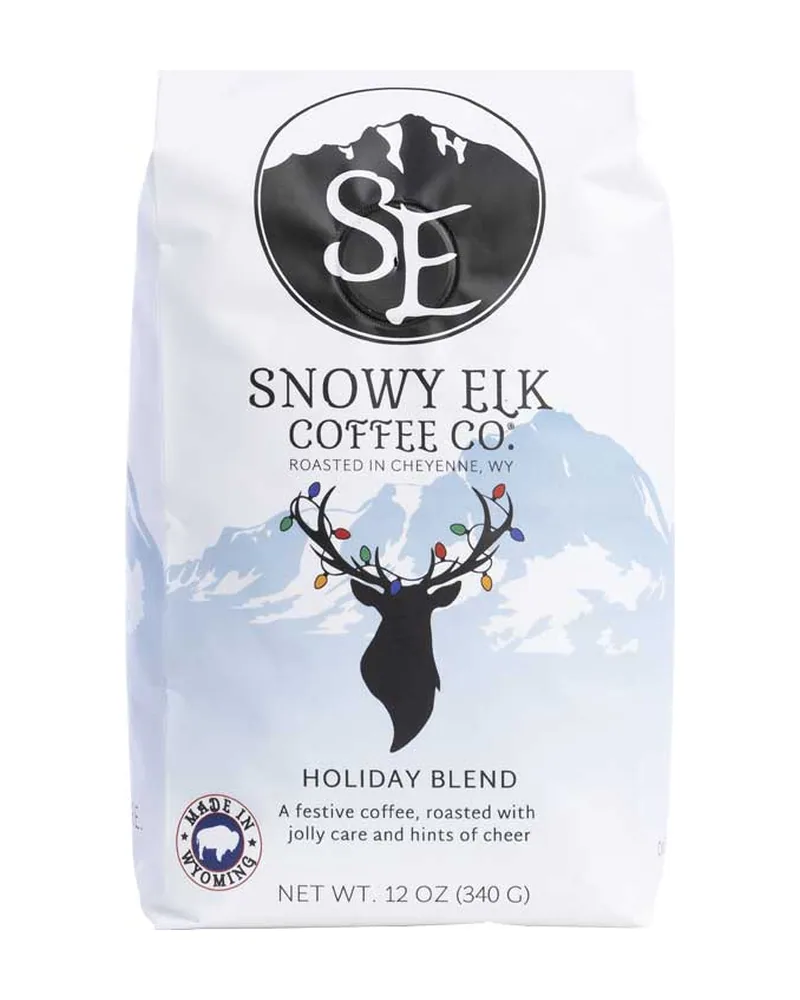
Snowy Elk Coffee Co.
Holiday Blend
22,50 US$
MédiaPorquê: TanzâniaFrutadoLavado
Oetterli Coffee
ORANGUTAN SUMATRA
14,38 US$
MédiaPorquê: Especiado · FrutadoLavadoPreço semelhante
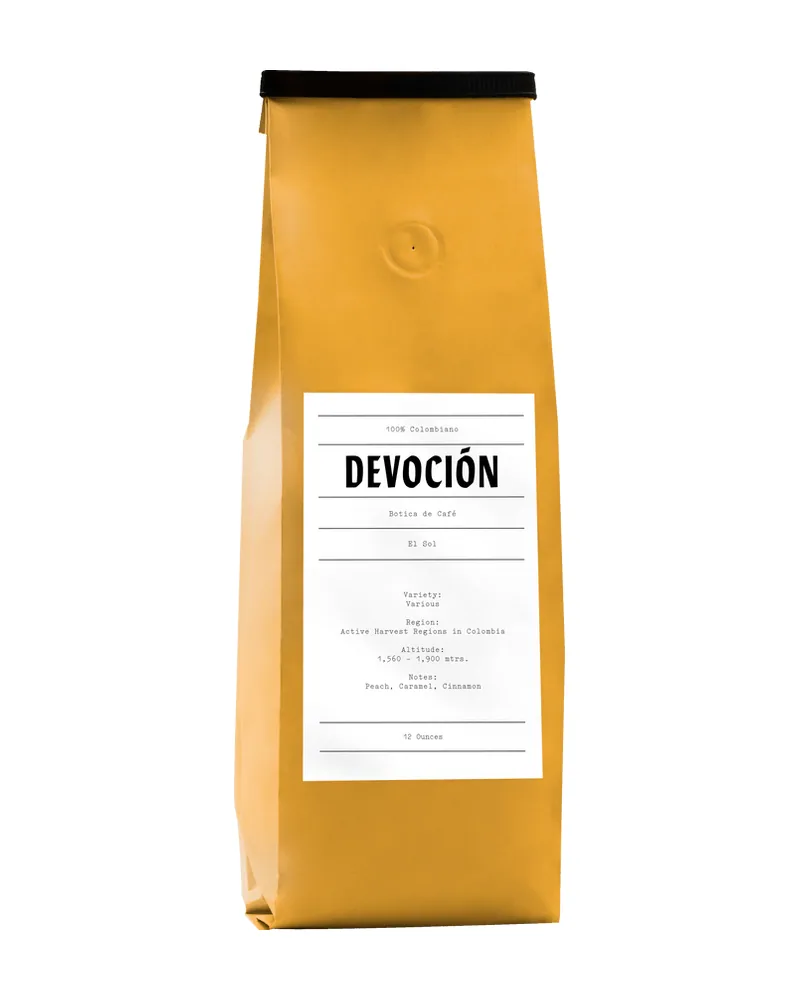
Devocion USA
EL SOL
16,83 US$
MédiaPorquê: Especiado · FrutadoLavadoPreço semelhante
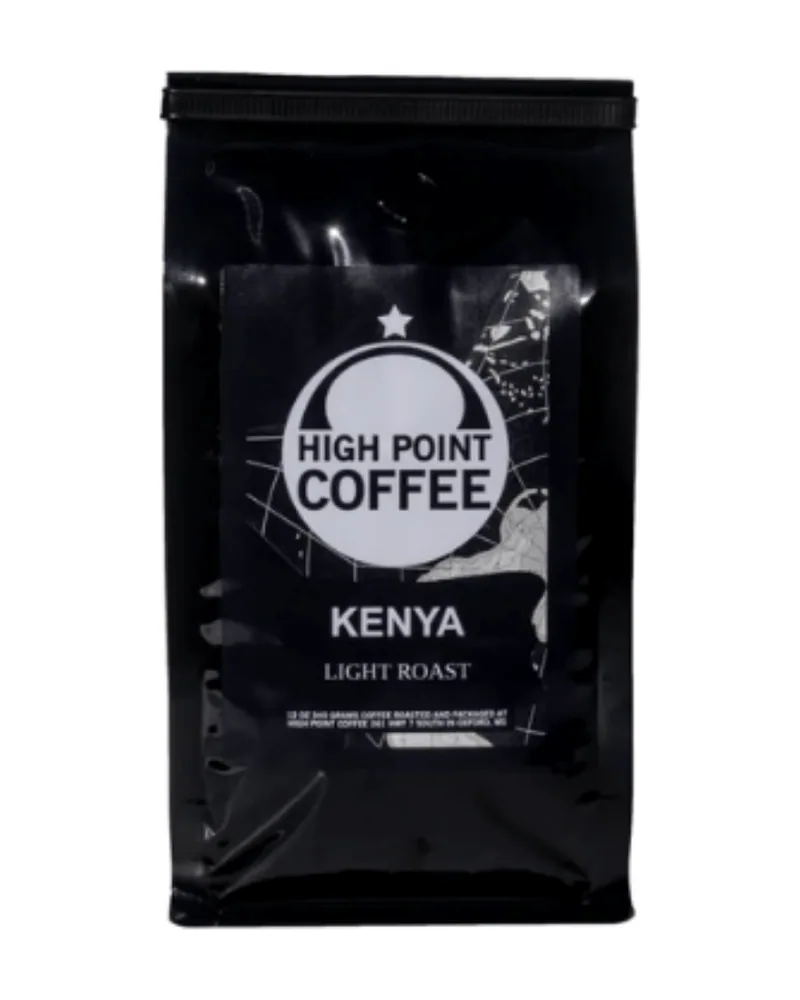
High Point Coffee
Kenya AA
16,25 US$
MédiaPorquê: Especiado · FrutadoLavadoPreço semelhante

Quantum Coffee Roasters
Colombia, Villa Alejandra, GESHA
12,00 £
MédiaPorquê: Especiado · FrutadoLavadoPreço semelhante
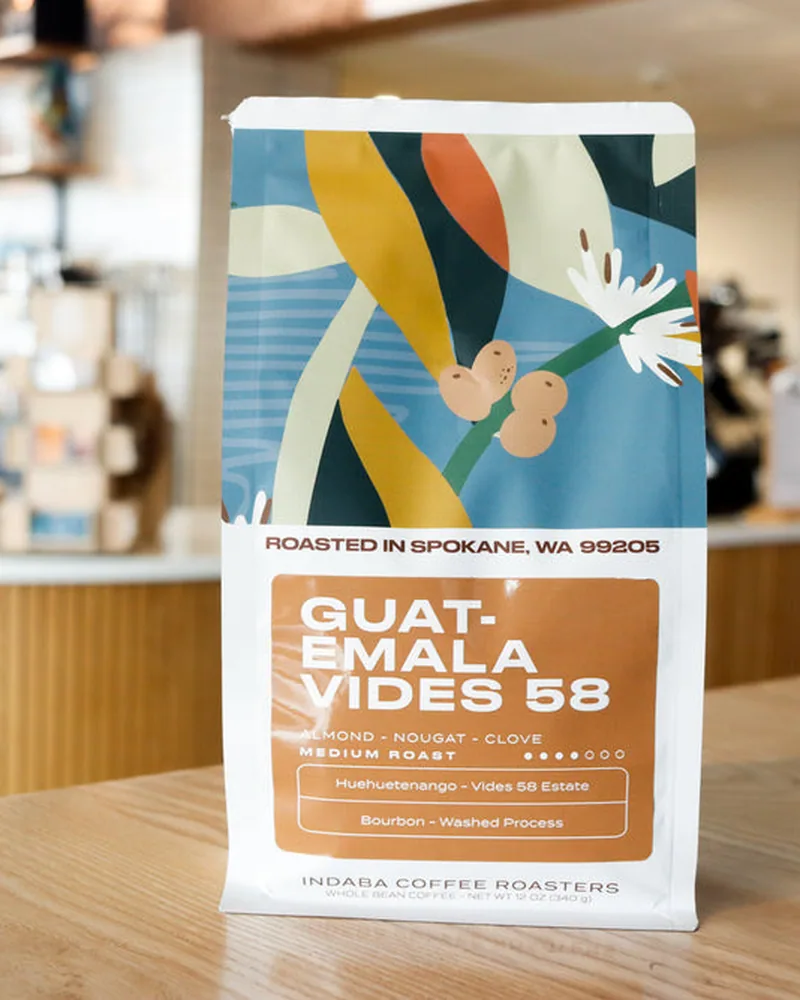
Indaba Coffee Roasters
Guatemala Vides 58 - Single Origin
21,75 US$
MédiaPorquê: Especiado · FrutadoLavadoPreço semelhante
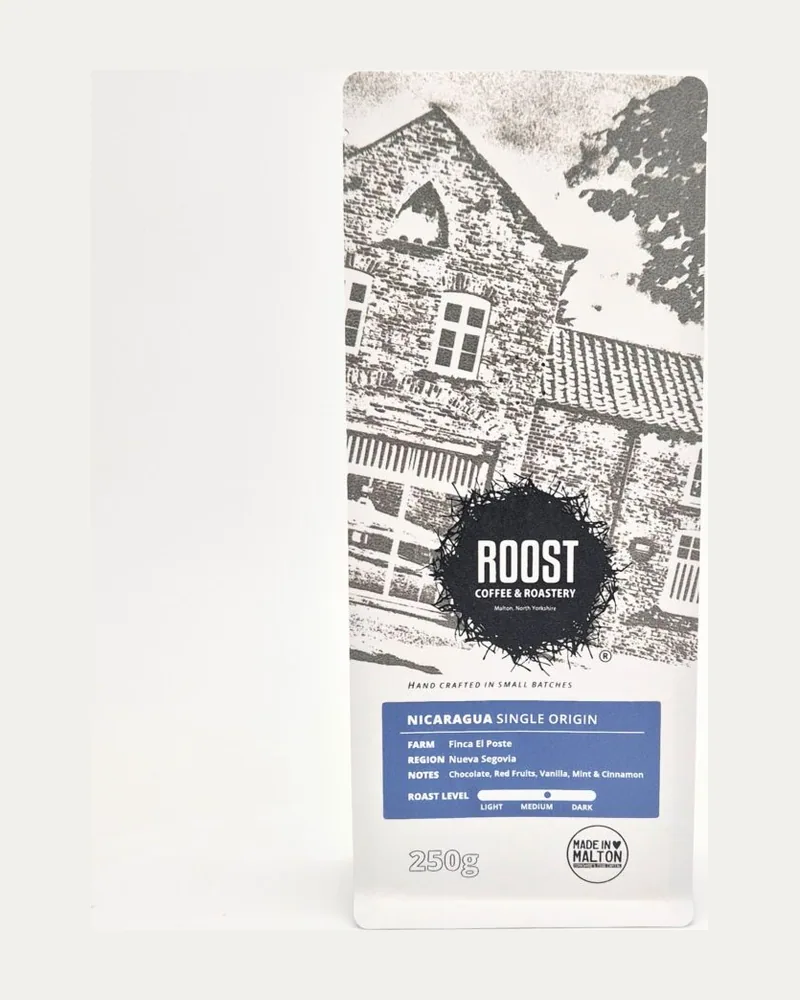
Roost Coffee
NICARAGUA | Finca El Poste
9,50 £
MédiaPorquê: Especiado · FrutadoLavadoPreço semelhante
Glory could coffee roasters
Indonesia Java Blawan - Medium Roast
19,00 US$
MédiaPorquê: Especiado · FrutadoLavadoPreço semelhante