Out Of The Grey Coffee
Single Origin - Colombian "Euro-Italian" Medellin - Specialty Coffee
- Nível de torra: Escura
- Blend
- Descafeinado
Single Origin - Colombian "Euro-Italian" Medellin - Specialty Coffee é um café vendido por Out Of The Grey Coffee (Estados Unidos). Torra: escura. Preço: de 22,99 US$ a 23,97 US$, consoante o tamanho.
Ainda sem classificação · Seja o primeiro a avaliá-lo
de22,99 US$
Vai ser levado à loja da torrefação para concluir a compra.
- Torrefação sediada em
- Estados Unidos
- Enviar para
- Portugal · ✓ Sim, segundo a loja da torrefação
Perfil de sabor
A partir dos dados indicados pela loja da torrefação.
- Nível de torraEscura
- LeveEscuro
Tamanhos e preços
| Moagem | Choose Your Caffeine Option | Preço |
|---|---|---|
| Em grão | Regular | 22,99 US$ ↗ |
| Em grão | Decaf | 23,48 US$ ↗ |
| Moído para espresso | Regular | 23,48 US$ ↗ |
| Moído para espresso | Decaf | 23,97 US$ ↗ |
| Moído para French press | Regular | 23,48 US$ ↗ |
| Moído para French press | Decaf | 23,97 US$ ↗ |
| Moído para ibrik | Regular | 23,48 US$ ↗ |
| Moído para ibrik | Decaf | 23,97 US$ ↗ |
Mostrar todos os 14
| Moagem | Choose Your Caffeine Option | Preço |
|---|---|---|
| Medium Coarse (Drip Coffeemaker) | Regular | 23,48 US$ ↗ |
| Medium (Cone-Bottom Filter) | Regular | 23,48 US$ ↗ |
| Medium Fine (K-Cup Pod/Pour-Over) | Regular | 23,48 US$ ↗ |
| Medium Coarse (Drip Coffeemaker) | Decaf | 23,97 US$ ↗ |
| Medium (Cone-Bottom Filter) | Decaf | 23,97 US$ ↗ |
| Medium Fine (K-Cup Pod/Pour-Over) | Decaf | 23,97 US$ ↗ |
Descrição
(French & Italian Roast Colombian Supremo from Antioquia/Medellin region)
Smoky richness, cherry, blueberry, chocolate and caramel notes with a lively, effervescent acidity and lightly syrupy mouthfeel.
Perfect choice for coffee drinkers suffering from digestive issues, or those that just prefer low acidic coffees with a higher level of antioxidants.
100% delicious!
Roast: Dark
Processing: Washed and Sun Dried
Altitude: 1500 - 1800 M.A.S.L.
Harvest: November - March
12 oz. Handcrafted Specialty Coffee
The best of both worlds… a masterful combination of French and Italian roast Colombian Supremo coffee. Providing the balance of aggressive smoky darkness and sweet rich caramel flavors.
Medellín, the “City of Eternal Spring,” is the second-largest city in Colombia and the capital of the department of Antioquia—the birthplace of coffee in Colombia and still its largest growing region. Coffees from Antioquia are known for their medium body and cup profiles that are typically not as fruity or winey as those from other regions. Rather, it produces a smooth, well-balanced cup that can be enjoyed any time of day.
For us at ootgCoffee, there’s something about Colombia.
Really there’s not just “something” about Colombia, but many, many somethings that make this place particularly special among coffee-growing countries, and as famous. Everyone knows Colombian coffee—or thinks they do. However, to simply say a coffee is from Colombia is to tell just a fragment of the story, like recommending a book to a friend by only telling her the name of the publisher. To really get to know Colombian coffee is to travel thousands of miles, taste through thousands of cups, and wear out dozens of pairs of hiking boots touring hundreds of coffee farms from north to south. Even if that’s just the beginning—but every beautiful story needs a beginning.
HISTORY
Coffee came to Colombia in the late 1700s by way of Jesuit priests who were among the Spanish colonists, and the first plantings were in the north of the country, in the Santander and Boyaca departments. Throughout the 19th century, coffee plants spread through the country, with a smaller average farm size than more commonly found throughout other Latin American producing countries.
Commercial production and export of coffee started in the first decade of the 1800s, but remained somewhat limited until the 20th century: The 1927 establishment of the Federación Nacional de Cafeteros de Colombia (aka FNC, see below) was a tremendous boost to the national coffee industry, and Colombia quickly established itself as a major coffee-growing region, vying with Brazil and Vietnam for the title of top global producer.
Colombia still produces exclusively Arabica coffee, and though the country suffered setbacks and lower yields from an outbreak of coffee-leaf rust in the early 2010s, production has fairly bounced back thanks to the development and spread of disease-resistant plants, as well as aggressive treatment and preventative techniques.
REGIONALITY
Colombia’s size alone certainly contributes to the different profiles that its 20 coffee-growing departments (out of a total 32) express in the cup, but even within growing regions there are plentiful variations due to the microclimates created by mountainous terrain, wind patterns, proximity to the Equator, and, of course, differences in varieties and processing techniques.
The country’s northern regions (e.g. Santa Marta and Santander) with their higher temperatures and lower altitudes, offer full-bodied coffees with less brightness and snap; the central “coffee belt” of Antioquia, Caldas, and Quindio among others, where the bulk of the country’s production lies, produce those easy-drinking “breakfast blend” types, with soft nuttiness and big sweetness but low acidity. The southwestern departments of Nariño, Cauca, and Huila tend to have higher altitude farms, which comes through in more complex acidity and heightened florality in the profiles.
To capitalize on this broad spectrum of flavors and to emphasize the diversity available to roasters and consumers from within a single country, the coffee growers’ association has begun to provide origin distinctions and has developed aggressive marketing campaigns designed to boost the regions’ signals to buyers worldwide.
NATIONAL FEDERATION OF COFFEE GROWERS
Founded in 1927, the Federación Nacional de Cafeteros de Colombia (aka the National Federation of Coffee Growers, hence the “FNC” abbreviation) is a large NGO that provides a wide variety of services and support to the country’s coffee producers, regardless of the size of their landholdings or the volume of their production. The marketing arm of the FNC develops campaigns to push not only international consumption of Colombian coffee, but also, more recently, domestic consumption of specifically specialty-grade Colombian coffees. (The creation of the Juan Valdez “character” in the 1950s is the clearest example of the outward-facing advertising that has built the FNC’s reputation; the creation and spread of Juan Valdez cafes in-country continues the institution’s mission to grow domestic consumption as well.)
The FNC also guarantees a purchase price for any coffee grown within Colombia, which provides some degree of financial security to farmers: They have the option to find private buyers or break into specialty markets, or they can tender their coffee to the FNC and receive a somewhat stable (if also rather standard, influenced by the global commodities market) price at any point during the year. This is designed to eliminate some of the market pressures and provide reliable income to the coffee sector, though it also comes under criticism for disincentivizing the development of super-specialty lots and microlots.
The scientific arm of the organization, Cenicafé, is devoted to research, development, dissemination, and support throughout the country. A wide-ranging extension service employing more than 1,500 field workers is deployed to meet and consult with farmers on soil management, processing techniques, variety selection, disease prevention and treatment, and other agricultural aspects to coffee farming. A tax is imposed on all coffee exports in order to fund this work as well as the other provisions and protections that the FNC offers, regardless of a producer’s participation or use of FNC services, marketplace, and programs.
The FNC also built and operates a coffee theme park in Quindío (Parque Nacional del Café), in collaboration with the Department Committee of Coffee Growers of Quindío: In it is a coffee-history museum, a coffee garden, an example of a traditional farmer’s house, and a roller coaster called “La Broca.”
Perguntas sobre Single Origin - Colombian "Euro-Italian" Medellin - Specialty Coffee
Que nível de torra tem Single Origin - Colombian "Euro-Italian" Medellin - Specialty Coffee?
Nível de torra: escura.
Quanto custa Single Origin - Colombian "Euro-Italian" Medellin - Specialty Coffee?
Preço: de 22,99 US$ a 23,97 US$, consoante o tamanho. Os preços vêm da loja e podem mudar; a loja tem os preços atuais.
Onde posso comprar Single Origin - Colombian "Euro-Italian" Medellin - Specialty Coffee?
Na loja online de Out Of The Grey Coffee: os preços desta página ligam a ela. Segundo a sua loja, entrega em todo o mundo. A Cafendo não vende café.
Avaliações
Ainda sem avaliações.
Cafés semelhantes
Cafés de outras torrefações semelhantes a este
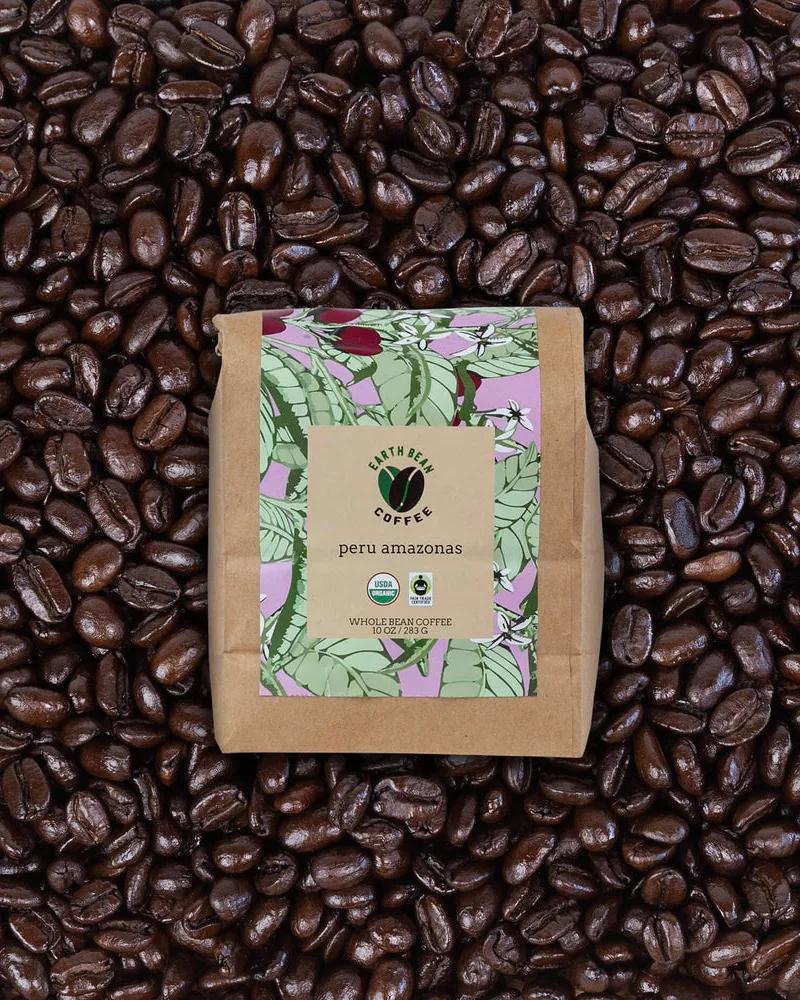
Earth Bean Coffee
Peru Amazonas
16,00 US$
Escura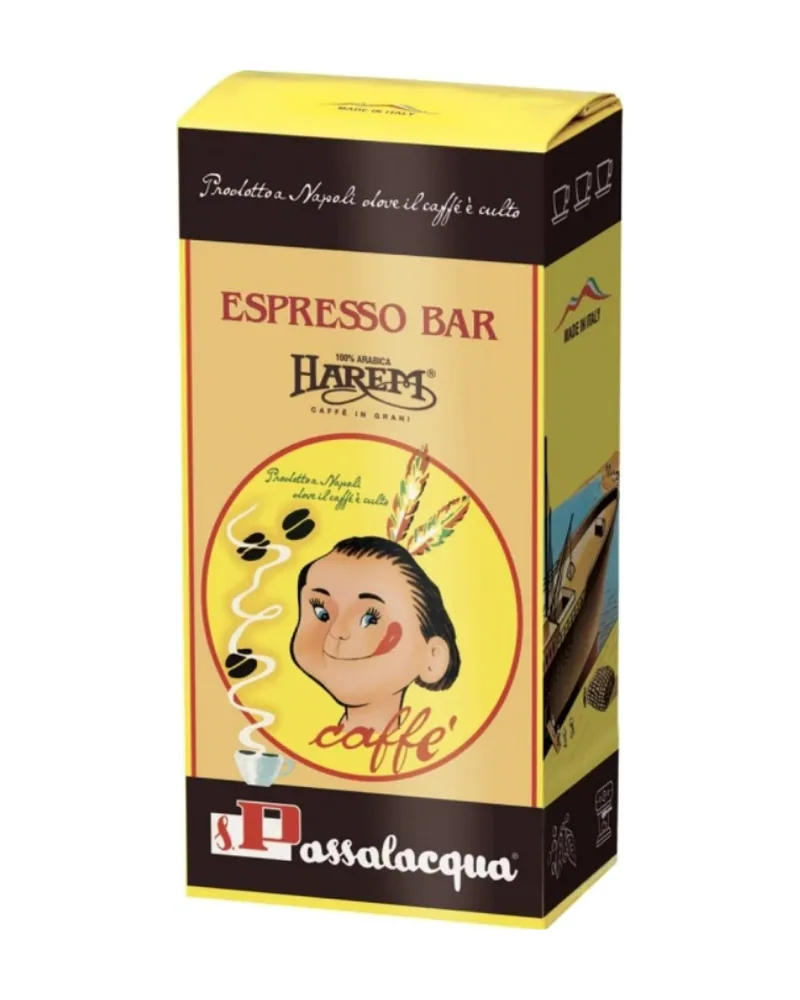
Passalacqua
Harem
19,00 US$
Escura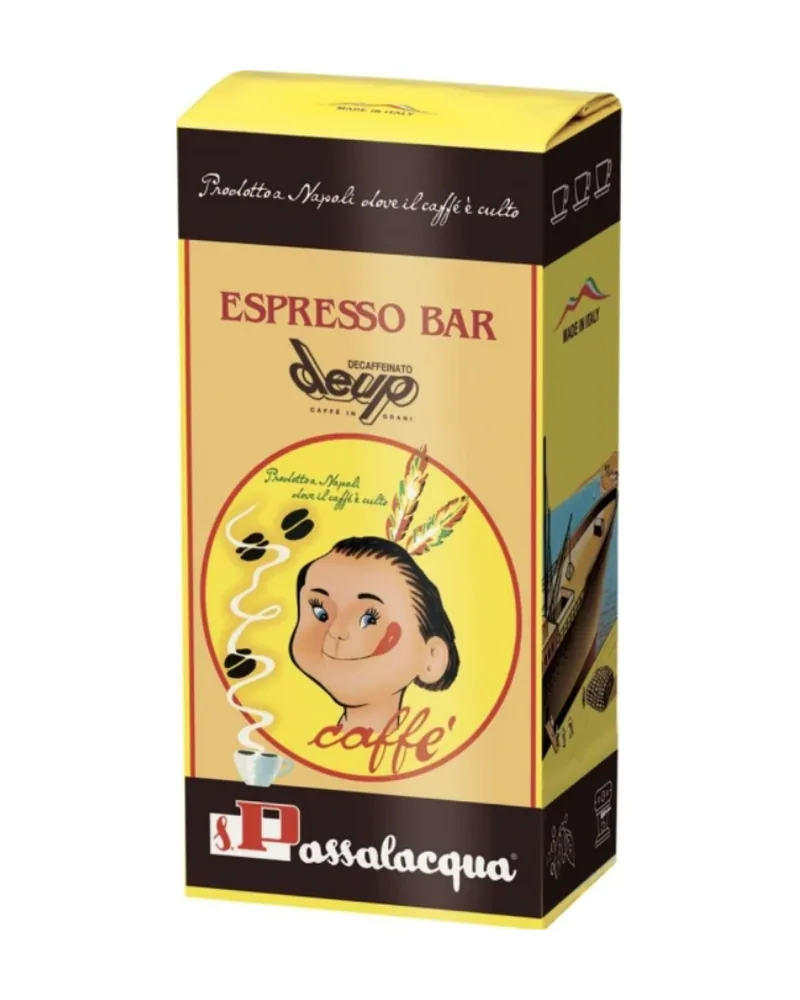
Passalacqua
Deup
14,50 US$
Escura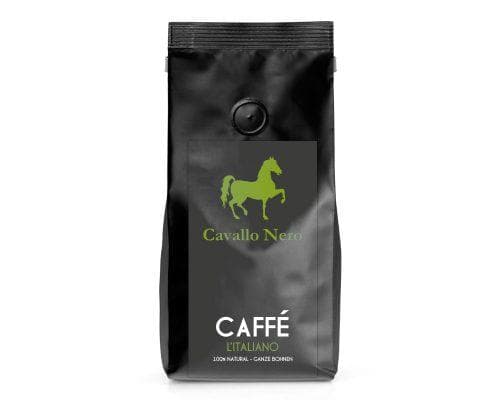
Biotiva
Coffee L'Italiano
12,50 US$
Escura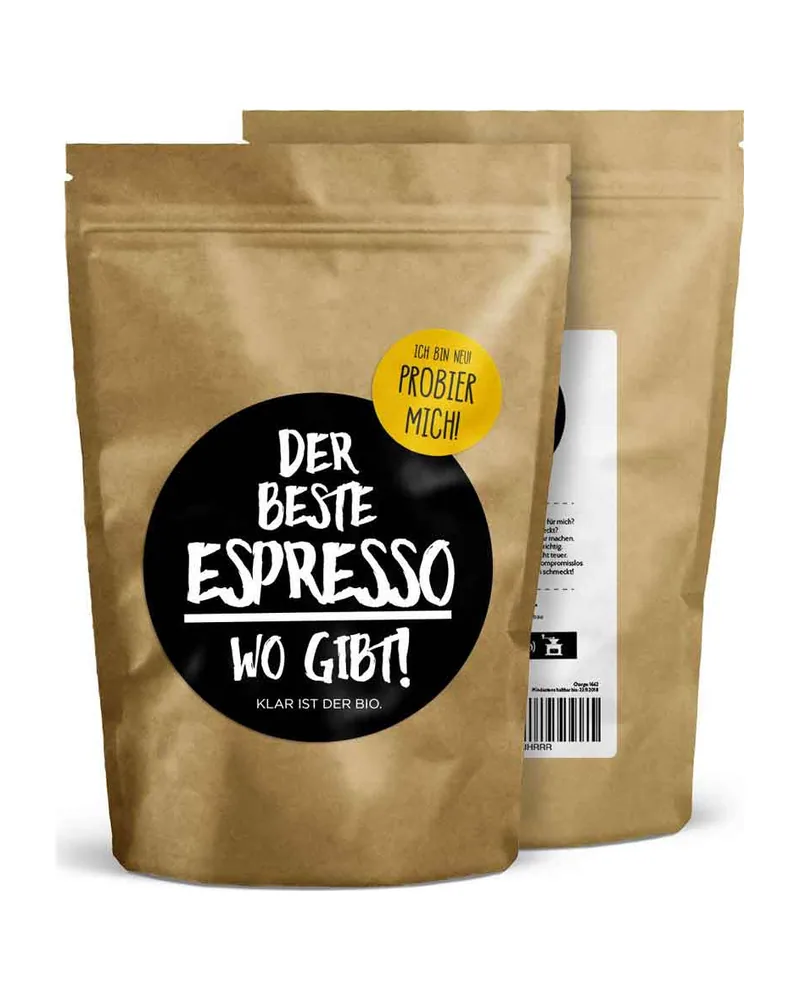
Biotiva
THE BEST ESPRESSO WHERE THERE IS!
8,90 US$
Escura
Dinzler Kaffeerösterei
DINZLER coffee premium
6,80 US$
Escura
Stone Street Coffee
Blueberry Cold Brew
19,00 US$
Escura
Cultivo
Cultivo Canned Craft Coffee Organic Nicaragua
10,17 US$
Escura