

 Quaffee
Nicaraguan Rajuanse Estate Pacamara Washed RFA coffee
- Lavado
Nicaraguan Rajuanse Estate Pacamara Washed RFA coffee é um café vendido por Quaffee (África do Sul). Processo: lavado. As notas de prova do torrefador: brown sugar, nuts. Preço: de 230,00 ZAR a 740,00 ZAR, consoante o tamanho.
Ainda sem classificação · Seja o primeiro a avaliá-lo
de230,00 ZAR
Vai ser levado à loja da torrefação para concluir a compra.
- Torrefação sediada em
- África do Sul
- Enviar para
- Portugal · Consulte a loja da torrefação
Nicaraguan Rajuanse Estate (Buena Esperanza Farm) Fully Washed Processed pure Pacamara Arabica roasted to order. Tasting notes: Brown sugar, nuts, with an almost ripe peach after taste. Coffee has a medium-mild body.
Roasted at Quaffee to order. It may take up to 2 working days to dispatch. View our standard delivery days, to see when to expect it (once payment is received).
Perfil de sabor
A partir dos dados indicados pela loja da torrefação.
Notas de prova
- Brown sugar
- Nuts
Tamanhos e preços
| Conteúdo | Preço |
|---|---|
| 250g | 230,00 ZAR ↗ |
| 275g | 230,00 ZAR ↗ |
| 500g | 370,00 ZAR ↗ |
| 1kg | 740,00 ZAR ↗ |
Descrição
Nicaraguan Rajuanse Estate Pacamara cultivar coffee from Buena Esperanza.
Nicaraguan Coffee
Nicaragua began growing coffee in 1790, introduced by Catholic Missionaries as a curiosity. As global demand increased, the government implemented a subsidy from 1979 to 1889. Coffee remained Nicaragua’s main export through various political regimes until the early 1990s. The coffee price crash in 1999 severely impacted the sector, compounded by Hurricane Mitch in 1998 and a drought around the millennium. Since then, Nicaraguan coffee production has recovered, and quality has improved.
Rajuanse Estates
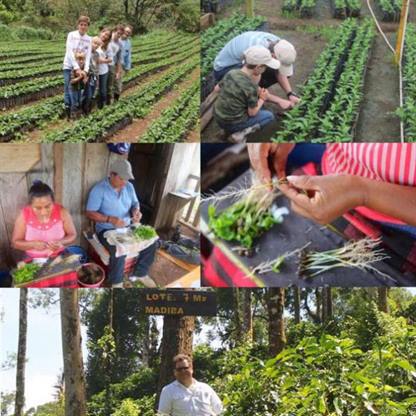
Rajuanse Estate’s Buena Esperanza coffee farm, located in a mountain valley in Matagalpa, Nicaragua, was originally a 2,818-hectare timber operation owned by an American lumber company since the 1960s. In the early 1970s, the farm began transitioning to coffee production. Political events in the late 1970s and 80s caused national instabilities, affecting farming. Don Manuel, one of the original workers, planted the first coffee plants and now serves as the farm’s historian. The farm, situated in a valley with many microclimates, treats different coffee plant varieties. Elevation ranges from 1100 to 1200 meters, with an average annual rainfall of 3000 mm. Buena Esperanza holds certifications from Rain Forest Alliance and Café Practice.
Rajuanse commits to reforesting. Every year, they fill gaps within the farm with local trees from their reforestation nursery. Shade and humidity retention are imperative in the area.
Success and Milling
In 2018, Buena Esperanza achieved a favourable placement in the finals of the Cup of Excellence in Nicaragua with a washed Pacamara. This success led to a natural integration into the Specialty Coffee Segment. During the 2018/19 cycle, Rajuanse Estate incorporated a Specialty Coffee Team. Of note is that the team selects different farm areas and varieties with the most favorable conditions to maximize the coffee bean’s natural profiles. FurhThey determine the drying process at the mill and prepare it immediately for transport to the off-site dry mill.
They mill the coffees at Sajonia Estate Coffee, where there is a Specialty Coffee line dedicated to Rajuanse in a controlled environment. They process the coffees using Natural, Honey, or Washed methods. Rajuanse administrative offices are located at Sajonia Estate, where they track all their coffee from farm to export.
Processing
We actually had a WhatsApp discussion with Ramiro to clarify their process here is a summary of that discussion:
For their special reserves, the team picks coffee only during the morning shift. They select lots based on a good Brix reading. Both naturals and honeys follow the same protocol. Morning picking minimizes field time and speeds up the drying process.
Next, they pass the cherries through a mechanical siphon to sort out floaters, keeping only dense cherries. They then wash the cherries. Naturals go into plastic crates and head to the dry mill. Honeys get de-pulped, and the beans are placed in plastic bags to retain all mucilage. Once filled, these bags are sent to the dry mill. For honeys, only the pulp is removed, not the mucilage. Varieties influence the amount of mucilage.
The farm calls the facility in advance to prepare for the delivery. Upon arrival, they weigh the cherries and place them on raised racks. They ensure the cherries are no more than an inch high on the racks for even drying. During the first few days, they shuffle them by hand to ensure uniform drying.
Throughout this process, they purge each rack by removing beans with uneven characteristics. This drying process takes 14 to 18 days, depending on wind and temperature.
Pacamara Lot
This coffee is from a lot of Pacamara grown on Buena Esperanza. It was planted in 2015. It represents a breakaway from traditional density by hectare, and spacing between plants and rows, thus, going out of the box and comfort zone for the engineers of the farm.
Video of the shuffling
Here is a video Ramiro Sent to us. From the Facebook site (it is of the natural shuffling): (click here to view video click here…)
Details of Nicaraguan Rajuanse
Region Matagalpa, Nicaragua. Farm Buena Esperanza Farm on Rajuanse Estate. Producer Ramiro Ortiz. Harvest 2023. Altitude 1,100-1,200 masl. Coffee Area 405 Hectares of 846 Hectares. Cultivar Arabica Pacamara. Processing Fully Washed Packaging Grain Pro with Hessian. Certifications RFA Characteristics A medium mouth-feel with sweet stone fruit and gentle nutty taste.. Roast We soak the coffee to start, then allow a gently decreasing ramp rate during the roast into and through first crack. Development time is 50 seconds Roast degree: Light – using my-tonino.com.Starting Brews
We found reducing the dose a big winner here. Doing so accentuated the sweetness. If you want more nuttiness, increase the dose and keep the yield the same. See more about dose and yield here…
Brew Method Ratio Brew Method Ratio Espresso 1:2.3 (28s) AeroPress 17g:180g Plunger 46g:800g Pour over/filter 17g:300g (for a sweeter coffee)Transparency Information
Producer/Organization Ramiro Ortiz / Rajuanse Estate Sourced from Zuka Green FOB price $4.95/lb FOB Cupping score 84.25. Lot size we have committed to 138kg. Relationship Our relationship with Ramiro is now 5 years old. Other Information We spoke directly with Ramiro, who is happy working with Zuka Green.Sources:
1 Marketing material from Zuka.
2 Conversation with Ramiro.
Perguntas sobre Nicaraguan Rajuanse Estate Pacamara Washed RFA coffee
A que sabe Nicaraguan Rajuanse Estate Pacamara Washed RFA coffee?
As notas de prova do torrefador: brown sugar, nuts. Grupos de sabor: frutos secos e caramelo e doce.
Como é processado Nicaraguan Rajuanse Estate Pacamara Washed RFA coffee?
Método de processamento: lavado.
Quanto custa Nicaraguan Rajuanse Estate Pacamara Washed RFA coffee?
Preço: de 230,00 ZAR a 740,00 ZAR, consoante o tamanho. Os preços vêm da loja e podem mudar; a loja tem os preços atuais.
Onde posso comprar Nicaraguan Rajuanse Estate Pacamara Washed RFA coffee?
Na loja online de Quaffee: os preços desta página ligam a ela. A Cafendo não vende café.
Avaliações
Ainda sem avaliações.
Se gosta deste café, experimente estes
Escolhidos entre outras torrefações por origem, processo, torra, notas de prova e preço em comum. Os cafés que as mesmas pessoas guardaram ou classificaram bem contam mais.
Ghost Town Coffee
El Salvador - Cedro
15,14 US$
MédiaPorquê: Caramelo e doce · Frutos secosLavadoPreço semelhante
Devocion USA
TORO
16,83 US$
MédiaPorquê: Caramelo e doce · Frutos secosLavadoPreço semelhante

Dancing Goats
Organic Fair-Trade Guatemala El Volcan
20,50 US$
Porquê: Caramelo e doce · Frutos secosLavadoPreço semelhante
High Point Coffee
Papua New Guinea
13,54 US$
MédiaPorquê: Caramelo e doce · Frutos secosLavadoPreço semelhante
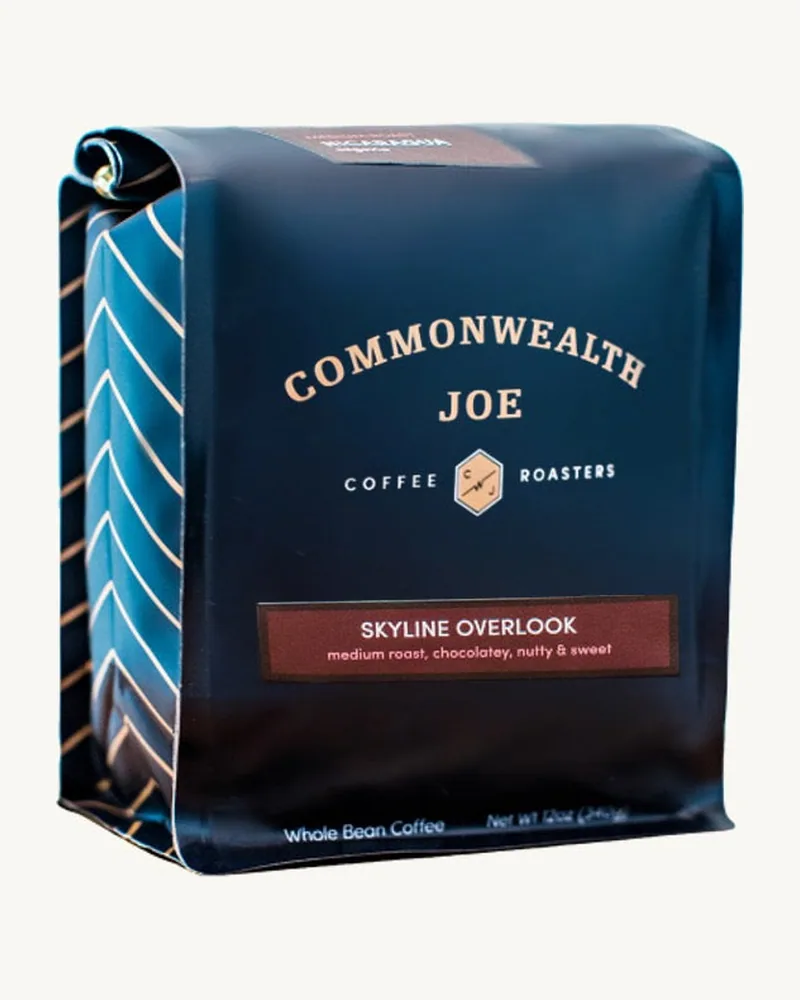
Commonwealth Joe
Skyline Overlook
18,99 US$
MédiaPorquê: Caramelo e doce · Frutos secosLavadoPreço semelhante
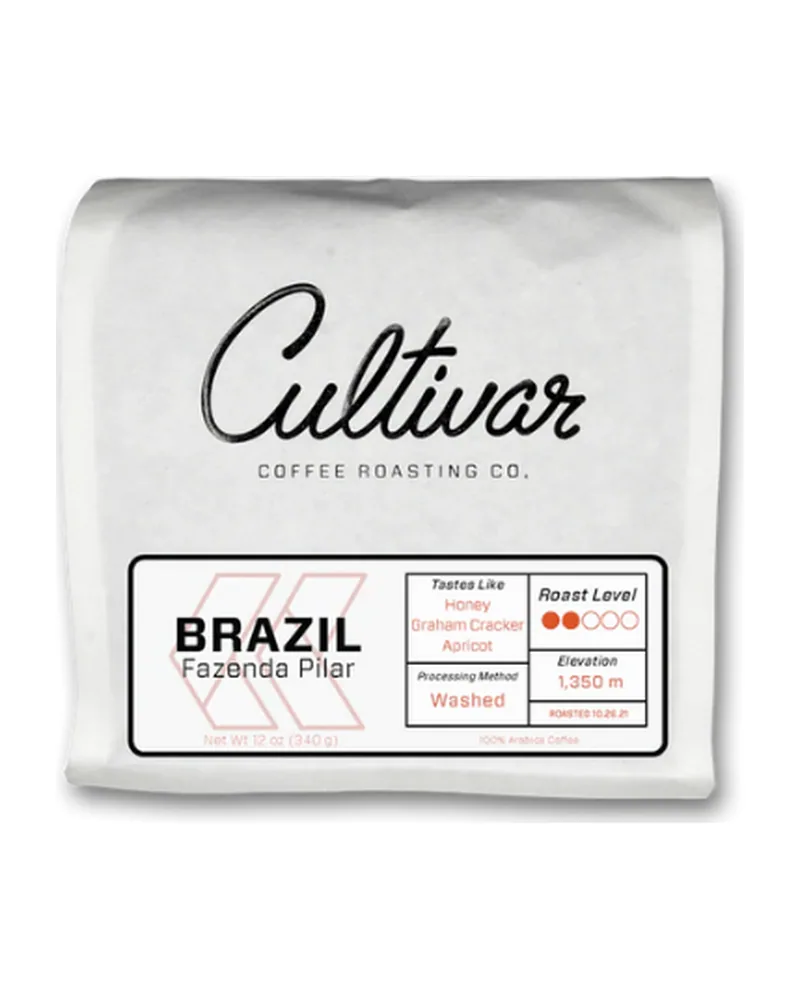
Cultivar Coffee
BRAZIL FAZENDA PILAR
15,90 US$
MédiaPorquê: Caramelo e doce · Frutos secosLavadoPreço semelhante
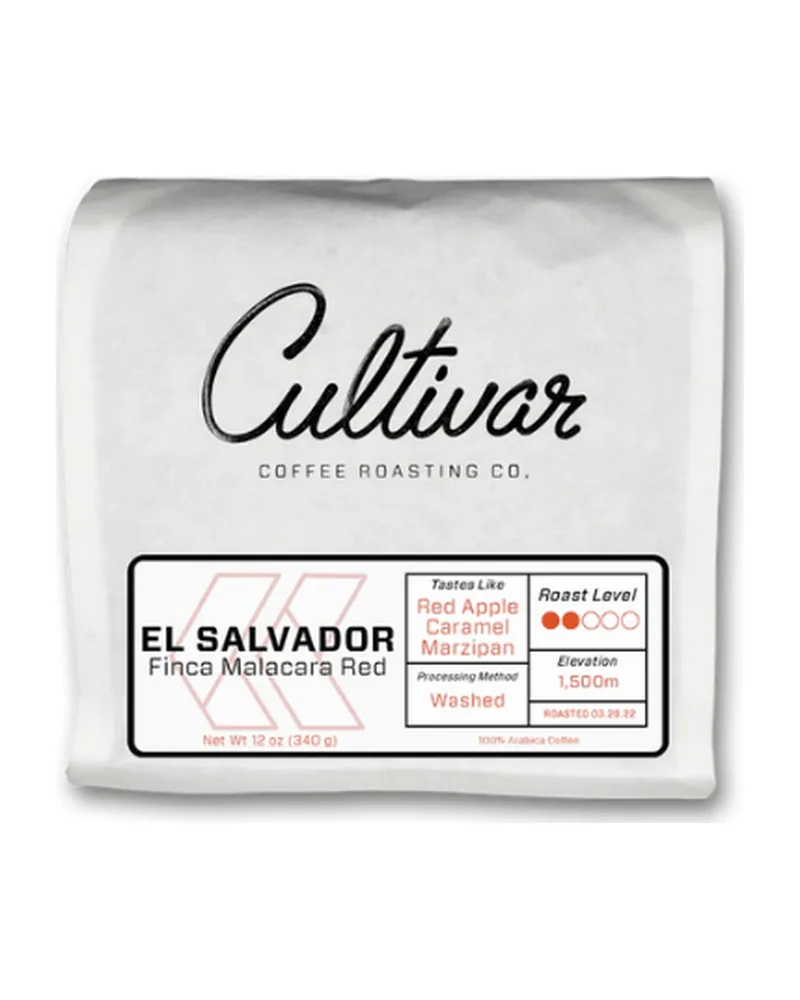
Cultivar Coffee
EL SALVADOR FINCA MALACARA RED
15,91 US$
MédiaPorquê: Caramelo e doce · Frutos secosLavadoPreço semelhante
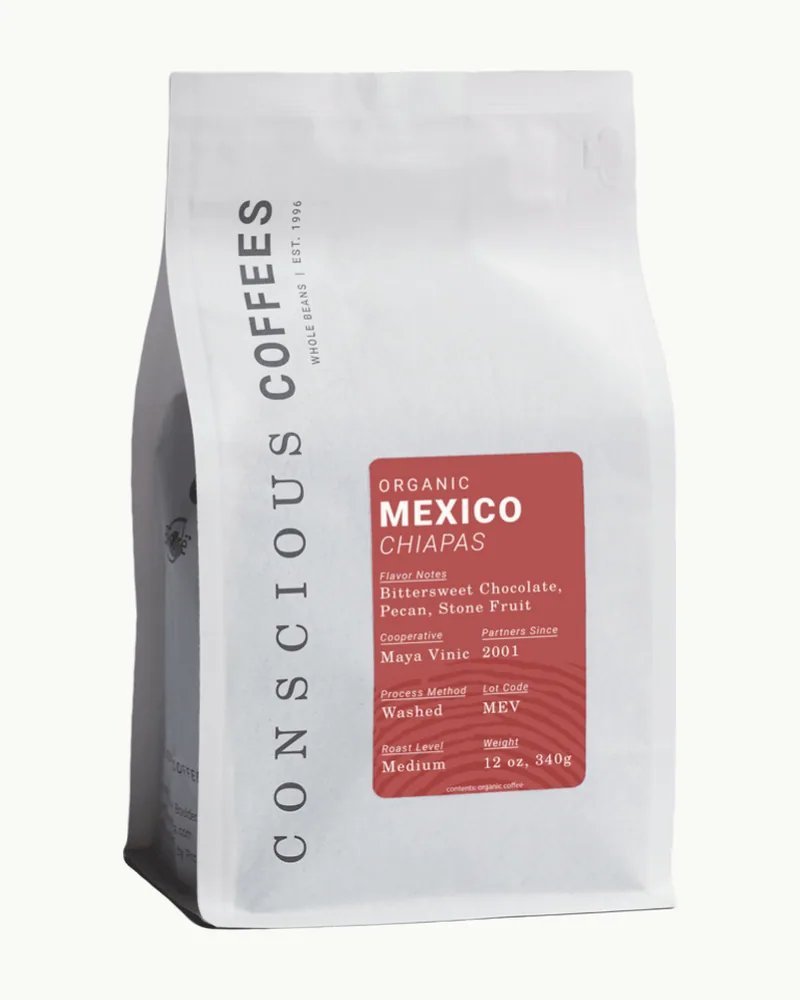
Conscious Coffees
Mexico | Chiapas Region
18,00 US$
MédiaPorquê: Caramelo e doce · Frutos secosLavadoPreço semelhante