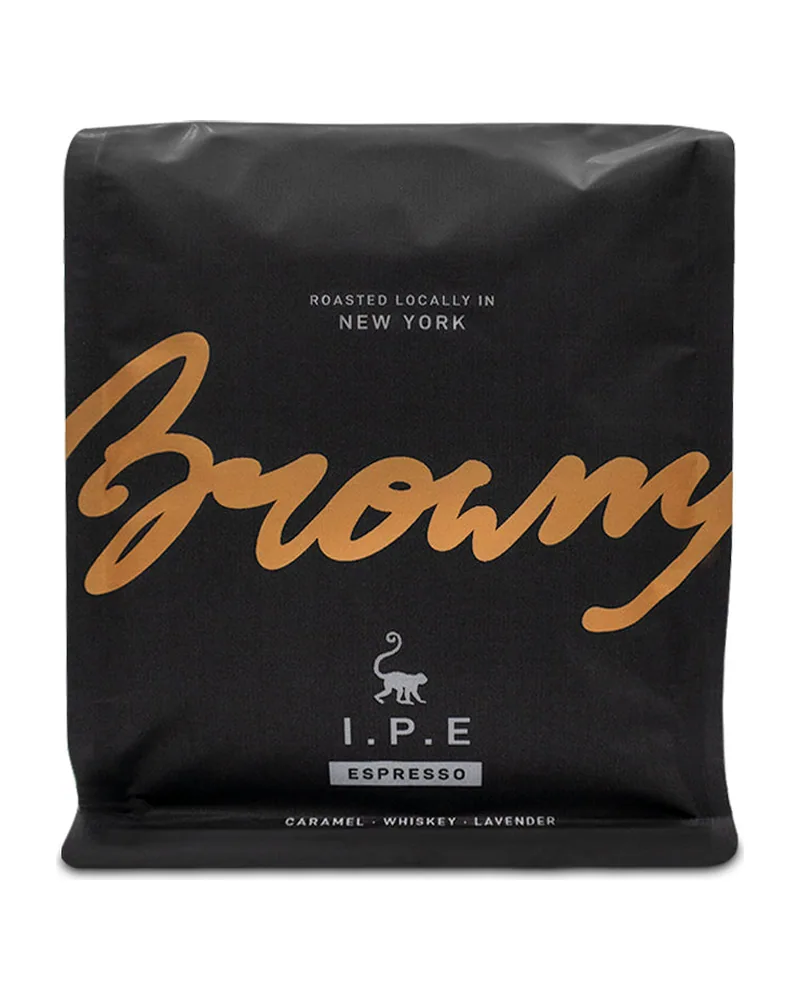
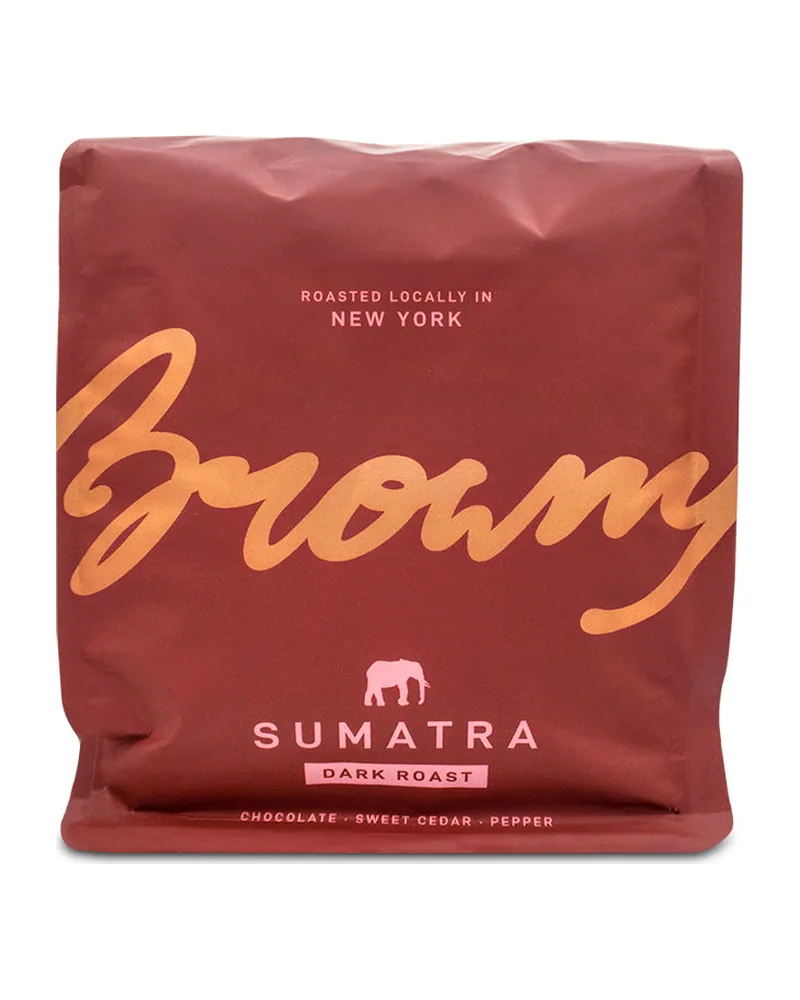
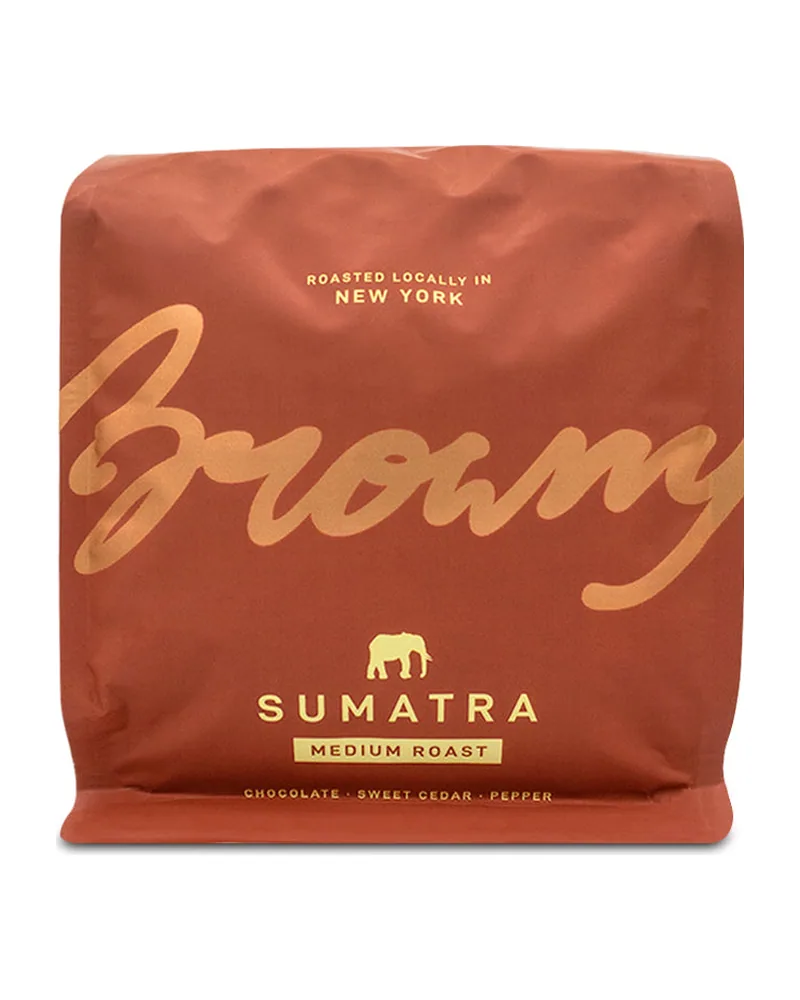
Browny Coffee
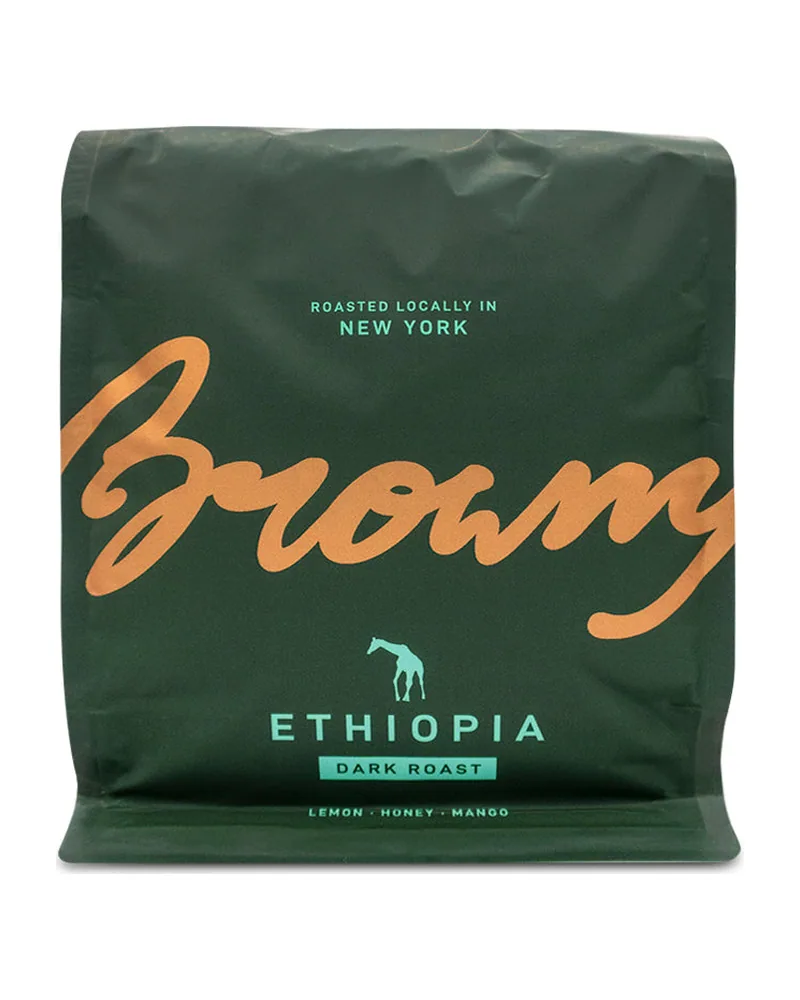
ETHIOPIA, Medium Roast
Etiópia
- Nível de torra: Média
- Origem única
ETHIOPIA, Medium Roast é um café de Etiópia, vendido por Browny Coffee (Queens, Estados Unidos). Torra: média. As notas de prova do torrefador: lemon, honey, mango. Preço: de 17,99 US$ a 89,99 US$, consoante o tamanho. Isso equivale a partir de 39,68 US$ por quilo.
Ainda sem classificação · Seja o primeiro a avaliá-lo
de17,99 US$
≈ 39,68 US$ / kg
Vai ser levado à loja da torrefação para concluir a compra.
- Torrefação sediada em
- Estados Unidos
- Enviar para
- Portugal · Não indicado pela loja da torrefação
Perfil de sabor
A partir dos dados indicados pela loja da torrefação.
Notas de prova
- Lemon
- Honey
- Mango
- Nível de torraMédia
- LeveEscuro
Tamanhos e preços
| Moagem | Conteúdo | MASH | Por kg | Preço |
|---|---|---|---|---|
| Em grão | 12oz | – | 52,88 US$ | 17,99 US$ ↗ |
| Moído para espresso | 12oz | – | 52,88 US$ | 17,99 US$ ↗ |
| Moído para filtro | 12oz | – | 52,88 US$ | 17,99 US$ ↗ |
| Moído para French press | 12oz | – | 52,88 US$ | 17,99 US$ ↗ |
| Moído para cold brew | 12oz | – | 52,88 US$ | 17,99 US$ ↗ |
| Moído | 12oz | Coffee Maker | 52,88 US$ | 17,99 US$ ↗ |
| Em grão | 5lb | – | 39,68 US$ | 89,99 US$ ↗ |
| Moído para espresso | 5lb | – | 39,68 US$ | 89,99 US$ ↗ |
Mostrar todos os 12
| Moagem | Conteúdo | MASH | Por kg | Preço |
|---|---|---|---|---|
| Moído para filtro | 5lb | – | 39,68 US$ | 89,99 US$ ↗ |
| Moído para French press | 5lb | – | 39,68 US$ | 89,99 US$ ↗ |
| Moído para cold brew | 5lb | – | 39,68 US$ | 89,99 US$ ↗ |
| Moído | 5lb | Coffee Maker | 39,68 US$ | 89,99 US$ ↗ |
Descrição
Save up to 15% Everytime with Subscription, Learn more.
-
Origin : Yirgacheffe, Ethiopia
-
Process : Washed, Sun-Dried
-
Roast : Medium
-
Notes : Lemon, Honey, Mango
-
Harvest : October to January
Rated and reviewed to be the highest Arabica coffee in the world. In short, we would define it as a bright coffee for its light body and high acidity. It is characterized by its complexity of fruity, winey flavors and strong floral aroma followed with a bright acidic kick to it!
Ethiopian washed coffees are more elegant, lighter, and drier on the palate than naturally processed coffees. The body is not too strong and has an almost tea-like delicacy which reveals a mild and pleasant acidity.
Ethiopia is the region located between the tropic of Cancer and the tropic of Capricorn. It is the perfect region endowed with mild temperatures and plenty of rain. The lush vegetation in Ethiopia allows farmers to grow their coffee trees without having to plant additional trees to provide shade. In fact, the coffee-growing conditions are so good that agricultural chemicals are rarely needed.
History
The history of Ethiopian coffee is different compared to the other countries that have well-documented, recorded coffee histories. The story of Ethiopian coffee begins with a legend. It all started around 850 AD with a young goat herder named Kaldi. It began when he found his goats acting strange and unusually excited after eating the small berries off a shrub. In curiosity, he ate a few berries and felt energized. He knew the berries were special and immediately grabbed a pocket full of berries and took them to the monks in the monastery at Lake Tana. The monks reacted negatively throwing the berries into the fire and exclaiming it to be “Devils work!” However, the berries roasting in the fire gave off an irresistibly pleasant aroma. In amazement, the monks started to experiment with the coffee seeds soaking them in hot water to preserve the flavors. Drinking the coffee, they experienced the energy it gave them and vowed to drink it daily for their nightly devotions.
Coffee still stands to be an important aspect of daily life for the locals in Ethiopia. It is part of their core cultural tradition to have a ‘coffee ceremony’ which is a social experience where the host harvests, roasts, brews cups of coffee for people to gather and enjoy a good coffee time. There is even a phrase in a local language that translates to “coffee is our bread”.
Dessert Complements
Ethiopia coffee makes a delicious combination with light fruit desserts such as a lemon pound cake, strawberry shortcake, or a blueberry muffin. The floral and bright acidity of Ethiopian coffee makes a perfect pair with chocolate, especially milk chocolate. This will bring out its notes of wine.
Interesting Facts
-
Arabica coffee was first discovered in Ethiopia around the 8th and 9th centuries by a goat herder named Kaldi.
-
One of the core cultural traditions in Ethiopia is having a 'coffee ceremony.' It is a tradition where people would gather to enjoy coffee and conversation.
-
Ethiopia coffee beans can be eaten raw also the coffee cherries. In some communities in Ethiopia, people would mix it with nuts, cereal, even with butter and other spices to eat it raw.
Strict Preparation of Coffee Bean is Famous for Roasting Ethiopian Coffee
Ethiopian coffee is admired worldwide for its wild flavors and exclusive features not found anywhere else. Coffee from Ethiopia is understood to be the origin of arabica coffee. The coffee sector recognizes it as having the most hereditarily diverse varietals and occurrence of wild coffee plants. This status is strengthened yearly by the ever-increasing demand for the best Ethiopian coffee beans and their presence in blends, single-origin offerings, and coffee shops internationally. Unlike the best Ethiopian coffee roasters, no other coffee origin offers an intricacy of flavor.
What is Traditional Ethiopian Coffee?
Coffee is deep-seated within Ethiopia's culture. An elegant ritual with the best Ethiopian coffee roasters as a centerpiece to bring people together is a dynamic ingredient to traditional Ethiopian life. Conventionally raw coffee beans are roasted fresh on a pan over an open flame, pulverized to a paste, and brewed in a “djebena” or Ethiopian clay pot. During the Ethiopian coffee ceremony, guests can enjoy the coffee with traditional Ethiopian specialties in the form of pancakes, stews, and dhal. This Coffee from Ethiopia ritual is often appreciated over an hour or more and is planned to gather neighbors, family, and relatives together.
Flavour Contour of Ethiopia Blend Coffee:
The flavor profile of Ethiopia coffee beans can range from floral and citrus hints to dark chocolate and strawberry. There are specific provincial characteristics that can be recognized from each producing region. Still, with the current popularity of unique processing methods, dissimilar and unexpected flavors may be found more across Southern Ethiopia.
The profile of Ethiopia coffee beans will differ based on a number of factors, including variety, procedure, and province. Unsurprisingly processed coffees will have much more distinct fruit and deep chocolate features, with fermentation adding wine-like qualities and a heavier body to the mug. Washed Ethiopia blend coffee will be lighter, have more lively acidity, and accurately reflect terroir characteristics such as lemon tart, floral, and citrus notes.
Is Ethiopian coffee Bean strong?
Ethiopian coffee for sale strength is not uttered by coffee origin. Strength is typically determined during roasting Ethiopian coffee, where raw beans are processed. Light roast coffee, medium roast coffee, and dark roast coffee fluctuate in strength. The adaptability and range of coffee that Ethiopia harvests are such that you can cook them in various ways to attain the coffee flavor that suits your preference. Ethiopian coffee beans are also very adaptable to brew and are easy-going of all brewing approaches due to their enjoyable acidity, floral taste, and multifaceted flavor.
What is unique about Ethiopian Coffee Blends?
Ethiopian coffee is remarkable as they are exceptionally a blend of many different Coffea arabica varietals as a result of desolate growth and mixed native and planted vegetation. The Ethiopian coffee blend sector comprises many coffee farmers who distribute coffee cherry to a central point or washing place. This results in the green beans from Ethiopia having a tremendously wide range and inconsistency of flavors which many believe donate to the unique Ethiopian coffee taste that the best Ethiopian coffee beans are known for. Ethiopian coffee for sale produced in Ethiopia also experiences strict preparation; natural and washed coffee is the remaining famous handing-out roasting Ethiopian coffee.
Perguntas sobre ETHIOPIA, Medium Roast
A que sabe ETHIOPIA, Medium Roast?
As notas de prova do torrefador: lemon, honey, mango. Grupos de sabor: frutado, cítrico e caramelo e doce.
De onde vem ETHIOPIA, Medium Roast?
Vem de Etiópia.
Que nível de torra tem ETHIOPIA, Medium Roast?
Nível de torra: média.
Quanto custa ETHIOPIA, Medium Roast?
Preço: de 17,99 US$ a 89,99 US$, consoante o tamanho. Isso equivale a partir de 39,68 US$ por quilo. Os preços vêm da loja e podem mudar; a loja tem os preços atuais.
Onde posso comprar ETHIOPIA, Medium Roast?
Na loja online de Browny Coffee: os preços desta página ligam a ela. Segundo a sua loja, entrega em Estados Unidos. A Cafendo não vende café.
Avaliações
Ainda sem avaliações.
Se gosta deste café, experimente estes
Escolhidos entre outras torrefações por origem, processo, torra, notas de prova e preço em comum. Os cafés que as mesmas pessoas guardaram ou classificaram bem contam mais.
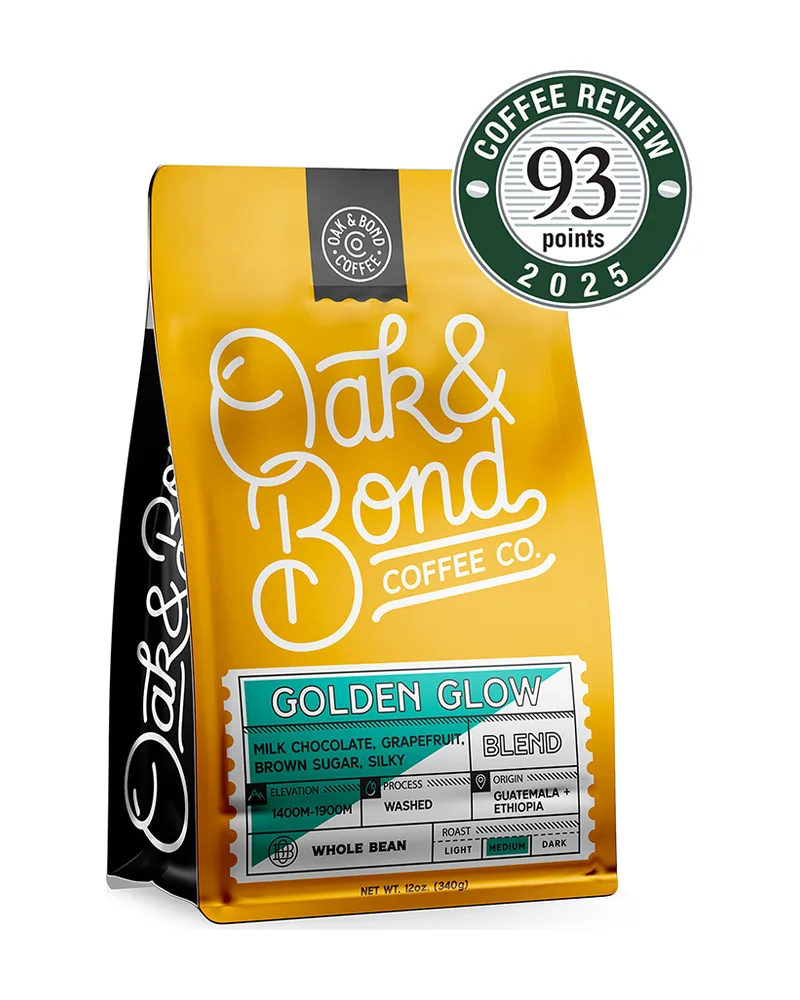
Oak & Bond Coffee
Golden Glow Blend
18,00 US$
MédiaPorquê: EtiópiaCítrico · Caramelo e docePreço semelhante
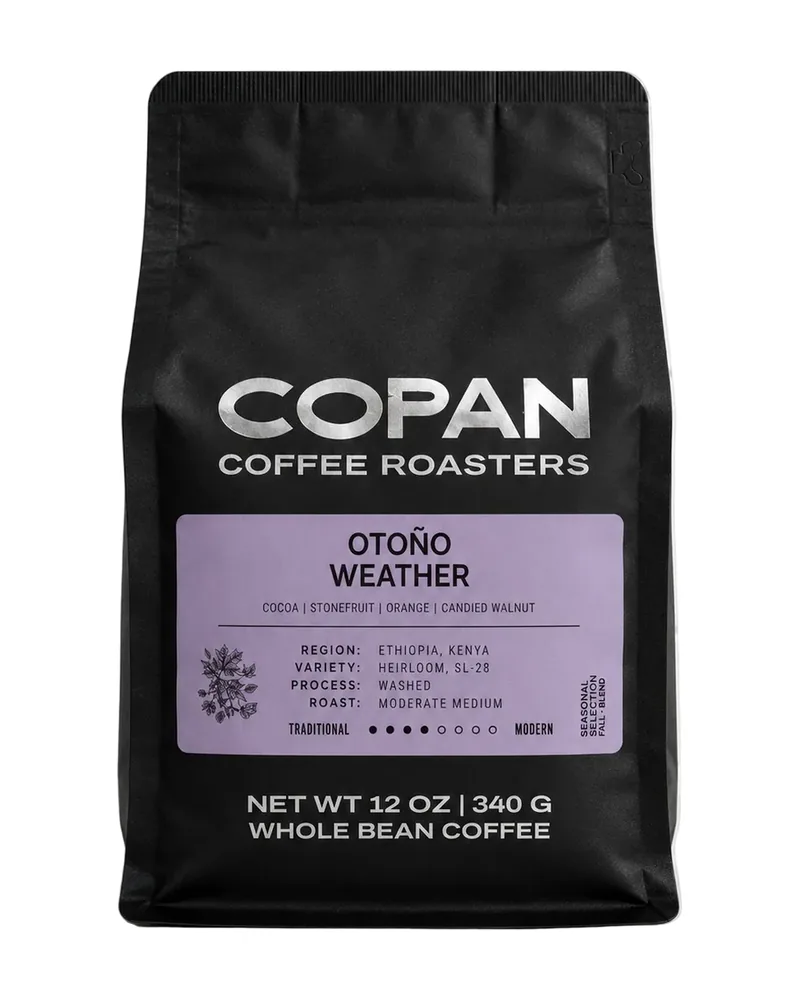
Copan Coffee Roasters
OTOÑO WEATHER
16,00 US$
MédiaPorquê: EtiópiaCítrico · Caramelo e docePreço semelhante
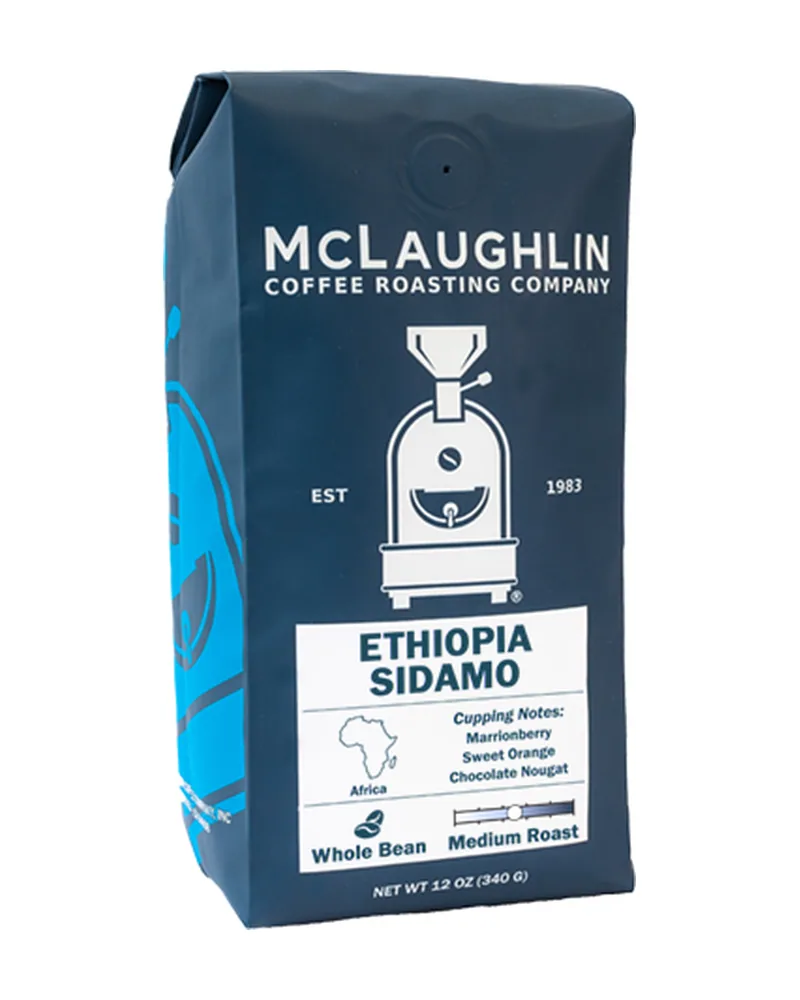
McLaughlin Coffee
Ethiopia Sidamo
17,00 US$
MédiaPorquê: EtiópiaCítrico · Caramelo e docePreço semelhante
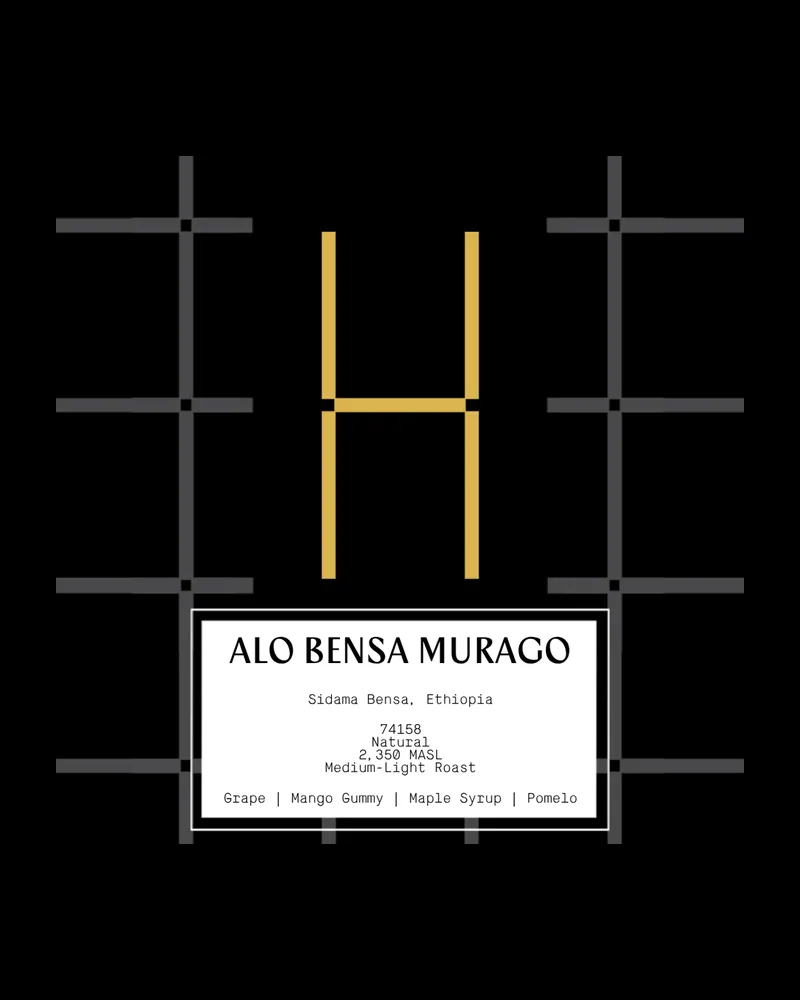
H Proper Coffee Roasters
Ethiopia Alo Bensa Murago
700,00 PHP
MédiaPorquê: EtiópiaCítrico · Caramelo e docePreço semelhante
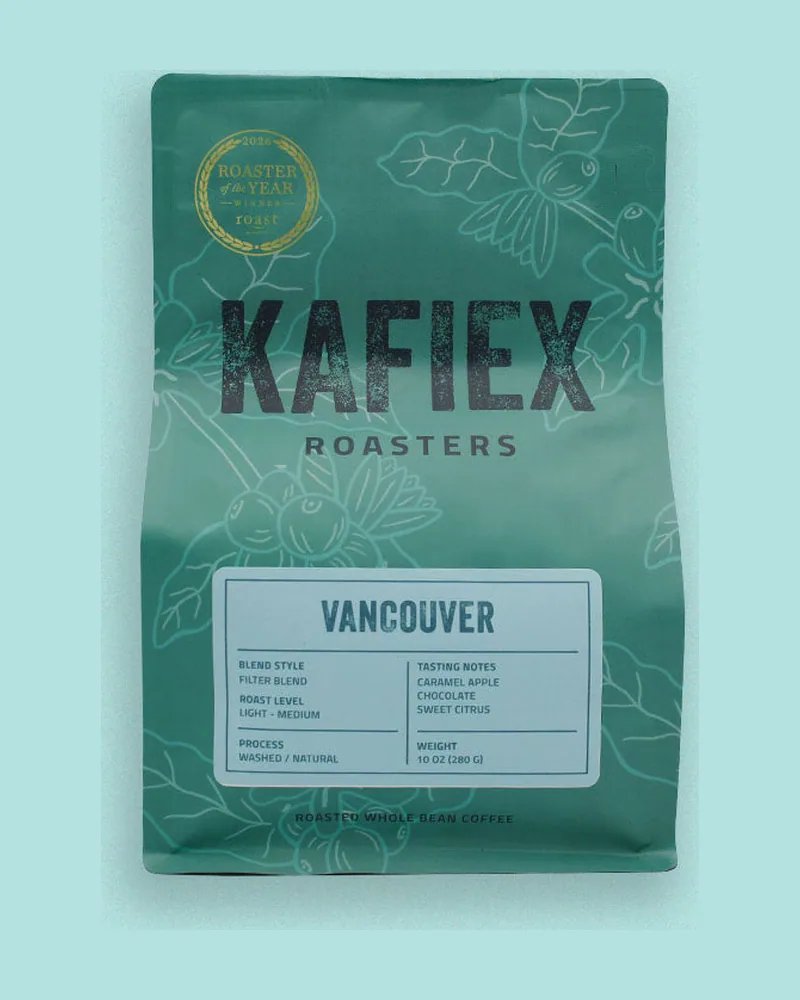
Kafiex Roasters - Coffee Lab
Vancouver – Filter Blend
19,00 US$
MédiaPorquê: EtiópiaCítrico · Caramelo e docePreço semelhante
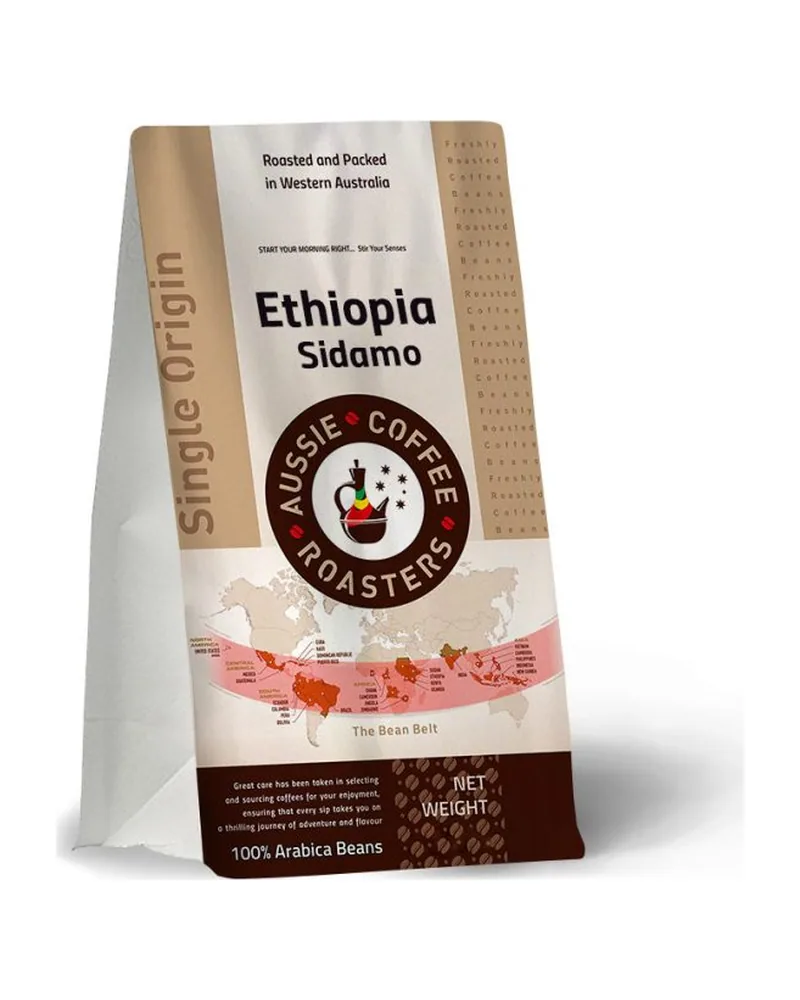
Aussie Coffee Roasters
Single Origin Coffee Ethiopia Sidamo – Medium Roast
22,00 AU$
MédiaPorquê: EtiópiaCítrico · Caramelo e docePreço semelhante
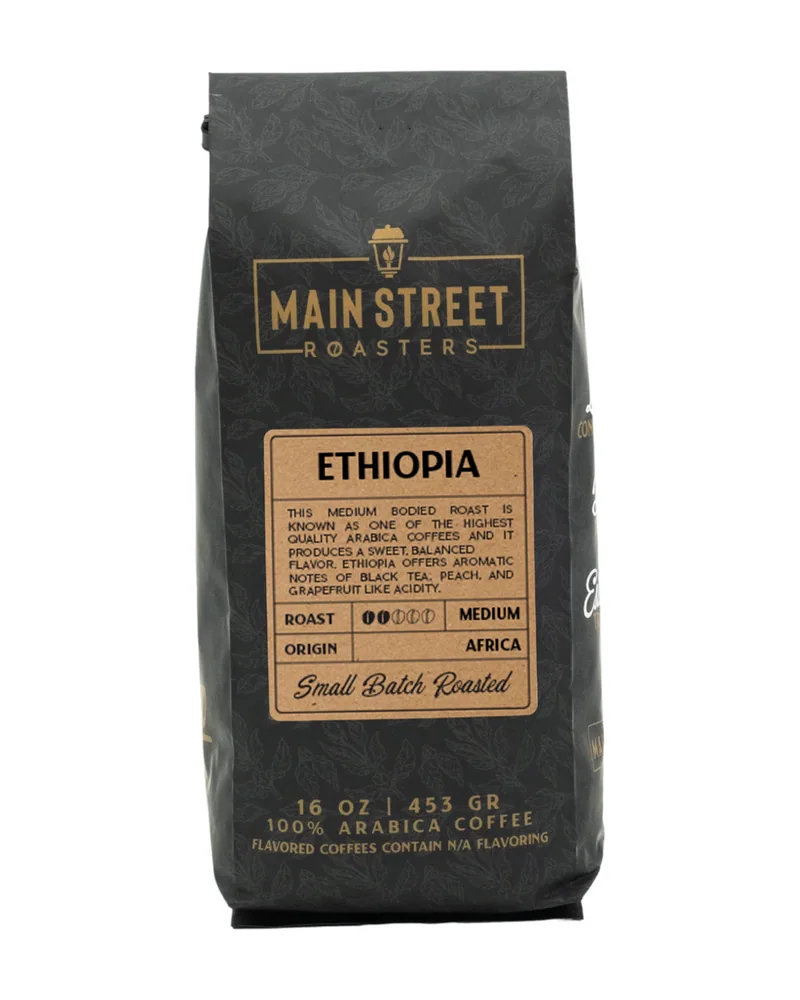
Main Street Roasters
Ethiopia Yirgacheffe Coffee
12,99 US$
MédiaPorquê: EtiópiaCítrico · Caramelo e docePreço semelhante
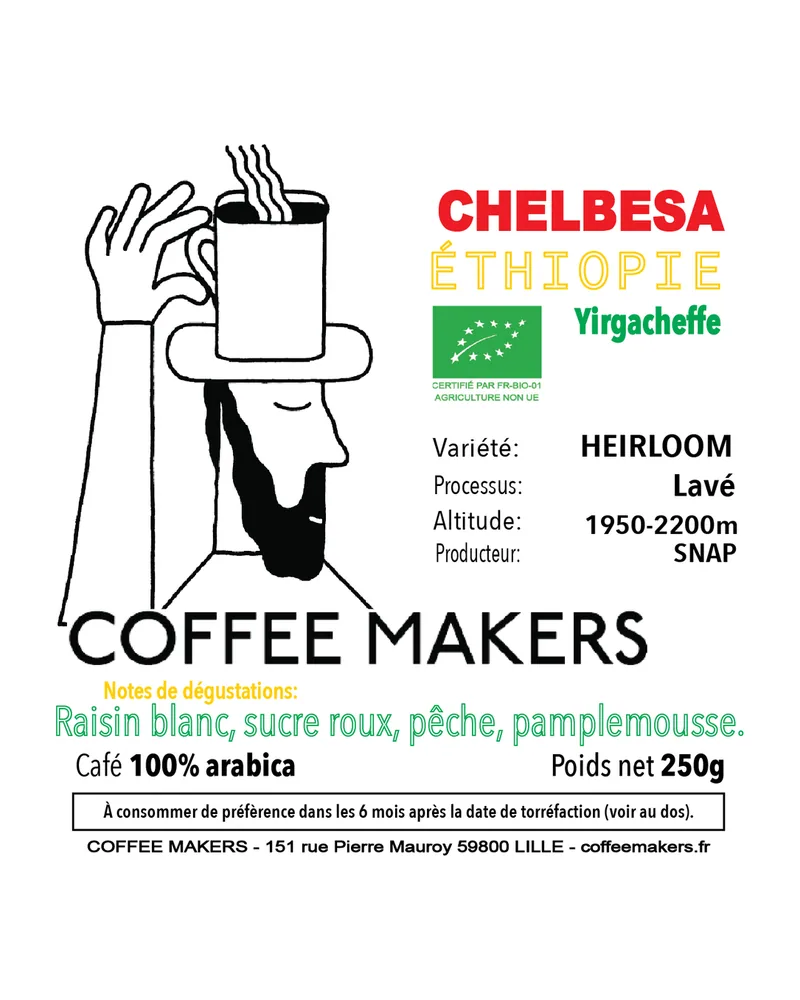
Coffee Makers Lille
CHELBESA (Éthiopie) sachet de
14,50 €
MédiaPorquê: EtiópiaCítrico · Caramelo e docePreço semelhante