Hawaiian Kona Prime 100%
Hawaiian Kona Prime 100% er en kaffe som selges av Blessed Bean Coffee (USA). Pris: 48,95 USD. Det vil si fra 143,89 USD per kilo.
Ikke vurdert ennå · Bli den første til å vurdere den
fra48,95 USD
≈ 143,89 USD / kg
Du blir sendt til brenneriets butikk for å fullføre kjøpet.
- Brenneriet holder til i
- USA
- Send til
- Norge · ✓ Ja, ifølge brenneriets nettbutikk
Størrelser og priser
| Malegrad | Innhold | Per kg | Pris |
|---|---|---|---|
| Hele bønner | 12oz | 143,89 USD | 48,95 USD ↗ |
| Malt | 12oz | 143,89 USD | 48,95 USD ↗ |
Beskrivelse
Kona coffee is the market name for coffee (Coffea arabica) cultivated on the slopes of Hualalai and Mauna Loa in the North and South Kona Districts of the Big Island of Hawaii. It is one of the most expensive coffees in the world. Only coffee from the Kona Districts can be described as "Kona." The weather of sunny mornings, cloud or rain in the afternoon, little wind, and mild nights combined with porous, mineral-rich volcanic soil create favorable coffee growing conditions. The loanword for coffee in the Hawaiian language is kope,pronounced [ˈkope].
History
Samuel Ruggles brought coffee to the Kona District in 1828The coffee plant was brought to the Kona district in 1828 by Samuel Reverend Ruggles from Brazilian cuttings. English merchant Henry Nicholas Greenwell moved to the area and established Kona coffee as a recognized brand later in the 19th century. The former Greenwell Store and Kona Coffee Living History Farm have since become museums.
In other parts of the Hawaiian islands, it was grown on large plantations, but the 1899 world coffee market crash caused plantation owners to lease land to their workers. Most were from Japan, brought to work on sugarcane plantations. They worked their leased parcels of between 5 and 12 acres (49,000 m2) as family concerns, producing large, quality crops.
The tradition of family farms continued throughout Kona. The Japanese-origin families have been joined by Filipinos, mainland Americans, and Europeans. There are approximately 800 Kona coffee farms, with an average size of less than 5 acres (20,000 m2). In 1997 the total Kona coffee area was 2,290 acres (9 km2) and green coffee production just over two million pounds.
Growing and processing
Kona coffee blooms in February and March. Small white flowers known as "Kona snow" cover the tree. Green berries appear in April. By late August, red fruit, called "cherry" because of resemblance to a cherry, start to ripen for picking. Each tree, hand-picked several times between August and January, provides around 15 pounds of cherry, which result in about two pounds of roasted coffee.
Within 24 hours of picking, the cherry is run through a pulper. The beans are separated from the pulp and then placed overnight in a fermentation tank. The fermentation time is about 12 hours at low elevation or 24 at higher elevation. The beans are rinsed and spread to dry on a hoshidana or drying rack. Traditional hoshidanas have a rolling roof to cover the beans in rain. It takes seven to 14 days to dry beans to an optimal moisture level of between 10 and 13% (by Hawaii Department of Agriculture regulations: 9.0-12.0%). Too much moisture content in coffee allows the growth of ochratoxin A, a harmful mycotoxin, hazardous to human health. From here, the beans are stored as "pergamino" or parchment. The parchment is milled off the green bean prior to roasting or wholesale.
Kona coffee beans are classified by law according to seed. Type I beans consist of two beans per cherry, flat on one side, oval on the other. Type II beans consist of one round bean per cherry, otherwise known as peaberries. Further grading of these two types of beans depends on size, moisture content, and purity of bean type. The grades of type I Kona coffee are 'Kona Extra Fancy', 'Kona Fancy', 'Kona Number 1', 'Kona Select', and 'Kona Prime'. The grades of type II Kona coffee are 'Peaberry Number 1' and 'Peaberry Prime'. Also, a lower grade of coffee, called 'Number 3' (or 'Triple X') can not legally be labeled as "Kona" but as 'Hawaiian' coffee. Any bean grade below Number 3 is considered 'Offgrade' coffee and can only be labeled as generic coffee. Not an official classification grade, but commonly used by Kona coffee farmers, is the 'Estate' grade where the various grades are not being separated from each other. Only the 'Number 3' and 'Offgrade' beans are being sorted out.
Infestations of the root-knot nematode damaged many trees in the Kona districts in the 1990s. Symptoms are single or clusters of trees with stunted growth, especially when transplanted. In 2001 rootstock from the Coffea liberica species was found to be resistant to the nematodes. It could be grafted with Coffea arabica 'Guatemala' variety to produce a plant that naturally resists the pest, still producing a quality coffee product. The combination was named after Edward T. Fukunaga (1910–1984), who was superintendent of the University of Hawaii's Kona Research Station in Kainaliuin the 1950s through the 1970's
Spørsmål om Hawaiian Kona Prime 100%
Hva koster Hawaiian Kona Prime 100%?
Pris: 48,95 USD. Det vil si fra 143,89 USD per kilo. Prisene kommer fra butikken og kan endre seg. Butikken har gjeldende priser.
Hvor kan jeg kjøpe Hawaiian Kona Prime 100%?
I nettbutikken til Blessed Bean Coffee: prisene på denne siden lenker dit. Ifølge butikken sin leverer de over hele verden. Cafendo selger ikke kaffe selv.
Vurderinger
Ingen vurderinger ennå.
Lignende kaffer
Kaffer fra andre brennerier som ligner på denne

HalfWit Coffee Roasters
Moonbat Blend
18,00 USD
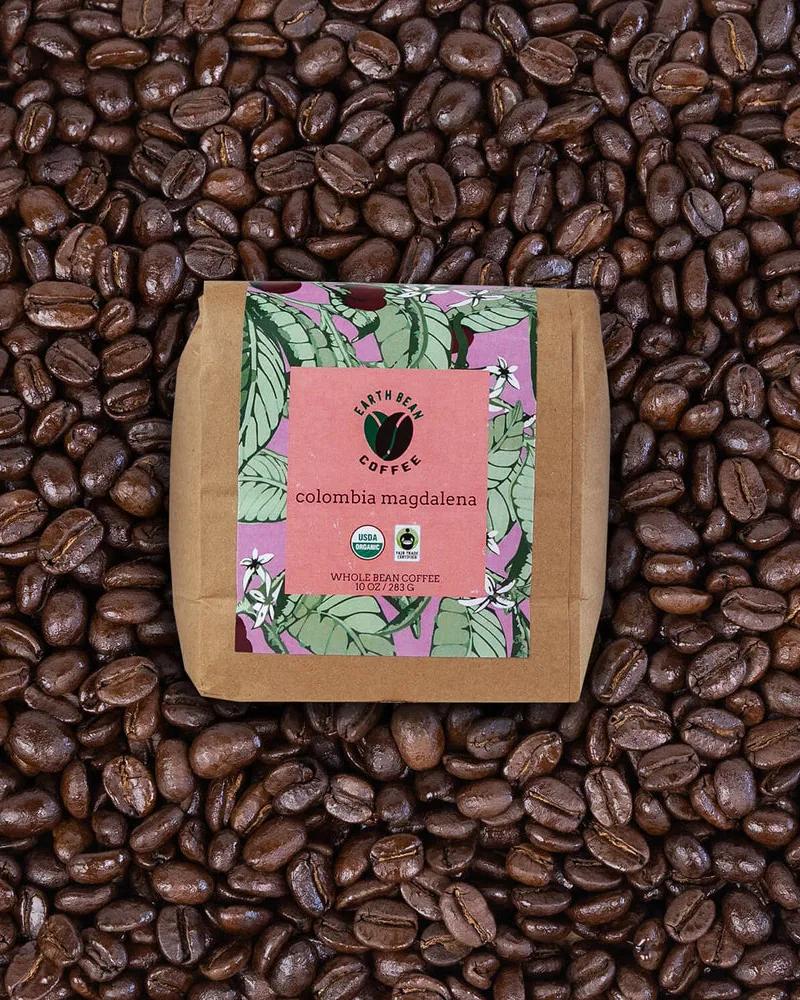
Earth Bean Coffee
Colombia Magdalena
18,00 USD
Middels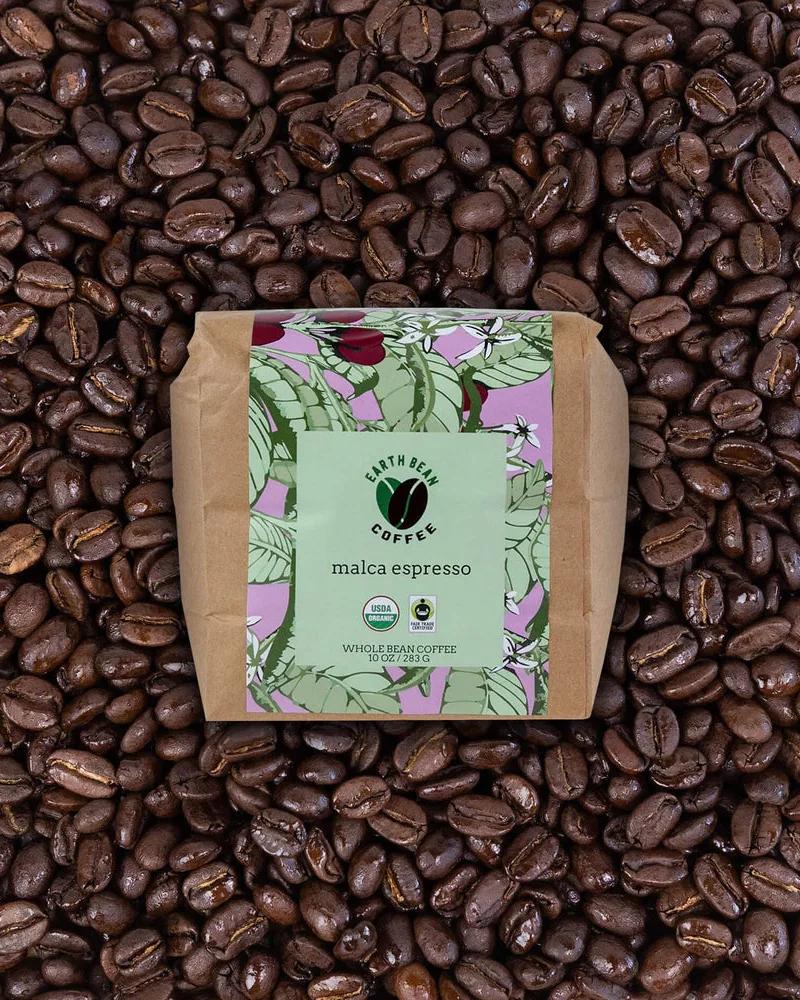
Earth Bean Coffee
Malca (espresso)
17,00 USD
Middels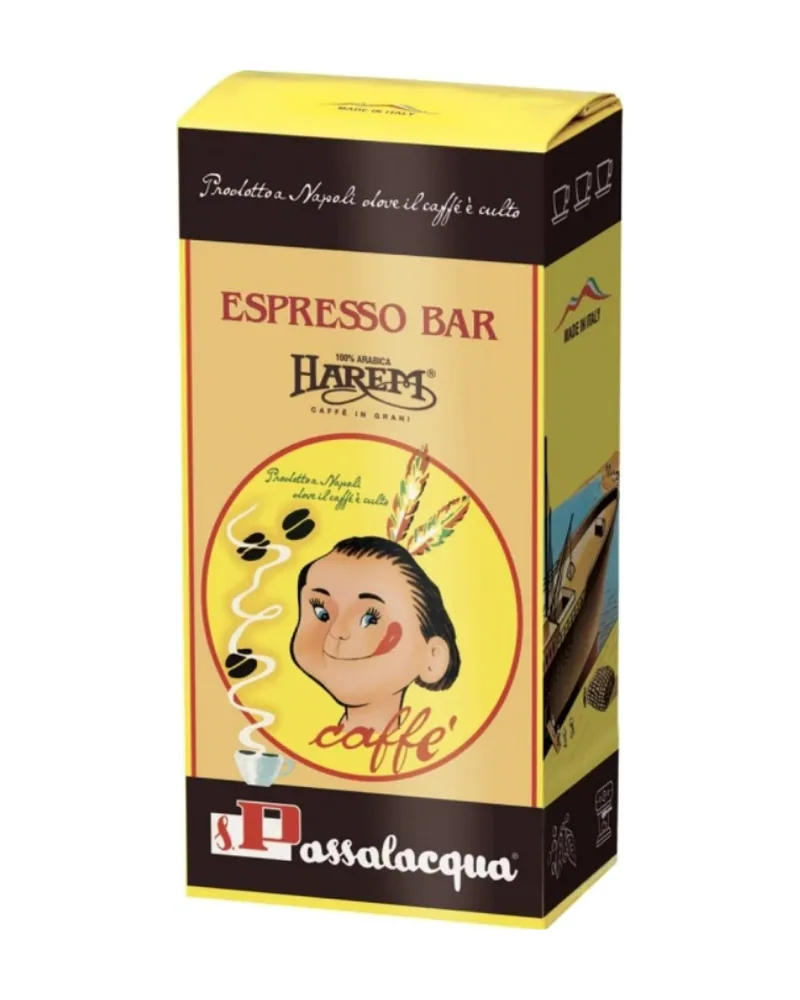
Passalacqua
Harem
19,00 USD
Mørk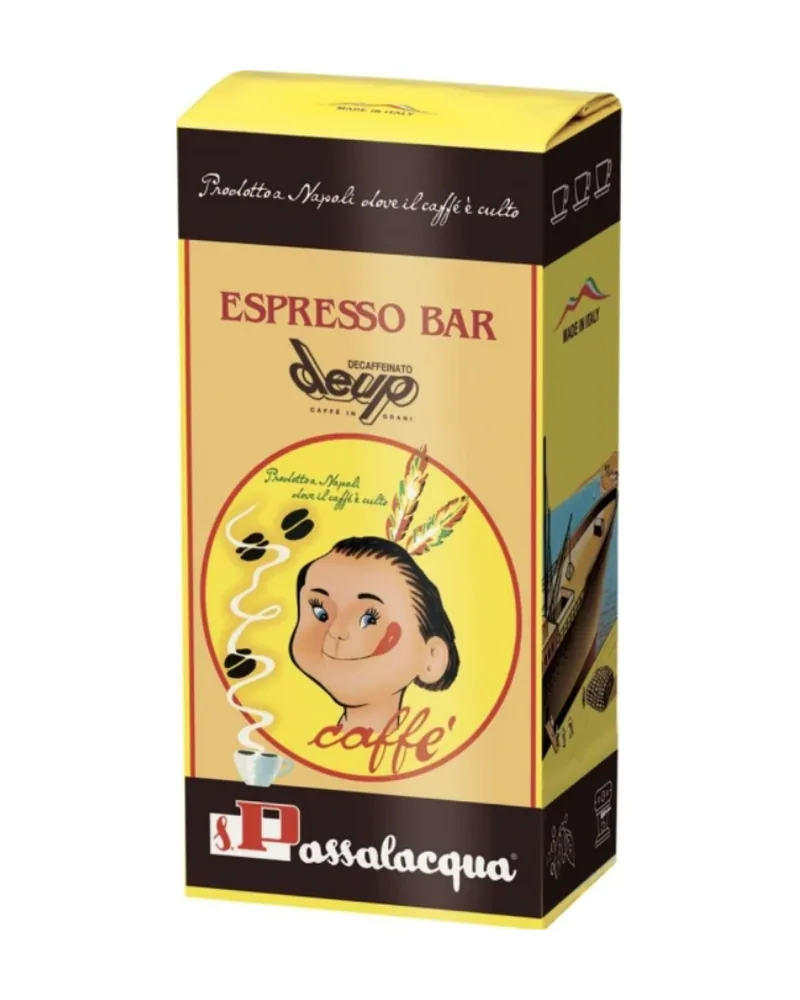
Passalacqua
Deup
14,50 USD
Mørk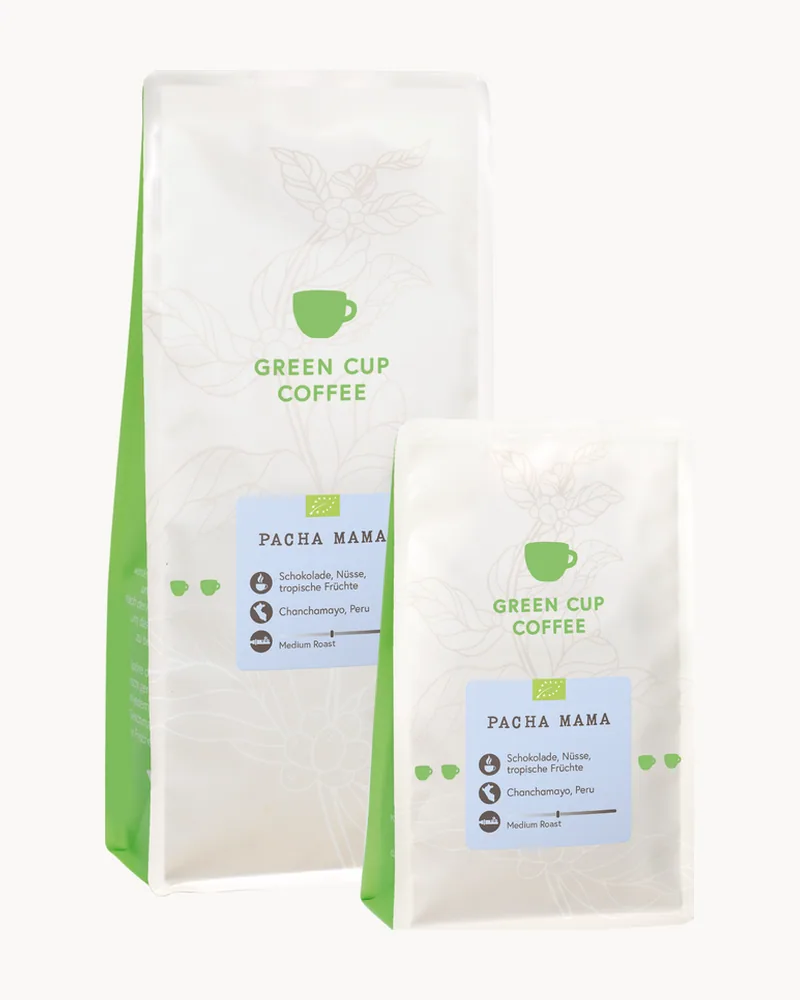
Green Cup Coffee
Pacha Mama - BIO
9,90 €
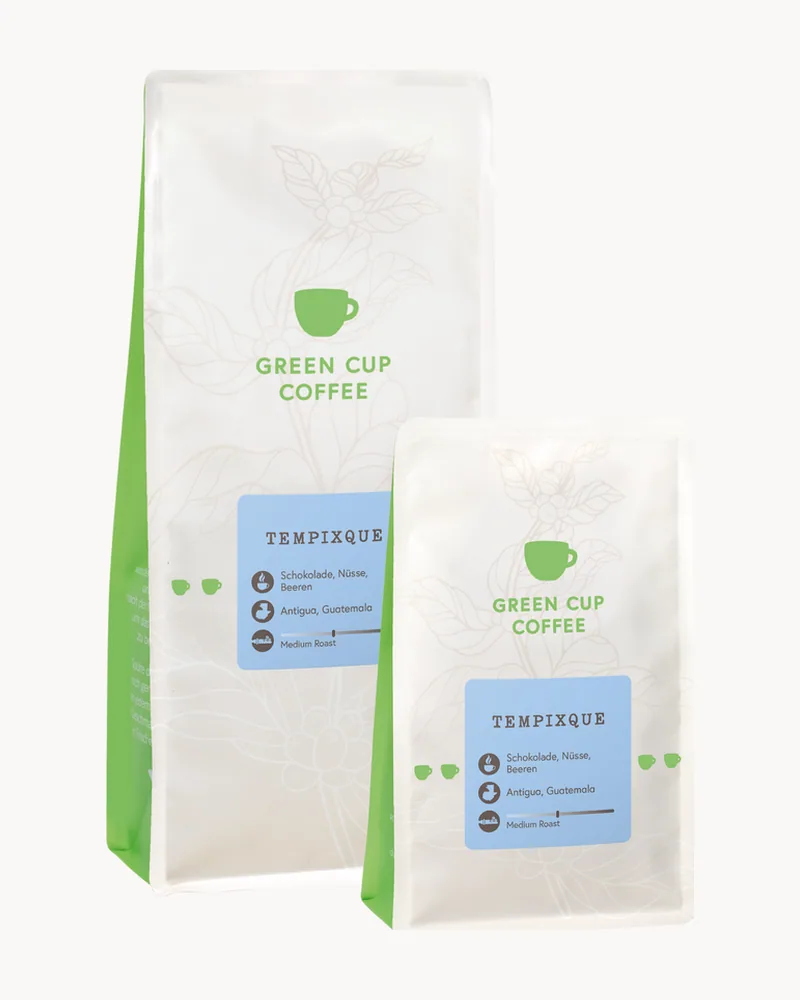
Green Cup Coffee
Tempixque
9,90 €
Biotiva
Coffee L'Italiano
12,50 USD
Mørk