
Äthiopien
Of all the coffee-producing countries, Ethiopia is perhaps the most fascinating. Its popularity came from the unusual, astonishing coffees it can produce in high quantity. The floral and fruity coffee from Ethiopia was…
369 Produkte

Atomic Coffee Roasters
Space Cadet
13,96 $
Medium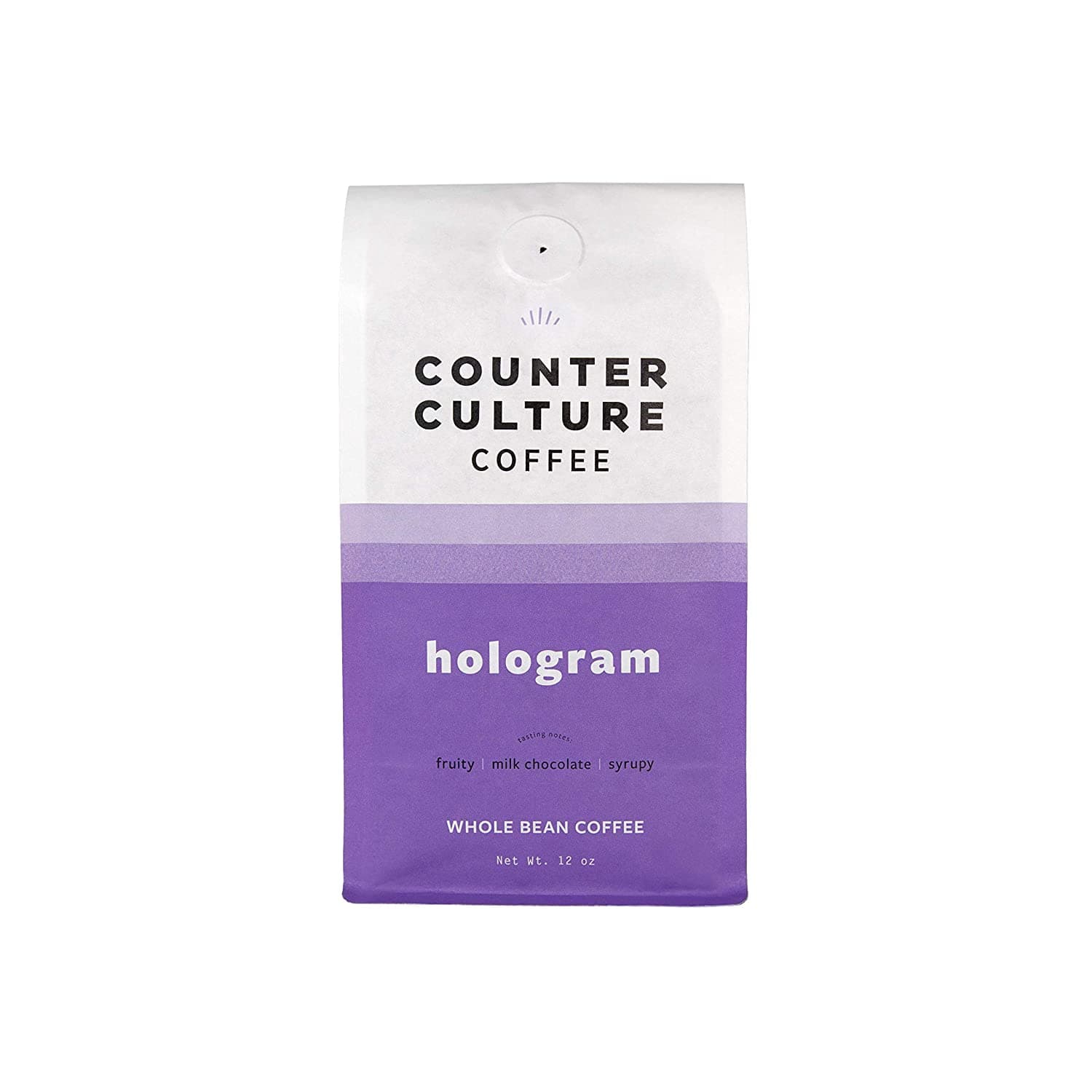
Counter Culture
Counter Culture Coffee - Whole Bean Coffee - Fresh Roasted, Sustainably Farmed (Kosher) - Hologram, 12 oz (1 Bag)
16,82 $
Counter Culture
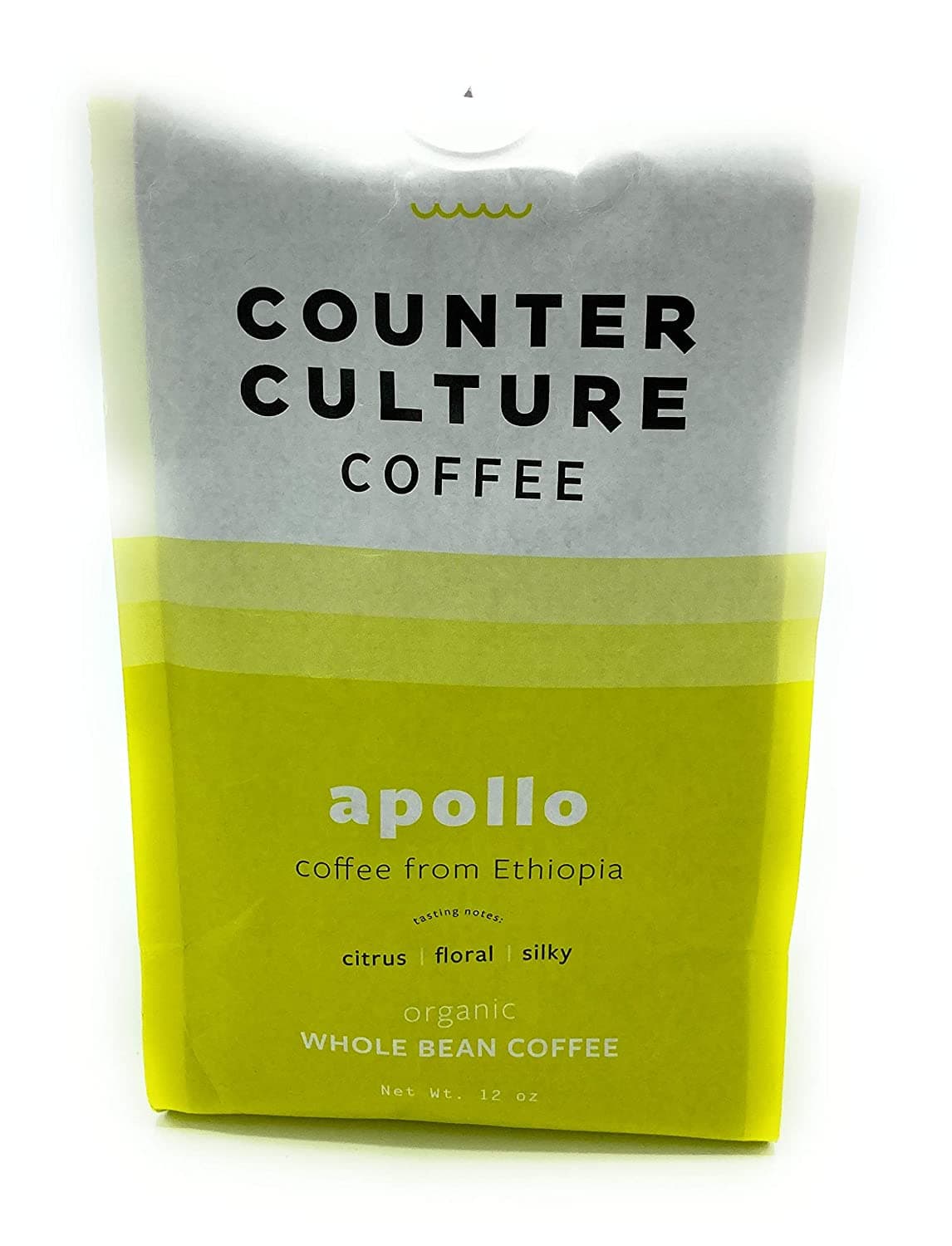
Counter Culture Coffee, Coffee Apollo
0,00 $
Counter Culture
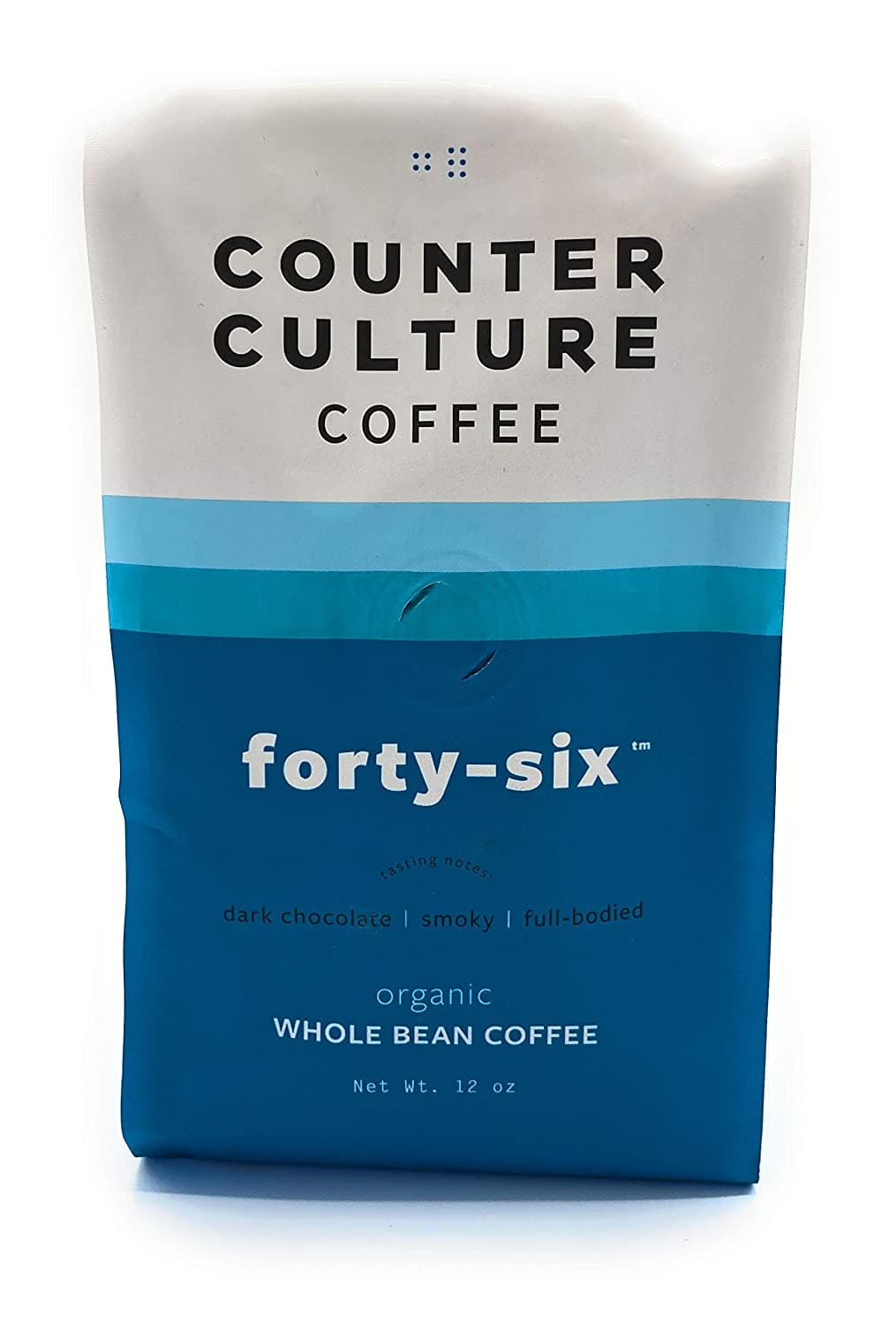
COUNTER CULTURE COFFEE Forty Six Blend Coffee
0,00 $

Bertazzo
Caffè New York - Monorigine Etiopia
6,90 $
Medium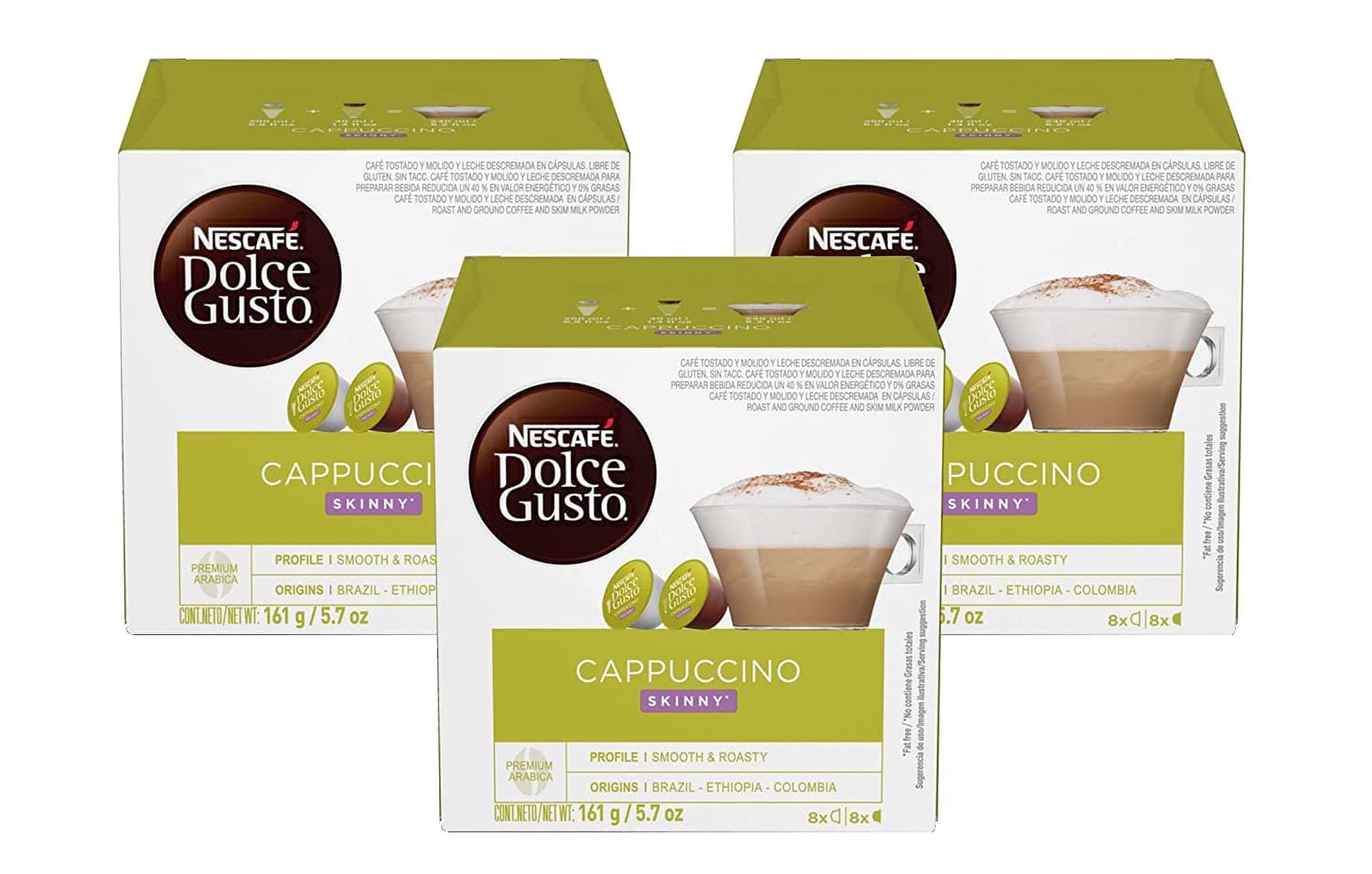
NESCAFE
Nescafe Dolce Gusto Pods, Skinny Cappuccino, 16 capsules, Pack of 3
41,67 $
Dark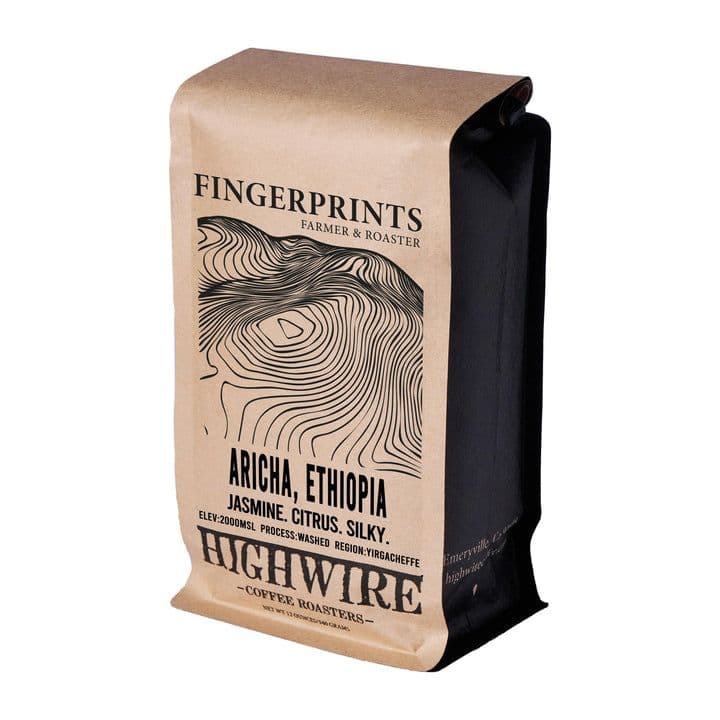
Highwire
Aricha, Ethiopia
18,08 $
Medium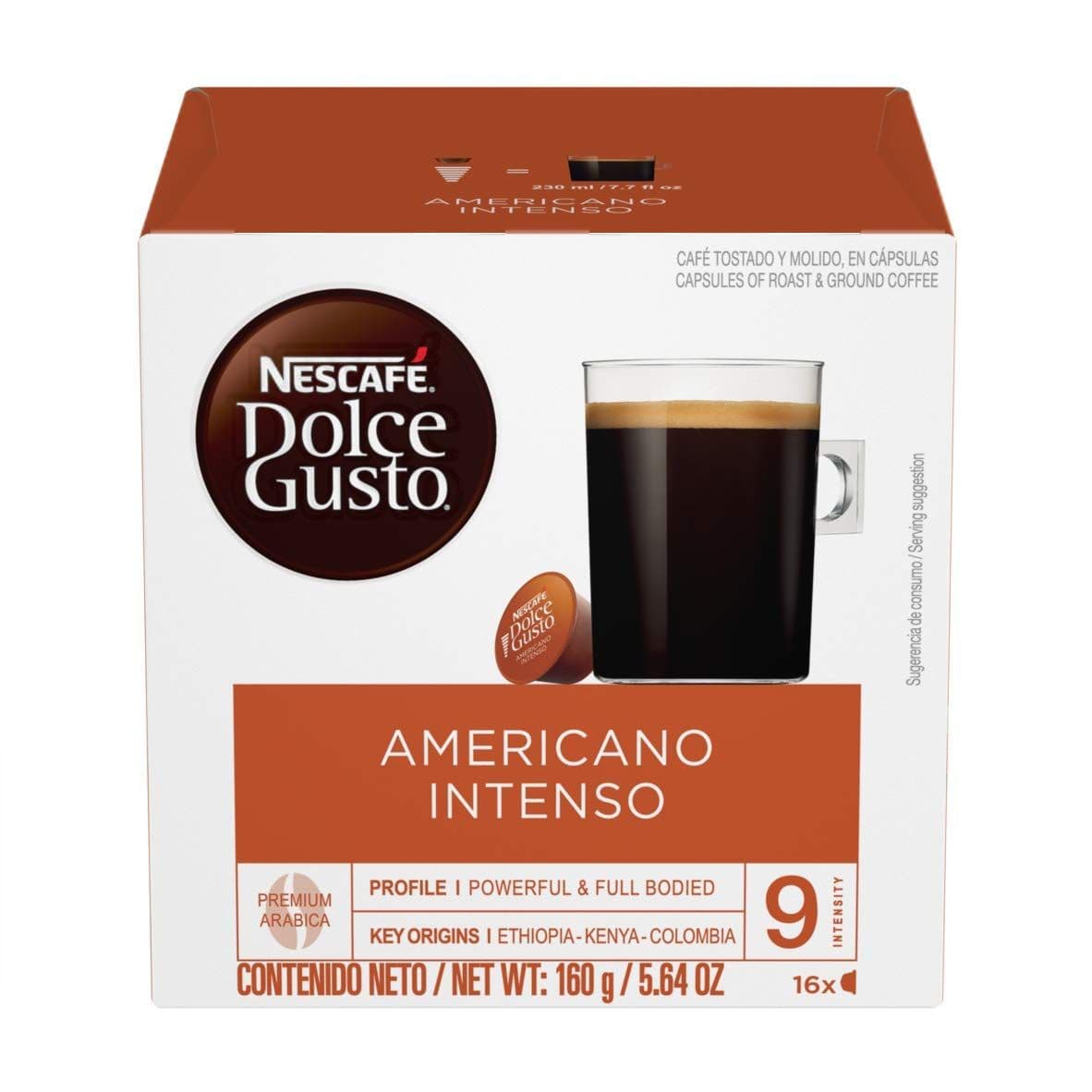
NESCAFE
Nestle Coffee mate Dolce Gusto Nescafe Pods, Americano Intenso, 16 Count, Pack of 3
45,20 $
Dark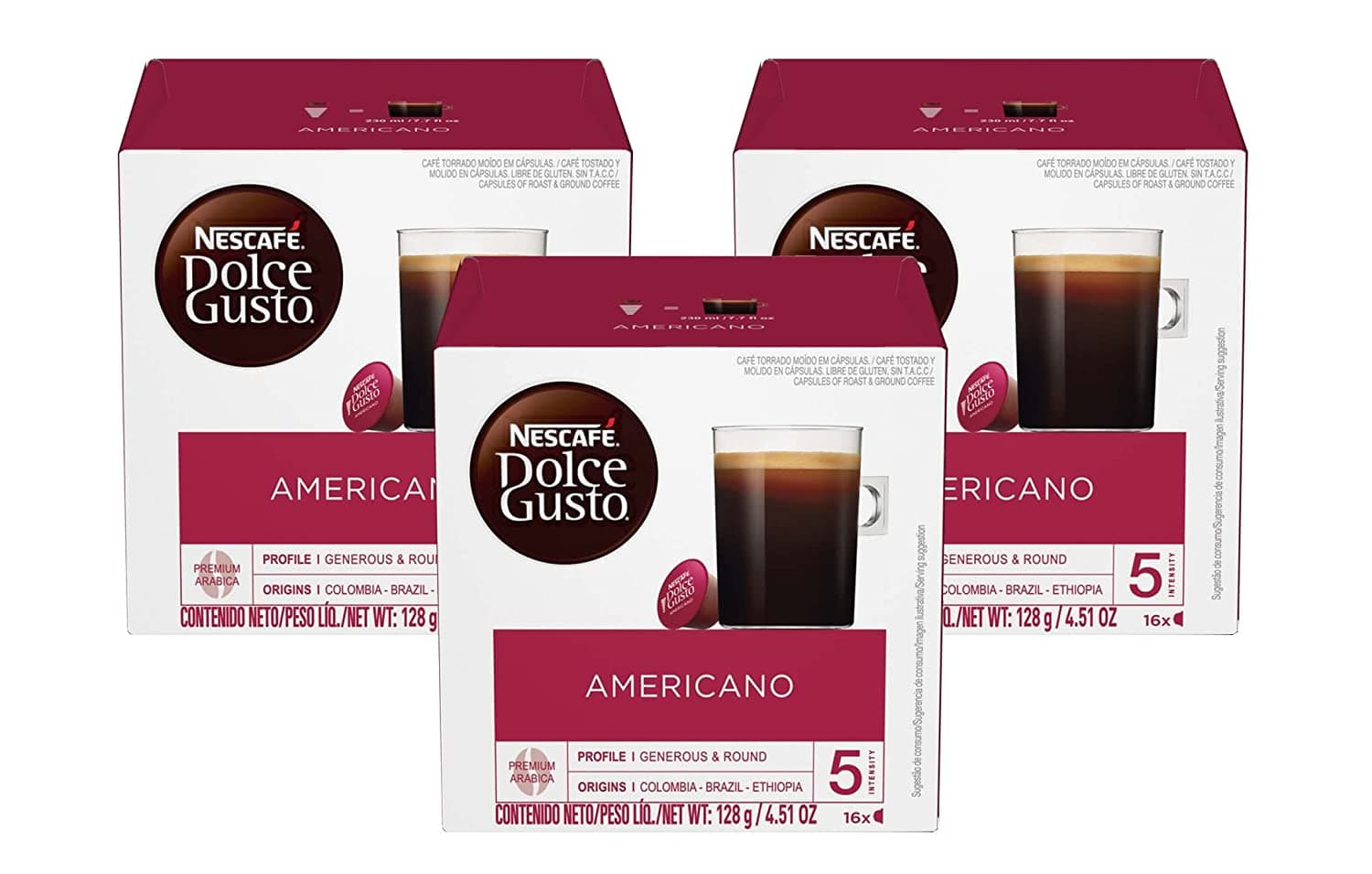
NESCAFE
Dolce Gusto Nescafe Coffee Pods, Americano, Capsules, 16 Count, Pack of 3
36,07 $
Medium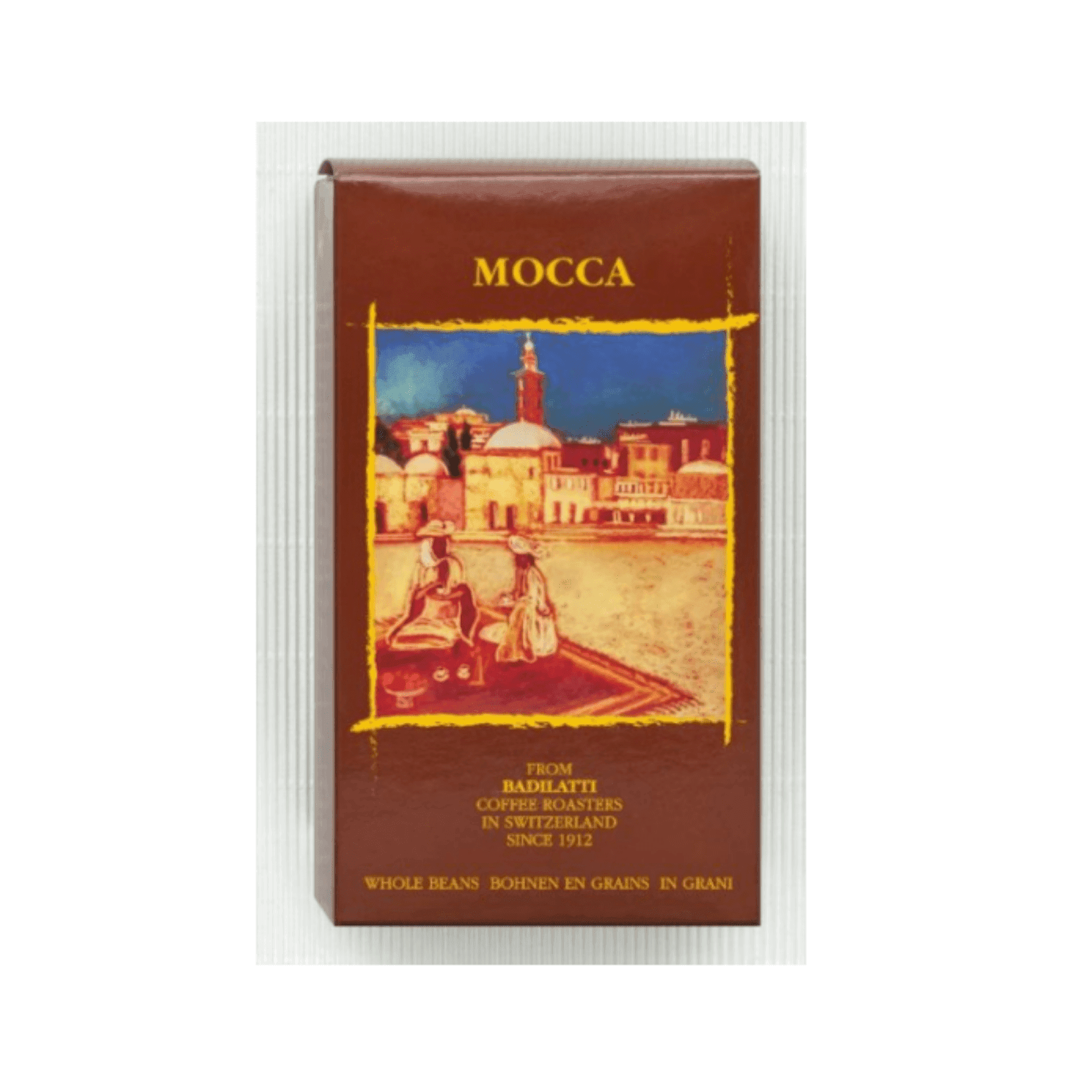
Cafè Badilatti
Mocca
6,01 $
Medium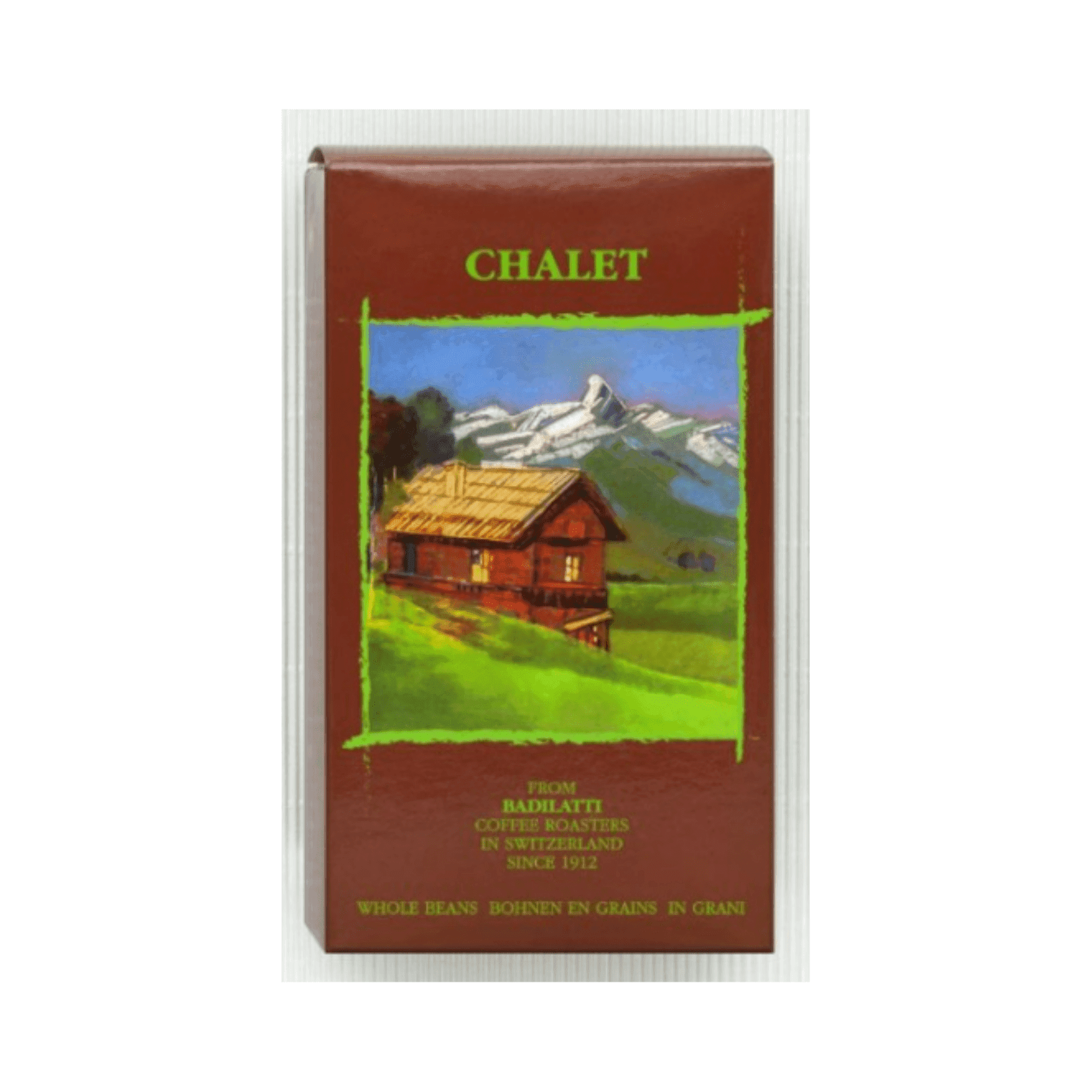
Cafè Badilatti
Chalet Coffee
6,02 $
Medium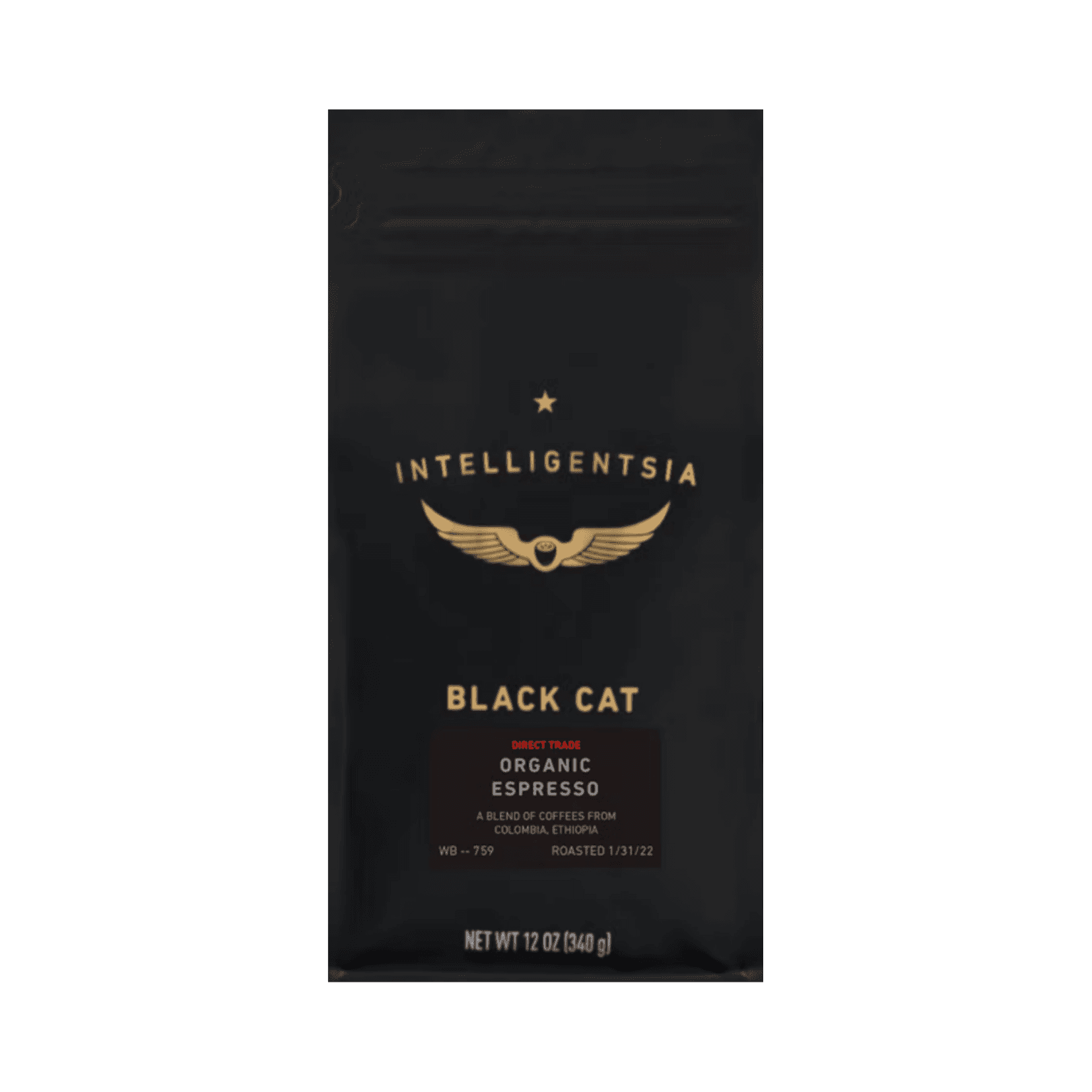
Intelligentsia coffee
ORGANIC BLACK CAT ESPRESSO
15,37 $
Medium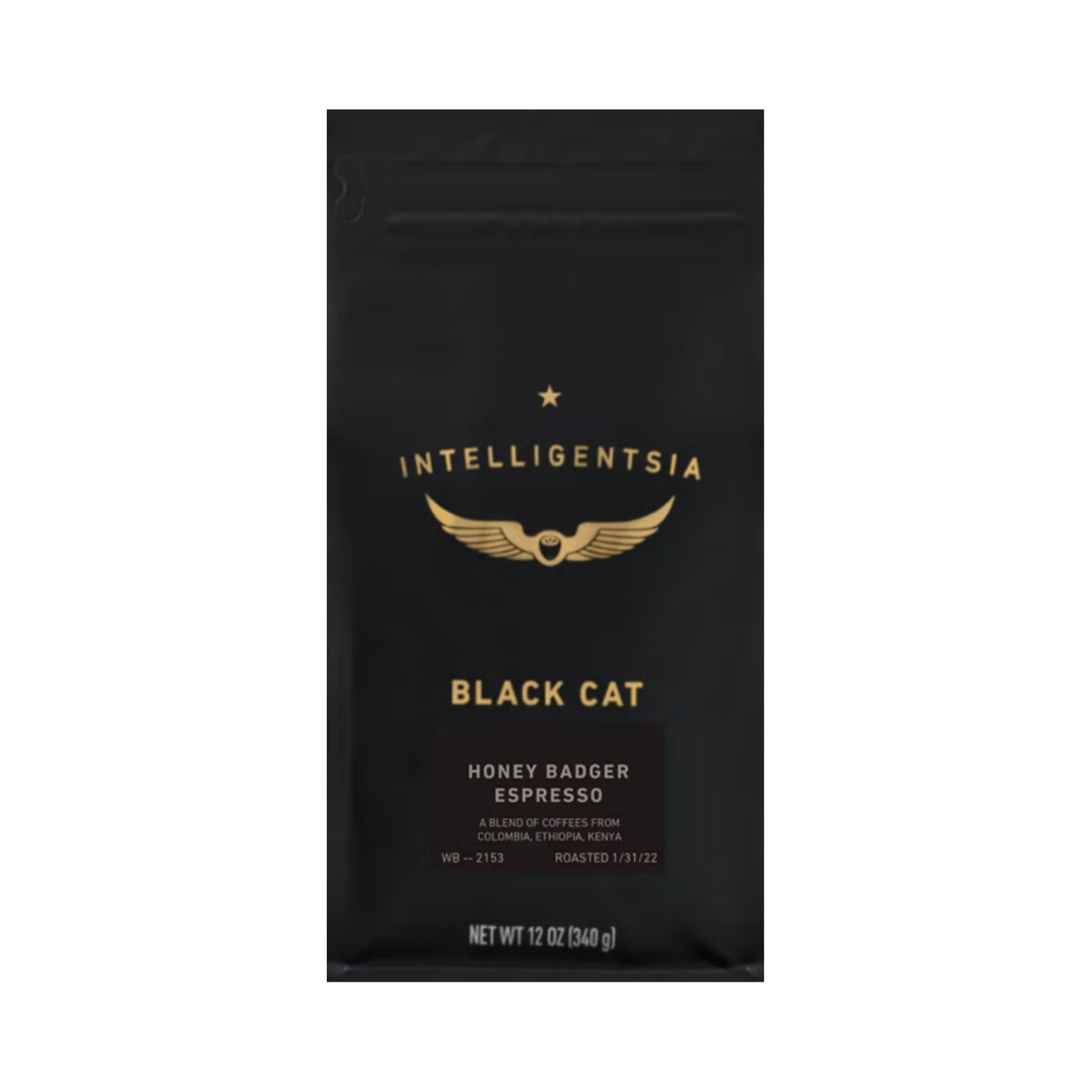
Intelligentsia coffee
HONEY BADGER ESPRESSO
17,98 $
Medium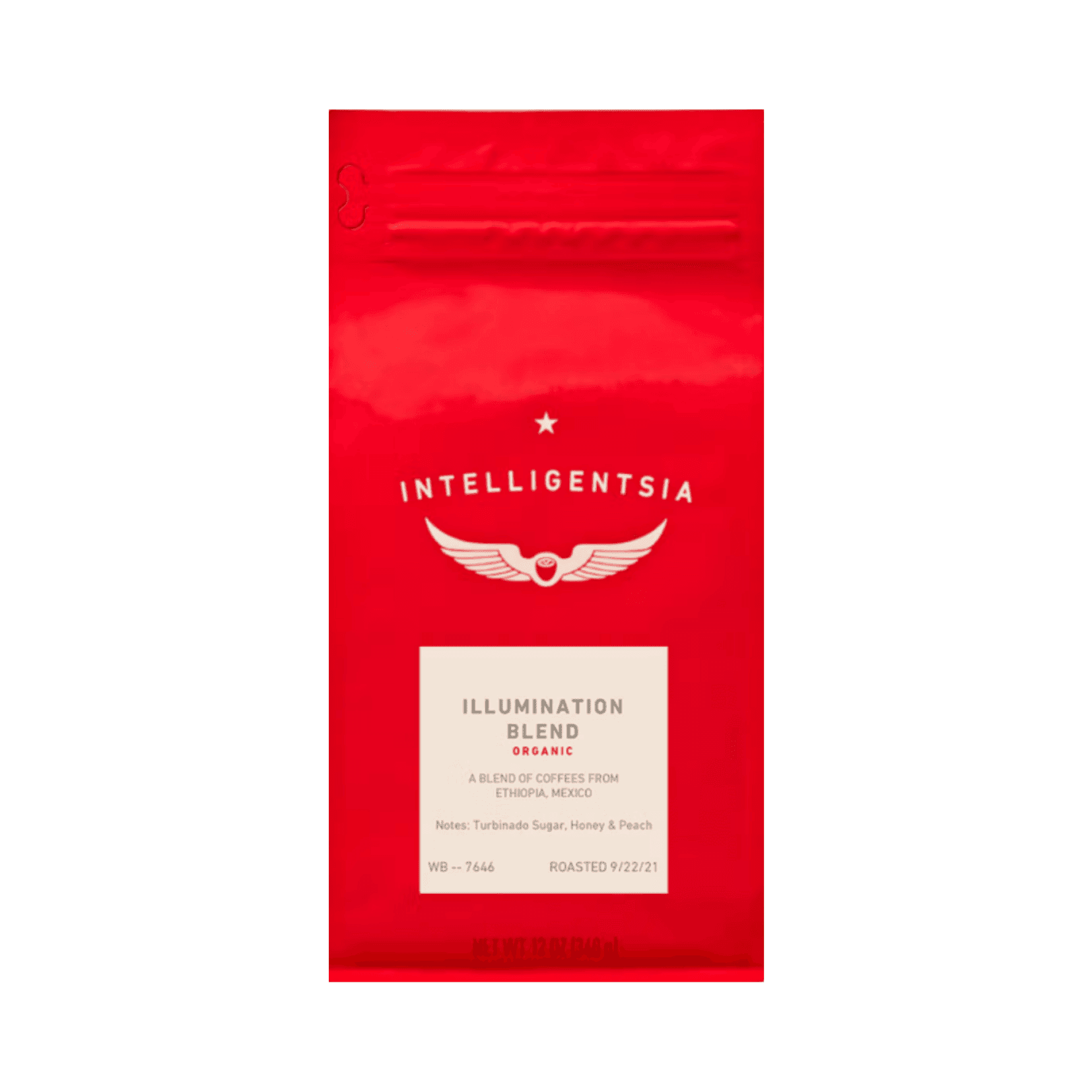
Intelligentsia coffee
ILLUMINATION BLEND
18,50 $
Medium
Intelligentsia coffee
EL GALLO ORGANIC BREAKFAST BLEND
15,26 $
Medium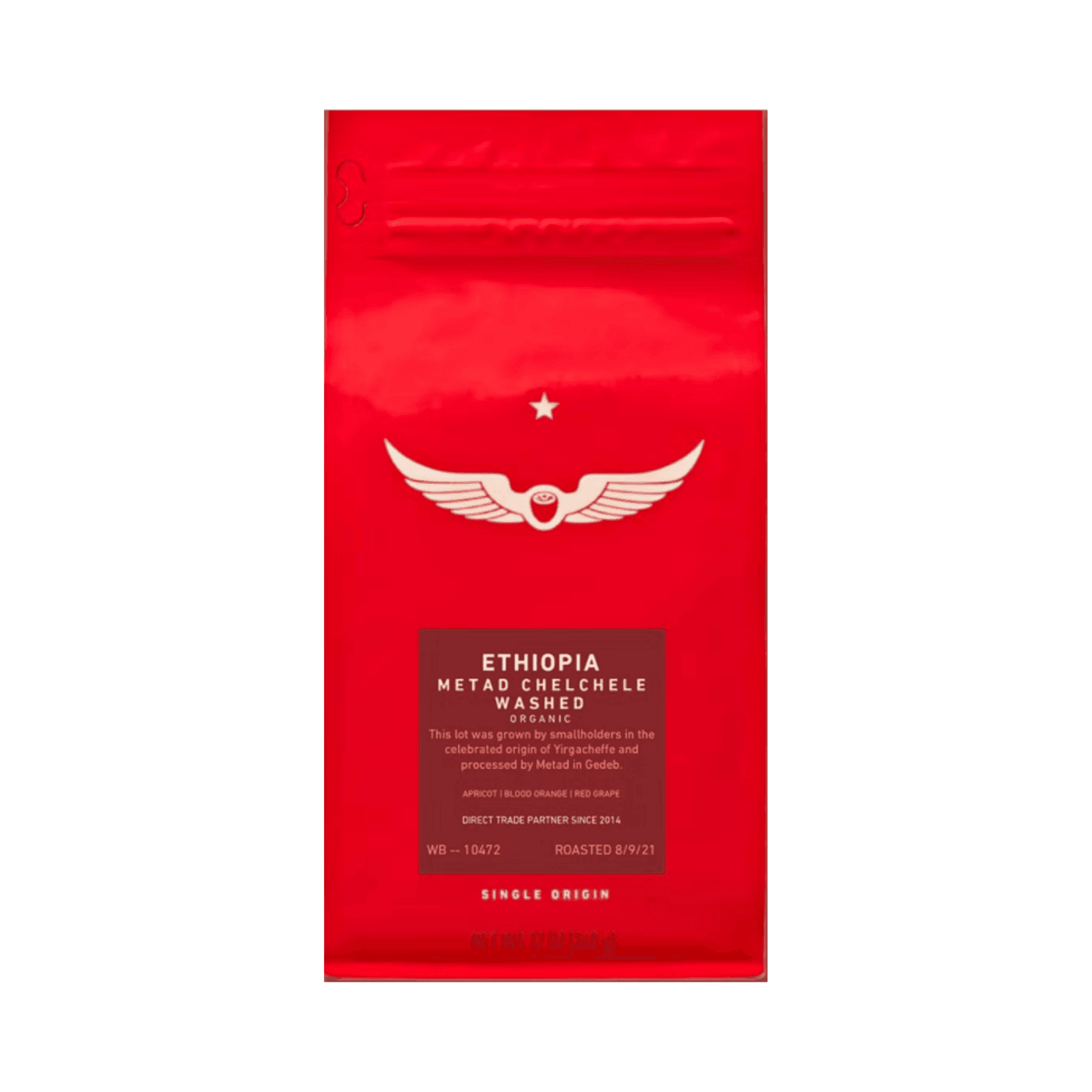
Intelligentsia coffee
ETHIOPIA METAD CHELCHELE WASHED
22,49 $
Medium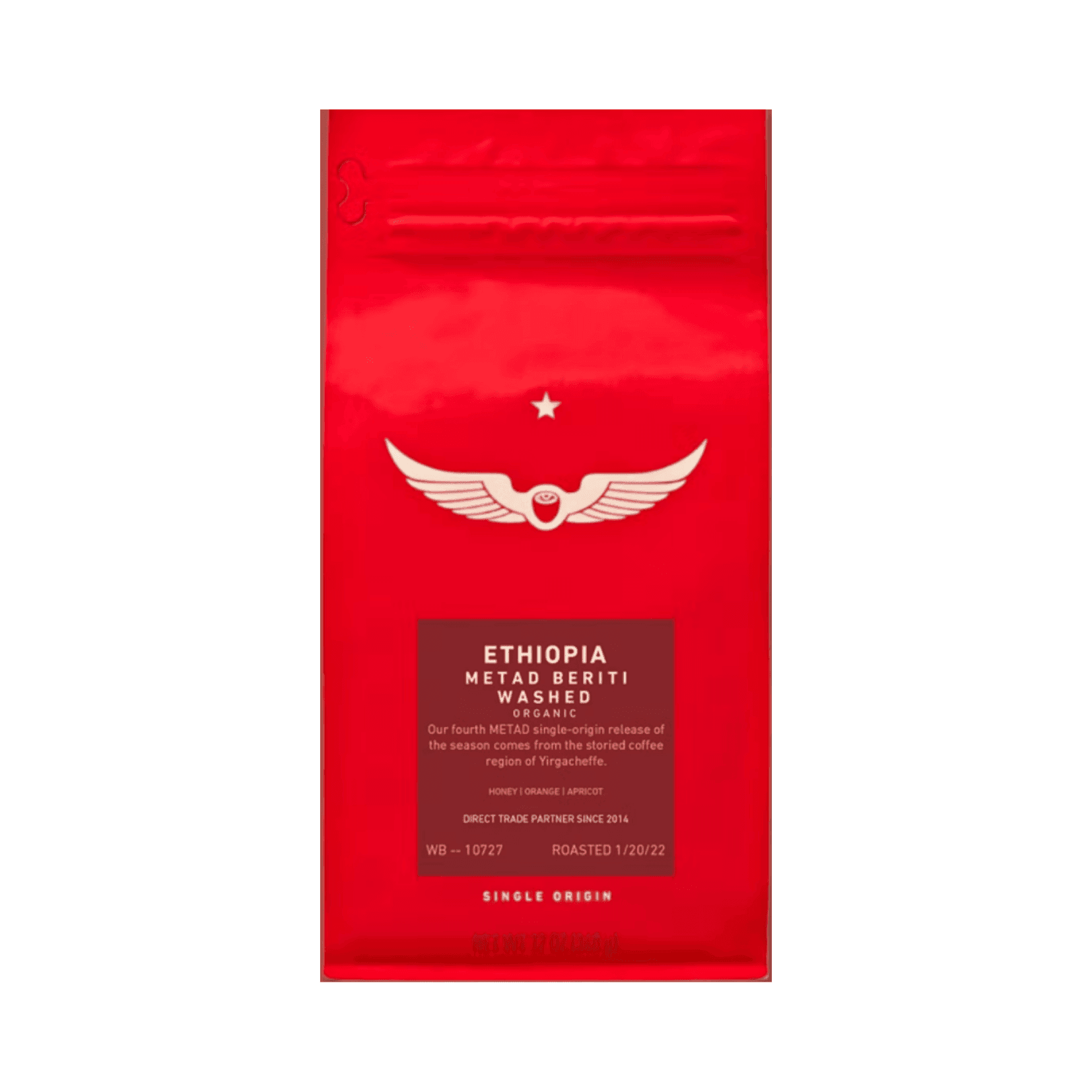
Intelligentsia coffee
ETHIOPIA METAD BERITI WASHED
19,80 $
Medium
Intelligentsia coffee
BOREALIS BLEND
18,95 $
Medium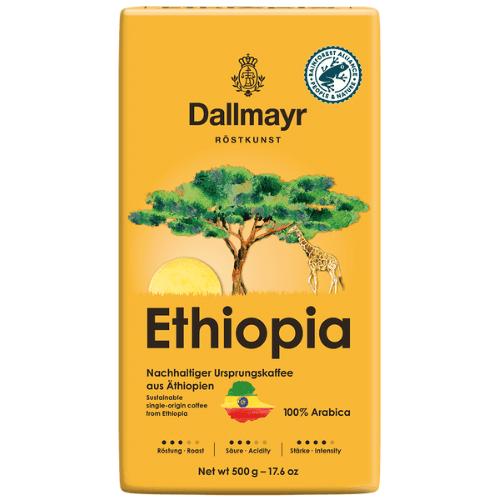
Dallmayr
Ethiopia ground
7,00 $
Medium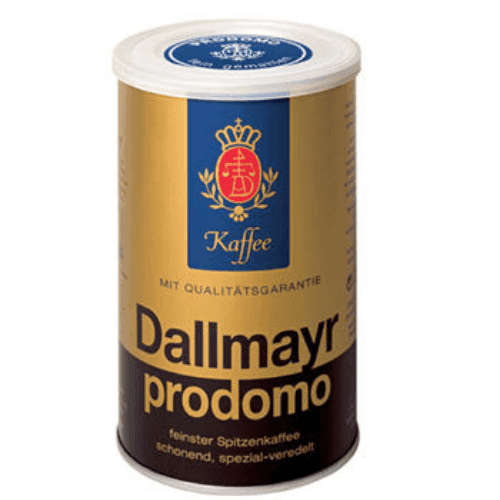
Dallmayr
prodomo can ground
4,80 $
Medium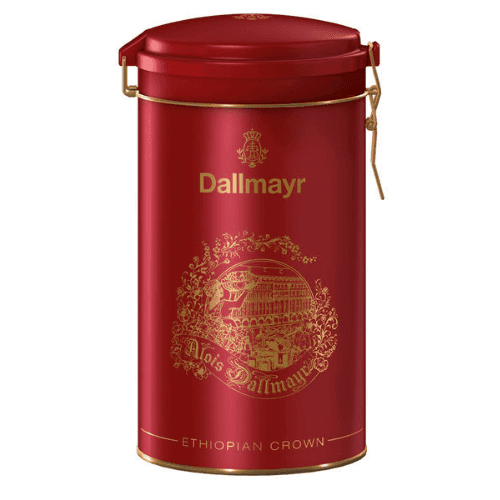
Dallmayr
Ethiopian Crown jewelery box ground red
13,40 $
Medium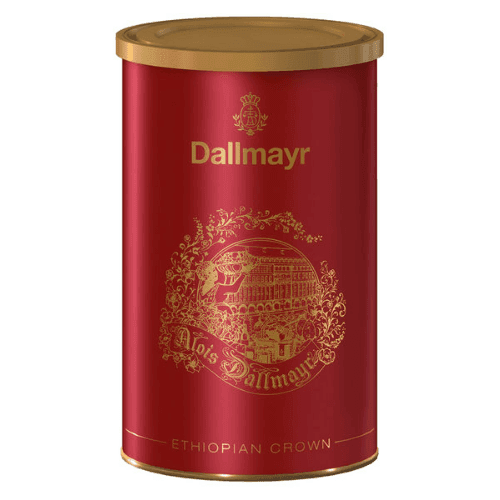
Dallmayr
Ethiopian Crown tin ground red
7,20 $
Medium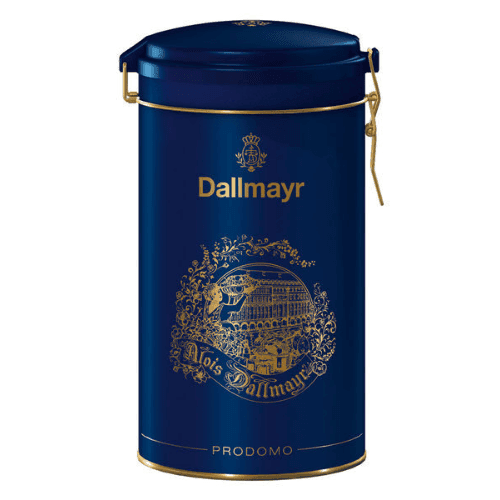
Dallmayr
prodomo jewelry box ground blue
9,60 $
Medium
Volcanica Coffee
Ethiopian Sidamo Coffee
17,55 $
MediumOf all the coffee-producing countries, Ethiopia is perhaps the most fascinating. Its popularity came from the unusual, astonishing coffees it can produce in high quantity. The floral and fruity coffee from Ethiopia was noticed by many professionals in the industry.
Ethiopia is called the birthplace of coffee. It was here where it was consumed by humans, initially as a fruit rather than a beverage. Yemen was the first country to grow coffee as a crop, but it had been exported from Ethiopia in 1600.
PRODUCTION SYSTEMS
Ethiopia’s coffee production is divided into three main categories, depending on their method of production.
FOREST COFFEES
These come from the wild trees from nature, this can be found mostly in the southwest of the country. These trees usually have a mixture of natural shade plants around them. The harvest and yield of these trees are low compared to the consciously planted coffee trees.
GARDEN COFFEES
These are coffees from trees typically planted in household gardens. The tree has less natural shade. Many farmers use some fertilizer on their plants. This type of coffee makes up most of Ethiopia’s production.
PLANTATION COFFEES
These coffees come from trees grown on larger farms. They are prepared with agricultural practices such as pruning, and mulching.
Interest returned to Ethiopian coffee in the early 1800s, when there was recorded the highest number of the export of one hundred quintals of coffee from Enerea, an area of modern-day Ethiopia. In the 1950s there was a time of increased structure in the Ethiopian coffee industry and a new grading system.
In 1991 when the country moved towards democracy the international markets opened up for Ethiopia. However, that caused fluctuating market prices. Coffee farmers in Ethiopia, in particular, have had to survive large, uncontrollable price swings. This has given rise to the formation of cooperatives, offering support to the local farmers. They were offered help with funding, market information, and transport.
TRACEABILITY
It is possible to find Ethiopian coffee in a single area, though it’s relatively hard. However, the roaster may simply have bought a coffee that had come through the ECX and it could still be amazing despite its lack of transparency. These coffees have much to offer in taste if it’s chosen carefully.
Once difficult to trace, the quality and origin of coffee are becoming more traceable. This allows consumers to make their choices based on more information about where and how their coffee is harvested.
TASTE PROFILE
The flavors of Ethiopian coffees are diverse. You can find anything from citrus, often bergamot, and florals to candied fruit or even tropical fruit flavors. The best-washed coffees can be elegant, complex, and delicious when they are prepared correctly.