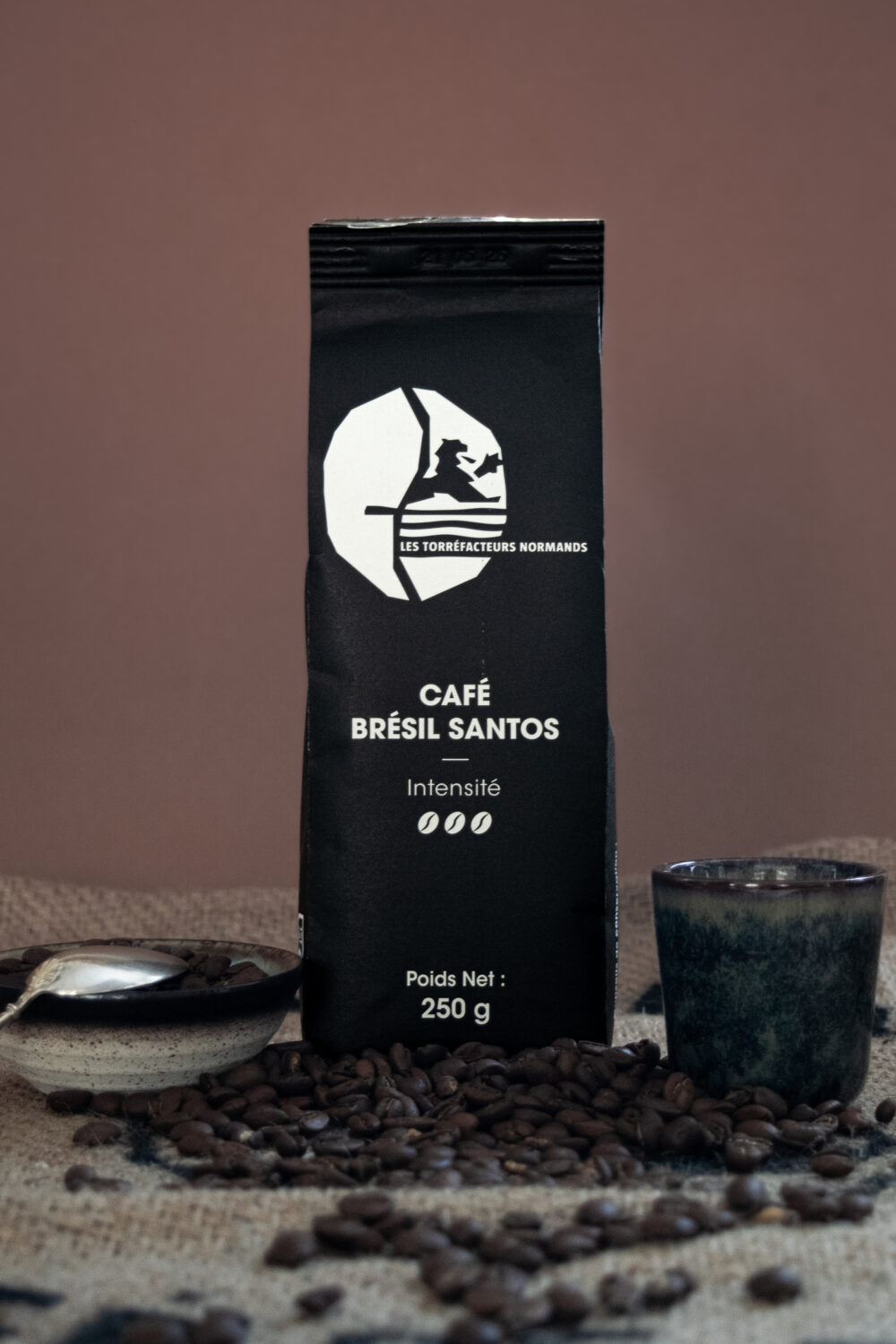
 Les Torréfacteurs Français
Le café Santos du Brésil
Brasilien
- Blend
Le café Santos du Brésil er en kaffe fra Brasilien, som sælges af Les Torréfacteurs Français (Frankrig). Pris: 5,50 € til 185,00 €, afhængigt af størrelsen. Det svarer til fra 20,00 € pr. kilo.
Endnu ikke bedømt · Vær den første til at anmelde den
fra5,50 €
≈ 20,00 € / kg
Du føres til risteriets webshop for at gennemføre dit køb.
- Risteri med base i
- Frankrig
- Levér til
- Danmark · Tjek i risteriets webshop
How can you not talk about Brazil when you’re an artisanal roaster? This country accounts for a huge share of global production and our own production…
Størrelser og priser
| Choisissez votre format | Indhold | Pr. kg | Pris |
|---|---|---|---|
| 6 Kg | – | – | 117,00 € ↗ |
| 8 Kg | – | – | 152,00 € ↗ |
| 10 Kg | – | – | 185,00 € ↗ |
| – | 250g | 22,00 € | 5,50 € ↗ |
| – | 1kg | 22,00 € | 22,00 € ↗ |
| – | 2kg | 20,50 € | 41,00 € ↗ |
| – | 4kg | 20,00 € | 80,00 € ↗ |
Beskrivelse
How can you not talk about Brazil when you’re an artisanal roaster? This country accounts for a huge share of global production and our own production…
When it comes to espresso, we’re always happy to introduce people to our smooth, lightly aromatic Santos. This black gold, with its flavor and price, has earned its place among French roasters.
Brazil, the world’s leading producer and a coffee powerhouse
Brazil is the world’s leading producer of green coffee, so it seemed impossible to leave it out. Coffee cultivation began there in the mid-18th century, when the governor of grão pará tasked Francisco de Mello Palheta with bringing back seeds from French Guiana, an episode that already speaks to the country’s importance as a central player in this history. For more than a century, Brazilian beans have fueled consumption in Europe and North America, and today the country produces more than 35% of the world’s coffee. It is also the largest producer of arabicas, which account for around 75% of its total production.
Coffee in Brazil: the example of Minas Gerais
The cultivation of our favorite bean covers a vast area of Brazilian land, with natural conditions and a climate that are favorable on a large scale. Brazilians quickly realized that this crop could bring them substantial income. At the beginning of the 20th century, Brazilian coffee even reached a peak in world trade: in 1920, nearly 80% of the coffee consumed worldwide came from Brazil, which explains the country’s influence on the international market. Coffee trees grow at lower altitudes than in other coffee-producing countries. This black gold blankets immense stretches of land in the east of the country. Rio de Janeiro saw the first cultivated harvests, then the Southeast emerged as a major coffee-growing region, with Minas Gerais, the country’s top-producing state, and more than a million hectares under cultivation; sul de minas is its arabica heartland, known for its smooth, mellow coffees. To give you an idea of the quantity of beans produced in the land of soccer, Brazilian coffee today accounts for more than 30% of global production, far ahead of Vietnam, the second-largest producer.
The port of Santos, gateway for Brazilian coffee exports
Brazil is a vast country with different climates across its many regions, where each terroir brings together climate, soils, and a diversity of origins. The Amazon rainforest, thousands of miles of coastline, and arid or fertile lands make up an incomparable geographic wealth. This natural advantage is the main strength of Brazilian agriculture. All that was needed was infrastructure to facilitate the trade of beans to countries that consume the most coffee. São Paulo and the entire Paulista region became the driving forces behind coffee production and trade in Brazil in the mid-19th century, and São Paulo has remained one of the coffee industry’s major players ever since, thanks to the port of Santos. This region south of Rio developed its infrastructure to boost sales, one of the strategic factors behind its growth. A rail network was built through the mountains, making it possible to transport beans through this infrastructure to the port of Santos, the country’s main export hub, which led to a sharp rise in exports.
The coffee trade
Today, Brazil is known and highly regarded around the world in many agricultural sectors, including sugar, juice oranges, soybeans, and, of course, coffee. The port of Sao Paulo is the world’s largest coffee port overall, and especially for arabica.
As early as 1806, the country exported 120 tons of coffee, a trend that was confirmed in 1840 when it became the world’s leading producer, propelled by the expansion of plantations.
Ranking of the largest producers in 2020:
- 1- Brazil
- 2- Vietnam
- 3- Indonesia
- 4- Colombia
- 5- Honduras
- 6- Ethiopia
- 7- Peru
A popular coffee
From the very beginning of our brand’s journey, Brazilian Santos has been the bean we’ve roasted the most. It’s part of our House Blend and is also available as a single origin. This Santos has the advantage of being affordable. It offers mellow flavors, with notes of hazelnut and milk chocolate, and subtle aromas that are a big hit with occasional coffee drinkers and fans of longer coffees. The taste of Brazilian coffee also depends a great deal on its region of origin. Santos is also ideal for your morning coffee with milk, thanks to its smooth body and low acidity. Its mellow flavor pairs well with milk and even sugar, which is why this coffee suits everyone’s preferences. Unlike a rarer Yellow Bob, which is often fruitier and sweeter, it has a simple, comforting profile.
Roasters and Santos
The arrival of Santos beans at Torréfacteurs Normands was an obvious choice, a staple of our selection. Long before Ethiopian Moka, Santos was the first bean we offered as a specialty coffee, before the range of 100% Arabica single-origin coffees expanded.
Brazilian coffee in your cup
We’ve been drinking Santos in France for a very long time. Our grandparents and the old artisan roasters swore by this delicate, mellow cup. This Arabica, when enjoyed on its own, was much higher quality than blends containing Robusta, which could be found everywhere in bars and grocery store aisles until just a few years ago. Today Brazil remains a benchmark in the world of roasting, thanks in part to its harvesting and processing methods. It is also the world’s leading specialist in natural and pulped natural processing. Coffee is produced there using the dry method, with cherries sun-dried without water, or the wet method, using water, for a cleaner cup profile. With the wet method, the cherries are first sorted, then fermented for 24 to 48 hours before the final wash and drying on African beds or on the ground. Harvesting there also combines manual and mechanical practices, with the latter being more widespread because they require less labor. Many of our regular customers find a taste they thought they’d lost in these beans.
Spørgsmål om Le café Santos du Brésil
Hvor kommer Le café Santos du Brésil fra?
Den kommer fra Brasilien.
Hvad koster Le café Santos du Brésil?
Pris: 5,50 € til 185,00 €, afhængigt af størrelsen. Det svarer til fra 20,00 € pr. kilo. Priserne kommer fra webshoppen og kan ændre sig; webshoppen har de aktuelle.
Hvor kan jeg købe Le café Santos du Brésil?
I webshoppen hos Les Torréfacteurs Français: priserne på denne side linker dertil. Cafendo sælger ikke selv kaffe.
Anmeldelser
Ingen anmeldelser endnu.
Hvis du kan lide denne kaffe, så prøv disse
Udvalgt blandt andre risterier ud fra fælles oprindelse, forarbejdning, ristning, smagsnoter og pris. Kaffe, som de samme personer har gemt eller bedømt højt, tæller mest.
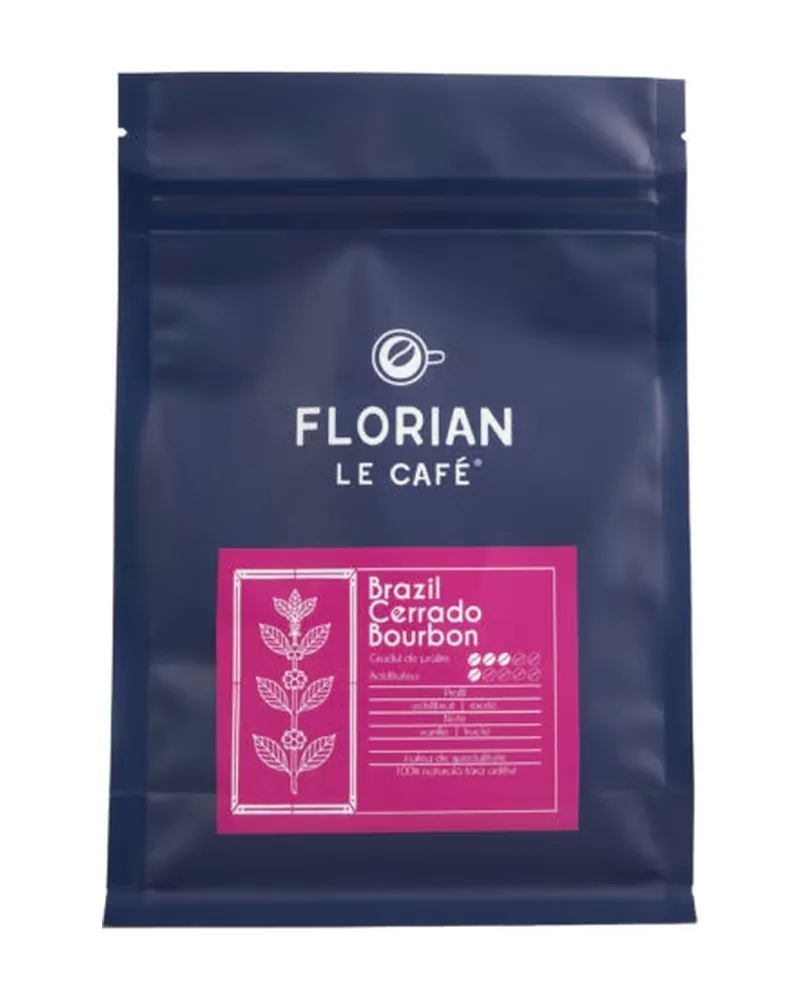
Florian le Café
Brazil-Cerrado-Bourbon
7,07 US$
LysHvorfor: BrasilienLignende pris
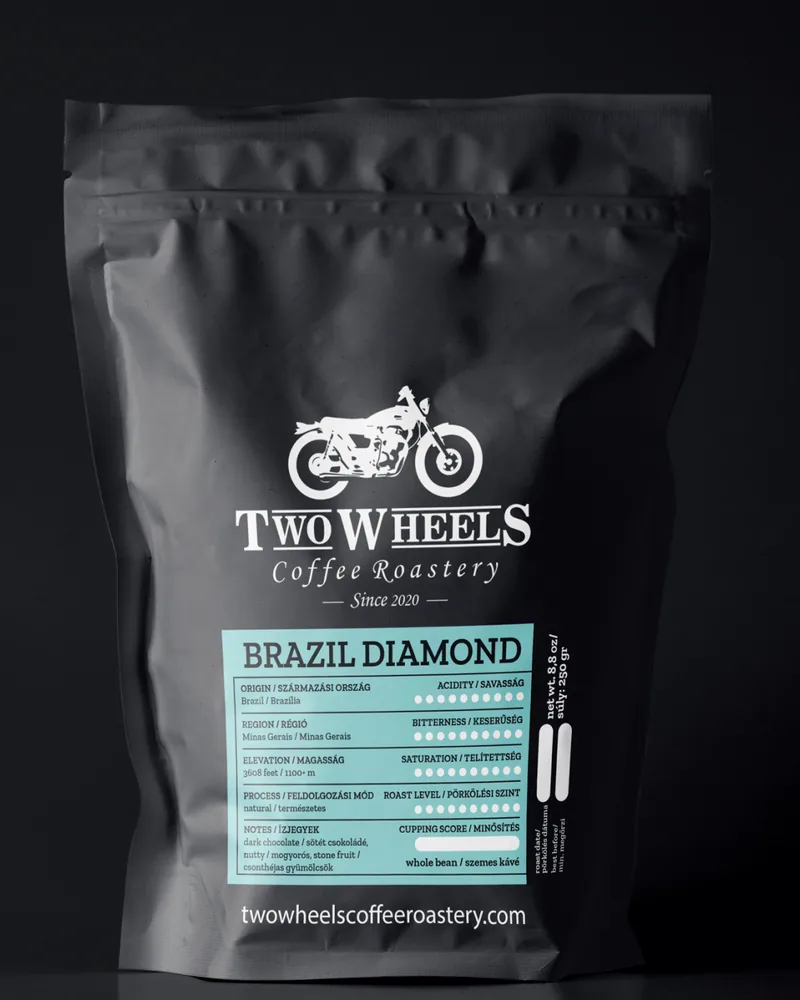
Two Wheels Coffee
Brazil Diamond Specialty Coffee
5,29 US$
MørkHvorfor: BrasilienLignende pris
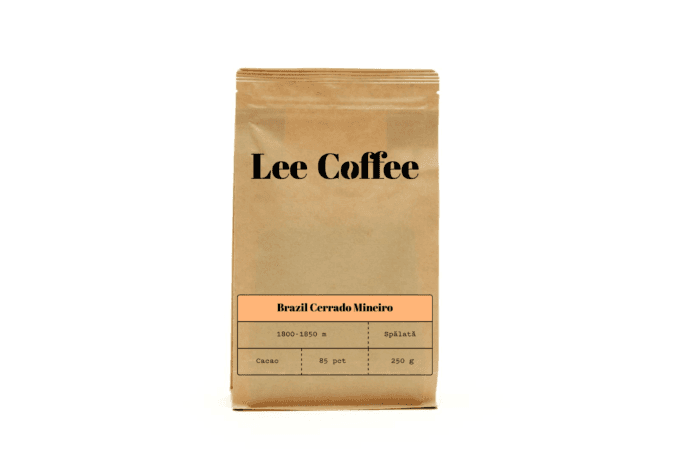
Lee Coffee
Brazilia Cerrado Mineiro
7,07 US$
Hvorfor: BrasilienLignende pris
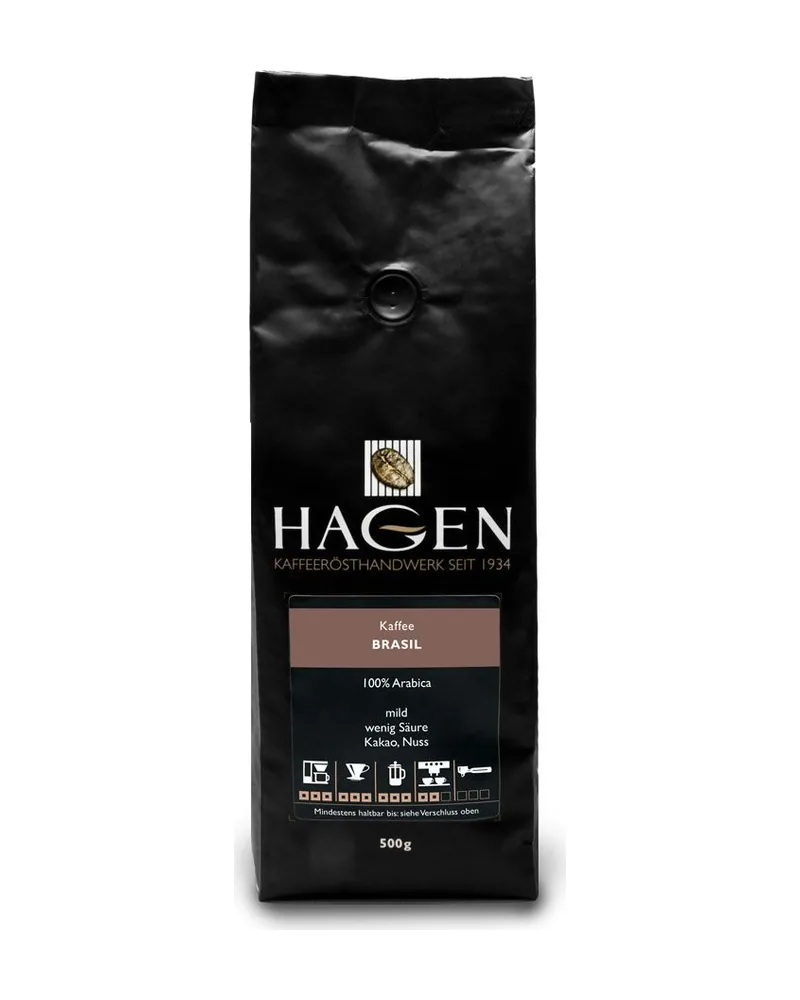
Hagen Kaffee
Coffee BRASIL
5,80 US$
MediumHvorfor: BrasilienLignende pris
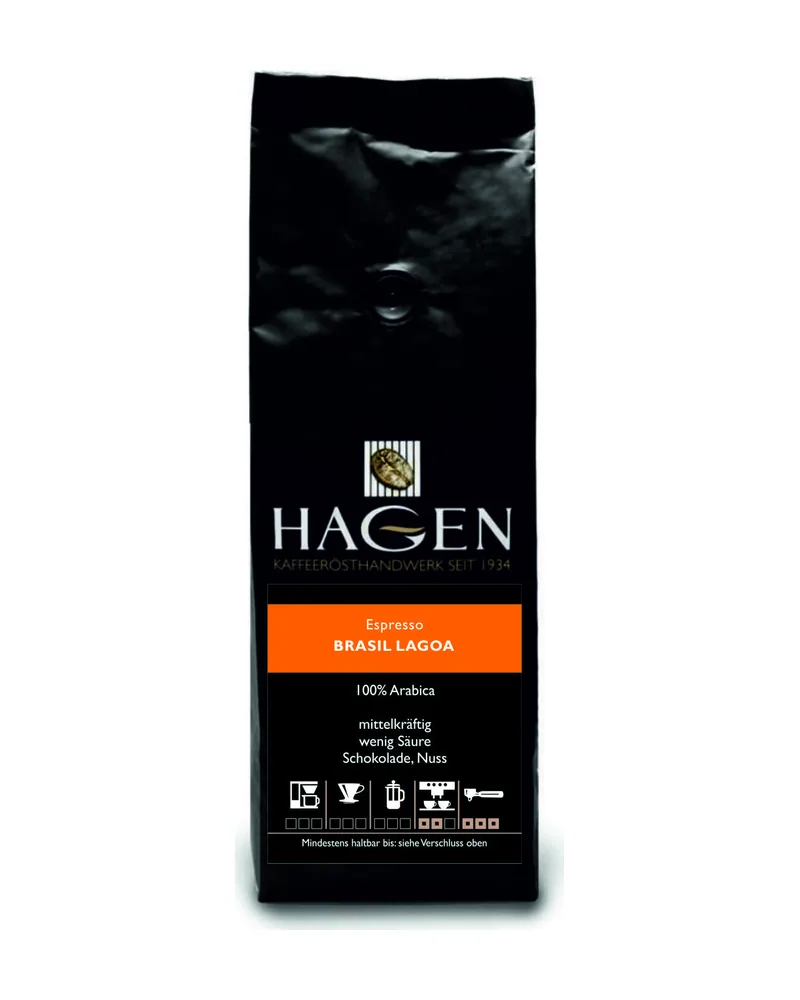
Hagen Kaffee
Espresso BRASIL LAGOA
7,60 US$
MediumHvorfor: BrasilienLignende pris
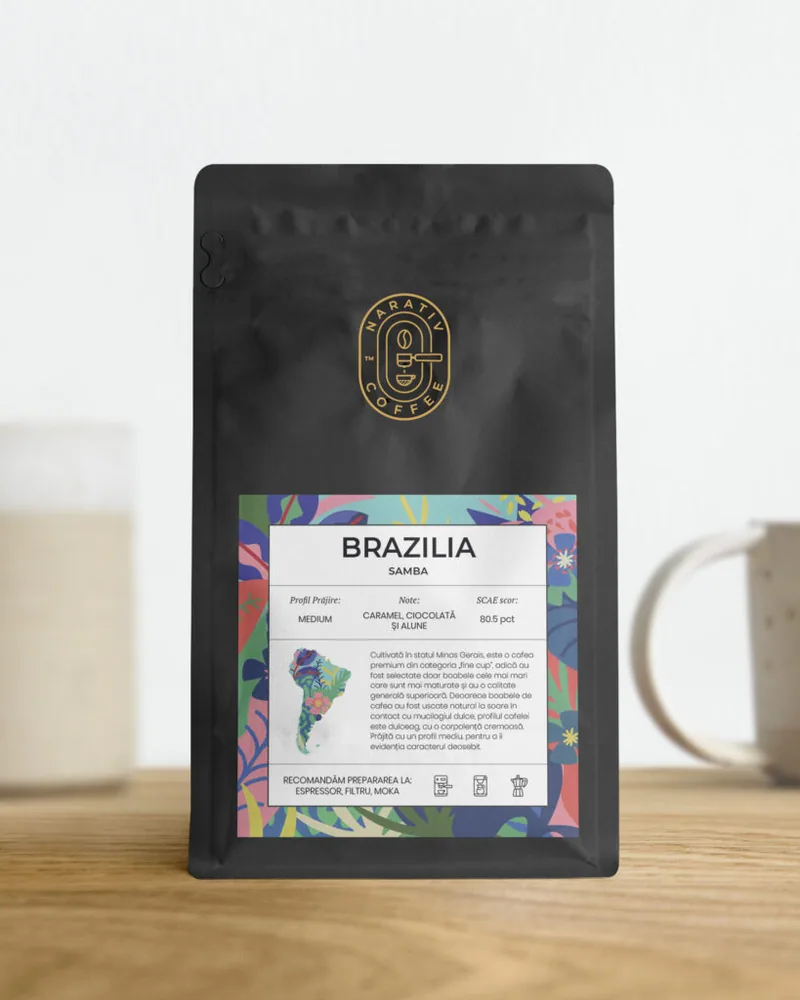
Narativ Specialty Coffee
Brazilia Samba
42,00 RON
Hvorfor: BrasilienLignende pris
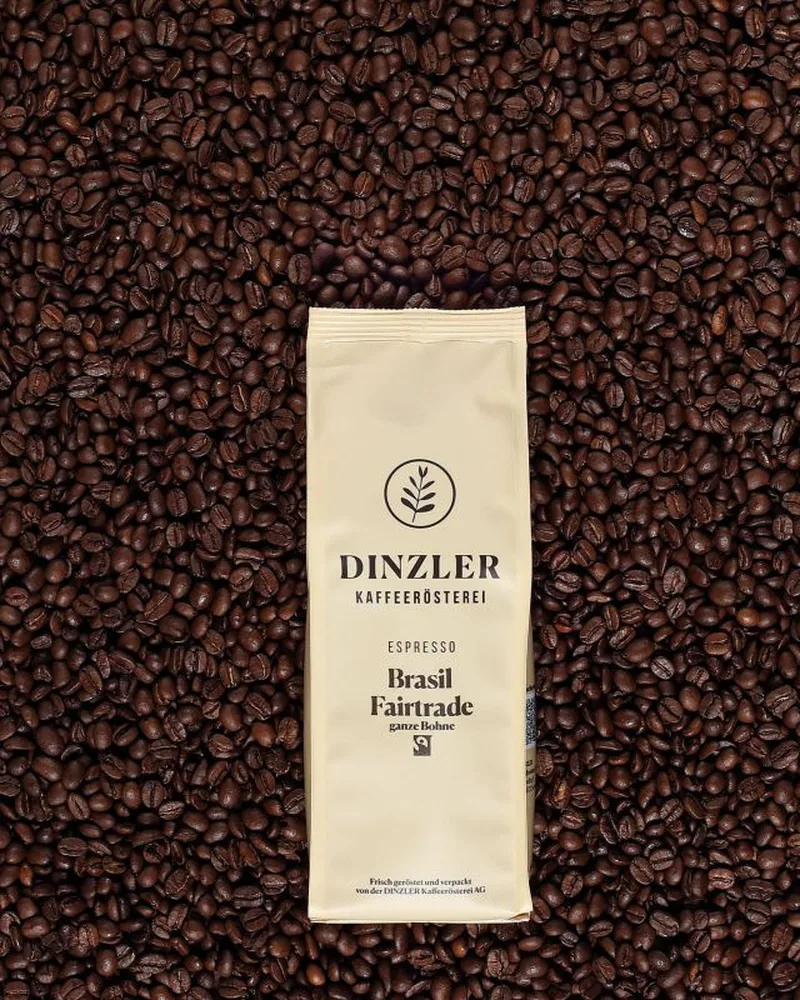
Dinzler Kaffeerösterei
DINZLER Espresso Brazil
9,10 US$
LysHvorfor: BrasilienLignende pris
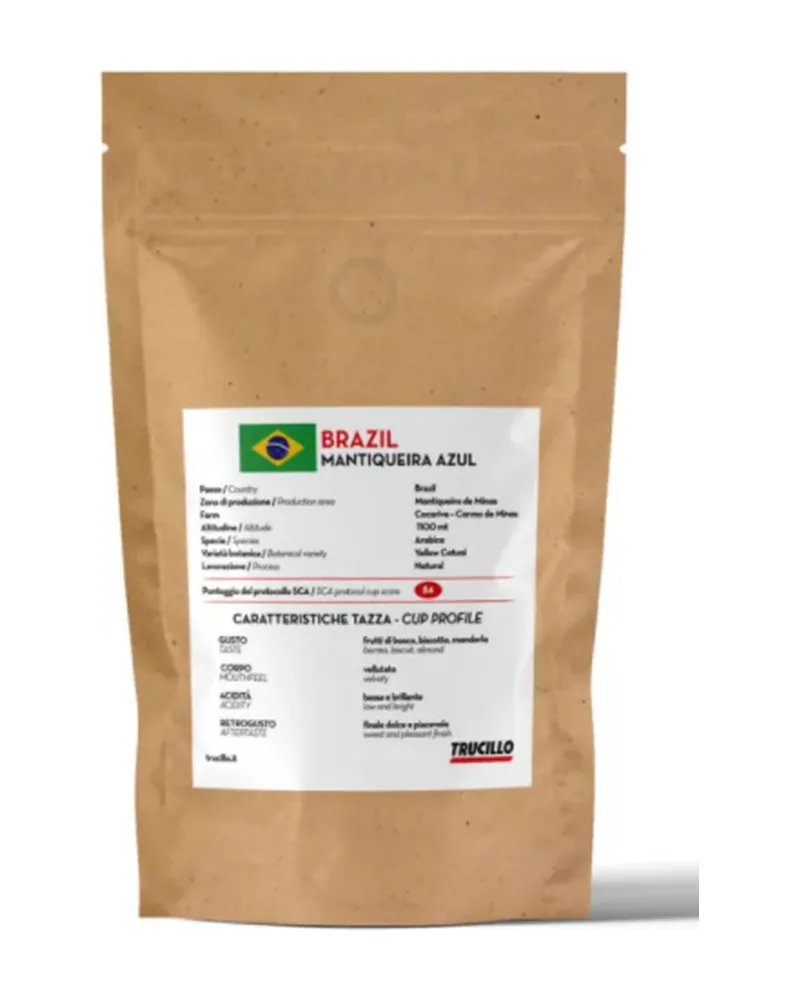
Caffè Trucillo
BRAZIL - MANTIQUEIRA AZUL
7,50 US$
MørkHvorfor: BrasilienLignende pris