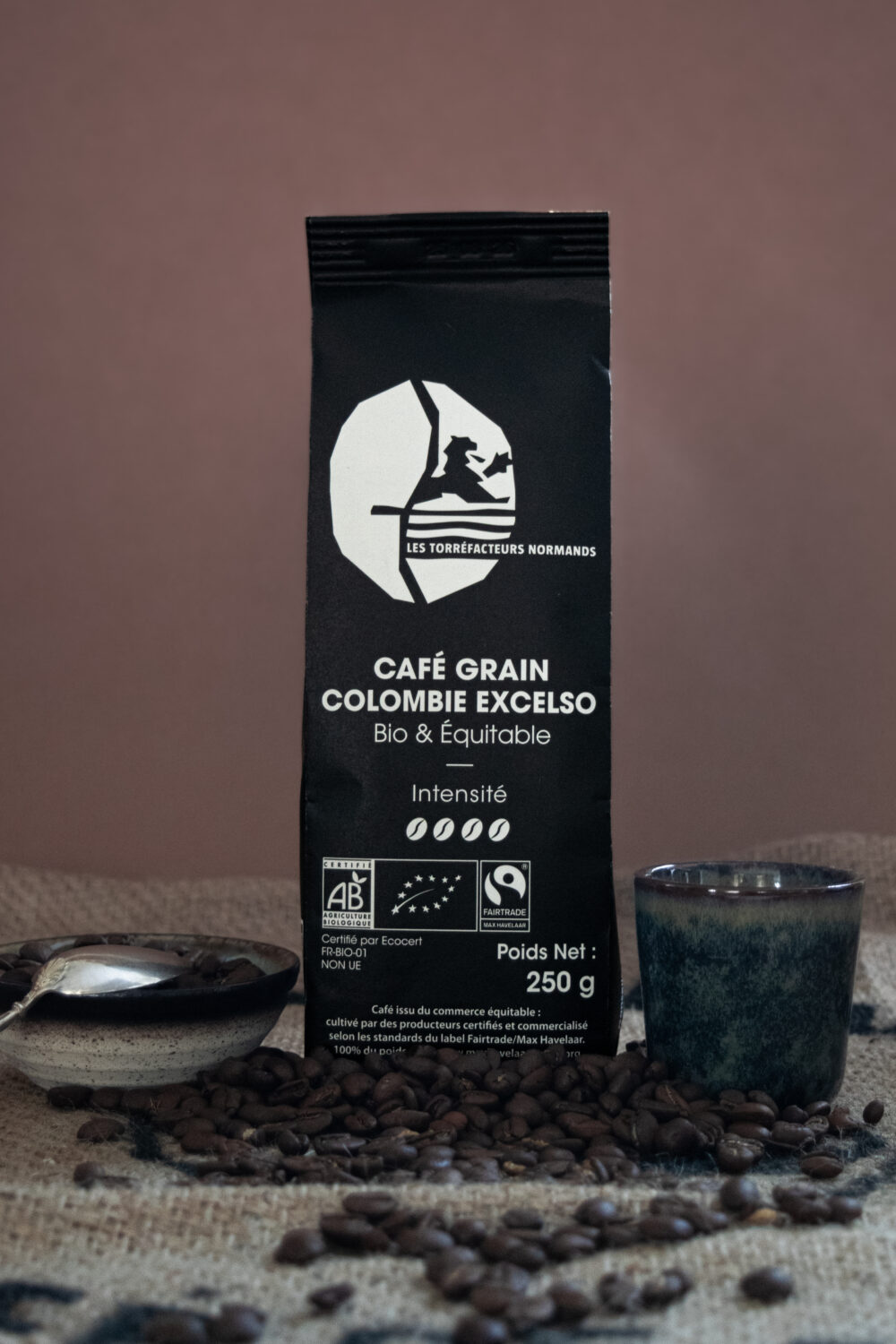
 Les Torréfacteurs Français
Le café de Colombie IGP, Bio et équitable
Colombia
- Single origin
Le café de Colombie IGP, Bio et équitable er en kaffe fra Colombia, som sælges af Les Torréfacteurs Français (Frankrig). Pris: 4,20 € til 235,00 €, afhængigt af størrelsen. Det svarer til fra 25,00 € pr. kilo.
Endnu ikke bedømt · Vær den første til at anmelde den
fra4,20 €
≈ 25,00 € / kg
Du føres til risteriets webshop for at gennemføre dit køb.
- Risteri med base i
- Frankrig
- Levér til
- Danmark · Tjek i risteriets webshop
The world’s second-largest producer of Arabica coffee is sure to surprise you. We love it because it appeals to so many of our regular customers.
Størrelser og priser
| Choisissez votre format | Indhold | Pr. kg | Pris |
|---|---|---|---|
| Capsules (Boite de 10) | – | – | 4,20 € ↗ |
| 6 Kg | – | – | 147,00 € ↗ |
| 8 Kg | – | – | 192,00 € ↗ |
| 10 Kg | – | – | 235,00 € ↗ |
| – | 250g | 26,40 € | 6,60 € ↗ |
| – | 1kg | 26,40 € | 26,40 € ↗ |
| – | 2kg | 25,50 € | 51,00 € ↗ |
| – | 4kg | 25,00 € | 100,00 € ↗ |
Beskrivelse
The world’s second-largest producer of Arabica coffee is sure to surprise you. We love it because it appeals to so many of our regular customers.
We’re delighted to introduce this 100% Arabica from Colombia. Our Excelso is organic and Fair Trade certified. Join us on a journey to a destination that produces an exceptional coffee bean.
Colombia, coffee country
The history and geography of Colombian coffee help explain why it’s so good. Colombians want to preserve the finesse of their beans, but that doesn’t stop them from producing impressive volumes.
History
Coffee was introduced to Colombia in the early 18th century, becoming an economic and cultural pillar of the country in the 19th century. Arabica production continued to increase until it became the world’s second largest today, behind Brazil. This is largely thanks to favorable growing conditions and the expertise of producers, which have helped coffee maintain its importance in the country. Colombia is a major coffee producer, but it specialized early on in high-quality beans, and Colombian coffee draws on a storied history and expertise refined over decades. In the first half of the 20th century, plantations expanded rapidly across agricultural land. Around 1890, a drop in global prices triggered a coffee crisis, but the west of the country was relatively unaffected, encouraging the organization of producer cooperatives. This agricultural system helped the country weather the 1929 crisis, and small farms suffered no more than large ones. Production slowed in the second half of the 20th century, but Colombia remained a giant in the coffee economy. Despite the conflicts the country has endured, its coffee sector has shown great resilience.
Geography
This country, which connects Central America and South America, has geography well suited to coffee in Colombia, where coffee cultivation shapes the landscape. The branches of the Andes allow coffee to be grown between 1,200 and 2,200 meters in elevation, with microclimates near the equator. Colombia has three main growing regions: north, central, and south. The tropical climate, balanced natural conditions, and rich volcanic soils create a prized terroir known for the aromatic complexity of its finest coffees. The Coffee Triangle forms the heart of this region, between 1,200 and 1,800 meters, and has been a UNESCO World Heritage Site since 2011.
Colombia, a land of coffee
Why is this coffee so popular with our customers? Some coffee drinkers aren’t looking for an overpowering taste, but for a smooth cup with flawless aromatic quality.
The smoothness of Colombian coffee.
The smoothness of this bean reflects the richness of Colombian coffees, known for their diverse profiles and excellent reputation. It’s a favorite at our many tastings throughout the year, with a medium body, a lovely balance of sweetness and acidity, and notes of caramel and chocolate. So much so that hardly anyone dares to add sugar! The finesse of our Excelso makes for a delightful experience for all lovers of smooth coffee. This type of Colombian coffee is slightly more acidic than Colombian Supremo, which has larger beans and a smooth, balanced flavor. Colombian coffee comes almost entirely from Arabica production. At high elevations, slower ripening encourages the development of sugars, brighter acidity, and more complex floral notes. Its mellow character takes you on a delightful aromatic journey without overwhelming your palate.
When should you enjoy it?
- If you’re looking for gentle mornings, with or without milk, you won’t be able to do without your Colombian coffee.
- Its exceptionally high aromatic quality makes it a pleasure to enjoy as espresso, lungo, in a Moka pot, or in a French press…
- Its mellow character makes for a delicious cup that quickly disappears from your palate.
You’re sure to love it….
Colombia, a land of sustainability
If we want to enjoy this organic and Fair Trade Colombian coffee, we’ll need to protect the land and its people. For many years, producers focused on producing more; today, their main goal is to produce better.
Organic
A coffee of such high quality (with an SCA score of 81/83) needs healthy soil and skilled farmers. It would have seemed unlikely for our brand not to work with beans from organic farming, since this expertise links bean quality to carefully managed farming practices. Like many coffee-producing countries, Colombia has developed farming practices that respect its land, and many producers there ban pesticides in favor of natural methods to protect the soil and ecosystems. After harvesting, the beans are often wet processed through pulping, fermentation, washing, and drying to produce coffee that tastes clean and has crystal-clear acidity. The health of coffee farmers is a real concern for Torréfacteurs Français. Whenever possible, we strive to prioritize farming methods that respect the soil and the people. Organic or Fair Trade certified coffees are a responsible choice.
Fair Trade
To ensure we don’t run out of stock and, above all, to guarantee Colombian coffee farmers a fair purchase price, we reserve future harvests in advance, with certifications that also guarantee decent working conditions. To strengthen this approach, we wanted to order from farms affiliated with Fair Trade to support the long-term viability of the industry. Fair Trade and Rainforest Alliance certifications reinforce this social and environmental commitment. We built our business model around fair compensation for everyone involved in production. Coffee varieties grown in Colombia include Typica, Bourbon, Caturra, Castillo, and Colombia, with Castillo selected for its resistance to pests and widely grown across the country, including in beans destined for export. This sourcing approach is perfectly aligned with the ethics we wanted to uphold every day. This industry represents a true source of wealth for the country, and one of its greatest assets.
Spørgsmål om Le café de Colombie IGP, Bio et équitable
Hvor kommer Le café de Colombie IGP, Bio et équitable fra?
Den kommer fra Colombia.
Hvad koster Le café de Colombie IGP, Bio et équitable?
Pris: 4,20 € til 235,00 €, afhængigt af størrelsen. Det svarer til fra 25,00 € pr. kilo. Priserne kommer fra webshoppen og kan ændre sig; webshoppen har de aktuelle.
Hvor kan jeg købe Le café de Colombie IGP, Bio et équitable?
I webshoppen hos Les Torréfacteurs Français: priserne på denne side linker dertil. Cafendo sælger ikke selv kaffe.
Anmeldelser
Ingen anmeldelser endnu.
Hvis du kan lide denne kaffe, så prøv disse
Udvalgt blandt andre risterier ud fra fælles oprindelse, forarbejdning, ristning, smagsnoter og pris. Kaffe, som de samme personer har gemt eller bedømt højt, tæller mest.
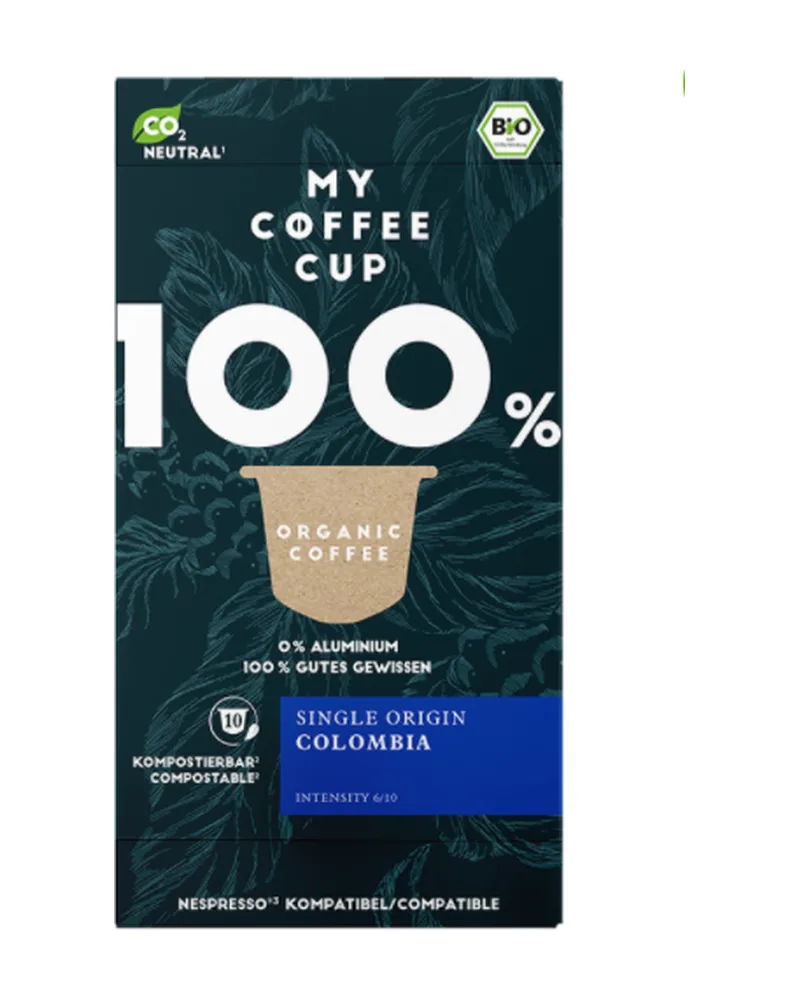
My Coffee Cup
SINGLE ORIGIN COLOMBIA
3,99 US$
MørkHvorfor: ColombiaLignende pris
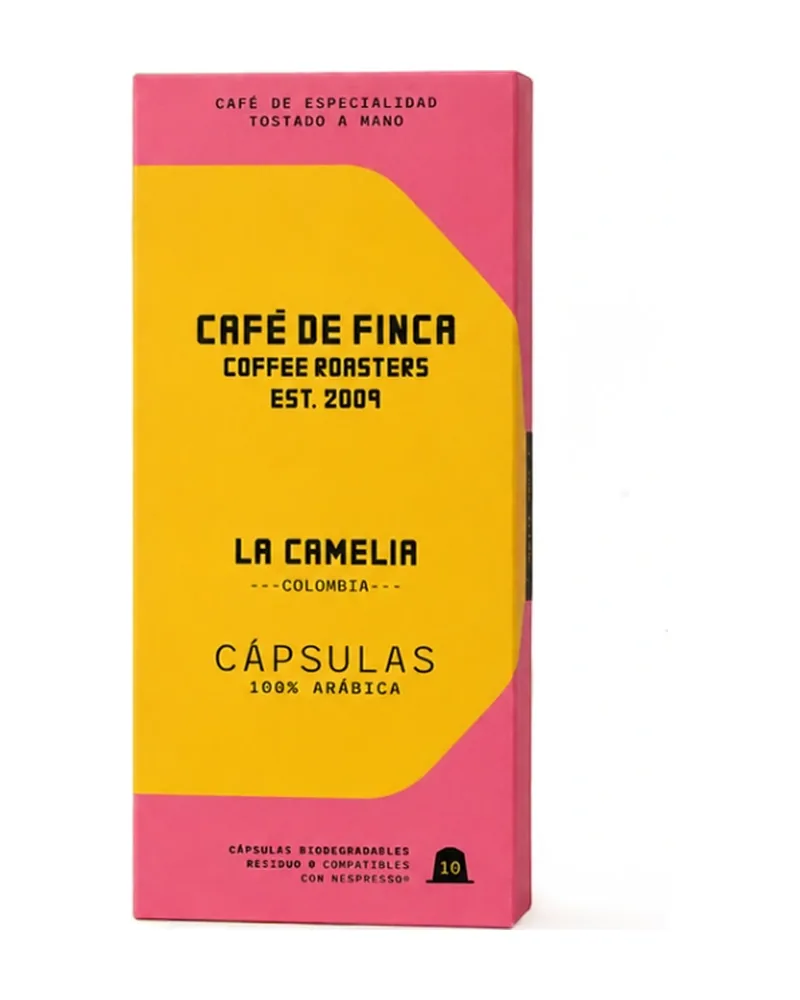
Café de Finca
10UDS La Camelia Colombia Capsulas
5,12 €6,40 €
Hvorfor: ColombiaLignende pris
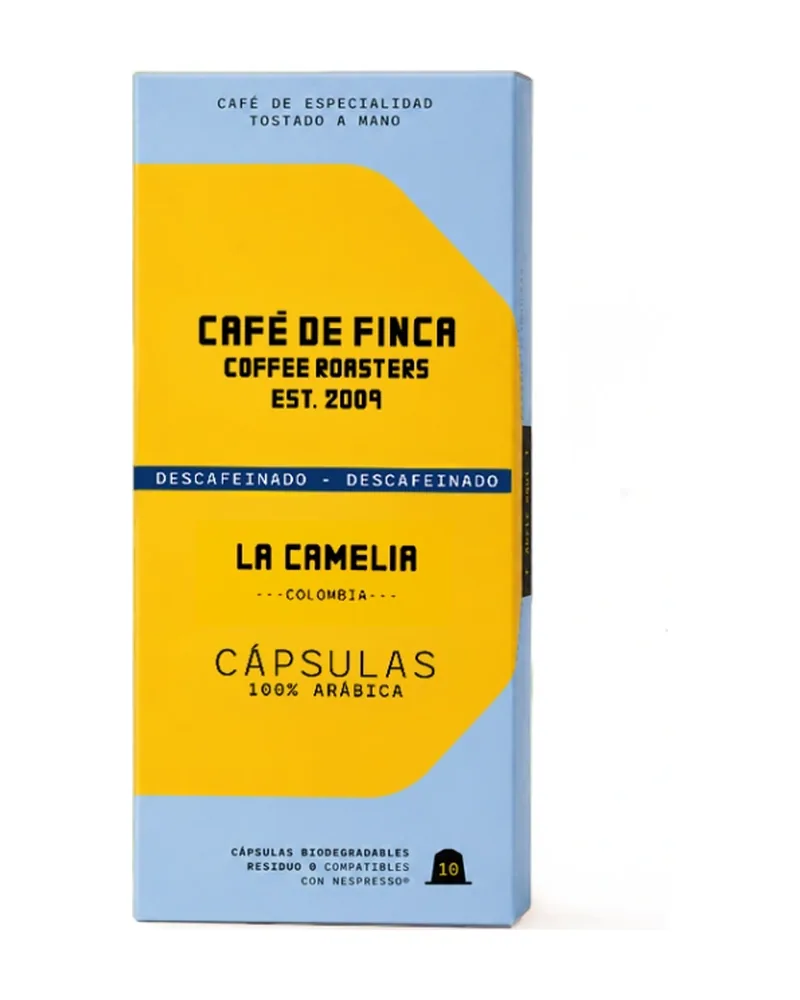
Café de Finca
10UDS La Camelia Descafeinado Colombia Capsulas
5,12 €6,40 €
Hvorfor: ColombiaLignende pris
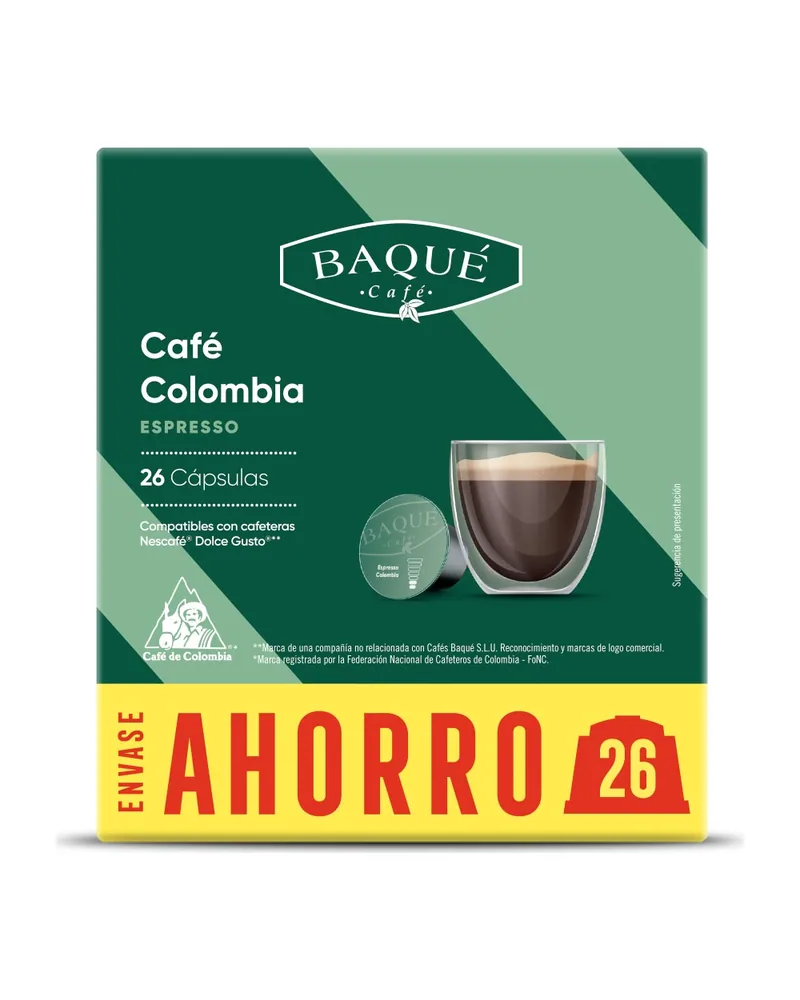
Baque
Espresso Colombia, 26 cápsulas Dolce Gusto® (formato ahorro)
6,99 €
Hvorfor: ColombiaLignende pris
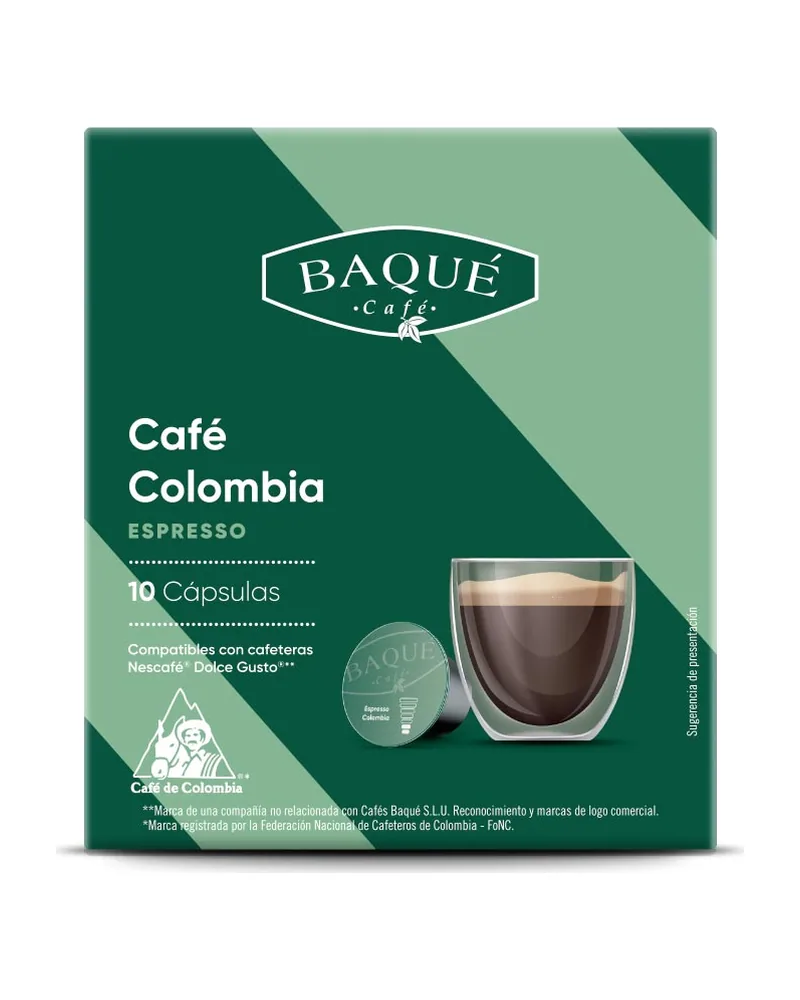
Baque
Colombia 10 cápsulas compatibles Dolce Gusto®
3,39 €
Hvorfor: ColombiaLignende pris
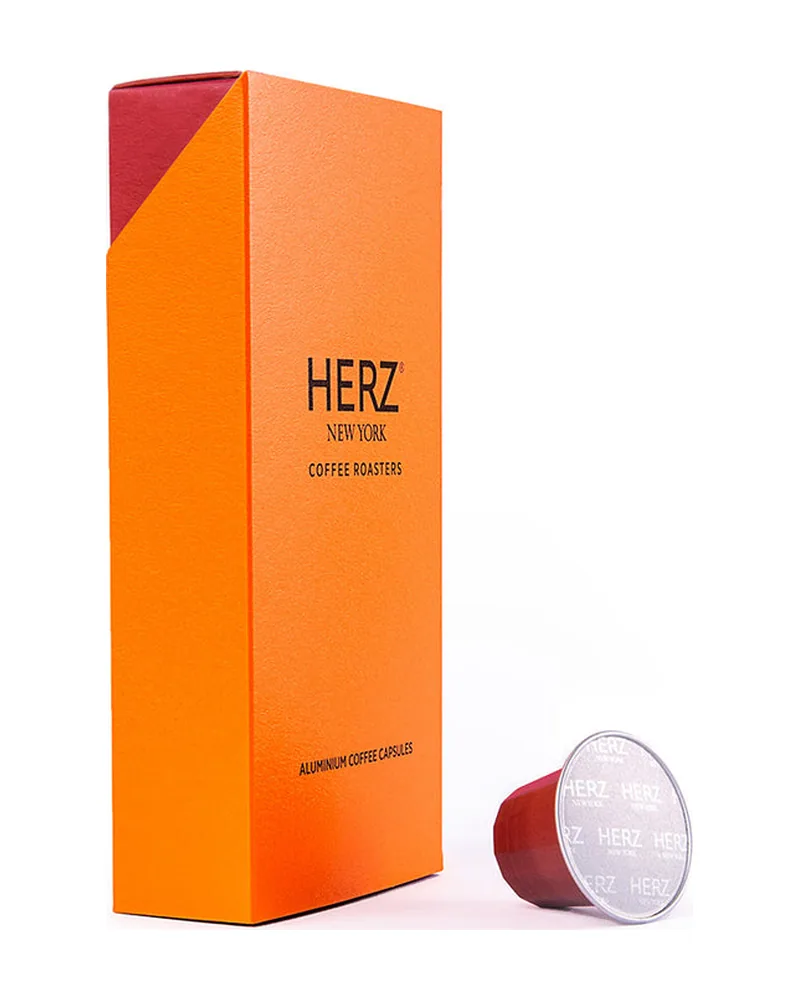
Herz New York Coffee Roasters
COLOMBIA
2.100 HUF
Hvorfor: ColombiaLignende pris
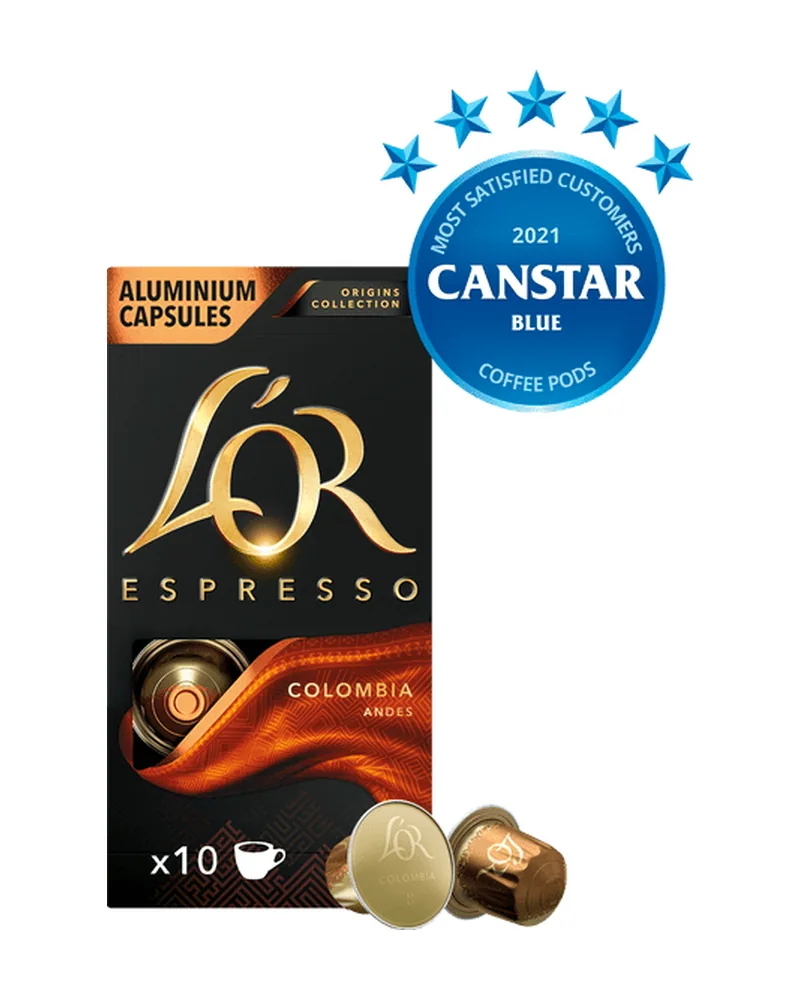
L'OR Coffee
L'OR ESPRESSO - COLOMBIA
5,76 US$
Hvorfor: ColombiaLignende pris
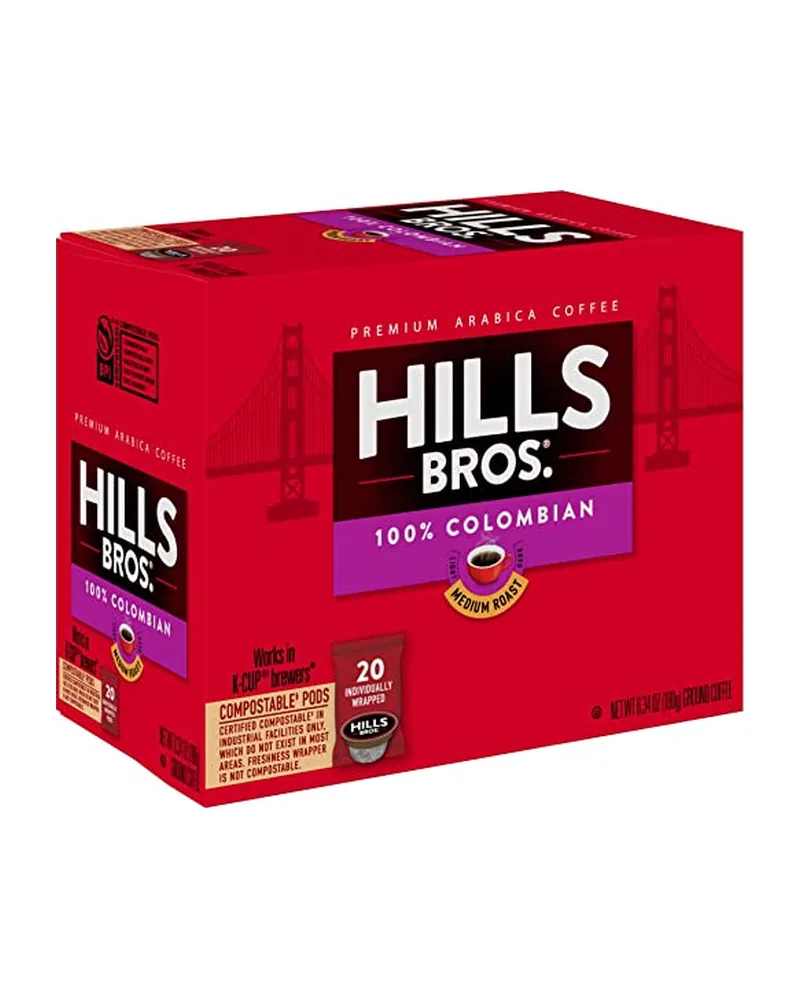
Hills Bros
100% Colombian Pods
7,15 US$
MediumHvorfor: ColombiaLignende pris