 Les Torréfacteurs Français
Café aux Philippines
Filippinerne
- Blend
Café aux Philippines er en kaffe fra Filippinerne, som sælges af Les Torréfacteurs Français (Frankrig). Pris: 14,50 € til 70,00 €, afhængigt af størrelsen. Det svarer til fra 70,00 € pr. kilo.
Endnu ikke bedømt · Vær den første til at anmelde den
fra14,50 €
≈ 70,00 € / kg
Du føres til risteriets webshop for at gennemføre dit køb.
- Risteri med base i
- Frankrig
- Levér til
- Danmark · Tjek i risteriets webshop
Our coffee comes from Luzon, the largest island in the country. In the north, the mountains of Benguet, Sagada, and Atok are the main high-altitude growing regions. The village of Caliking, located at 1,400 meters above sea level, benefits from a cool climate, wide temperature fluctuations, and rich soils. These conditions allow the cherries to ripen slowly and promote exceptional sugar concentration. The result is a denser, more complex, particularly elegant coffee.
Størrelser og priser
Beskrivelse
Coffee in the Philippines: A complete guide to discovering one of specialty coffee’s hidden gems
Philippine coffee is still relatively unknown to the general public, even though it is one of the most promising origins in the world of specialty coffee. Located in Southeast Asia, this country has a long coffee-growing history, an incredible diversity of growing regions, and the distinction of cultivating all four of the main coffee species grown around the world.
If you’re looking for a complete guide to Philippine coffee, you’re in the right place. Unlike a basic general-interest article, this guide was written by Les Torréfacteurs Français to introduce you to the growing regions, producers, different varieties, and best brewing methods for Philippine coffee beans.
We’ll also introduce our selection from the village of Caliking, in the region of Atok, on the island of Luzon. This specialty coffee is grown at 1,400 meters above sea level using a natural process, a method that develops rich aromatics and a lovely complexity in the cup.
Whether you enjoy pour-over coffee, espresso, or are simply curious to discover a new origin, this guide will give you all the information you need before choosing your next coffee.
Why Philippine coffee matters
When people think of coffee, their attention often turns to South America, with Brazil or Colombia, or to African origins such as Ethiopia. Yet Philippine coffee has a unique identity that deserves the attention of fine-coffee enthusiasts.
The Philippines is one of the few countries capable of producing all four coffee species grown on a large scale:
- Arabica
- Robusta
- Liberica
- Excelsa
This diversity is a real asset for consumers and roasters alike.
Each variety has its own character, taste, and aroma, catering to every coffee lover’s preferences.
In many mountainous regions, coffee cultivation is an essential economic activity. Thousands of farmers and producers now make their living from this industry, which contributes to local development.
Beyond its economic importance, coffee is an integral part of everyday life in the Philippines. It accompanies meals, get-togethers with friends, family gatherings, and breaks at the many coffee shops opening across the country.
In recent years, the specialty coffee market has grown remarkably. Producers are investing in new equipment, improving every stage of the harvest, and highlighting the traceability of their products.
This move upmarket is now attracting top international buyers.
The history of coffee in the Philippines
The history of Philippine coffee began in the 18th century during Spanish colonization.
The first coffee trees were planted around Lipa, in the province of Batangas. The climate quickly proved favorable to the development of the first plantations.
By the end of the 19th century, the Philippines had even become one of the world’s leading exporters.
The famous Barako, from the Liberica species, earned the country an international reputation.
This prosperous period was interrupted by a severe coffee leaf rust epidemic that destroyed many farms.
Production fell sharply.
Many farmers then replaced their coffee trees with more profitable crops, especially rice.
For several decades, the coffee industry gradually lost its place in the international market.
As Vietnam became one of the world’s coffee giants, the Philippine industry slowed down.
It wasn’t until the 2000s that a true revival began.
A new generation of producers rediscovered historic growing regions and adopted an approach focused on quality rather than volume.
Harvesting is now much more selective.
Every bean is carefully sorted.
Fermentation is better controlled.
The coffees are then processed using different methods: washed, honey, or natural.
Today, this new momentum is helping Philippine coffees gradually enter the international specialty coffee market.
Coffee regions and growing areas in the Philippines
The Philippine archipelago consists of more than 7,000 islands, but only certain areas have the ideal conditions for producing exceptional coffee.
Luzon and the mountains of Benguet
Our coffee comes from Luzon, the largest island in the country.
In the north, the mountains of Benguet, Sagada, and Atok are the main high-altitude growing regions.
The village of Caliking, located at 1,400 meters above sea level, benefits from a cool climate, wide temperature fluctuations, and rich soils.
These conditions allow the cherries to ripen slowly and promote exceptional sugar concentration.
The result is a denser, more complex, particularly elegant coffee.
Batangas
The region of Batangas remains the historic home of the famous Kapeng Barako.
This Liberica variety is a true part of the country’s heritage.
Its bold character and intense aromatic profile continue to appeal to many coffee lovers.
Cavite
The province of Cavite is also contributing to the revival of Philippine coffee.
Many small farms are now producing specialty coffees for export.
Mindanao and the south
The south of the country, particularly the island of Mindanao, mainly produces Robusta, as well as some excellent Arabicas grown at higher elevations.
This diversity of growing regions allows the Philippines to offer a very broad range of coffees.
The best microlots generally come from the highlands, where natural conditions offer remarkable aromatic potential.
Our coffee from Atok, grown using a natural process, is a perfect example of this new generation of Philippine coffees. It reflects local producers’ expertise and the coffee industry’s progress in quality in this Asian country.
Spørgsmål om Café aux Philippines
Hvor kommer Café aux Philippines fra?
Den kommer fra Filippinerne.
Hvad koster Café aux Philippines?
Pris: 14,50 € til 70,00 €, afhængigt af størrelsen. Det svarer til fra 70,00 € pr. kilo. Priserne kommer fra webshoppen og kan ændre sig; webshoppen har de aktuelle.
Hvor kan jeg købe Café aux Philippines?
I webshoppen hos Les Torréfacteurs Français: priserne på denne side linker dertil. Cafendo sælger ikke selv kaffe.
Anmeldelser
Ingen anmeldelser endnu.
Hvis du kan lide denne kaffe, så prøv disse
Udvalgt blandt andre risterier ud fra fælles oprindelse, forarbejdning, ristning, smagsnoter og pris. Kaffe, som de samme personer har gemt eller bedømt højt, tæller mest.
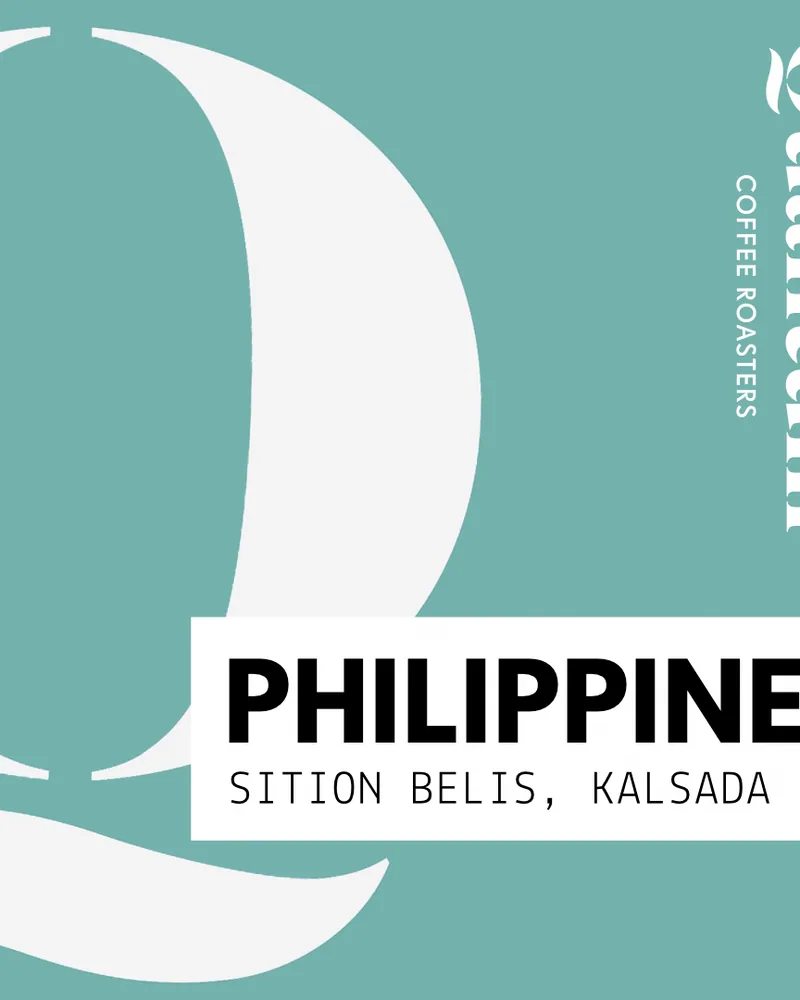
Quantum Coffee Roasters
Philippines, Sition Belis Kalsada
20,00 £
MediumHvorfor: FilippinerneLignende pris
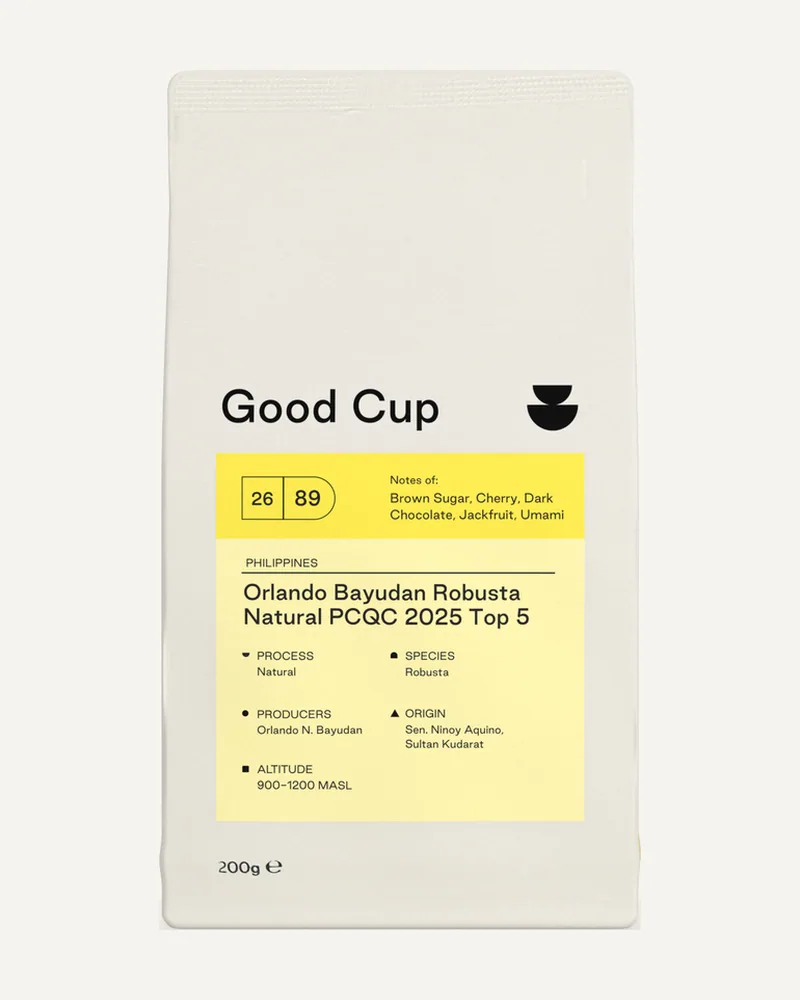
Good Cup Coffee
Philippines Robusta Orlando Bayudan
748,00 PHP
Hvorfor: FilippinerneLignende pris
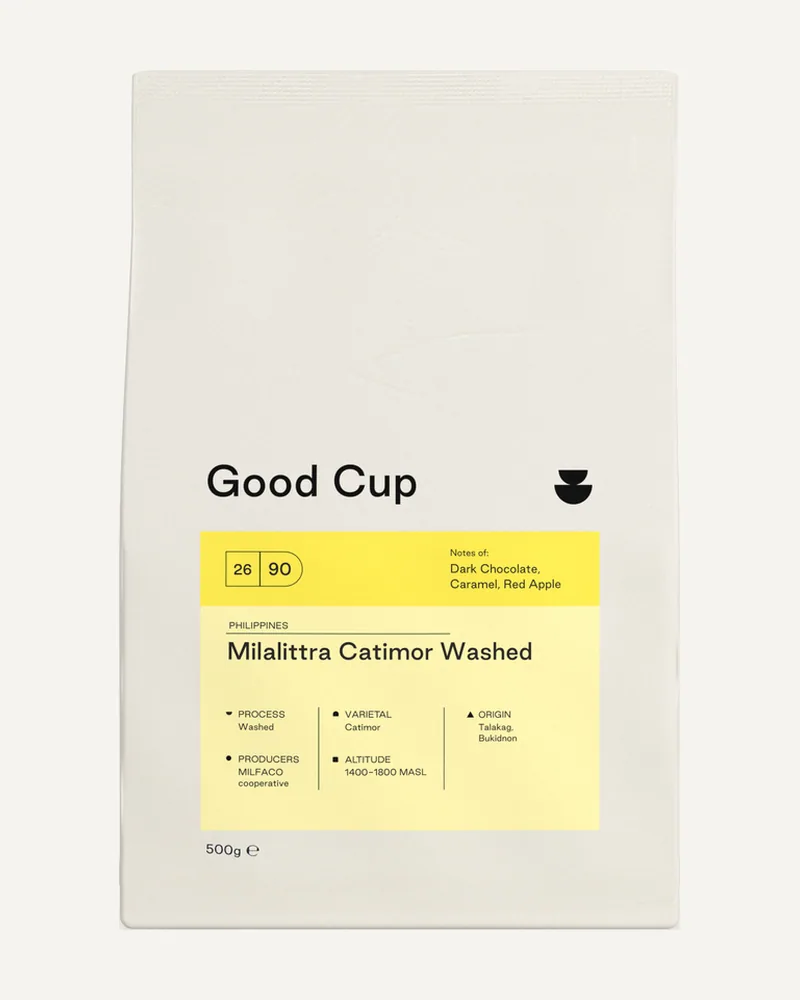
Good Cup Coffee
Philippines Milalittra Catimor Washed
1.078,00 PHP
Hvorfor: FilippinerneLignende pris
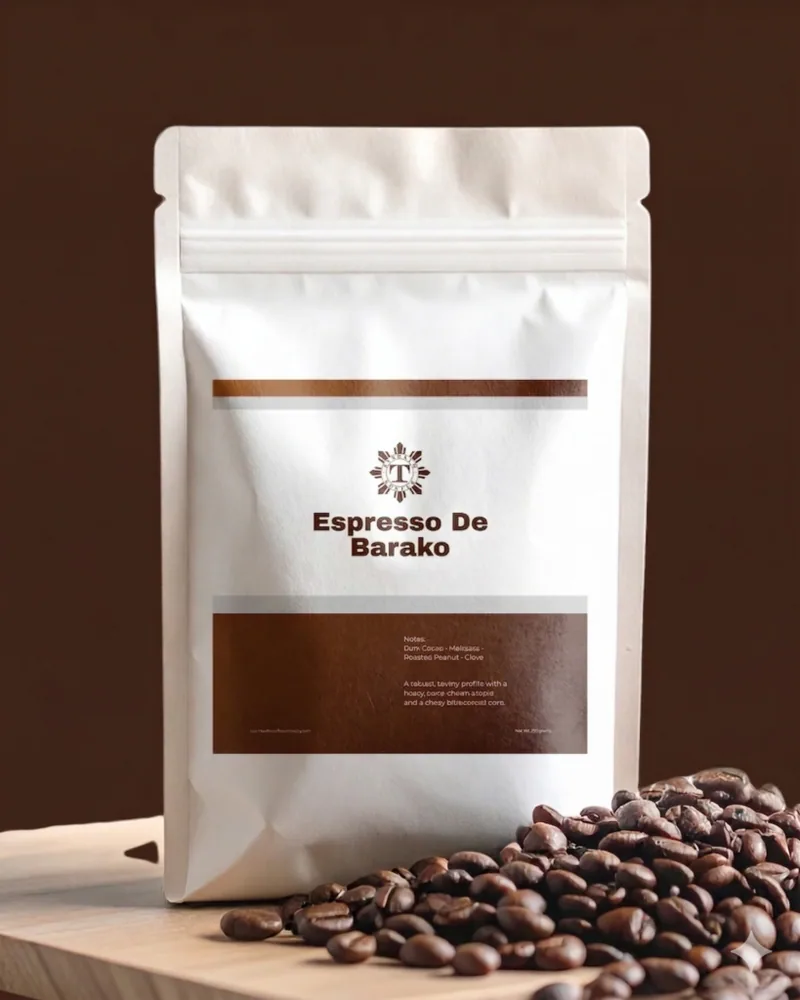
Teofilo coffee
Espresso De Barako
24,00 US$
MediumHvorfor: FilippinerneLignende pris
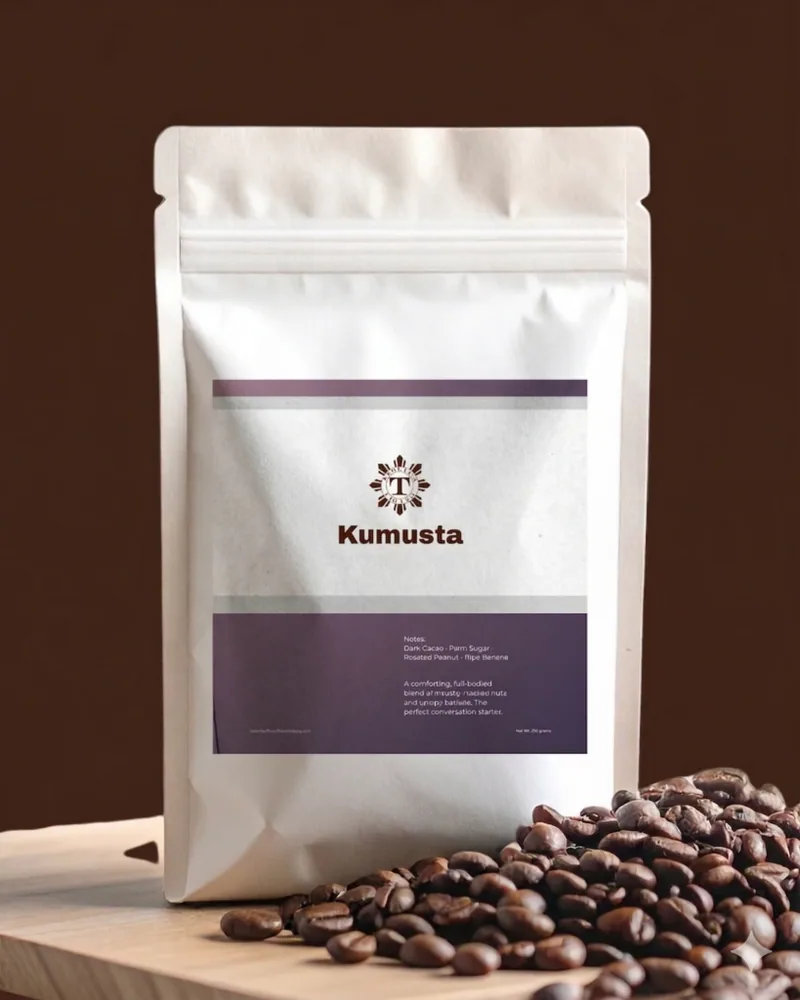
Teofilo coffee
Kumusta (Hello)
19,00 US$
MediumHvorfor: FilippinerneLignende pris
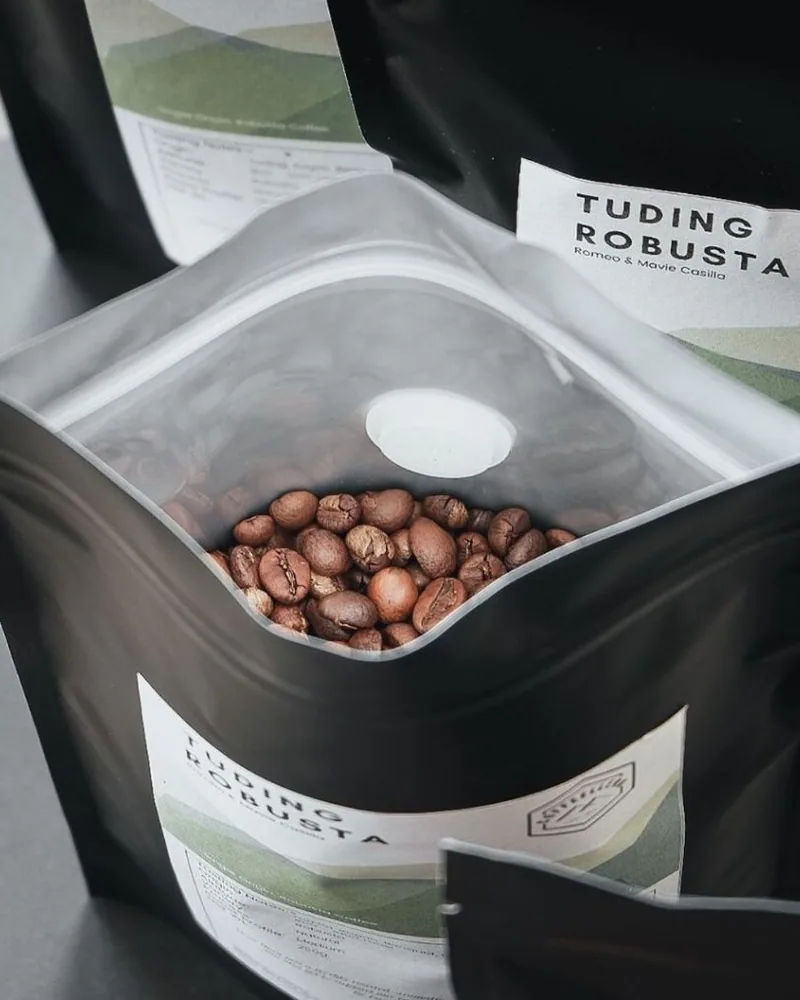
Coffeellera
Tuding Robusta
270,00 PHP
Hvorfor: Filippinerne
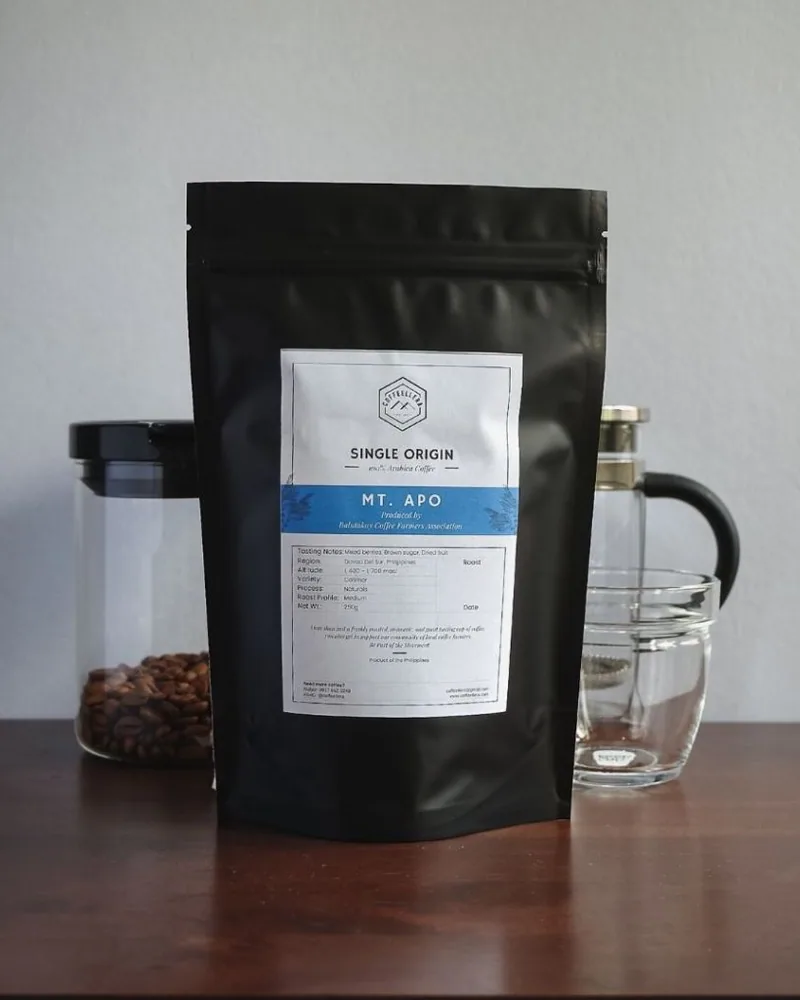
Coffeellera
Mt. Apo (Natural)
505,00 PHP
Hvorfor: Filippinerne