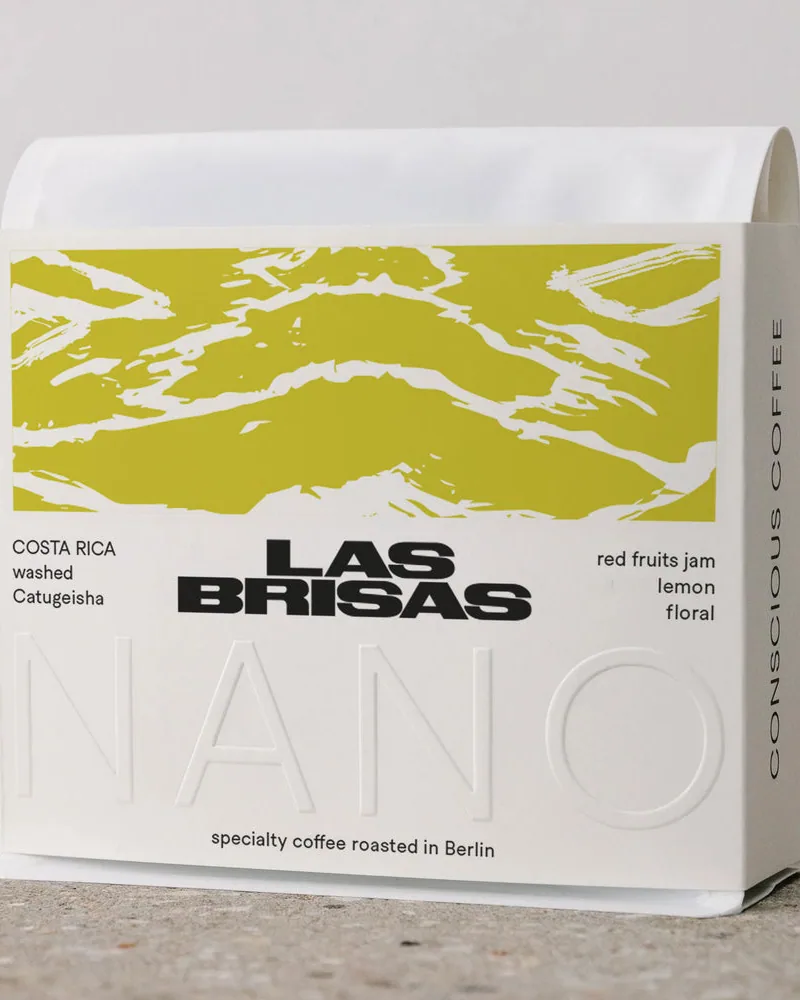
NANO Kaffee
Honduras | Mandarino [organic]
Plan del Rosario, Mercedes, Ocotepeque, Honduras
- Rostningsgrad: Ljus
- Anaerob
- Blend
Honduras | Mandarino [organic] är ett kaffe från Honduras, som säljs av NANO Kaffee (Tyskland). Region: Plan del Rosario, Mercedes, Ocotepeque. Bearbetning: anaerob. Varietet: Parainema. Rostning: ljus. Pris: 5,00 € till 62,00 €, beroende på storlek. Det motsvarar från 71,20 € per kilo.
Inget betyg än · Bli först med att recensera det
från5,00 €
≈ 71,20 € / kg
Du skickas till rosteriets butik för att slutföra ditt köp.
- Rosteri baserat i
- Tyskland
- Leverans till
- Sverige · ✓ Ja, enligt rosteriets butik
Smakprofil
Utifrån uppgifterna i rosteriets butik.
- RostningsgradLjus
- LjusMörk
Storlekar och priser
Beskrivning
You can also prepare this filter roast as a fruity espresso.
You’ll find notes of Pinot Noir, floral notes, and a hint of cinnamon.
100% organic
100% Arabica
Whole beans.
This coffee is a product of the highest quality, cultivated and roasted in respectful harmony between people and nature—that’s what NANO KAFFEE stands for.
Stats
ORIGIN: Honduras
REGION: Plan del Rosario, Mercedes, Ocotepeque
ALTITUDE: 1250 masl
FARM/GROWER: Roy Hernández & Dariela Mancía, Farm el Mandarino
IMPORTER: NANO - algrano
FOB: 12,51 eur / kg
VARIETY: Parainema
PROCESSING: natural, anaerobic
FLAVOR: floral notes, Pinot Noir, hint of cinnamon
Packaging note:
The product image shows the 250-g package. The 60-g and 1,000-g sizes come in coffee bags with a front label, without a sleeve.
Quick info
Roy and Dariela both come from coffee-growing families and inherited land when they married, where they now grow coffee under shade trees using organic fertilizer. Always aiming to improve, they processed MANDARINO with anaerobic fermentation. This requires sensitivity and care, starting with the harvest, since only the ripest beans will do. The result: intense flavor with Pinot Noir and floral notes, plus an unusual hint of cinnamon. Roy and Dariela belong to CAFESMO, a Honduran Fairtrade and organic cooperative with 280 small farms.
The farmers
This coffee comes from Farm Mandarino in Honduras. It belongs to Dariela, who runs it with her husband Roy. Both were born and raised in coffee-growing families. When they married, they each inherited a small piece of land. At first, it wasn’t much (together they owned 1.7 hectares). It wasn’t enough to support themselves and their family. Initially, both worked full-time jobs alongside farming. Over the years, as their operation became more professional, they eventually had the opportunity to acquire more land and focus on growing coffee.
They are part of a coffee cooperative called Cafesmo, which has over 280 small-scale farmers, all with farms of around 2 to 12 hectares. As a result, among its members there is, for example, someone who is a microbiologist devoted to coffee, and someone who has spent their whole life as an elementary school teacher while growing coffee on the side.
Cafesmo’s motto is “Diversity and quality.” And that applies to more than just the coffee. Working in a cooperative usually means being part of a community. Roy and Dariela’s relatives have helped out, too. In return, they were provided with a solar dryer or received help selling their own coffee beans. They help one another.
Nature
Farm Mandarino, owned by Dariela and Roy, lies near the tri-border area of Honduras, Guatemala, and San Salvador. San Salvador is just 500 m away. The area is home to the country’s highest peaks and borders the Guisayote National Reserve and the area around Pacayita Volcano. Together, these geographical features provide ideal conditions for growing coffee: high elevations with a favorable microclimate, abundant and diverse flora and fauna, and nutrient-rich loamy and clay soils.
Natural shade and variety for the soil are provided by a wide range of trees: mangoes, bananas, and plantains—also for their own use—and native trees such as Guamo, Cuanagiquil, and Liquidambar.
All of this makes it possible to grow unique, aromatic coffee. People there are convinced that the region will become better known in the coming years—and understandably so.
The impact
The coffee is traded transparently, with traceability extending to the people who picked it: Dariela and Roy. This means an important part of the value stays in the local community. After decades of exploitation in coffee-growing countries, this matters and shows respect for the work and the people behind it.
Dariela and Roy are members of the Cafesmo coffee cooperative, and Roy also works in its administration. The cooperative helps members specialize in high-quality coffees, supports them in selling their relatively small harvests to international buyers, and provides a forum for sharing and helping one another.
Roy volunteers and raises donations to renovate the local soccer field. Dariela advocates for women in the cooperative. Some members are very young, while others are very old, and no one—man or woman—can run a farm alone. So they help one another.
The coffee is grown organically and in harmony with the environment, without harming flora, fauna, or people.
Microorganisms (such as fungi) are collected in local forests and fermented together with plant matter, bran, and molasses. This produces organic foliar fertilizer, which naturally promotes soil fertility and plant health. Coffee cherry pulp can also be composted more quickly with the help of microorganisms, or water from processing can be treated. In this way, nature helps close the cycle of coffee and its byproducts.
The variety – Parainema
Parainema is an Arabica coffee variety developed in Honduras by the Instituto Hondureño del Café (IHCAFE), the country’s national coffee institute. Many varieties, including Parainema, were developed in response to the ongoing coffee leaf rust epidemic. This is due to the Robusta component in their genetic makeup. What makes it special is that this usually leads to lower cup quality; nevertheless, Parainema produces a balanced, sweet, and floral cup with a savory touch. It is so special that in 2017, contrary to expectations, a Parainema won the Honduran Cup of Excellence.
As climate change makes—and is already making—Arabica cultivation increasingly risky, hybrids like Parainema could be the coffee varieties of the future, since they’re appealing to consumers and reliable for farmers.
The taste
A complex combination makes this coffee so special.
There are the natural factors: high-elevation land in a tropical climate, sustainable cultivation with organic fertilizer beneath shade trees in rich soil, and, last but not least, the unique Parainema variety—all of which help the coffee cherries develop distinctive flavors.
Then there’s the experience, know-how, and skill of producers Dariela and Roy, demonstrated from cultivation through their choice of anaerobic processing. This method can be risky and demands more care.
In anaerobic processing, the beans are fermented in an airtight environment. This leads to special microbial activity and the production of lactic acid. The process creates increased pressure, pushing the developing flavors deeper into the beans. Depending on the approach, the result can range from fruity and wine-like to rich, creamy, or bright, with unusual flavors.
The unique variety and anaerobic processing create a full flavor and a distinctive blend. Our roast brings out the floral notes and surprises with flavors of Pinot Noir. Taste carefully, and you may also discover a special hint of cinnamon.
All of this makes our Mandarino a unique taste experience and a true specialty.
—
This coffee is a product of the highest quality, cultivated and roasted in respectful harmony between people and nature—that’s what NANO KAFFEE stands for.
Organic certification: DE-ÖKO-070
Frågor om Honduras | Mandarino [organic]
Var kommer Honduras | Mandarino [organic] ifrån?
Det kommer från Honduras. Region: Plan del Rosario, Mercedes, Ocotepeque. Höjd: 1 250 m. Varietet: Parainema.
Hur bearbetas Honduras | Mandarino [organic]?
Bearbetningsmetod: anaerob.
Vilken rostningsgrad har Honduras | Mandarino [organic]?
Rostningsgrad: ljus.
Vad kostar Honduras | Mandarino [organic]?
Pris: 5,00 € till 62,00 €, beroende på storlek. Det motsvarar från 71,20 € per kilo. Priserna kommer från butiken och kan ändras; butiken har de aktuella priserna.
Var kan jag köpa Honduras | Mandarino [organic]?
I NANO Kaffees webbutik: priserna på den här sidan länkar dit. Enligt butiken levererar den till Tyskland, Österrike, Belgien, Bulgarien, Kanada, Tjeckien och 25 andra länder. Cafendo säljer inget kaffe själva.
Recensioner
Inga recensioner än.
Gillar du det här kaffet? Prova de här
Utvalt från andra rosterier utifrån gemensamt ursprung, bearbetning, rostning, smakbeskrivning och pris. Kaffe som samma personer har sparat eller gett höga betyg väger tyngst.
Hola Coffee
Honduras - Las Calaveras
14,00 €
LjusVarför: HondurasAnaerobSamma rostning
Golden State Coffee
Honduras El Jardin Anaerobic
22,00 US$
LjusVarför: HondurasAnaerobSamma rostning
Odin Coffee Roasters
OCR Honduras Mercedes Anaerobic
23,50 CA$
MediumVarför: HondurasAnaerob
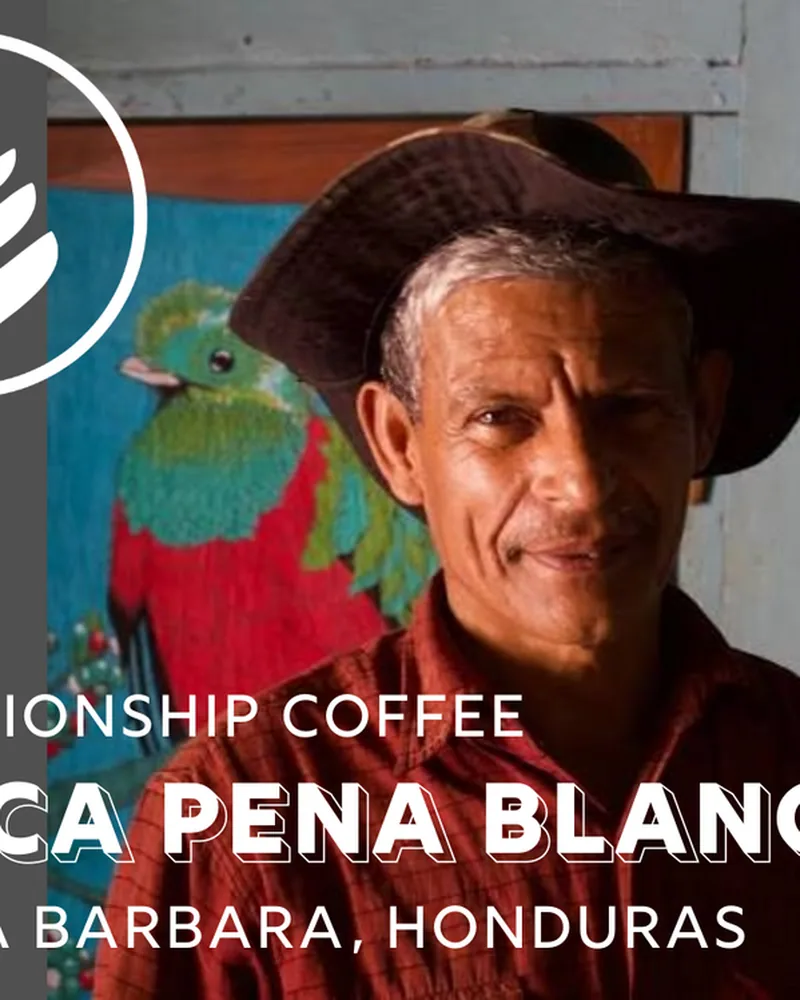
Bard Coffee
FINCA PENA BLANCA
26,00 US$
MediumVarför: HondurasAnaerob
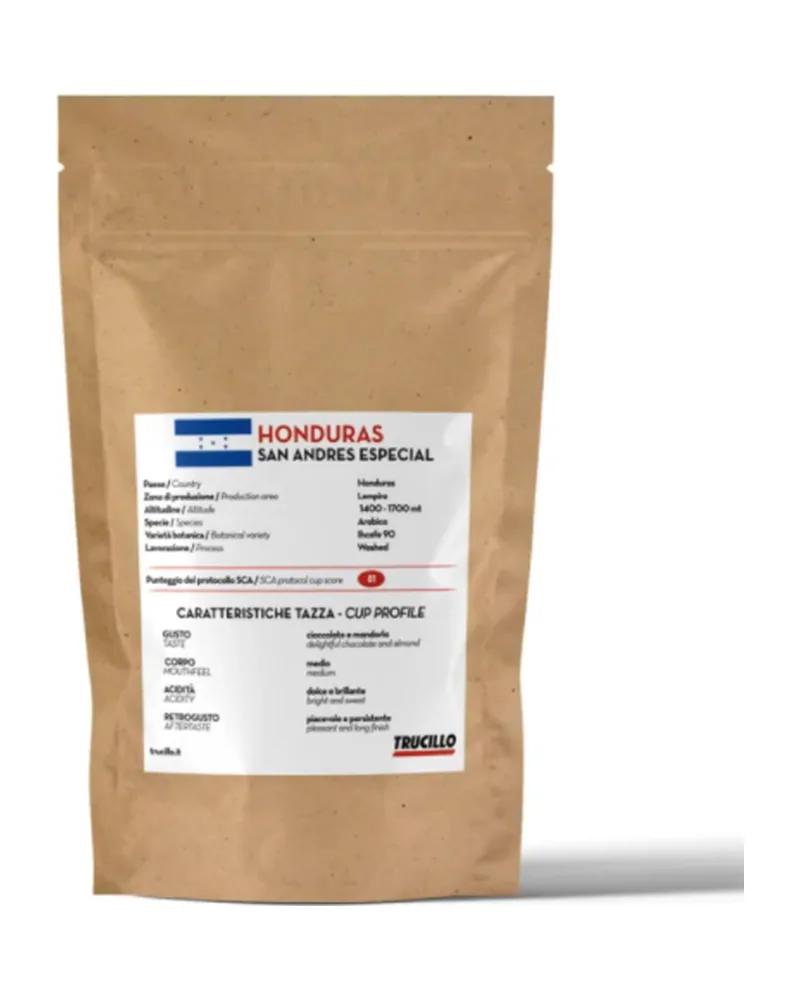
Caffè Trucillo
HONDURAS - SAN ANDRES ESPECIAL
7,50 US$
MediumVarför: HondurasLiknande pris
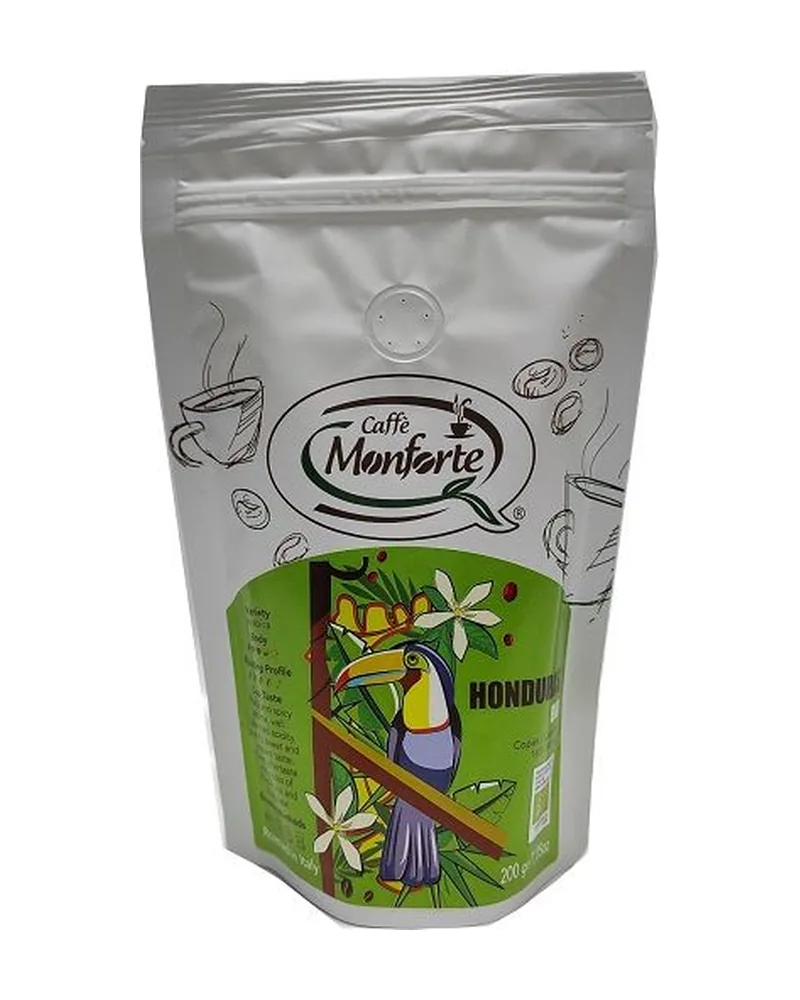
Caffè Monforte
Caffe Monforte Organic Line Single Origin Honduras Bio Specialty
8,50 US$
MediumVarför: HondurasLiknande pris
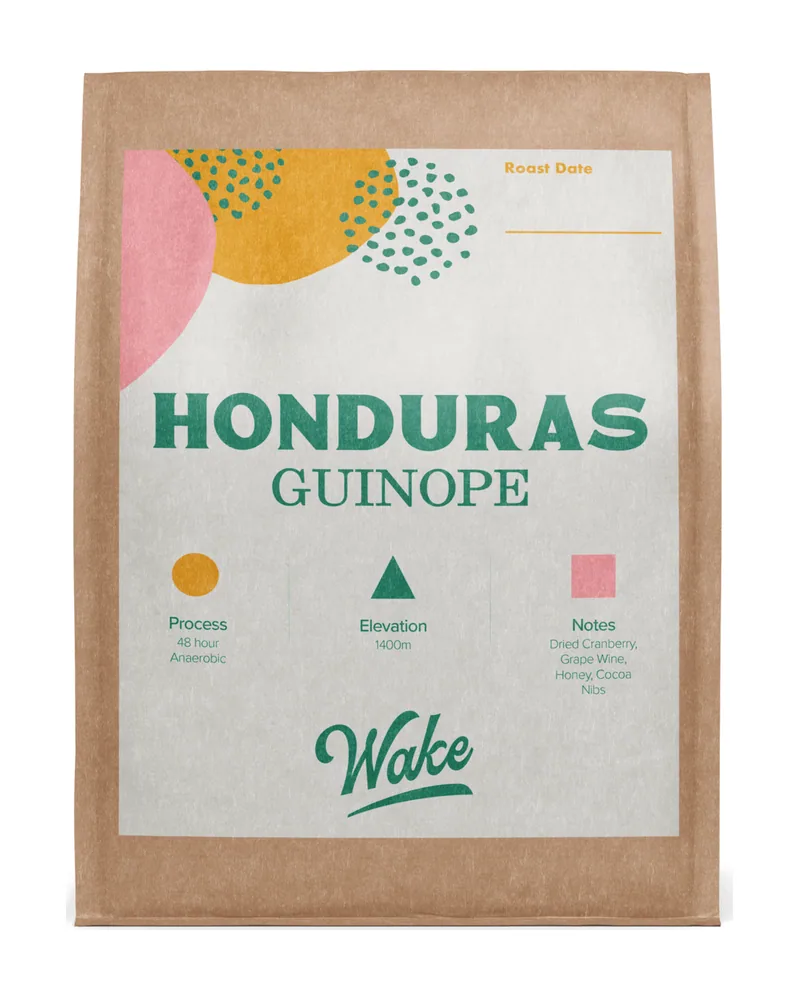
Wake Coffee
HONDURAS GUINOPE ANAEROBIC
22,00 US$
Varför: HondurasAnaerob
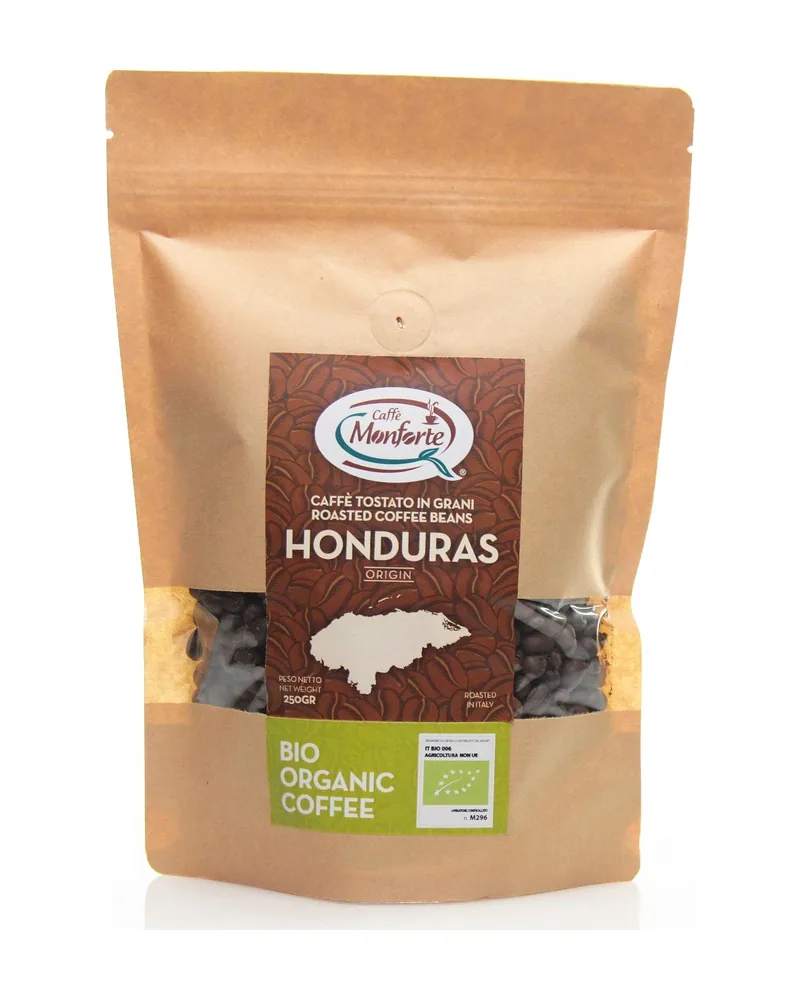
Caffè Monforte
Caffe Monforte Organic Line Bio Honduras Coffee Beans
8,50 US$
MediumVarför: HondurasLiknande pris