Williams & Johnson
Sidama Bensa Bombe, Ethiopia | FILTER
Etiópia
- Origem única
Sidama Bensa Bombe, Ethiopia | FILTER é um café de Etiópia, vendido por Williams & Johnson (Reino Unido). Preço: de 17,20 £ a 54,90 £, consoante o tamanho. Isso equivale a partir de 54,90 £ por quilo.
Ainda sem classificação · Seja o primeiro a avaliá-lo
de17,20 £
≈ 54,90 £ / kg
Vai ser levado à loja da torrefação para concluir a compra.
- Torrefação sediada em
- Reino Unido
- Enviar para
- Portugal · ✓ Sim, segundo a loja da torrefação
Tamanhos e preços
Descrição
|
Tasting notes: |
Orange Blossom, Nectarine, Caster Sugar |
|
Origin: |
Ethiopia. Sidama Bombe |
|
Processing: |
Fully washed |
|
Altitude: |
2100 to 2300 metres above sea level |
| Varietal: | JARC Selection 74158 |
| Owner: |
Tariku Kare |
Tariku Kare Banata’s washed coffees reflect three decades of dedication to craft, community and quality in Ethiopia’s Sidama Region. Tariku began working in coffee at just 15, learning every stage of production—from harvesting and processing to quality control and business management. In 2012, he realised his long‑held ambition of owning a processing station, establishing his first site in Nensebo Bulga, West Arsi. His operation has since grown into a respected regional supplier, exporting directly to markets including China, Taiwan, South Korea, the United States and Belgium.
Today, Tariku employs around 20 permanent staff and more than 650 seasonal workers. His commitment to quality has earned national recognition, including a first‑grade score among Ethiopian coffees in the 2019/2020 season. He also works closely with local farmers, offering training and technical support to improve harvesting practices and overall productivity.
Processing
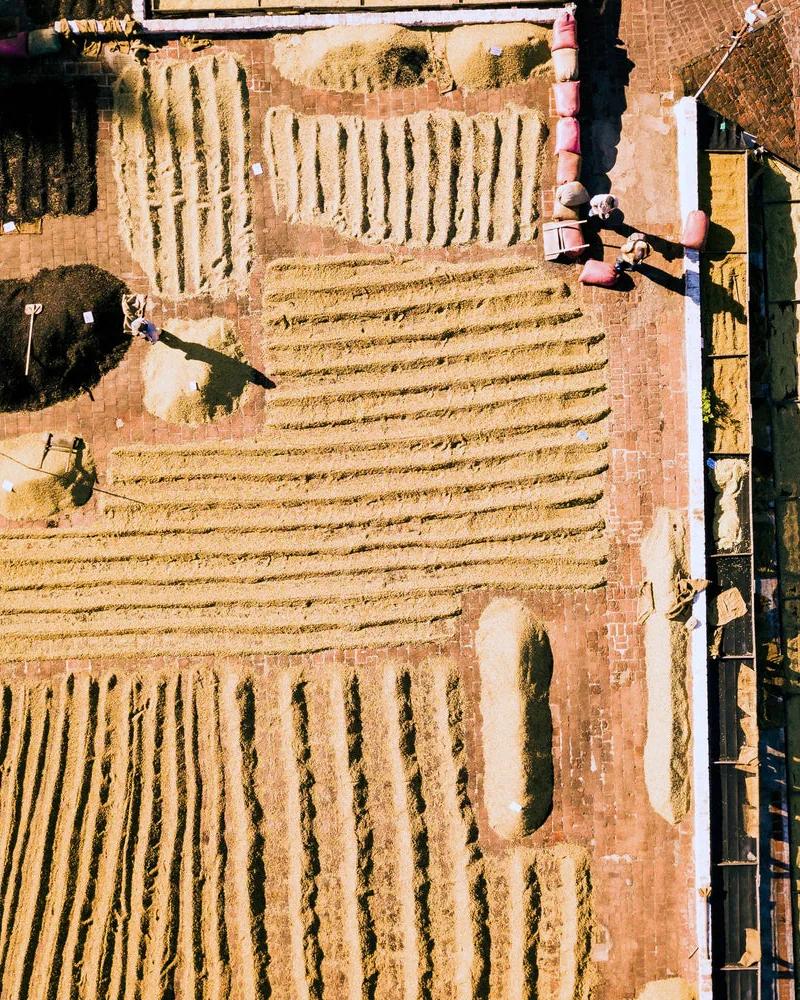
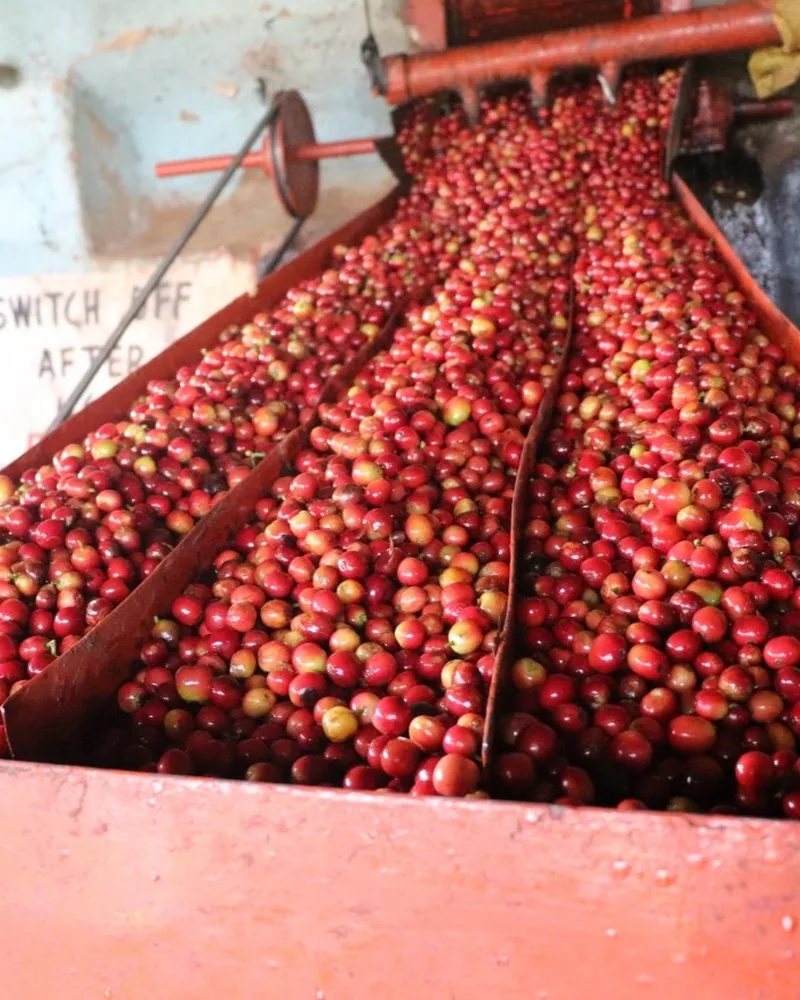
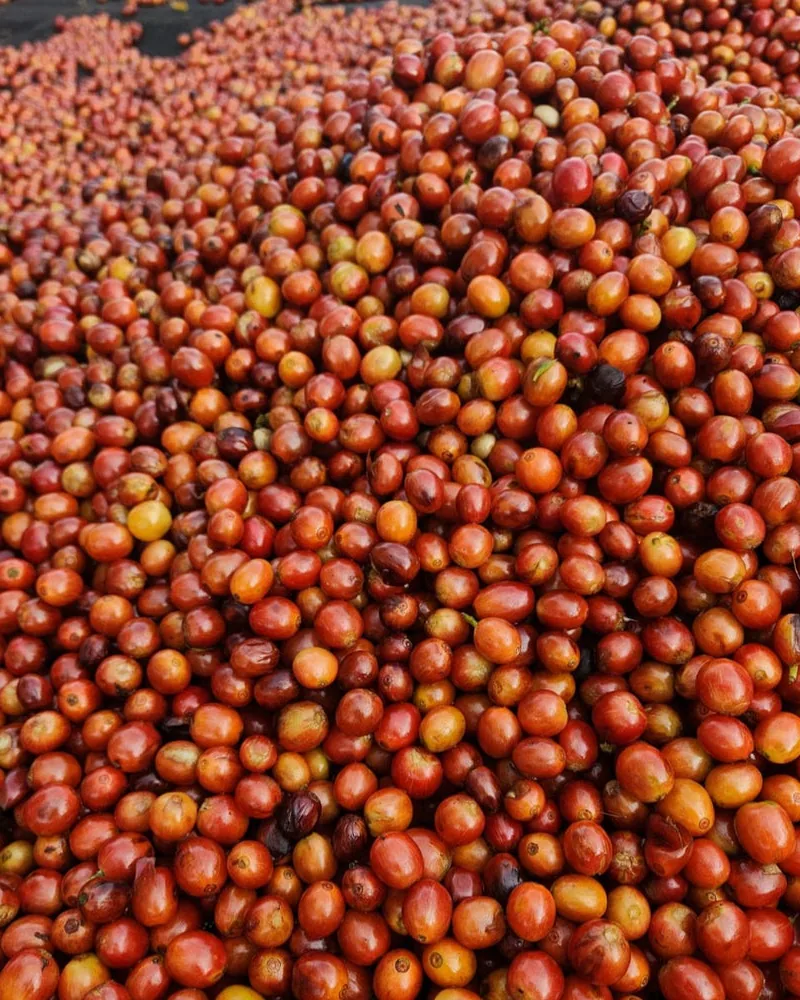
Ripe cherries are hand‑selected and floated to remove underripes before passing through a depulper. Seeds are channelled into water tanks where remaining floaters are removed, then fermented for 24–48 hours depending on temperature. Once the mucilage breaks down, the coffee is washed and dried on raised beds until it reaches 10–12% moisture. Each lot is kept separate, labelled and recorded to maintain full traceability.
Stewardship & Community
Tariku’s stations operate a structured traceability system linking every delivery to the individual farmers who produced it. Inspectors visit farms before harvest to assess readiness and verify organic practices, while daily records track volumes delivered and payments made. Lots remain separated throughout processing, drying and storage, and bags are tagged with origin and lot information through to export.
Beyond traceability, Tariku invests in farmer training, helping producers improve cherry selection, farm management and yields. Many farmers grow coffee alongside livestock and other crops, and his support provides practical guidance that strengthens both quality and livelihoods
With nearly 700,000 coffee producers, roughly 70% of which are smallholder producers, Kenya shines as a unique coffee-producing country in East Africa. Within the Kiambu County is the Gichuka Coffee Factory, belonging to the Kimaratia Farmers’ Cooperative Society (FCS). In Kenya, factories are essentially wet mills and collection points for coffee.
The FCS was originally created by the now defunct Kiamwangi coffee group, a large cooperative in the area. Currently, the FCS manages three factories: Gichuka, Gachika, and Gitare. The Gichuka Factory was initiated in 1985, the youngest of the three. Producers deliver their cherries to the Factory that is closest to their homes.
Situated at roughly 1,800 meters above sea level, the region where the Factory is located is defined by its bright red soils, full of rich nutrients for coffee trees. The high altitude allows for ideal temperatures and rainfall for the slow maturation of coffee cherries. The FCS is managed by seven board members, two elected in each factory, and one that floats amongst all the factories.
After the producers gather their ripe cherries, they will deliver them to the Factory. Once the cherries reach the mill, the coffee is pulped to remove the external fruit from the coffee bean. The coffee is then soaked in cement tanks overnight to break down the remaining mucilage. The following morning, the coffee is cleaned once more through channels of water and dispersed on raised beds to dry in the open sun until the ideal moisture content is reached.
The Factory has invested in a new pulper, a recirculation system and about 20 conditioning bins to ensure efficient and uniform processing is attained to produce high quality coffee. Additionally, the Factory has dug soaking pits to sustainably return wastewater to the soil without harming the environment.
Perguntas sobre Sidama Bensa Bombe, Ethiopia | FILTER
De onde vem Sidama Bensa Bombe, Ethiopia | FILTER?
Vem de Etiópia.
Quanto custa Sidama Bensa Bombe, Ethiopia | FILTER?
Preço: de 17,20 £ a 54,90 £, consoante o tamanho. Isso equivale a partir de 54,90 £ por quilo. Os preços vêm da loja e podem mudar; a loja tem os preços atuais.
Onde posso comprar Sidama Bensa Bombe, Ethiopia | FILTER?
Na loja online de Williams & Johnson: os preços desta página ligam a ela. Segundo a sua loja, entrega em Reino Unido, Ilha de Ascensão, Andorra, Emirados Árabes Unidos, Afeganistão, Antígua e Barbuda e 227 outros países. A Cafendo não vende café.
Avaliações
Ainda sem avaliações.
Se gosta deste café, experimente estes
Escolhidos entre outras torrefações por origem, processo, torra, notas de prova e preço em comum. Os cafés que as mesmas pessoas guardaram ou classificaram bem contam mais.
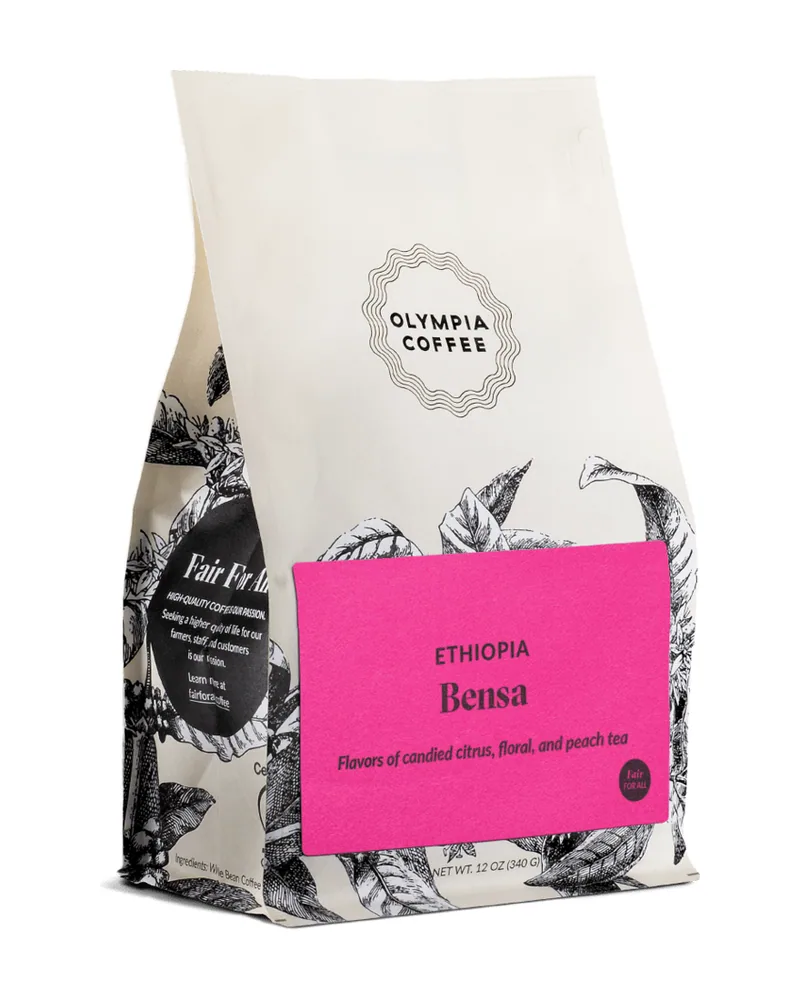
Olympia Coffee
ETHIOPIA Bensa
16,91 US$
Porquê: EtiópiaPreço semelhante
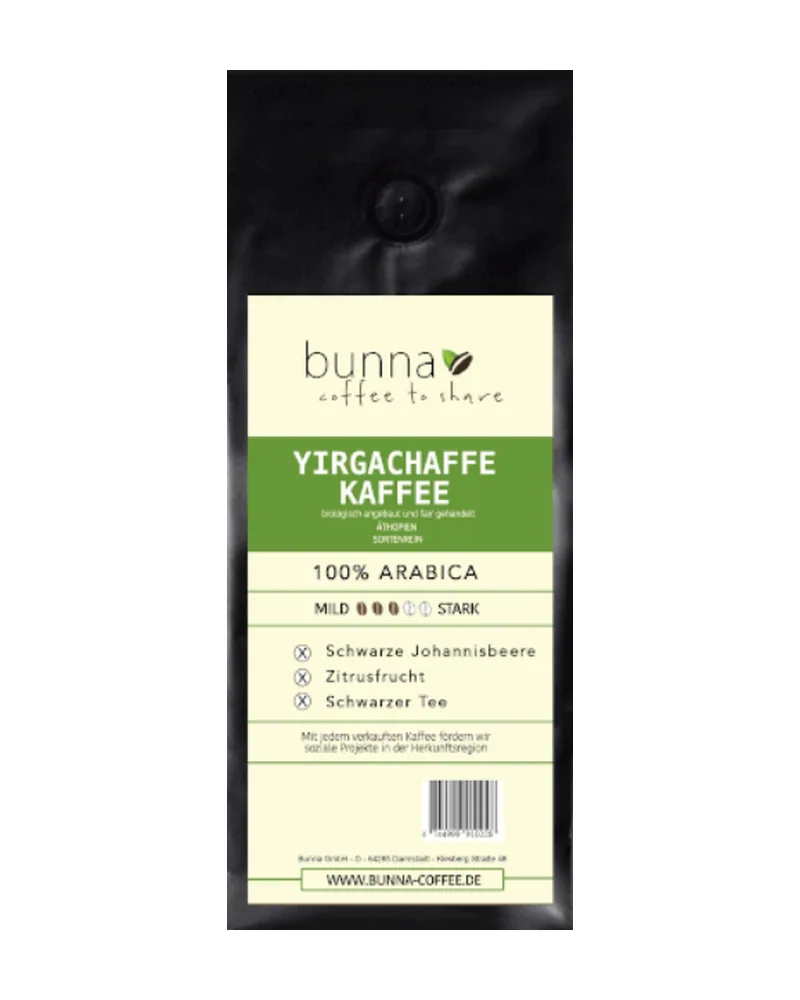
Bunna Coffee
Yirgachaffe Kaffee
19,00 US$
MédiaPorquê: EtiópiaPreço semelhante
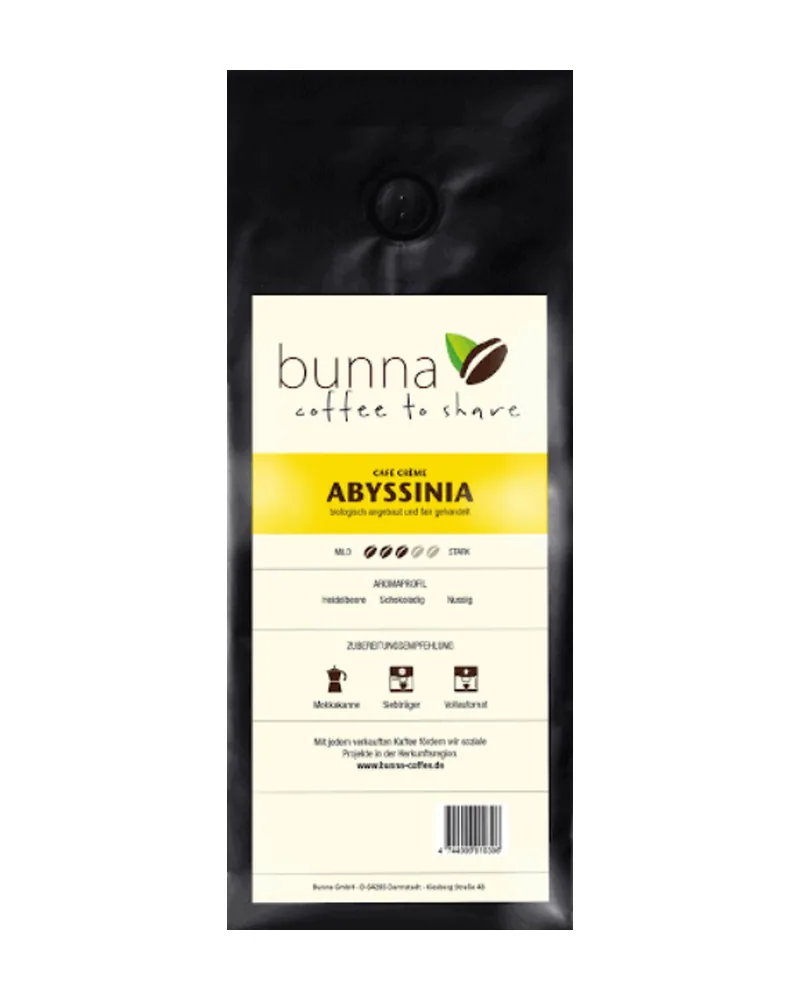
Bunna Coffee
Abyssinia Cafe Creme
17,00 US$
MédiaPorquê: EtiópiaPreço semelhante
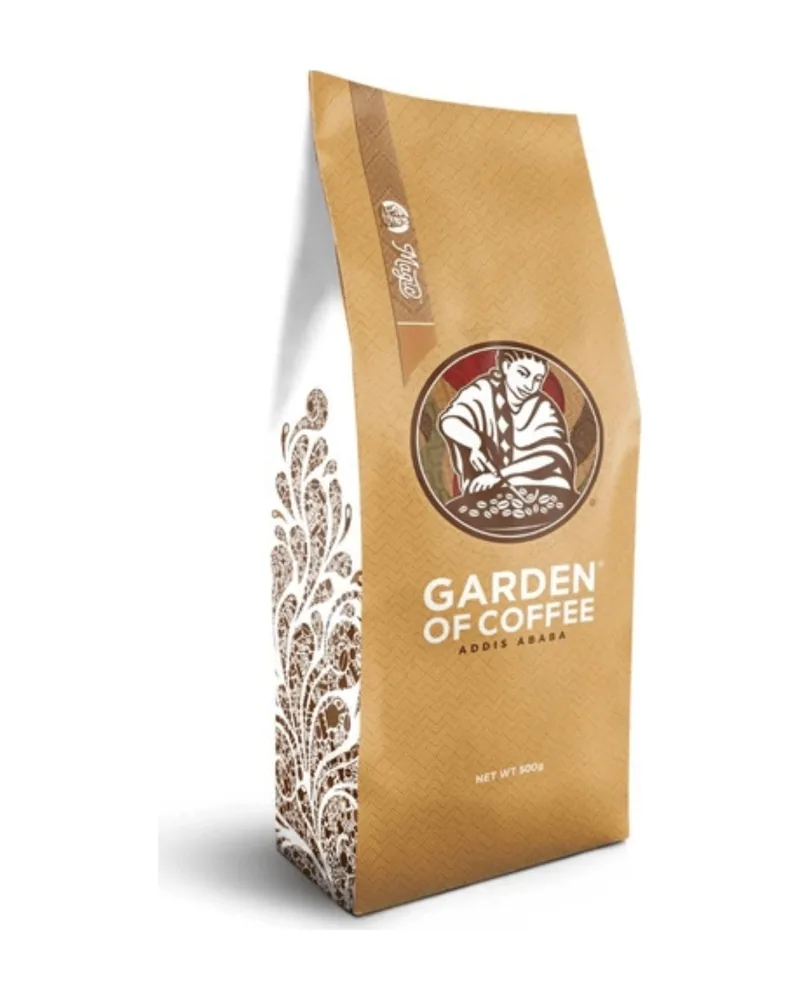
Garden of Coffee
YIRGACHEFFE MAGIC
35,00 US$
MédiaPorquê: EtiópiaPreço semelhante
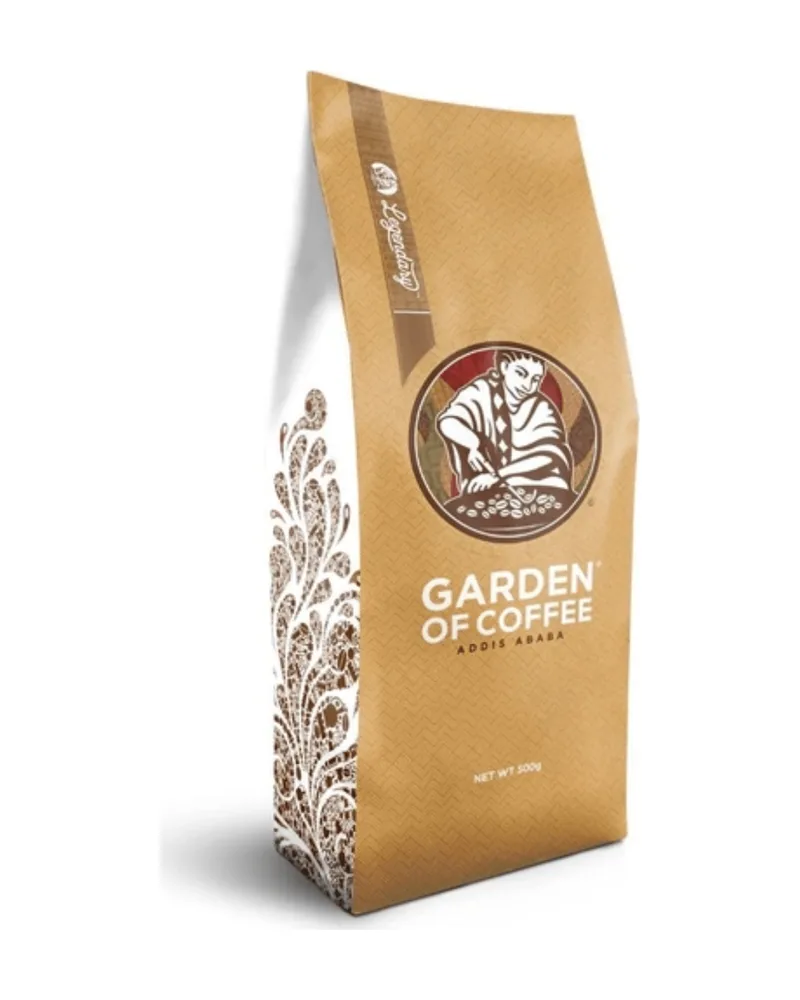
Garden of Coffee
SIDAMO LEGENDARY
35,00 US$
MédiaPorquê: EtiópiaPreço semelhante
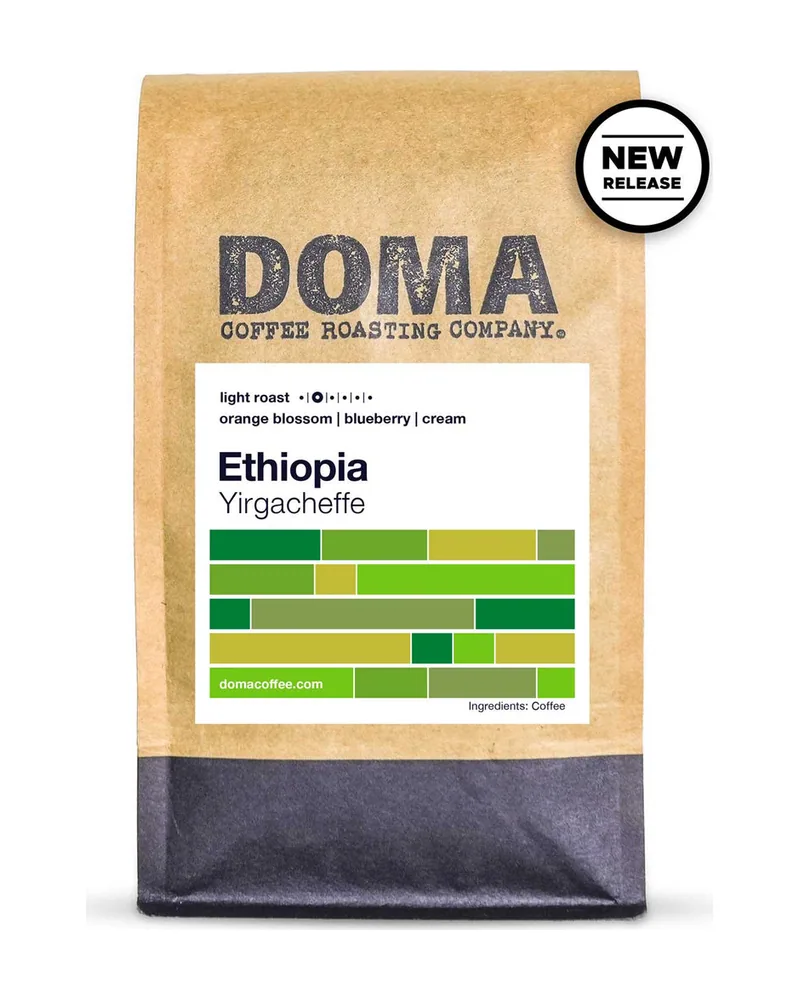
DOMA Coffee
ETHIOPIA
22,35 US$
Porquê: EtiópiaPreço semelhante
Hallingers
The adventurous from Ethiopia
13,90 US$
EscuraPorquê: EtiópiaPreço semelhante
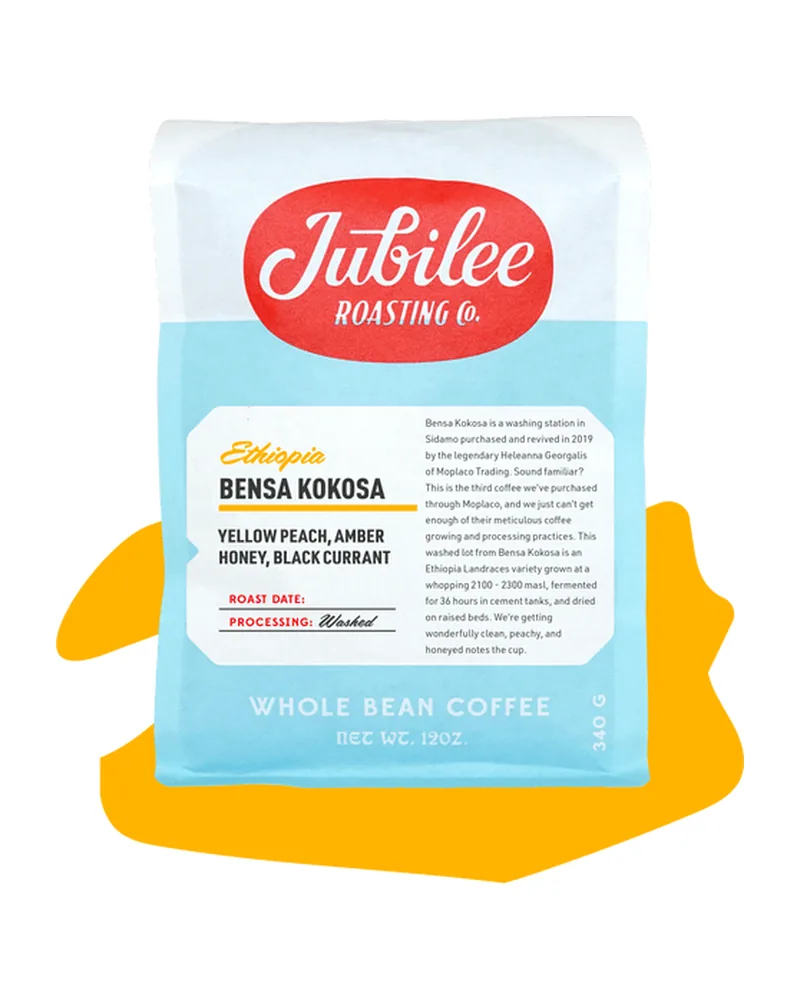
Jubilee Roasting Co.
ETHIOPIA BENSA KOKOSA
17,44 US$
Porquê: EtiópiaPreço semelhante