Silverskin Coffee
Indonesia | Sumatra | Wahana Estate | Wet Hulled | Single Origin Coffee
Wahana Estate, Sidikalang, Indonesia
- Wet-hulled
- Single origin
Indonesia | Sumatra | Wahana Estate | Wet Hulled | Single Origin Coffee er en kaffe fra Indonesia, solgt av Silverskin Coffee (Australia). Region: Wahana Estate, Sidikalang. Foredling: wet-hulled. Brenneriets smaksnotater: honey sweetness, red fruits, raspberry, caramel. Pris: 40,00 AUD til 70,00 AUD, avhengig av størrelsen. Det vil si fra 70,00 AUD per kilo.
Ikke vurdert ennå · Bli den første til å vurdere den
fra40,00 AUD
≈ 70,00 AUD / kg
Du blir sendt til brenneriets butikk for å fullføre kjøpet.
- Brenneriet holder til i
- Australia
- Send til
- Norge · Sjekk i brenneriets nettbutikk
Smaksprofil
Fra opplysningene som brenneriets butikk har oppgitt.
Smaksnotater
- Honey sweetness
- Red fruits
- Raspberry
- Caramel
Størrelser og priser
| Innhold | Per kg | Pris |
|---|---|---|
| 500g | 80,00 AUD | 40,00 AUD ↗ |
| 1kg | 70,00 AUD | 70,00 AUD ↗ |
Beskrivelse
Below is a more detailed overview on Wahana Estate, the Wet Hulled Process and coffee in Indonesia:
The 250-hectare estate cultivates 13 distinct coffee varieties, featuring local hybrids like Rasuna, Long Berry, Andong Sari, Toraja, and S795 (Jember), alongside Jantung, and renowned types such as Caturra, Catuai, Villa Sarchi, and Typica.
A dedicated farmers’ support center operates on-site, supplying coffee seeds and guidance on farm management practices. It also provides shade trees and educational resources on organic fertilizer application.
Employing 800 to 1,000 local residents, the estate offers comprehensive benefits including an on-site health clinic, complimentary housing, electricity, potable water, healthcare, and childcare facilities with a nursery and kindergarten. A church and mosque have been constructed for workers’ use, and the estate has facilitated computer acquisitions for area schools.
Cultivation:
Coffee trees occupy over half of the estate’s total 468 hectares. An additional 30 hectares function as a specialized nursery for propagating local varieties. New seedlings start in sandy beds, are transferred to polybags after three months for 7-8 months of growth, and are finally planted in designated plots with varietal labeling.
A substantial portion of the land is conserved to protect native species and establish buffer zones around tributaries, reducing runoff into local waterways. As a newer development, the owners aim to progressively expand both coffee cultivation and outreach programs supporting local farmers.
Coffee trees are spaced and grown under shade provided by indigenous Lamtoro trees (river tamarind). Complementing meticulous production methods, the estate’s location in North Sumatra—renowned for its ideal coffee-growing climate—significantly contributes to the production of high-quality beans.
About Giling Basah: The Wet Hulled Process
Indonesia is particularly noted for its distinctive wet hulling method, known locally as giling basah. While its precise origins are uncertain, the technique likely emerged in Aceh in the late 1970s.
Wet hulling gained traction primarily due to producers’ need for faster payment. It became essential for many farmers lacking the infrastructure to dry parchment coffee adequately amidst Sumatra’s high humidity and irregular rainfall. Drying under these conditions, especially at higher elevations, is often slow, challenging, and risky.
The fundamental wet hulling process involves:
-
Harvesting cherries and pulping them (often near the farm using small manual or motorized pulpers).
-
Fermenting the coffee overnight in small containers or bags, followed by washing the next morning.
-
Sun-drying the parchment for half a day to two days (a “skin drying” phase to ease parchment removal), reaching 30-40% moisture.
-
Delivering the parchment to a processor (frequently via a village collector) for hulling using a specialized, more powerful wet huller.
-
Hulling produces a soft, whitish seed called labu, which is then dried on tarps or patios down to 14-15% moisture. This stage is termed asalan coffee – unsorted and containing defects – which constitutes much of the internal trade.
-
Exporters, mainly based in Medan, complete the drying to 12-13% moisture, sort, and prepare the asalan coffee for shipment.
Wahana Estate’s premium and specialty wet-hulled coffees are sourced through direct partnerships with village collectors and processors. This ensures consistent drying, storage, and lot traceability from farm to export, allowing us to deliver cleaner, more stable, and fully traceable regional coffees.
Coffee in Indonesia
Despite a long history of production, Indonesian coffees have often been overlooked by the specialty sector in recent times (which we at Silverskin just cannot believe!). Through Wahana Estate’s evolving and innovative supply chain, they are proud to offer high-quality coffees from diverse Indonesian regions, complete with detailed traceability.
Indonesia’s unique contribution remains the wet hulling process (giling basah). Its exact beginnings are debated, but evidence points to an origin in Aceh during the late 1970s.
The method’s widespread adoption stems from producers requiring quicker payments and, crucially, the common lack of drying infrastructure needed to combat Sumatra’s high humidity and unpredictable rains. Drying parchment under these persistently humid, high-altitude conditions is typically slow and fraught with difficulty.
Spørsmål om Indonesia | Sumatra | Wahana Estate | Wet Hulled | Single Origin Coffee
Hvordan smaker Indonesia | Sumatra | Wahana Estate | Wet Hulled | Single Origin Coffee?
Brenneriets smaksnotater: honey sweetness, red fruits, raspberry, caramel. Smaksgrupper: fruktig og karamell og søtt.
Hvor kommer Indonesia | Sumatra | Wahana Estate | Wet Hulled | Single Origin Coffee fra?
Den kommer fra Indonesia. Region: Wahana Estate, Sidikalang. Høyde over havet: 1 200–1 500 m.
Hvordan er Indonesia | Sumatra | Wahana Estate | Wet Hulled | Single Origin Coffee foredlet?
Foredlingsmetode: wet-hulled.
Hva koster Indonesia | Sumatra | Wahana Estate | Wet Hulled | Single Origin Coffee?
Pris: 40,00 AUD til 70,00 AUD, avhengig av størrelsen. Det vil si fra 70,00 AUD per kilo. Prisene kommer fra butikken og kan endre seg. Butikken har gjeldende priser.
Hvor kan jeg kjøpe Indonesia | Sumatra | Wahana Estate | Wet Hulled | Single Origin Coffee?
I nettbutikken til Silverskin Coffee: prisene på denne siden lenker dit. Cafendo selger ikke kaffe selv.
Vurderinger
Ingen vurderinger ennå.
Liker du denne kaffen, prøv disse
Plukket ut fra andre brennerier etter felles opprinnelse, foredling, brenning, smaksnotater og pris. Kaffer som de samme menneskene har lagret eller vurdert høyt, teller mest.
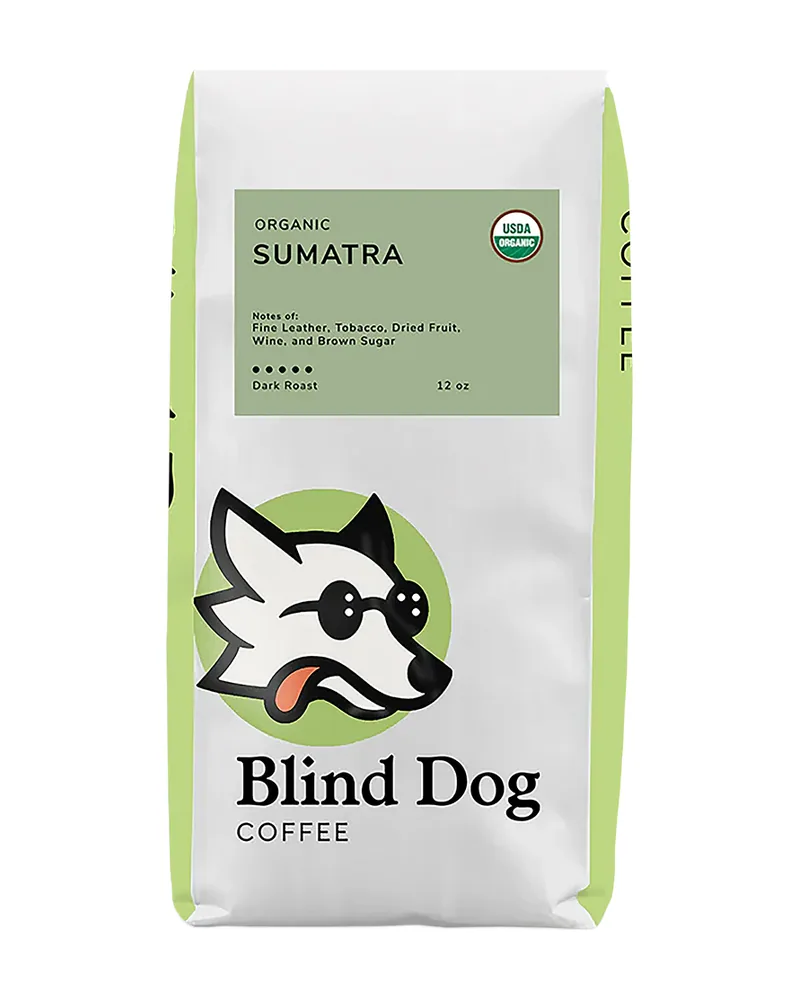
Blind Dog Coffee
Sumatra Organic Dark Roast Coffee
22,00 USD
MørkHvorfor: IndonesiaKaramell og søtt · FruktigWet-hulled
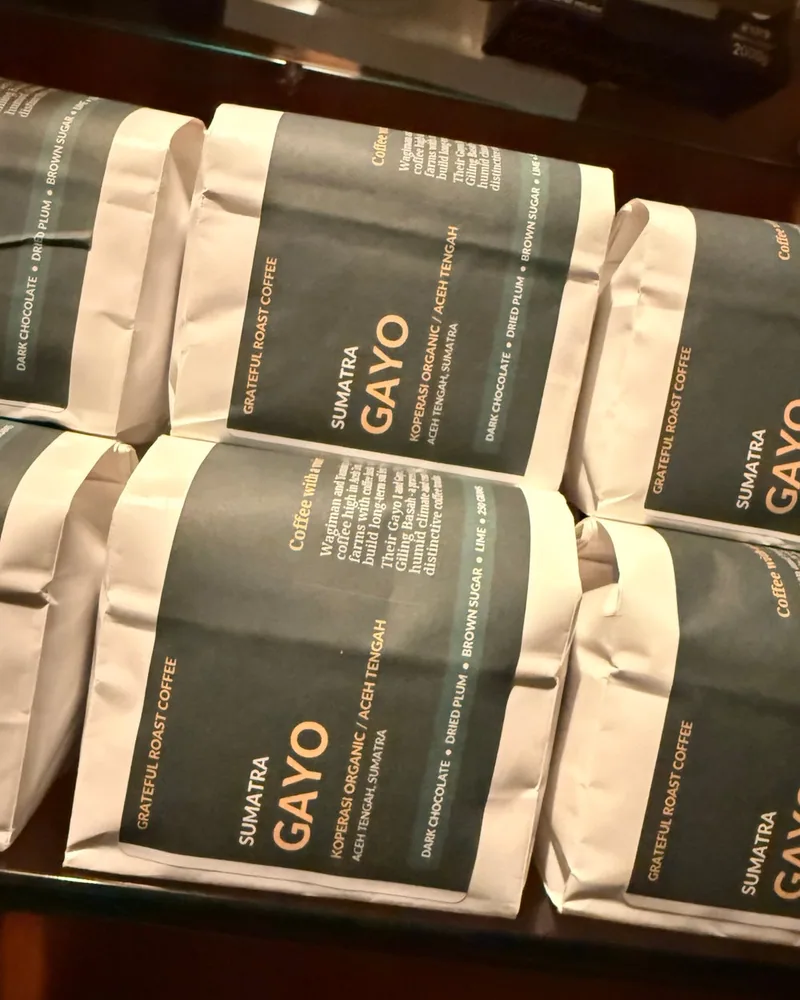
Grateful Roast
Sumatra Gayo — Koperasi Organic
20,00 USD
Hvorfor: IndonesiaKaramell og søtt · FruktigWet-hulled

Copan Coffee Roasters
SUMATRA MANDHELING
18,00 USD
MiddelsHvorfor: IndonesiaKaramell og søtt · FruktigWet-hulled
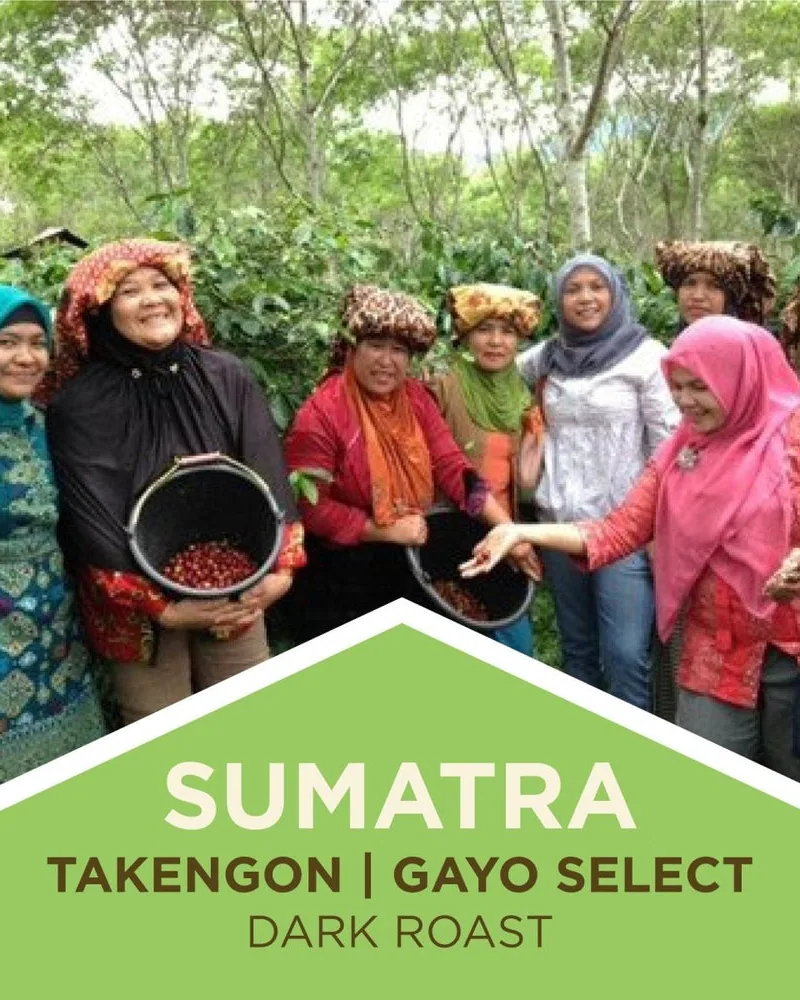
Tiny Footprint Coffee
Sumatra | Takengon Select - Dark Roast
18,75 USD
MørkHvorfor: IndonesiaKaramell og søtt · FruktigWet-hulled
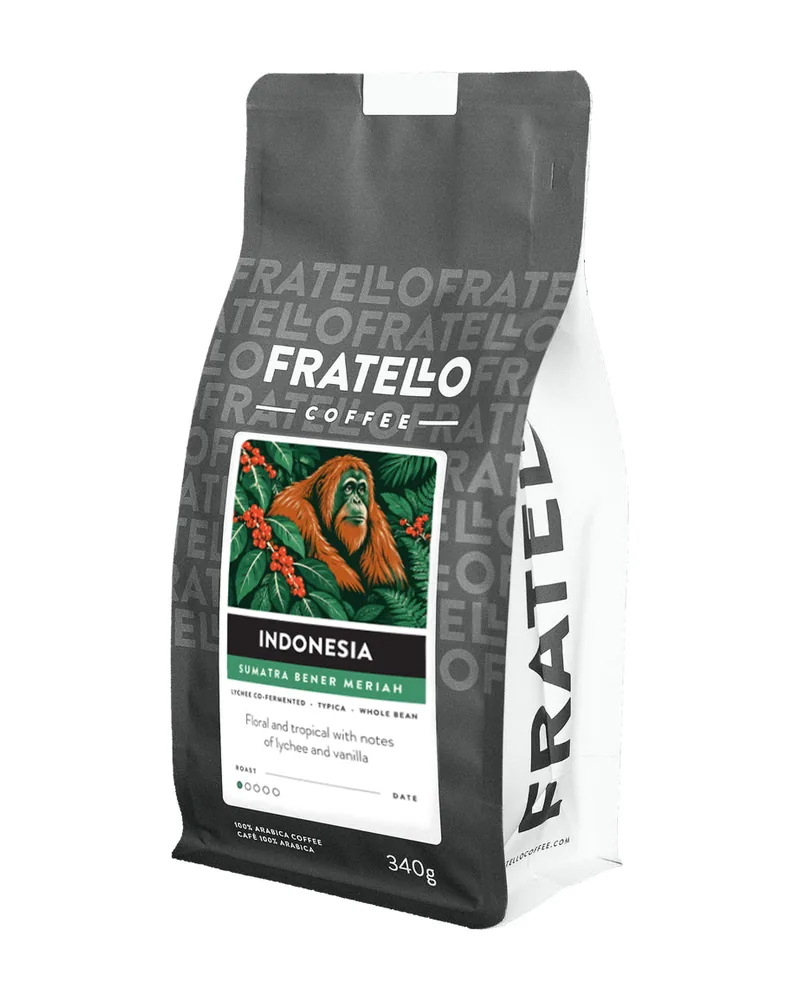
Fratello Coffee Roasters
Indonesia - Sumatra Bener Meriah
25,50 CAD
LysHvorfor: IndonesiaKaramell og søtt · FruktigWet-hulled
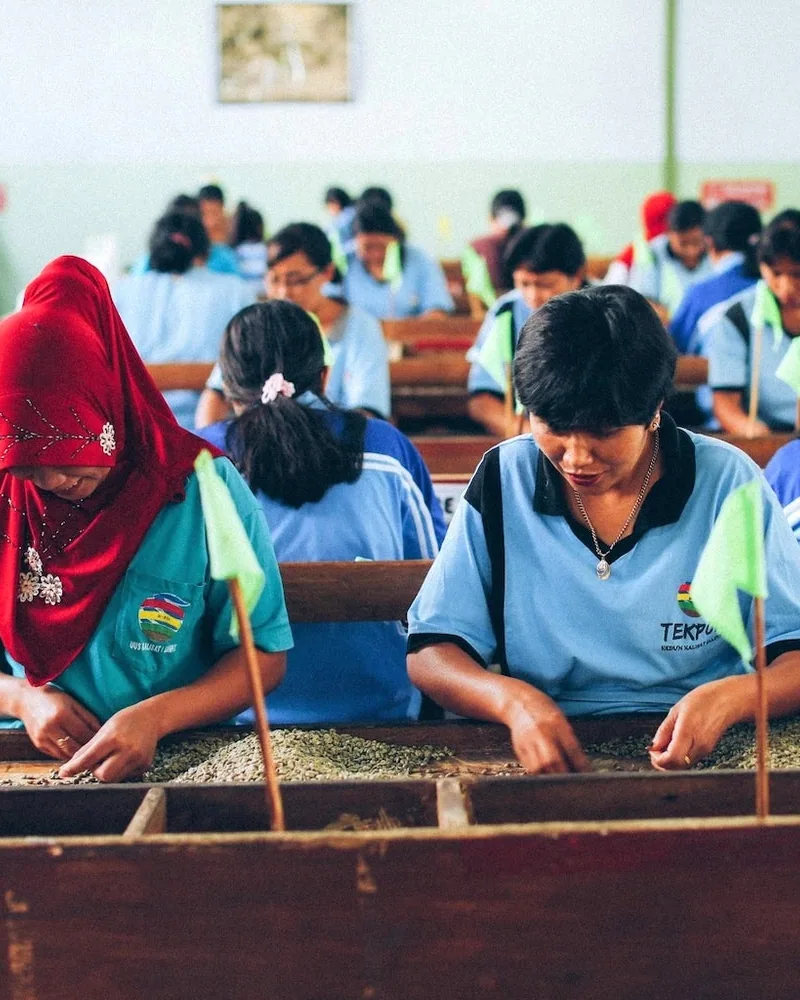
PT'S Coffee
Takengon Atu Lintang Organic
19,00 USD
MiddelsHvorfor: IndonesiaKaramell og søtt · FruktigWet-hulled
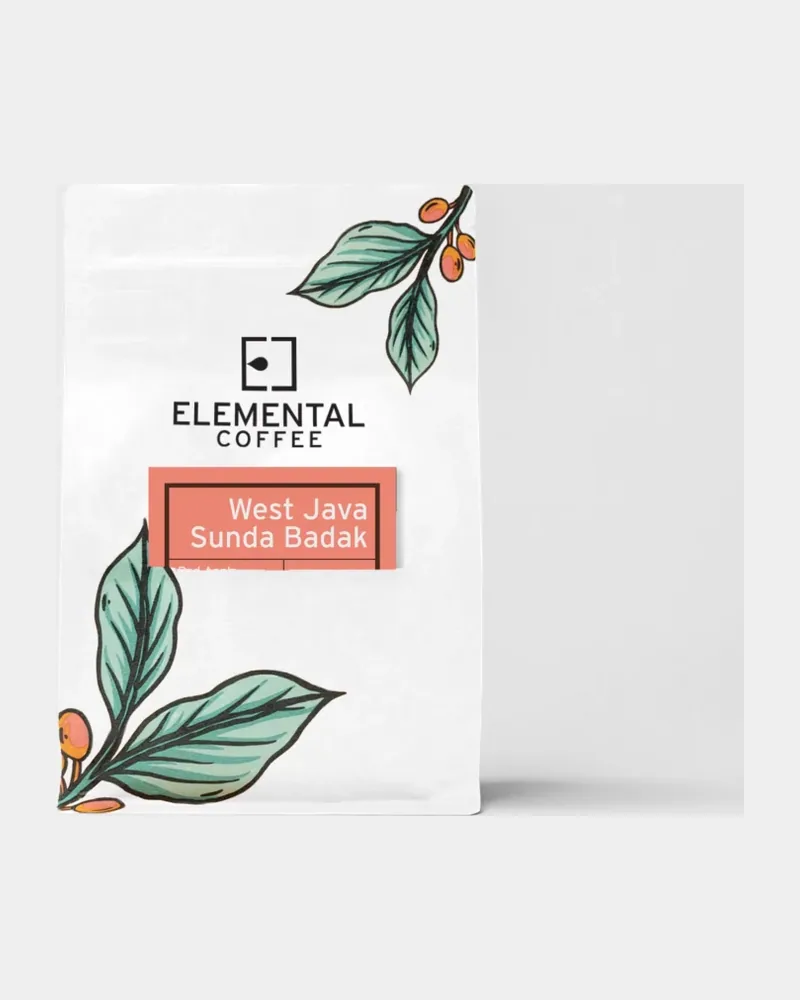
Elemental Coffee
West Java Sunda Badak
25,50 USD
LysHvorfor: IndonesiaKaramell og søtt · FruktigWet-hulled
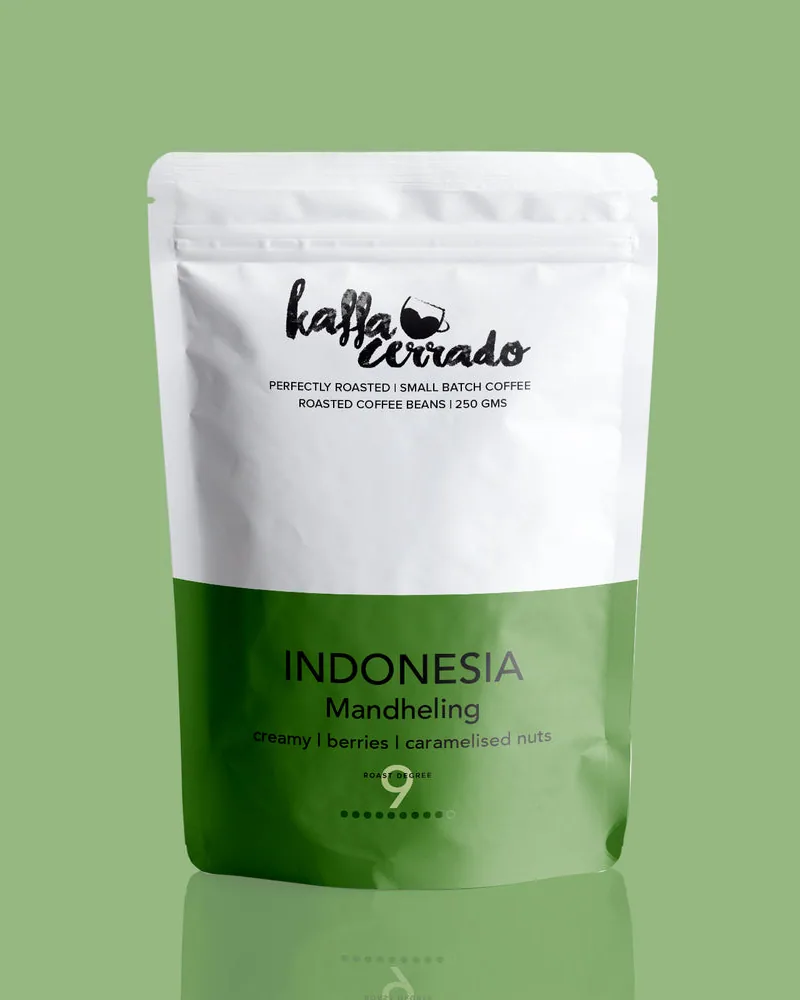
Kaffa Cerrado
Indonesia Mandheling
675,00 INR
Hvorfor: IndonesiaKaramell og søtt · FruktigWet-hulled