 Mueller Kaffee
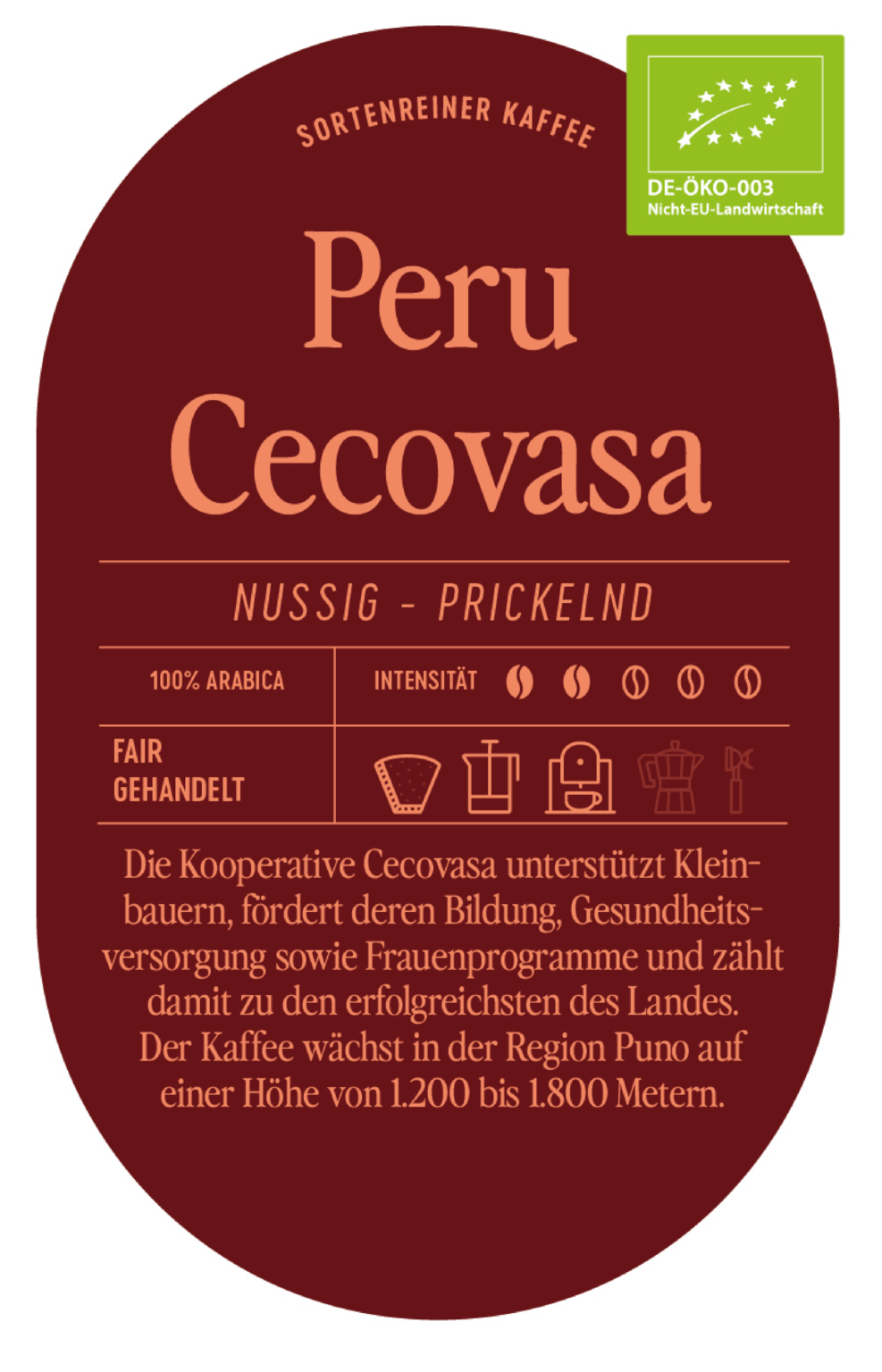
Peru Cecovasa
Puno, Madre de Dios, Peru
- Lavado
- Origem única
Peru Cecovasa é um café de Peru, vendido por Mueller Kaffee (Alemanha). Região: Puno, Madre de Dios. Processo: lavado. Preço: de 9,00 € a 31,00 €, consoante o tamanho.
Ainda sem classificação · Seja o primeiro a avaliá-lo
de9,00 €
Vai ser levado à loja da torrefação para concluir a compra.
- Torrefação sediada em
- Alemanha
- Enviar para
- Portugal · Consulte a loja da torrefação
This organic coffee from Peru unfolds in the cup with a balanced flavor, a lively citrus note, and underlying nutty notes.
Tamanhos e preços
Descrição
Coffee from Peru
Profile of Peruvian coffee
- Region: Puno, Madre de Dios
- Growing altitude: 1,200 – 1,800 meters
- Soil type: predominantly volcanic
- Average annual rainfall: 1200mm – 2000mm
- Average annual temperature: 18°C – 24°C
- Harvest season: June to September
- Processing: washed
Cecovasa Cooperative
The CECOVASA Cooperative (Central de Cooperativas Agrarias Cafetaleras de los Valles de Sandia) was founded in southern Peru in 1970. Today, it brings together around 4,500 small-scale farmers in the Puno region, particularly in the valleys of Sandia, Tambopata, and Inambari. From the outset, its goal was to enable producers to earn better prices through direct exports and sustainably improve their economic situation.
CECOVASA is an umbrella organization for several local cooperatives. Members of the local cooperatives typically farm small plots of one to three hectares at elevations between 1,200 and 1,800 meters. Coffee is grown primarily in traditional agroforestry systems with shade trees. This growing method protects the soil, promotes biodiversity, and contributes to the slow ripening of coffee cherries, which has a positive effect on quality.
Since the 1990s, CECOVASA has focused strongly on certified organic and Fair Trade coffee. Access to international markets has helped create stable incomes. At the same time, premiums from the Fair Trade system are invested in social projects, including education, healthcare, and programs that support women.
Role as a development project
In the 1980s and 1990s, parts of the region were shaped by coca cultivation. In collaboration with organizations such as the United Nations Office on Drugs and Crime, coffee was promoted as a legal alternative source of income. CECOVASA played a central role by providing infrastructure, training, and market access. This led to sustainable economic stabilization for many communities.
Environmental protection and conservation
An important part of the work is protecting natural resources. In collaboration with the Wildlife Conservation Society, projects are being implemented to preserve biodiversity, particularly around Bahuaja-Sonene National Park. The focus is on sustainable shade-grown coffee, which preserves habitats for numerous animal and plant species.
Despite its successes, CECOVASA faces significant challenges. Climate change affects yields and growing conditions, while plant diseases such as coffee leaf rust pose additional risks. Logistical difficulties due to the remote location and economic pressure from alternative sources of income, such as coca cultivation, also add to the challenges.
Economic importance and quality
Today, CECOVASA exports most of its production to international markets, especially Europe and the United States. Its coffees are known for their delicate acidity, fruity notes, and balanced profiles. Multiple international awards underscore their high quality and have established the cooperative as an important player in the specialty coffee segment.
CECOVASA is considered one of the most successful examples of a thriving coffee cooperative in Latin America. Its combination of smallholder farming, environmentally conscious cultivation, international market access, and social commitment shows how agricultural production and development work can be brought together.
Perguntas sobre Peru Cecovasa
De onde vem Peru Cecovasa?
Vem de Peru. Região: Puno, Madre de Dios. Altitude: 1200–1800 m.
Como é processado Peru Cecovasa?
Método de processamento: lavado.
Quanto custa Peru Cecovasa?
Preço: de 9,00 € a 31,00 €, consoante o tamanho. Os preços vêm da loja e podem mudar; a loja tem os preços atuais.
Onde posso comprar Peru Cecovasa?
Na loja online de Mueller Kaffee: os preços desta página ligam a ela. A Cafendo não vende café.
Avaliações
Ainda sem avaliações.
Se gosta deste café, experimente estes
Escolhidos entre outras torrefações por origem, processo, torra, notas de prova e preço em comum. Os cafés que as mesmas pessoas guardaram ou classificaram bem contam mais.
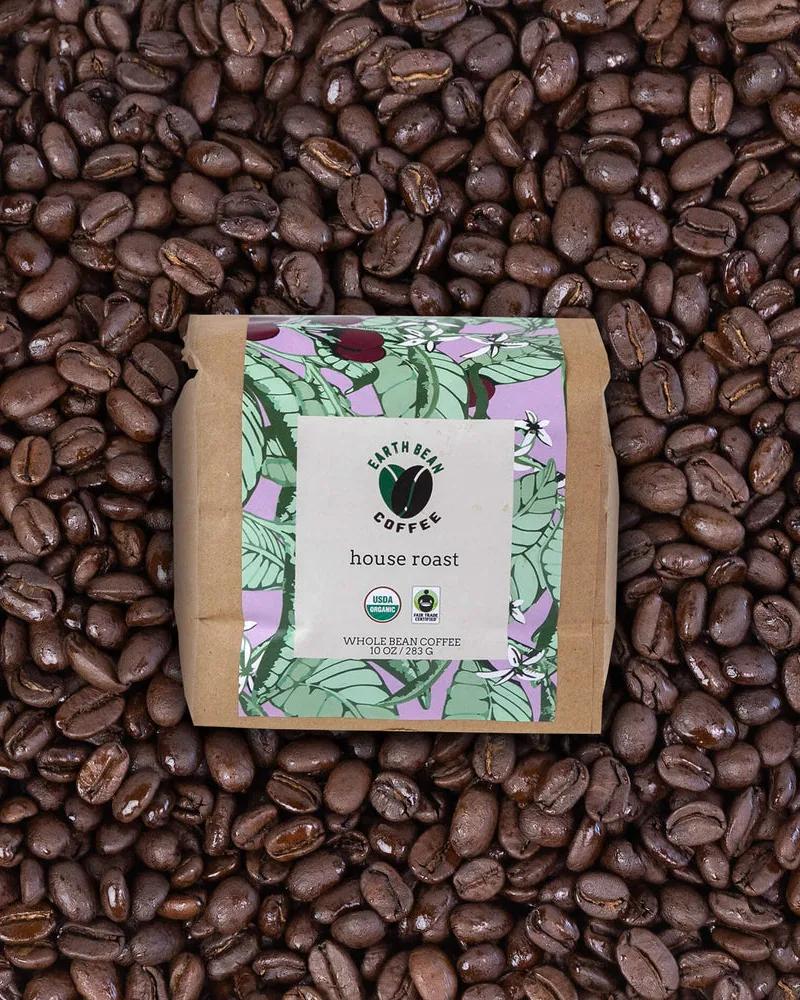
Earth Bean Coffee
House
16,00 US$
MédiaPorquê: PeruLavadoPreço semelhante
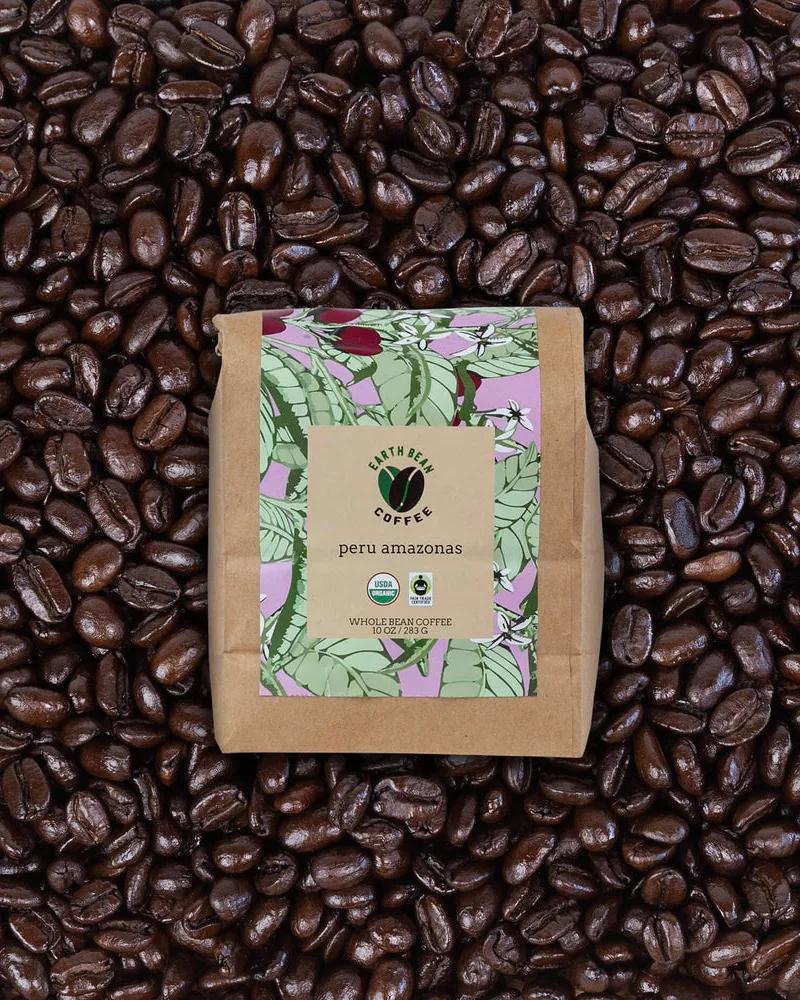
Earth Bean Coffee
Peru Amazonas
16,00 US$
EscuraPorquê: PeruLavadoPreço semelhante
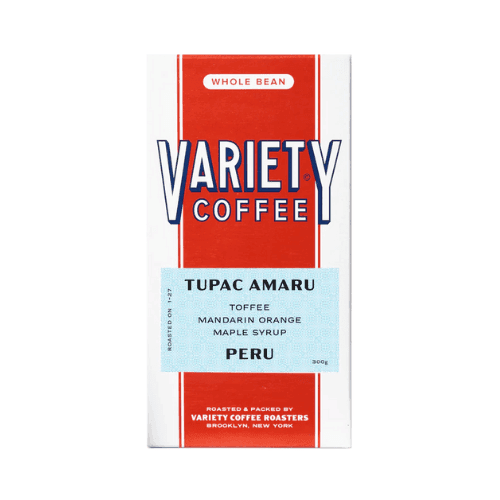
Variety Coffee
Tupac Amaru
16,07 US$
MédiaPorquê: PeruLavadoPreço semelhante
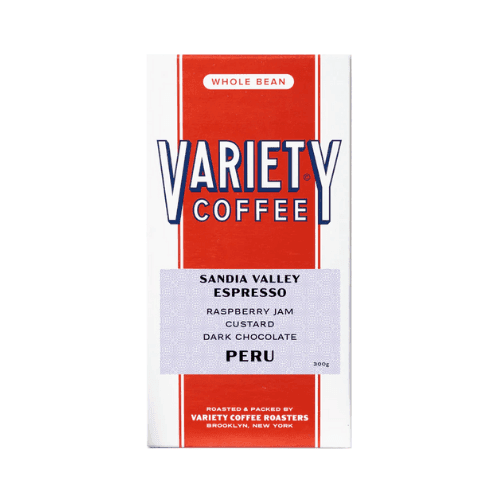
Variety Coffee
Sandia Valley Espresso
16,05 US$
MédiaPorquê: PeruLavadoPreço semelhante
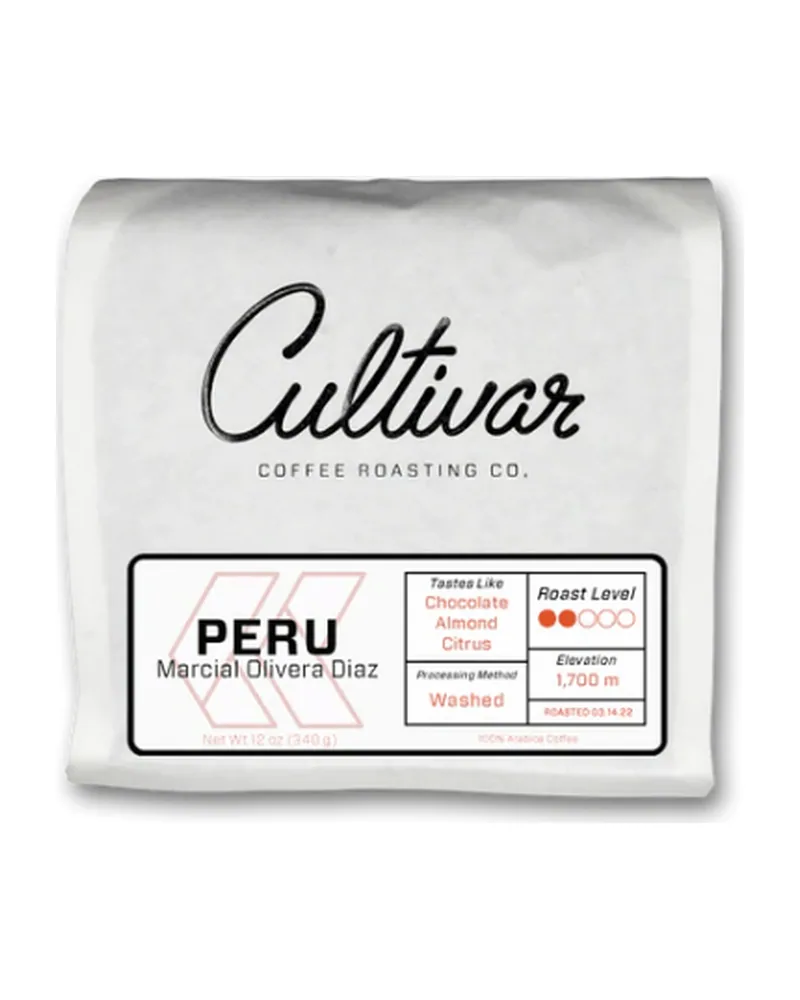
Cultivar Coffee
PERU MARCIAL OLIVERA DIAZ
15,91 US$
MédiaPorquê: PeruLavadoPreço semelhante
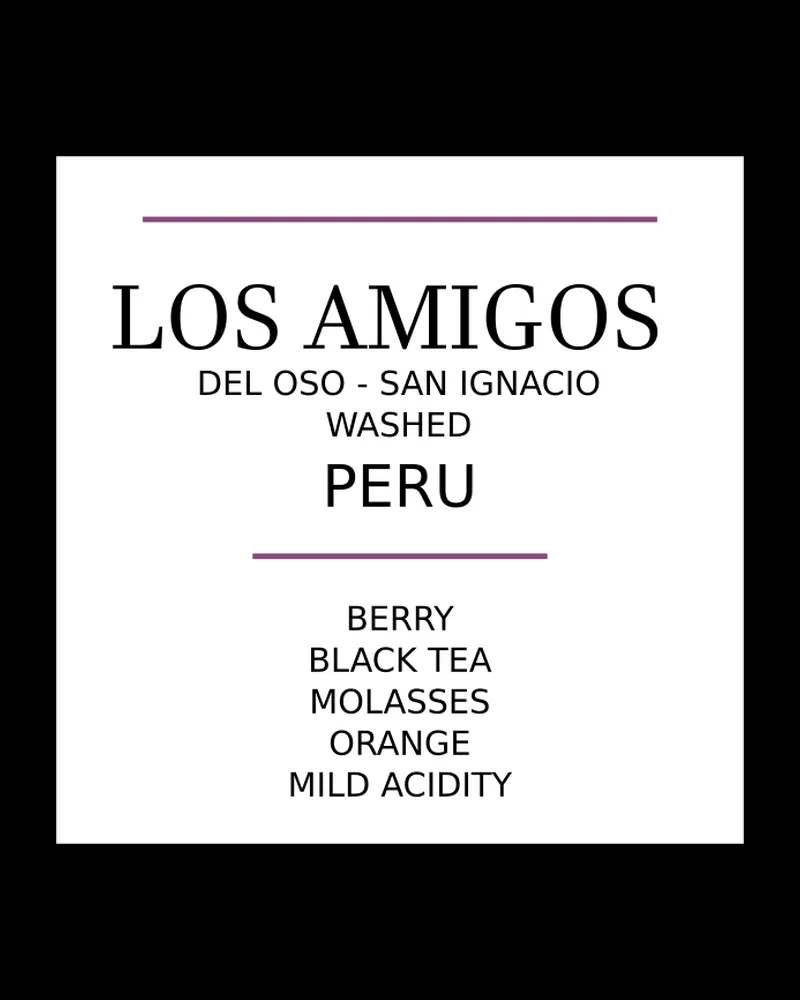
Pebble & Pine Coffee
Peru Los Amigos Del Oso Medium Roast
8,45 £
MédiaPorquê: PeruLavadoPreço semelhante
Pebble & Pine Coffee
Peru Los Amigos Del Oso Dark Roast
8,45 £
EscuraPorquê: PeruLavadoPreço semelhante
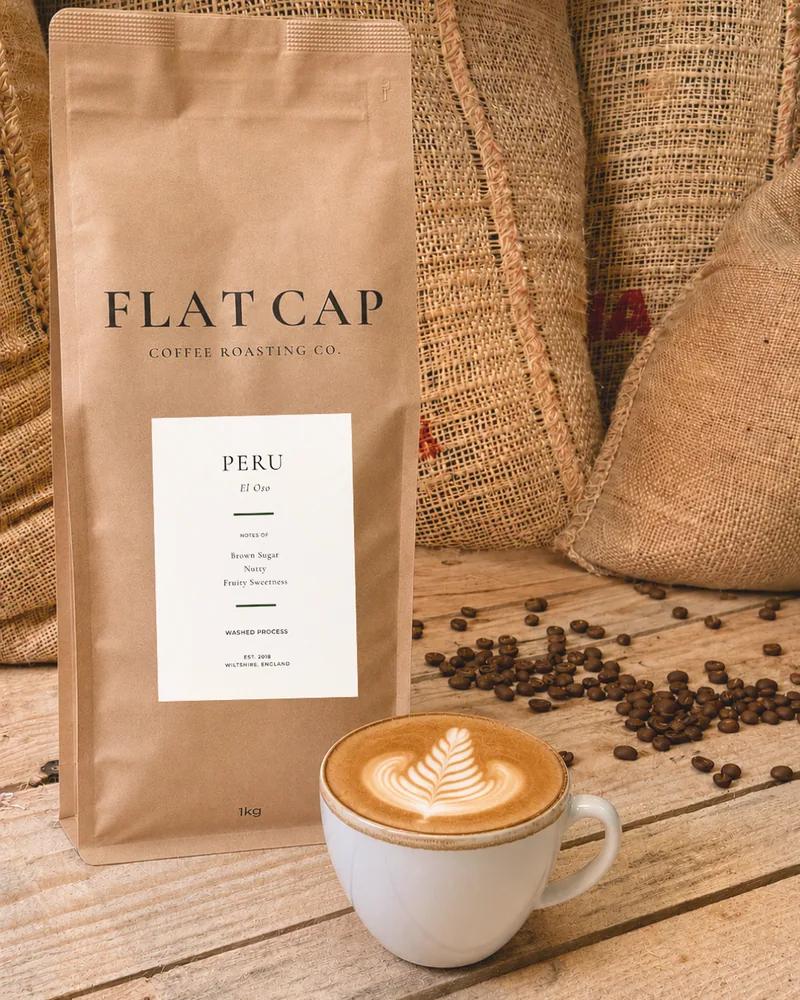
The Flat Cap Coffee Roasting Company
Peru - El Oso
10,95 £
MédiaPorquê: PeruLavadoPreço semelhante