
Entkoffeiniert
Coffee is one of the most popular drinks in the world. While many drink coffee to gain increased mental alertness and energy from its caffeine content, some prefer to avoid caffeine. For those who are sensitive to caffe…
514 Produkte

Lifeboost Coffee
Half Caff Ground coffee
25,42 $
Medium
Lifeboost Coffee
Half Caff Whole beans
25,42 $
Medium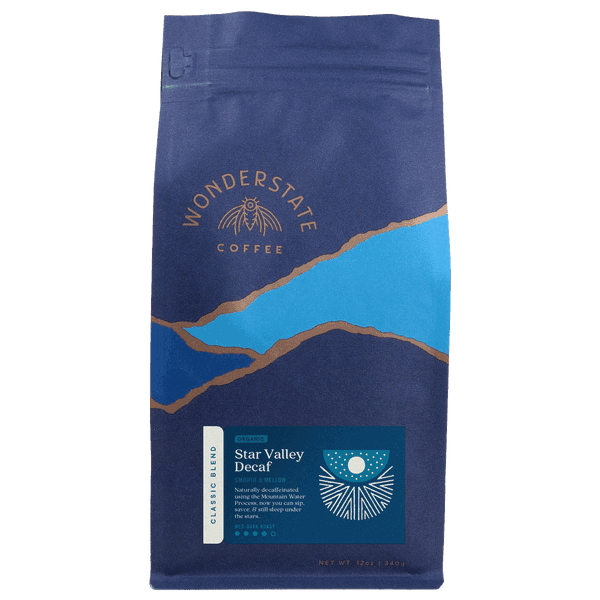
Wonderstate Coffee
SMOOTH & MELLOW
16,33 $
Medium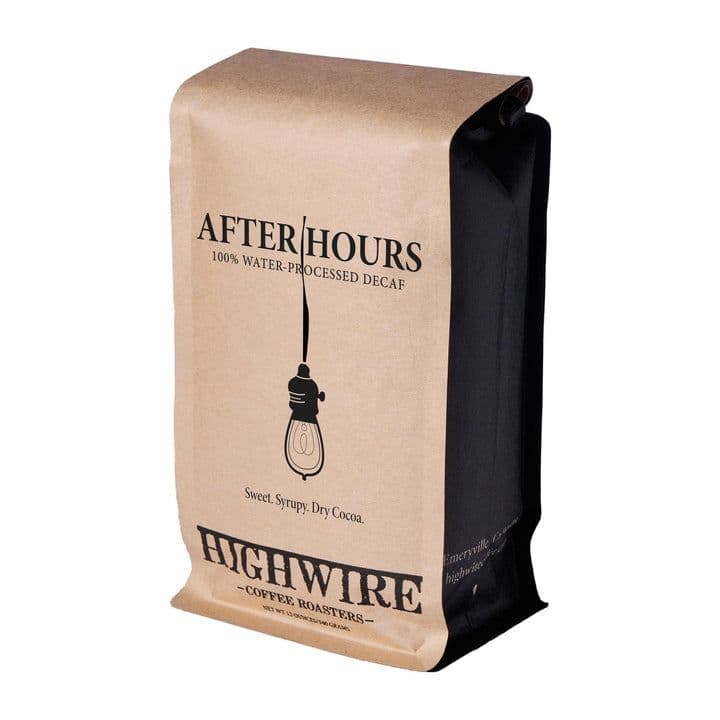
Highwire
After Hours: 100% Water-Processed. Best Decaf Coffee.
15,37 $
Medium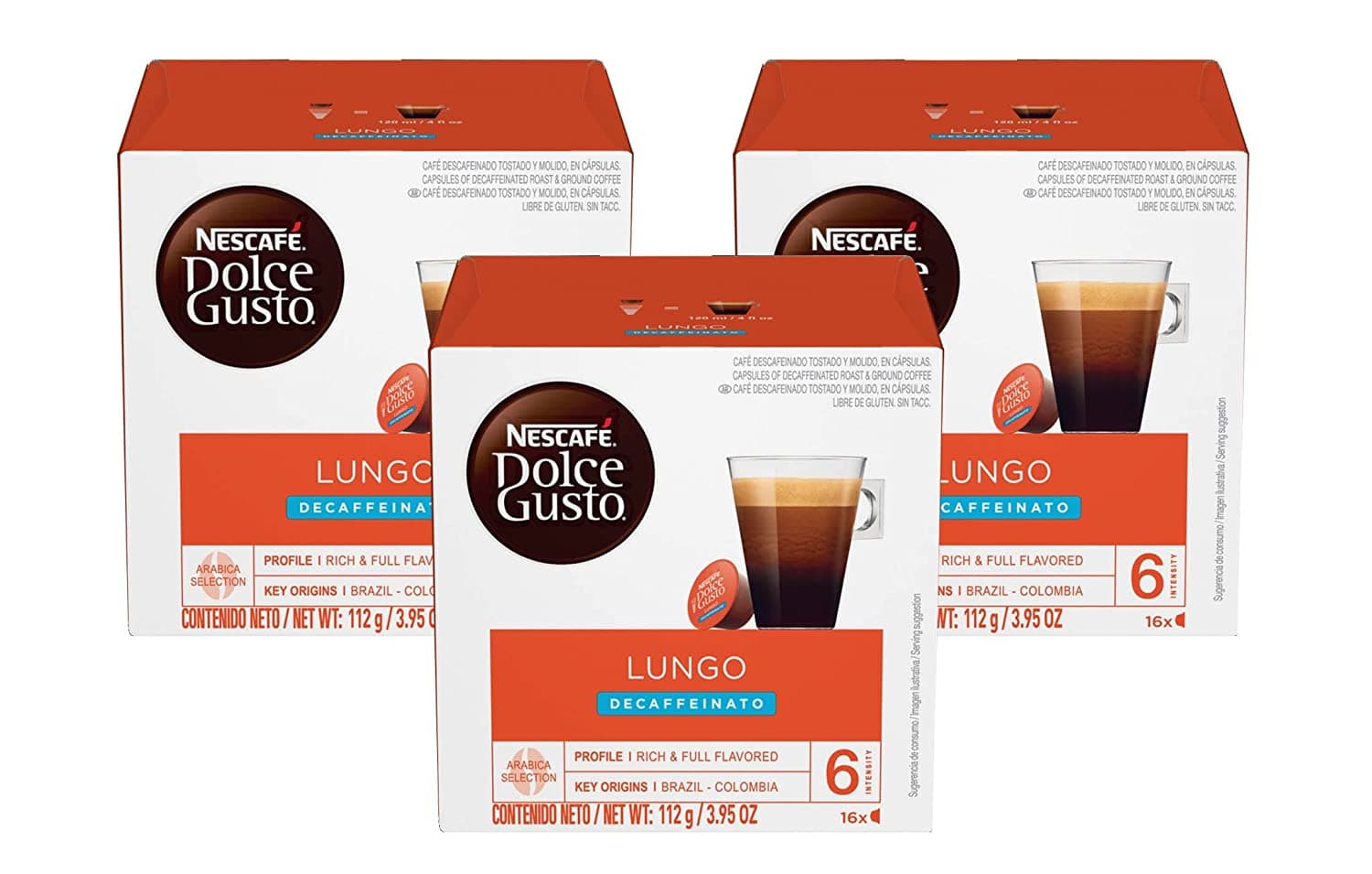
NESCAFE
Nescafe Dolce Gusto Coffee Pods, Lungo Decaffeinato, 16 capsules, Pack of 3
39,60 $
Dark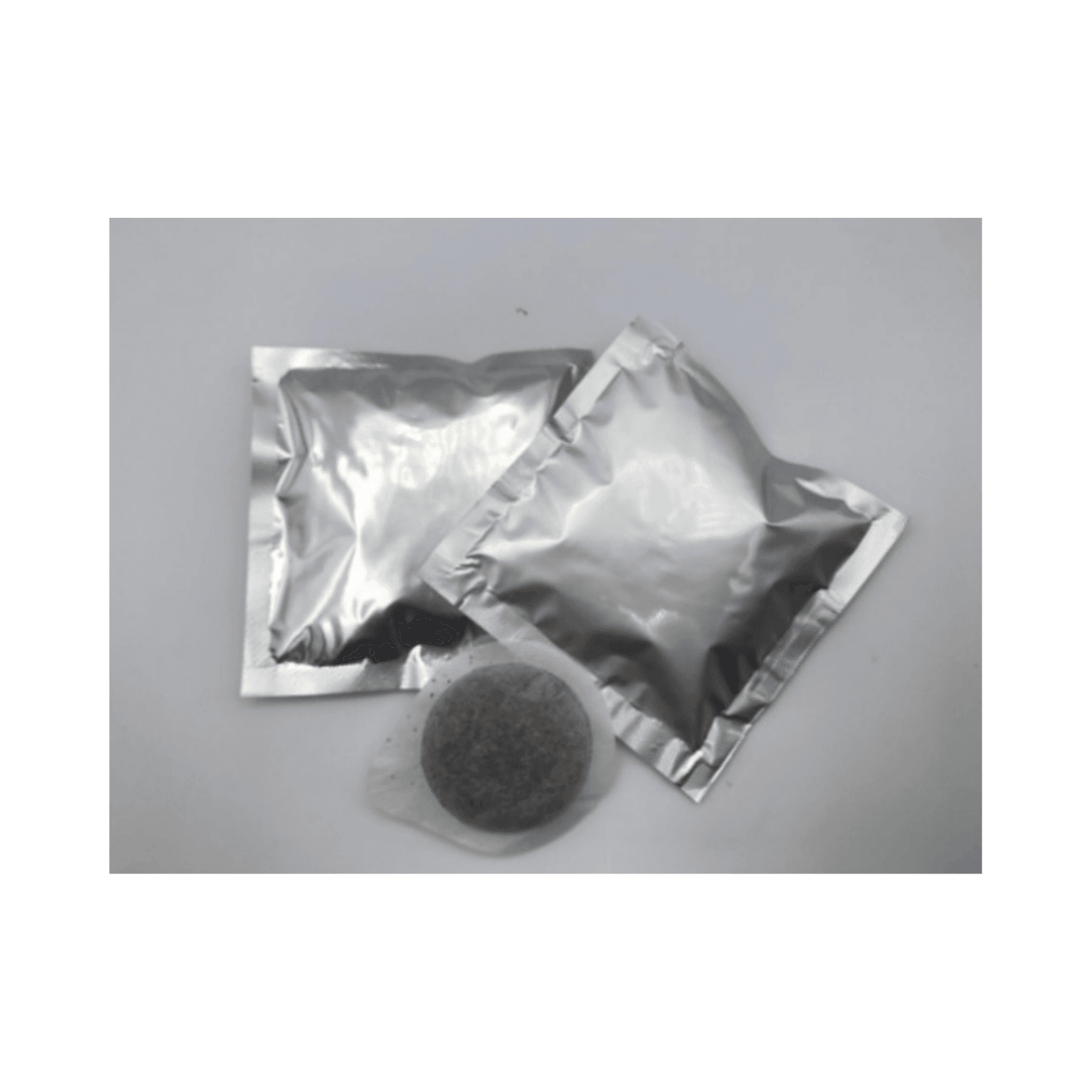
Cafè Badilatti
DORMABAIN "svelt e net"
19,41 $
Medium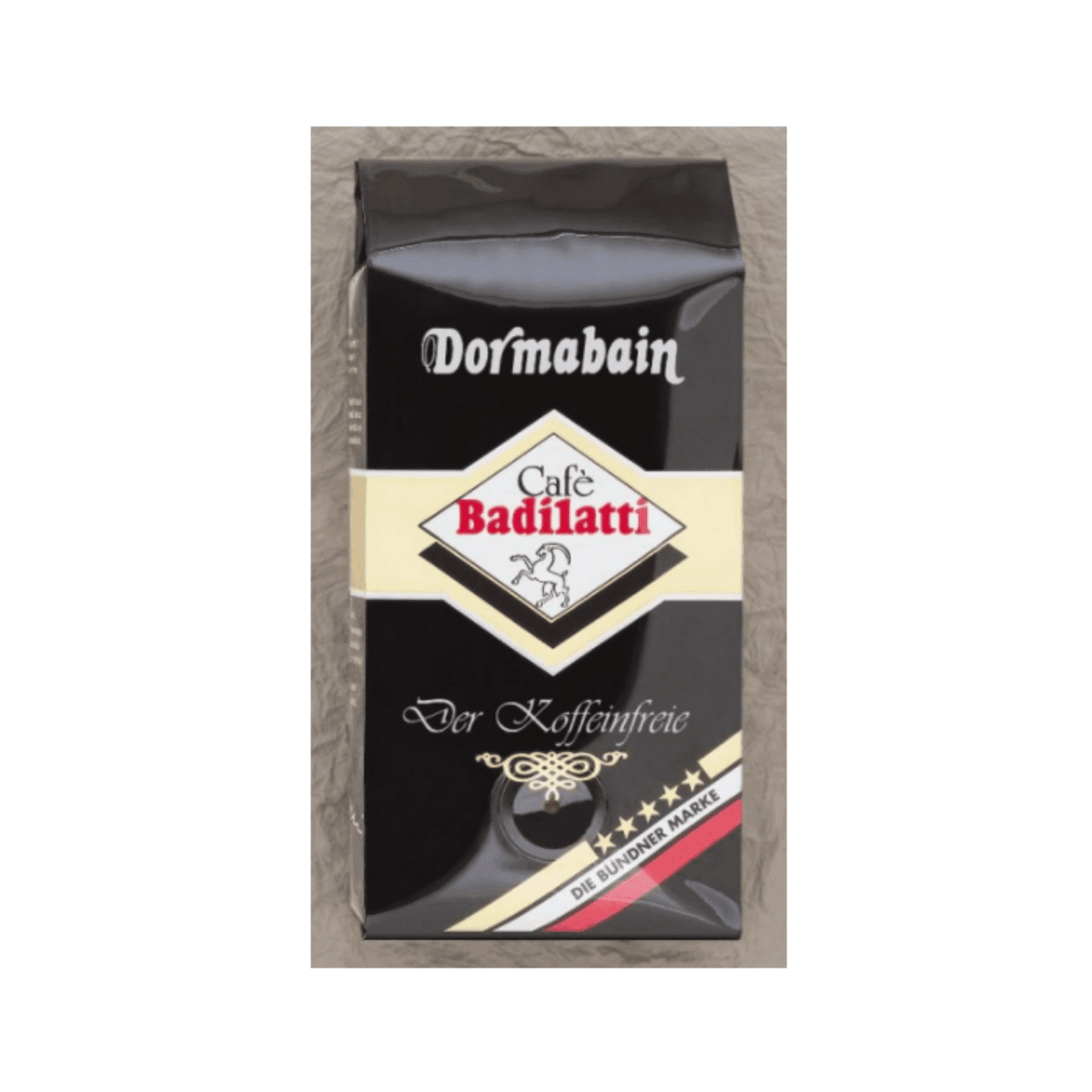
Cafè Badilatti
Dormabain Coffee
4,85 $
Medium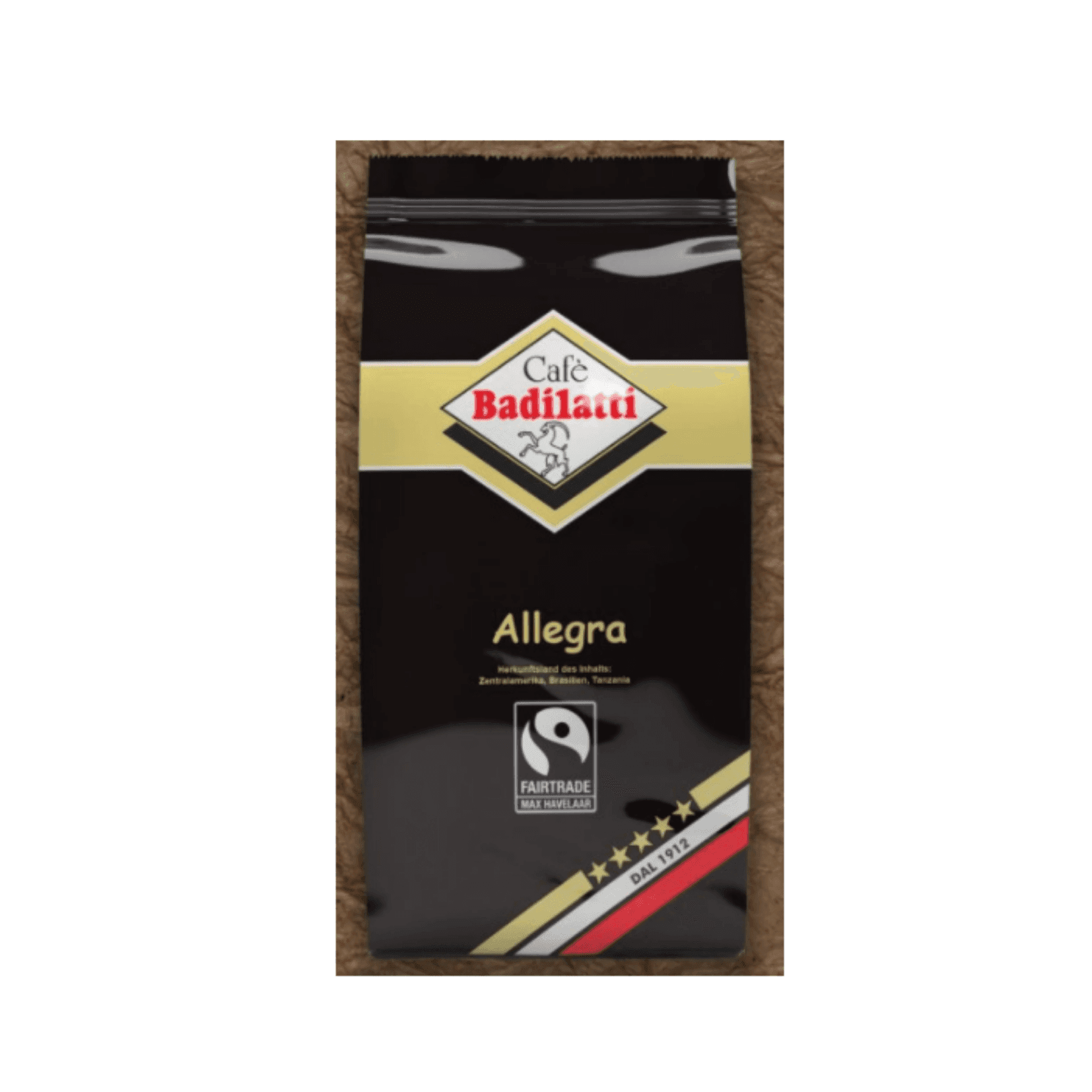
Cafè Badilatti
Allegra Max Havelaar Coffee - beans
17,77 $
Dark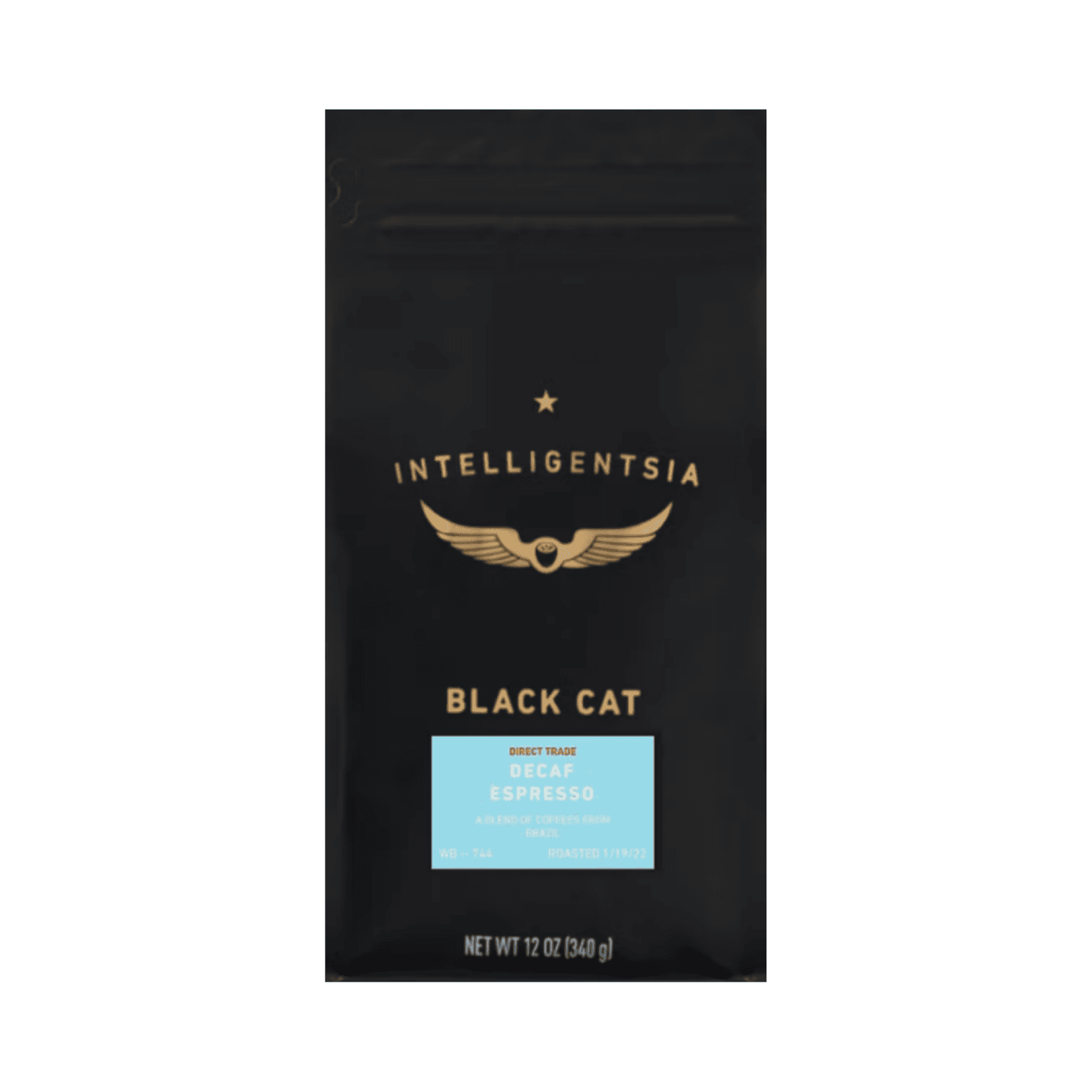
Intelligentsia coffee
DECAF BLACK CAT ESPRESSO
15,82 $
Medium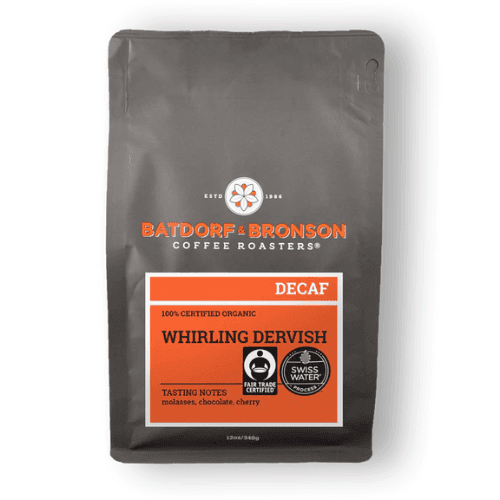
Dancing Goats
DECAF ORGANIC WHIRLING DERVISH
14,95 $
Medium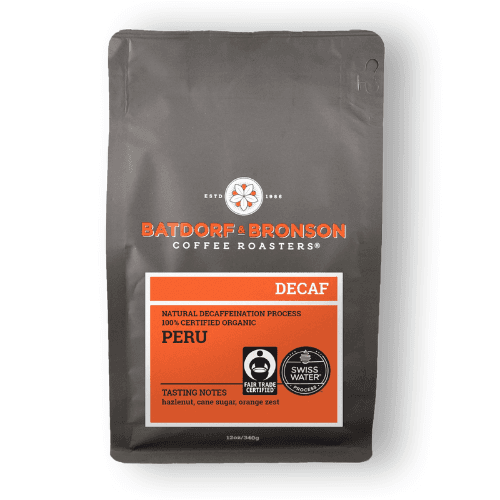
Dancing Goats
DECAF ORGANIC PERU
14,95 $
Medium
Kauai Coffee
Kauai Hawaiian Ground Coffee, Mocha Macadamia Nut Flavor - 100% Gourmet Arabica Coffee from Hawaii's Largest Coffee Grower - Bold, Rich Blend, 10 Oz
5,66 $
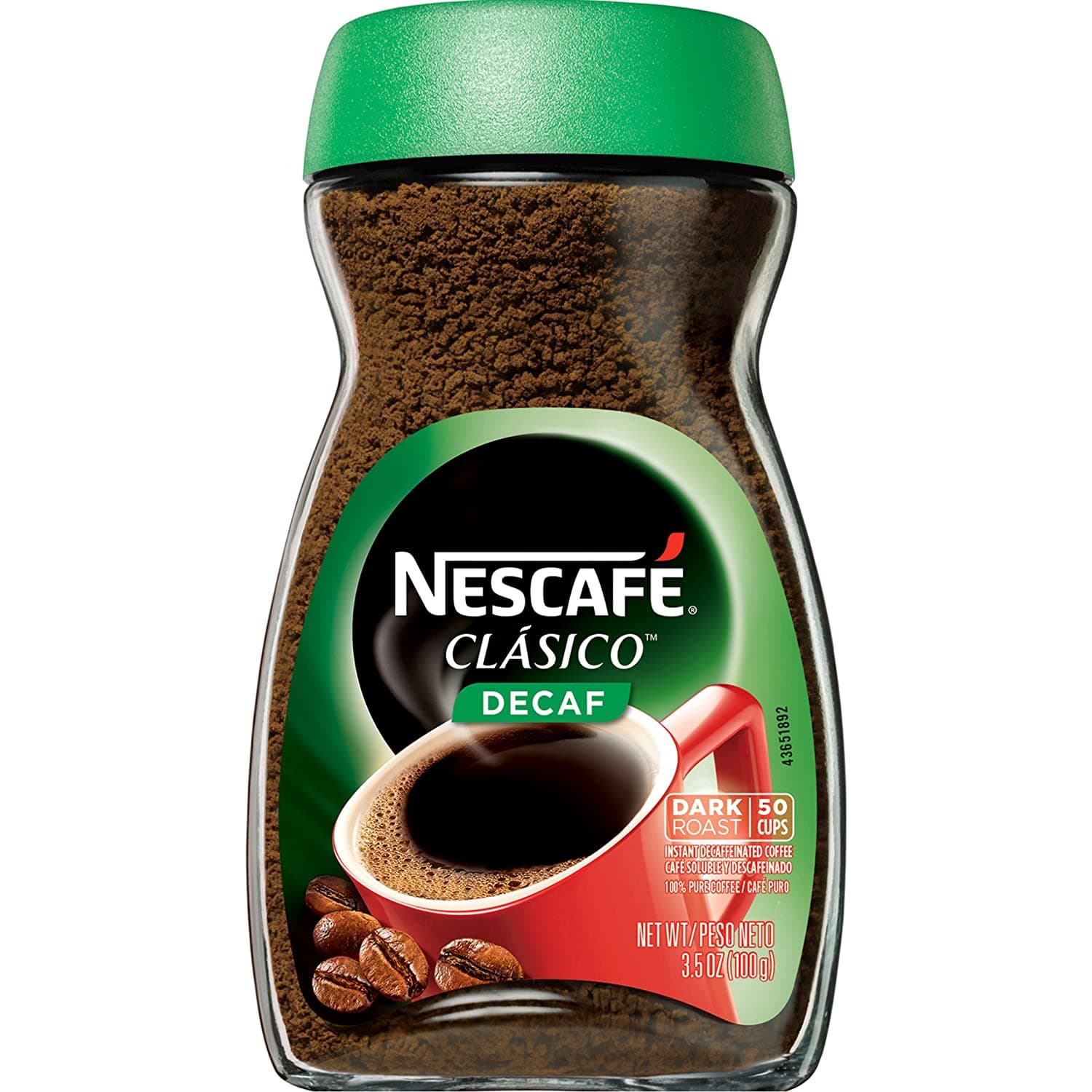
NESCAFE
Nescafe Clasico Decaf Instant Coffee, 3.5 oz
0,00 $
Dark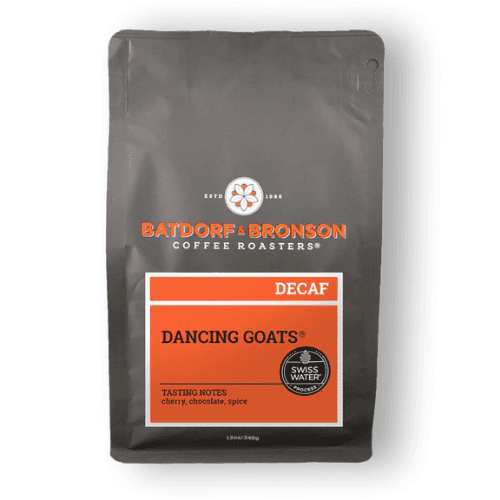
Dancing Goats
DECAF DANCING GOATS®
14,91 $
Medium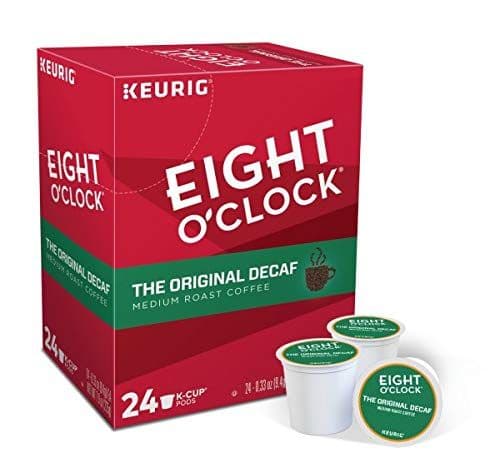
Eight o Clock Coffee
Original Decaf K-Cup
8,32 $
Medium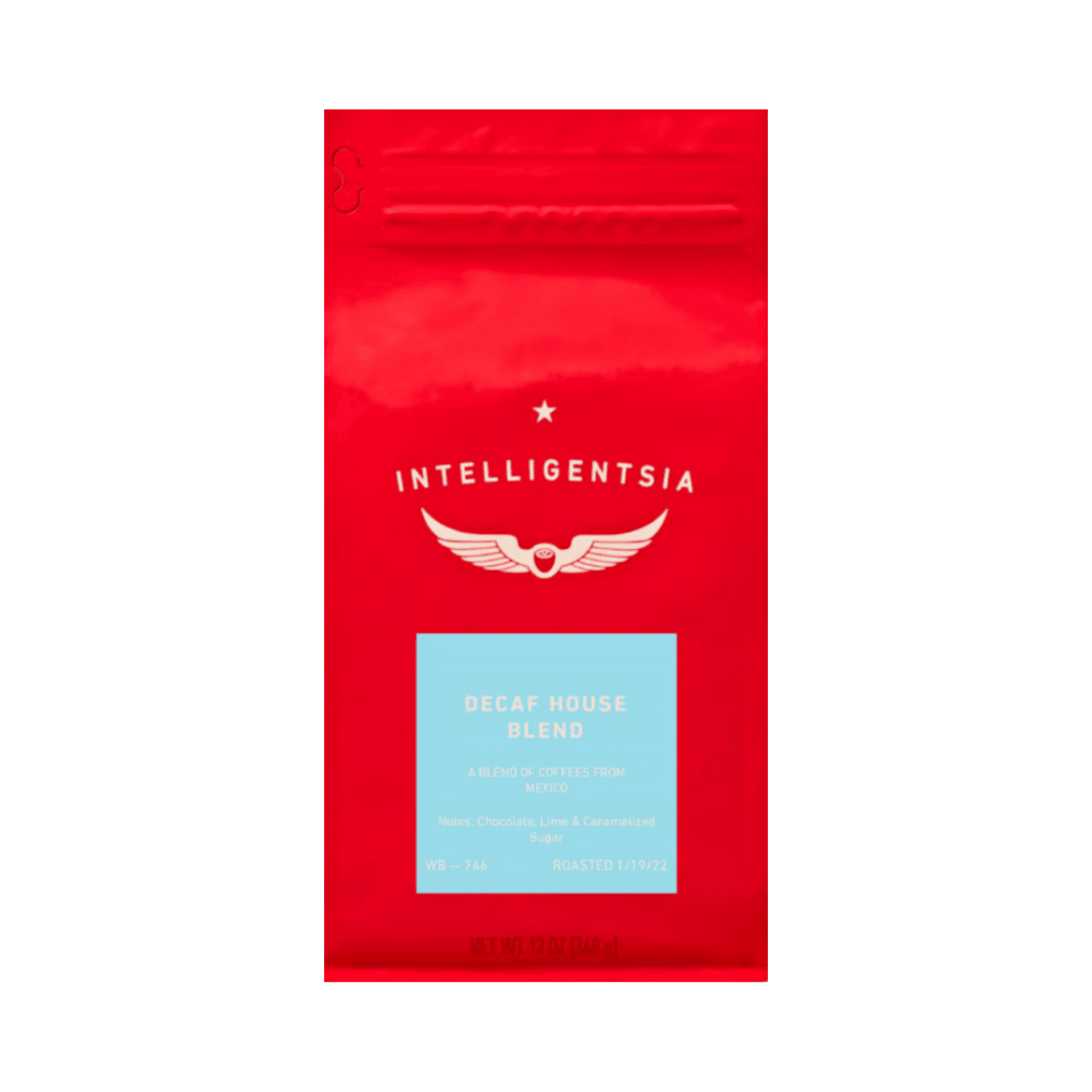
Intelligentsia coffee
DECAF HOUSE BLEND
15,72 $
Medium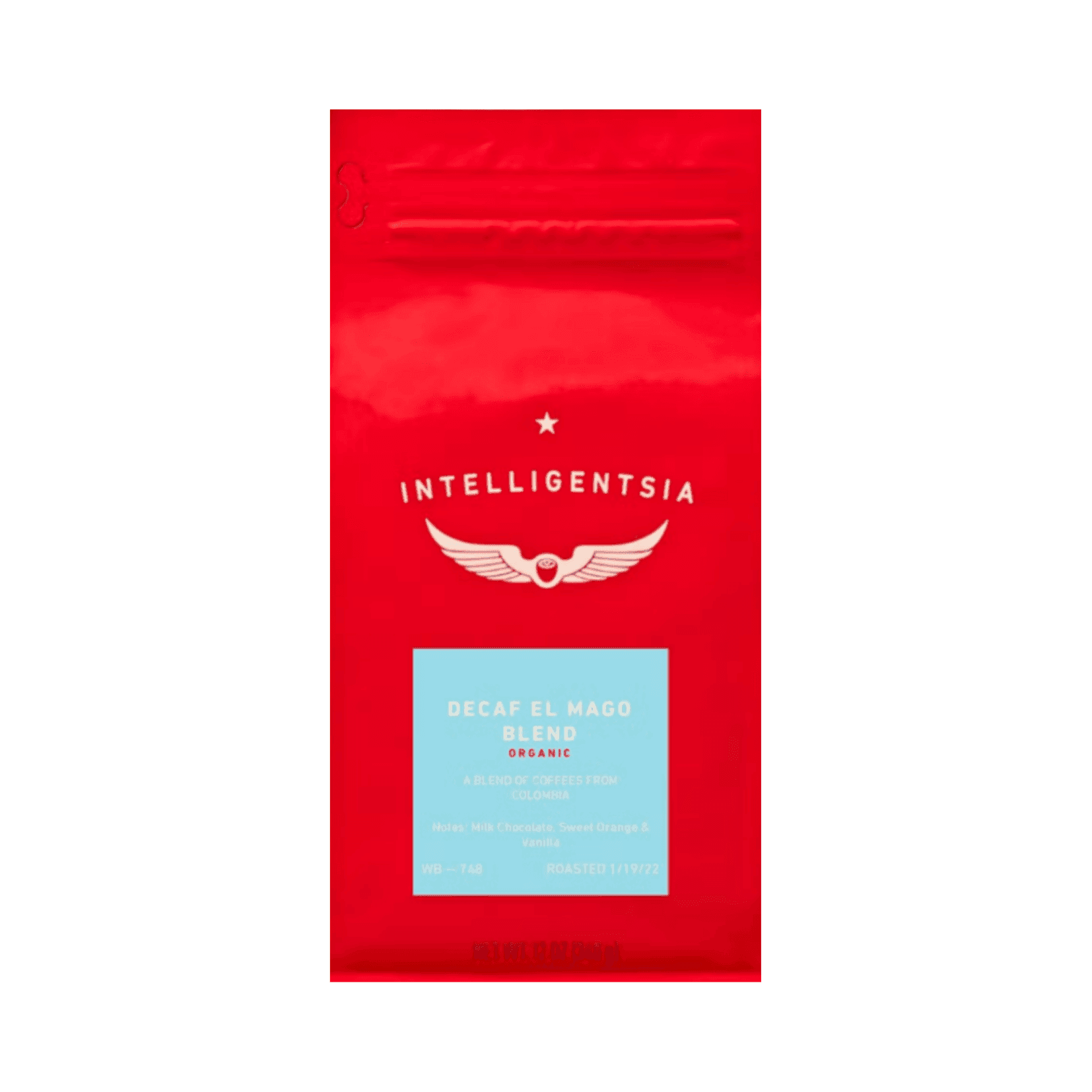
Intelligentsia coffee
DECAF ORGANIC EL MAGO
15,72 $
Medium
Coffea Roasterie
Colombia Decaf Rainbow
15,39 $

Dapper & Wise Coffee Roasters
Decaf Stag Espresso Blend
14,49 $
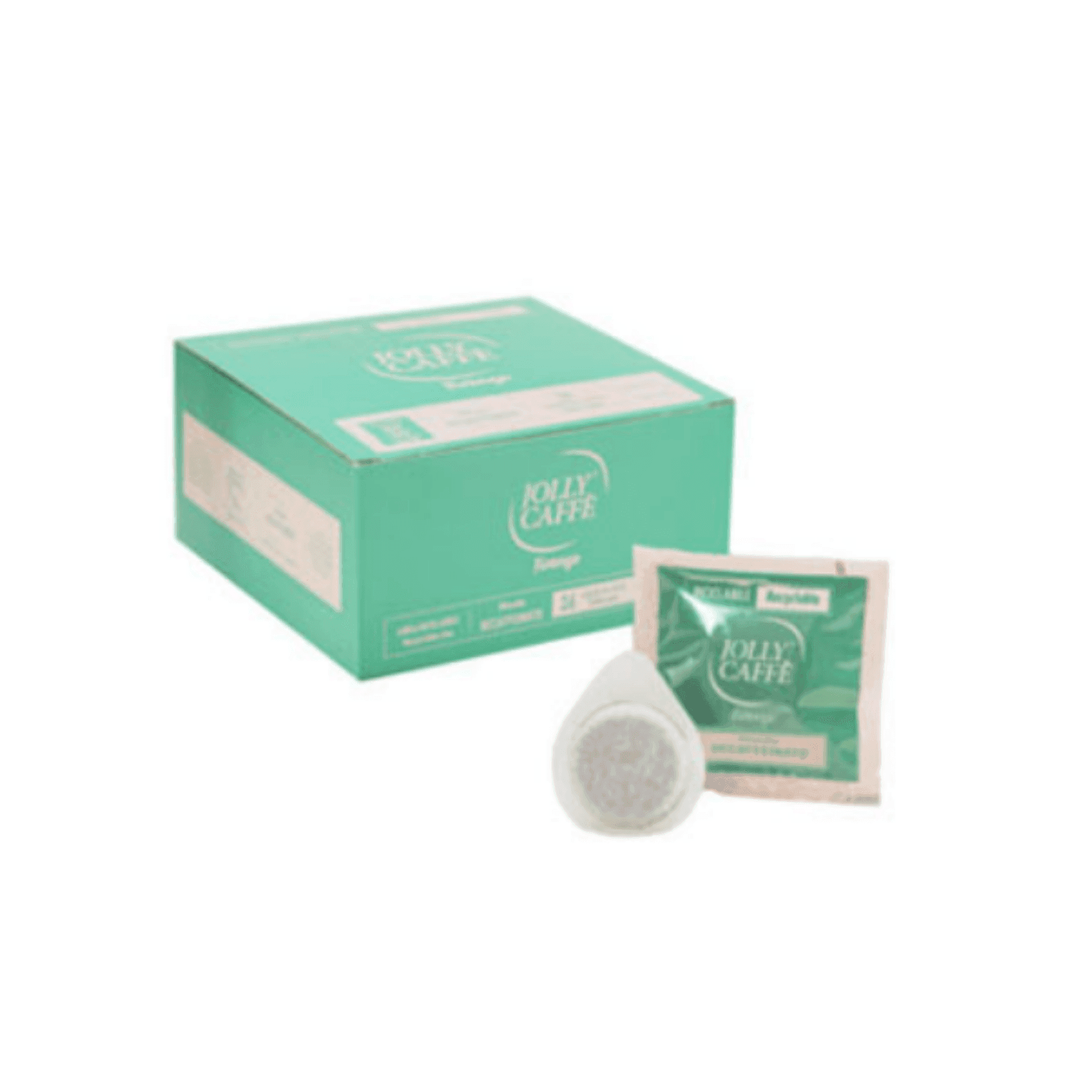
Jolly
Jolly Caffè Decaffeinato - coffee pods
13,00 $
Medium
Jolly
Jolly Caffè Decaffeinato - capsules
3,70 $
Medium
Caffè Vergnano
Caffe Vergnano Decaf Capsules Compatible with Original Line Machines By Nespresso - 60 Capsules (6 packs - 10 capsules each)
55,84 $
Medium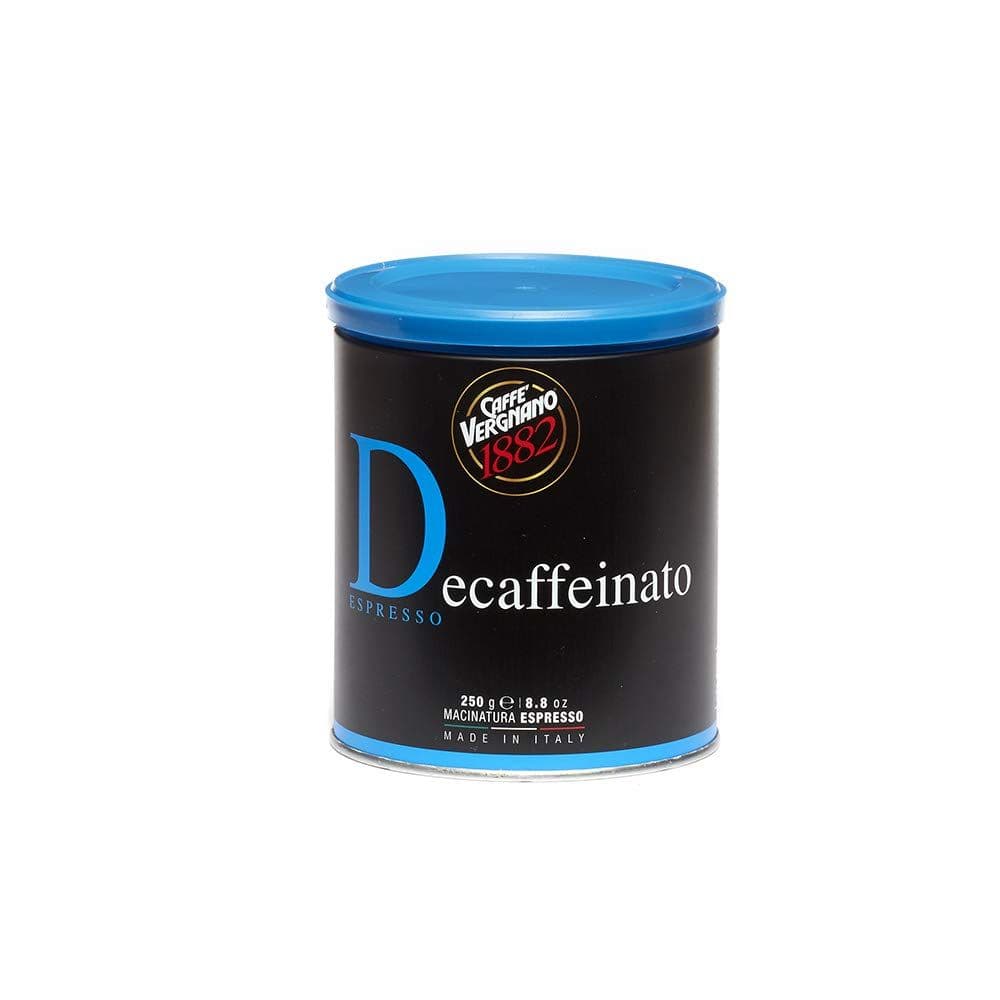
Caffè Vergnano
Caffe Vergnano Decaf Espresso Roast - 8.8 oz. - 250g Can
10,43 $
Medium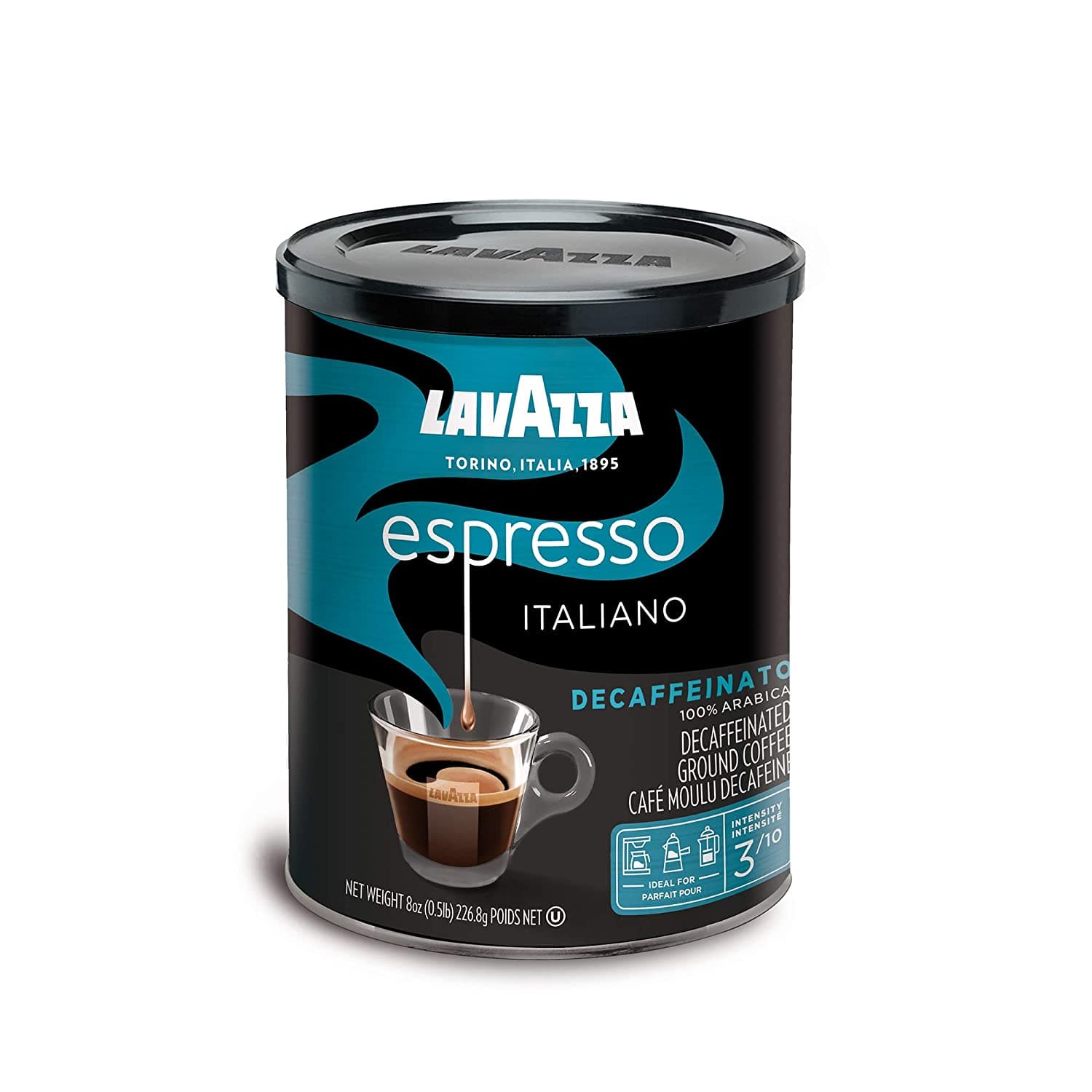
Lavazza
Lavazza Espresso Decaffeinato Ground Coffee Blend, Decaffeinated Medium Roast, 8-Oz Cans (Pack of 4) Authentic Italian, Blended And Roasted in Italy, Non GMO, A Full Bodied with Sweet & Fruity Flavor
23,84 $
MediumCoffee is one of the most popular drinks in the world. While many drink coffee to gain increased mental alertness and energy from its caffeine content, some prefer to avoid caffeine. For those who are sensitive to caffeine or want to reduce their caffeine intake, decaffeinated or decaffeinated, coffee can be an excellent alternative if you do not want to give up the delicious taste of the coffee.
How is Coffee Decaffeinated?
There are several different methods that can make coffee relatively decaffeinated. The disadvantage of all these methods is that, in general, they make the aroma of coffee milder due to the fact that caffeine is one of the components that give coffee its bitter and acidic aroma.
General decaffeination processes include soaking green coffee beans still in hot water and then using some sort of solvent or activated charcoal to extract/dissolve the caffeine. Typically used solvents are methylene chloride or ethyl acetate. Unfortunately, with this process, the first batch of beans loses most of its flavor in the water and is often thrown away. However, once the dissolution liquid is saturated in the first batch, subsequent batches retain much of their flavor. In some methods, the coffee beans in the first batch will be re-soaked in the water solution to reabsorb some of the aromatic compounds, minus the dissolved caffeine, so that they can eventually be used to make decaffeinated coffee.
The first such process, as described above, for decaffeinating coffee was invented by Ludwig Roselius in 1905. This method used benzene, a potentially toxic hydrocarbon, to remove caffeine from pre-soaked green coffee beans. The coffee was steamed in brine and then benzene was applied to the beans. This method is currently considered unsafe and is no longer used.
Another method is if the beans are steamed for half an hour, rather than immersed in water, then rinsed with solvents - ethyl acetate or methylene chloride to extract and dissolve caffeine from the beans. Ethyl acetate is an ester that is found naturally in fruits and vegetables, such as bananas, apples, and coffee. The solvent is first circulated through a bed of wet green coffee beans and then recaptured in an evaporator while the beans are washed with water. After draining the chemicals, the grains are steamed again. Usually, the solvent is added to the vessel, circulated, and emptied several times until the coffee has been decaffeinated to the desired level.
Coffee is said to be "naturally decaffeinated" when ethyl acetate derived from fruits or vegetables is used. The advantage of using these solvents for decaffeination is that, in general, they are more precisely directed towards caffeine and not other components that give coffee its distinct aroma. Up to 96% to 97% of the caffeine in coffee can be extracted in this way.
Another method is known as the Swiss Water Process and uses a carbon filter. Coal is normally used in conjunction with a carbohydrate solvent so that only caffeine is absorbed. In this method, first, the green coffee beans are soaked in hot water and then the first batch of coffee beans is thrown away. Caffeine is then removed from the solution through activated charcoal filters. This leaves the solution saturated with aromatic compounds, which are then reused to soften a new batch of decaffeinated green coffee beans. This method extracts up to 98% of caffeine. Carbon dioxide is also a popular solvent because it has a relatively low critical pressure point.
Another method known as the sparkling water decaffeination process is similar to the CO2 method, but instead of removing caffeine with activated carbon filters, the caffeine is washed from CO2 with sparkling water in a secondary tank. This type of solvent consists of approximately 99.7% compressed carbon dioxide and 0.3% water.
How Much Caffeine is in Decaffeinated Coffee?
The caffeine content of a decaffeinated coffee largely depends on where your coffee comes from.
Caffeine in Average Decaf Coffee
Virtually all types of coffee contain caffeine, and on average a 236 ml cup of decaf coffee contains up to 7 mg of caffeine. Meanwhile, a regular coffee cup provides 70-140 mg of caffeine. While the 7 mg of caffeine seems low, it’s still a concern for those who are advised to cut their caffeine intake if they have kidney disease, anxiety disorders, or are sensitive to caffeine. And even small amounts of caffeine could increase agitation, anxiety, heart rate, and blood pressure for susceptible individuals.
It is also known that drinking 5-10 cups of decaf coffee could accumulate the amount of caffeine that is found in 1-2 regular caffeinated coffee. This means that those who have to avoid caffeine need to be careful.
Besides, drinking coffee can also come up with a range of health perks, from protecting the liver to reducing the risks of diabetes and heart disease. And if you want to score the benefits then decaf is the best way to go. In addition, some people may have heard that decaf coffee has caffeine content in it, which is true. However, you need to drink a few cups of decaf coffee to make you feel like you had the real thing.
The decaffeination process removes 94 - 98% of the caffeine from a coffee bean. Also, researchers said that you need to drink 5-10 cups of decaf coffee in order to feel its effects. Besides, the caffeine content from a decaf coffee varies on the type of beans used and the way they are decaffeinated. Decaf coffee beans are usually made using one of the three methods, which uses water, chemicals, or carbon dioxide to draw out the caffeine.
The caffeine content in decaf coffee varies based on the type of beans used and the way they’re decaffeinated. Decaf coffee beans are usually made via one of three methods, which use either water, chemicals, or carbon dioxide to draw caffeine out of the beans.