
Robusta
With over 100 species of coffee beans worldwide, once roasted , almost all coffee beans look the same. Robusta has done well to become the second most popular in the world market. So What is Robusta Coffee? Robusta coff…
401 products
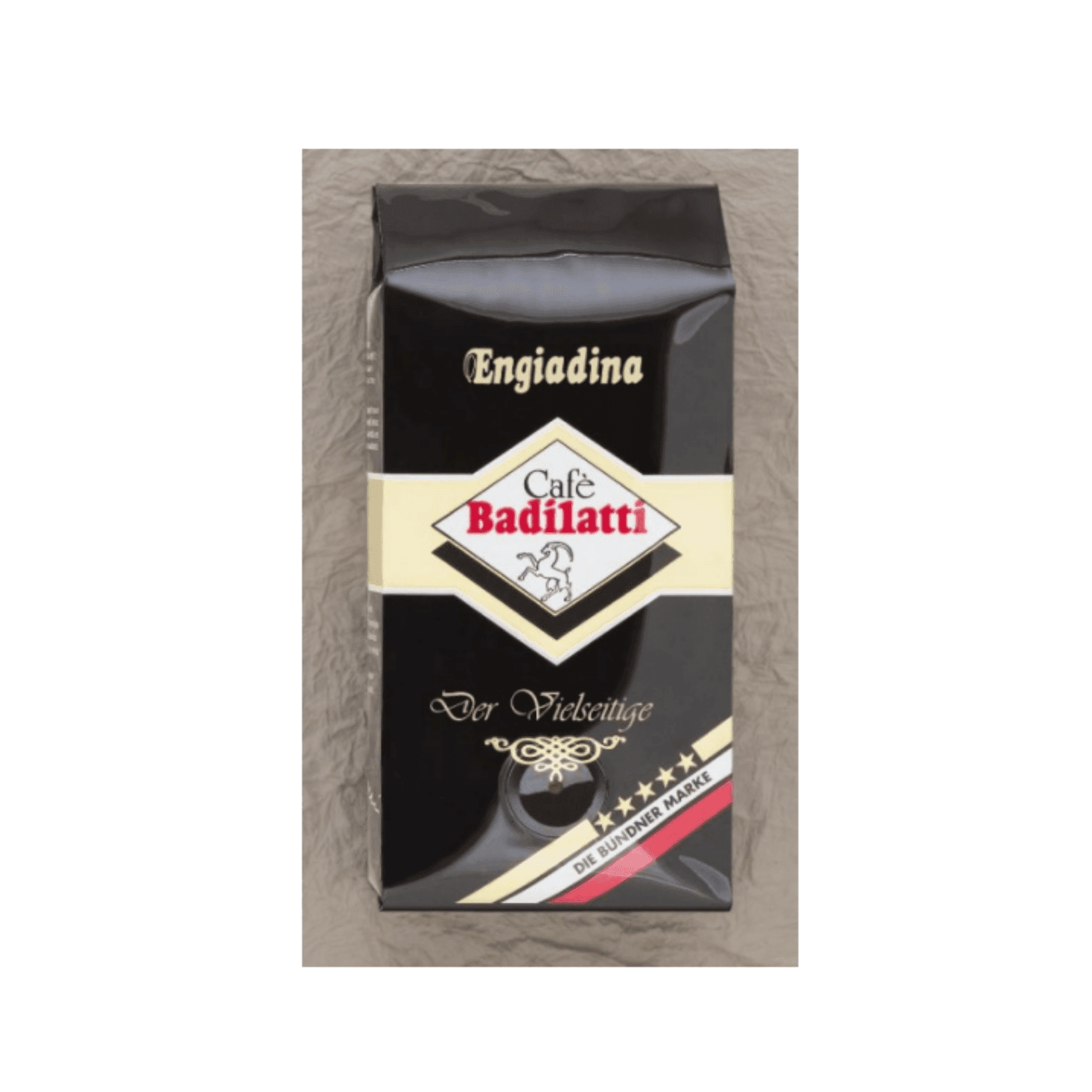
Cafè Badilatti
Engiadina Coffee
$4.66
Medium
Cafè Badilatti
DORMABAIN "svelt e net"
$19.41
Medium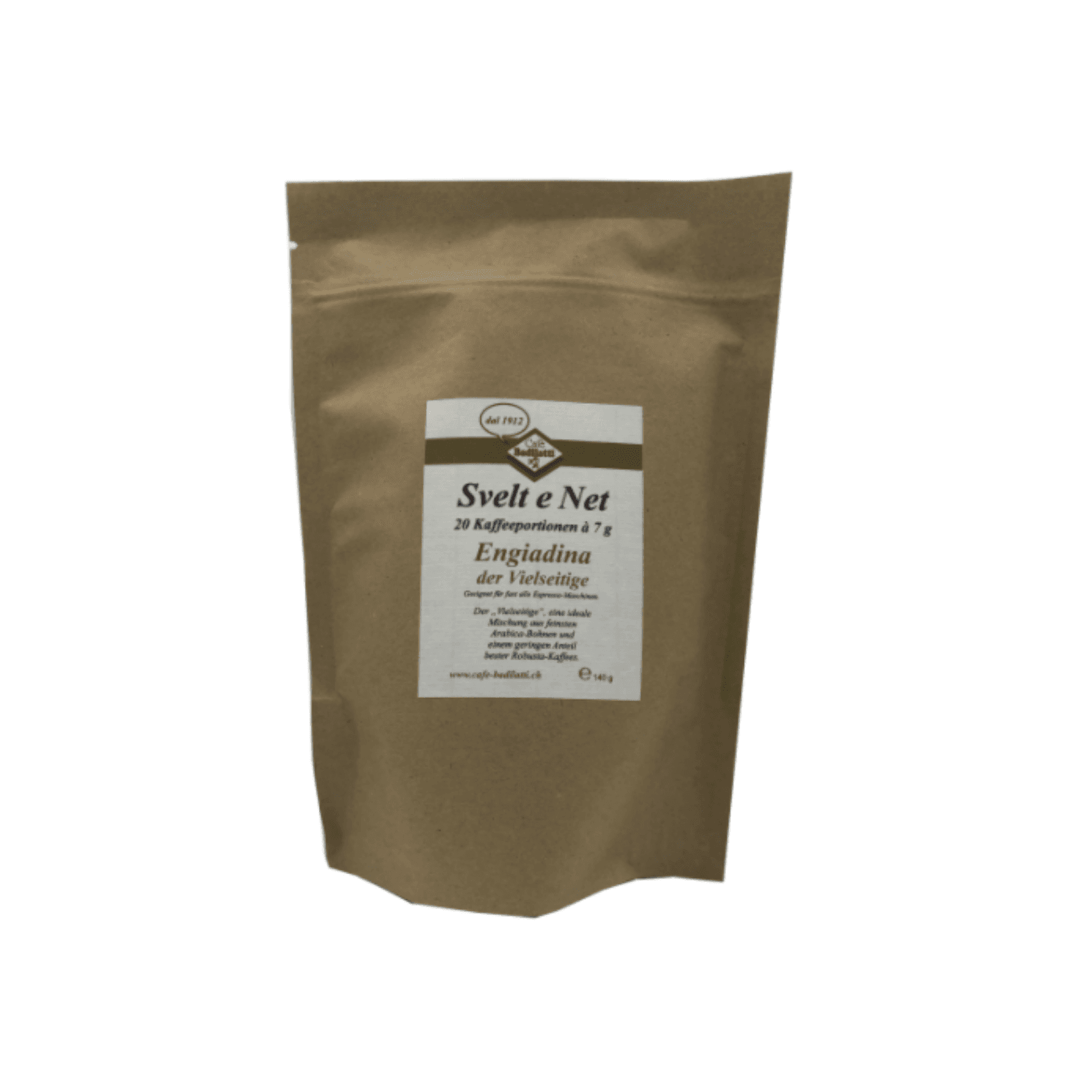
Cafè Badilatti
ENGIADINA "svelt e net"
$7.76
Medium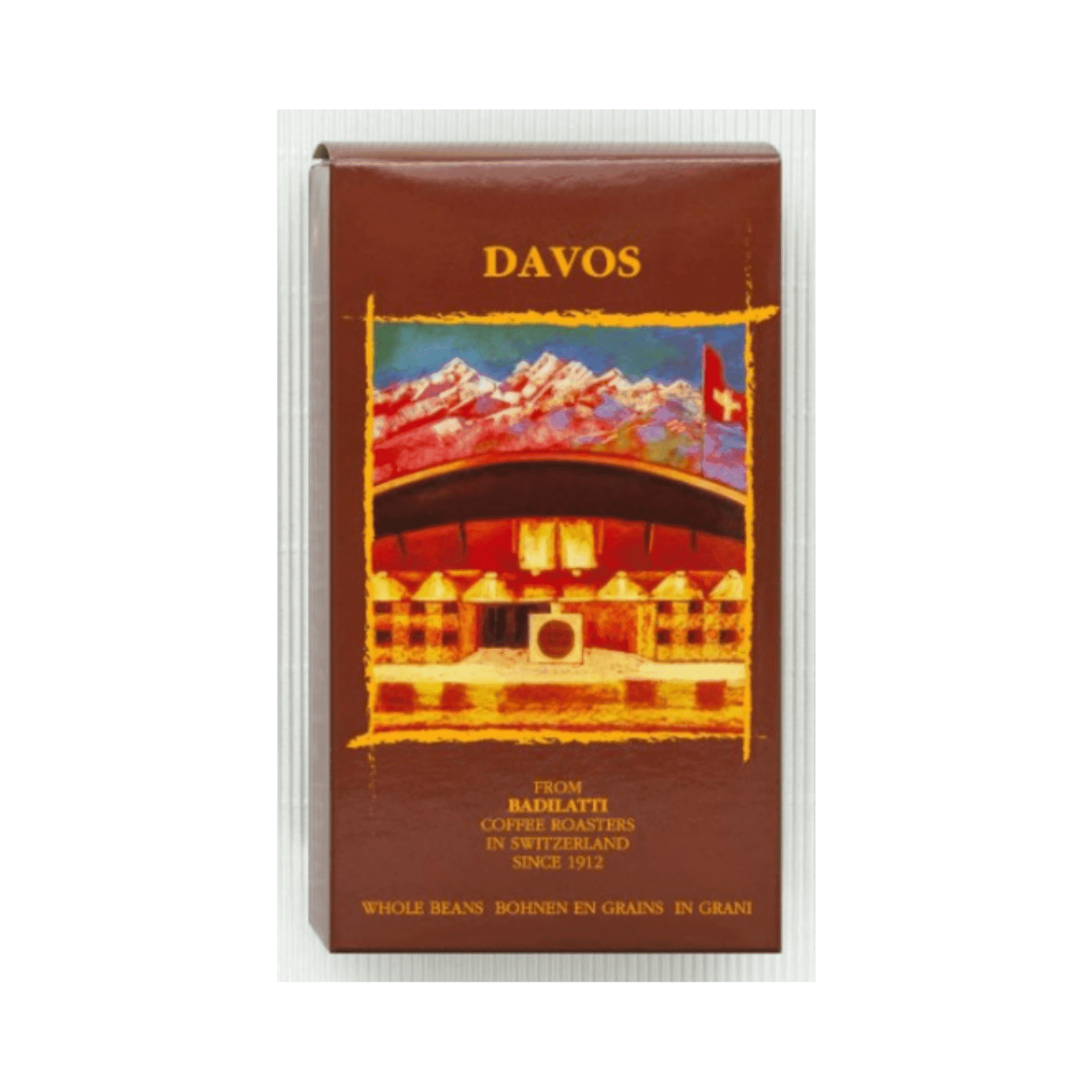
Cafè Badilatti
Davos Coffee
$6.02
Medium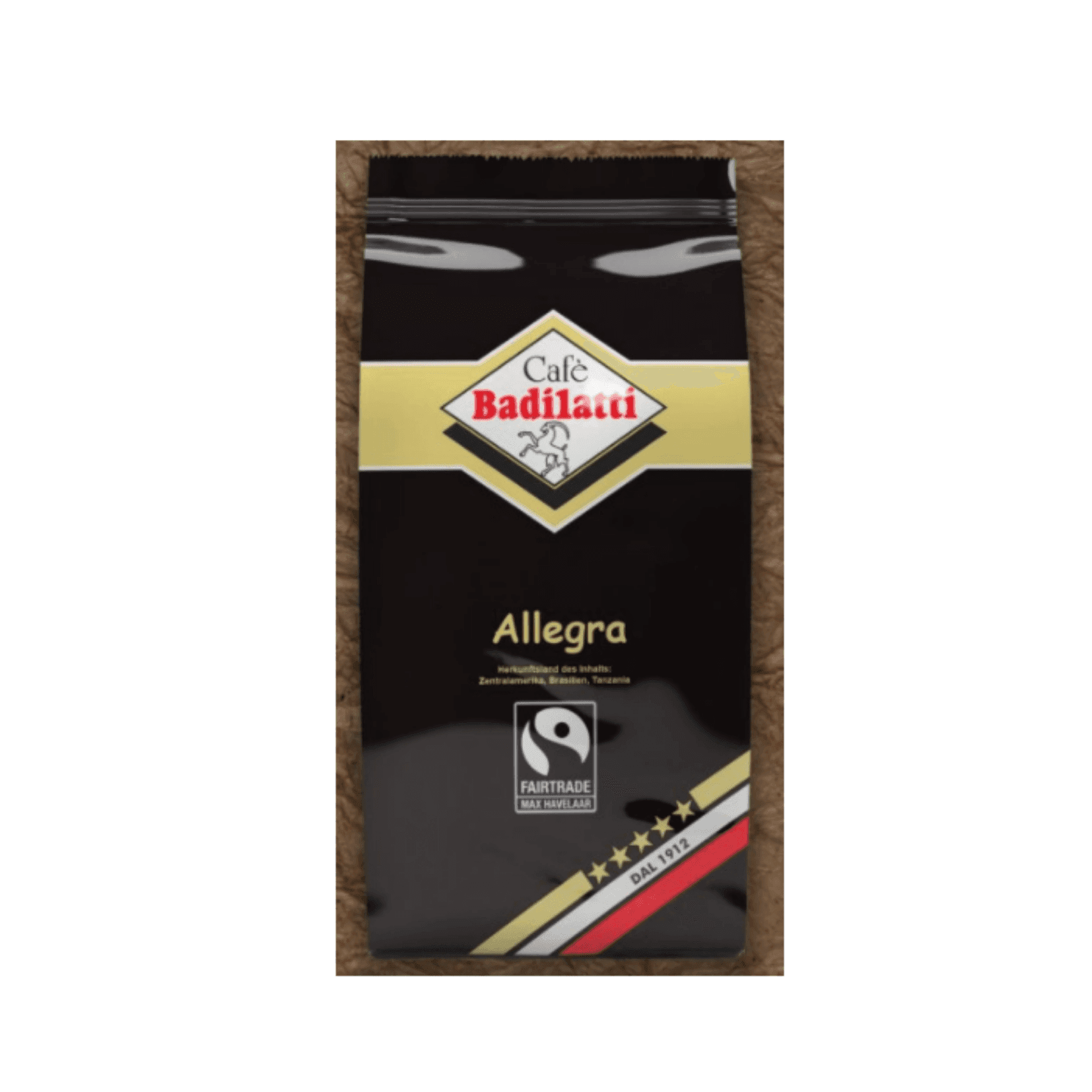
Cafè Badilatti
Allegra Max Havelaar Coffee - beans
$17.77
Dark
Cafè Badilatti
Allegra Max Havelaar Coffee
$8.93
Dark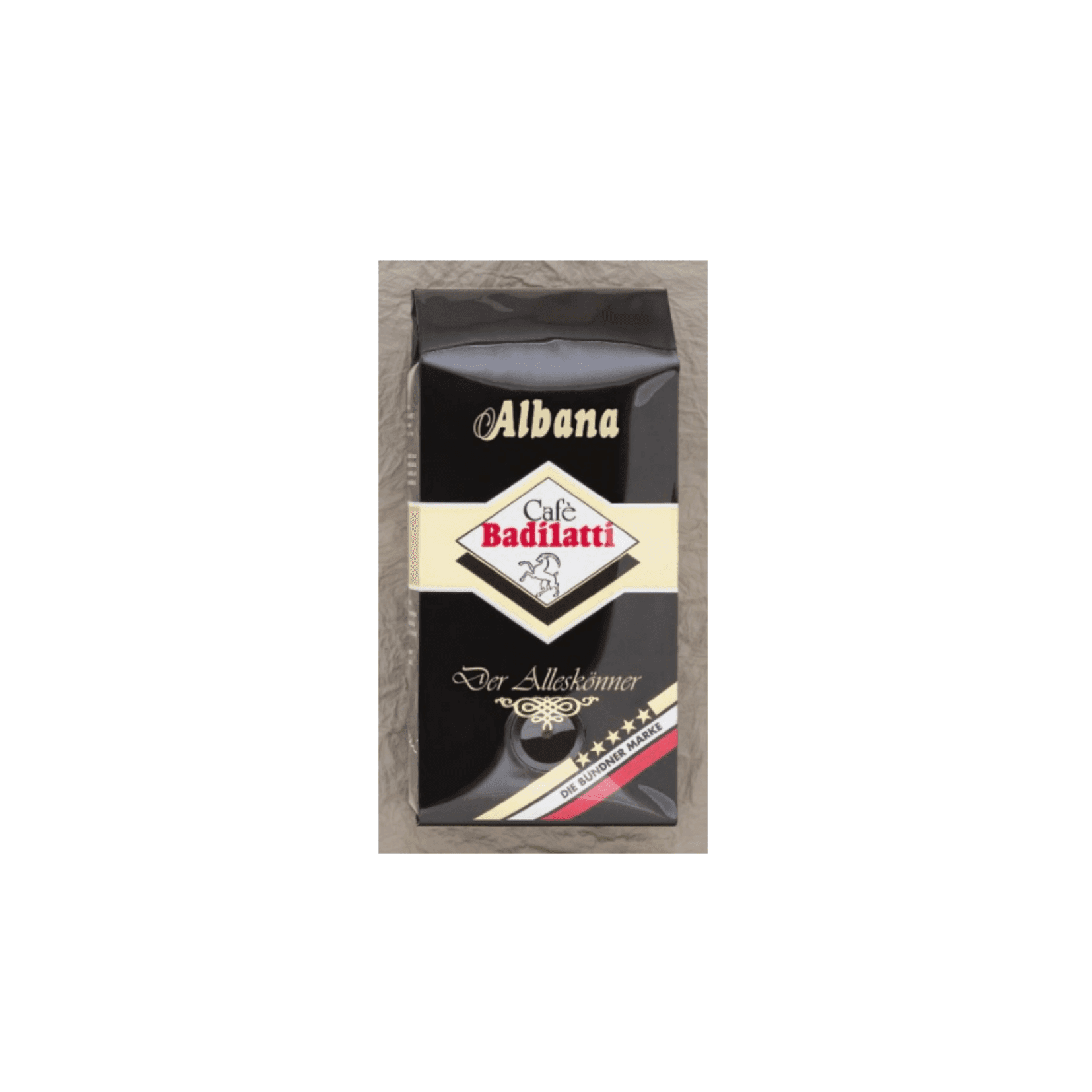
Cafè Badilatti
Albana Coffee
$4.66
Dark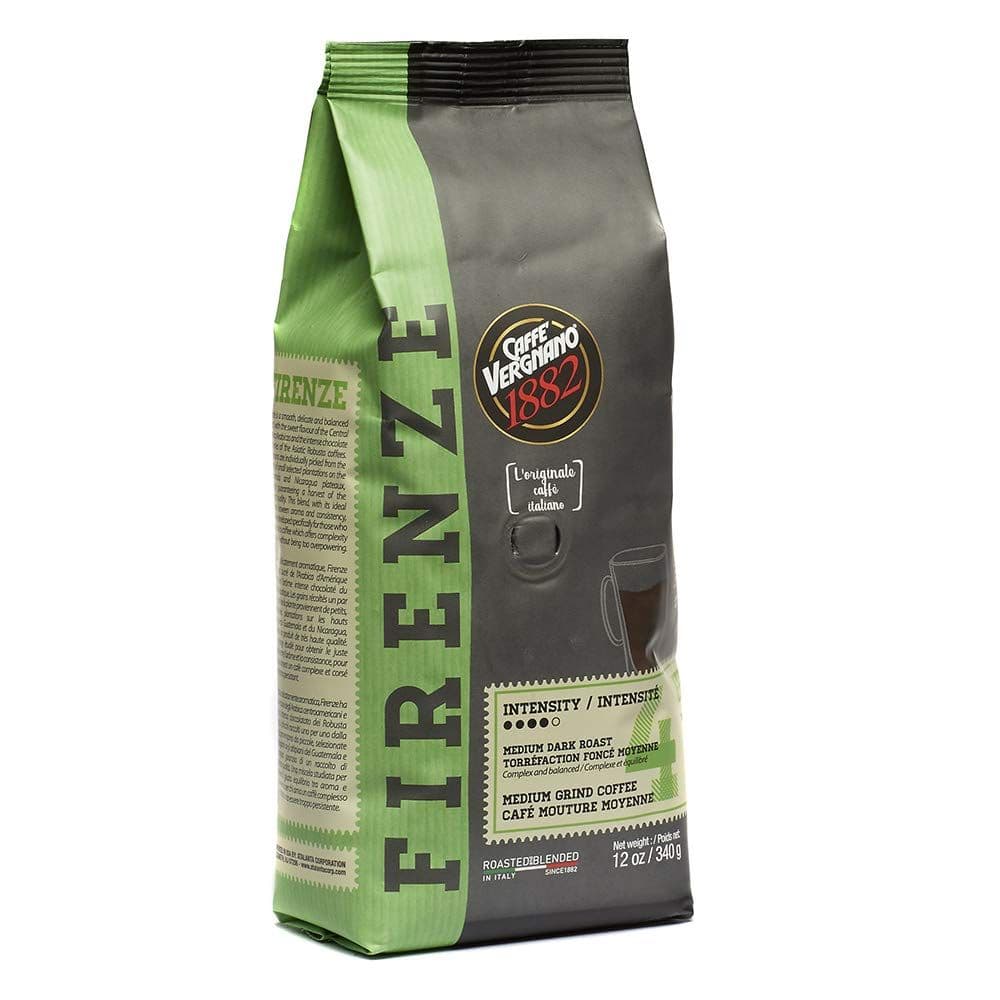
Caffè Vergnano
Caffe Vergnano Firenze Medium Dark Roast Coffee - Medium Grind - 12 oz
$0.00
Dark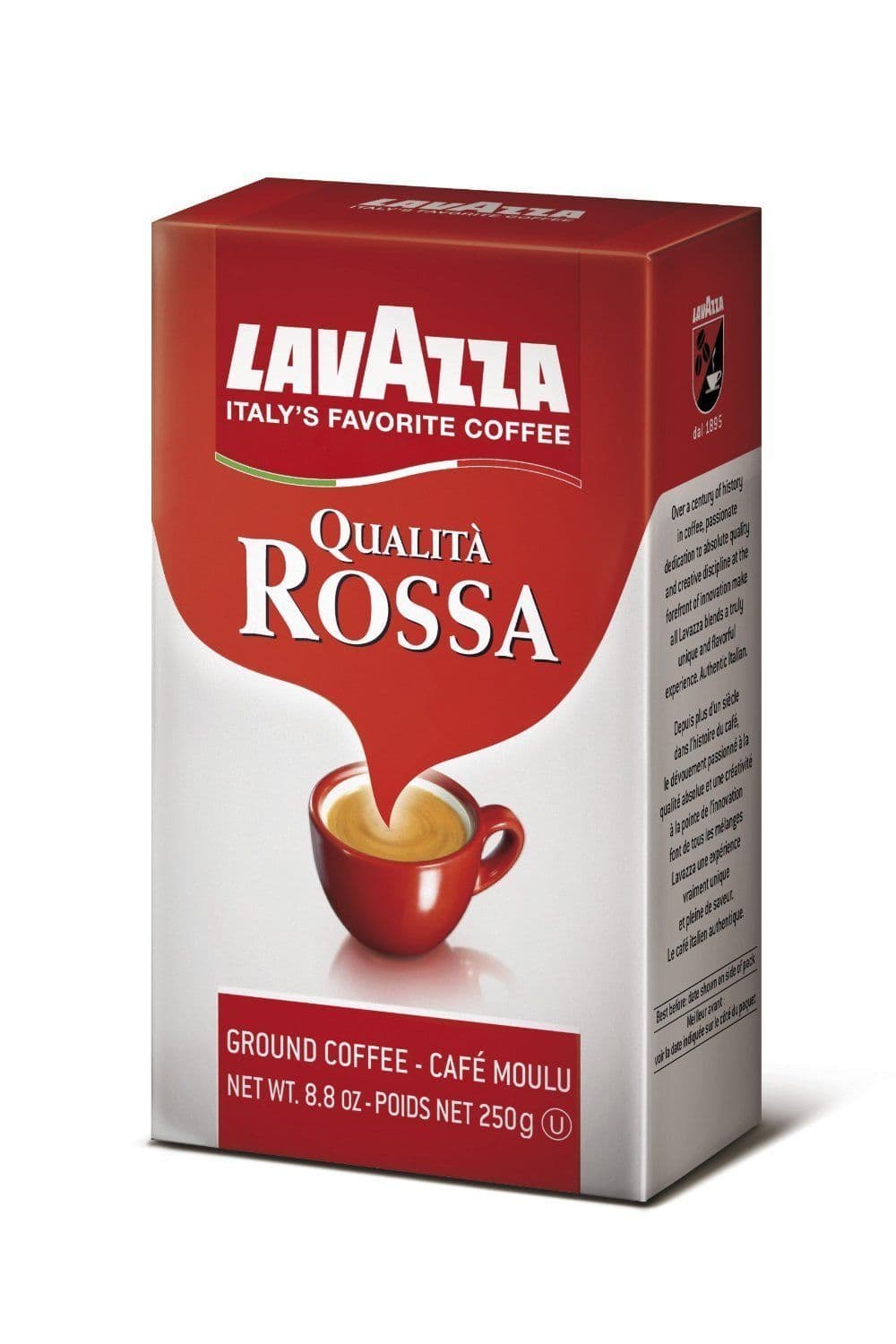
Lavazza
Lavazza Qualita Rossa - Caffe Ground Espresso, 8.8-Ounce Bag (Pack of 12)
$60.81
Medium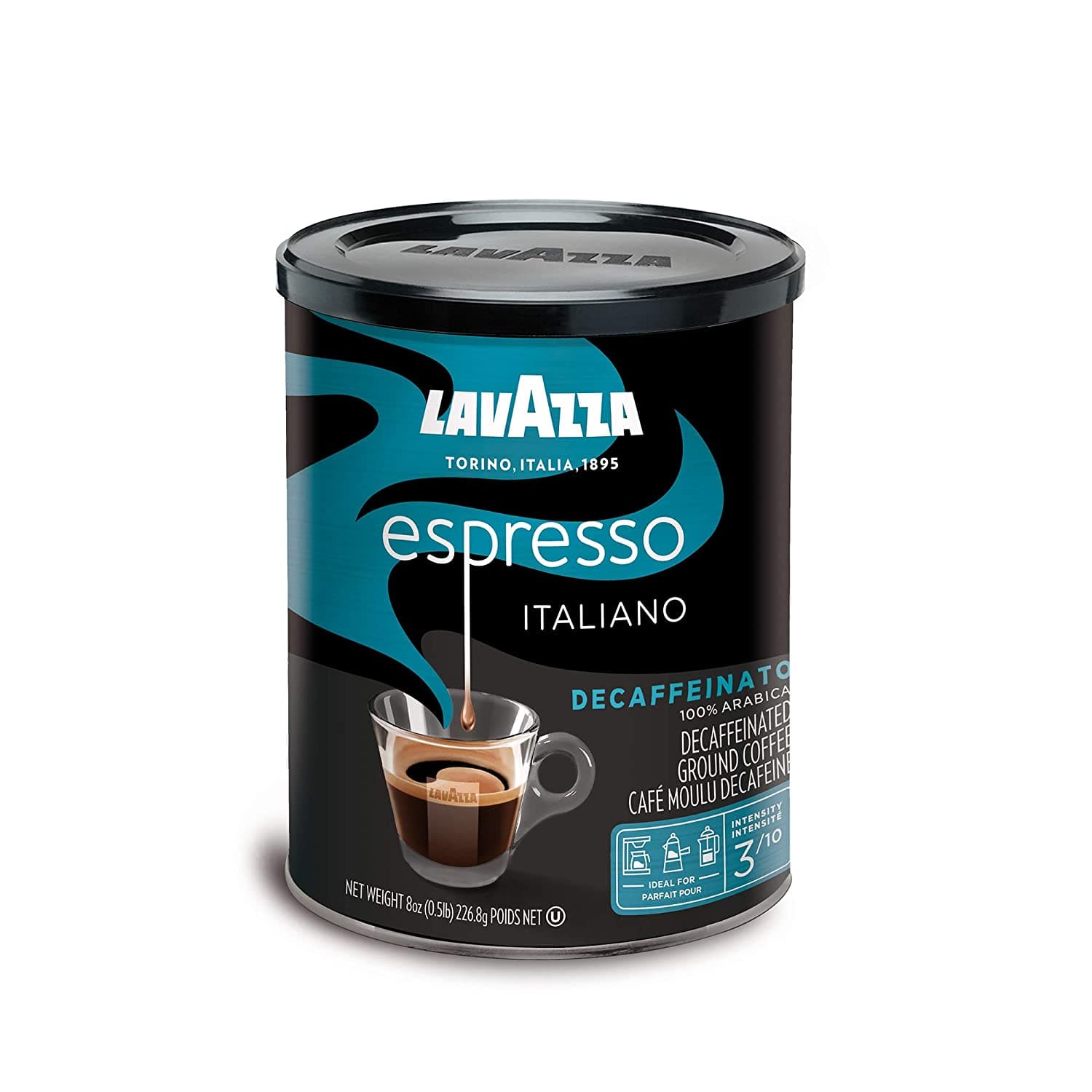
Lavazza
Lavazza Espresso Decaffeinato Ground Coffee Blend, Decaffeinated Medium Roast, 8-Oz Cans (Pack of 4) Authentic Italian, Blended And Roasted in Italy, Non GMO, A Full Bodied with Sweet & Fruity Flavor
$23.84
Medium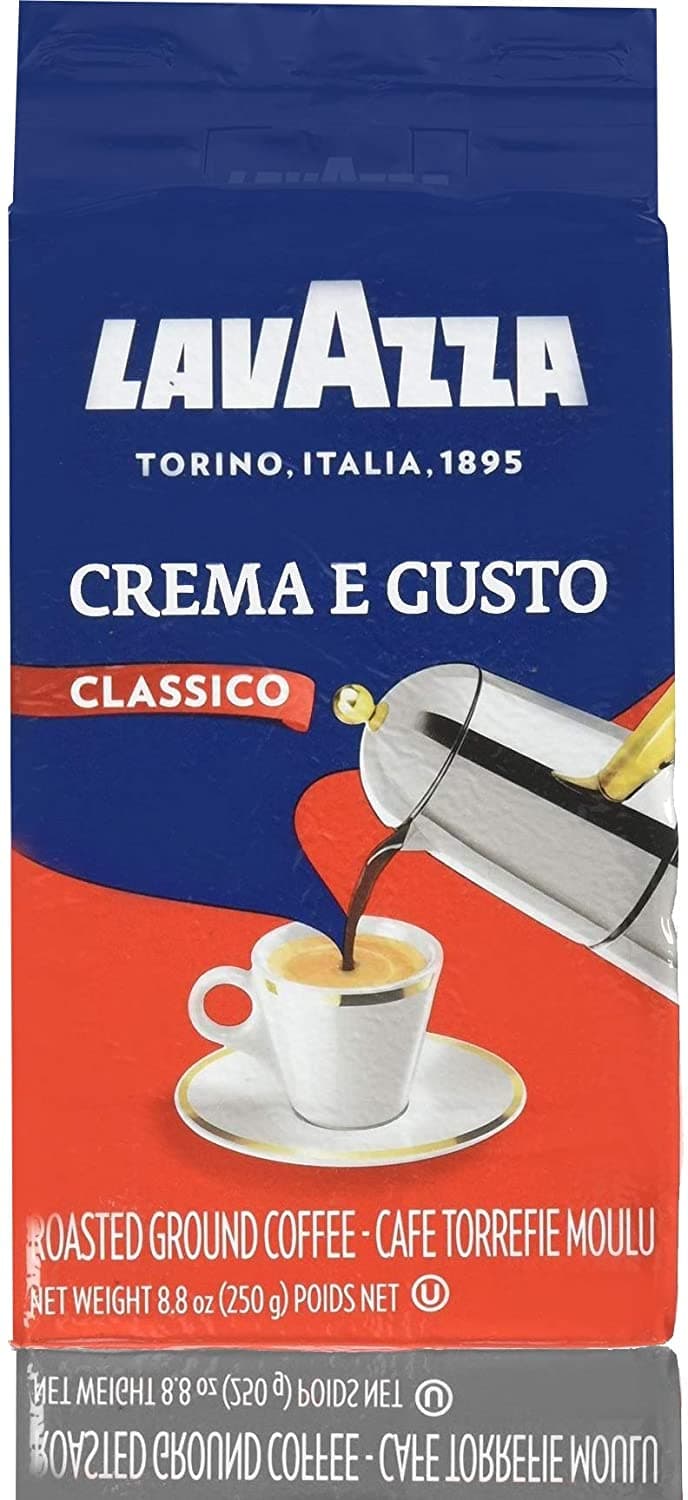
Lavazza
Lavazza Crema e Gusto Ground Coffee 8.80 oz (Pack of 8)
$32.22
Medium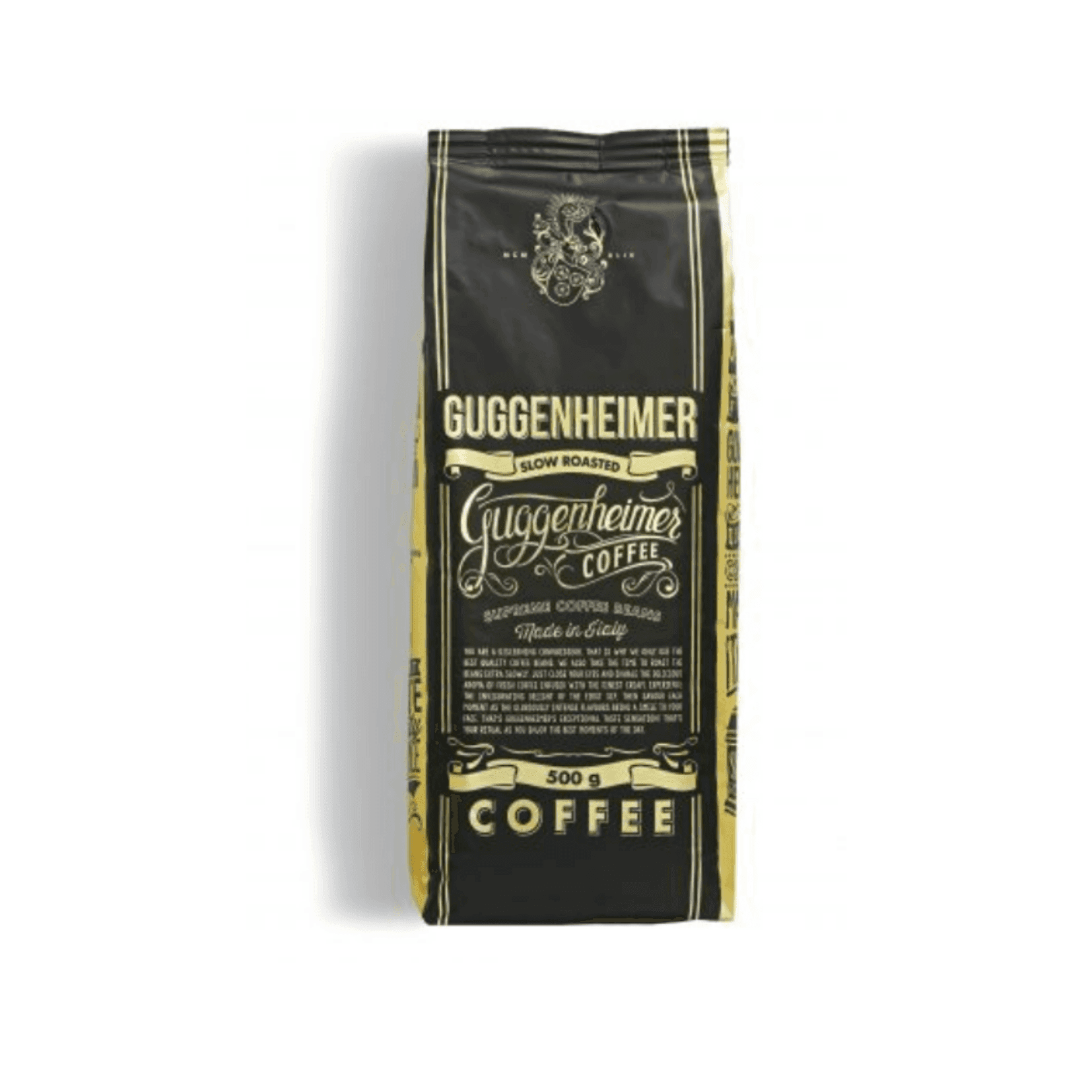
Guggenheimer Coffee
GUGGENHEIMER COFFEE - Supreme Bohnen
$16.99
Medium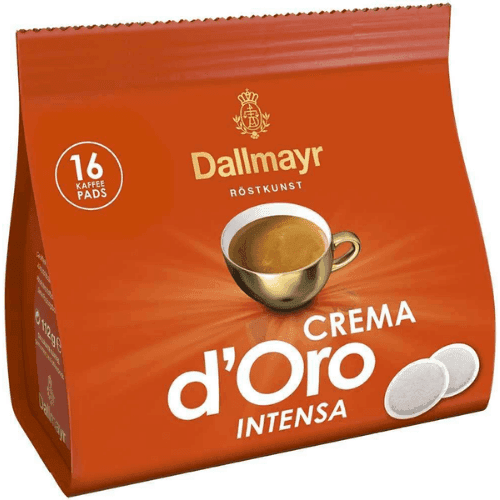
Dallmayr
Dallmayr Crema d'Oro intensa pads
$2.20
Dark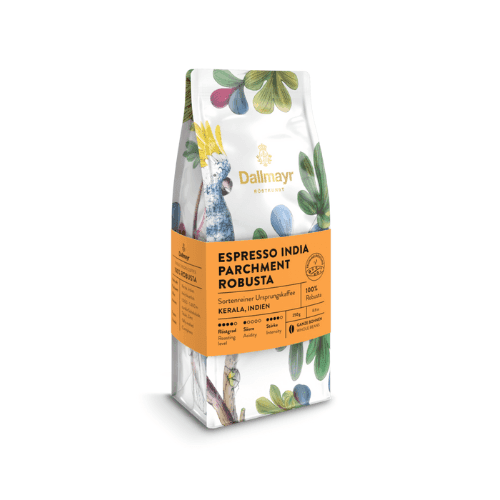
Dallmayr
Dallmayr Röstkunst Espresso India Parchment Robusta
$6.40
Dark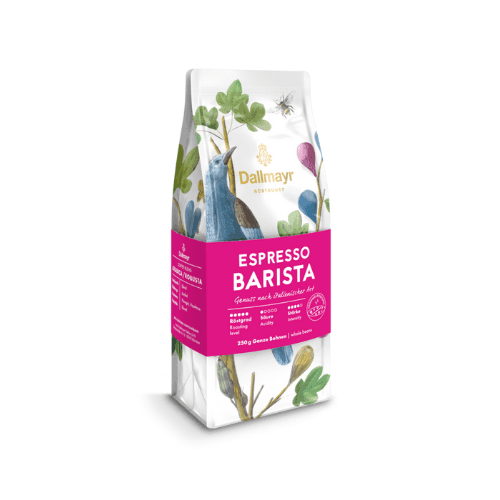
Dallmayr
Dallmayr Röstkunst Espresso Barista
$5.90
Very dark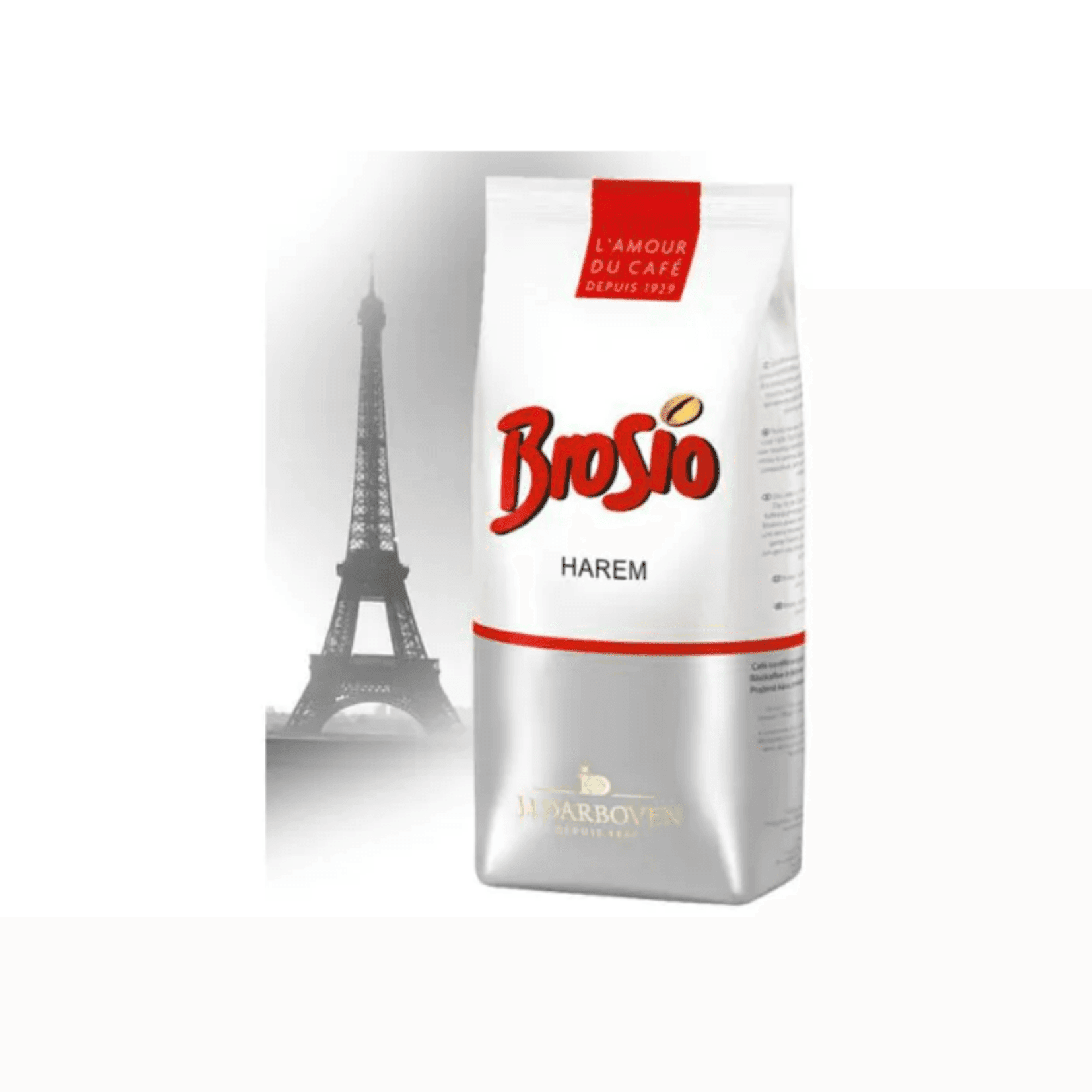
Gourvita Trends
HAREM - von Brosio
$19.50
Medium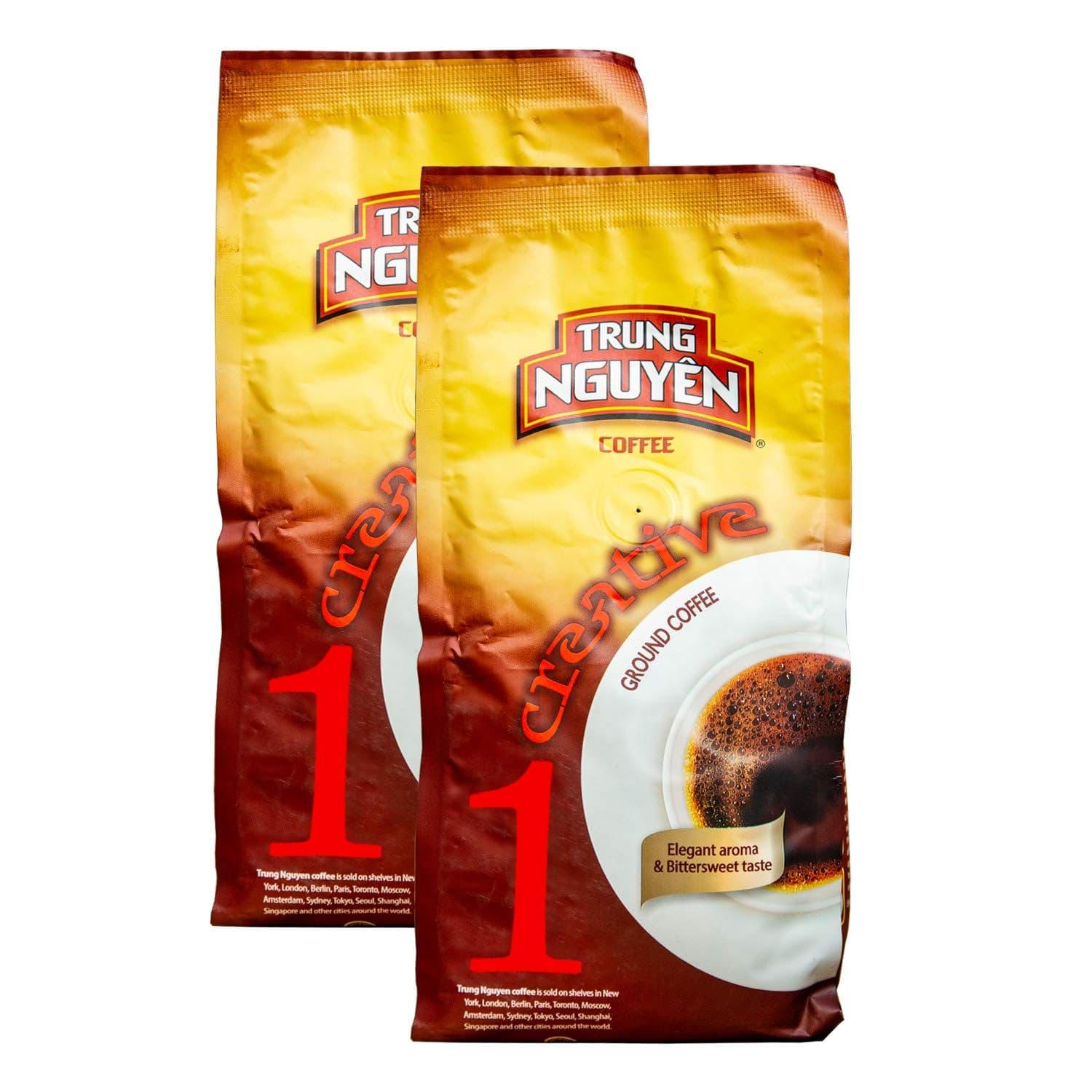
Trung Nguyên
Trung Nguyen Vietnamese Coffee - 2 Pack - Creative 1 Culi Robusta, Brewed in Phin Filter
$17.58
Medium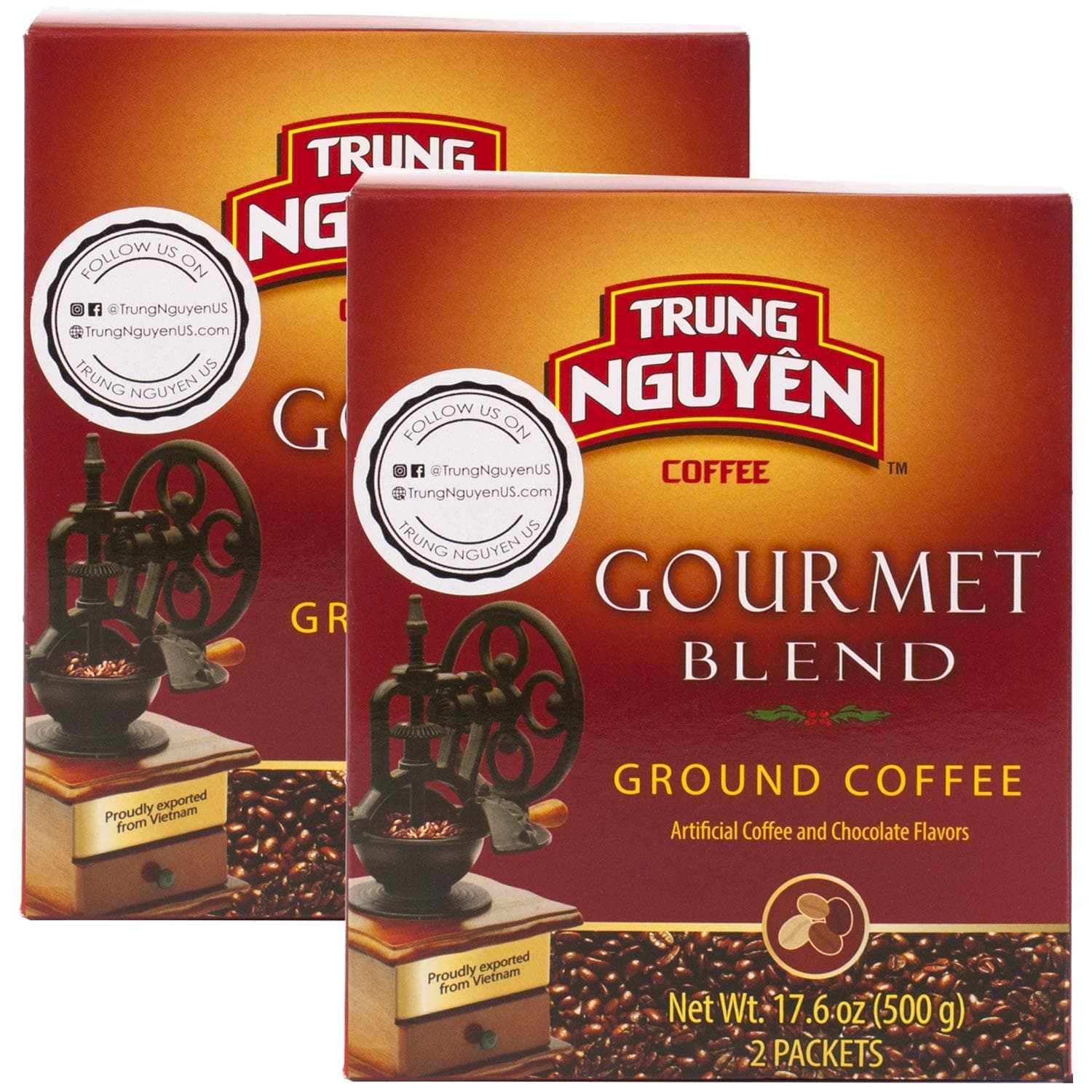
Trung Nguyên
Trung Nguyen - Gourmet Blend - 500 Grams Box (2 Pack) | Vietnamese Coffee Whole Bean, Robusta and Arabica Gourmet Coffee Blend with Fruity Chocolate Overtones, French Roast with Low Acidity
$22.09
Medium
Trung Nguyên
Trung Nguyen Gourmet Blend
$13.44
Medium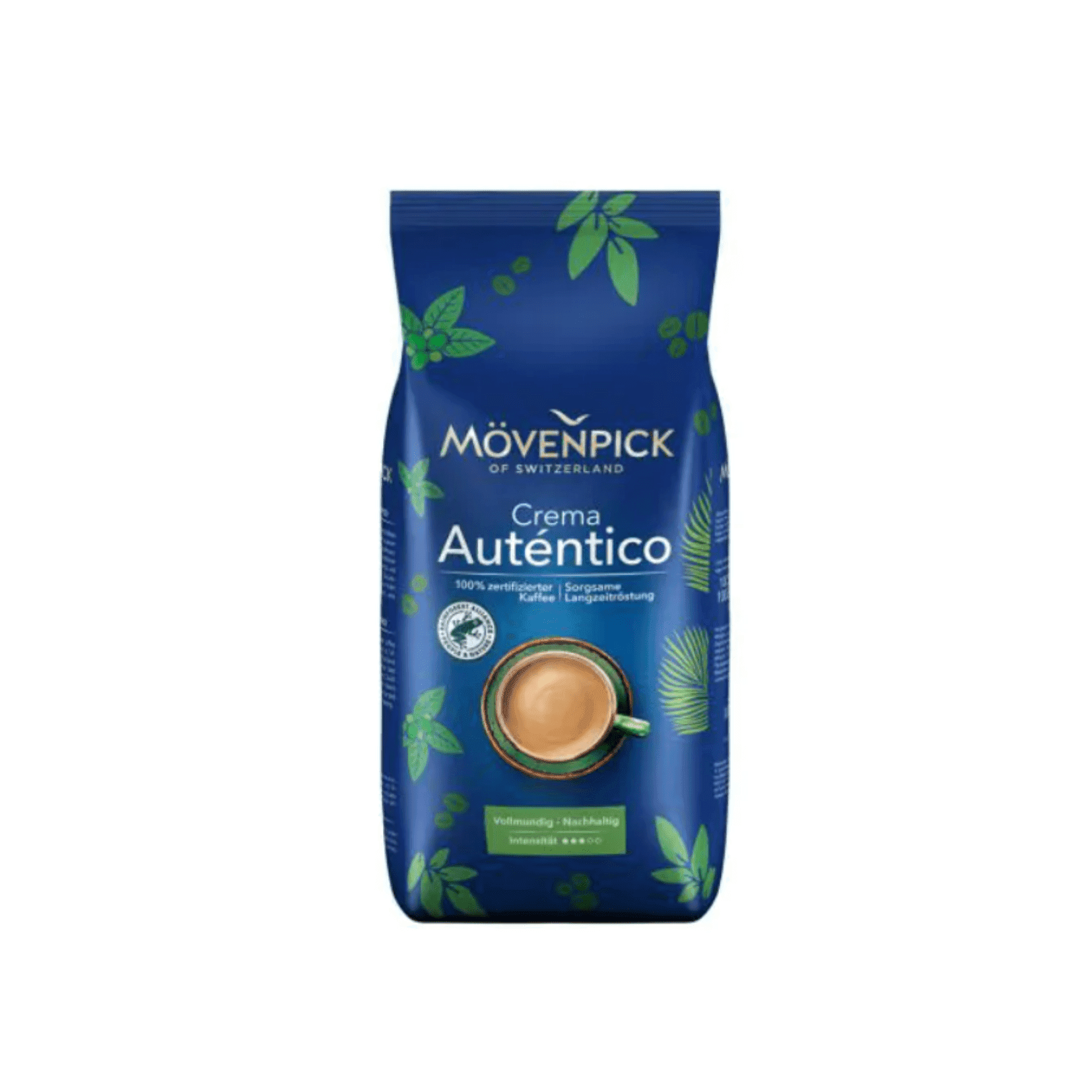
Gourvita Trends
EL AUTENTICO - von Mövenpick
$17.99
Medium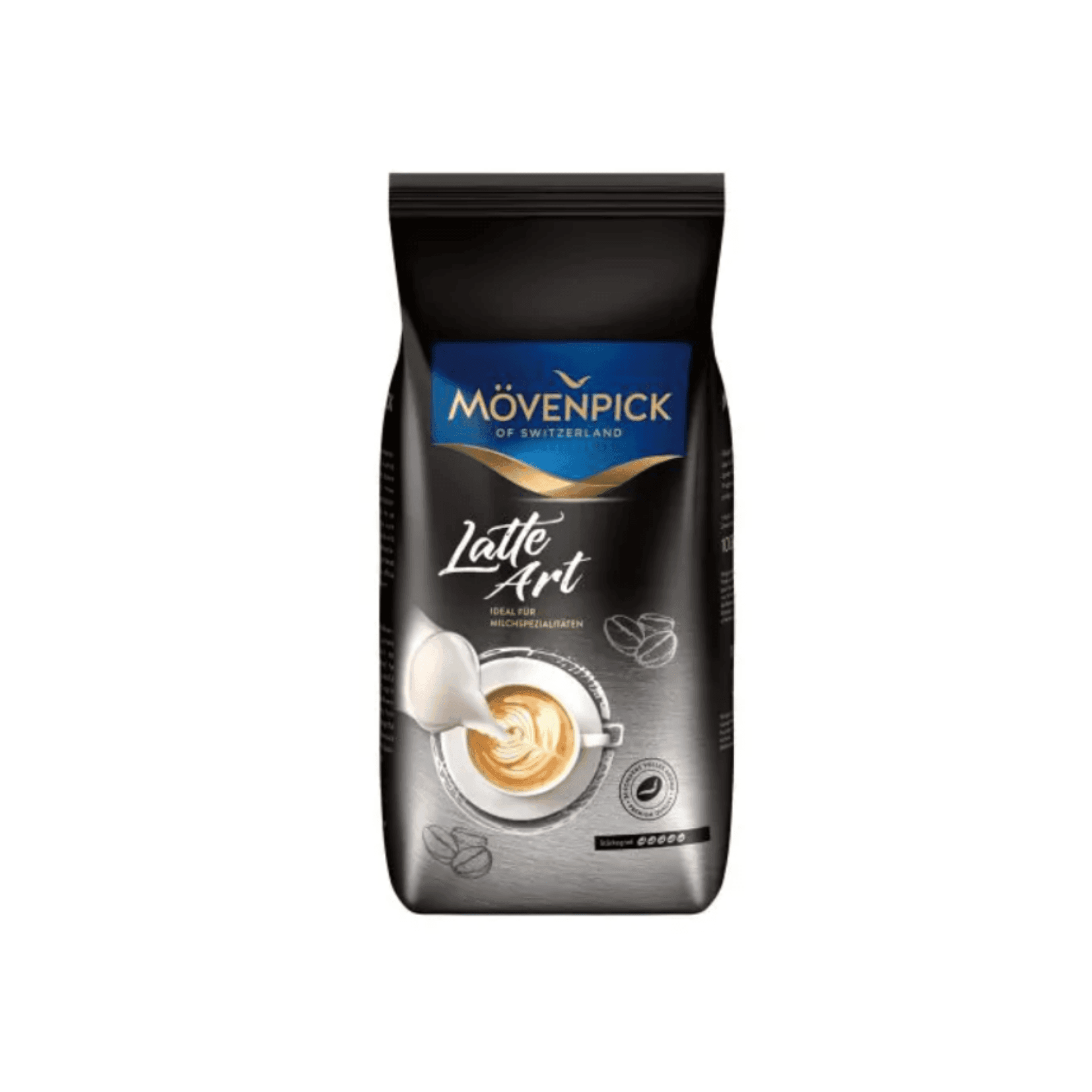
Gourvita Trends
LATTE ART - von Mövenpick
$16.99
Medium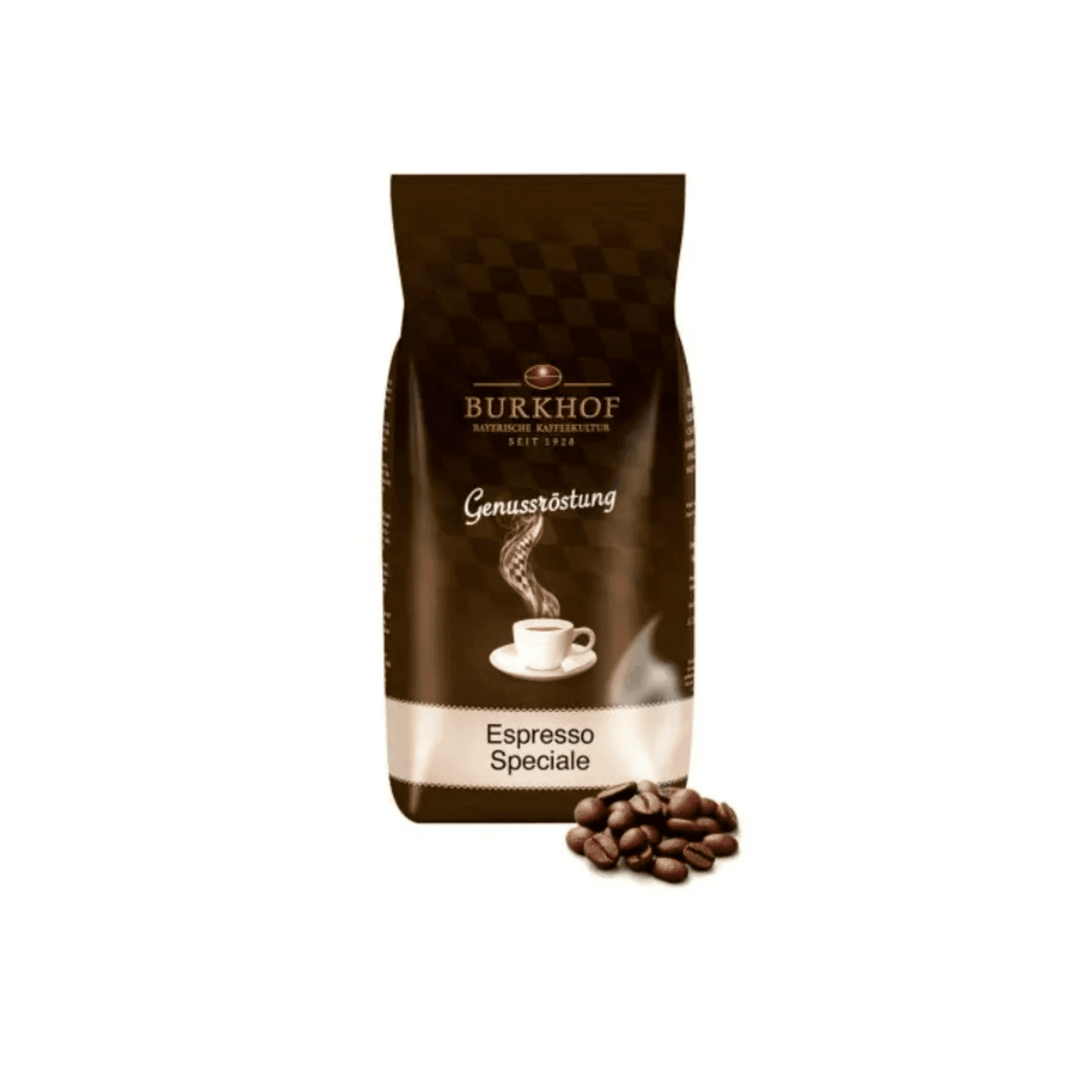
Gourvita Trends
Espresso Speciale - von Burkhof
$17.90
Medium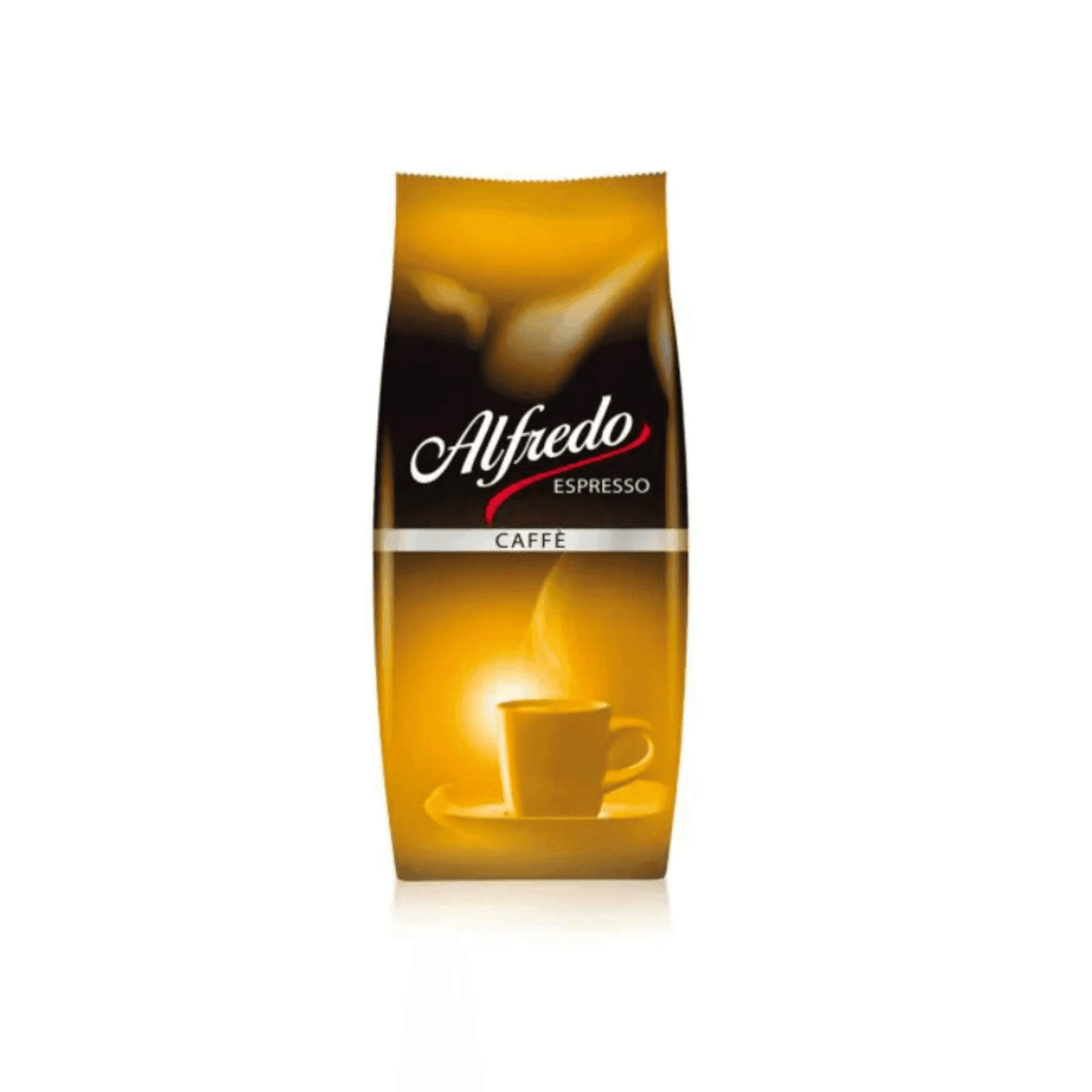
Gourvita Trends
CAFFÉ - von Alfredo Espresso
$22.90
Medium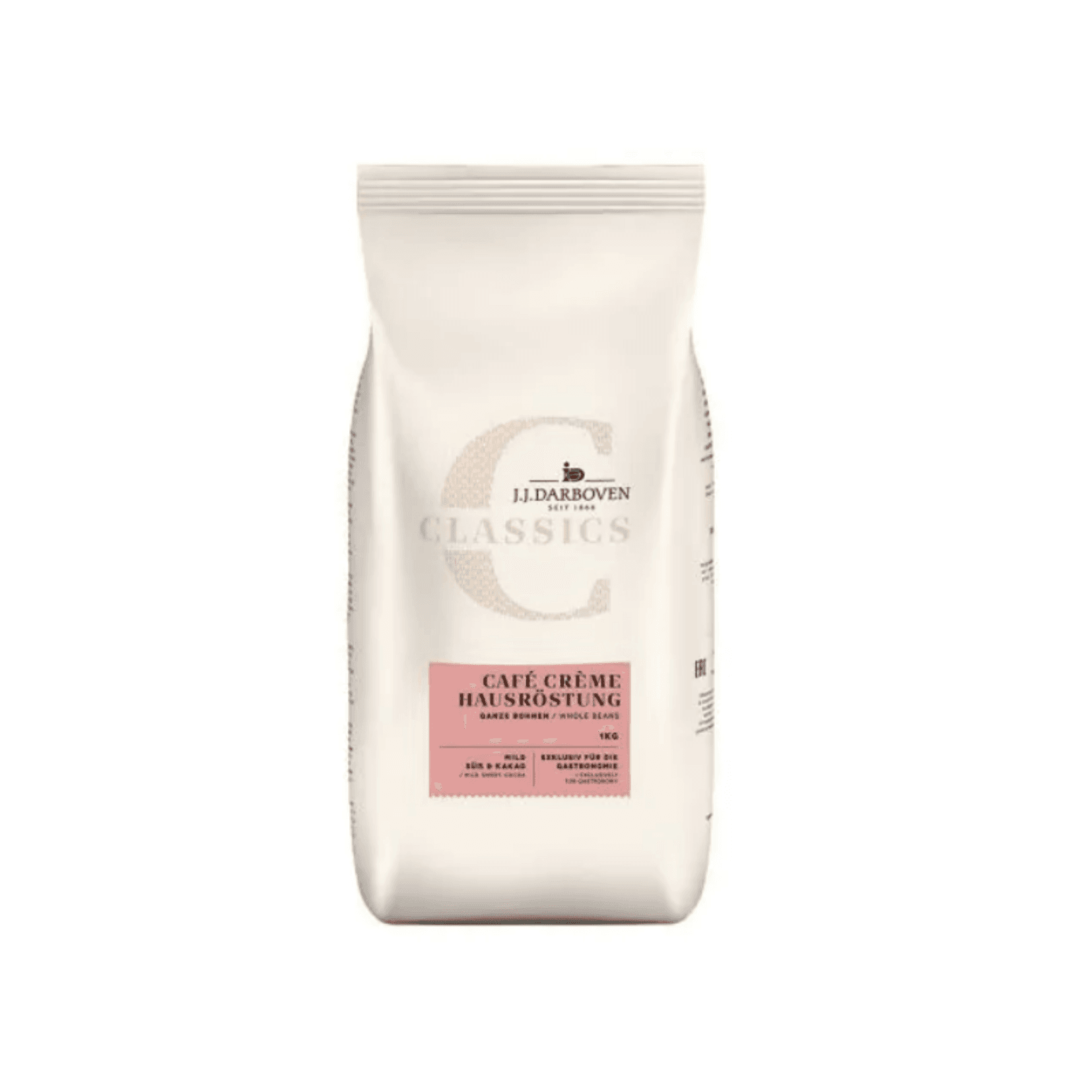
Gourvita Trends
Café Crème Hausröstung - von J. J. Darboven
$15.99
MediumWith over 100 species of coffee beans worldwide, once roasted, almost all coffee beans look the same. Robusta has done well to become the second most popular in the world market.
So What is Robusta Coffee?
Robusta coffee comes from the Conilon coffee plant, native to Central and West Africa, accounting for 40% or more of world coffee production. It is commonly used for espresso shots because it contains twice as much caffeine as Arabica coffee beans.
It is classified as a flowering plant species of the Rubiaceae family, widely known as Coffea Robusta from the Coffea Canephora plant. The big growing regions are Africa and Brazil until recently Vietnam became the world's largest exporter of robust coffee.
After Coffee Arabica, Robusta is the second most popular coffee in the world today. Robusta coffee is produced by the hemp plant Coffea, which was originally grown in western and central parts of sub-Saharan Africa. About 40% of the world's coffee consumed every day is Coffee Robusta. When combined with Coffee Arabica, these two products account for between 95% and 99% of the beans purchased each year. This is an impressive fact, given that there are over 100 different coffee species currently growing in the world today.
Robusta Coffee Beans
Robusta is a species of flowering plant in the Rubiaceae family. Although widely known as Robusta Coffee, the plant is currently scientifically identified as Coffea Canephora, which has two varieties, C.C.Robusta and C.C. Nganda. The plant has a shallow root system and grows as a robust tree or shrub to about 10m in height. It blooms irregularly, lasting about 10 - 11 months until the cherries ripen producing oval-shaped beans.
The robust plant has a higher crop yield than arabica, contains more caffeine (2.7% compared to 1.5% arabica), contains more caffeine (2.7% compared to 1.5% arabica), and contains less sugar (3-7% compared to 6-9% arabica). Because it is less susceptible to pests and diseases, robusta needs far fewer herbicides and pesticides than arabica.
Originating from the mountain forests of Ethiopia, C. Canephora grows natively in West and Central Africa, from Liberia to Tanzania and South to Angola. It was not recognized as a Coffea species until 1897, over a hundred years after Coffea Arabica. It is also naturalized in Borneo, French Polynesia, Costa Rica, Nicaragua, Jamaica, and the Lesser Antilles. In 1927, a hybrid between arabica and robusta was found in Timor. This strain was later used to grow rust-resistant plants.
Cultivation And Use
Robusta coffee is made from the coffee beans of the plant called Coffea canephora, which is a sturdy species that have low acidity and high bitterness. The Coffea canephora beans are also known as Coffea robusta which is primarily used in instant coffee, espresso, and as a filter in ground coffee blends. The origins of Robusta are found in central and sub-Saharan Africa. Robusta coffee is easy to take care of, has a greater crop yield, has almost double the amount of caffeine and antioxidants, and is less susceptible to disease than Arabica coffee.
Robusta represents 43% of global coffee production, followed by Arabica with the remaining remainder except for the 1% of Coffea liberica. Robusta is mostly grown in Vietnam, where French colonists introduced it in the late 19th century. However, Robusta is also grown in India, Africa, and Brazil, where it is often called conilon. In recent years, Vietnam has become the main producer of Robusta and it is the largest exporter of robusta coffee. The total production Vietnam produces for the world is more than 40%.
Vietnam surpasses Brazil, which is only 25% of the world’s production, Indonesia with 13%, India with 5%, and Uganda with 5% as well. However, in the case of Brazil, the country is the biggest coffee producer in the world for arabica coffee, which is 69%.
Robusta is easy to take care of and is also cheaper to produce than arabica. The robusta beans make a strong, full-bodied coffee that has a distinctive earthy flavor. Besides, robusta is more bitter than arabica due to its pyrazine content. Meanwhile, the arabica beans are considered to have a smoother taste with more acidity and a richer flavor. They are often regarded as superior, while the harsher robusta is mostly used as a filler in lower-grade coffee blends. Besides, in Italian coffee culture, the desirable coffee flavor is perceived in strength and finish. In traditional Italian espresso blends, only the excellent quality robusta is used, which provides a full-body taste with a better crema.
What Does Robusta Coffee Taste Like?
Robusta coffee has an earthy taste and is often said to have a bitter, rubbery/bean-like aroma with a peanut flavor. Sounds unattractive, doesn't it? But these flavors are not always present and, if they exist, they may not always be unpleasant. It could depend a lot on the quality of the beans and how they are fried. For example, I tried some robust Cannonball Coffee and, while the beans smelled of earth, kind of like raw potatoes - I didn't notice that they went into the aroma of brewed coffee. Once prepared, it shrinks more like molasses. It had a bitter aroma, but bitter is not always a bad thing, especially if you are a fan of dark bitter chocolate, which I tasted in this coffee.
Robusta coffee beans contain more caffeine, and less sugar than arabica beans and therefore have a more robust and harsher taste than arabica.
Is Robusta Coffee Good?
At this point you may be wondering if robusta tastes good - it is said that high-quality robusta adds depth of flavor to an arabica/robusta mixture and a beautiful cream to espresso blends. But the lower robusta is often described as having a taste like burnt rubber.
In espresso land (yes - I mean Italy), high-quality robusta is desired due to the cream and flavors it adds to the espresso.
So, if you like the notes of harsher and more earthy flavors, you might like a little robust in your blend. Or, if you want a thick and pleasant cream on espresso, then a high-quality robust could do just the trick.
What Is Robusta Coffee Used For?
Most of the coffee you drink daily is Arabica, including the coffee you buy at a local grocery store, but robusta is used in many ways you wouldn't think of.
- Robusta coffee beans are used for instant coffee due to their higher caffeine content and more robust taste. Instant coffee is the dry coffee extract, obtained by preparing ordinary coffee at a more concentrated level.
- For low-quality Arabica Coffee and 15% of Italian roasting blends, Robusta Coffee is used as a filling.
- Espresso shots used robusta coffee for the higher caffeine content, we all love caffeine hits in the morning.
Caffeine Profile Of Coffee Robusta
When you see comparisons between Robusta and Arabica coffee online, the main point is often the difference in caffeine content. With Coffee Robusta, you will get a bean that can have up to 2.7% caffeine in volume. This is about double what the average Arabica bean offers.
The higher caffeine content makes the Robusta plant such a survivor. The added caffeine creates the extra bitterness you find with this berry, which makes most pests leave it alone. There are also antimicrobial properties found with the bean, which reduces the impact of the disease on the plant.