
Kenya
Despite the fact that Kenya is a neighbor to Ethiopia, the home of coffee, they started the production relatively late. The earliest documentation for coffee import dates back to 1893 when French missionaries brought th…
85 products
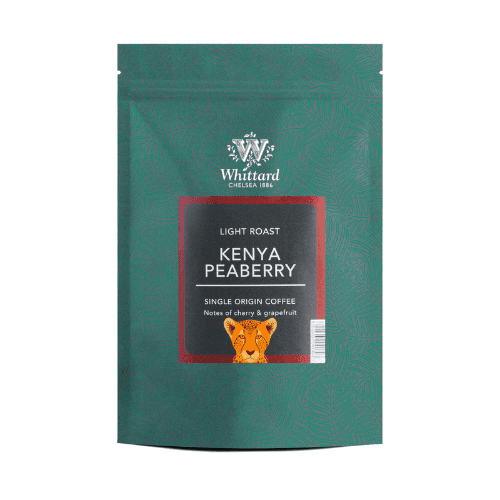
Whittard
Kenya Peaberry Coffee
$5.50
Light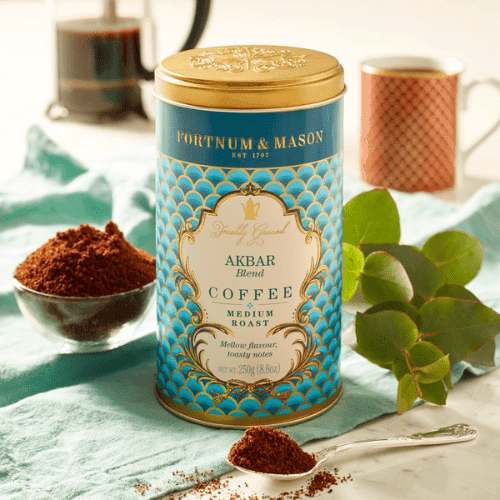
Fortnum & Mason
Akbar Blend Coffee, 250g Tin
$15.23
Medium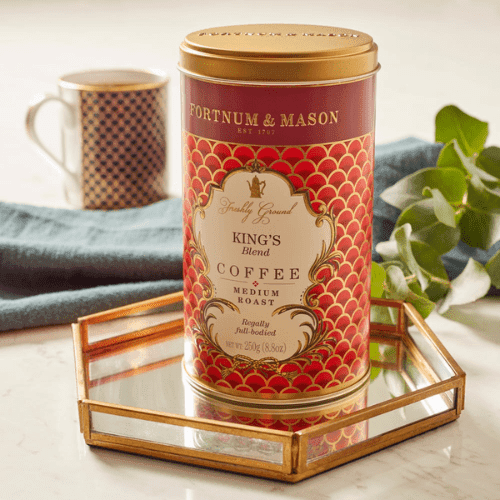
Fortnum & Mason
King's Blend Ground Coffee, 250g
$15.23
Medium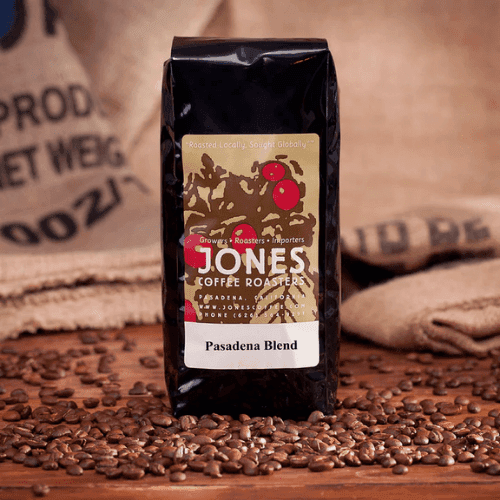
Jones Coffee Roasters
Pasadena Blend
$18.55
Medium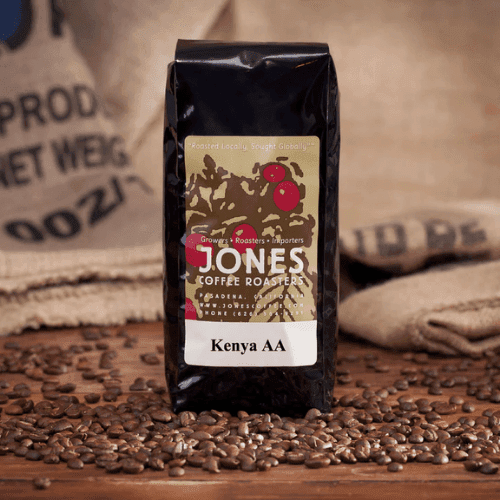
Jones Coffee Roasters
Kenya AA
$19.69
Medium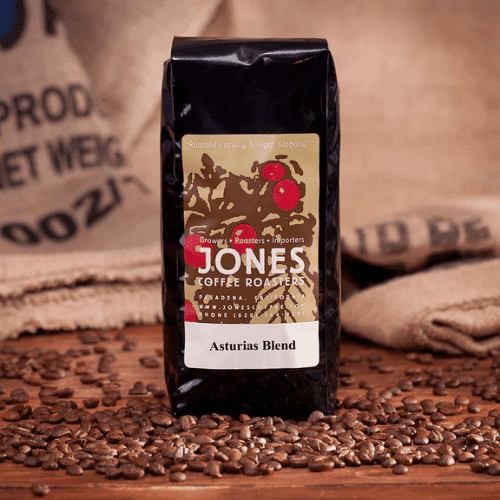
Jones Coffee Roasters
Asturias Blend
$18.45
Dark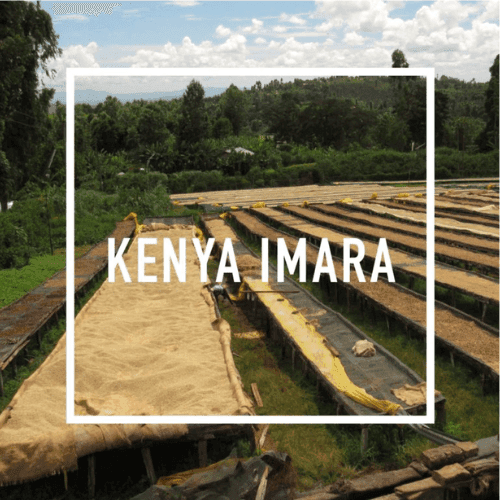
Daybreak Coffee Roasters
KENYA IMARA
$21.99
Medium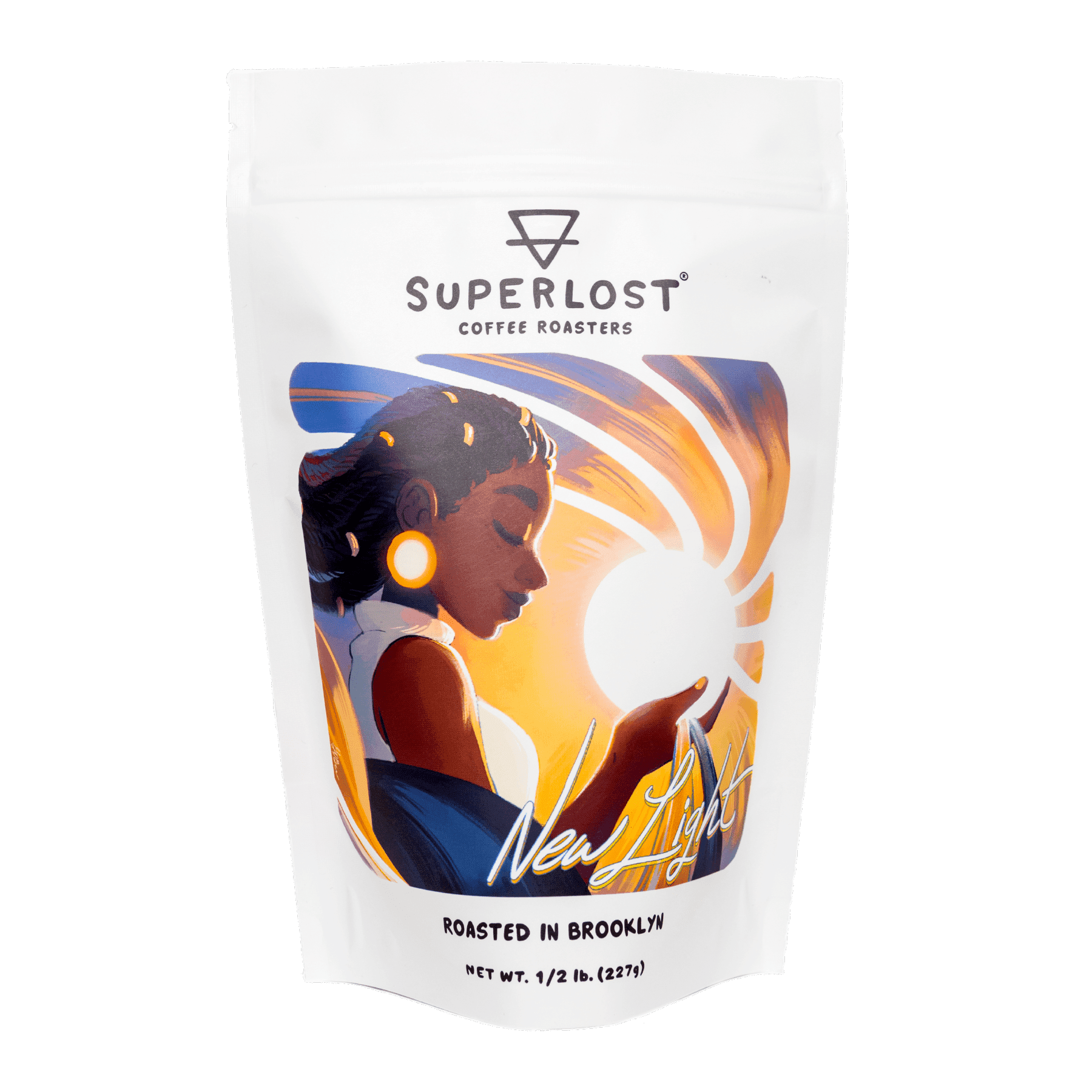
Superlost
New Light | Light Roast Ethiopia Case of 6
$52.77
Light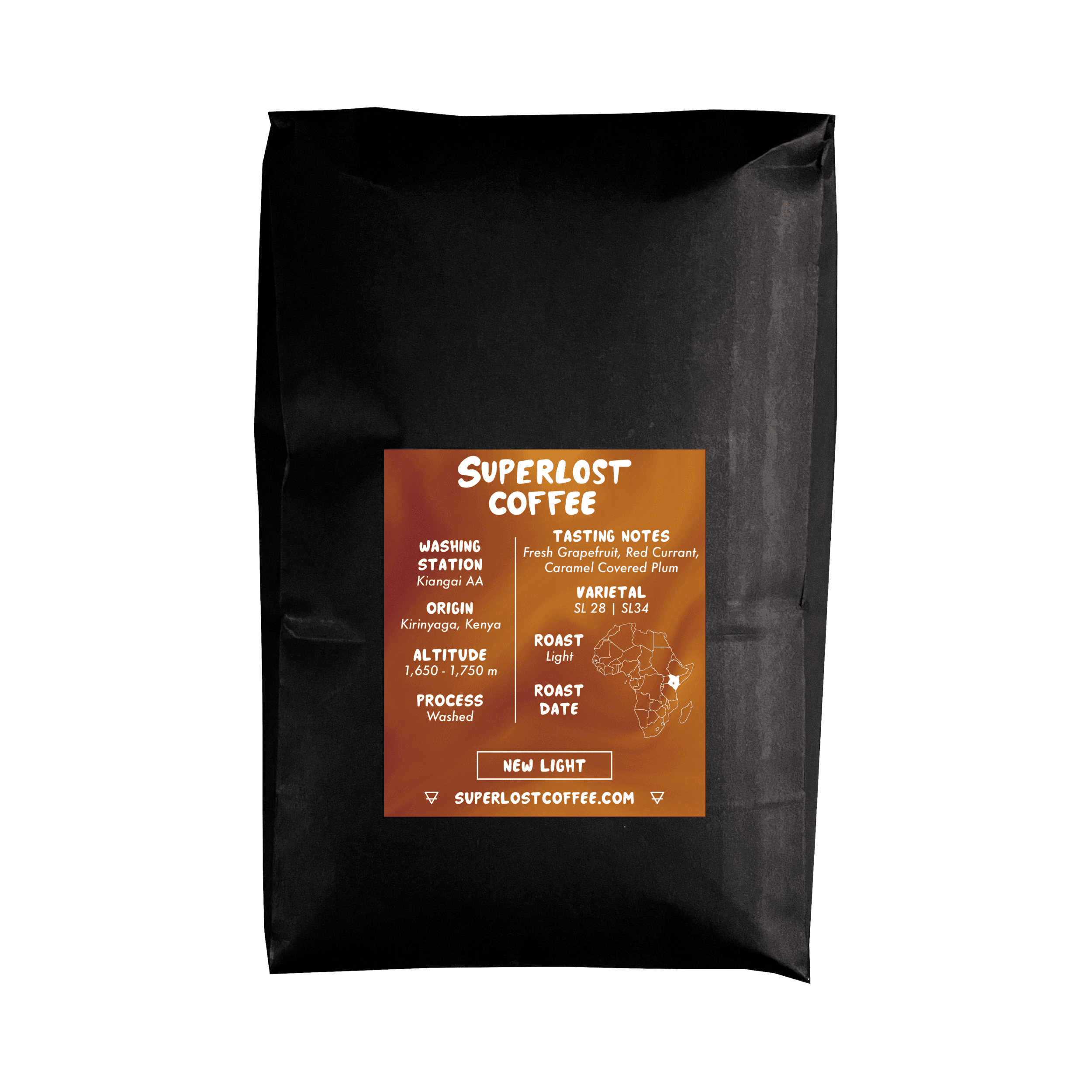
Superlost
Wholesale New Light
$19.19
Light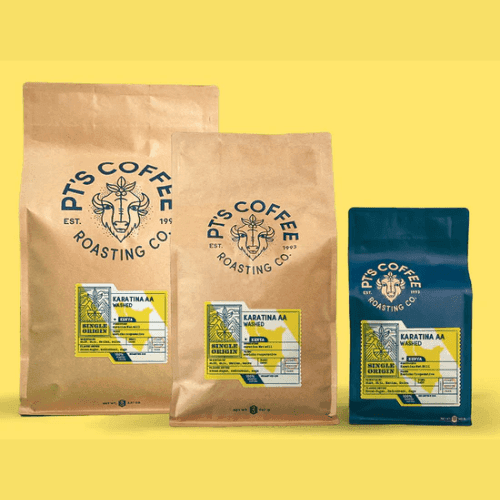
PT'S Coffee
Karatina AA Washed
$22.08
Medium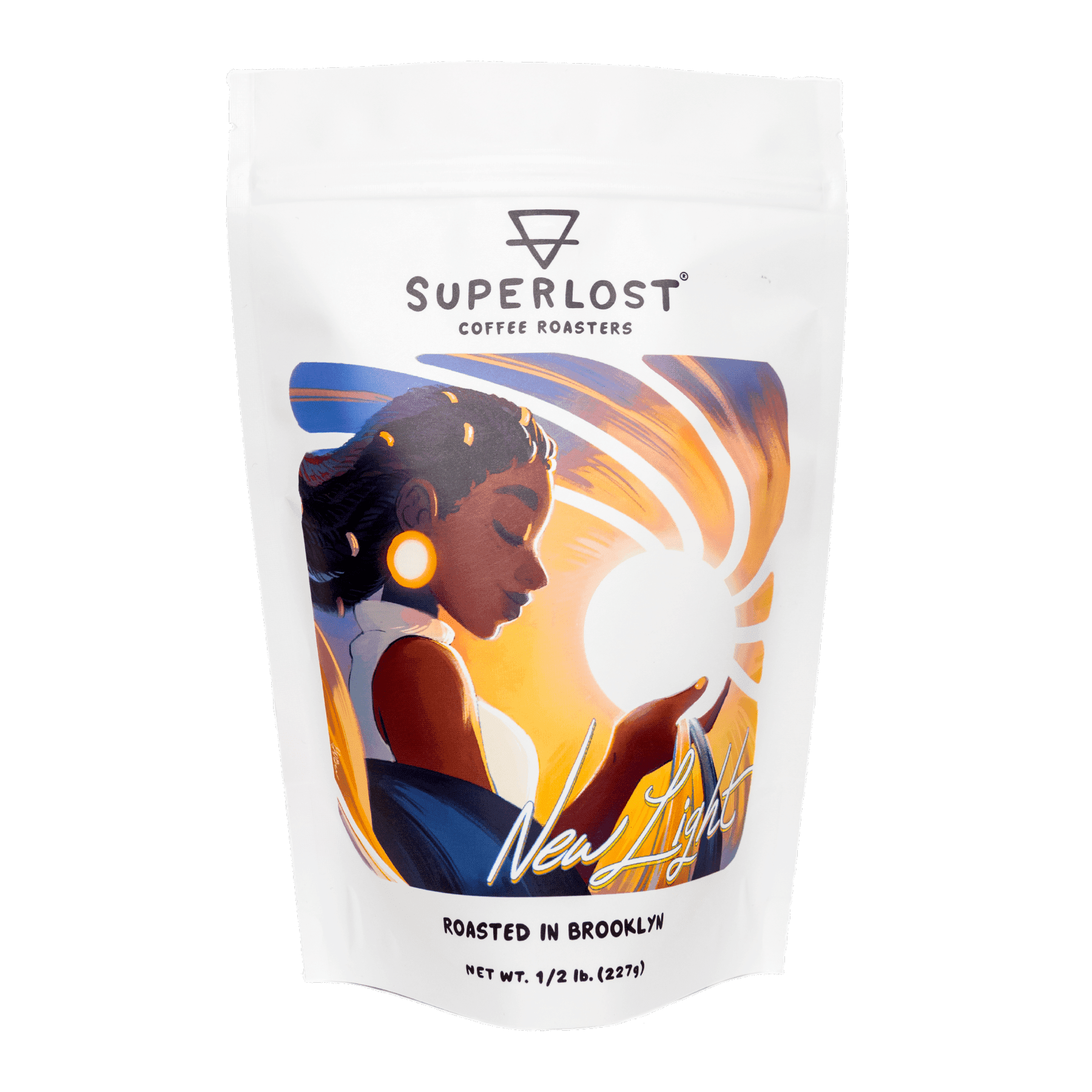
Superlost
New Light | Light Roast Ethiopia
$15.35
Light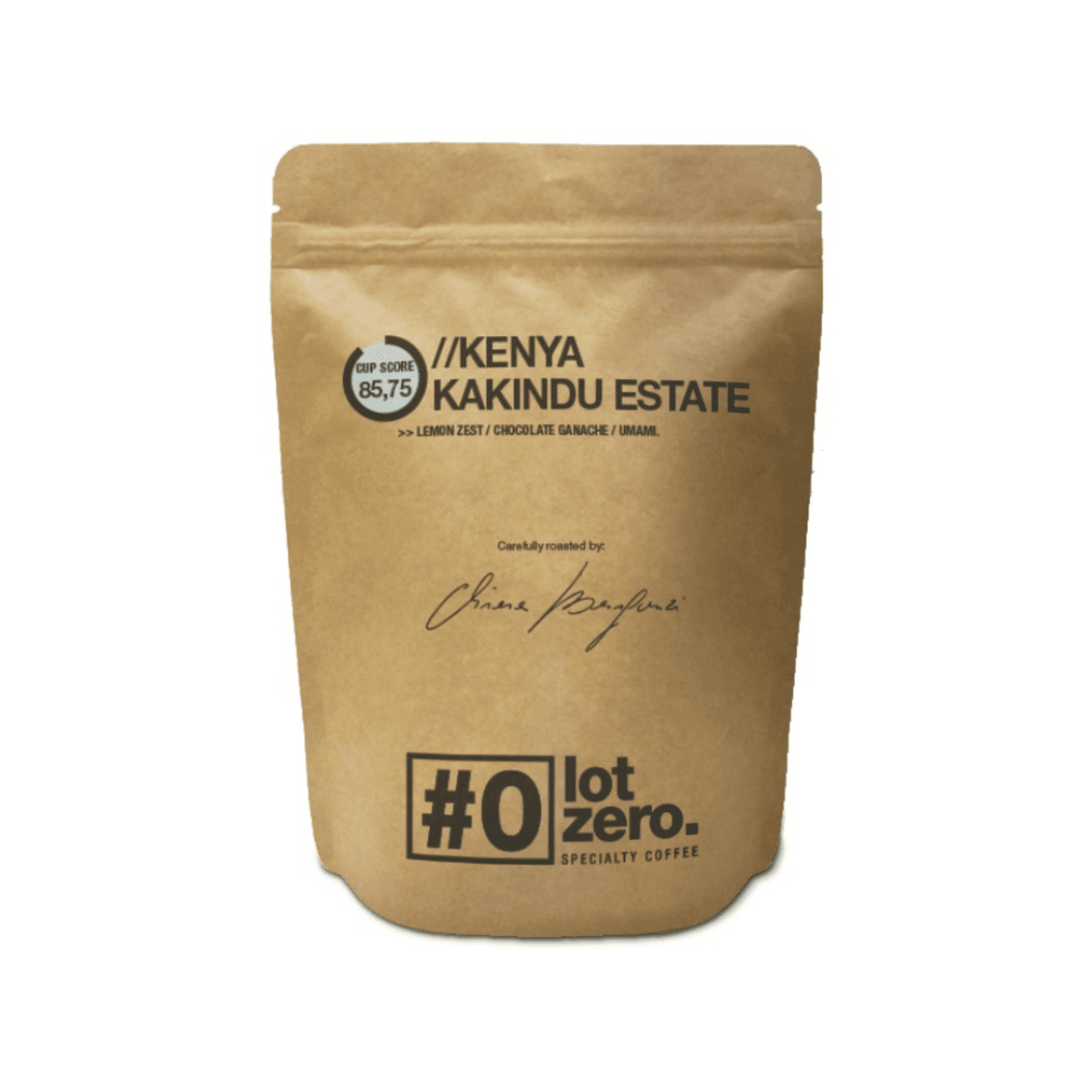
7Gr. Kaffee
GRANI L0 SPECIALTY KENYA KAKINDU ESTA BUS
$17.70
Medium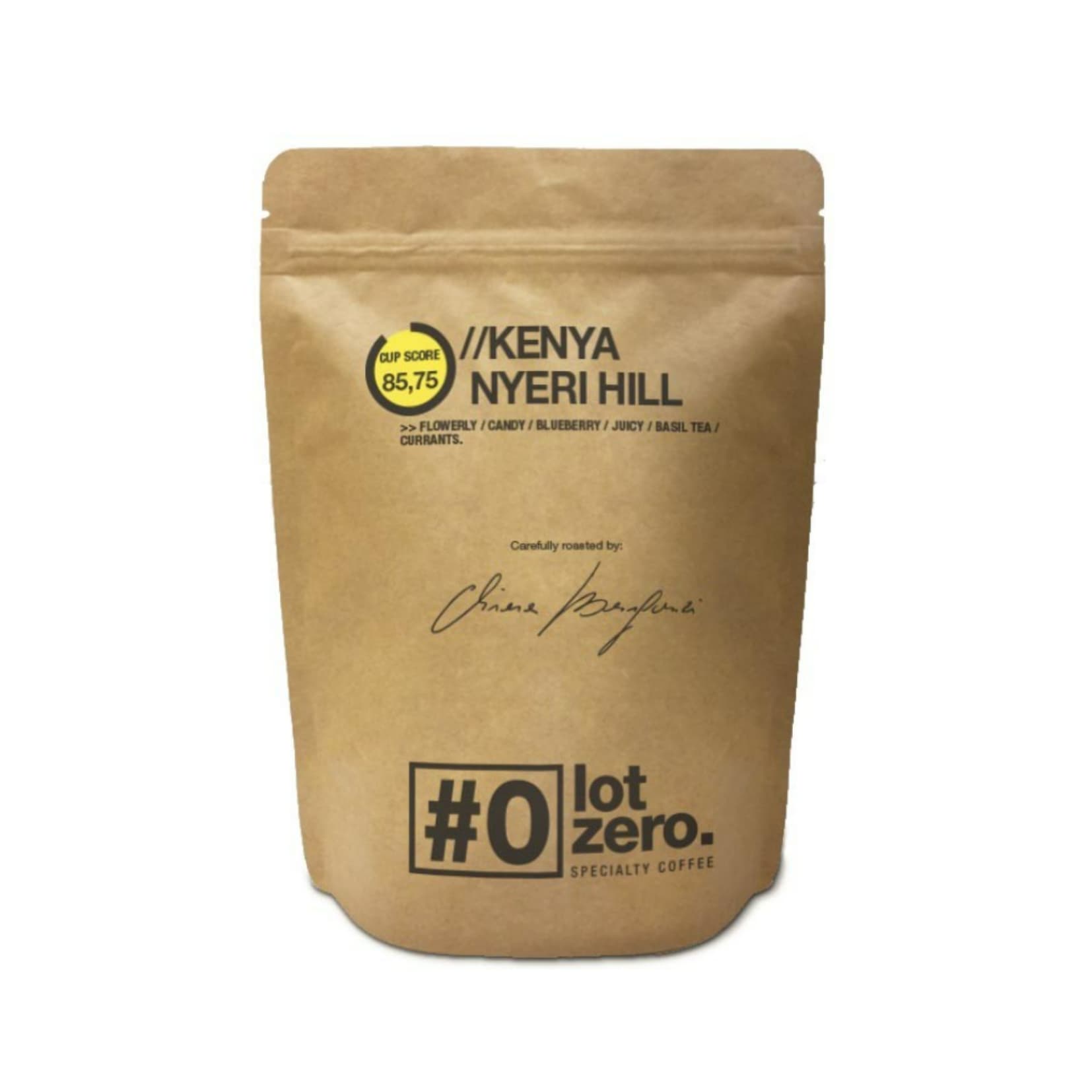
7Gr. Kaffee
GRANI L0 SPECIALTY KENYA NYERI HILL AA BUS
$16.80
Medium
Steadfast Coffee
SWISS WATER DECAF - KENYA
$18.05
Medium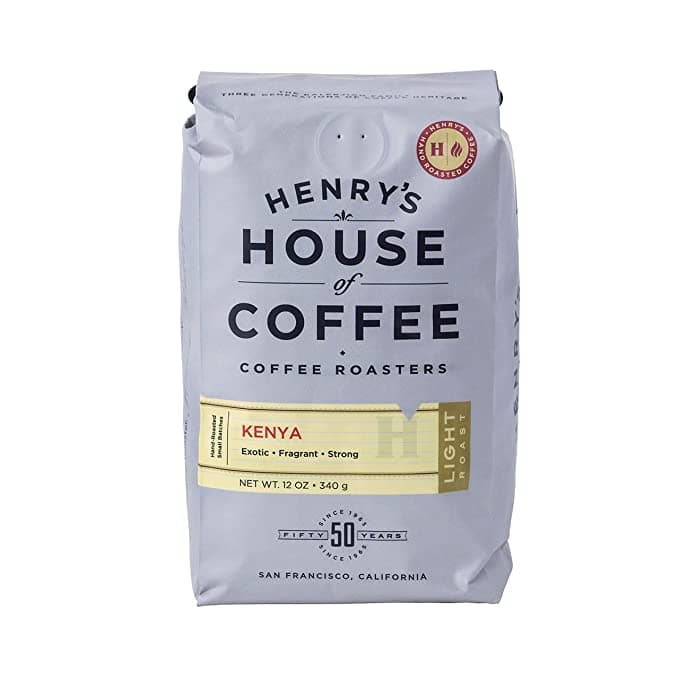
Henry's House of Coffee
Kenyan Coffee
$18.98
Light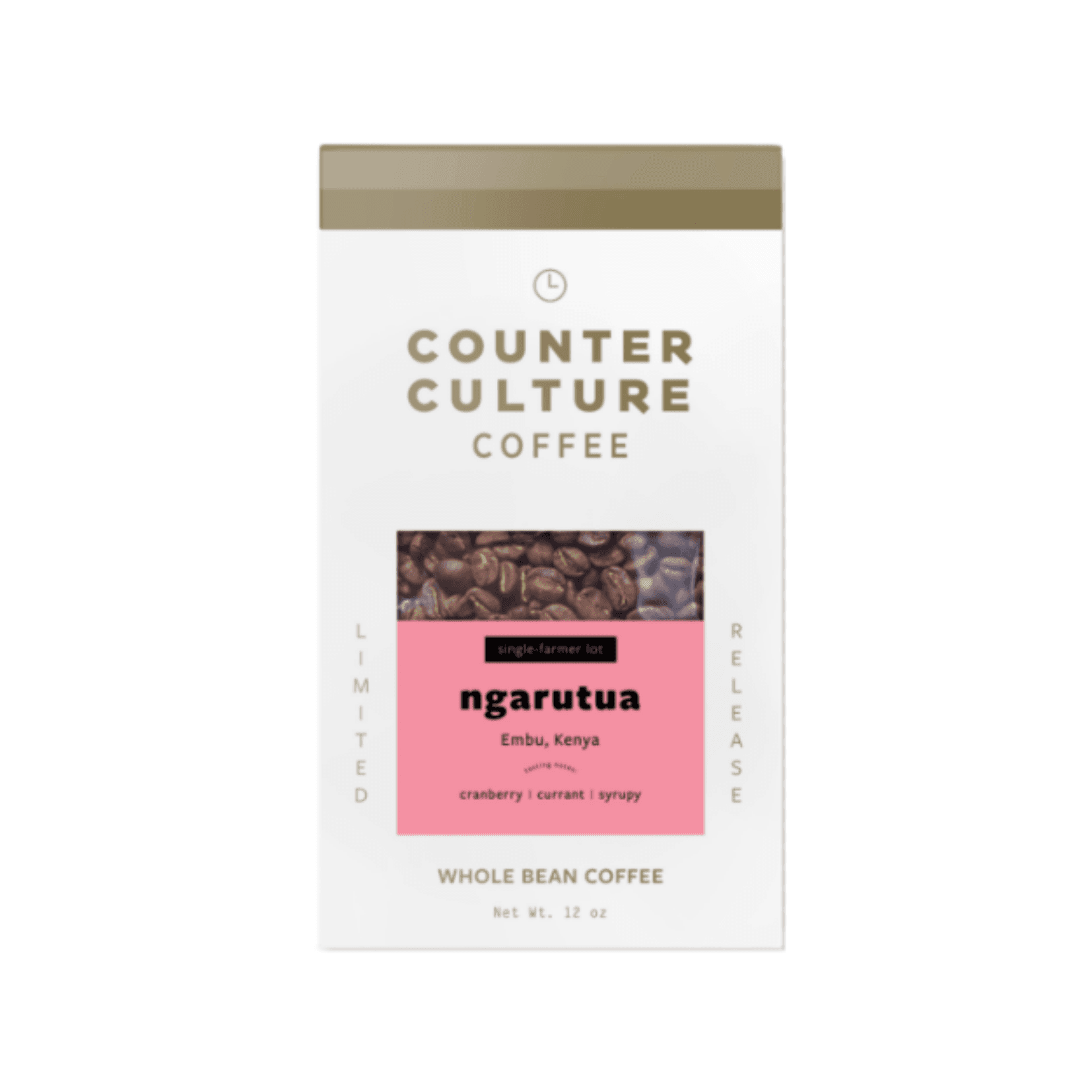
Counter Culture
Ngarutua
$22.81
Medium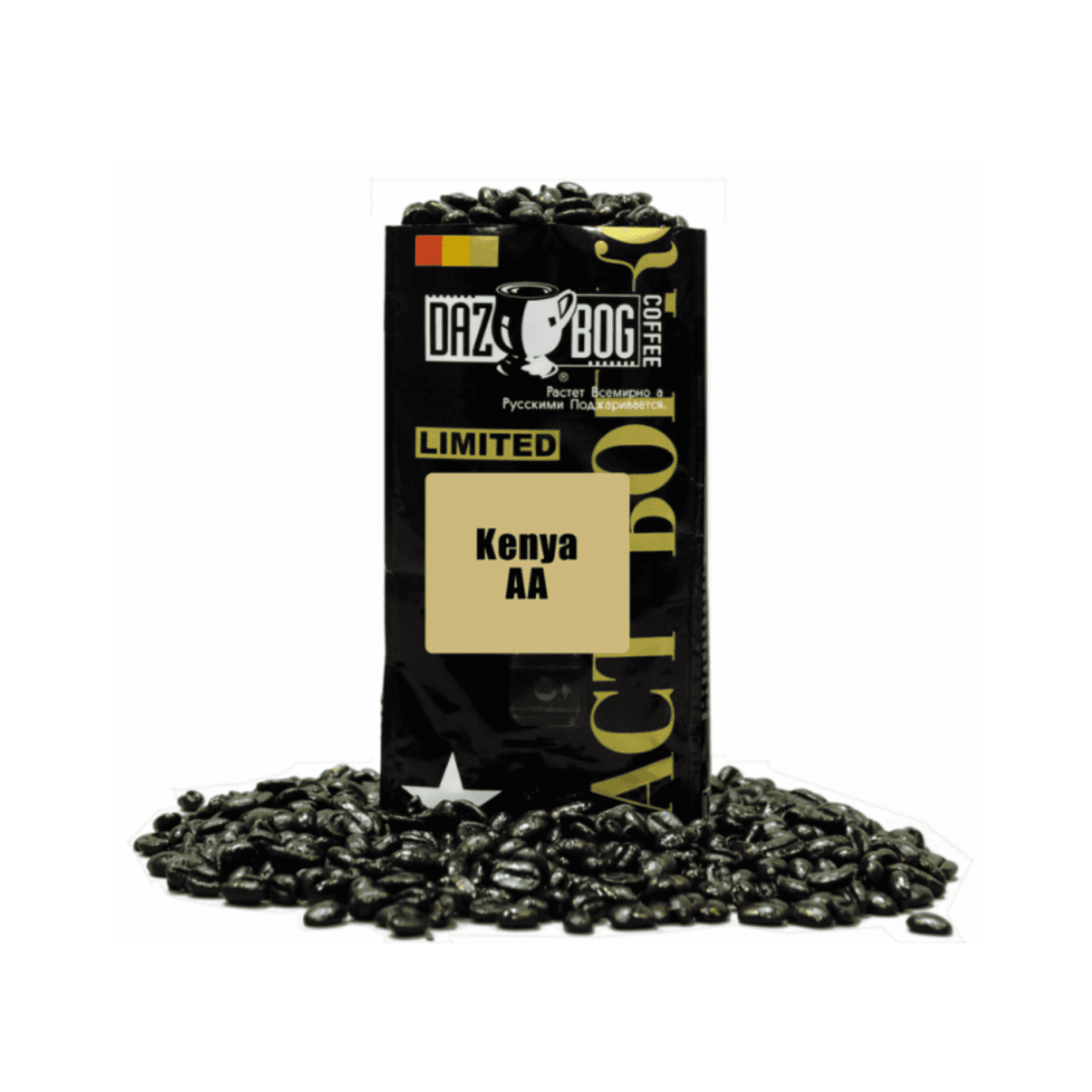
Dazbog
Kenya AA – LIMITED - Dazbog
$16.83
Medium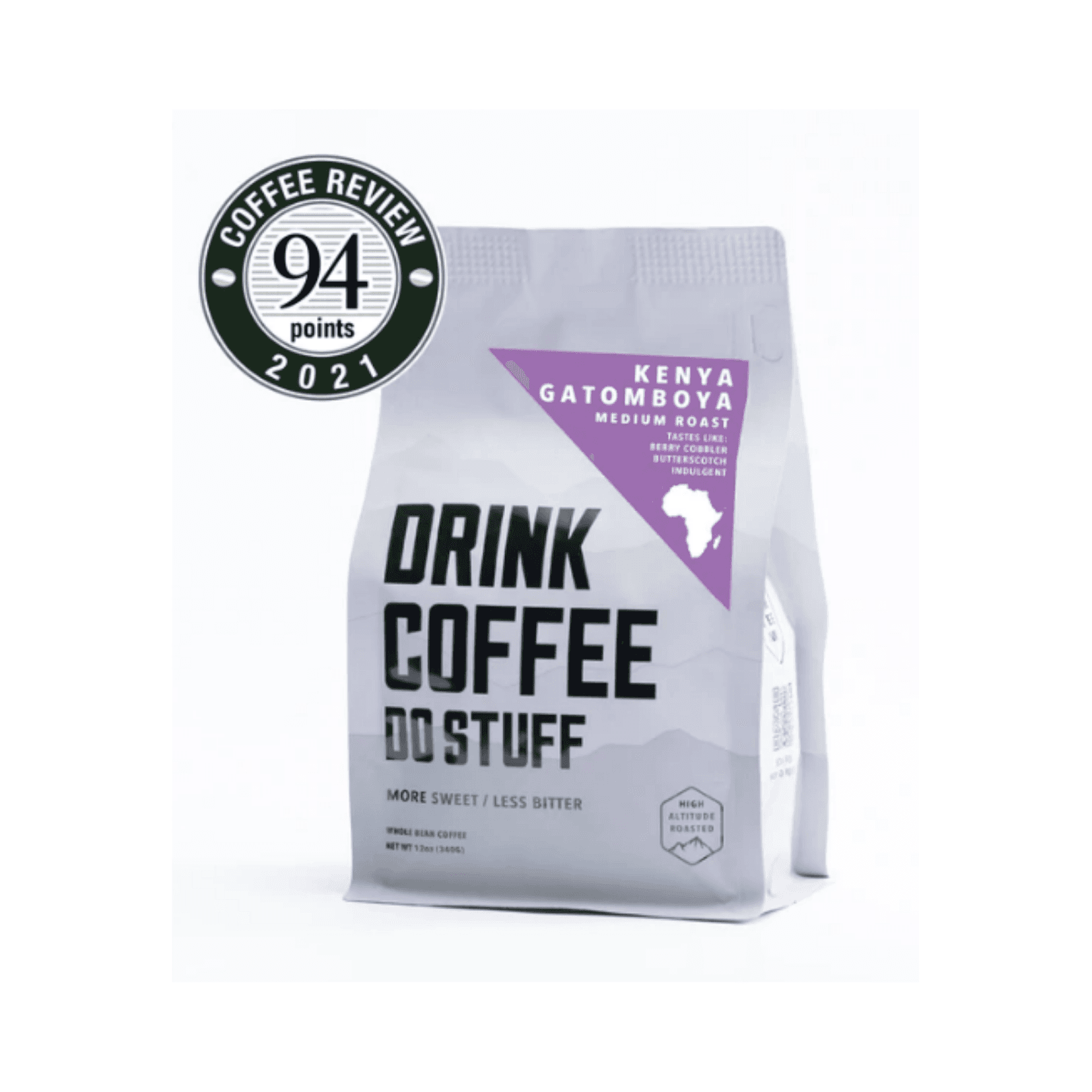
Drink Coffee Do Stuff
KENYA GATOMBOYA — LIMITED EDITION
$22.39
Light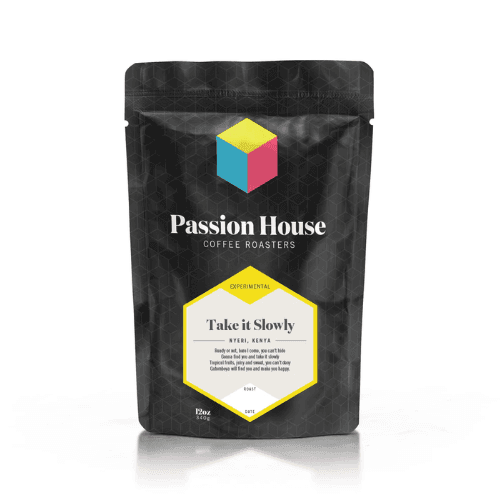
Passion House
Take it Slowly
$21.39
Light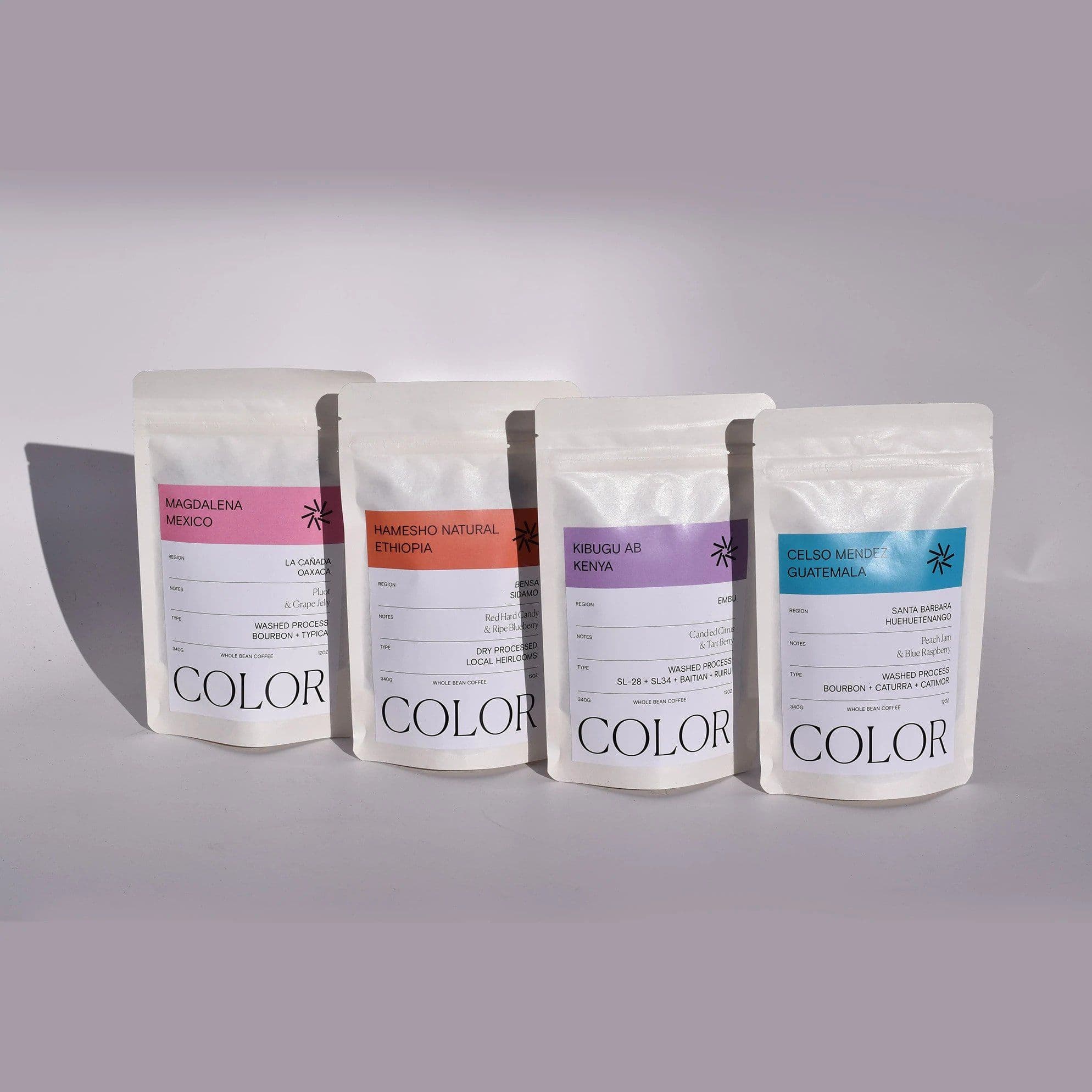
Color Coffee Roasters
SINGLE ORIGIN VARIETY PACK (ROASTER'S CHOICE)
$19.57
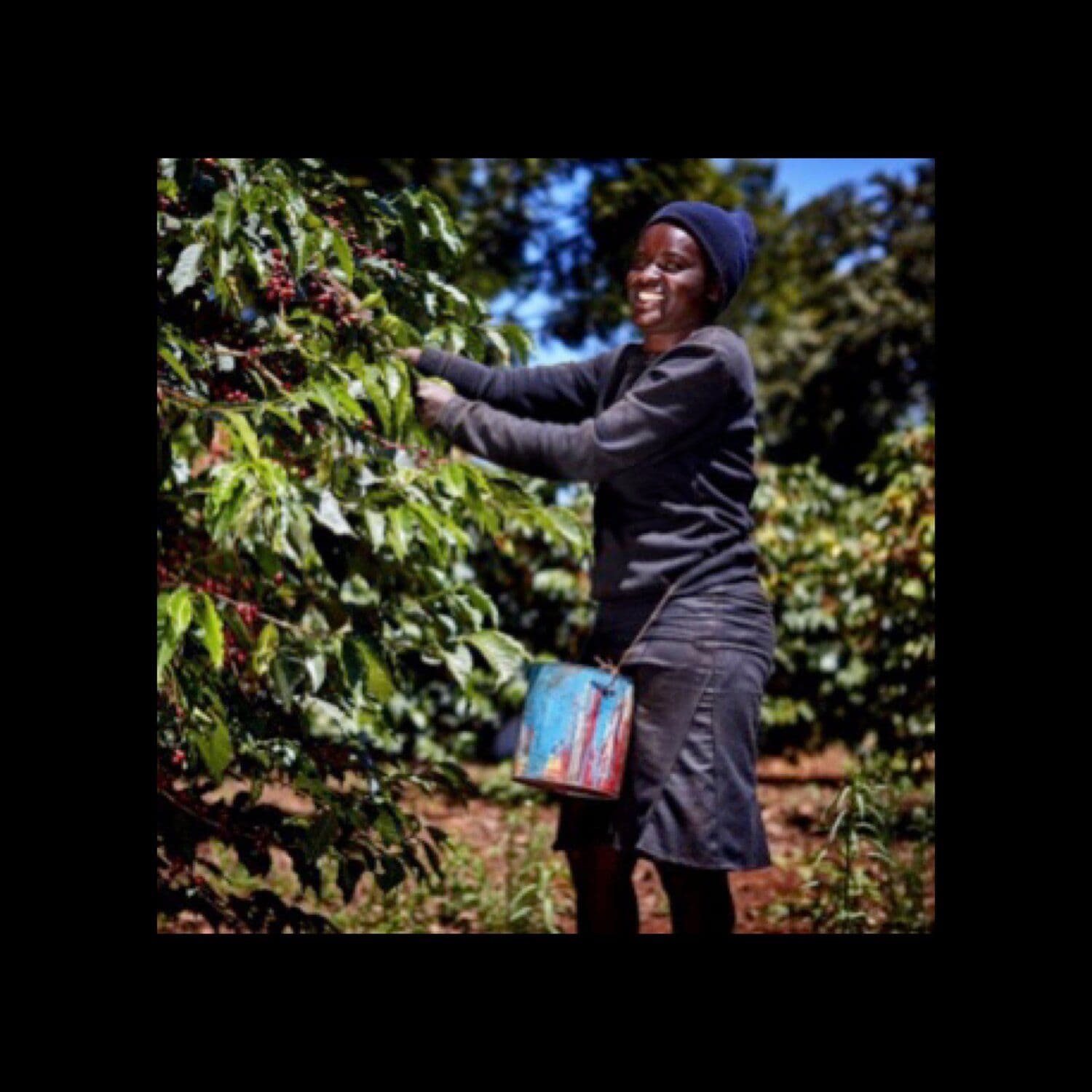
ASIP Coffee Roasters
Kenya Othaya FCS Mahiga
$20.98
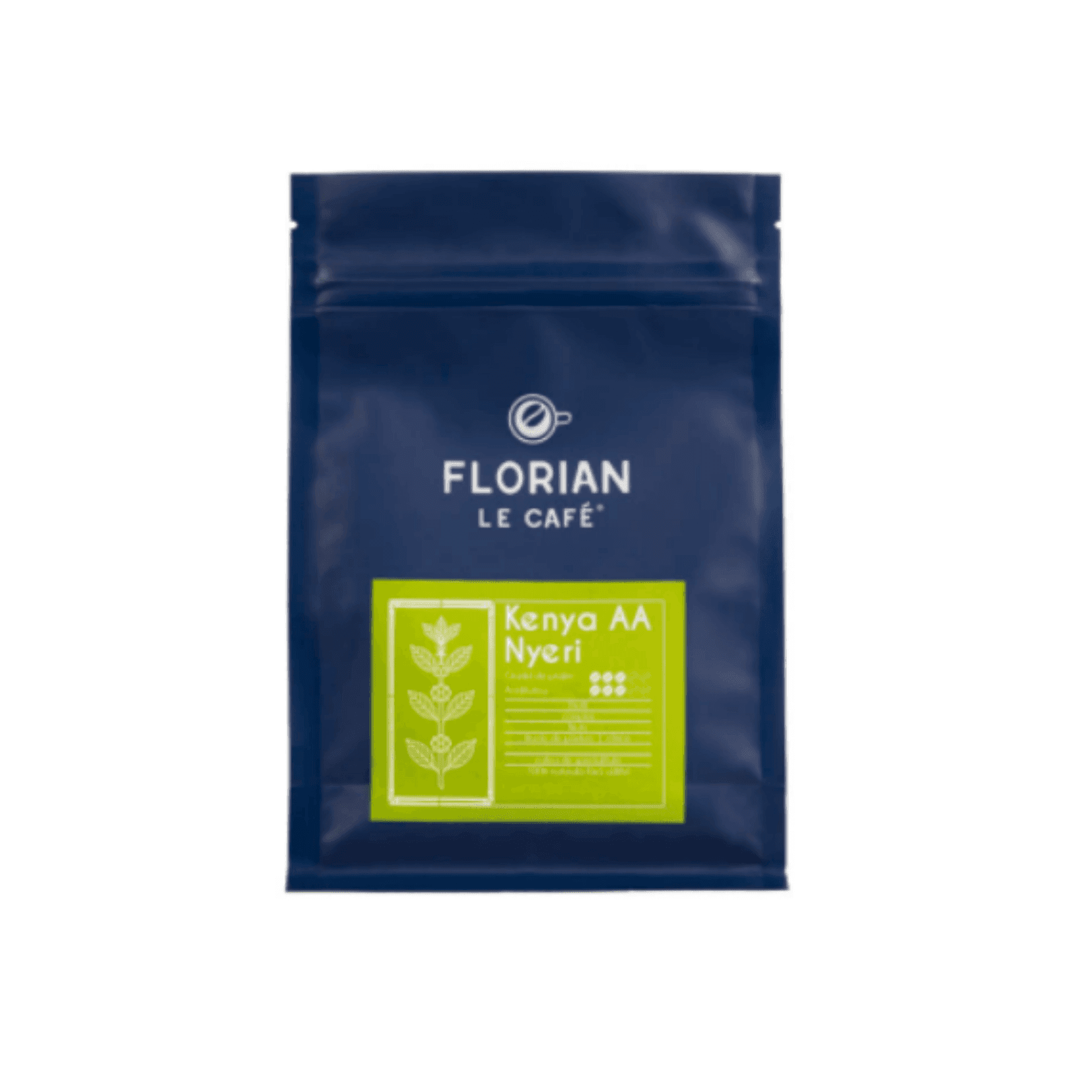
Florian le Café
KENYA AA TOP NYERI - Florian
$8.10
Medium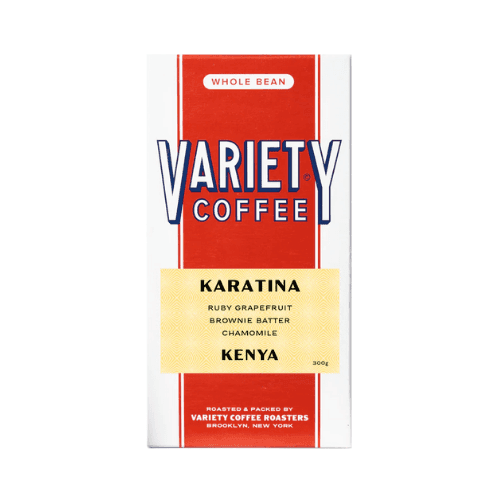
Variety Coffee
Karatina
$18.41
Medium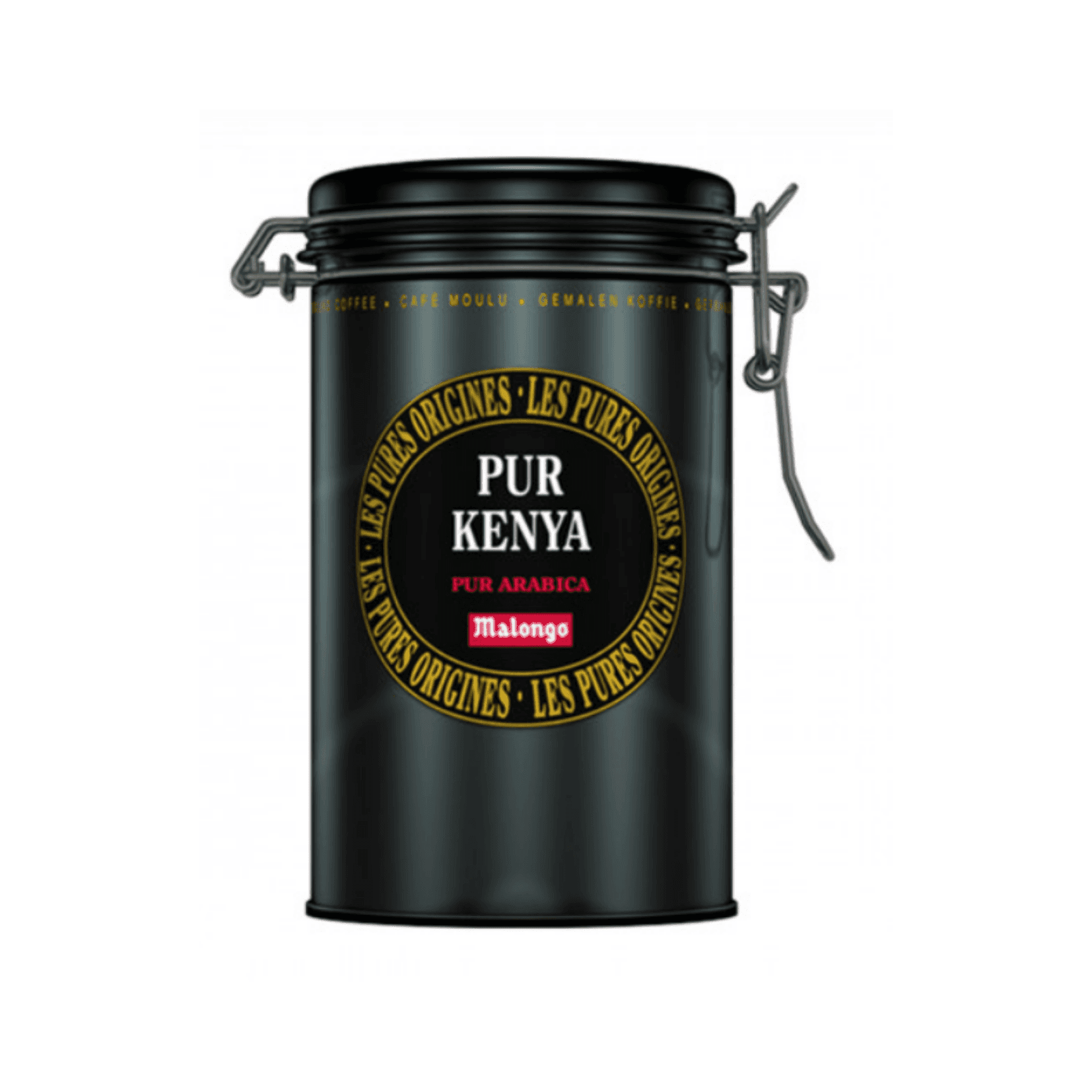
Malongo
PURE KENYA GROUND COFFEE
$11.80
MediumDespite the fact that Kenya is a neighbor to Ethiopia, the home of coffee, they started the production relatively late. The earliest documentation for coffee import dates back to 1893 when French missionaries brought the first coffee trees from Réunion. The most popular variety in Kenya is Bourbon.
Initially, coffee was produced under British colonial rule in large estates. These were sold in London, but in 1933 the Coffee Act was passed. This establishes a Kenyan Coffee Board and moves back the sale of coffee back to Kenya. In 1934 the auction system was established and it’s the system they still use today.
GRADING
Kenya uses a ranking system for all of its exported coffee, regardless of whether the product is traceable or not. The grading refers to the bean's size and quality. The definitions clearly define the size which in most cases links to the quality as well. Here is the letter for the grading system.
E – Elephant beans, the largest size. Lots tend to be relatively small.
AA – More common grade, size 18, or 7.22mm. Typically, these fetch the highest prices.
AB – This note is a combination of A and B. This grade makes up thirty percent of Kenya’s annual production.
PB – This is the grade for peaberries, where only a single bean has grown inside the coffee cherry instead of the more usual two.
C – This size is below the AB category. It is unusual to see this grade in a high-quality brand of coffee.
TT – A smaller grade than AA and AB, but not the smallest.
T – The mark for the smallest grade, often made up of chips and broken pieces.
MH/ML – These are initials for Mbuni Heavy and Mbuni Light. Mbuni is the name used for natural processed coffees.
TRACEABILITY
Kenya’s coffee export is grown from both large estates, and by smallholders. The farmers feed their coffee into their local washing station from where it can be traced back to the coffee. In recent years the higher-quality coffees come from the smallholders instead of big estates. Washing stations (or factories as they are known) play an important role in the quality of the final product, as they prepare the beans before transport, so these coffees are definitely worth looking for.
KENYAN VARIETIES
There are two particular Kenyan varieties that attract great interest around the world. They are named SL-28 and SL-34 and are among the forty experimental varieties produced as part of research conducted by Guy Gibson at Scott Laboratories. These make up the highest part of high-quality coffee from Kenya, but they are susceptible to leaf rust.
TASTE PROFILE
Kenyan coffees are known for their bright, complex berry/fruit qualities as well as their sweetness and intense acidity which can be clearly tasted in a cup.