Tomassi Coffee
Kenya: Tumaini Washed
Kirinyaga, Kenya
- Tvättad
- Single origin
Kenya: Tumaini Washed är ett kaffe från Kenya, som säljs av Tomassi Coffee (Italien). Region: Kirinyaga. Bearbetning: tvättad. Varietet: Sl-28, Sl-34. Pris: 23,00 € till 90,00 €, beroende på storlek. Det motsvarar från 90,00 € per kilo.
Inget betyg än · Bli först med att recensera det
från23,00 €
≈ 90,00 € / kg
Du skickas till rosteriets butik för att slutföra ditt köp.
- Rosteri baserat i
- Italien
- Leverans till
- Sverige · ✓ Ja, enligt rosteriets butik
Storlekar och priser
| Formato | Tostatura | Innehåll | Malning | Per kg | Pris |
|---|---|---|---|---|---|
| Grani | Chiara | 250g | – | 92,00 € | 23,00 € ↗ |
| Grani | Media | 250g | – | 92,00 € | 23,00 € ↗ |
| – | Chiara | 250g | Malet för espresso | 92,00 € | 23,00 € ↗ |
| – | Media | 250g | Malet för espresso | 92,00 € | 23,00 € ↗ |
| – | Chiara | 250g | Malet för mokabryggare | 92,00 € | 23,00 € ↗ |
| – | Media | 250g | Malet för mokabryggare | 92,00 € | 23,00 € ↗ |
| – | Chiara | 250g | Malet | 92,00 € | 23,00 € ↗ |
| – | Media | 250g | Malet | 92,00 € | 23,00 € ↗ |
Visa alla 16
| Formato | Tostatura | Innehåll | Malning | Per kg | Pris |
|---|---|---|---|---|---|
| Grani | Chiara | 1kg | – | 90,00 € | 90,00 € ↗ |
| Grani | Media | 1kg | – | 90,00 € | 90,00 € ↗ |
| – | Chiara | 1kg | Malet för espresso | 90,00 € | 90,00 € ↗ |
| – | Media | 1kg | Malet för espresso | 90,00 € | 90,00 € ↗ |
| – | Chiara | 1kg | Malet för mokabryggare | 90,00 € | 90,00 € ↗ |
| – | Media | 1kg | Malet för mokabryggare | 90,00 € | 90,00 € ↗ |
| – | Chiara | 1kg | Malet | 90,00 € | 90,00 € ↗ |
| – | Media | 1kg | Malet | 90,00 € | 90,00 € ↗ |
Beskrivning
Sensory profile: White chocolate, butter, violet, black currant, red berries, raspberry
Varieties: SL-28, SL-34
Process: Washed, aerobic fermentation
Country: Kenya
Region: Kirinyaga
Altitude: 1,500–1,800 m
Roasting: We roast it after you place your order. The date is on the bag.
All the brightness of Kenya, without its sharpness.
Tumaini means hope in Swahili. A name with real weight in these mountains, where coffee is one of the few crops that allows a family to plan for the coming year.
This is a Kenyan coffee that takes an unusual direction. Alongside the black currant and bright acidity expected from this origin, this lot offers a creamy sweetness of white chocolate and butter that supports its entire structure. Both sides coexist in the same cup without either one overpowering the other.
Origin
Kirinyaga lies on the southeastern slopes of Mount Kenya, just above the equator.
The soil is deep, red, and volcanic, rich in minerals deposited by the mountain over millennia. Rainfall is concentrated in two distinct seasons, and nights remain cool even in the hottest months. It is an ideal combination for this crop: the cherries ripen slowly and accumulate sugars and aromatic precursors that would not develop under different conditions.
Kenya’s standing for quality is no coincidence, but the result of a system built over time: a national auction that rewards the best lots, washing stations managed by cooperatives that are accountable to their members, and traceability at every stage of the supply chain.
Harvest takes place between October and December and is entirely manual and selective: pickers return to the same plant several times over the course of weeks, taking only fruit at the right stage of ripeness.
Varieties
SL-28 and SL-34 were developed in the 1930s at Scott Laboratories in Nairobi as part of a selection program seeking plants that could withstand drought and deliver superior cup quality. Of hundreds of candidates, these two emerged, and ninety years later they remain the benchmark for this origin.
They are demanding varieties: low yields, susceptibility to disease, and a need for constant care. Several countries have introduced them without achieving comparable results, because outside the Kenyan context they lose many of their characteristics. The distinct identity of coffee from this origin depends largely on them.
Process
The coffee is processed using the washed method, following the Kenyan approach, one of the most rigorous in the world.
The cherries reach the washing station on the same day they are picked to prevent uncontrolled fermentation from starting. They are weighed, sorted a second time to remove unripe or damaged fruit, and then pulped, meaning the skin and pulp are removed.
The resulting bean is still wrapped in parchment and coated in mucilage, a sugary layer that must be removed. The coffee then rests in a tank exposed to air, where naturally occurring yeasts complete the work: fermentation is monitored step by step and stopped at the right moment based on continuous checks.
Next comes washing in channels, where density determines the final selection: the heavier beans, which are also the sweetest, continue on; the lighter ones are separated.
Drying takes place on African beds, raised mesh beds that allow air to circulate on both sides. The coffee is turned manually and regularly for one to three weeks, depending on weather conditions, until it reaches the optimal moisture level.
In the cup
Sweetness, not fruit, opens the profile. White chocolate defines the first impression, while butter lends a rounded, enveloping texture that is unusual for this origin.
Violet develops over this foundation, delicate and lingering, followed by the fruity notes: full-bodied black currant, raspberry, and a blend of red berries that brings the lively acidity typical of Kenya.
This is a coffee that evolves in the cup. As it cools, the floral note gains prominence and the sweetness lingers, revealing a more complex profile than the first sips suggest.
Why choose it
Because it resolves the tradeoff this origin almost always presents. Kenya usually forces a choice: brightness and acidity, with taut, sharp cups, or sweetness at the cost of giving up what makes the origin distinctive. Tumaini brings both dimensions together, a rare combination.
It is also a good lot for anyone who has never been fully satisfied with Kenyan coffee, finding it too acidic or too sharp: all the brightness is there, but it rests on a sweet foundation that keeps it balanced from the first sip to the last.
Recommended preparation: filter, which gives the floral notes room to shine.
Enjoy it unhurriedly, letting it cool: it is in the second half of the cup that it shows its best.
Frågor om Kenya: Tumaini Washed
Var kommer Kenya: Tumaini Washed ifrån?
Det kommer från Kenya. Region: Kirinyaga. Höjd: 1 500–1 800 m. Varietet: Sl-28, Sl-34.
Hur bearbetas Kenya: Tumaini Washed?
Bearbetningsmetod: tvättad.
Vad kostar Kenya: Tumaini Washed?
Pris: 23,00 € till 90,00 €, beroende på storlek. Det motsvarar från 90,00 € per kilo. Priserna kommer från butiken och kan ändras; butiken har de aktuella priserna.
Var kan jag köpa Kenya: Tumaini Washed?
I Tomassi Coffees webbutik: priserna på den här sidan länkar dit. Enligt butiken levererar den över hela världen. Cafendo säljer inget kaffe själva.
Recensioner
Inga recensioner än.
Gillar du det här kaffet? Prova de här
Utvalt från andra rosterier utifrån gemensamt ursprung, bearbetning, rostning, smakbeskrivning och pris. Kaffe som samma personer har sparat eller gett höga betyg väger tyngst.
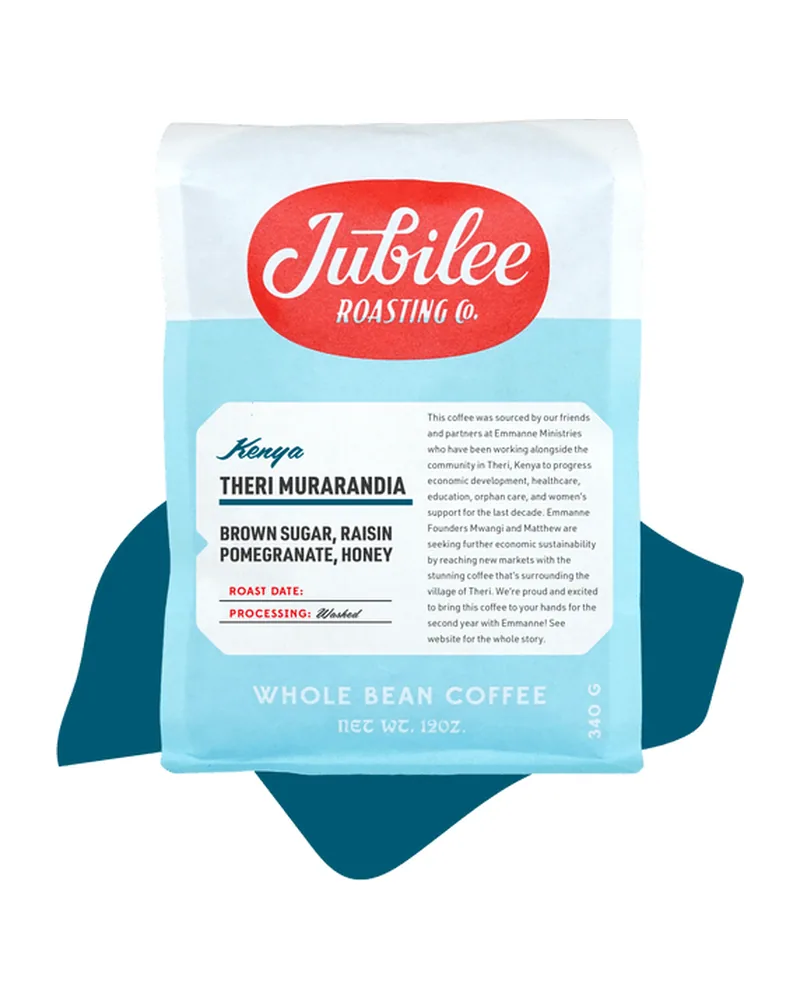
Jubilee Roasting Co.
KENYA THERI MURARANDIA
16,58 US$
Varför: KenyaTvättadLiknande pris
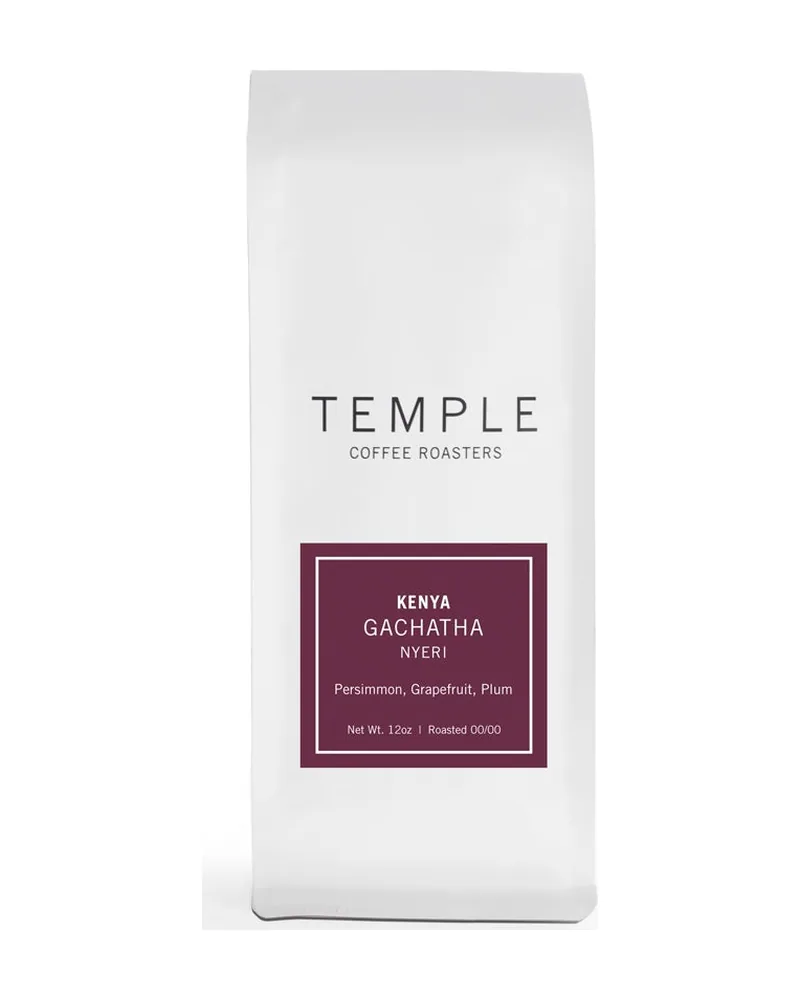
Temple Coffee Roasters
KENYA GACHATHA
20,71 US$
Varför: KenyaTvättadLiknande pris
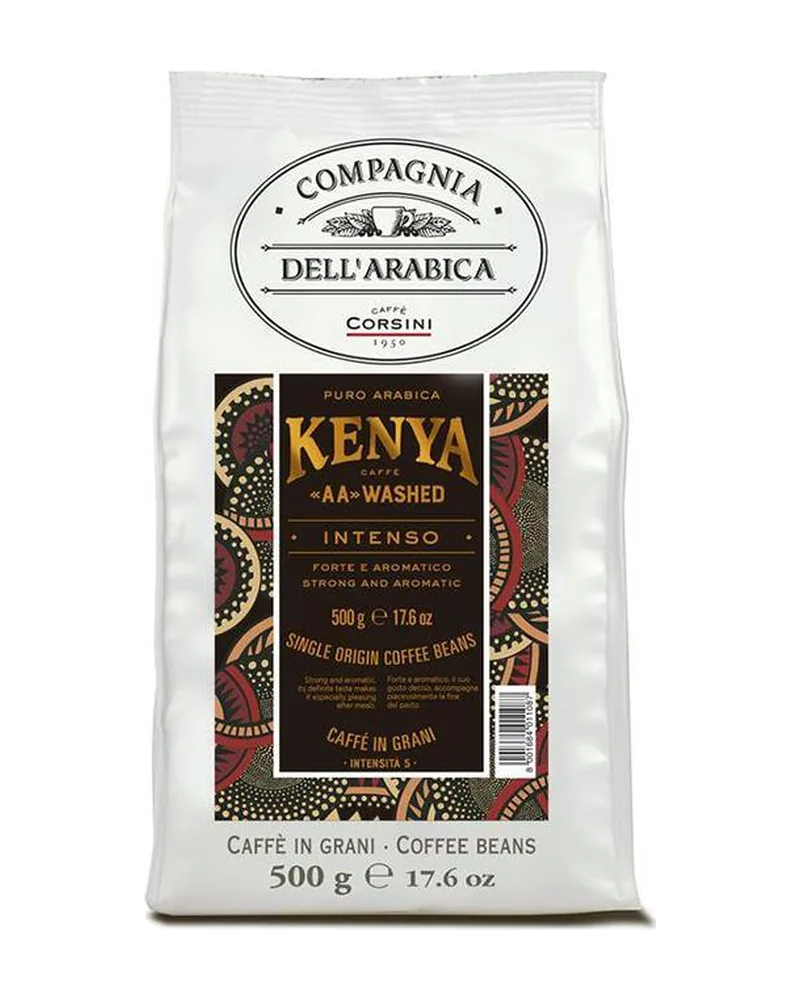
Caffe Corsini
Corsini Kenya AA Washed
19,39 US$
MediumVarför: KenyaTvättadLiknande pris
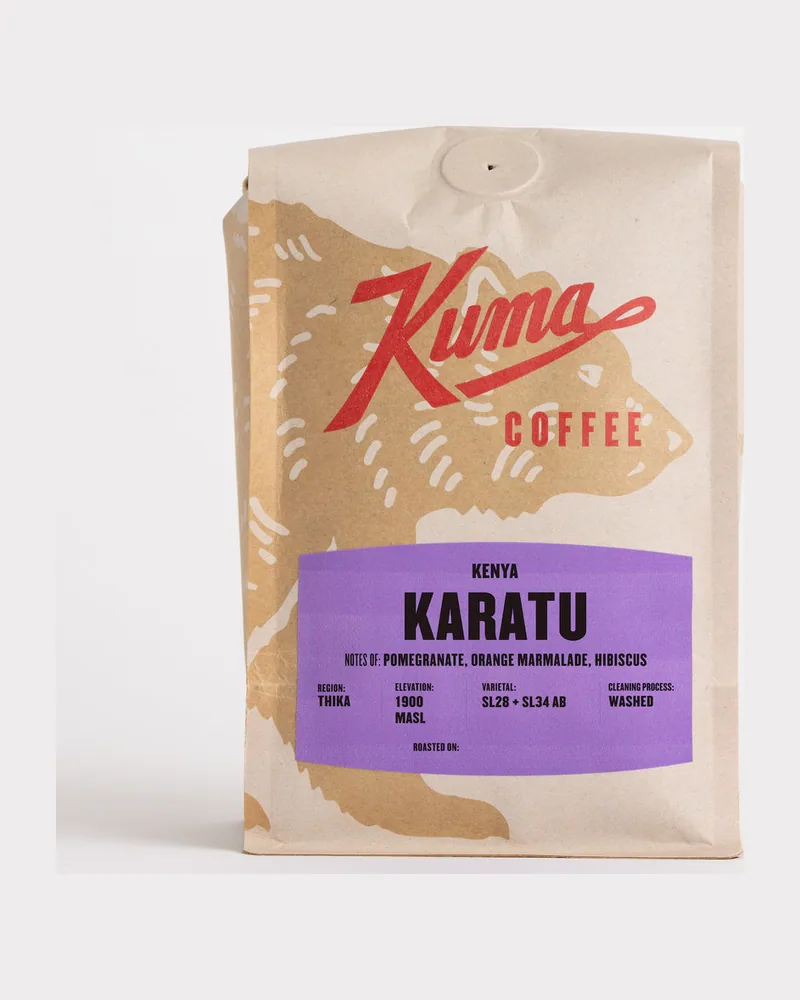
Kuma Coffee
Kenya Karatu *NEW*
25,00 US$
LjusVarför: KenyaTvättadLiknande pris
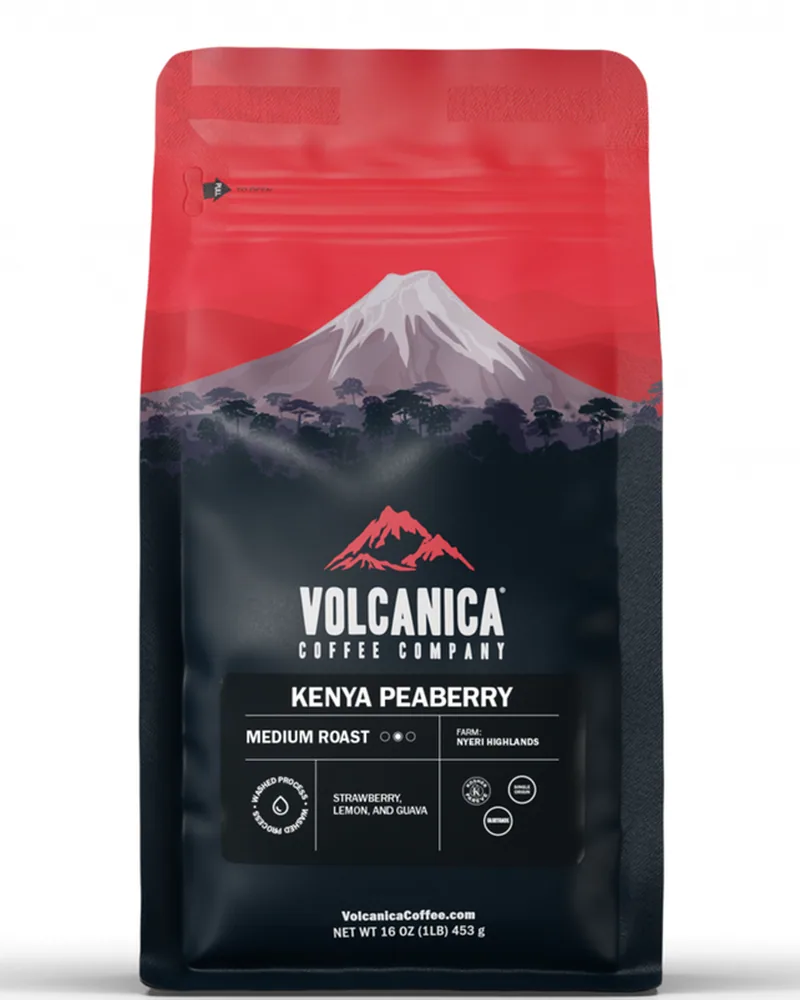
Volcanica Coffee
Kenya Peaberry Coffee
28,99 US$
MediumVarför: KenyaTvättadLiknande pris
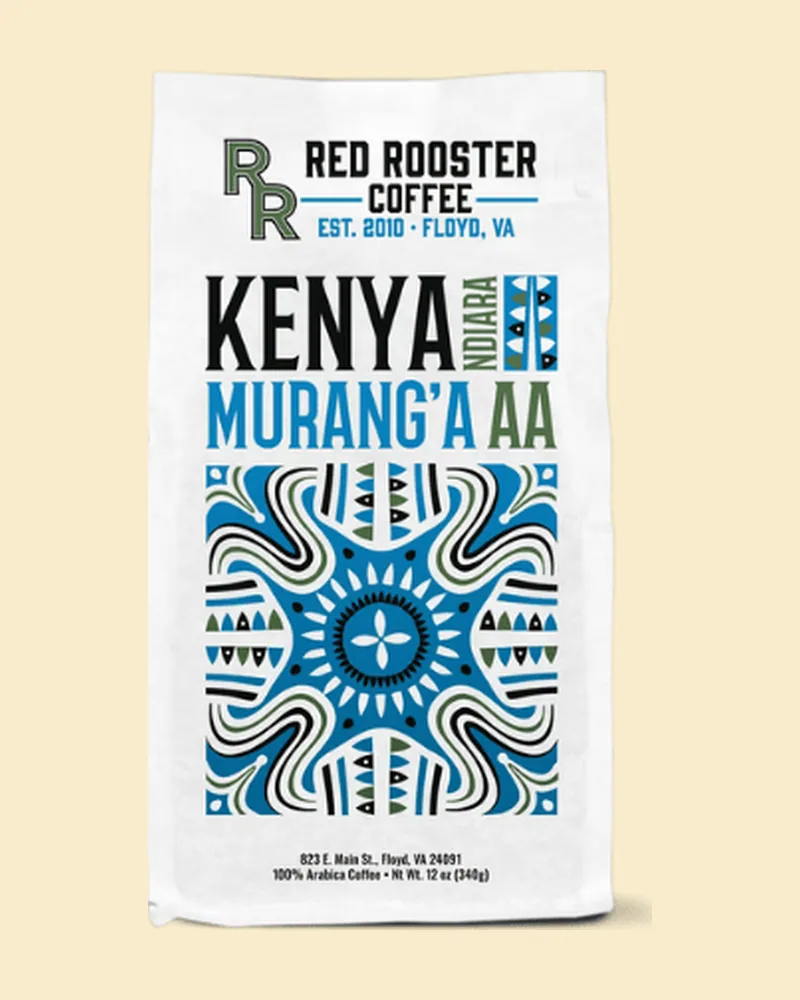
Red Rooster
Kenya Ndiara Murang'a Washed
21,61 US$
MediumVarför: KenyaTvättadLiknande pris
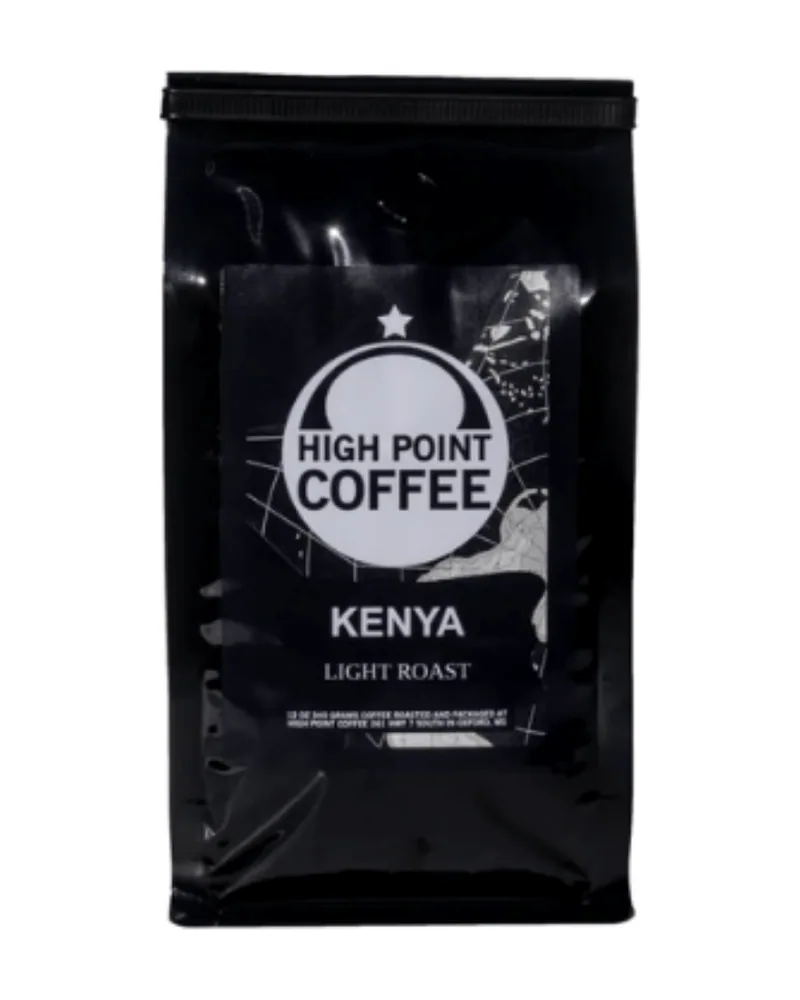
High Point Coffee
Kenya AA
16,25 US$
MediumVarför: KenyaTvättadLiknande pris
Gorilla Coffee
Kenya Giakanja AA
17,50 US$
Varför: KenyaTvättadLiknande pris