
 ClaroCafe Roastery
Honduras Comsa
Honduras
- Nível de torra: Escura
- Origem única
Honduras Comsa é um café de Honduras, vendido por ClaroCafe Roastery (Roménia). Torra: escura. Preço: de 68,00 RON a 250,00 RON, consoante o tamanho. Isso equivale a partir de 250,00 RON por quilo.
Ainda sem classificação · Seja o primeiro a avaliá-lo
de68,00 RON
≈ 250,00 RON / kg
Vai ser levado à loja da torrefação para concluir a compra.
- Torrefação sediada em
- Roménia
- Enviar para
- Portugal · Consulte a loja da torrefação
White chocolate, honey, and caramel, with balanced acidity and citrus notes. A single-origin coffee from Marcala, Honduras, grown at 1,200–1,700 m—round, sweet, and easy to drink every day.
Perfil de sabor
A partir dos dados indicados pela loja da torrefação.
- Nível de torraEscura
- LeveEscuro
Tamanhos e preços
| Moagem | Perfil de torra | Conteúdo | Por kg | Preço |
|---|---|---|---|---|
| Em grão | Omniroast | 250g | 272,00 RON | 68,00 RON |
| Moído para espresso | Omniroast | 250g | 272,00 RON | 68,00 RON |
| Moído para filtro | Omniroast | 250g | 272,00 RON | 68,00 RON |
| Moído para French press | Omniroast | 250g | 272,00 RON | 68,00 RON |
| Moído para ibrik | Omniroast | 250g | 272,00 RON | 68,00 RON |
| Mokapot | Omniroast | 250g | 272,00 RON | 68,00 RON |
| Em grão | Omniroast | 500g | 260,00 RON | 130,00 RON |
| Moído para espresso | Omniroast | 500g | 260,00 RON | 130,00 RON |
Mostrar todos os 18
| Moagem | Perfil de torra | Conteúdo | Por kg | Preço |
|---|---|---|---|---|
| Moído para filtro | Omniroast | 500g | 260,00 RON | 130,00 RON |
| Moído para French press | Omniroast | 500g | 260,00 RON | 130,00 RON |
| Moído para ibrik | Omniroast | 500g | 260,00 RON | 130,00 RON |
| Mokapot | Omniroast | 500g | 260,00 RON | 130,00 RON |
| Em grão | Omniroast | 1kg | 250,00 RON | 250,00 RON |
| Moído para espresso | Omniroast | 1kg | 250,00 RON | 250,00 RON |
| Moído para filtro | Omniroast | 1kg | 250,00 RON | 250,00 RON |
| Moído para French press | Omniroast | 1kg | 250,00 RON | 250,00 RON |
| Moído para ibrik | Omniroast | 1kg | 250,00 RON | 250,00 RON |
| Mokapot | Omniroast | 1kg | 250,00 RON | 250,00 RON |
Descrição
Hurry! The offer ends in:
Specialty coffee
Honduras COMSA – the round sweetness of the Marcala region
Some coffees challenge you, and some are ones you come back to.
Honduras COMSA belongs to the second category: nothing extreme,
nothing that needs explaining, just natural sweetness and balance that make it
a good fit for almost any morning.
It comes from Marcala, in the La Paz region, grown between 1,200 and 1,700 meters
and cultivated by farmers in the COMSA (Café Orgánico Marcala S.A.) cooperative,
founded in 2001 by a group of producers committed to sustainable agriculture and
quality. Washed processing and sun-drying on raised beds preserve the clarity of its flavors:
white chocolate, honey, and caramel, with green apples and pears in
the background.
Honduras COMSA is freshly roasted in Romania at the Claro Cafe artisan roastery, in
our omniroast style—a profile that brings out the beans’ natural sweetness
without covering it up with a dark roast. It’s available as whole beans or
ground to order, depending on your brewing method.
What makes it special
- Sweet, balanced profile—white chocolate, honey, caramel
- SCA score of 85 points
- Marcala, the first region in Honduras to receive protected designation of origin for coffee
- Altitude: 1,200–1,700 meters
- Catuai, Caturra, Bourbon, and Typica varieties
- Balanced acidity with delicate citrus notes
- Medium to full body, with a velvety texture
- Clean, lingering, sweet-fruity aftertaste
Traceability
Origin and technical specifications
Marcala, a region with a name of its own
Honduras is now the largest coffee producer in Central America, but
Marcala is the area that gave it prestige. Its fertile soils and high-altitude
climate made it the first region in the country to receive protected designation of origin
for coffee—a status held by few coffee-growing regions around the world, confirming that
the taste of coffee from here can’t be replicated elsewhere.
What the COMSA cooperative brings
COMSA was founded in 2001 by Marcala farmers determined to do things differently:
sustainable agriculture and lots selected for quality, not
high-volume production. The difference shows in the cup—a consistent, clean lot with well-defined
natural sweetness. It also shows beyond the cup, because coffee revenue stays in
the community that grows it.
Why washed processing and raised beds matter
Washed processing removes the fruit pulp before drying, so
what ends up in the cup is the flavor of the bean, not fermented fruit. Drying on
raised beds lets air circulate evenly around the beans, offering much better control
than drying on the ground. Together, these methods explain why Honduras COMSA tastes
so clean and clear, with distinct sweet notes.
Technical specifications
- Country of origin
- Honduras
- Region
- Marcala, La Paz
- Altitude
- 1,200–1,700 meters
- Varieties
- Catuai, Caturra,
Bourbon, Typica - Processing method
- Washed and sun-dried
on raised
beds - SCA score
- 85 points
- Roast profile
- Omniroast (Claro Cafe)
Altitude range
1,700 m
1,200 m
The area where COMSA coffee is grown
In the cup
Aroma and flavor profile
The first impression is one of warm sweetness: white chocolate and honey, with
caramel following close behind. It isn’t an overpowering sweetness, but a natural one that
stands on its own, without added sugar.
Beneath that, green apples and pears bring freshness and keep
the profile from becoming too flat, while black tea comes through toward the end as a subtle, slightly
tannic note. The acidity is balanced, with delicate citrus notes—
enough to bring the cup to life, but never to dominate.
The medium to full body and velvety texture support all these flavors, while
the aftertaste remains clean and lingering, sweet-fruity. It’s a
comforting coffee in the best sense: it doesn’t demand special attention, but rewards whatever
you give it.
Predominant notes
White chocolate
Honey
Caramel
Secondary notes
Green apples
Pears
Black tea
Cup structure
<!– The levels below are a visual representation of the description.
To adjust them, add or remove the data-on attribute from the segments, from left to right. –>
SweetnessPronounced
AcidityBalanced
BodyMedium to full
- Predominant notesWhite chocolate, honey, caramel
- Secondary notesGreen apples, pears, black tea
- AcidityBalanced, with delicate citrus notes
- BodyMedium to full, velvety
- TextureVelvety, round
- AftertasteClean, lingering, sweet-fruity
- CharacterBalanced, sweet, approachable
Brewing
Recommended brewing methods
Honduras COMSA works well with almost any brewing method precisely because it’s balanced.
Each one brings out a different side of it.
Best for flavor
Filter (drip coffee maker, V60, Chemex)
This is where the fruity notes and balanced acidity come through most clearly: the green apples and pears stand out, while the honey sweetness stays in the background. The cup is clear, light, and easy to drink in the morning. It also works very well in a classic drip coffee maker.
Espresso
It concentrates the body and chocolate and caramel flavors, with acidity mild enough that it doesn’t require complicated dialing in. It’s one of our coffees that works well as espresso even for beginners, including with milk.
French press
It produces a rich extraction that highlights the velvety texture and sweet aftertaste. The body feels fuller, and the fruity notes become rounder.
Turkish coffee and Moka pot
Both bring out the coffee’s sweet, caramelized side. Turkish coffee gives you a dense cup with pronounced sweetness, while a Moka pot brings an intense chocolate and caramel flavor, with the acidity almost completely softened.
Frequently asked questions about Honduras COMSA
What does an SCA score of 85 points mean?
It’s a score given by certified tasters on a scale of 0 to 100, evaluating aroma, flavor, acidity, body, balance, and the absence of defects. Any coffee scoring above 80 points qualifies as specialty coffee, and 85 means a clearly above-average lot with a well-defined profile and no defects. In practical terms, it’s a guarantee that what you’re drinking has been evaluated, not just described in appealing language.
How long does it stay fresh after roasting, and how should I store it?
Freshly roasted coffee is at its best during the first 30–60 days after roasting. Keep it in its original bag with the degassing valve, sealed tightly, at room temperature and away from light, heat, and moisture. Avoid the refrigerator—condensation affects the flavors. If you have a grinder, grind only the amount you need right before brewing.
Is it suitable for everyday drinking?
Yes, it’s exactly the kind of coffee you can drink every day without getting tired of it. Its balance and natural sweetness make it approachable even for someone used to traditional coffees, and its subtle acidity won’t be an unpleasant surprise in your first cup. It’s just as good black or with milk.
How does Honduras COMSA compare with other Claro coffees?
It falls somewhere in the middle. It’s sweeter and fruitier than a Brazil Santos, but much milder than an Ethiopia Yirgacheffe, where the floral profile and citrus acidity change the rules entirely. If Yirgacheffe is a coffee to explore, Honduras COMSA is one you’ll come back to without a second thought.
Why does it matter that it comes from a cooperative?
Because the cooperative’s lots are selected and traceable—you know the region, altitude, varieties, and processing method, not just the country on the bag. COMSA also works directly with farmers in Marcala, so the value stays with the people who grow the coffee instead of being lost along long chains of intermediaries.
What difference does an altitude of 1,200–1,700 meters make?
At high altitudes, the beans mature more slowly and develop more sugars and acids. That’s where this coffee gets its honey and caramel sweetness and its delicate citrus acidity. Coffee grown just a few hundred meters above sea level almost always tastes flatter and less complex.
Still have questions?
See the full page of questions and answers
Quick guide
Who Honduras COMSA is for
Not every specialty coffee is right for everyone. Here’s a quick overview of who this coffee
is—and isn’t—for, so you can choose something you’ll really enjoy right away.
Choose this coffee if
- You want a sweet, balanced coffee without aggressive acidity
- You enjoy notes of chocolate, honey, and caramel
- You’re looking for a specialty coffee for everyday drinking, not special occasions
- You brew with different methods and want one that works with all of them
- You drink espresso with milk but still want a traceable, single-origin coffee
- You like the idea of choosing a cooperative with a real impact on its community
This may not be for you if
- You’re looking for a pronounced floral or citrus profile
- You want a very intense, dark-roasted coffee with strong bitterness
- You’re mainly interested in coffees that surprise you, not ones that are easy to drink
If you identify more with the second list, try
Ethiopia Yirgacheffe—a floral and citrusy profile,
the opposite end of the spectrum from this coffee.
Claro Cafe
Why choose Honduras COMSA from Claro Cafe
Honduras COMSA is the coffee we recommend to those looking for specialty-quality
coffee with no compromises on flavor and no learning curve. An SCA score of
85 points, a region with protected designation of origin, and a cooperative that has worked
with care for more than two decades—all come through in the cup as natural sweetness and
a balance few coffees can match.
Freshly roasted in Romania
Omniroast profile
Bags with degassing valves
At Claro Cafe, we roast it fresh in Romania in an omniroast style, because
a profile like this doesn’t need an intense roast to be expressive—it needs exactly
the opposite. We package it immediately in bags with degassing valves, specially designed to
preserve freshness.
Brew it as filter coffee on a quiet morning or as espresso when you’re in a hurry. It works
well either way and shows you why Marcala has become a name that
matters in Honduran coffee.
Blog about coffee
How to choose between an espresso machine and a drip coffee maker—advice from a coffee expert
As someone who appreciates both espresso and classic coffee, it can be difficult to…
Read…
April 13, 2026
Why you don’t need expensive equipment to drink better coffee
Good coffee at home doesn’t necessarily start with the most expensive espresso machine, or with the…
Read…
November 20, 2024
Life among nechezol and under-the-counter coffee in the communist years
Coffee was one of the most coveted and symbolic drinks in Romania…
Read…
Perguntas sobre Honduras Comsa
De onde vem Honduras Comsa?
Vem de Honduras. Altitude: 1200–1700 m.
Que nível de torra tem Honduras Comsa?
Nível de torra: escura.
Quanto custa Honduras Comsa?
Preço: de 68,00 RON a 250,00 RON, consoante o tamanho. Isso equivale a partir de 250,00 RON por quilo. Os preços vêm da loja e podem mudar; a loja tem os preços atuais.
Onde posso comprar Honduras Comsa?
Na loja online de ClaroCafe Roastery: os preços desta página ligam a ela. A Cafendo não vende café.
Avaliações
Ainda sem avaliações.
Se gosta deste café, experimente estes
Escolhidos entre outras torrefações por origem, processo, torra, notas de prova e preço em comum. Os cafés que as mesmas pessoas guardaram ou classificaram bem contam mais.
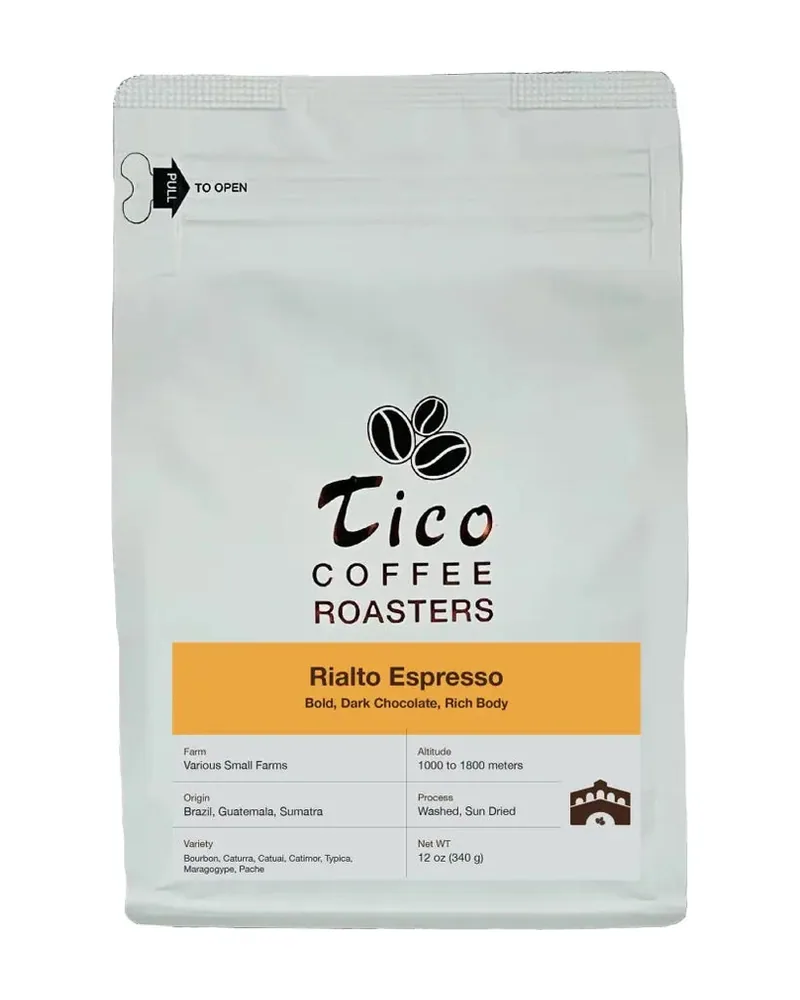
Tico Coffee Roasters
Rialto Espresso
21,00 US$
EscuraPorquê: HondurasPreço semelhanteMesma torra
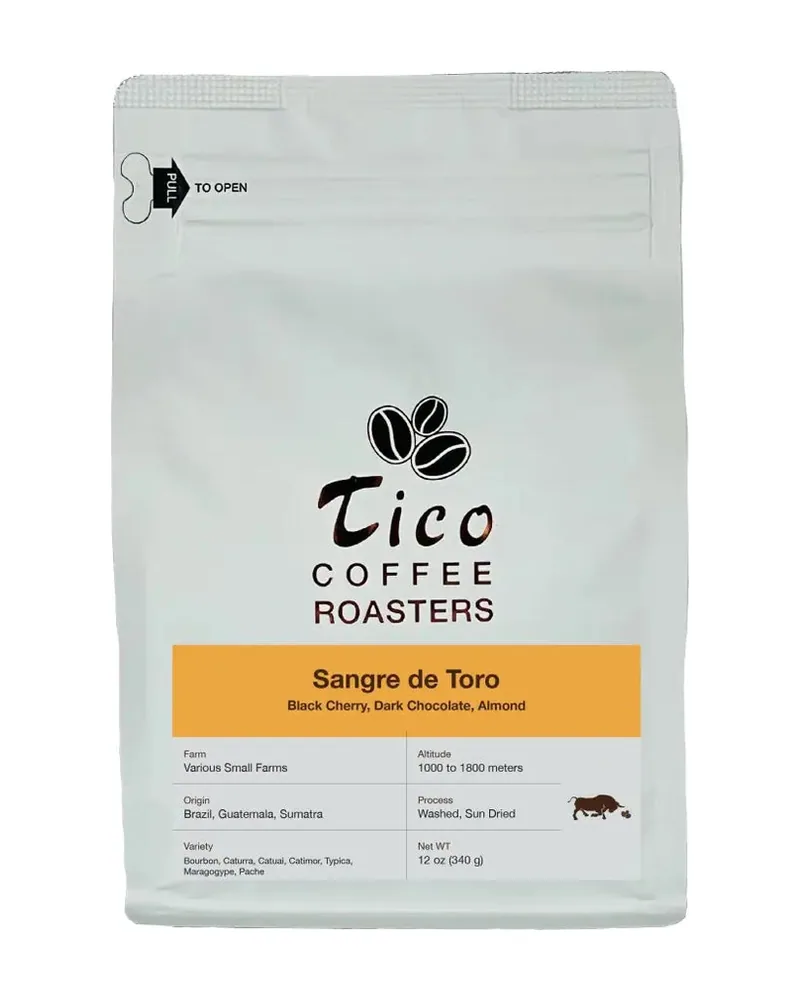
Tico Coffee Roasters
Sangre de Toro Espresso
21,00 US$
EscuraPorquê: HondurasPreço semelhanteMesma torra
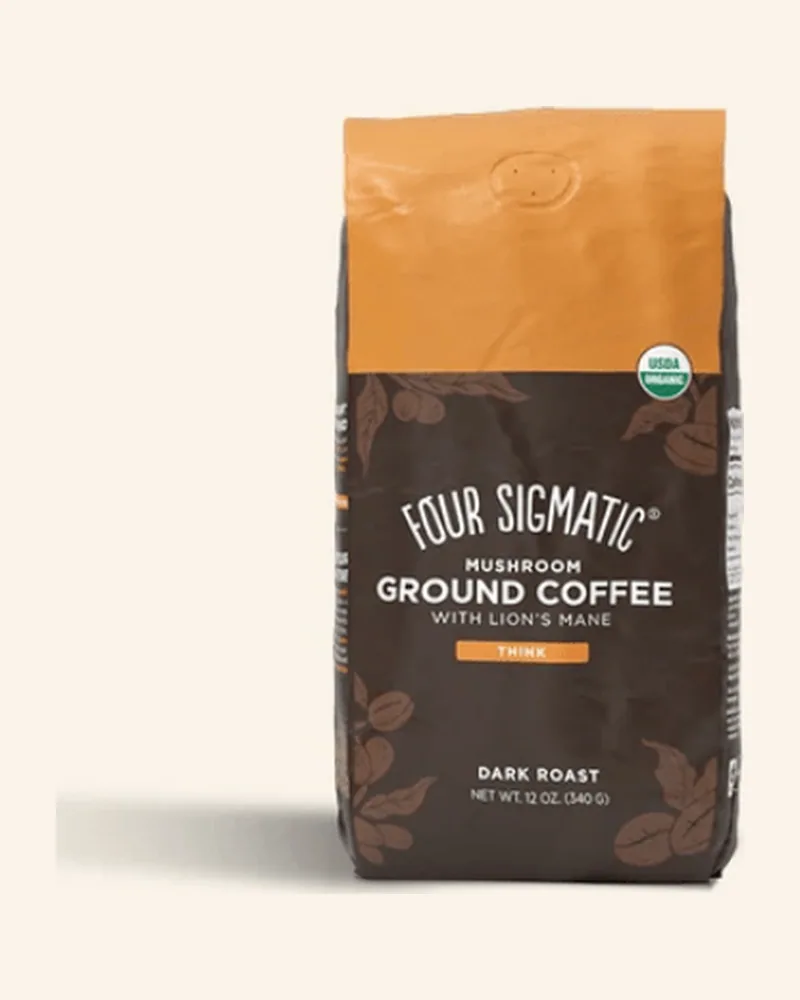
Four Sigmatic
Ground Mushroom Coffee With Lion's Mane
17,44 US$
EscuraPorquê: HondurasPreço semelhanteMesma torra

Four Sigmatic
Perform Coffee with L-Theanine & Cordyceps Mushrooms
17,44 US$
EscuraPorquê: HondurasPreço semelhanteMesma torra
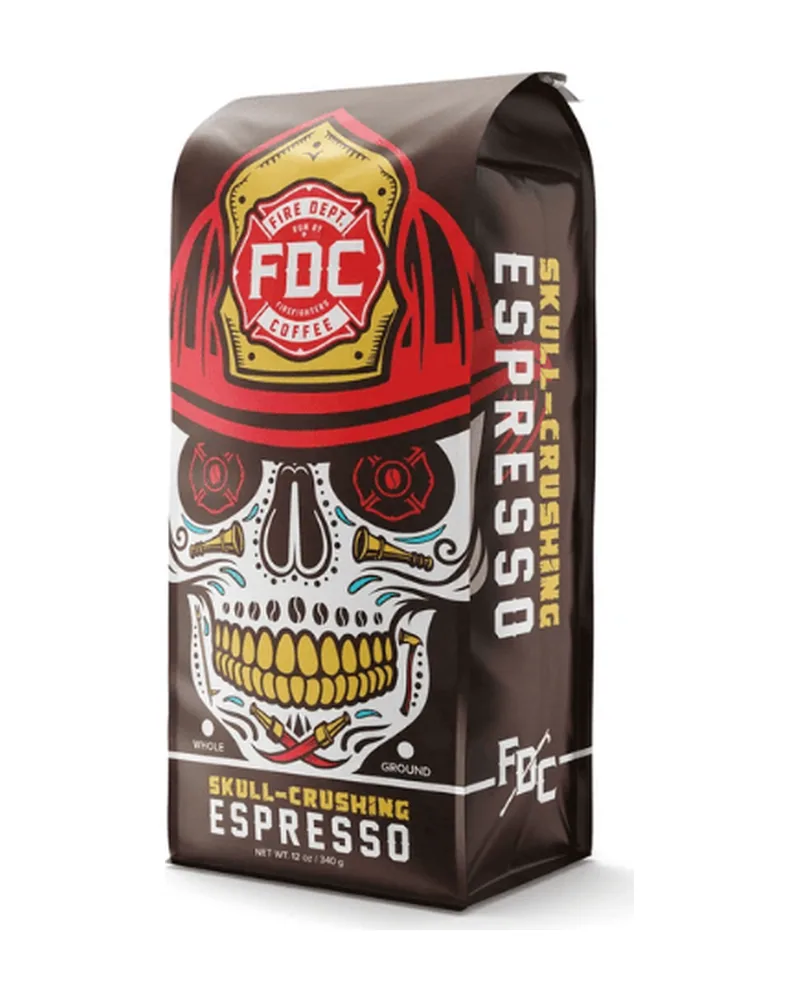
Fire Dept. Coffee
SKULL-CRUSHING ESPRESSO
13,22 US$
EscuraPorquê: HondurasPreço semelhanteMesma torra

Gourvita Trends
Der Café Crème - von Gourvita
16,90 US$
EscuraPorquê: HondurasPreço semelhanteMesma torra
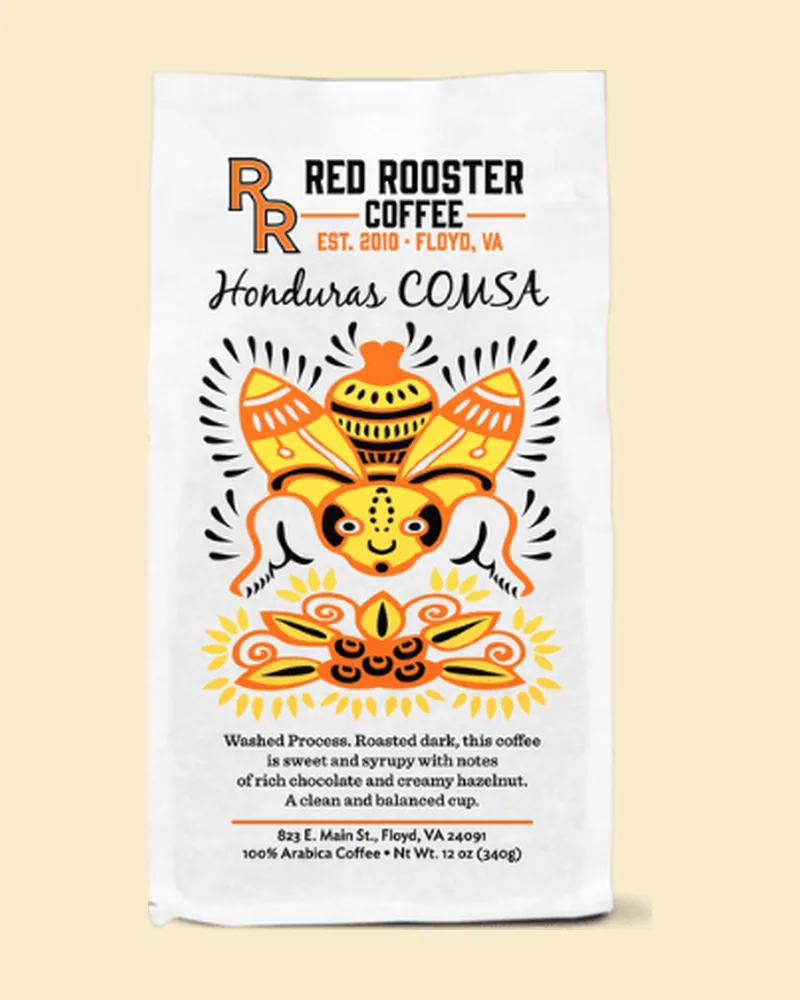
Red Rooster
Honduras COMSA Marcala
15,31 US$
EscuraPorquê: HondurasPreço semelhanteMesma torra

Alta Organic Coffee
HONDURAS [CENTRAL AMERICA]
14,71 US$
EscuraPorquê: HondurasPreço semelhanteMesma torra