
Italian Coffee
What is Italian coffee? The reason behind this is that Italy itself does not actually grow or produce any green coffee commercially. The vast majority of Italy does not have the right coffee growing conditions, and any…
95 products
Braocaffe
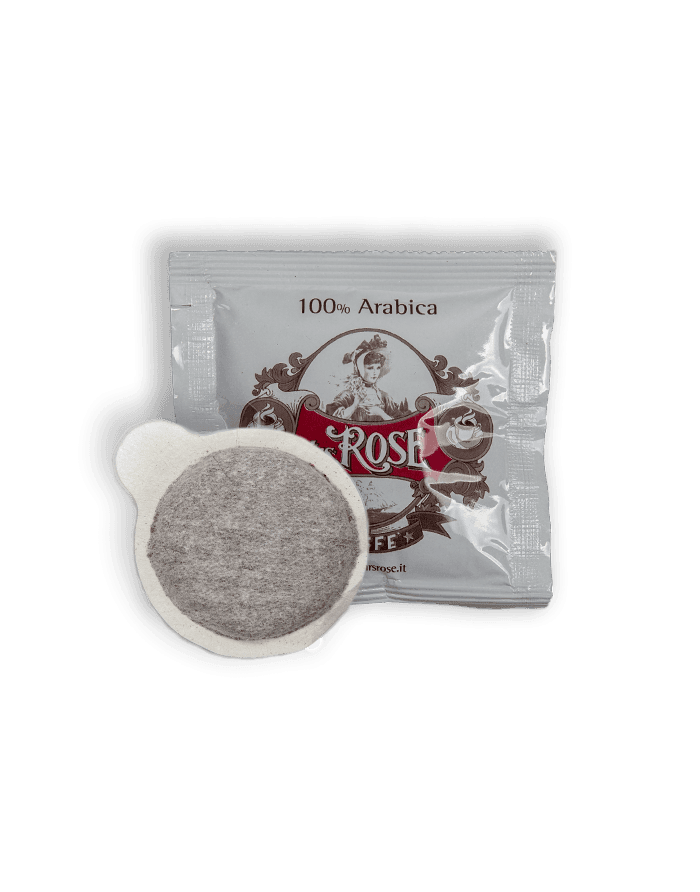
Mrs Rose coffee pods 150pcs x 6gr
$58.30

Braocaffe
Nespresso compatible capsules 50 pcs Mrs Rose
$17.22
Braocaffe
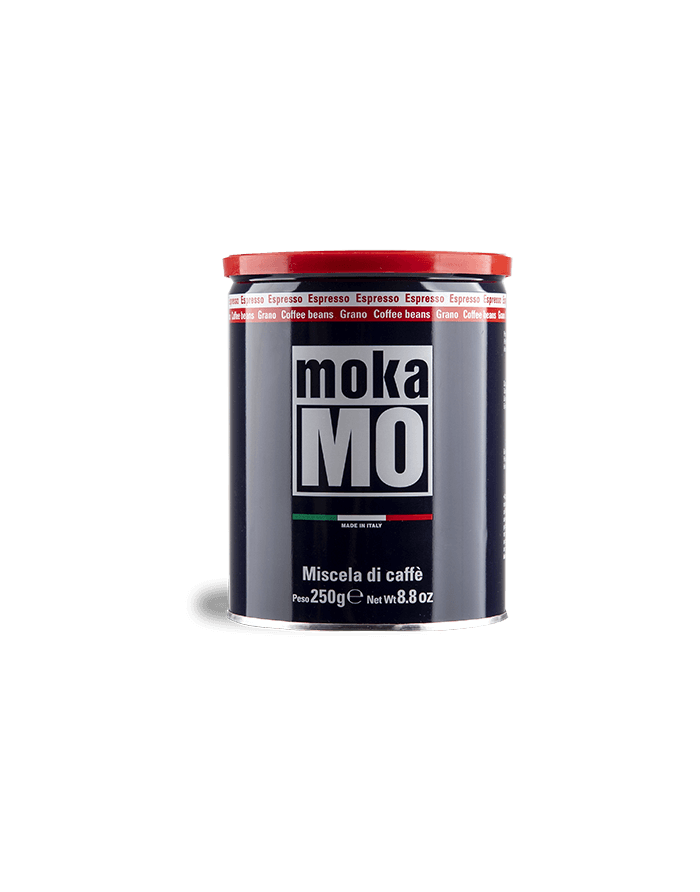
Mokamo coffee beans
$5.67
Braocaffe
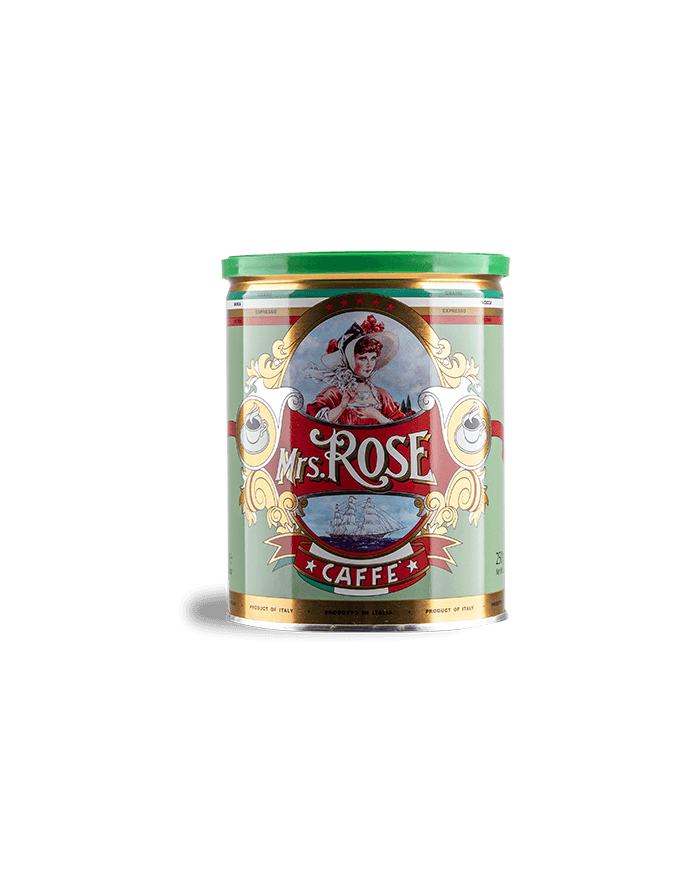
Mrs Rose coffee beans
$5.98
Attibassi
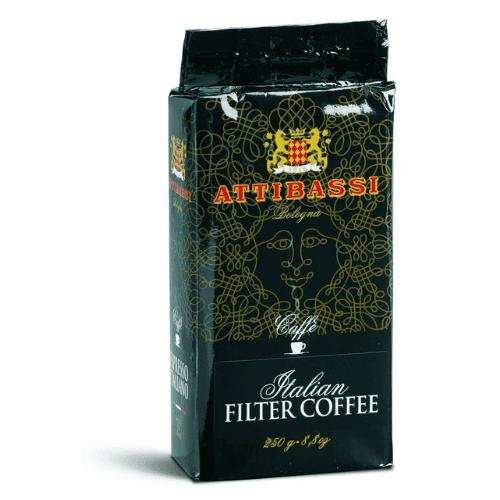
Attibassi Filter Coffee
$9.80
Medium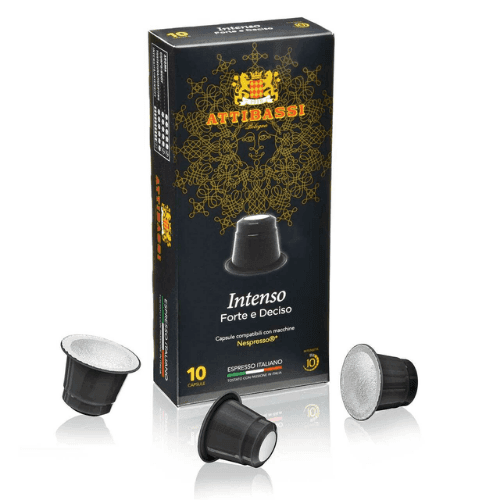
Attibassi
Attibassi Capsule - Intenso
$6.96
Dark
Attibassi
Attibassi Capsule - Arabica
$6.96
Medium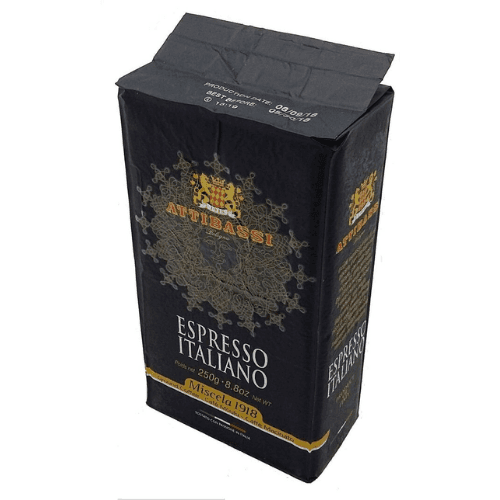
Attibassi
Attibassi Miscela Expresso Italiano
$8.64
Medium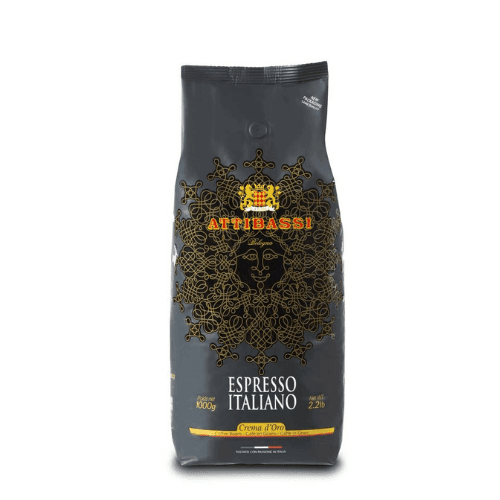
Attibassi
Attibassi Special Oro
$25.57
Medium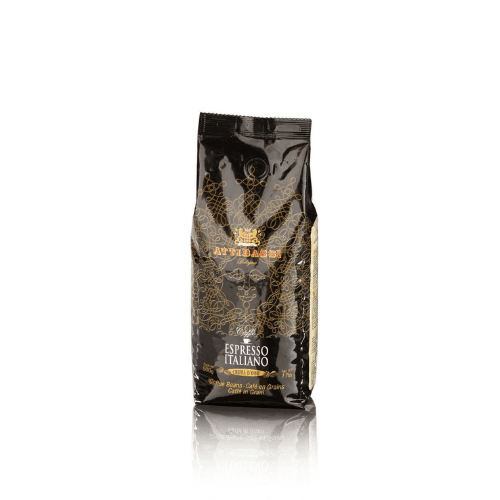
Attibassi
Attibassi Special Oro
$13.22
Medium
Attibassi
Attibassi Miscela 1918
$23.82
Medium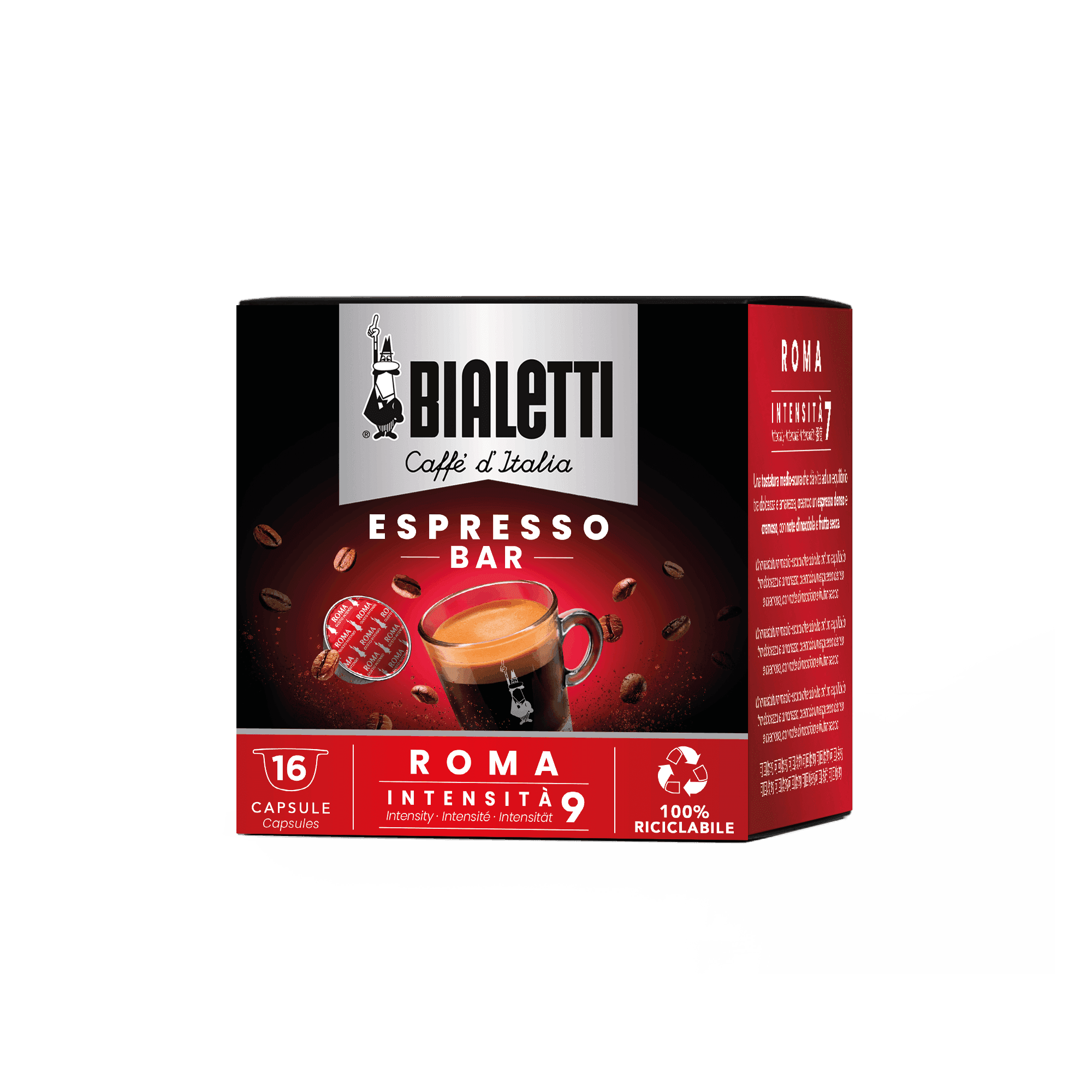
Bialetti
ROMA
$6.49
Dark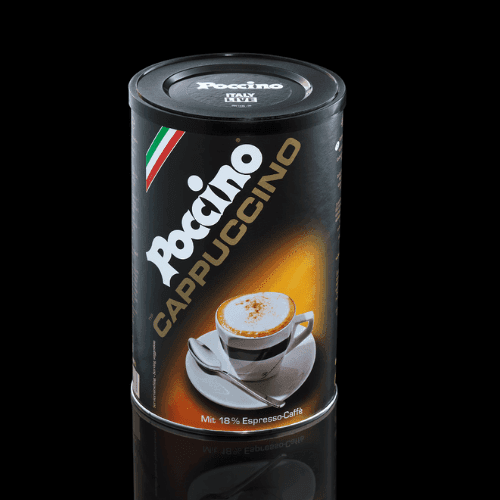
Poccino
POCCINO Cappuccino
$0.00
Medium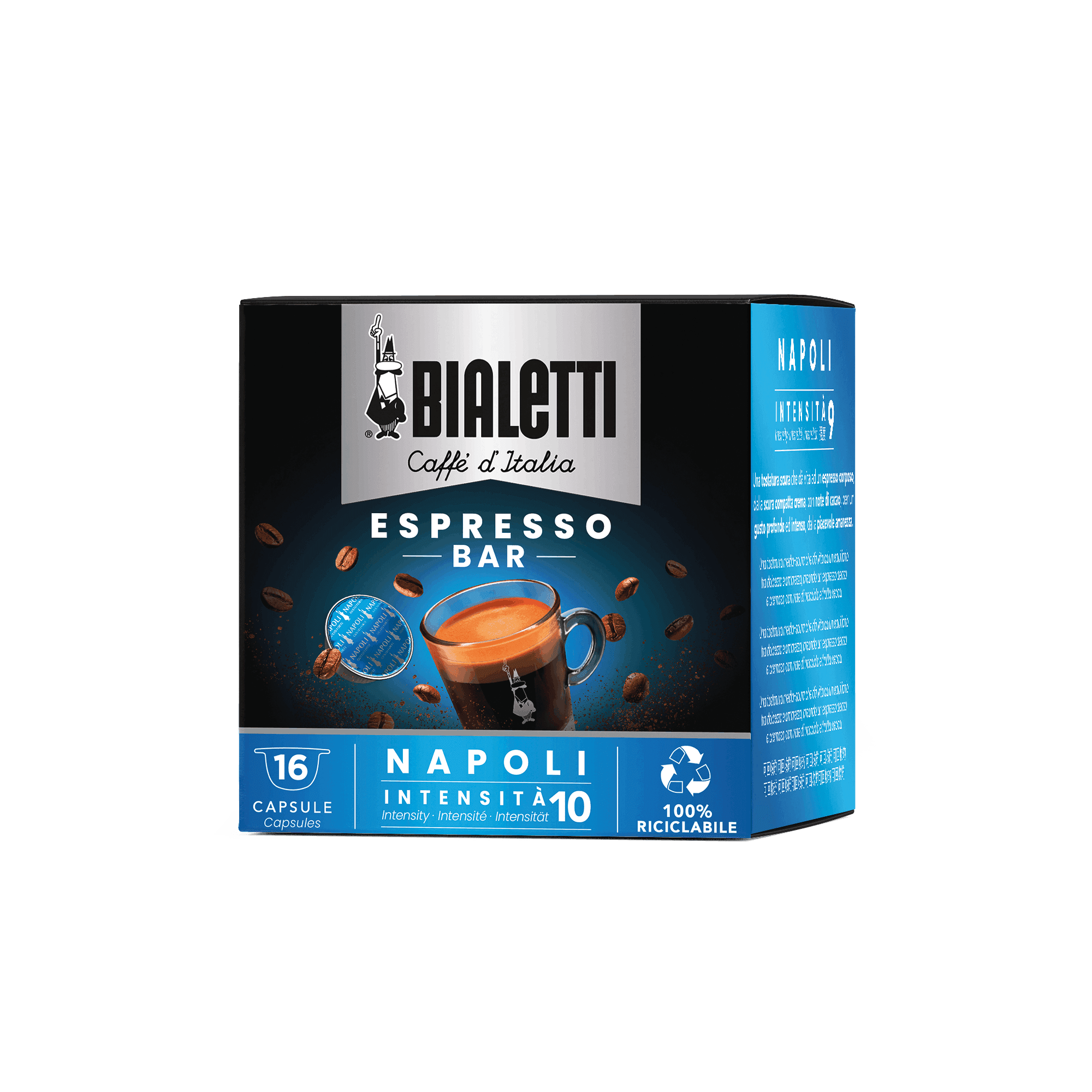
Bialetti
Napoli
$6.49
Dark
Poccino
POCCINO Instant Espresso 50g glass
$3.20
Medium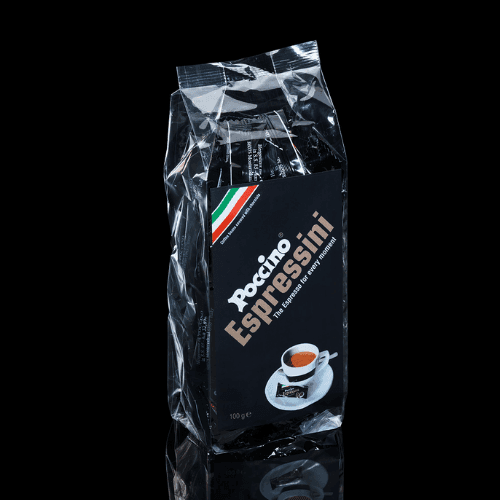
Poccino
Espresso 100g mono can
$2.95
Medium
Poccino
Espresso 400g mono can
$11.50
Medium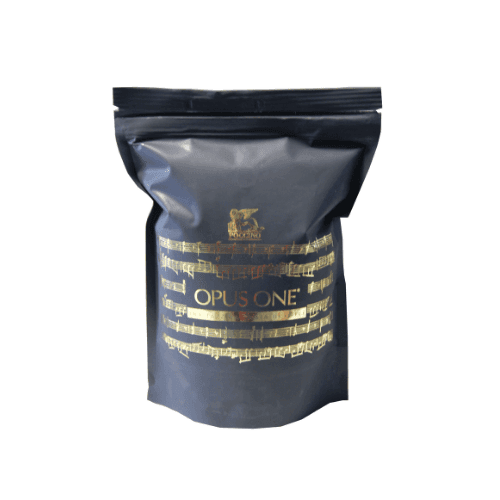
Poccino
OPUS ONE 500g beans
$15.90
Medium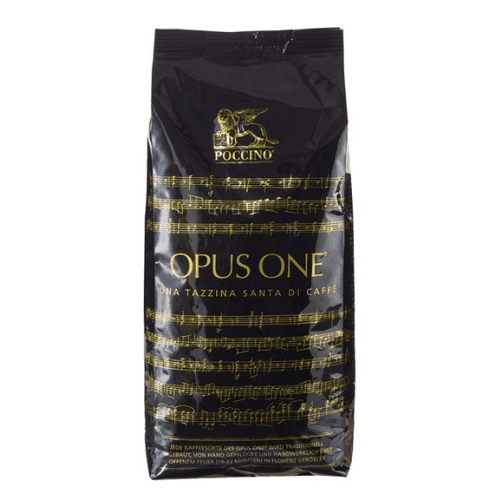
Poccino
OPUS ONE 1000g beans
$29.50
Medium
Poccino
CLUB di POCCINO decaffeinated espresso 250g beans
$7.00
Medium
Poccino
CLUB di POCCINO espresso 250g beans
$6.40
Medium
Poccino
CLUB di POCCINO 1000g beans
$24.50
Medium
Poccino
POCCINO Espresso Classico 250g ground
$5.10
Medium
Poccino
POCCINO Espresso Classico 1000g beans
$18.50
MediumWhat is Italian coffee?
The reason behind this is that Italy itself does not actually grow or produce any green coffee commercially.
The vast majority of Italy does not have the right coffee growing conditions, and any coffee that can be grown is so small that it is not cost-effective to do so.
When we talk about other coffee countries like Ethiopia, Colombia, Brazil, we are talking about coffee-growing countries, we usually start thinking about growing regions and the unique flavors you can get from these coffees from different origins. This is different from Italian coffee because we usually talk more about coffee culture. Or a roasting style for a specific coffee bean or origin.
Italian-style coffee can be made from any of the different beans and multiple sources and is usually roasted in a darker place to give it the intense flavor and body we're all familiar with. A classic Italian-style coffee will often contain robusta, which again has a strong mellow and strong caffeine flavor.
However, this was not always the case with Italian coffee. Italian coffee used to be made almost entirely with Arabica, which is generally considered to have a smoother and more tart taste, and half the caffeine, than Robusta. However, during World War II, Italy struggled to import enough Arabica coffee from Latin America to meet its growing demand. As a result, they started replacing Latin American Arabica with Robusta, which is more readily available in North Africa. This tradition has always existed, especially in the south of the country, where many Italian blends still use Robusta to give us the rich, full-bodied, highly caffeinated drink that is now synonymous with Italian coffee.
Types of Italian coffee
There are many varieties of coffee in Italy, and while there are about 20 coffees that are popular in Italy, many regional varieties do exist.
Popular Italian coffees include standard espresso, ristretto (a shorter espresso), double espresso, macchiato (espresso with milk), marocchino (espresso, chocolate syrup, milk, and cocoa) ), cappuccino (espresso whipped milk foam), caffelatte (similar amounts of coffee and milk), affogato (a scoop of ice cream topped with espresso), shakeato (a long espresso with ice and a filter) ), caffè ginseng (black coffee mixed with ginseng extract), cappuccino matcha (cappuccino using matcha instead of coffee), caffè d'orzo (barley coffee) and caffè con panna (coffee with cream).
Coffee house environments
Like bars, cafes have a long history of providing environments where people can easily socialize among their own groups and (often) with strangers. This is reflected in language; when people say "meet for coffee," they mostly mean meet to socialize or talk. Historically, cafes have been places where people gather, chat, work, write (especially local newspapers), read (especially local newspapers written in cafes), and pass the time. Today, coffee shops are much the same—just ink and paper are often replaced by laptops, and newspapers by blogs.
Cafe layouts often include smaller corners and larger common areas. In more crowded cafes, it is common for strangers to sit at the same table, even if that table can only seat two people. Cafes are usually cozy and encourage communication between strangers.