
Honduras
Coffee is grown in Honduras, which borders Nicaragua, El Salvador , and Guatemala generally has tasting notes that describe them as full-bodied, with a sweet and gentle taste. Much of the coffee grown in Honduras has hi…
132 products
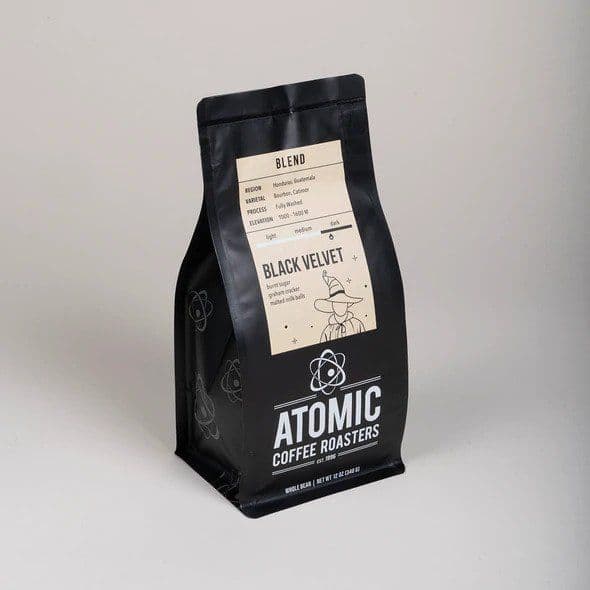
Atomic Coffee Roasters
Black Velvet
$13.00
Dark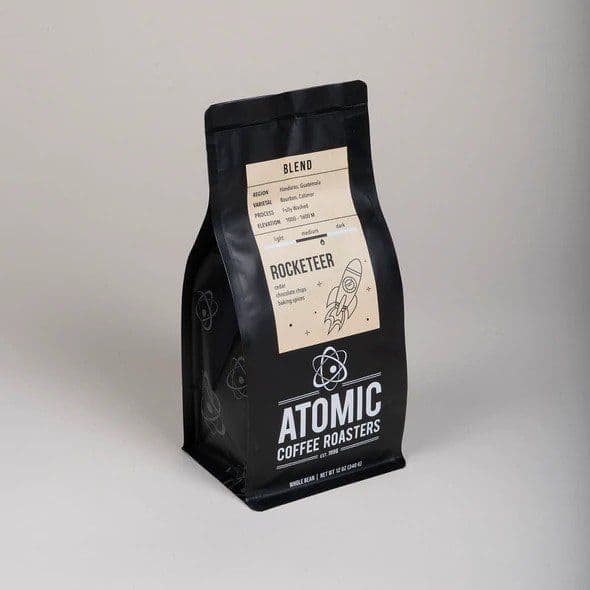
Atomic Coffee Roasters
Rocketeer
$13.00
Medium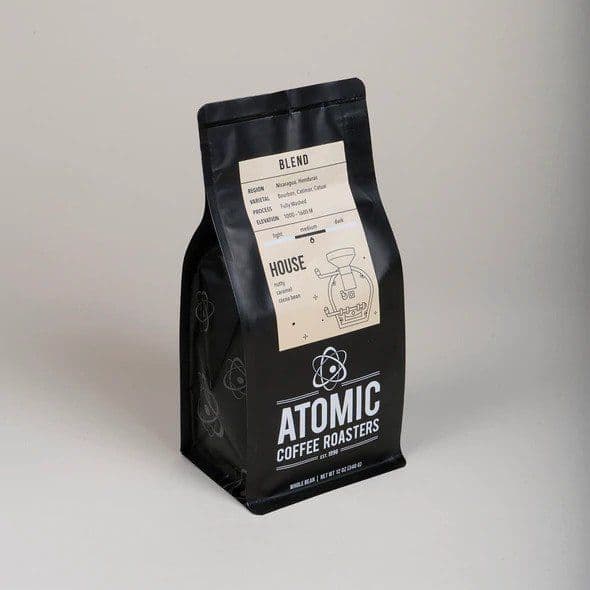
Atomic Coffee Roasters
House Blend
$13.08
Medium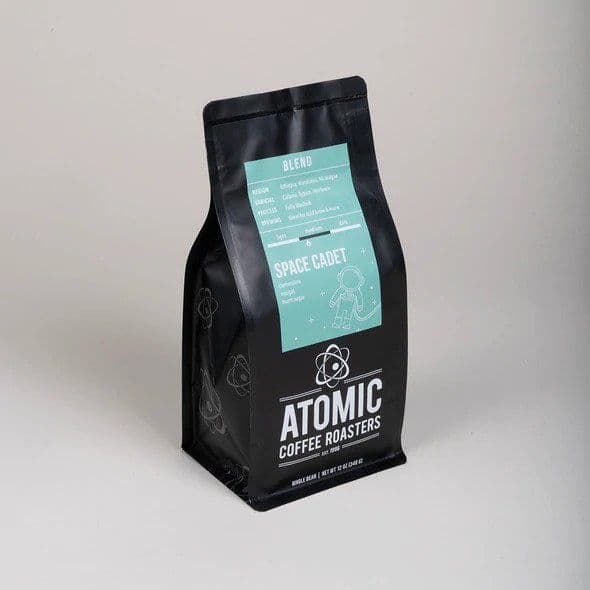
Atomic Coffee Roasters
Space Cadet
$13.96
Medium
Cafè Badilatti
St. Moritz Café - ground
$6.69
Light
Cafè Badilatti
St. Moritz Coffee
$6.69
Medium
Cafè Badilatti
St. Moritz Café
$18.91
Light
Cafè Badilatti
Gourmetto Bio & Max Havelaar Coffee
$4.85
Medium
Cafè Badilatti
Gourmetto Bio & Max Havelaar
$18.43
Medium
Cafè Badilatti
Dormabain Coffee
$4.85
Medium
Gourvita Trends
Handmade from Honduras - von Coffee-Nation
$24.90
Medium
Mount Hagen
Mount Hagen: Organic Café Decaffeinated Freeze Dried Instant Coffee (3 X 3.53 Oz) (Pack of 3)
$34.81
Gourvita Trends
CAFÈ DE HONDURAS Crema Fuerte - von Gourvita
$16.90

Joe Coffee Company
Joe Coffee 'Nightcap' House Decaf Blend, Decaffeinated Whole Bean, Chemical-free Swiss Water decaffeination process, 12 oz Bag
$16.24
Medium
Gourvita Trends
HONDURAS ARABICA - von Coffee-Nation
$13.90
Light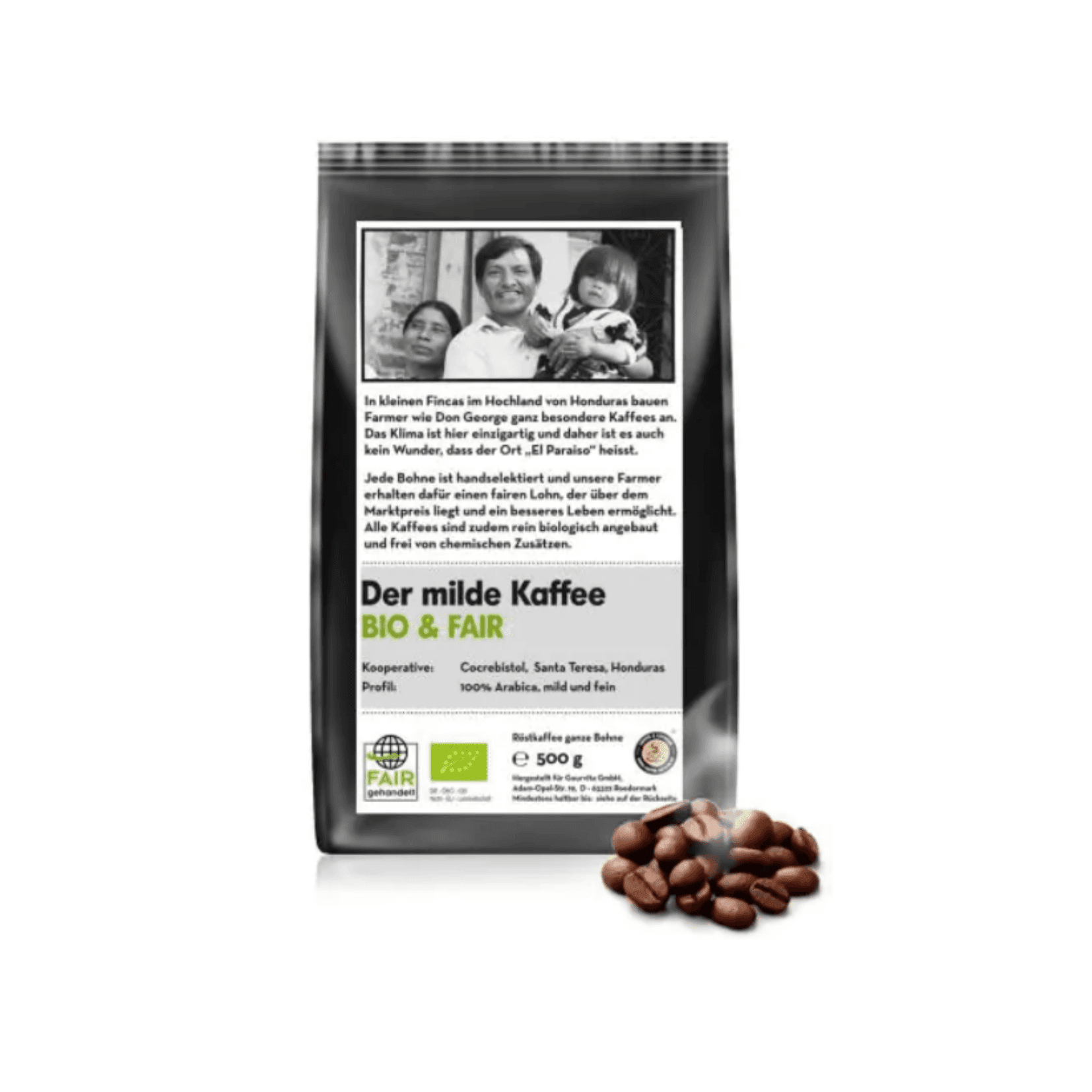
Gourvita Trends
Der milde Kaffee - von Gourvita
$16.90
Medium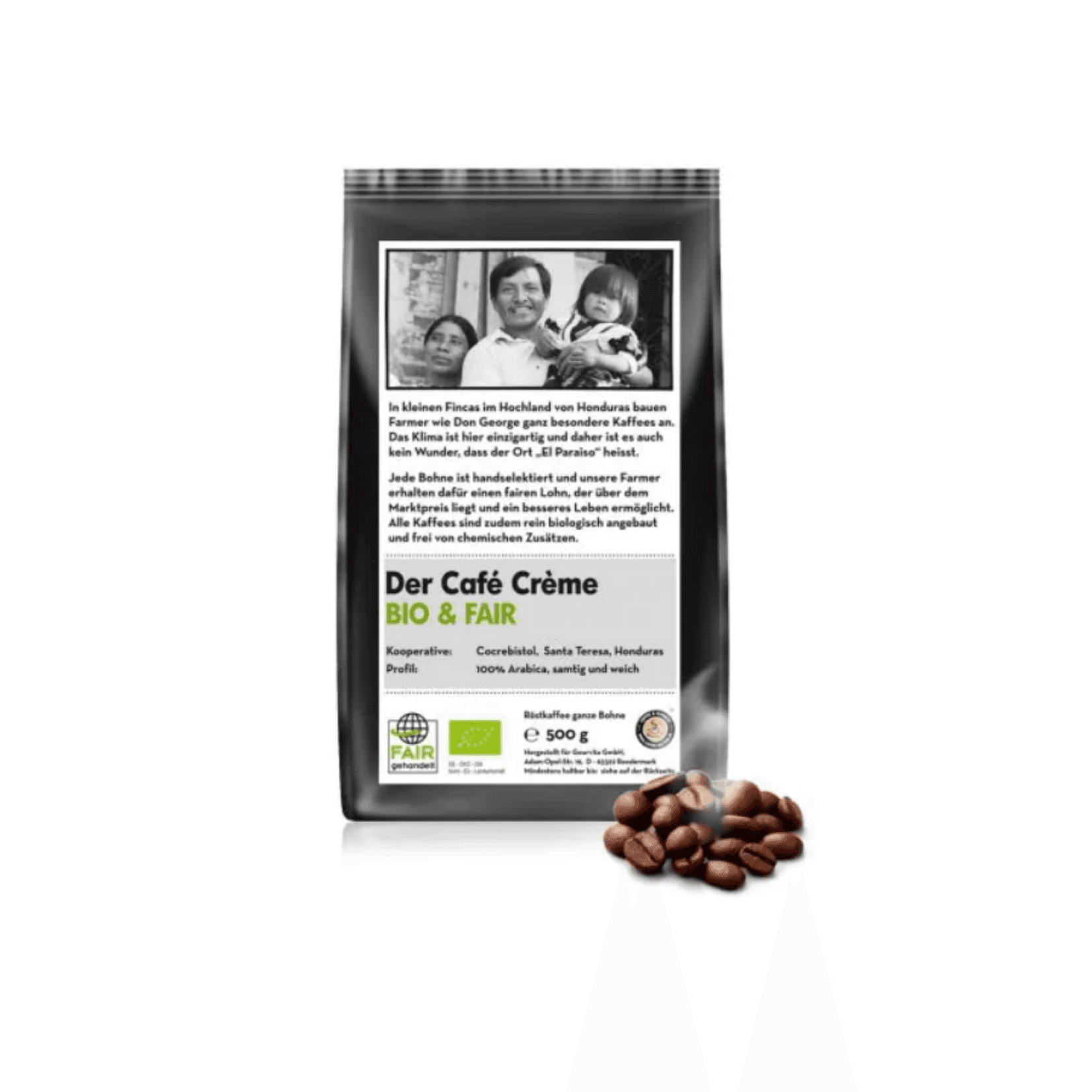
Gourvita Trends
Der Café Crème - von Gourvita
$16.90
Dark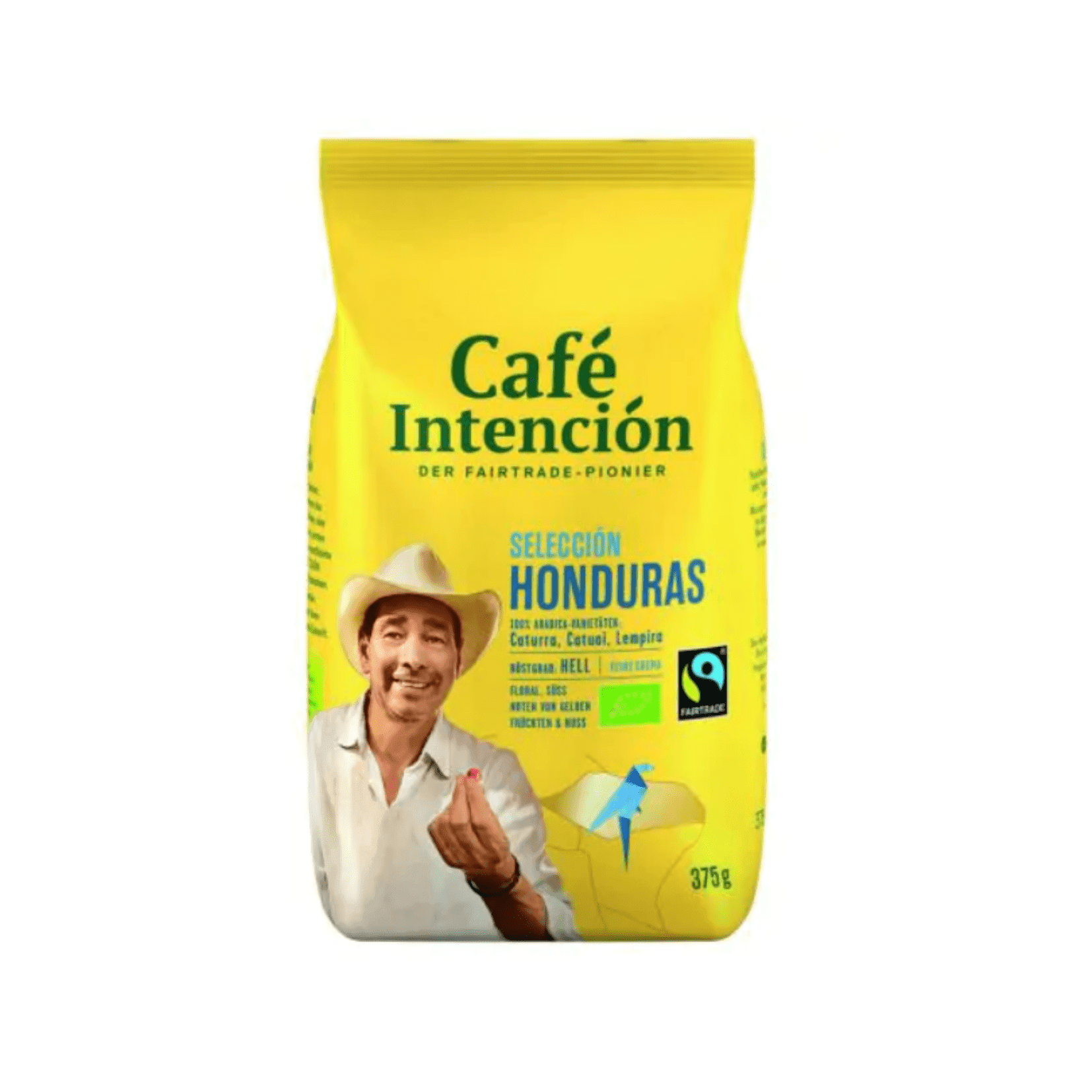
Gourvita Trends
Café Intención - SELECCIÓN HONDURAS
$6.99
Medium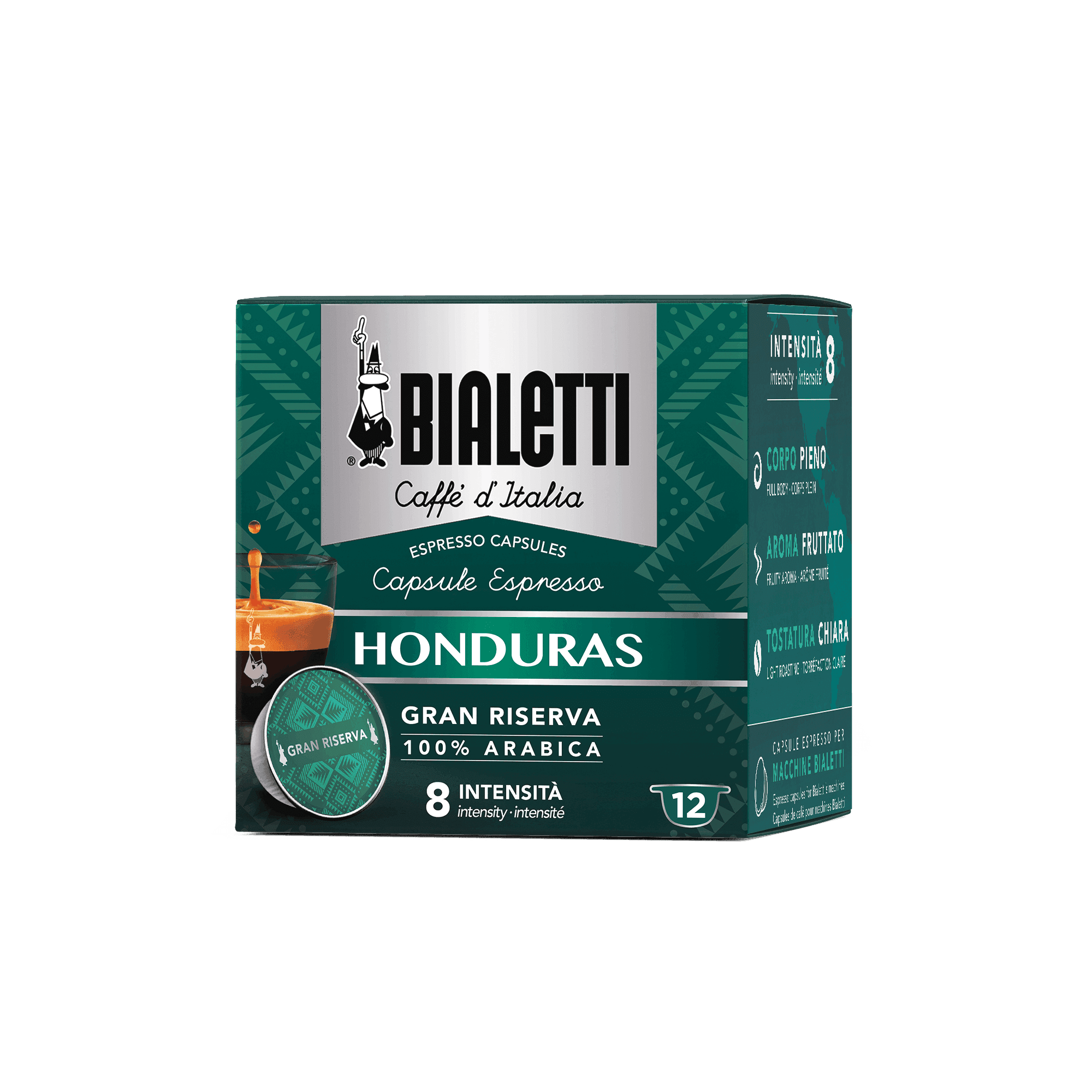
Bialetti
Honduras - Gran Riserva
$5.49
Light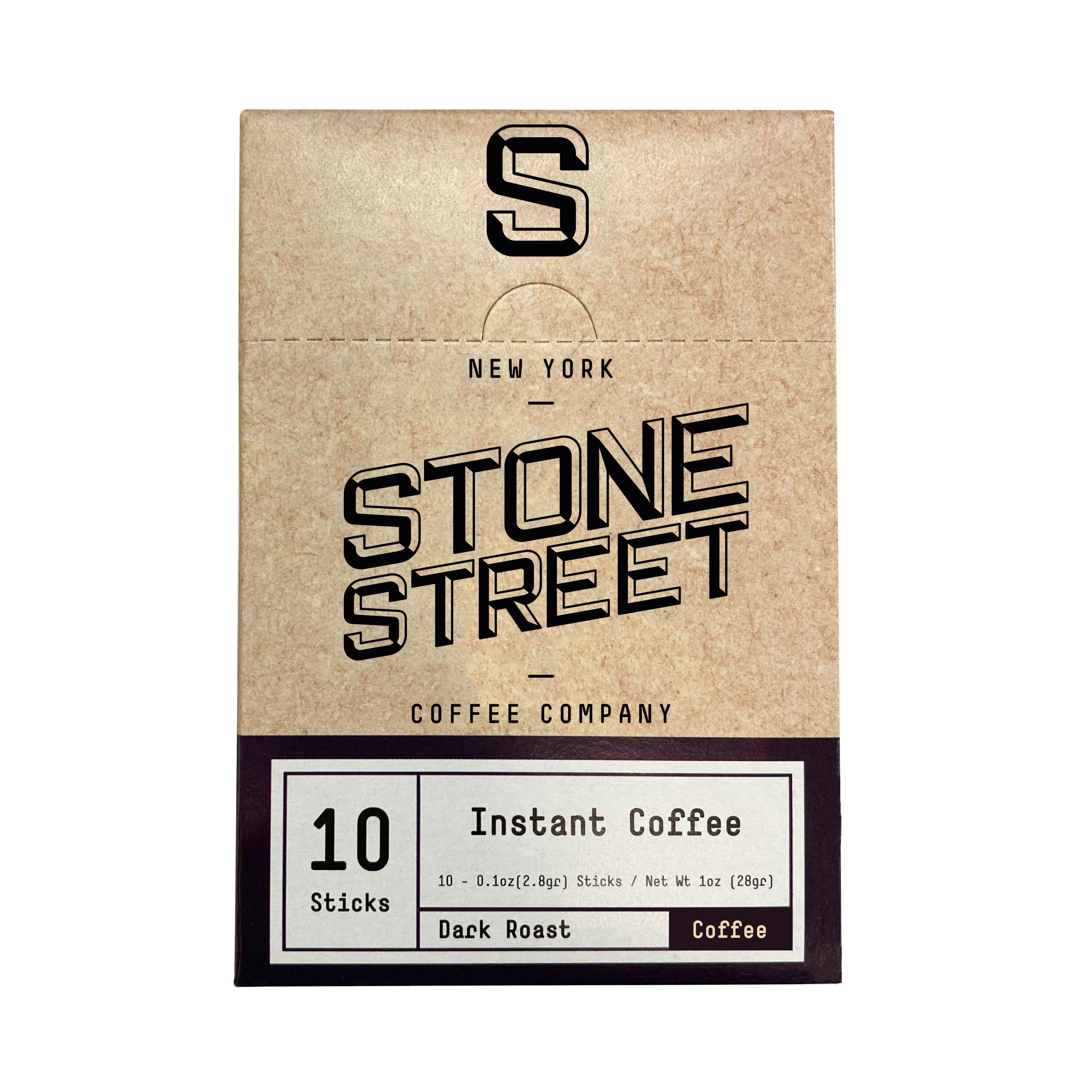
Stone Street Coffee
INSTANT COFFEE - COLD & HOT
$5.24
Dark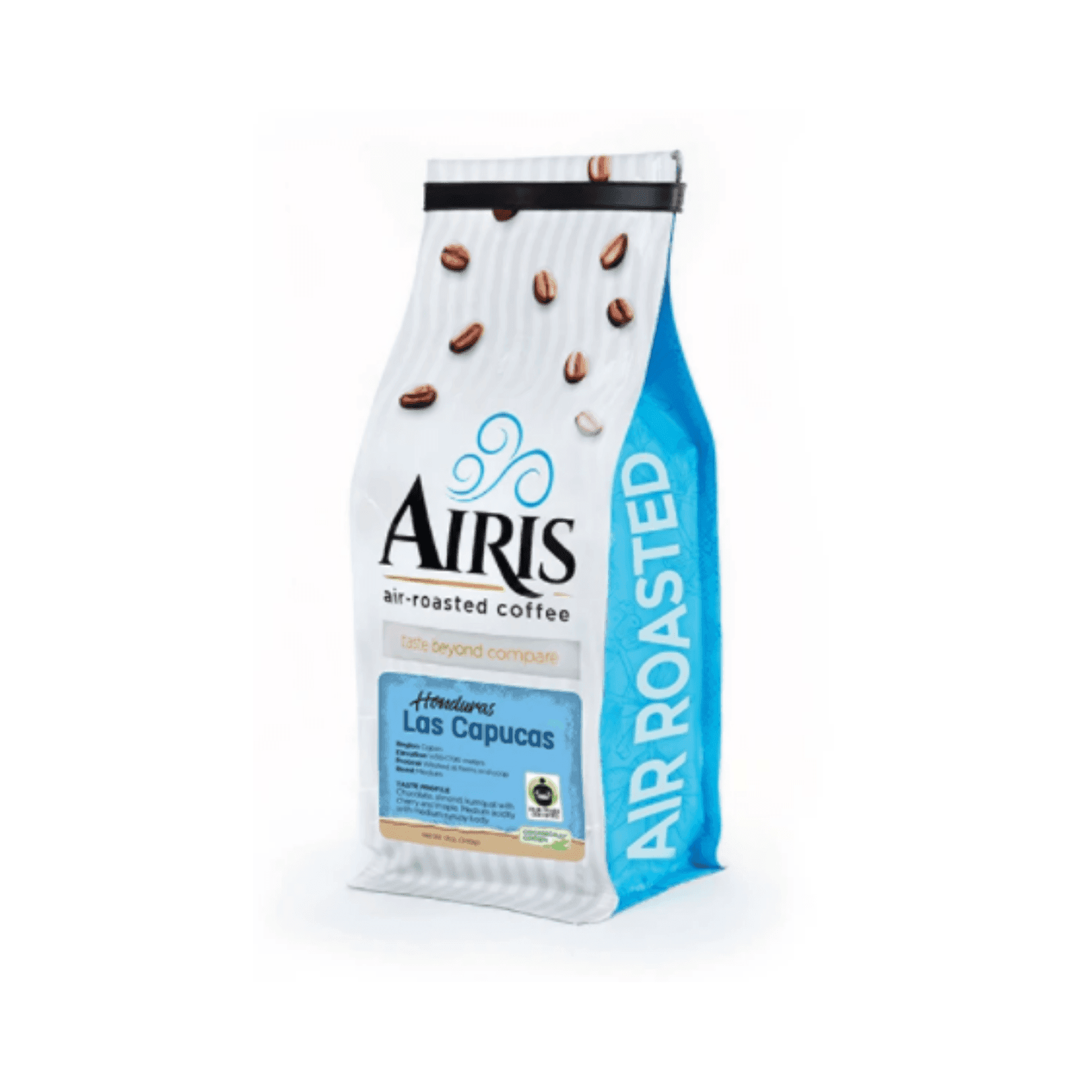
Good As Gold
Honduras Las Capucas
$10.50
Medium
Hannoversche Kaffeemanufaktur
Sample package Central America
$11.90
Hannoversche Kaffeemanufaktur
Honduras La Esmeralda
$9.50
Medium
Almanac Coffee
HONDURAS - COOPERATIVA RAOS WOMEN'S PRODUCER LOT
$11.37
LightCoffee is grown in Honduras, which borders Nicaragua, El Salvador, and Guatemala generally has tasting notes that describe them as full-bodied, with a sweet and gentle taste.
Much of the coffee grown in Honduras has historically been rather unremarkable and often used as a base in coffee blends, however, it has emerged as a force in itself in coffee reviews in recent years and is often sought after.
Due to the lack of infrastructure, coffee from Honduras was usually sent to the vicinity of Guatemala to earn a higher price. With government investment in education and processing techniques, as well as infrastructures such as roads and government programs, Honduran coffees are now recognized around the world - all in a few years.
Best Honduras Coffees
Honduran coffees run the range soft and nutty to bright and vibrant, making them difficult to identify in blends. Most often, brands will present them as their own coffee of unique origin. The best coffee in Honduras will be of strictly high quality. These altitudes allow the coffee to grow more slowly, increasing the absorption of minerals and nutrients and developing a more complete and robust coffee aroma.
Taking it a step further, you could also look for Bird-Friendly or Shade-Grown coffee, which intersperses other trees with coffee trees to create shade and further slow down the growth of coffee.
When buying roasted beans, we recommend ordering whole beans to best preserve the flavor and make sure you order from a coffee roaster that offers a toast to order, so you can get it within a few days of roasting in time. which is at its maximum flavor.
Avoid roasted brands that are on store shelves or on store shelves, as roasted coffees weeks or months in advance tend to be old and relatively tasteless.
History
The oldest plantations reported in Honduras date back to the early nineteenth century, where it came from the Caribbean. It was introduced under Spanish ownership but began to gain ground after independence. It was second only to banana exports, which were owned and run by large US companies until the 20th century. In the early 2000s, the coffee industry eventually gained ground and is considered a primary cash crop along with bananas.
Coffee farms are owned and operated, but a large number of farms operate independently. Recent estimates put the number at around 110,000 - more than 90% of them small. In turn, these farms support about one million jobs during the coffee harvesting and processing season (between November and March).
The governmental organization of the coffee industry in Honduras is the Instituto Hondureno del Cafe (IHCAFE).