
Coffee Roasting
Roasting coffee is the process of heating coffee cherry seeds to enhance flavor and aroma and, ultimately, increase solubility. Why do we keep talking about solubility? Because it is the essential element of coffee prep…
1,812 products
NESCAFE
Dolce Gusto Nescafe Coffee Pods, Cappuccino, 16 capsules (Pack of 3)
$27.12
Dark
Cafè Badilatti
Espresso Bar "all Italiana"
$4.66
Dark
Cafè Badilatti
Dormabain Coffee
$4.85
Medium
Cafè Badilatti
Bernina Bohnen Coffee
$4.66
Medium
Cafè Badilatti
Allegra Max Havelaar Coffee - beans
$17.77
Dark
Cafè Badilatti
Allegra Max Havelaar Coffee
$8.93
Dark
Cafè Badilatti
Albana Coffee
$4.66
Dark
NESCAFE
Nescafe Sunrise Coffee - 200 Gms - India
$14.50
Dark
Eight o Clock Coffee
Caramel Macchiato
$16.52
Medium
NESCAFE
Nestle Nescafe Gold Instant Coffee - Nescafe Mocha - 4 boxes x 8 sachets / Box
$0.00
Medium
NESCAFE
NESCAFÉ® Clásico® Brazil - Instant 7oz
$0.00
Dark
NESCAFE
Nescafe Clasico Decaf Instant Coffee, 3.5 oz
$0.00
Dark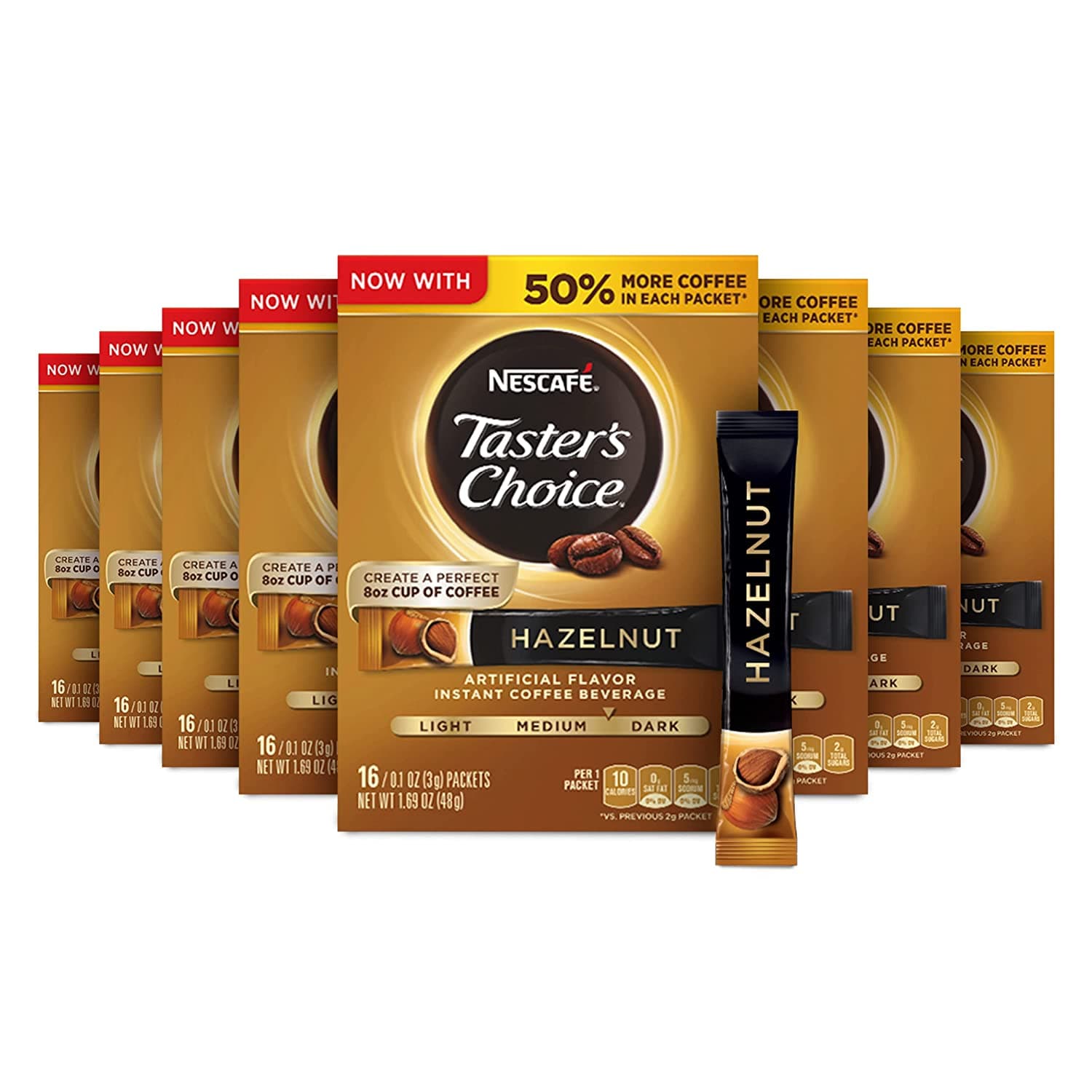
NESCAFE
Nescafe Taster's Choice Instant Coffee Beverage, Hazelnut, 16 count (Pack of 8)
$0.00
Dark
NESCAFE
NESCAFE Taster's Choice, French Roast Medium Dark Roast Instant-Coffee, 11.1 oz. Resealable Canister, 2 Pack (320-cups total)
$67.95
Dark
NESCAFE
Nescafe Taster's Choice 100% Colombian 16 Piece Instant Coffee Single Serve Sticks, 1.69 oz
$0.00
Medium
NESCAFE
Nescafe Instant Coffee Gold 100g (2-pack)
$21.49
Dark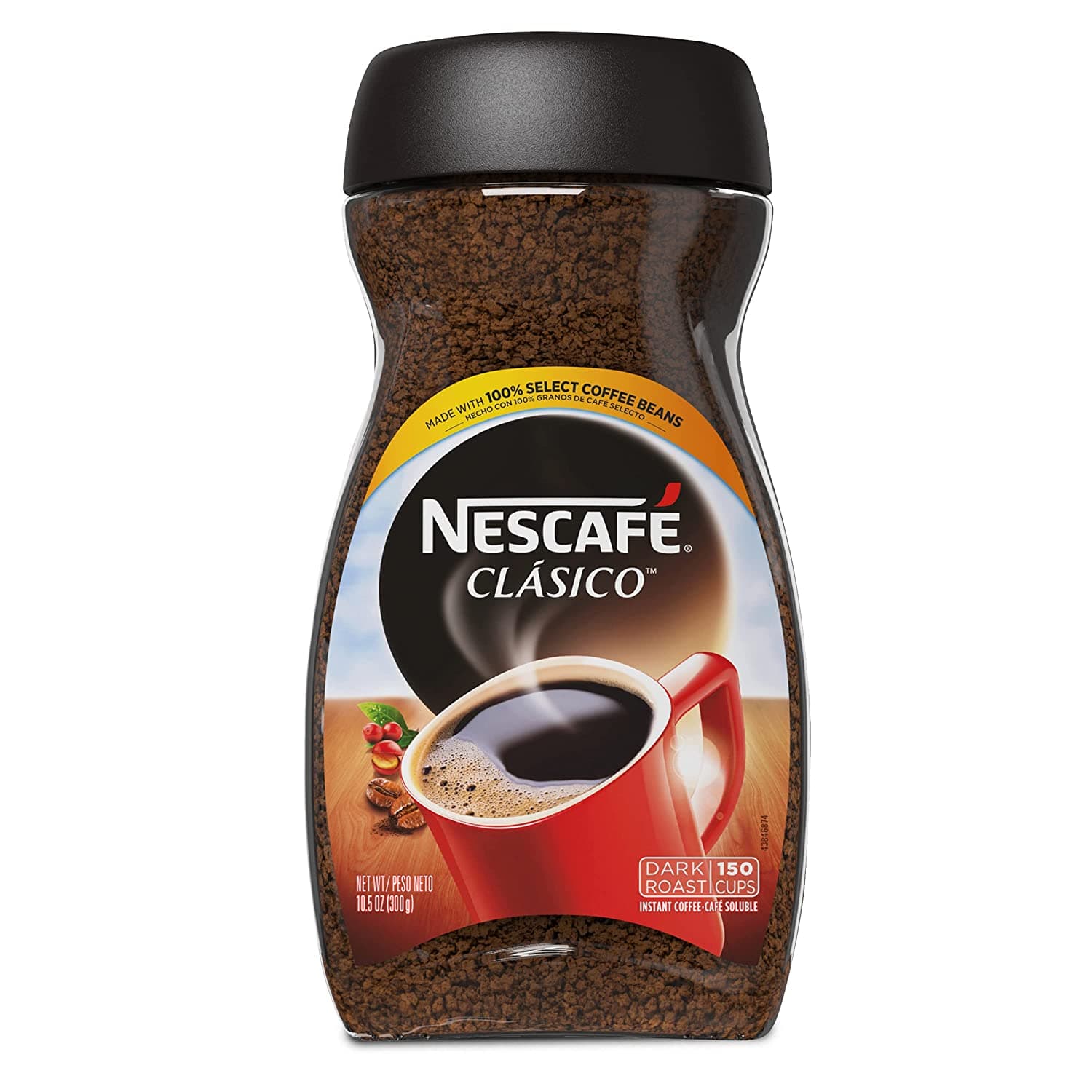
NESCAFE
Nescafe Clasico, 10.5 Ounce Jar
$0.00
Dark
NESCAFE
Nescafe Taster's Choice House Blend Instant Coffee, 7 Ounce (Pack of 2)
$0.00
Light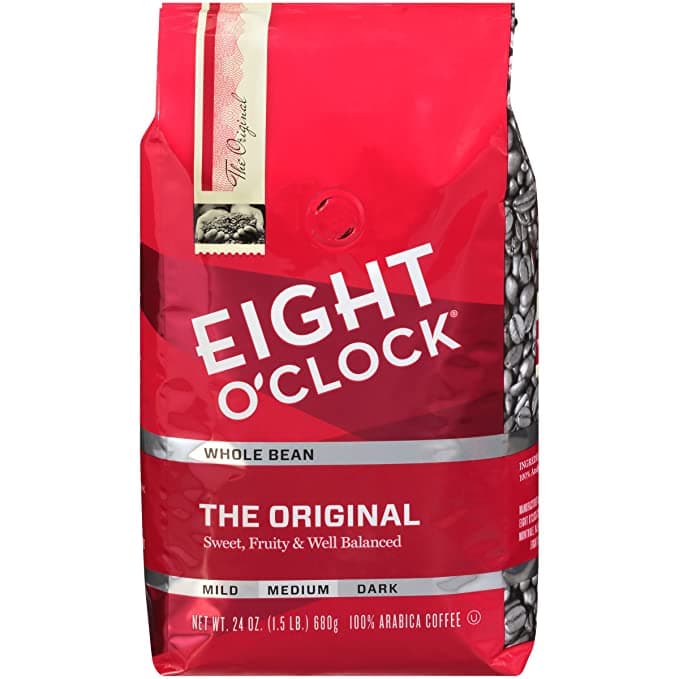
Eight o Clock Coffee
The Original
$11.17
Medium
Eight o Clock Coffee
Original Decaf K-Cup
$8.32
Medium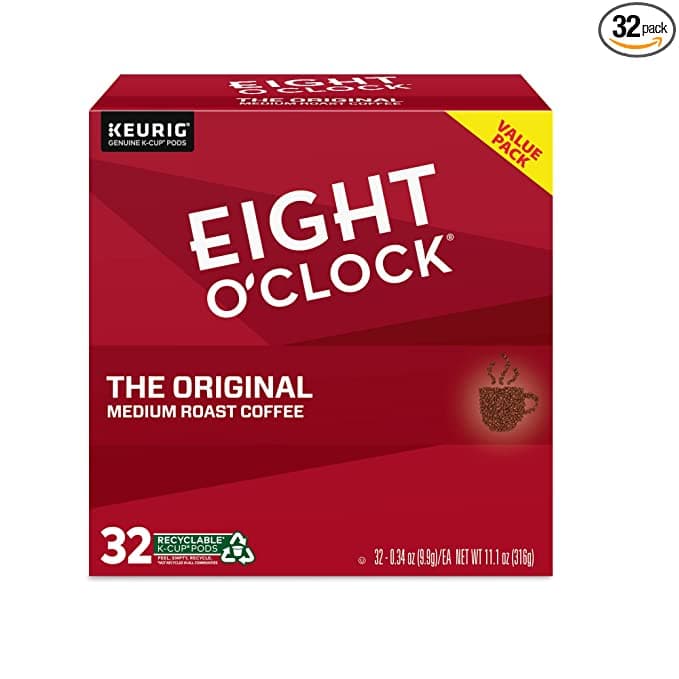
Eight o Clock Coffee
The Original K-Cup Pods
$17.33
Medium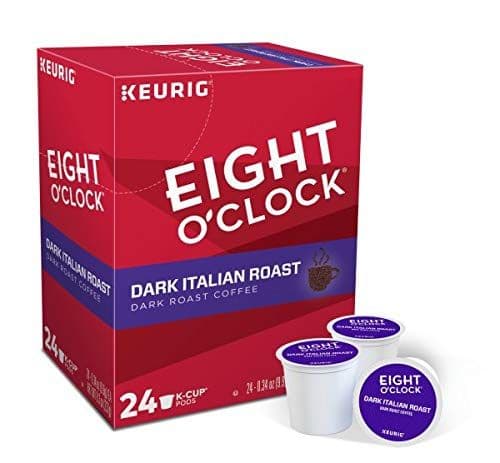
Eight o Clock Coffee
Dark Italian Roast K-Cups
$10.75
Dark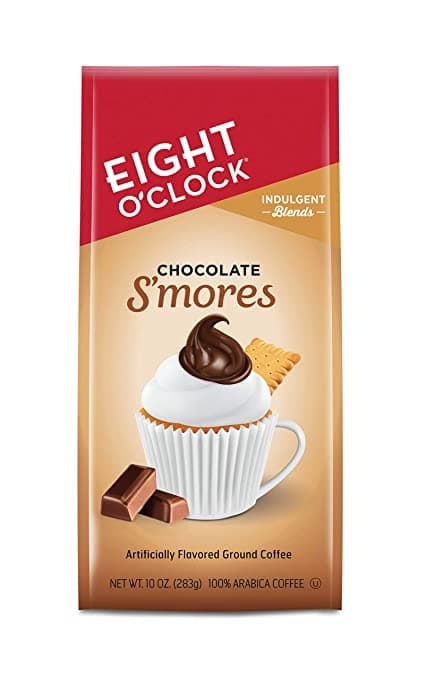
Eight o Clock Coffee
Chocolate S'Mores
$15.19
Light
Eight o Clock Coffee
Chocolate Covered Strawberry
$7.67
LightRoasting coffee is the process of heating coffee cherry seeds to enhance flavor and aroma and, ultimately, increase solubility. Why do we keep talking about solubility? Because it is the essential element of coffee preparation. The solubility rate of the compounds in a specific rost is the key to achieving a correct extraction by temperature, time, and size of grinding. It is the "unifying theory" of coffee types.
To achieve solubility, this coffee is roasted, usually in a commercial roaster, which is, according to Ed Kauffman (head of roasting at the Joe Coffee Company) “a cross between a pizza oven and a clothes dryer. It is a large metal, a cylindrical machine that turns like a clothes dryer, but has flames underneath. "However, coffee can also be roasted in popcorn or a cast-iron skillet. Just returning from the Seattle coffee show, I'd say most of the innovation has been at home or in small roasting areas. in batch.
Below is a coffee-tasting wheel. On the right, you will see a progression of aromatic compounds that develops as the roast progresses from lighter to darker - with light roasts that have more acidic qualities (citrus, malic acid, and apple flavors), medium roast developing nuts and chocolate qualities, and then darker roasts eventually turning to carbon.
What happens when the coffee is roasted?
These roasting profile areas appear along a temperature spectrum that will be unique to each grain by variety, region, and altitude. However, all coffee will eventually go through five distinct stages:
- Drying or yellowing: a crucial phase, according to former Water Avenue toaster James Holk. "This is the phase that will determine the total time of the batch because it is driven by the initial moisture content of the grains. It lays the basic foundation for all other stages because it will be indicative of how hard or soft, fast or slow, your roast is driven into the first crack and beyond. "
- Maillard Reaction: the first "browning" of coffee. This reaction is the catalyst for the formation of many of the 1,000 volatile chemical compounds that are created during the coffee roasting process. This process is most closely associated with the aroma of bread baking. Both are just as delicious.
- First crack: while the early roasting phase refers to the heat acting on the coffee beans from the outside to the inside, the "first crack" is the initial part of the exothermic reactions, where the pressure from the evaporation of moisture and heat have accumulated. inside the bean and begins to break the bean from the inside out. It's a sound like popcorn
- The second crack: although it is no longer "cold" for millennial mustaches, darker roasted coffee will sometimes be roasted through a second crack, which is close to the complete breakdown of coffee.
Carbonization: complete breakdown. Fire hazard.