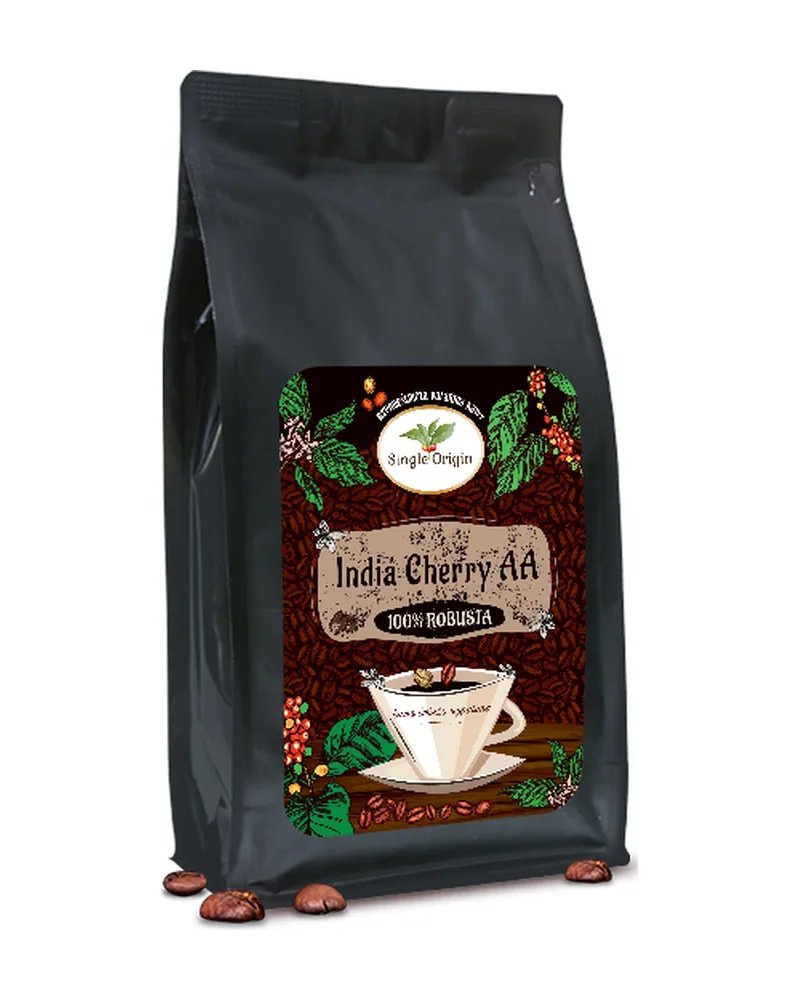
Single Origin
Indie Mysore Nugget
Indie Mysore Nugget é um café vendido por Single Origin (Polónia). Preço: de 21,90 PLN a 149,90 PLN, consoante o tamanho. Isso equivale a partir de 149,90 PLN por quilo.
Ainda sem classificação · Seja o primeiro a avaliá-lo
de21,90 PLN
≈ 149,90 PLN / kg
Vai ser levado à loja da torrefação para concluir a compra.
- Torrefação sediada em
- Polónia
- Enviar para
- Portugal · Consulte a loja da torrefação
A very versatile monsooned Arabica from India, with a distinctive character and a gently spicy note of spices and nuts.
India is famous for tea cultivation, not coffee, but it’s worth knowing that it ranks seventh in global coffee production (including Robusta). Mysore Nugget beans are a fine example of how different one coffee can be from another, and how distinctive its flavor and aroma can be.
Coffees from India fall somewhere between the lightly acidic Arabicas of Africa and the nutty, chocolatey Arabicas of the Americas. The monsooning process gives them an additional, distinctive character: to “dry” the beans, they are placed in warehouses without side walls, where they are dried by damp monsoon winds for 12–16 weeks. You can read more about monsooning coffee in India a little further down.
This is a very good coffee, not as “heavy” as Indonesian Arabicas, and it has been appreciated for years. Its flavor and aroma, resulting from the monsoon processing method, are unmistakable among Arabicas: negligible acidity, a rich bouquet of spices and nuts, a hint of citrus, and a subtle spiciness have made Indian coffee hugely popular in Europe for several hundred years.
A truly Indian blend!
Tamanhos e preços
| Conteúdo | Rodzaj palenia | Por kg | Preço |
|---|---|---|---|
| 100g | Średnie (amerykańskie) | 219,00 PLN | 21,90 PLN ↗ |
| 200g | Średnie (amerykańskie) | 204,50 PLN | 40,90 PLN ↗ |
| 500g | Średnie (amerykańskie) | 169,80 PLN | 84,90 PLN ↗ |
| 1kg | – | 149,90 PLN | 149,90 PLN ↗ |
Descrição
Monsooned coffee – what does it involve?
The monsoon processing method turns the traditional idea of drying coffee beans on its head and makes Indian coffee unmistakable among other Arabicas.
In the traditional processing of coffee cherries in the Americas and Africa, specialty beans – after the outer part of the fruit is removed – are dried in the sun for several or a dozen days, then packed in jute sacks and prepared for export.
Monsooning is a process in which the sun is eventually replaced by damp monsoon winds, which typically blow across these regions of India from June through August.
The partially dried beans are placed in large warehouses without side walls (under covered shelters) and turned or mixed regularly every few days, allowing the damp monsoon winds to dry the beans while also regularly supplying them with moisture – for a period of 12 to 16 weeks (yes, really!).
Monsooning takes place only in western India, where monsoons from the Arabian Sea allow the beans to fully “mature” (and, incidentally, to grow to as much as twice their original size).
Photos of monsooned coffee – what do the beans look like?
Below, we’re showing you real photos of India Mysore Nugget, taken at our roastery.
The first photo shows raw, green beans (note their color and regular, round shape). The second photo shows freshly roasted coffee at our default (recommended) roast level. We roast India Mysore Nugget to an American-style medium roast by default – the photo below shows this roast level.
Click to enlarge the photo
Click to enlarge the photo
The origins of monsooned coffee
The origins of this processing method date back to the 19th century, when coffee from India was transported to Europe on wind-powered ships. The journey took many months, as the route went around Africa and the beans were stored below deck, beneath the waterline. The damp but stable environment and the monsoon winds gave the beans a distinctive character through changes that took place inside them – a character Europeans fell in love with.
Over time, steamships replaced sailing ships, shortening the journey from India to Europe several times over. This affected the beans’ properties and flavor, which no longer had the same character as before.
But customers on the old continent firmly demanded that character back – and this is what led to the development of monsoon processing for coffee beans.
Coffee from India
Indian coffee roasted in accordance with its nature and the craft of roasting is impossible to mistake for any other Arabica. There are several reasons for this.
First, the monsoon processing described above gives the beans such a distinctive character – it makes the brew low in acidity, dense, and silky at the same time.
Second, coffee plantations in India – unlike those in Africa and the Americas – are usually shaded; sometimes they’re practically forests. As a result, the cherries ripen more slowly, and their seeds (the coffee beans) develop more fully.
Another factor with a major influence on the flavor of Indian coffee (especially its spicy character) is that coffee plantations are often surrounded by spice crops, as well as sweet fruit and tea, adding to the richness of its aromatic notes.
The history of coffee in India
Its documented history began in 1840, when the British established the first coffee plantation in their Indian colony, making use of the fertile, sunny slopes of the Karnataka region, abundant rainfall, and stable climate that favored the cultivation of these demanding shrubs.
Coffee cultivation continued to expand, and after independence and the adoption of the constitution in 1950, Indians recognized its profitability and continued to develop it. Today, India is a coffee powerhouse – the world’s seventh-largest coffee producer, after Brazil, Vietnam, Colombia, Indonesia, Ethiopia, and Honduras.
Yemeni legends say that coffee was brought to India (specifically Karnataka!) from the Holy Land as early as the 16th century by a man named Baba Budan, who smuggled seven raw coffee beans in his beard. Seven, because in Islam this number is considered sacred. He had to smuggle them because Yemen exported only roasted coffee, keeping the secrets of its cultivation to itself.
Kissed by the sea
The monsoon process is clearly marked on every sack of this coffee with the signature “Sea Kissed,” aptly describing how each bean has been “kissed by the sea.”
Perguntas sobre Indie Mysore Nugget
Quanto custa Indie Mysore Nugget?
Preço: de 21,90 PLN a 149,90 PLN, consoante o tamanho. Isso equivale a partir de 149,90 PLN por quilo. Os preços vêm da loja e podem mudar; a loja tem os preços atuais.
Onde posso comprar Indie Mysore Nugget?
Na loja online de Single Origin: os preços desta página ligam a ela. A Cafendo não vende café.
Avaliações
Ainda sem avaliações.
Cafés semelhantes
Cafés de outras torrefações semelhantes a este

HalfWit Coffee Roasters
Moonbat Blend
18,00 US$
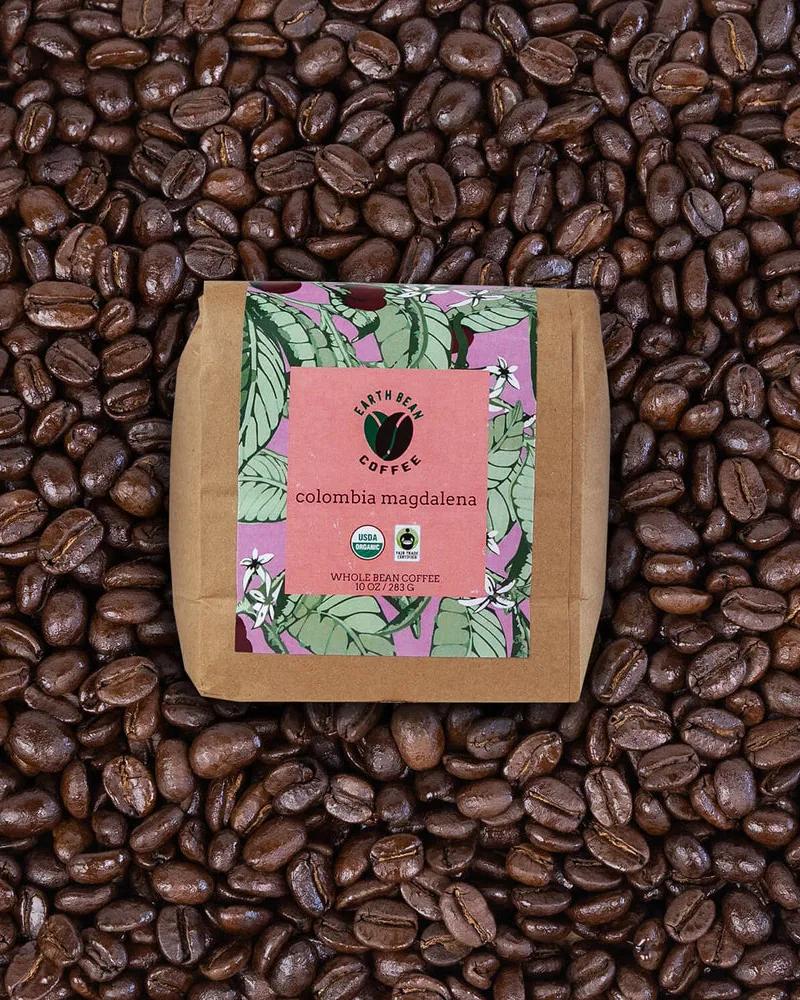
Earth Bean Coffee
Colombia Magdalena
18,00 US$
Média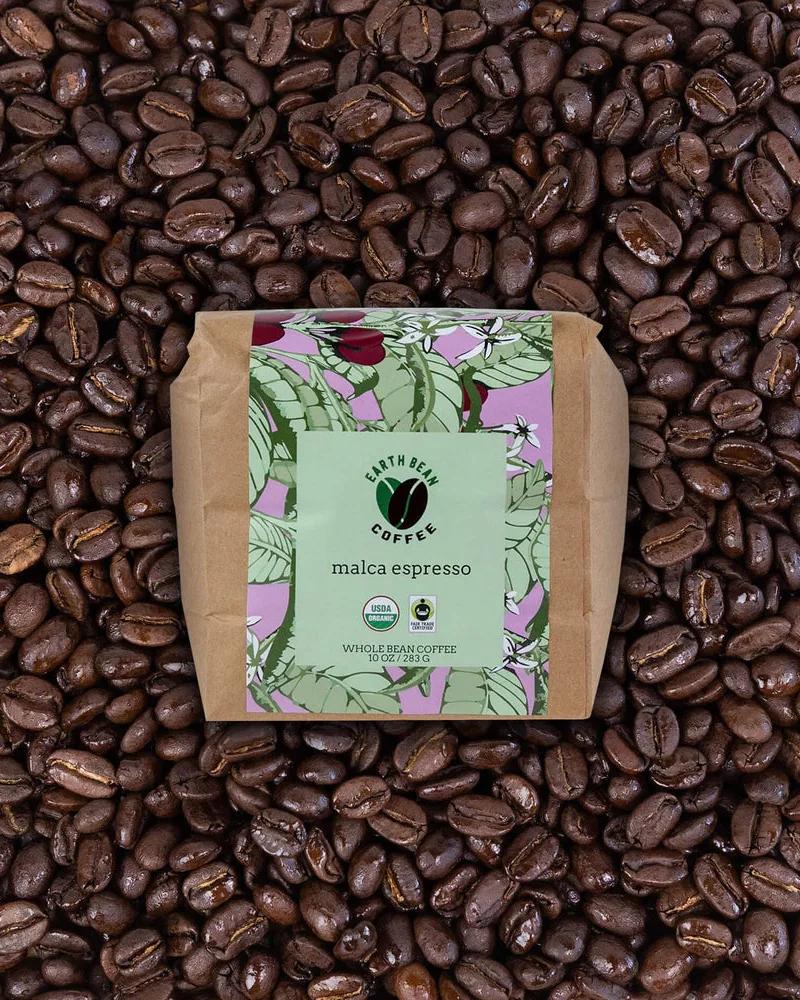
Earth Bean Coffee
Malca (espresso)
17,00 US$
Média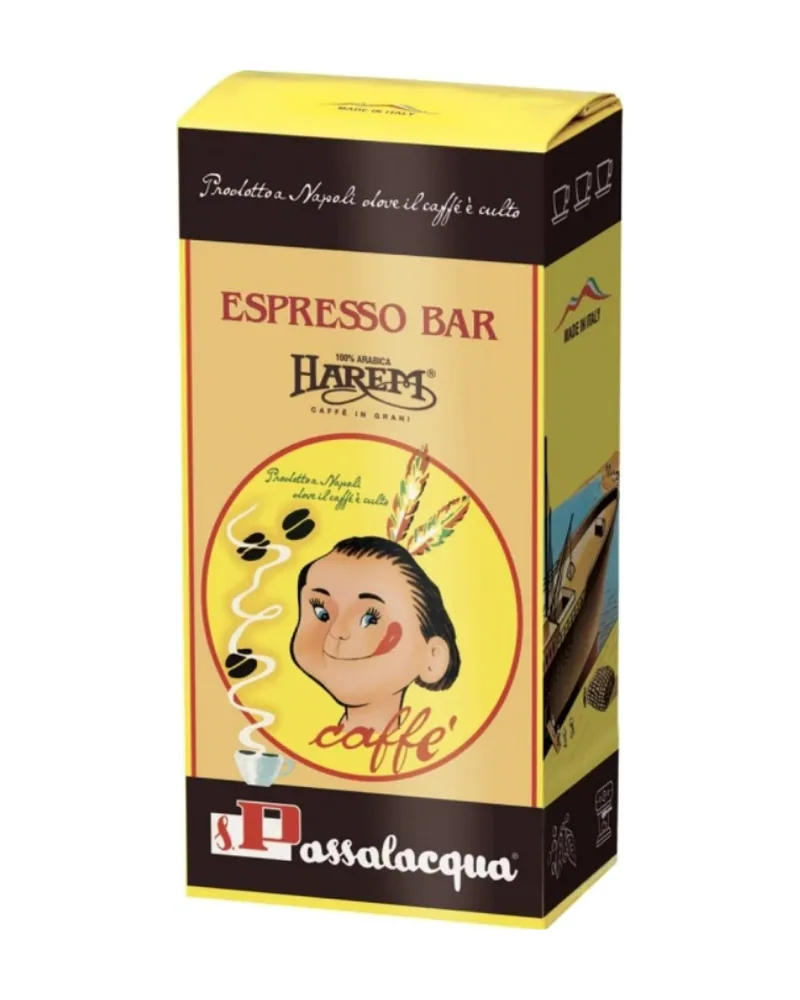
Passalacqua
Harem
19,00 US$
Escura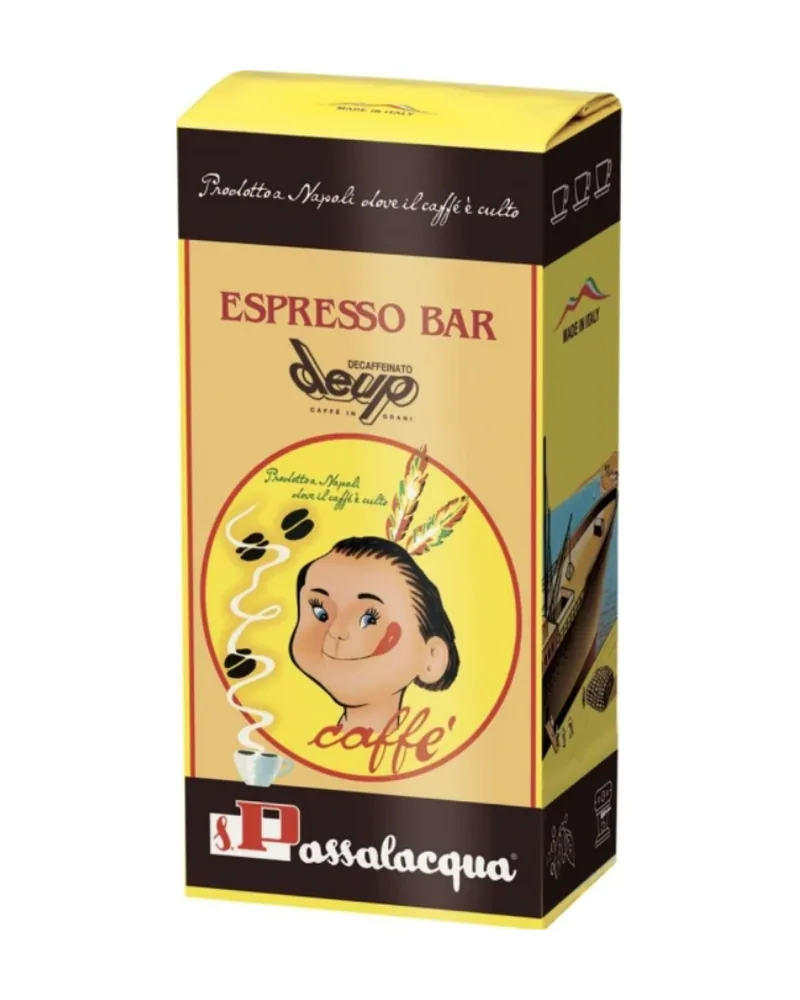
Passalacqua
Deup
14,50 US$
Escura
Green Cup Coffee
Pacha Mama - BIO
9,90 €

Green Cup Coffee
Tempixque
9,90 €
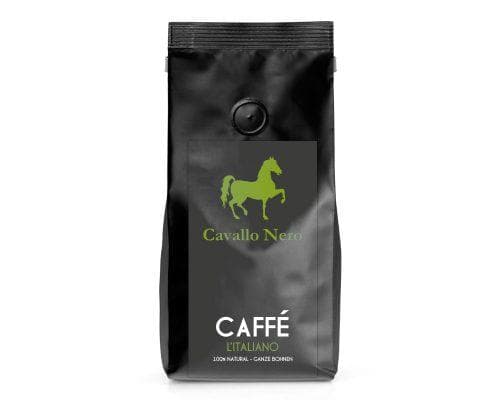
Biotiva
Coffee L'Italiano
12,50 US$
Escura