Single Origin
Kenia Grand Africa
Kenya
- Single origin
Kenia Grand Africa er en kaffe fra Kenya, solgt av Single Origin (Polen). Pris: 21,90 PLN til 159,90 PLN, avhengig av størrelsen. Det vil si fra 159,90 PLN per kilo.
Ikke vurdert ennå · Bli den første til å vurdere den
fra21,90 PLN
≈ 159,90 PLN / kg
Du blir sendt til brenneriets butikk for å fullføre kjøpet.
- Brenneriet holder til i
- Polen
- Send til
- Norge · Sjekk i brenneriets nettbutikk
One of the most highly regarded coffees in the world—a Kenyan Arabica with AA-grade beans and an SCA score of 85!
Kenya is known for its very high-quality coffees. This is due to the climate (suitable temperatures and relatively high rainfall), fertile volcanic soils, and a stable, well-managed system for buying beans and classifying their quality. The most renowned Kenyan coffee is the Arabica variety SL34, developed in the 1930s at Scott Laboratories in Nairobi (SL—Scott Laboratories). This is the coffee we offer you.
Kenya Grand Africa is grown on small farms at the foot of Mount Kenya. It is hand-picked using selective harvesting—only ripe cherries are picked, since coffee cherries ripen unevenly. The coffee “cherries” are washed with crystal-clear water (the Mount Kenya region is a national park) and then sun-dried. After the beans are sorted, the coffee is sent to roasters around the world.
Kenya Grand Africa is a coffee with pleasant fruit acidity and citrus-floral notes, with distinct hints of cherry, apricot, and jasmine. This is an Arabica with a complex flavor profile, bright and aromatic. It may not be ideal for espresso, but brewed as a large black coffee, for example with a drip brewer or Chemex, it will be one of the best in the world.
Størrelser og priser
| Innhold | Rodzaj palenia | Per kg | Pris |
|---|---|---|---|
| 100g | Średnie (amerykańskie) | 219,00 PLN | 21,90 PLN ↗ |
| 200g | Średnie (amerykańskie) | 209,50 PLN | 41,90 PLN ↗ |
| 500g | Średnie (amerykańskie) | 183,80 PLN | 91,90 PLN ↗ |
| 1kg | – | 159,90 PLN | 159,90 PLN ↗ |
Beskrivelse
Coffee from Kenya—a lively AA-grade Arabica
According to 2019 figures, Kenya ranked 16th worldwide in coffee production (exports), thanks to exports of 833,000 bags of coffee. 90% of these are Arabica. More than 70% of production comes from small-scale growers (around 150,000 farms were counted in 2011), organized into local cooperatives with their own processing stations, where most coffee is processed using the washed (wet) method.
Most coffee farms are concentrated in the central part of the country, particularly around the Mount Kenya massif—from where the Kenya Grand Africa we offer comes.
Coffee farms in Kenya are located at elevations of 1,500–2,500 meters above sea level, in the equatorial zone (it is worth noting that the equator crosses Kenya)—creating perfect conditions for growing coffee, which Kenyans make careful use of, bringing the world wonderful beans that are among the highest-rated.
The state oversees the sale of green beans in Kenya: coffee is sold at weekly auctions under government auspices, and prices depend on bean classification:
- A—the largest beans, screen > 17 (over 7.2 mm in diameter)
- B—smaller beans, screen 15–16 (about 6.5 mm in diameter)
- C—the smallest, below grade B
Kenya Grand Africa, which we offer you, is made up of AA beans—the highest-graded and most sought-after coffee from Kenya.
There are also the PB grade (mutated Peaberry beans, meaning single beans from a fruit) and “coffee waste”—grades T (damaged, incomplete beans) and ML (beans from unripe or rotten fruit).
Photos of Kenya AA Grand Africa coffee—what do the beans look like?
Below are real photos of this coffee, taken at our roastery.
The first photo shows raw green beans. The second shows freshly roasted coffee at our default (recommended) roast level. By default, we roast Kenyan beans American-style (medium)—the photo below shows this roast level.
Click to enlarge the photo
Click to enlarge the photo
The history of coffee in Kenya
The beginnings of coffee cultivation in Kenya are not clearly established, but most sources point to the early 19th century. Some say coffee was first cultivated here in 1893 by French missionaries—the Fathers of the Paris-based Congregation of the Holy Spirit. Others point to British origins in 1900.
A turbulent history
Coffee cultivation, dominated by white British colonists, was the cause of many conflicts in Kenya—both colonial (in 1920, the Kikuyu Association was founded, demanding land and the right to grow coffee independently of the British) and internal wars after independence from Great Britain in 1963. The business was so lucrative that armed guards watched over warehouses of harvested coffee, while growers spent nights in their fields, fearing thieves who operated under cover of darkness.
Scott Laboratories
This institution played a huge role in Kenya’s coffee industry. It was established by the British colonial government in 1922 in Nairobi (Kenya’s capital), with the main aim of providing local farmers with knowledge and skills and conducting research on behalf of the Department of Agriculture to develop better varieties of crops—higher-yielding and more disease-resistant.
The institution is named after Scottish missionary Dr. Henry Scott. The buildings that housed the laboratories were built in 1913 as a sanatorium and were used as a hospital during World War I. In this way, tribute was paid to the doctor’s dedication. The institution is now called NARL (National Agricultural Laboratories) and is Kenya’s leading agricultural R&D center.
At first, coffee was just one area of research, but with rising demand, an experimental coffee farm covering 2,400 m2 was established as early as 1934. Researchers studied the early genetics of coffee plants and the effects of pruning, watering, shading, etc. on the final beans.
Beside this text is an illustration from an article about Scott Laboratories, published in the East African Review in 1936 (source: Taylor & Francis Group).
Scott Laboratories is responsible for the beans we offer you. This variety was developed in 1934 and named SL34. Its priority was bean quality, at the cost of susceptibility to disease and demanding climate requirements—which is why SL34 is so sought after in the market and appreciated by connoisseurs.
The perfect place and conditions
The Mount Kenya region, where the Kenya Grand Africa we offer is grown, brings together a wealth of favorable conditions for coffee cultivation. A stable, humid equatorial climate, volcanic soils, and elevations above 1,500 meters above sea level create ideal conditions for growing demanding Arabica varieties.
Coffee cultivation in Kenya began at the foot of Mount Kenya, and the region is also home to the country’s most renowned farms.
The Mount Kenya massif is a stratovolcano—the second-highest peak in Africa after Kilimanjaro, with Batian Peak at 5,199 meters above sea level. Local communities attribute divine powers to the mountain, which is why all Kikuyu homes face toward it.
Some farms in this region harvest coffee cherries twice a year because there are two rainy seasons. However, most coffee harvesting in Kenya takes place from December to April.
Spørsmål om Kenia Grand Africa
Hvor kommer Kenia Grand Africa fra?
Den kommer fra Kenya.
Hva koster Kenia Grand Africa?
Pris: 21,90 PLN til 159,90 PLN, avhengig av størrelsen. Det vil si fra 159,90 PLN per kilo. Prisene kommer fra butikken og kan endre seg. Butikken har gjeldende priser.
Hvor kan jeg kjøpe Kenia Grand Africa?
I nettbutikken til Single Origin: prisene på denne siden lenker dit. Cafendo selger ikke kaffe selv.
Vurderinger
Ingen vurderinger ennå.
Liker du denne kaffen, prøv disse
Plukket ut fra andre brennerier etter felles opprinnelse, foredling, brenning, smaksnotater og pris. Kaffer som de samme menneskene har lagret eller vurdert høyt, teller mest.
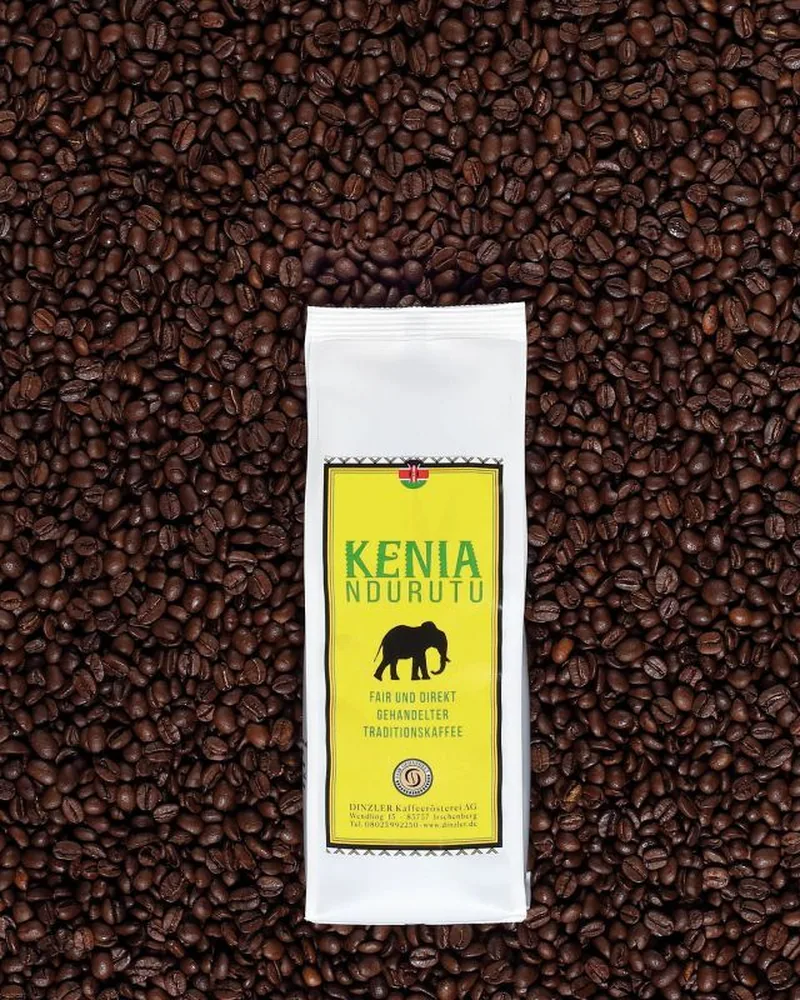
Dinzler Kaffeerösterei
DINZLER Coffee Kenya Ndurutu
8,70 USD
LysHvorfor: KenyaLignende pris
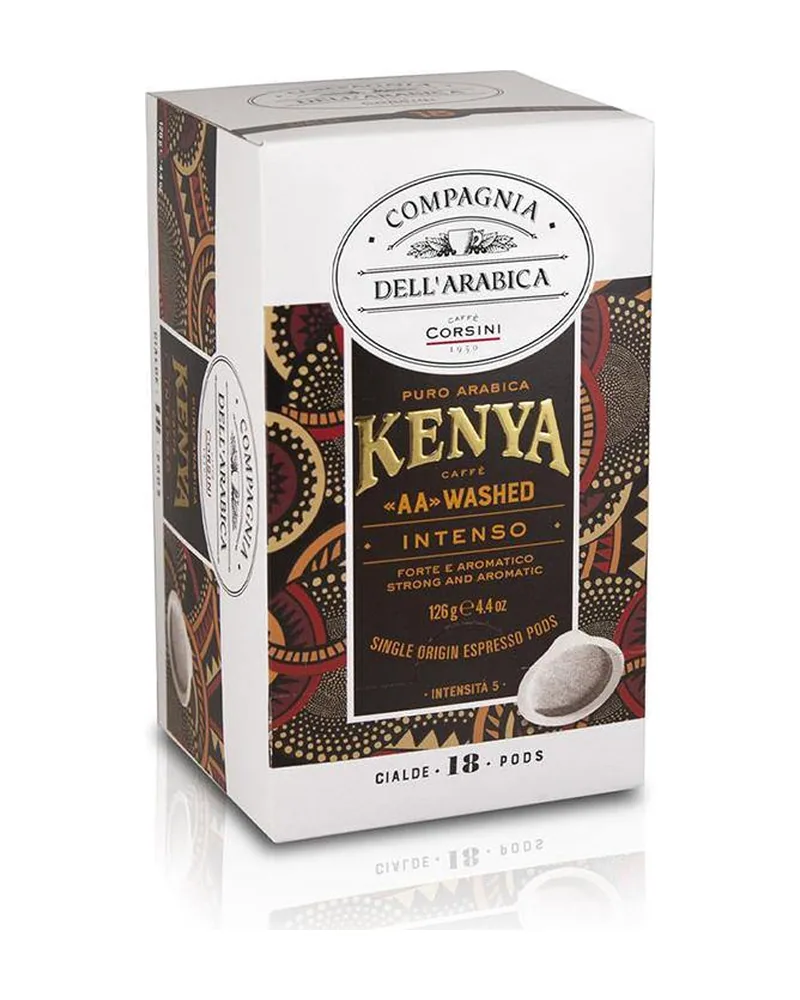
Caffe Corsini
Corsini Kenya AA Whased
8,84 USD
MiddelsHvorfor: KenyaLignende pris

Hannoversche Kaffeemanufaktur
Friends of Sauti Kuu – Kenya Coffee
8,90 USD
MiddelsHvorfor: KenyaLignende pris

Hannoversche Kaffeemanufaktur
Friends of Sauti Kuu – Kenya espresso
8,90 USD
MiddelsHvorfor: KenyaLignende pris
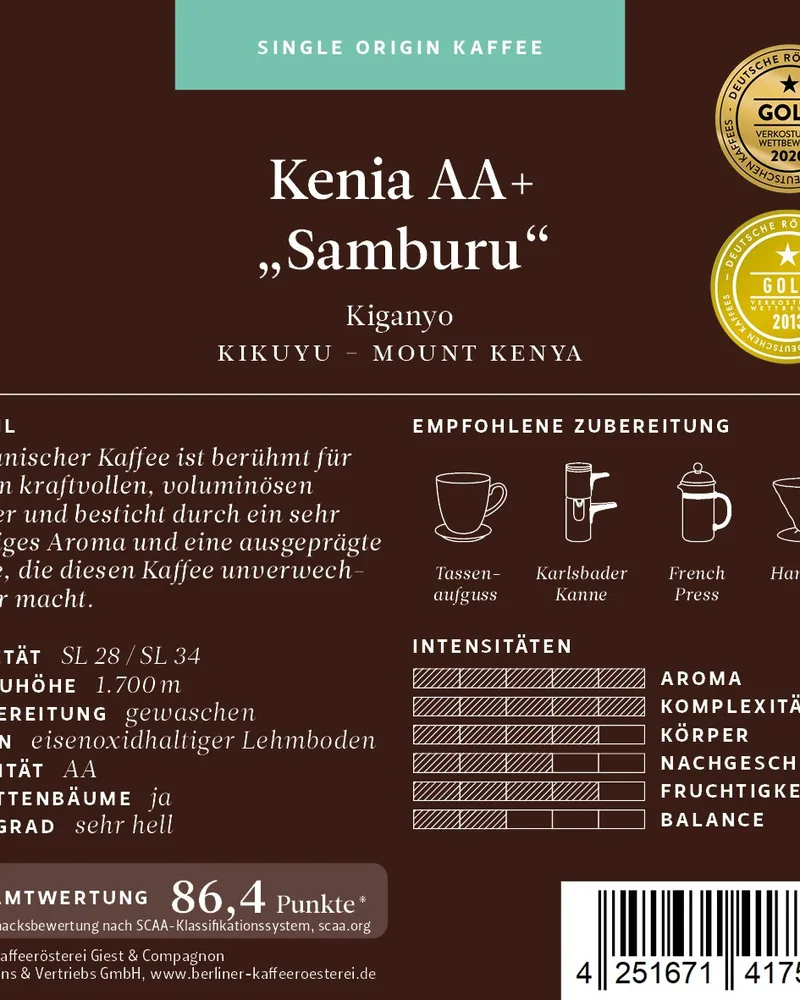
Berliner Kaffeerösterei
Kenya "Samburu" Light Roast
9,25 USD
MiddelsHvorfor: KenyaLignende pris
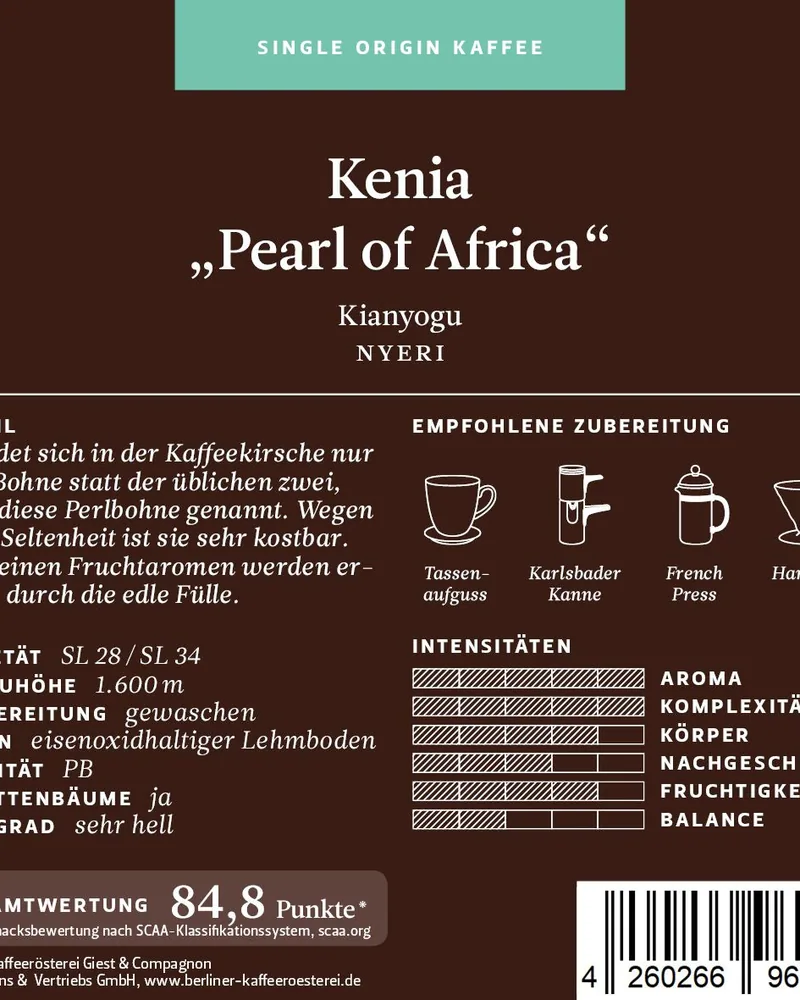
Berliner Kaffeerösterei
Kenia "Pearl of Africa"
8,25 USD
MiddelsHvorfor: KenyaLignende pris
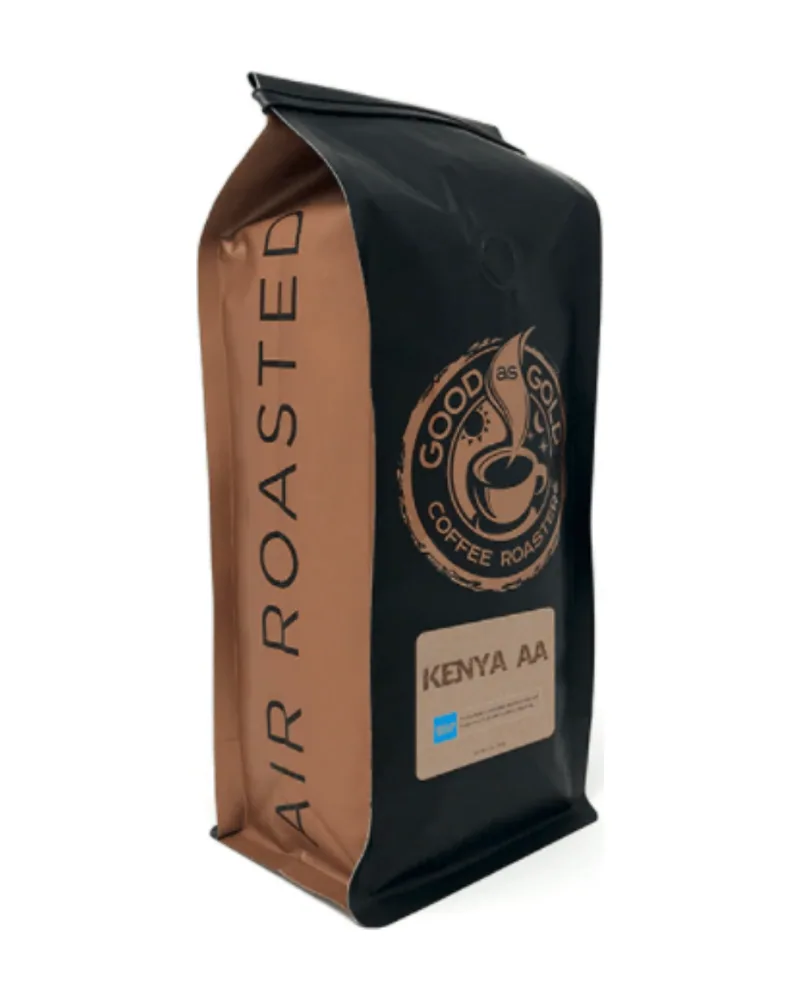
Good As Gold
Kenya AA
8,73 USD
MiddelsHvorfor: KenyaLignende pris
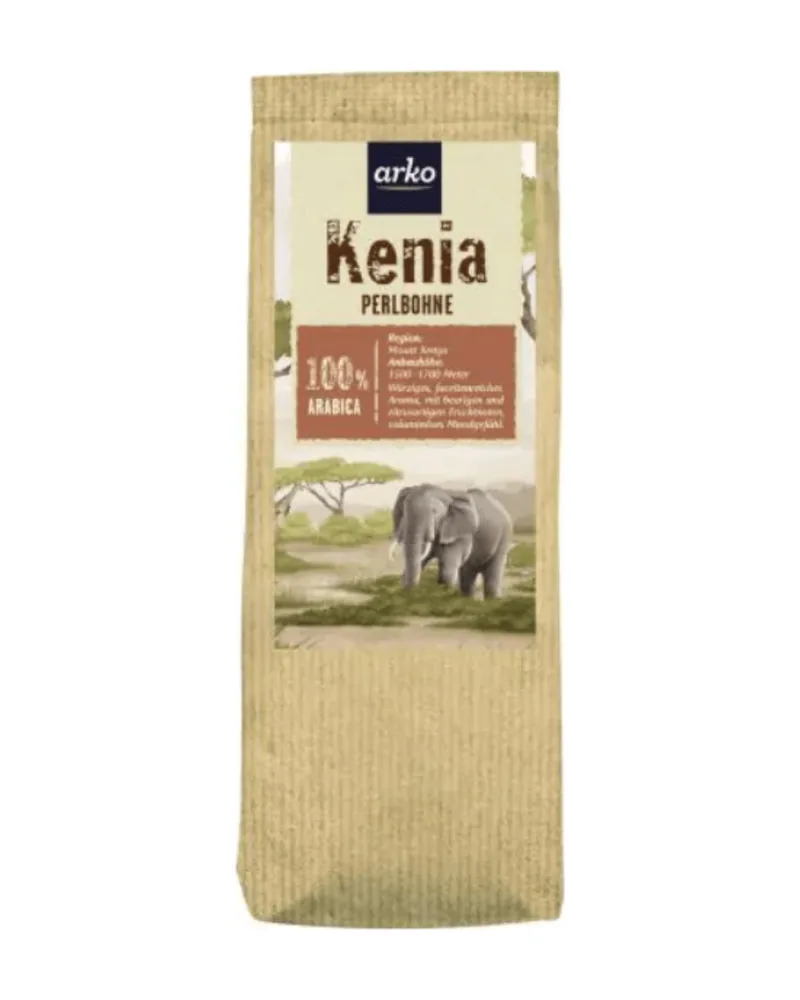
Gourvita Trends
Kenia Perlbohne - von Arko
7,49 USD
MørkHvorfor: KenyaLignende pris