
India
The origins of coffee production in southern India start with a myth. The story goes that a pilgrim named Baba Budan passed through Yemen from Mecca and took out seven coffee beans. Back then export was strictly control…
94 products

Cafè Badilatti
ESPRESSO BAR "svelt e net"
$7.77
Dark
Cafè Badilatti
ENGIADINA "svelt e net"
$7.76
Medium
Cafè Badilatti
Don Daniele Coffee
$6.02
Medium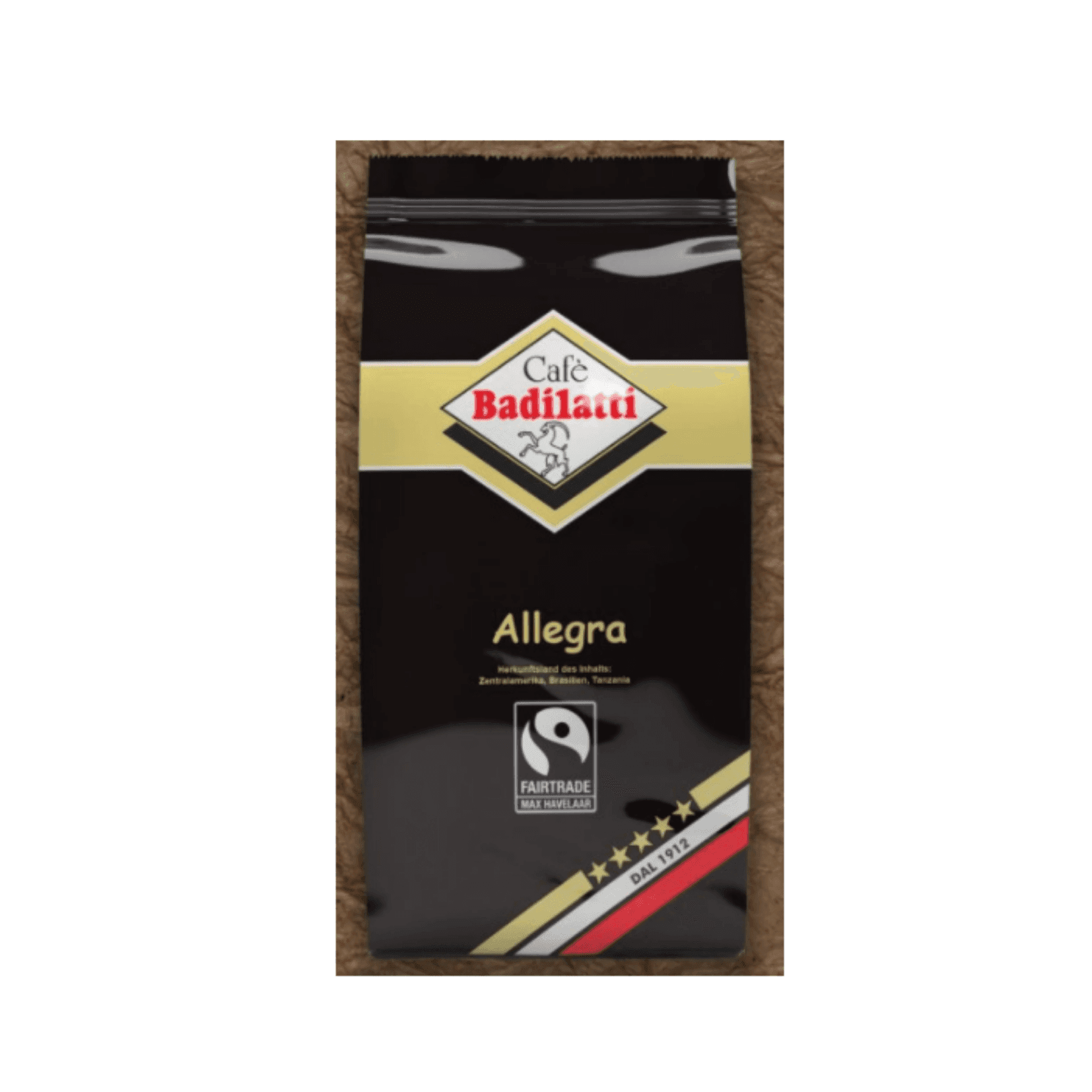
Cafè Badilatti
Allegra Max Havelaar Coffee - beans
$17.77
Dark
Cafè Badilatti
Allegra Max Havelaar Coffee
$8.93
Dark
NESCAFE
Nescafe Sunrise Coffee - 200 Gms - India
$14.50
Dark
Dallmayr
Dallmayr Röstkunst Espresso India Parchment Robusta
$6.40
Dark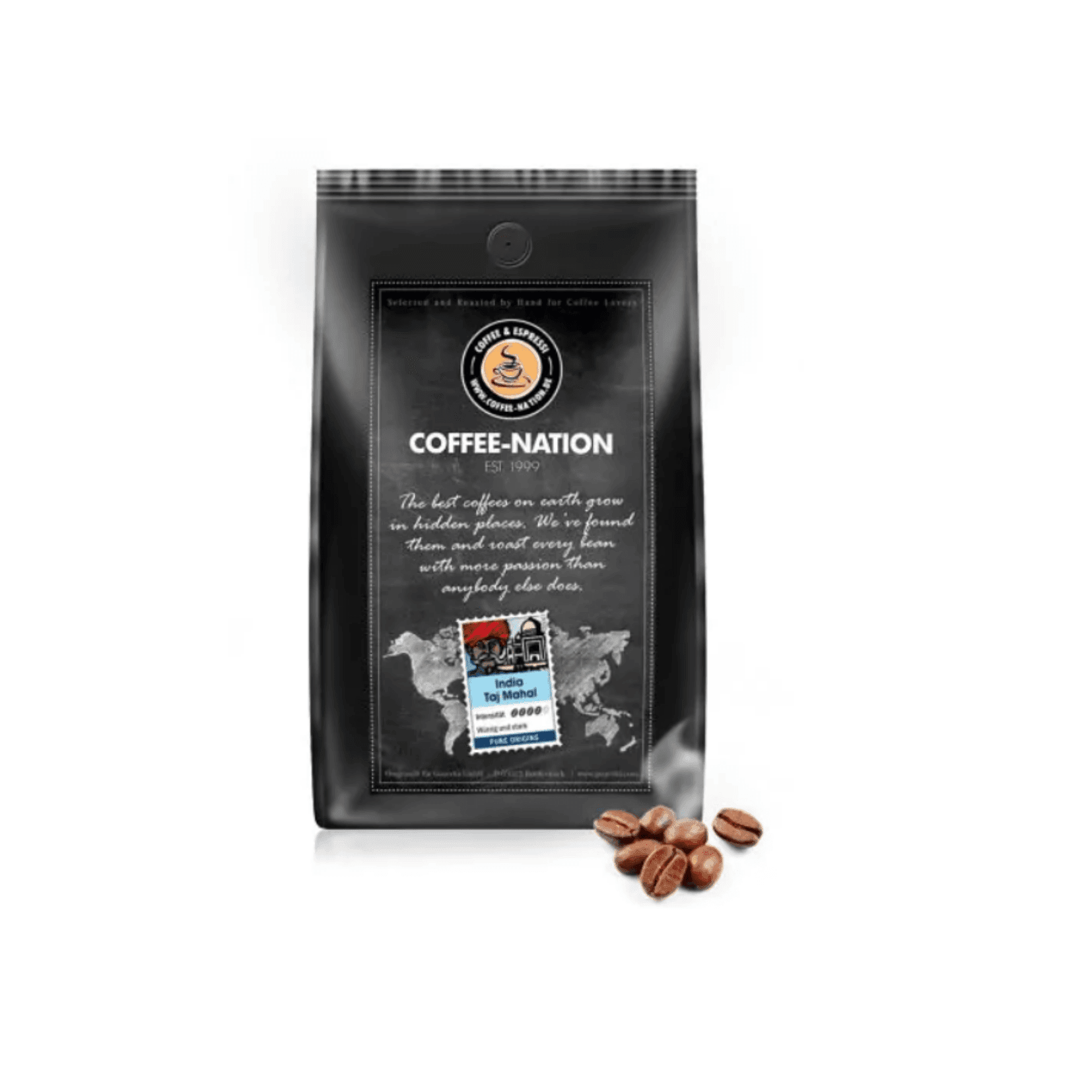
Gourvita Trends
INDIA TAJ MAHAL - von Coffee-Nation
$13.90
Dark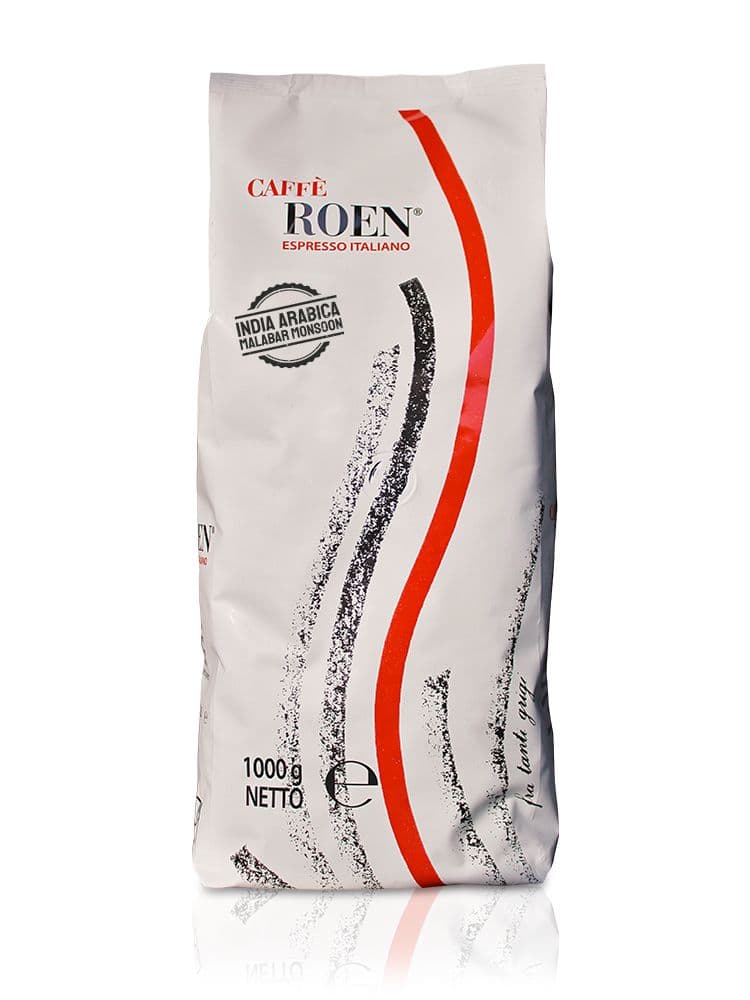
Caffè Roen
Caffe Roen Single Origin Malabar Monsoon
$27.00
Medium
Bialetti
Perfetto Moka - Intens
$3.99

Hannoversche Kaffeemanufaktur
India Monsooned Malabar
$6.90
Medium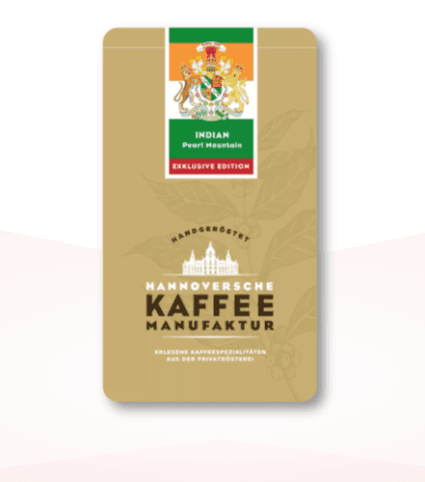
Hannoversche Kaffeemanufaktur
Indian Pearl Mountain
$8.40
Medium
Kimbo Caffè
Kimbo Intenso - Nescafé® Dolce Gusto®* compatible coffee capsules
$3.99
Very dark
Kimbo Caffè
Kimbo Bio Organic 100% Arabica Espresso - Nespresso compatible capsules 10caps
$2.99
Medium
Hannoversche Kaffeemanufaktur
Zoo Collection Tin - India Monsooned Malabar
$9.95
Medium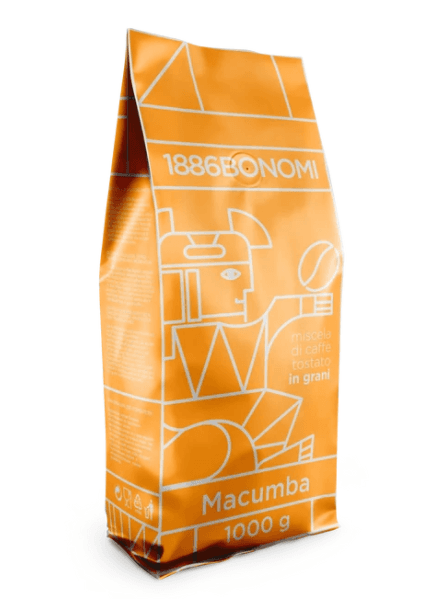
1886 Caffè Bonomi
Bonomi MACUMBA
$14.00
Medium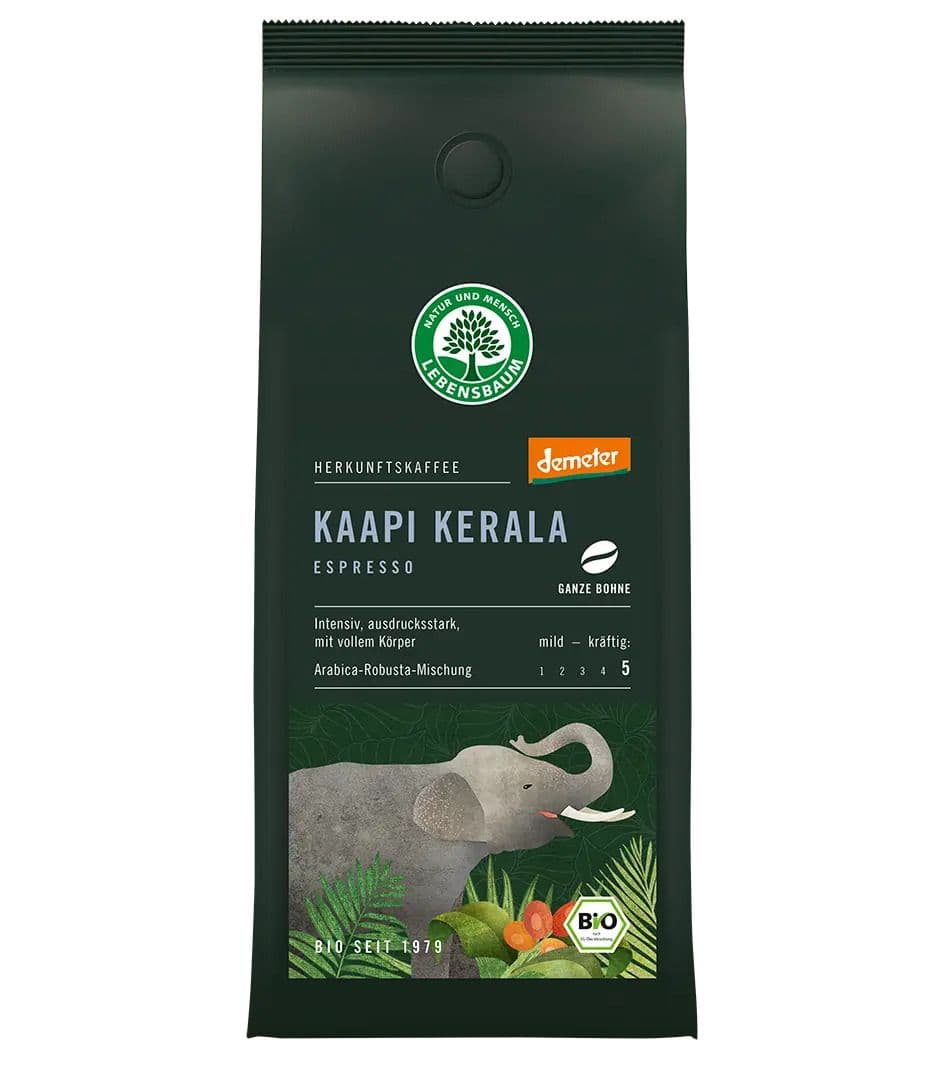
Lebensbaum Kaffee
Kaapi Kerala Espresso, whole beans
$5.99
Lebensbaum Kaffee
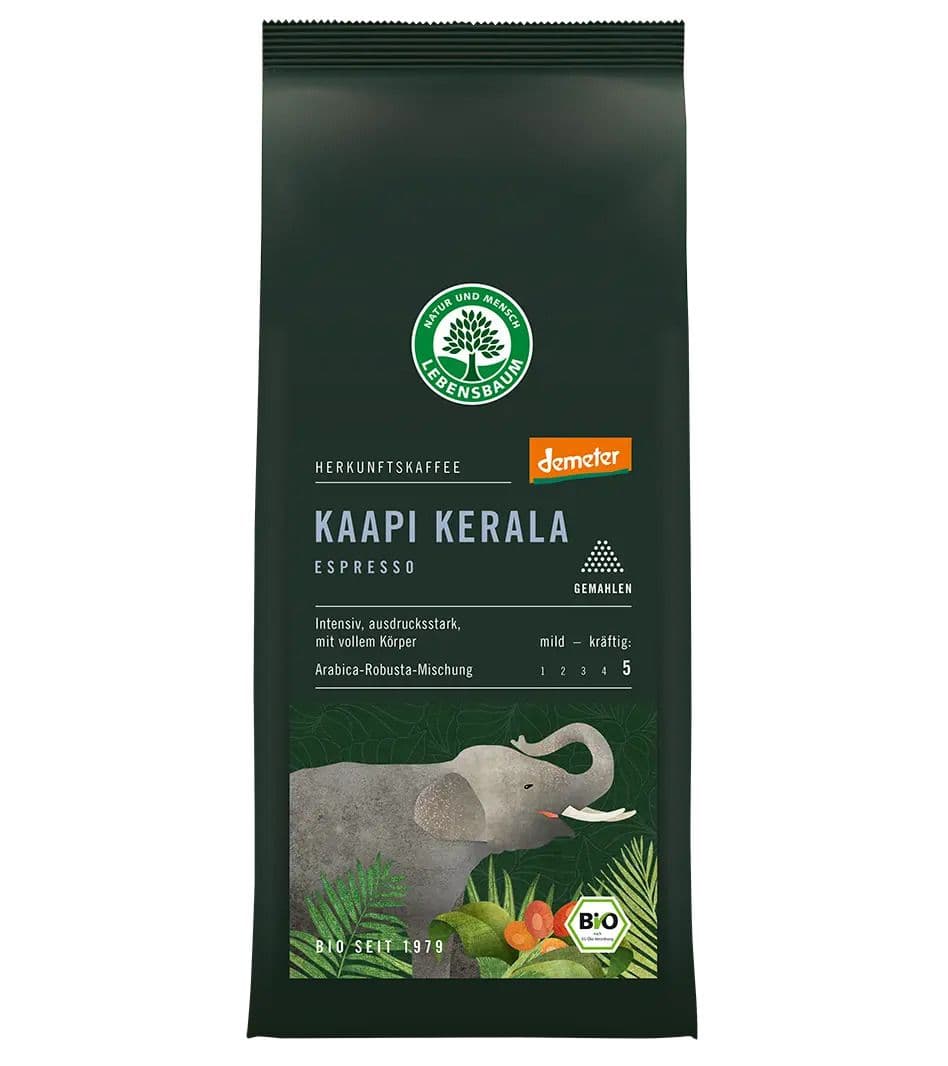
Kaapi Kerala Espresso, ground
$5.99
Lebensbaum Kaffee
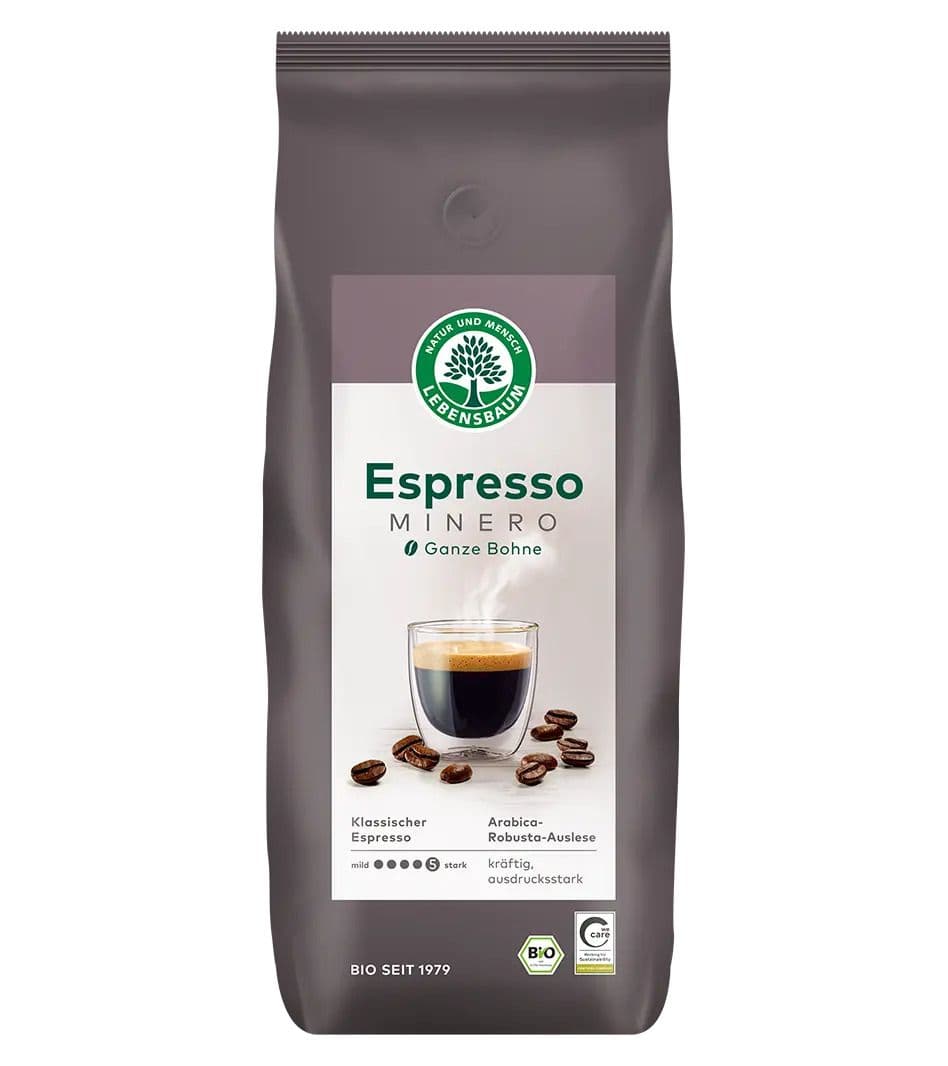
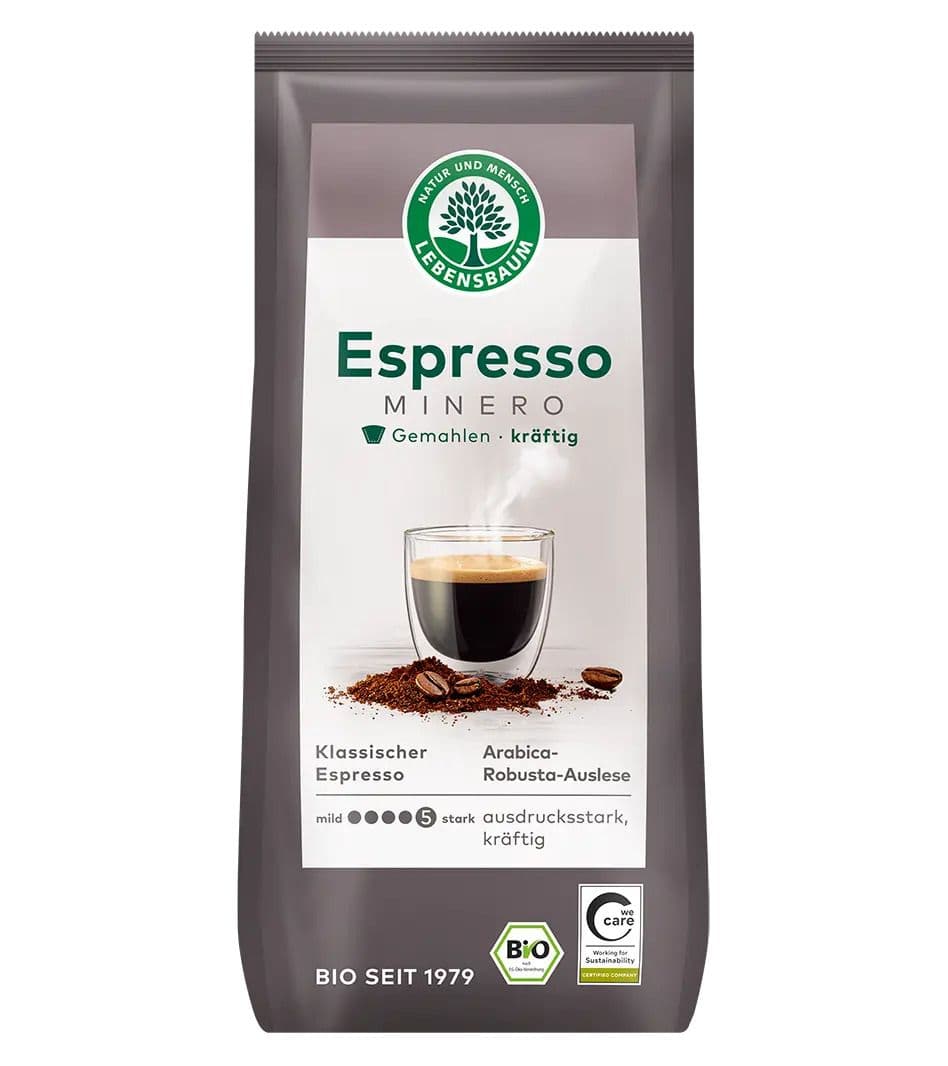
Espresso minero, whole beans
$16.79
Lebensbaum Kaffee
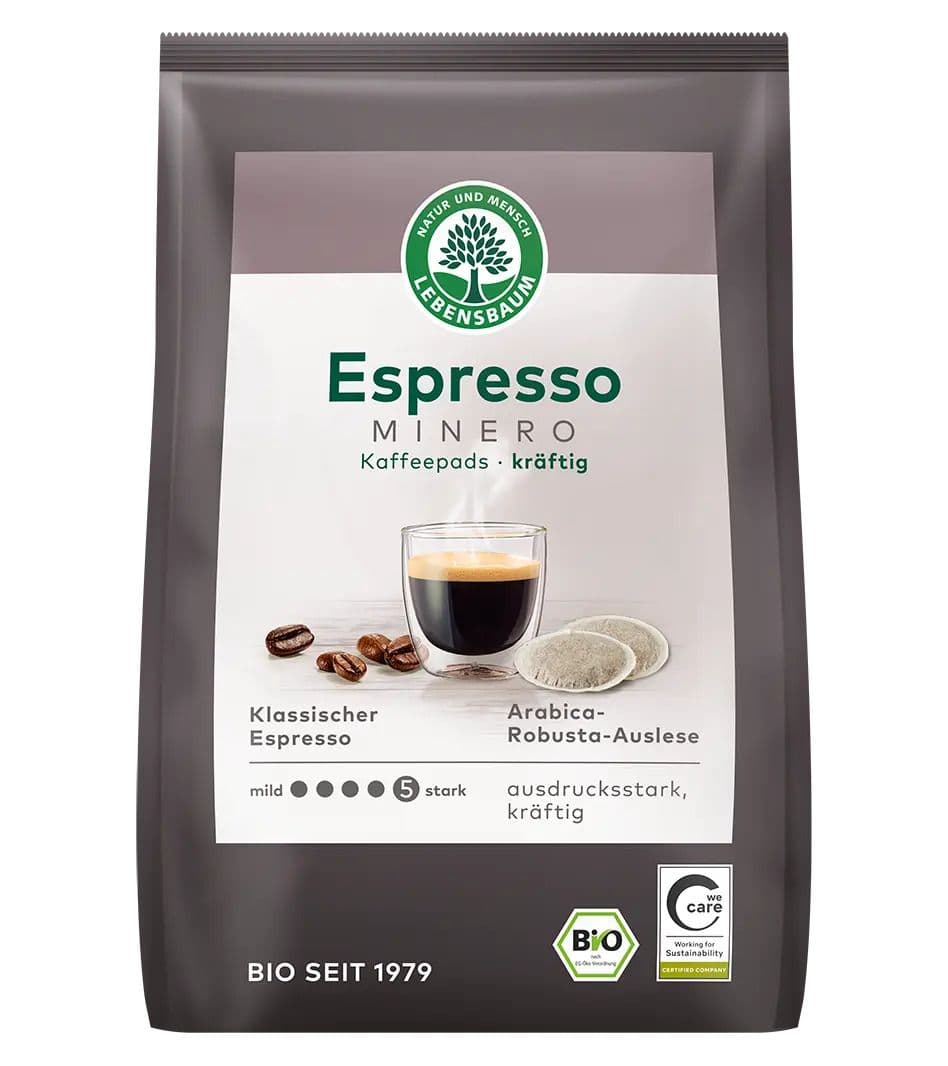
Espresso minero, ground
$4.99
Lebensbaum Kaffee
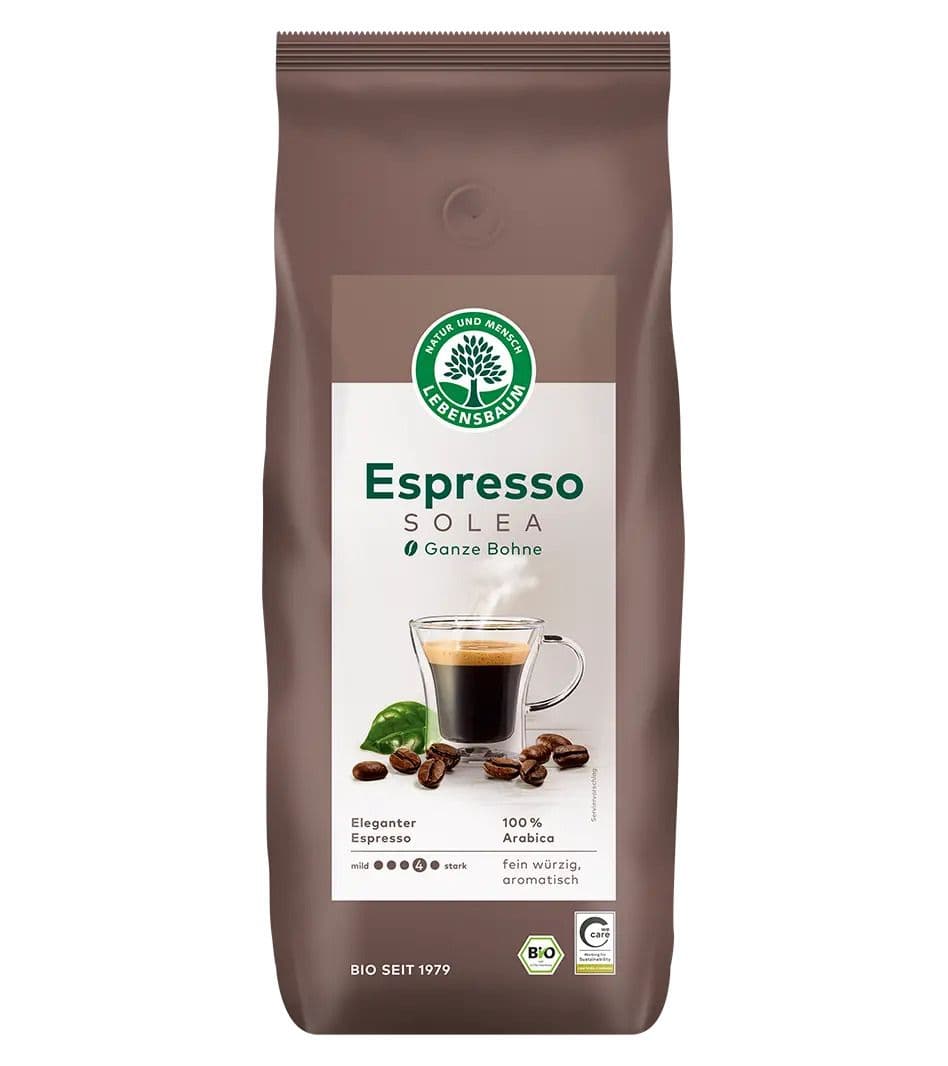
Espresso minero, Pads
$3.29
Lebensbaum Kaffee
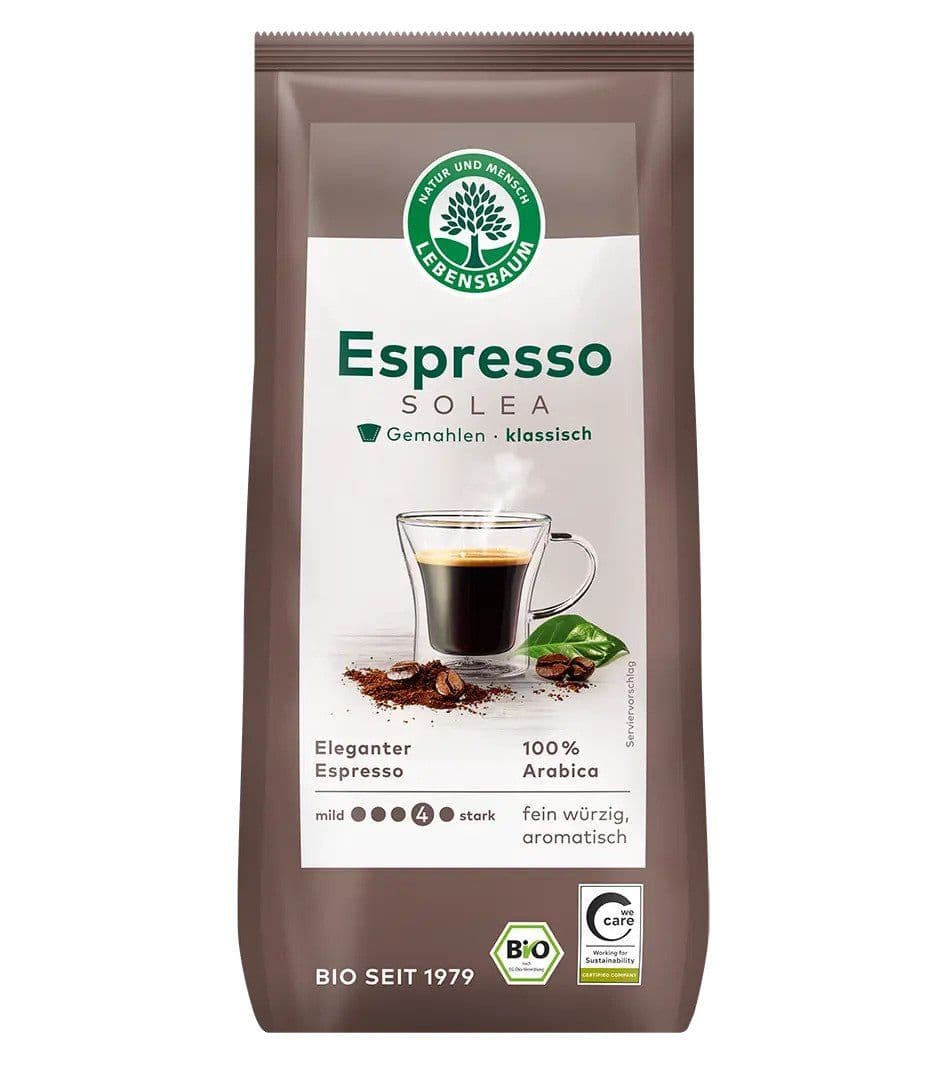
Espresso Solea, whole beans
$16.99
Lebensbaum Kaffee
Espresso Solea, ground
$4.99
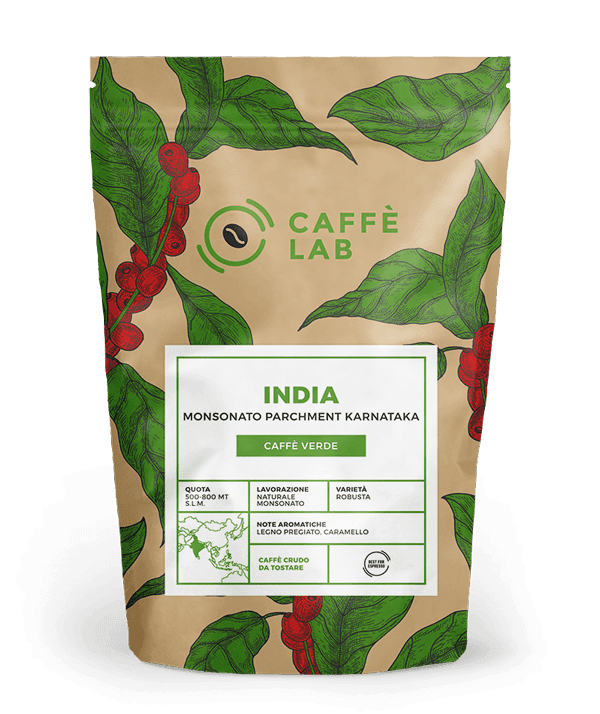
CaffèLab
INDIA Monsoon Parchment Karnataka
$5.50
The origins of coffee production in southern India start with a myth. The story goes that a pilgrim named Baba Budan passed through Yemen from Mecca and took out seven coffee beans. Back then export was strictly controlled. However because he took seven, a sacrosanct number in Islam, it was considered a religious act.
Baba Budan planted these first seeds in the Chikmagalur district of the Karnataka region and there they thrived. The hills there now bear his name, Bababudangiri, and is still an important coffee-growing area.
In the middle of the 19th century, coffee plantations in southern India began to flourish under British colonial rule. This was only for the short term. In the 1870s the industry suffered due to increasing demand for tea, and the rise of leaf rust, which attacked the coffee plants. Many plantations switched to tea and coffee production decreased. Luckily, the leaf rust did not perish coffee out of India. On the contrary, it made stronger, because the country encouraged research to develop rust-resistant varieties.
During the 1990s there was another decrease in the regulation governing how and where producers could sell their coffee. The domestic coffee market in India grew rapidly. Because tea is a cheaper solution, India has a very low per capita consumption of coffee. The annual consumption per person is just 100g (3½oz). But don’t forget the immense population of India, so the total consumption of coffee is somewhere two million bags of coffee per year. India produces over five million bags in total, although the majority of this is Robusta.
Robusta is better suited to India than Arabica. The variety prefers lower altitudes and moderate climate which result in high yields. The producers pay high attention to the production of Robusta in India, so the coffee occupies the premium end of the market.
Taste Profile
Even the best Robustas still carry distinctive woody flavors within. But the relative lack of unclean flavors in Indian Robustas makes them popular with roasters who still like Robusta in their espresso blends.