
Guatemala
Many believe that coffee was first introduced to Guatemala by the Jesuits around 1750, although there are reports that the country was cultivated and served in 1747. Like El Salvador, coffee did not become an important…
242 products
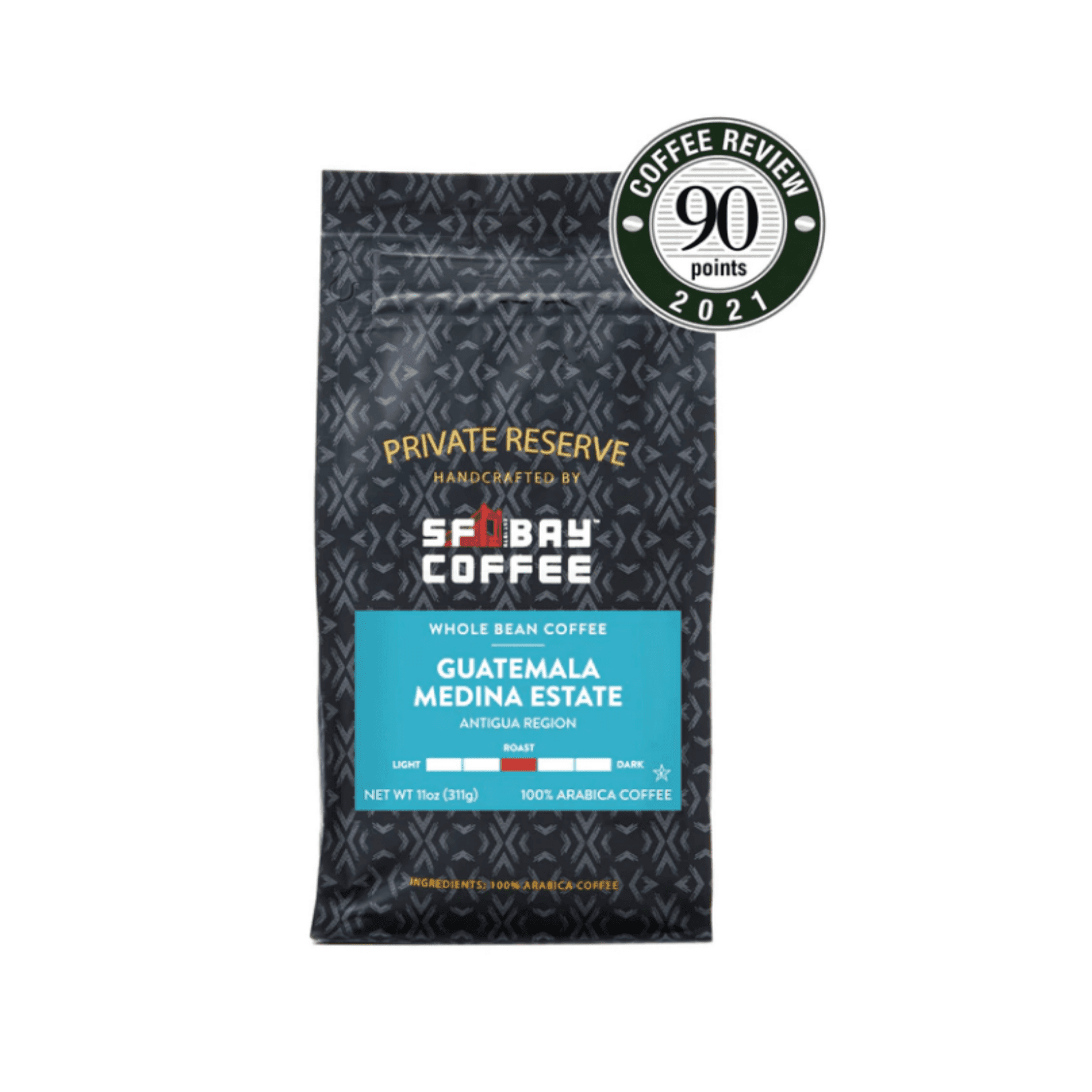
San Francisco Bay Coffee
Private Reserve Guatemala Medina Estate
$12.10
Medium
Stumptown Coffee Roasters
Guatemala El Injerto Bourbon
$20.53
Medium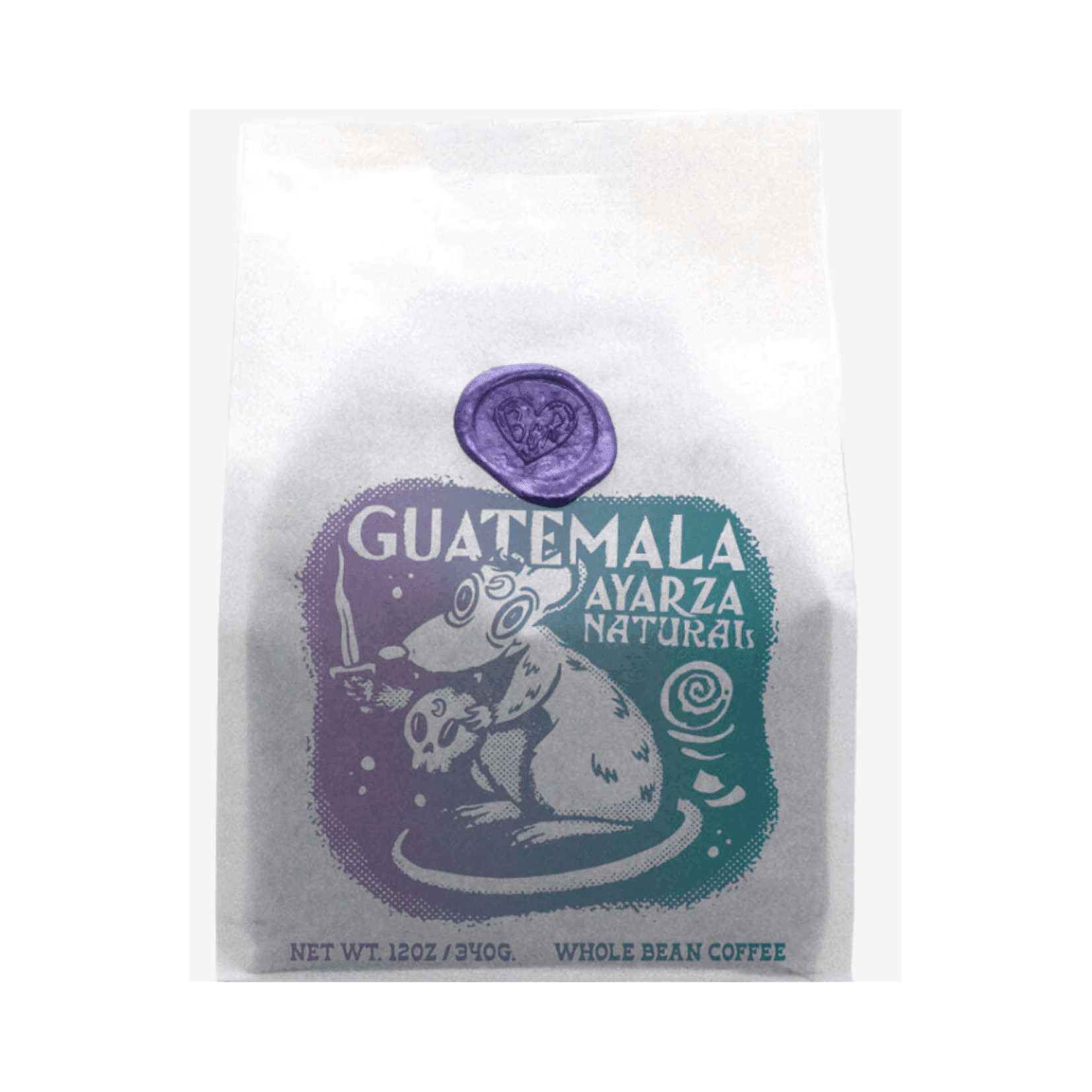
Fellow
Guatelmala Ayarza Natural - Fellow Coffee
$20.49
Medium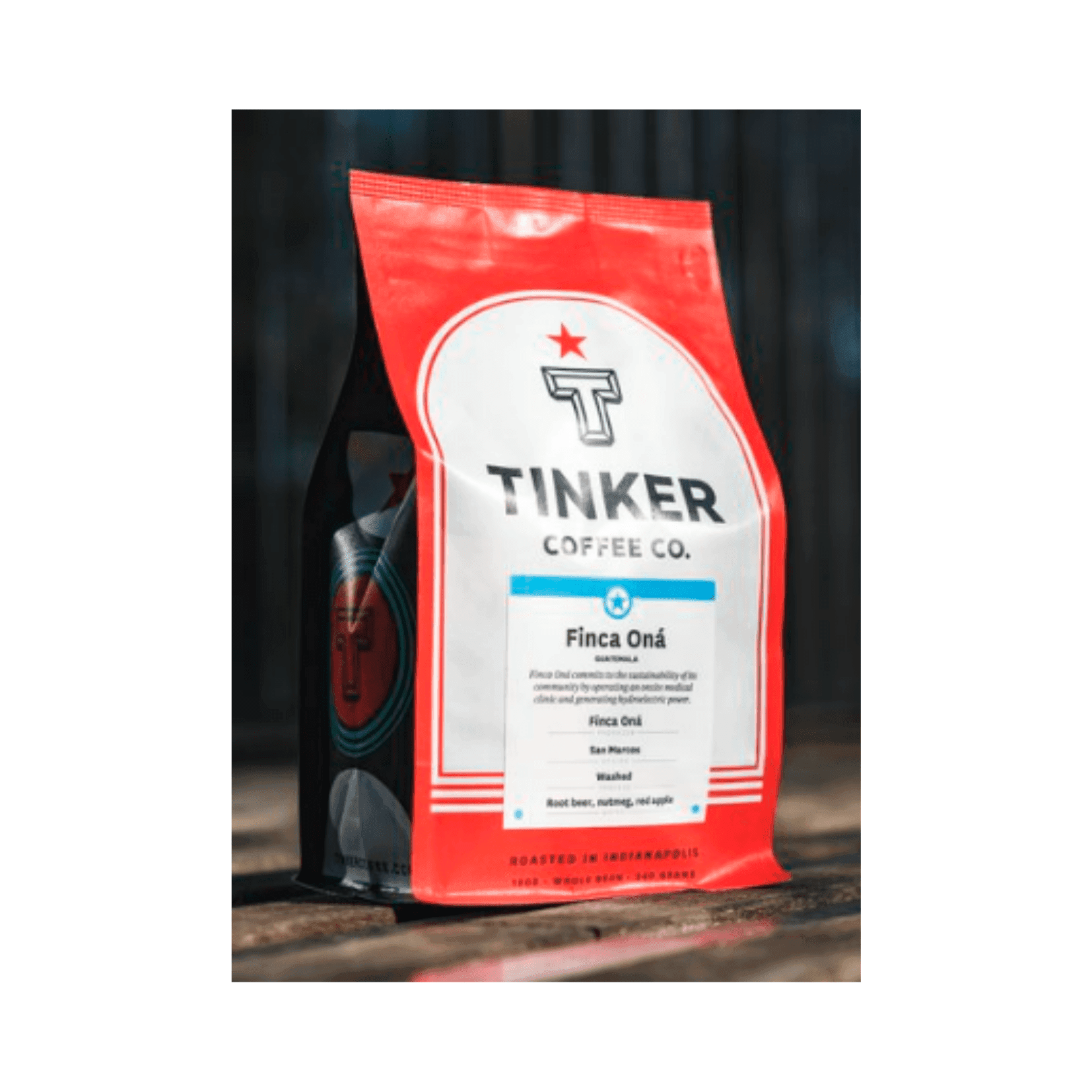
Tinker Coffee
GUATEMALA - FINCA ONÁ - Tinker Coffee
$13.04
Medium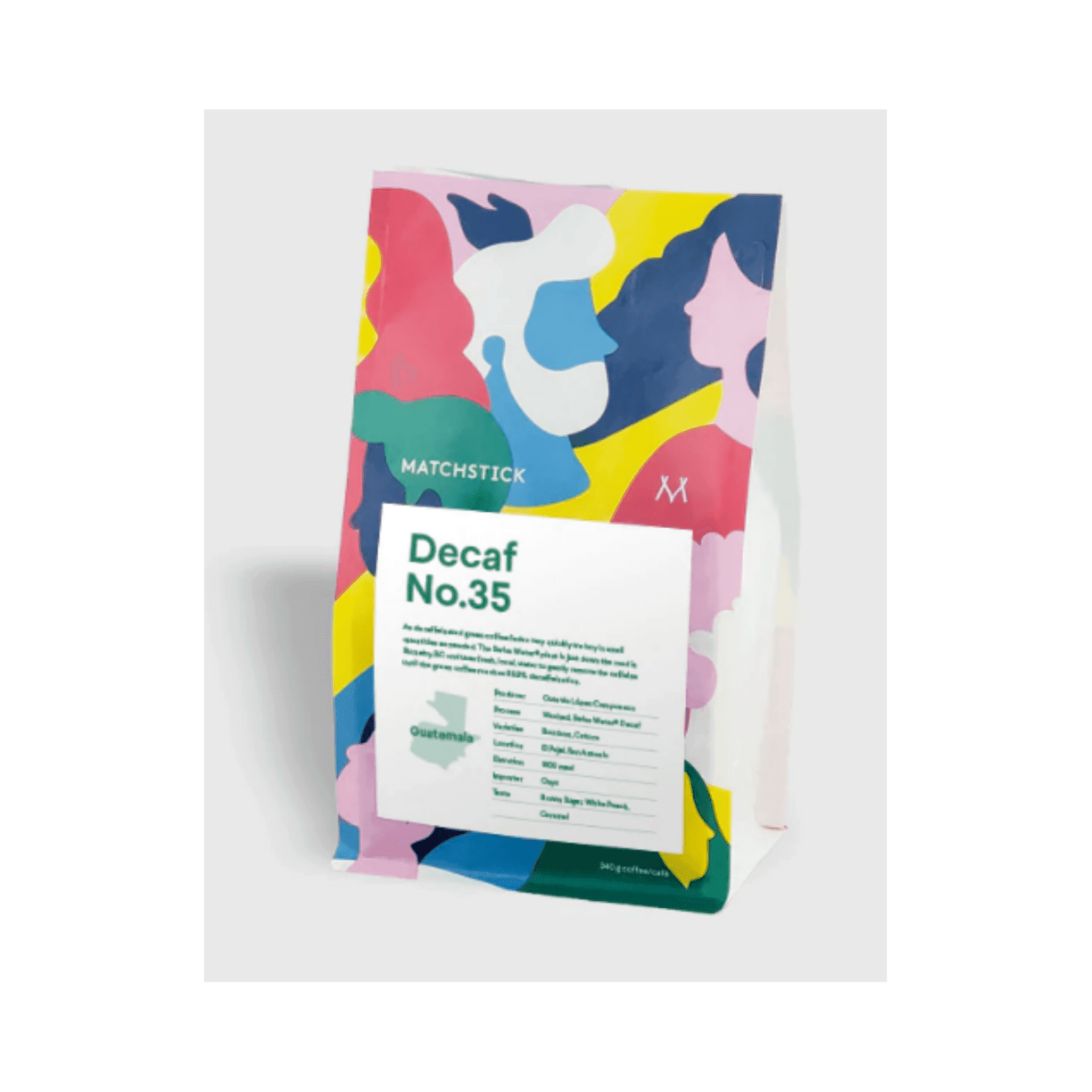
Matchstick
Decaf — No. 35 - Matchstick
$19.10
Medium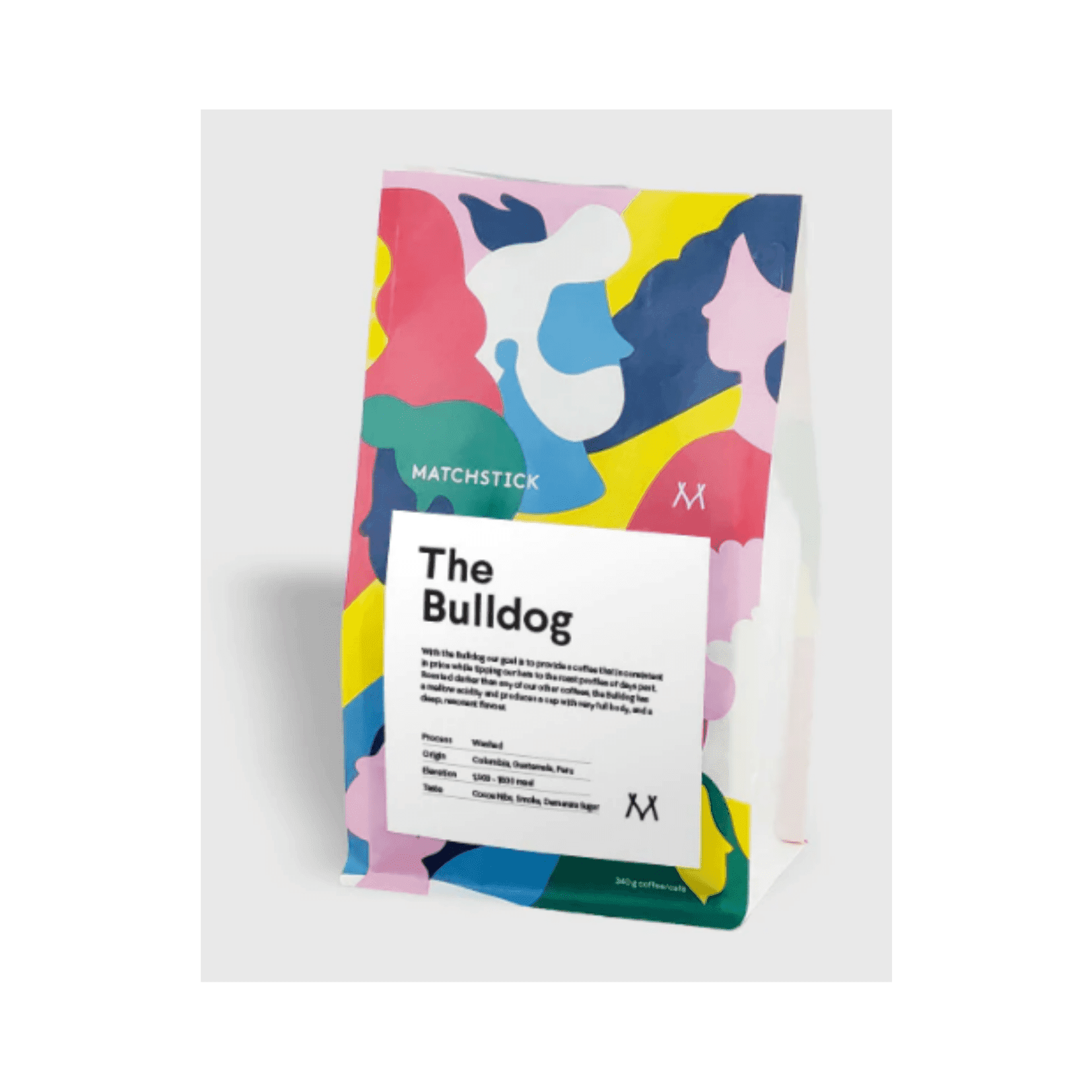
Matchstick
Bulldog - Matchstick
$19.56
Medium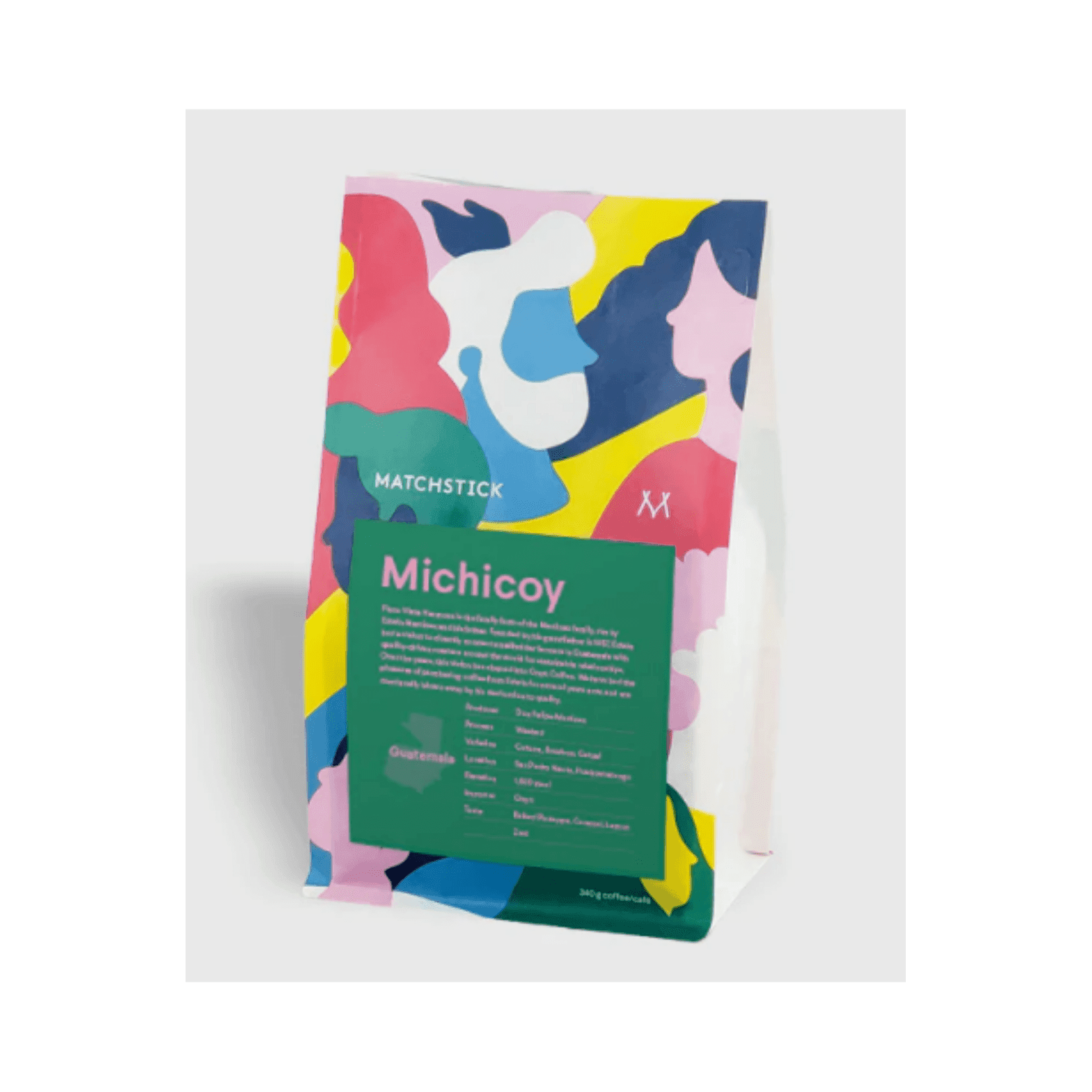
Matchstick
Michicoy — Guatemala
$20.96
Medium
Color Coffee Roasters
HARMONY (OUR ESPRESSO BLEND)
$17.24
Medium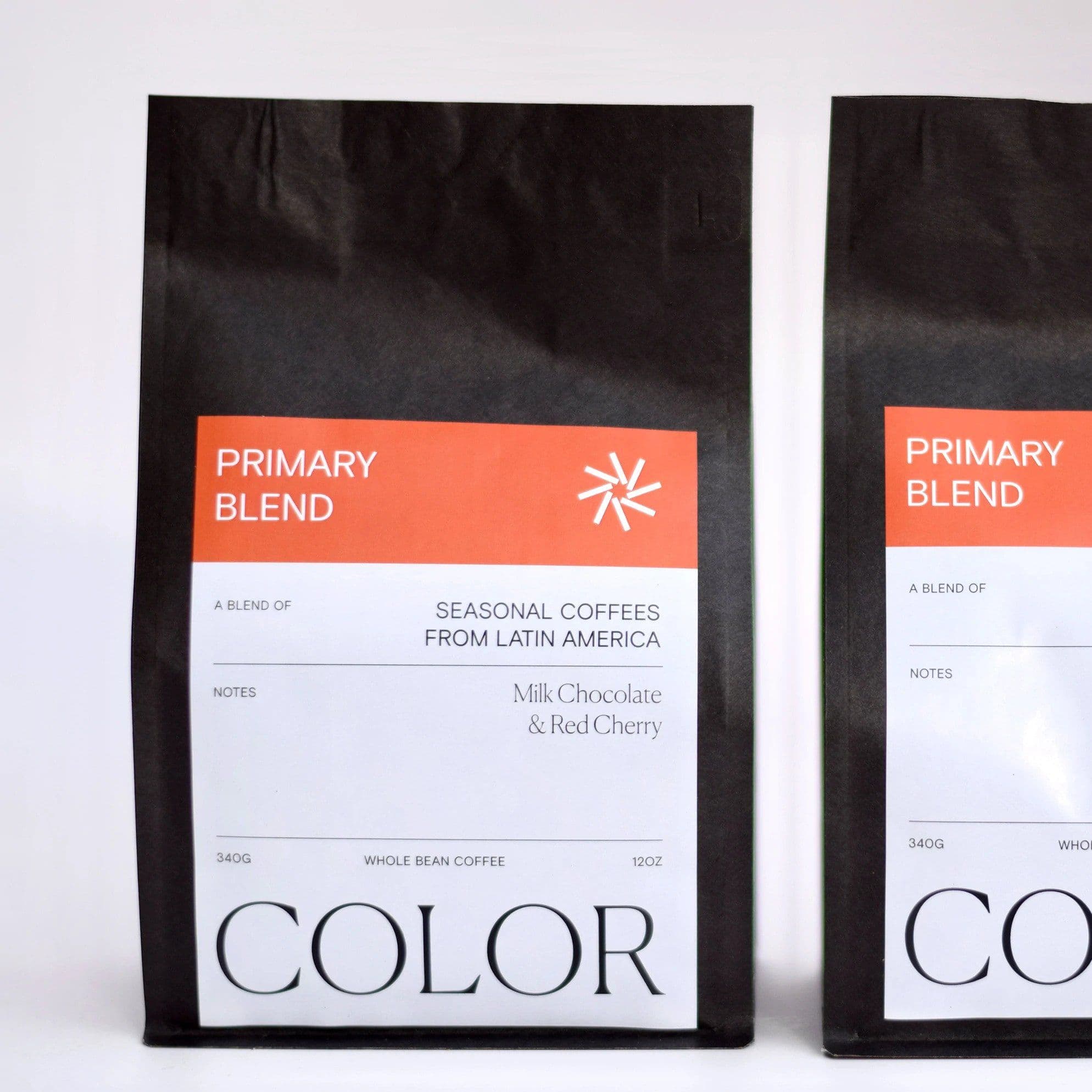
Color Coffee Roasters
PRIMARY (OUR SEASONAL BLEND)
$15.38
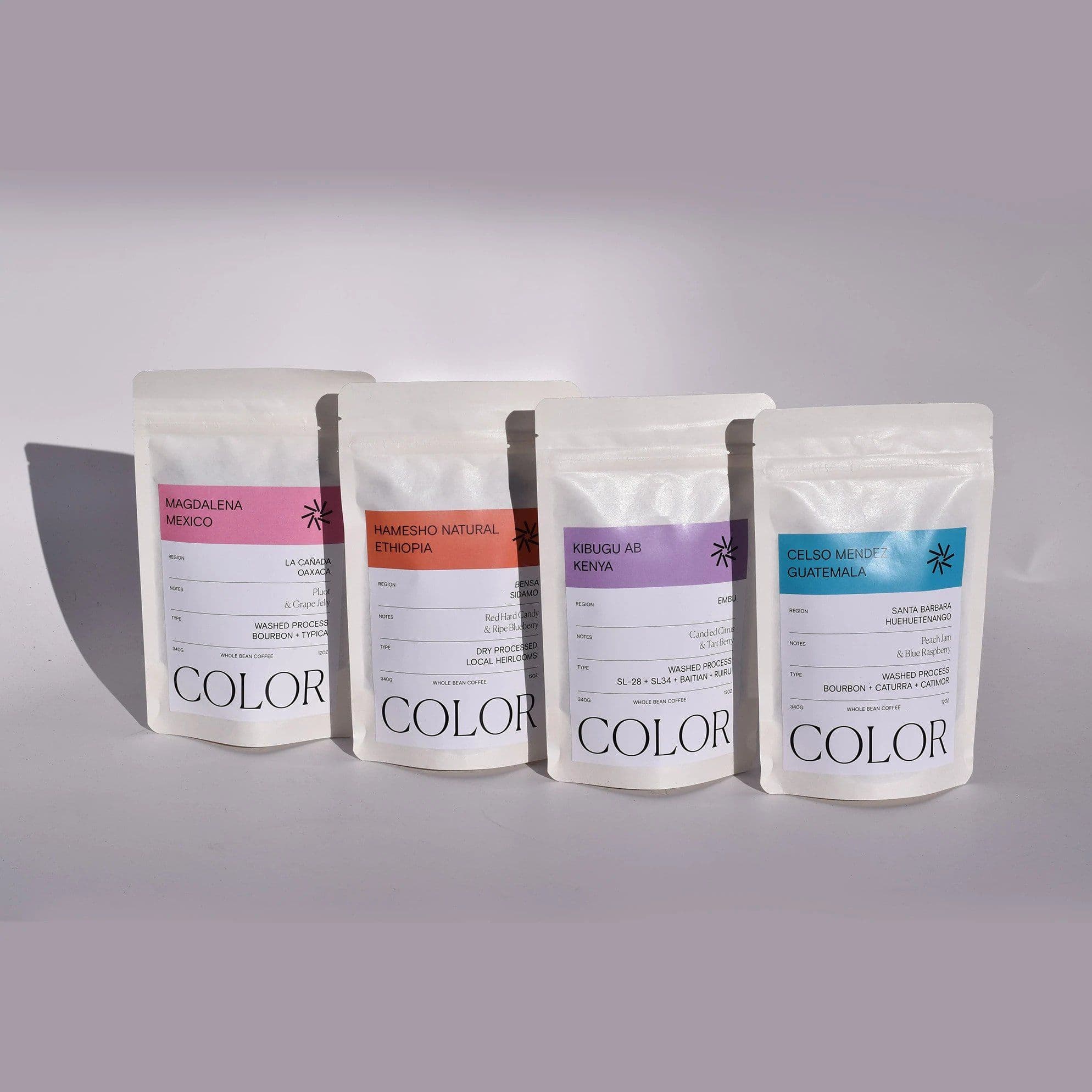
Color Coffee Roasters
SINGLE ORIGIN VARIETY PACK (ROASTER'S CHOICE)
$19.57

Boss Coffee
RAINBOW MOUNTAIN BLEND
$0.00
Florian le Café
GUATEMALA ANTIGUA PASTORAL - Florian
$6.88
Medium
Apffels Coffee
Guatelmala Bean 2.5 lb
$24.62
Dark
Windmill Coffee
EIGHTY35
$17.01

Windmill Coffee
SOMERSET COLD BREW BLEND
$16.98
Malongo
GROUND COFFEE GUATEMALA
$4.70
Medium
Coda Coffee Company
Guatemala Codeche Micro Lot
$14.40
Light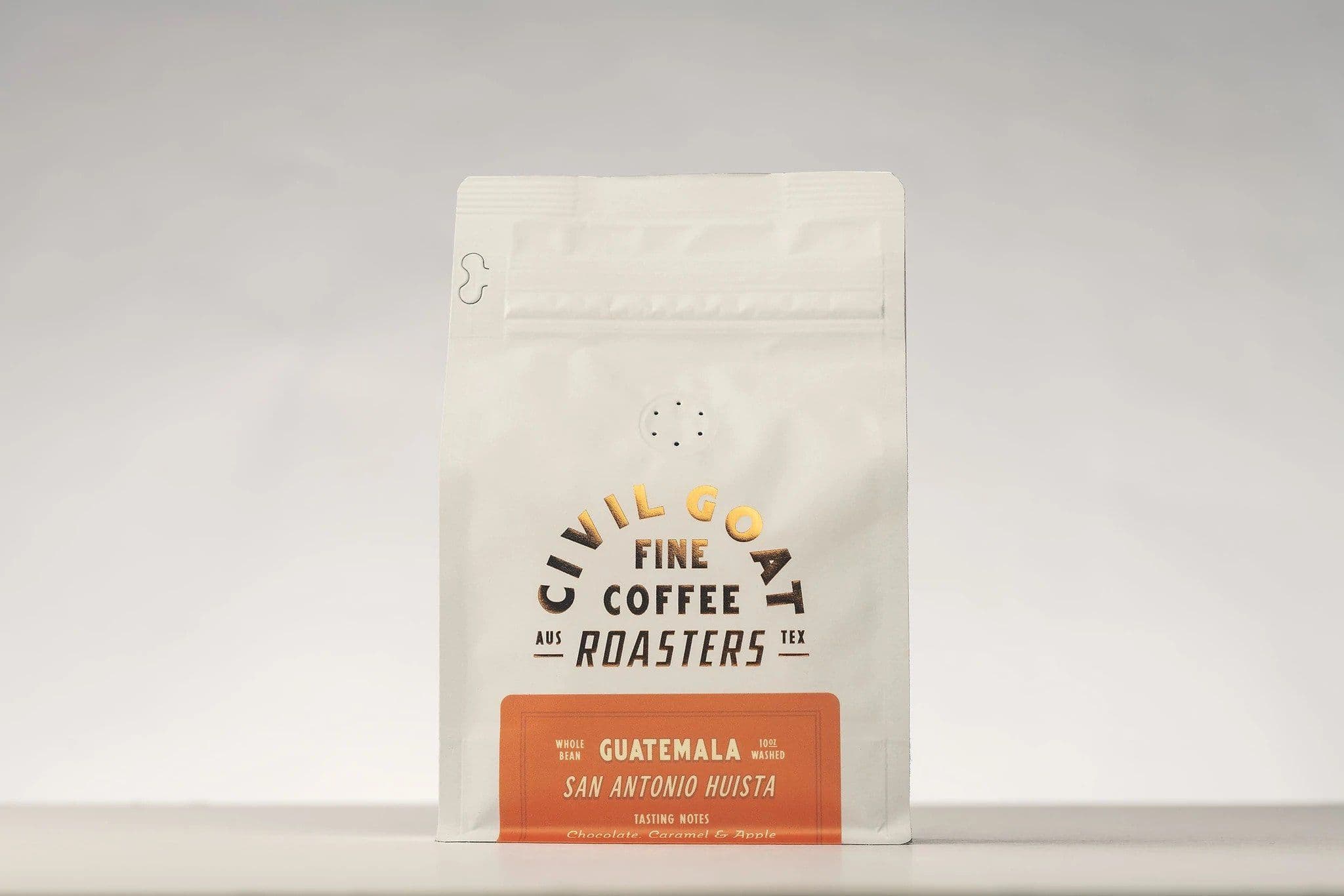
Civil Goat Coffee Co.
GUATEMALA LOS ENCINOS
$12.96
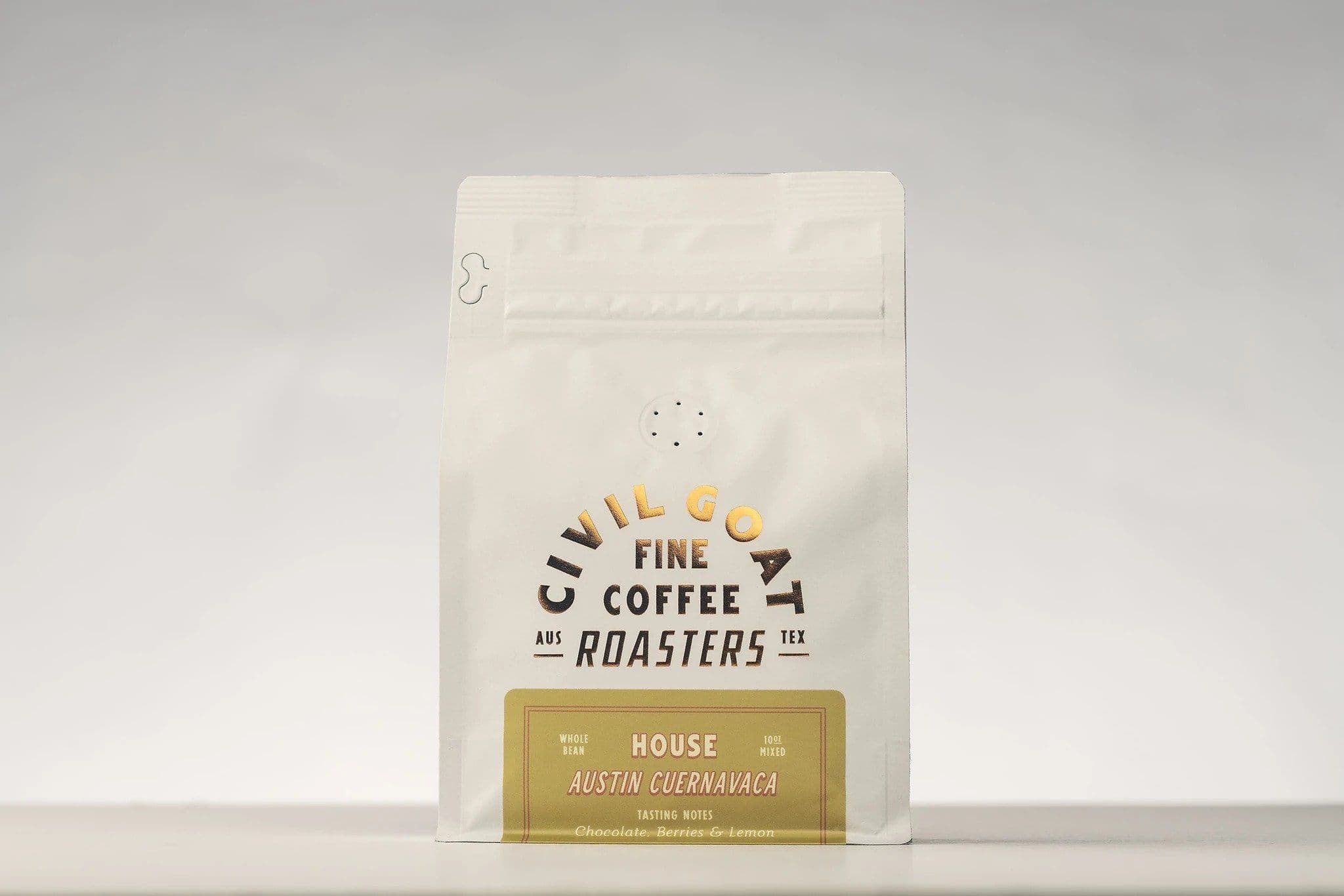
Civil Goat Coffee Co.
HOUSE BLEND
$12.96
Cimarron Coffee
Courthouse
$10.56
Cimarron Coffee
Chimney Rock
$10.56
Dark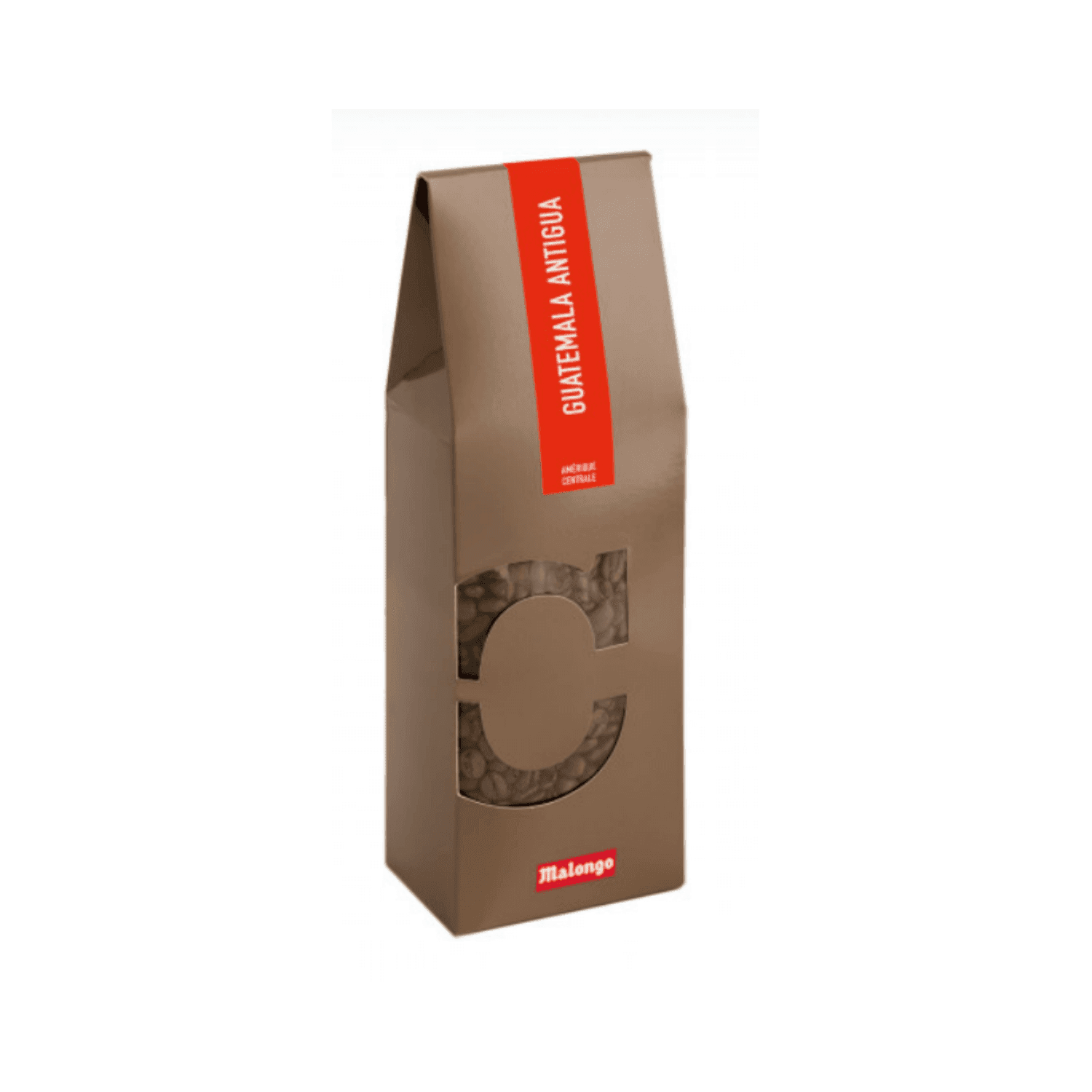
Malongo
COFFEE BEANS GUATEMALA ANTIGUA
$6.80
Medium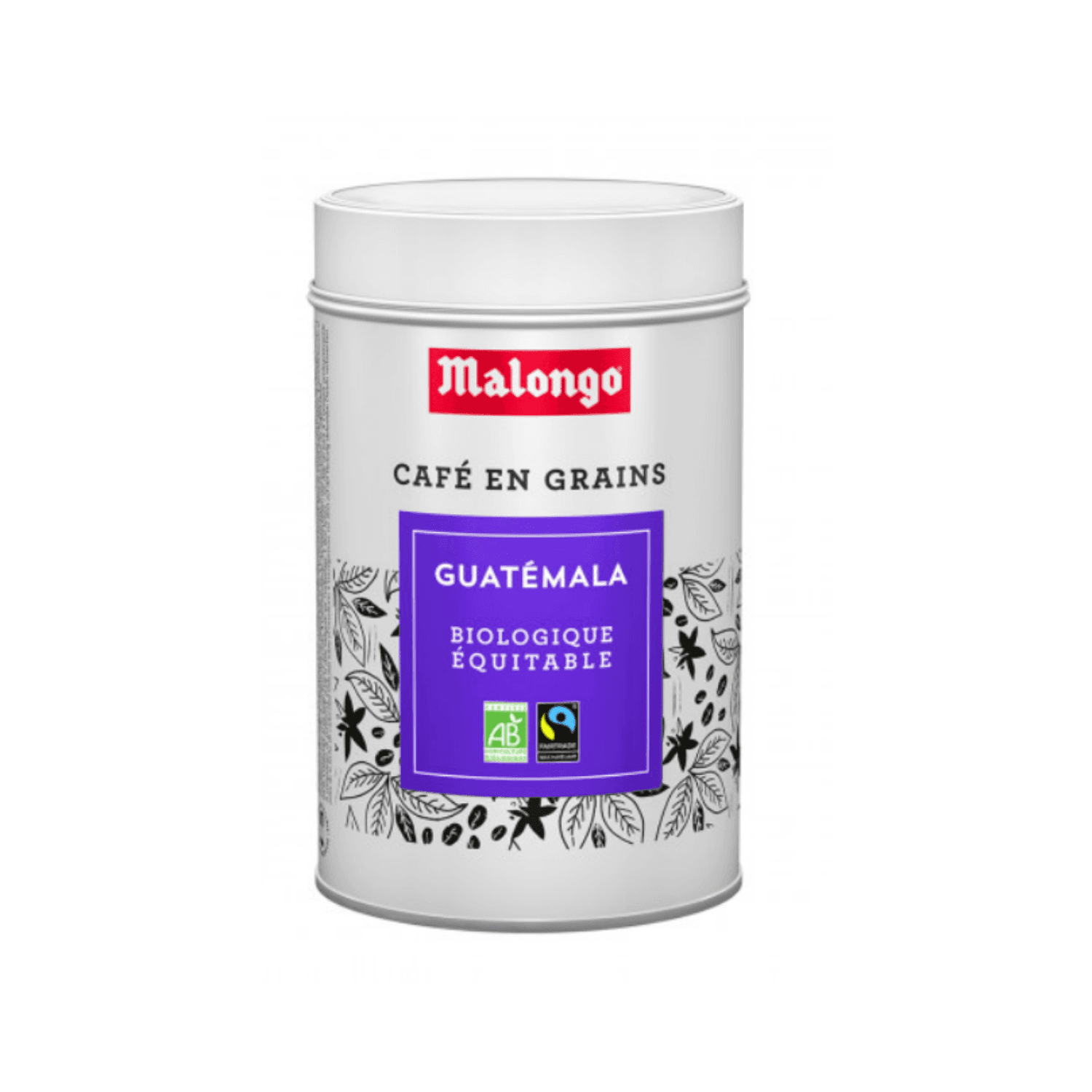
Malongo
CAFÉ GRAINS GUATEMALA
$6.20
Medium
Bold Bean Coffee
Sweet Spot - House Blend
$15.38
MediumMany believe that coffee was first introduced to Guatemala by the Jesuits around 1750, although there are reports that the country was cultivated and served in 1747. Like El Salvador, coffee did not become an important crop in Guatemala until after 1856, when the chemical dyes of the invention reduced the demand for indigo, which was the main finished product at the time.
The government has already made several attempts to diversify from indigo. In 1845, he formed the Committee for the Cultivation and Promotion of Coffee, which prepared educational materials for coffee growers and also helped to determine the price and quality level. In 1868, the government distributed about one million coffee seeds to further stimulate the industry.
When Justo Rufino Barrios came to power in 1871, he became the backbone of the coffee farm. Unfortunately, its reforms have led to Guatemala's indigenous population being further deprived of their land, leading to the sale of about 400,000 hectares (990,000 hectares) of public land. These have become large coffee plantations. However, efforts to encourage coffee production certainly worked, and by 1880, coffee accounted for about ninety percent of Guatemala's exports.
Coffee again became involved in the country's politics after the global depression of the 1930s. Jorge Ubico came to power and worked to reduce the price of coffee to encourage exports. It built extensive infrastructure but gave more power and ground to the American United Fruit Company (UFC), which became extremely strong. Ubico resigned against him due to a general strike and resignation.
This was followed by a period of democratic freedom of expression, and President Arbenz proposed a land reform law in 1953 for the expropriation of land (largely controlled by the UFC) for redistribution for agricultural purposes. Both large coffee plantation owners and the UFC (with the support of the US State Department) have fought against the reforms. In 1954, the CIA coup overthrew the Arbenz government, and the proposed land reforms never took place. This put the country on the road to civil war between 1960 and 1996. Many of the problems that provoked the war - poverty, land distribution, hunger, and racism against indigenous peoples - are still a problem today.
Guatemala's coffee production peaked at the beginning of the millennium, when, after the 2001 coffee crisis, many producers moved from coffee to macadamia nuts and avocados. Rust of coffee leaves is also a growing problem for growers across the country, affecting their production.
Traceability
Guatemalan coffees must be traced to the farm level or to a cooperative or group of producers. While some regions of Guatemala are now protected designations of origin, the country has long, high-quality coffee-producing areas, as many farmers have their own wet mills and process their own coffee.
Taste Profile
There is a wide range of flavors present in Guatemalan coffees, from lighter, very sweet, fruity, and complex coffees to heavier, richer, and more chocolatey cups.