
Colombia
Coffee was probably introduced to Colombia by the Jesuits in 1723, although there are inevitably various accounts of it. As a commercial plant, it slowly spread in different regions of the country, but its yield only be…
504 products

Cafédirect
London Fields Roaster’s Choice
$21.99
Medium
Holmen Coffee
Holmen Helsinki
$8.69
Light
L'OR Coffee
L'OR ESPRESSO - COLOMBIA
$5.76
Vigilante Coffee
COLOMBIA LA FALDA
$14.17
Medium
Vigilante Coffee
COLOMBIA EL FUEGO: A DARK ROAST
$13.29
Dark
Devocion USA
RED BARREL
$20.37
Medium
Devocion USA
CITRUS
$16.83
Medium
Devocion USA
EL SOL
$16.83
Medium
Devocion USA
HONEY
$16.83
Light
Devocion USA
WILD FOREST
$16.83
Medium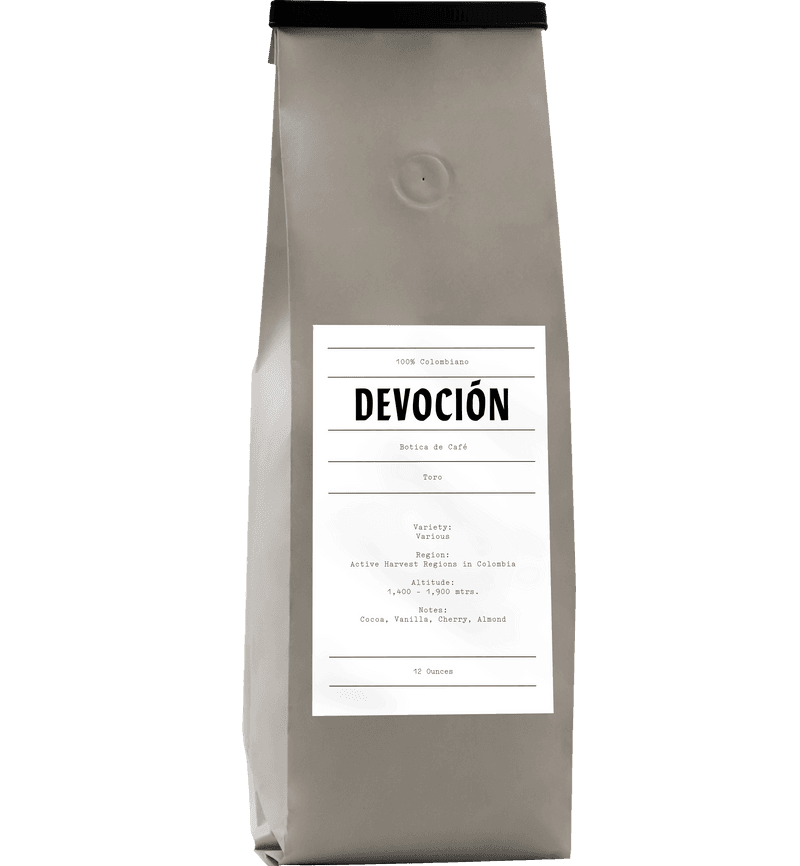
Devocion USA
TORO
$16.83
Medium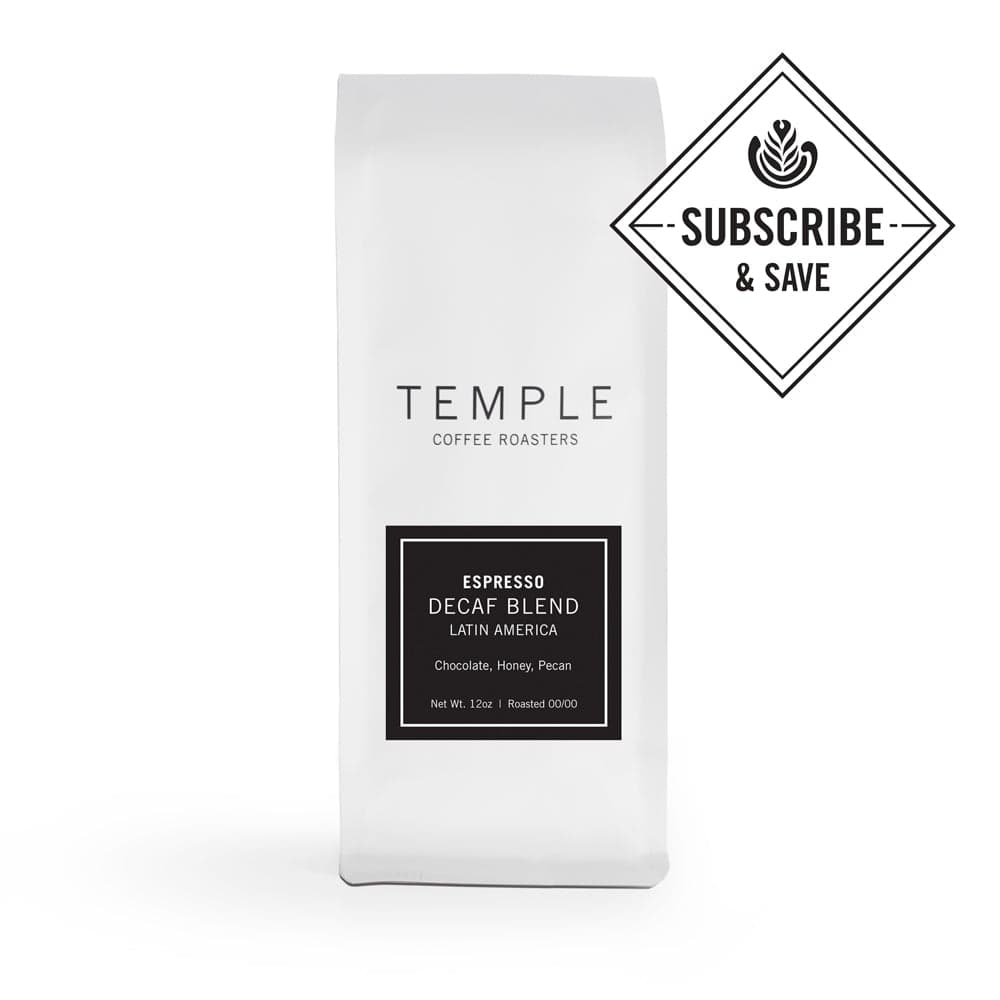
Temple Coffee Roasters
DECAF ESPRESSO BLEND
$15.43
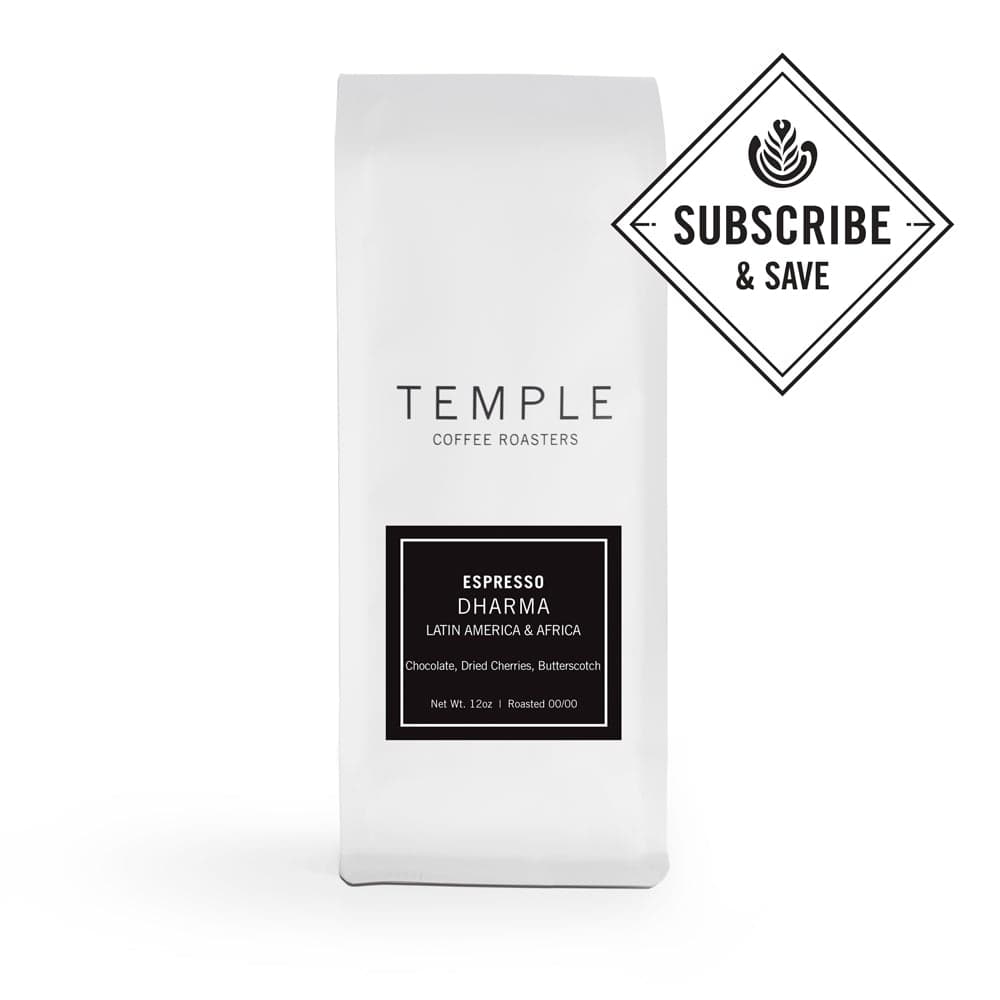
Temple Coffee Roasters
DHARMA ESPRESSO BLEND
$14.99
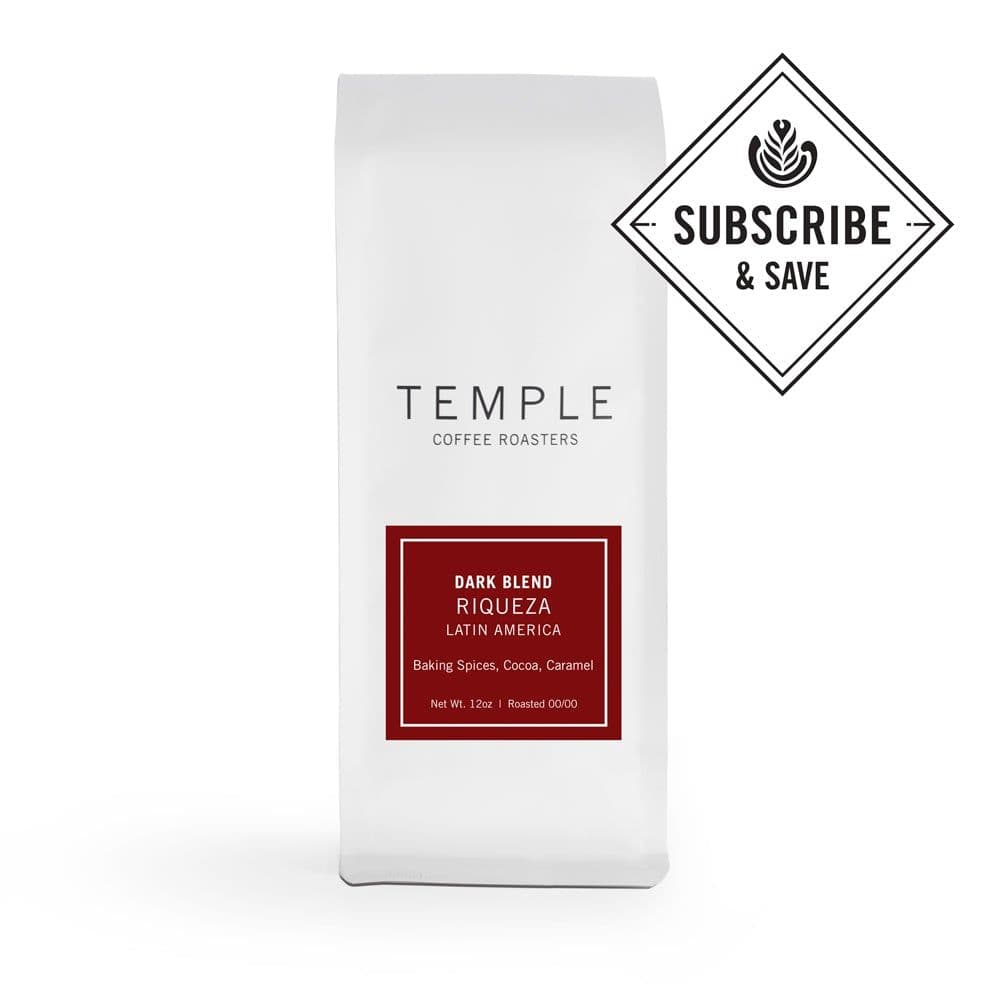
Temple Coffee Roasters
RIQUEZA DARK BLEND
$14.99
Dark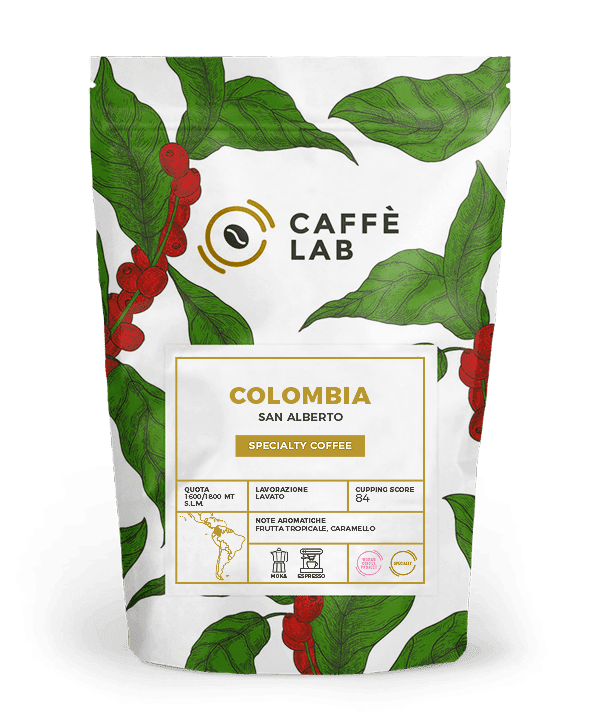
CaffèLab
Caffelab COLOMBIA San Alberto
$7.50
Dark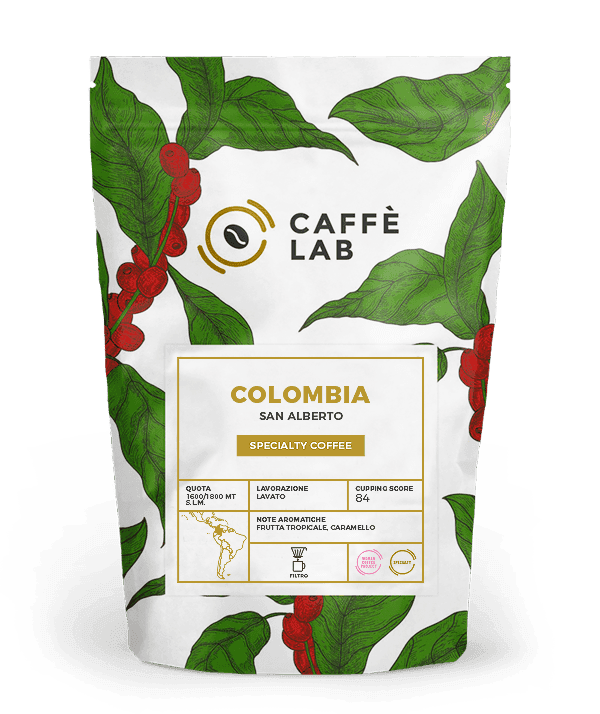
CaffèLab
Caffelab COLOMBIA San Alberto
$7.50
Light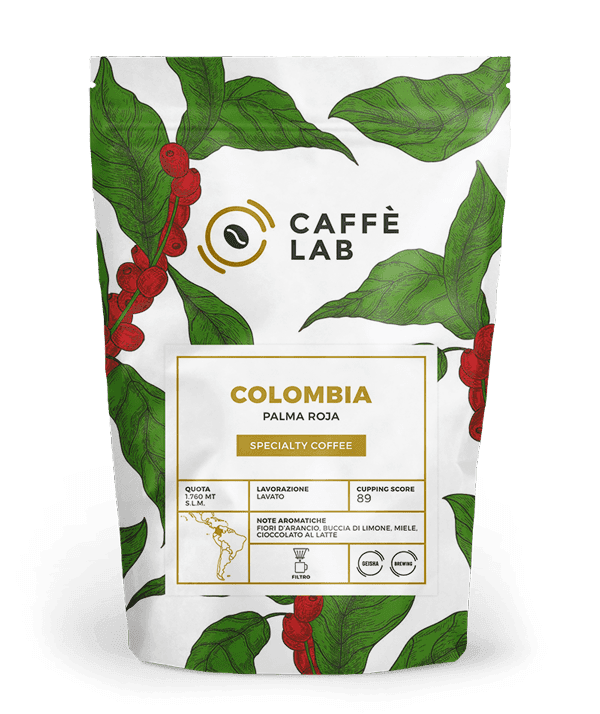
CaffèLab
Caffelab COLOMBIA Palma Roja
$23.50
Light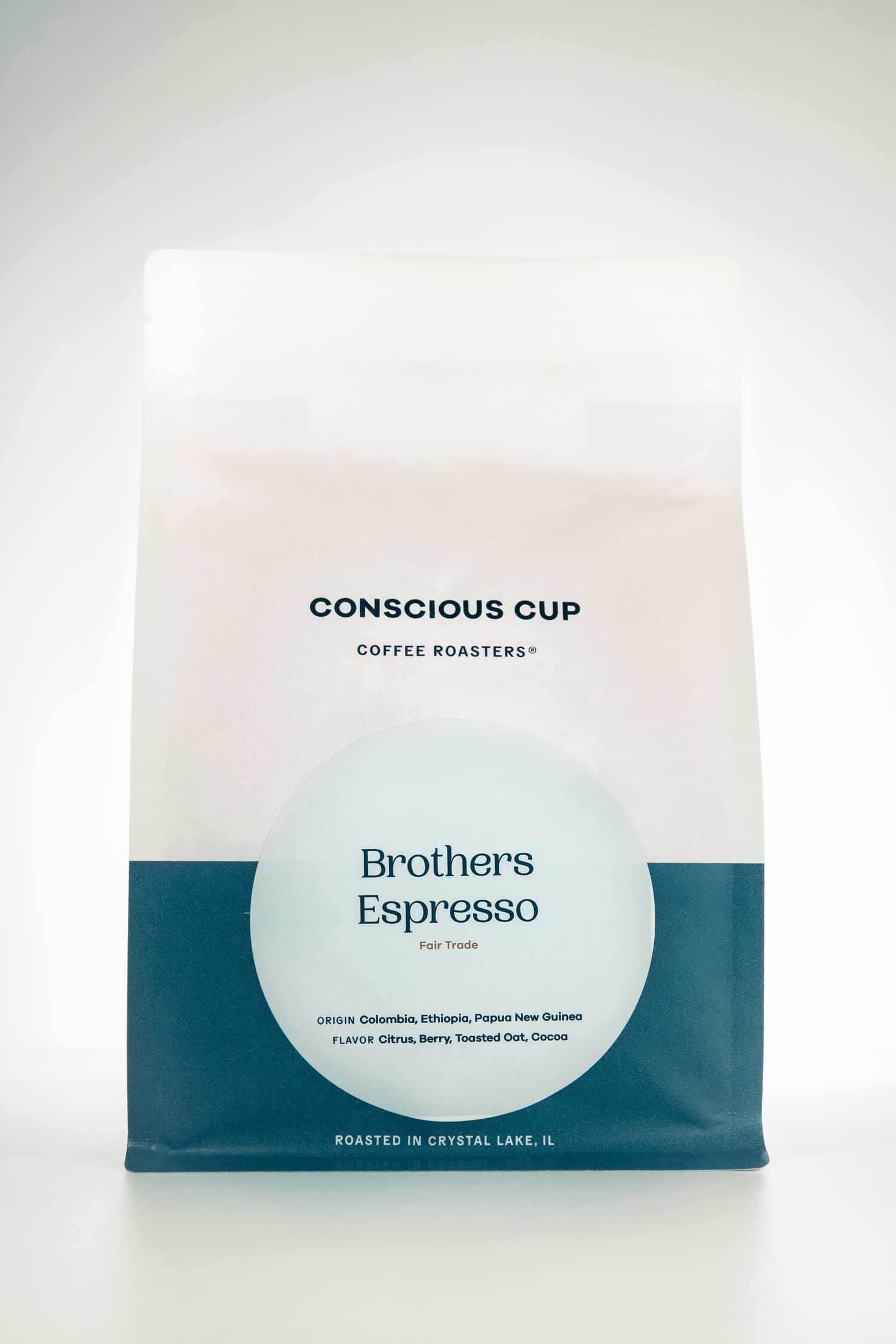
Conscious Cup Coffee Roasters
BROTHERS ESPRESSO BLEND
$15.00
Medium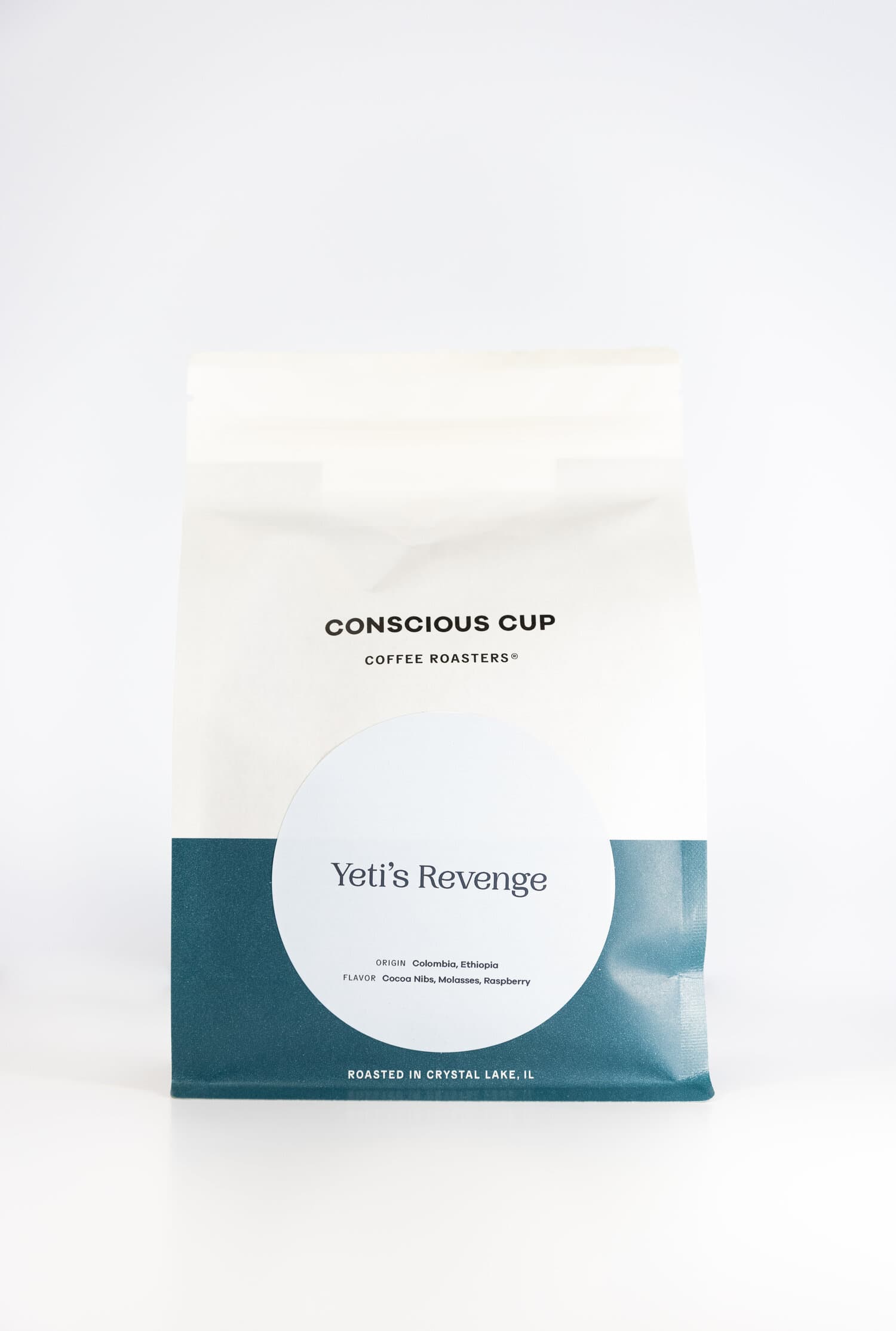
Conscious Cup Coffee Roasters
YETI'S REVENGE
$15.00
Medium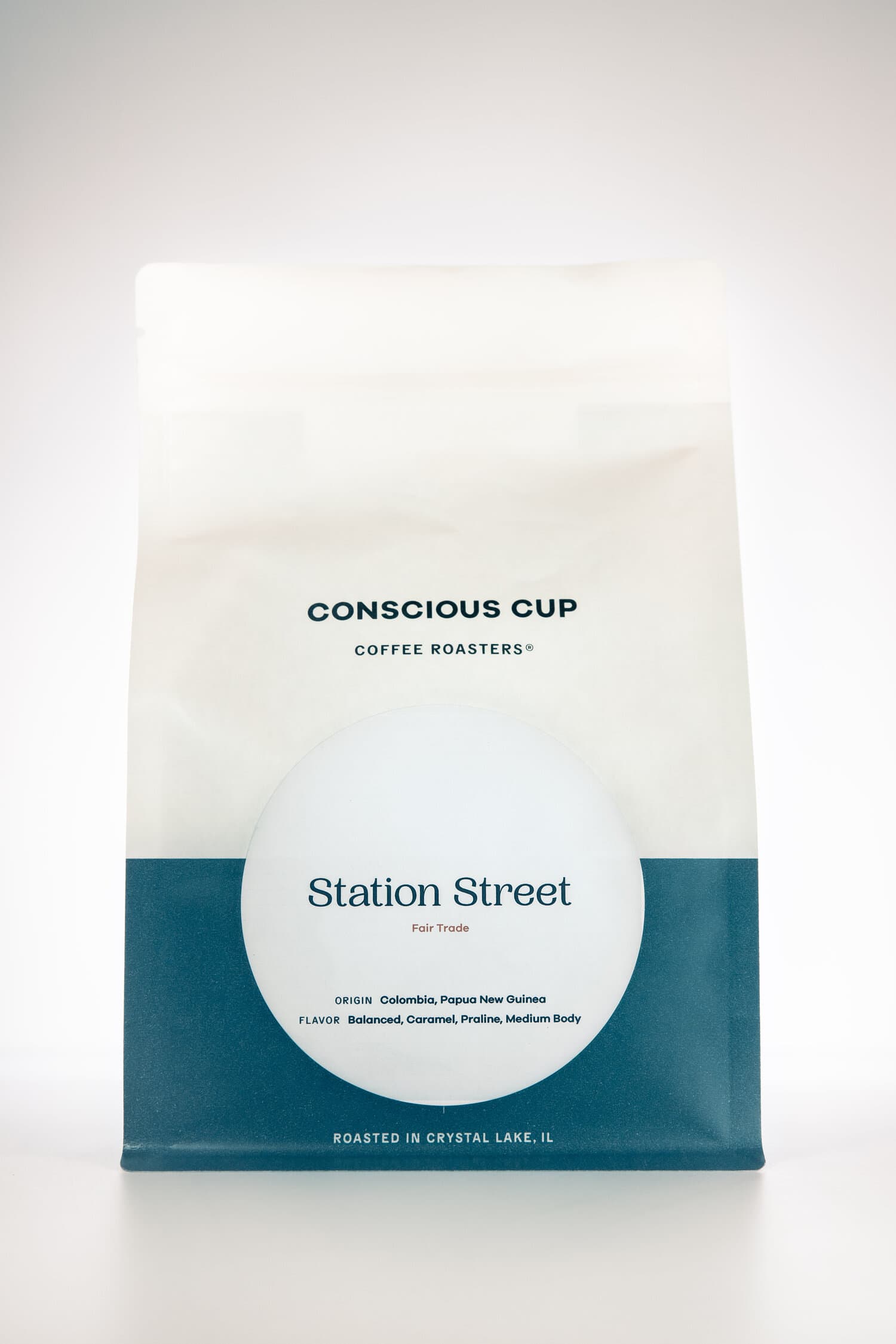
Conscious Cup Coffee Roasters
STATION STREET
$15.00
Medium
Conscious Cup Coffee Roasters
ROBOT HEART
$15.00
Dark
Vigilante Coffee
COLOMBIA SWEET WATERS DECAF
$13.25
Medium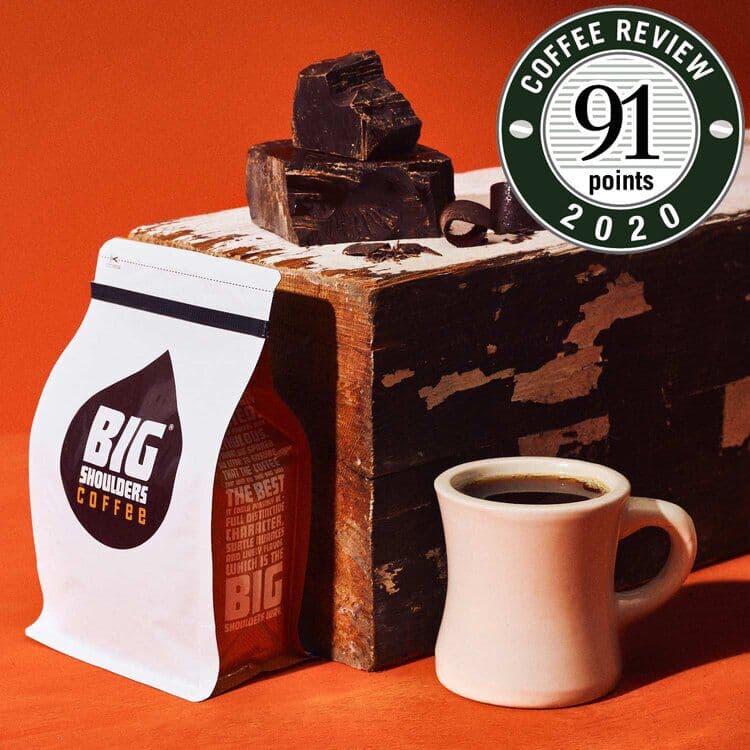
Big Shoulders Coffee
Colombia
$15.90
Medium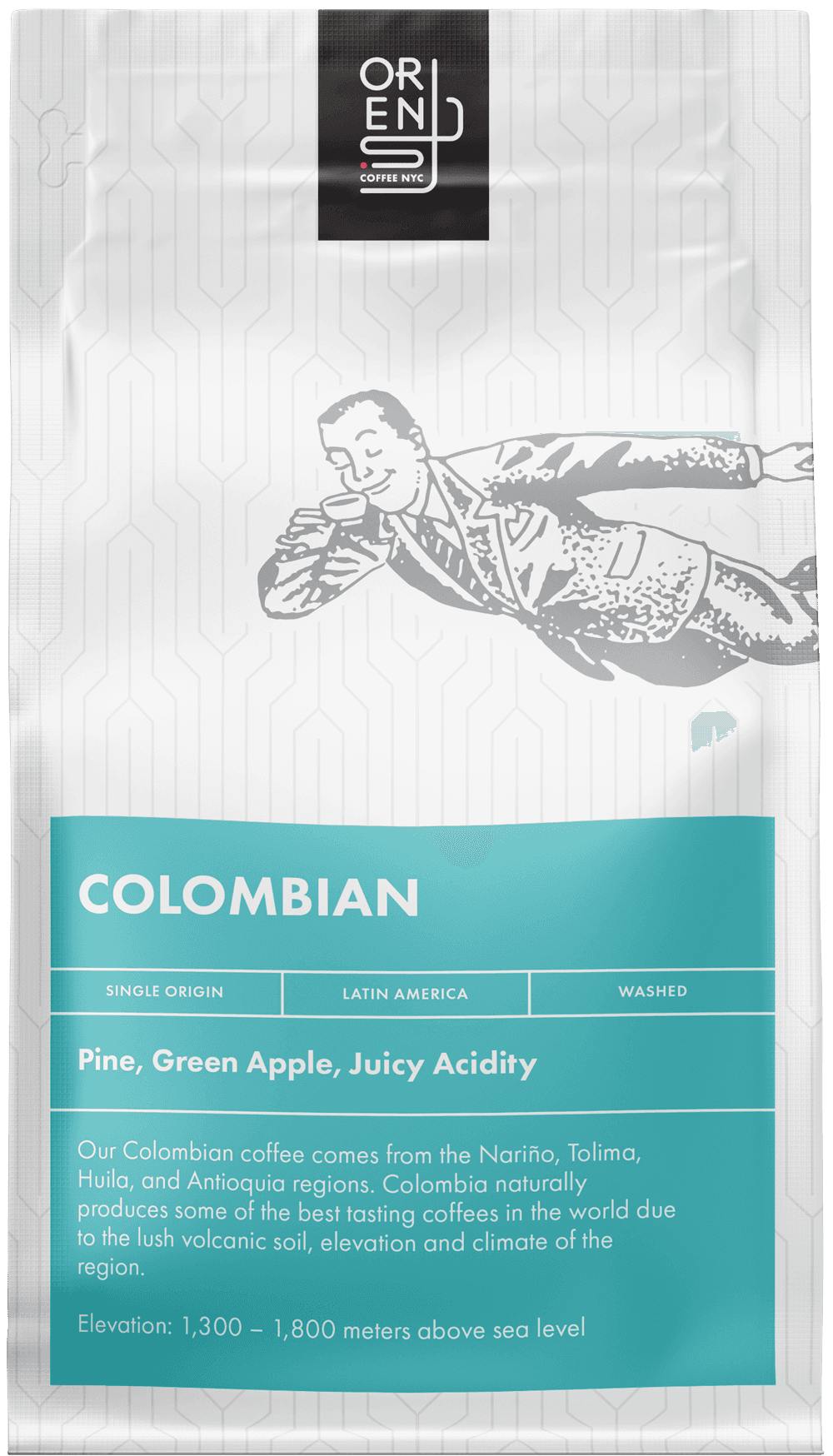
Oren's Coffee NYC
Colombian
$4.41
Coffee was probably introduced to Colombia by the Jesuits in 1723, although there are inevitably various accounts of it. As a commercial plant, it slowly spread in different regions of the country, but its yield only became significant in the late 19th century. By 1912, coffee accounted for about fifty percent of Colombia’s total exports.
Colombia recognized the value of marketing and branding relatively early on. The creation of Colombian coffee farmer Juan Valdez in 1958 was perhaps the greatest success. Juan Valdez and his mule were created as a symbol of Colombian coffee and appeared on coffee bags as well as in various advertising campaigns depicted by three different actors over the years. Juan Valdez has become a point of recognition, especially in the United States, and has added value to Colombian coffee. The character was built on the success of early marketing phrases like “Mountain Grown Coffee,” and the continued promotion of “100% Colombian Coffee” meant that Colombia was isolated in the minds of consumers around the world.
This marketing was carried out and continued by the Federación Nacional de Cafeteros (FNC). This organization, established in 1927, is particularly unusual in the coffee-making world. While in many countries organizations are involved in the export and promotion of coffee, few are as large and complex as the FNC. It was set up as a private non-profit organization to protect the interests of coffee growers, and all exported coffee is financed by a special tax. As Colombia is one of the largest coffee growers in the world, the FNC is well funded and has become some terrible, bureaucratic organization. This bureaucracy is perhaps inevitable, as the FNC is now technically owned and controlled by 500,000 coffee-growing members. While the FNC is involved in the more obvious role of marketing, production, and some financial issues, its reach extends deeper into coffee-growing communities and plays a role in creating both social and physical infrastructure, including rural roads, schools, and health centers. In addition to coffee, it has also invested in other industries to promote regional development and prosperity.
FNC and Quality
Recently, there has been some friction between the FNC and the more quality-conscious division of the industry, as the perceived interests of FNC farmers do not always lead to the quality of the coffee. FNC has a research department called Cenicafé that creates specific varieties and many believe that promoting varieties such as Castillo has helped to achieve yields for cup quality. Both sides of the argument are visible, and as global climate change has an increasing impact on the stability of Colombia’s production, it is becoming increasingly difficult to argue against varieties that provide livelihoods for growers, even at the expense of losing some great glasses.
Traceability
As part of its promotion of Colombian coffee, the FNC created the terms “Supremo” and “Excelso”. These terms only refer to bean size and it is important to understand that they are not related to quality. Unfortunately, this classification masks traceability, as the coffee so marketed can come from many farms and be blended before being mechanically sieved to the required size quality. Essentially, it’s a generic coffee, and its name doesn’t help with quality shopping. The industry’s specialty coffee division has worked to maintain traceability, so when you’re looking for something incredibly enjoyable, make sure the beans aren’t just from a certain size, but from a separate place.
Taste Profile
Colombian coffees have a huge variety of flavors, from heavier, chocolate coffees to jacketed, sweet, fruity items. A huge spectrum of flavors exists in the regions.