
Arabica
The Arabica coffee bean is the ancestor of all coffees because it was the first type of coffee bean ever consumed by humans. Since then not much changed because it’s still the most used bead today, representing about 70…
3,112 products
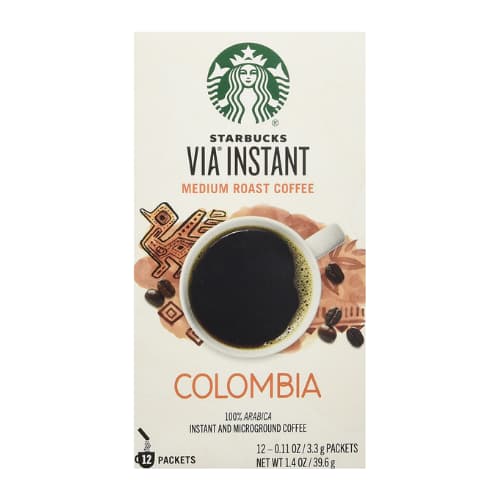
Starbucks
Starbucks VIA® Instant Colombia Coffee
$9.19
Medium
Kimbo Caffè
Kimbo Armonia 100% Arabica - Lavazza® Espresso Point®* compatible coffee capsules
$19.99
Dark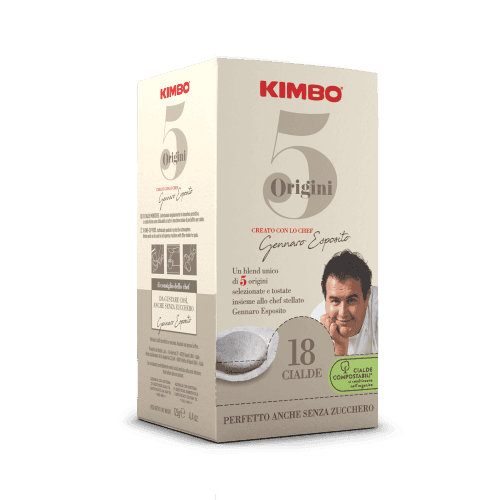
Kimbo Caffè
Kimbo 5 Origini 100% Arabica - ESE compostable coffee pods
$3.99
Medium
Kimbo Caffè
Kimbo 5 Origini 100% Arabica - Nespresso®* compatible coffee capsules
$2.99
Medium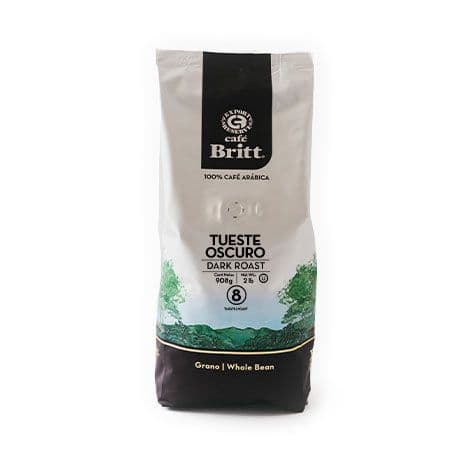
Cafe Britt
COSTA RICAN DARK ROAST
$28.02
Dark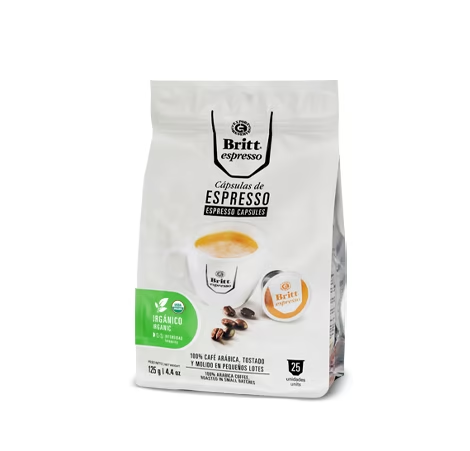
Cafe Britt
BRITT ORGANIC ESPRESSO COFFEE
$16.59
Dark
Cafe Britt
BRITT DECAF ESPRESSO COFFEE
$16.59
Dark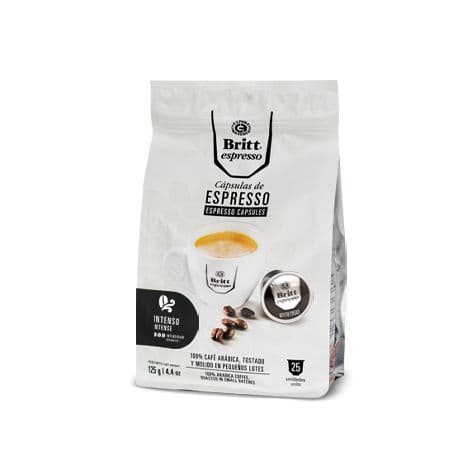
Cafe Britt
BRITT INTENSE ESPRESSO COFFEE
$16.59
Very dark
Cafe Britt
COSTA RICAN MONTECIELO GOURMET COFFEE FROM TARRAZÚ
$28.02
Dark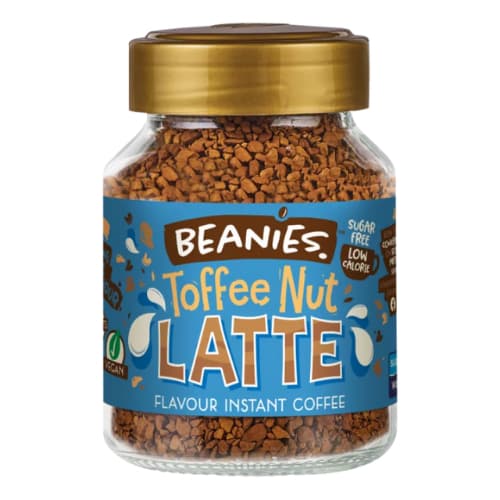
Beanies
Toffee Nut Latte Flavoured Coffee
$2.97
Medium
Beanies
Toasted Marsmallow Flavoured Coffee
$2.97
Medium
Kimbo Caffè
Kimbo Espresso Barista 100% Arabica - Nespresso®* Original® compatible capsules , 10 caps
$2.99
Dark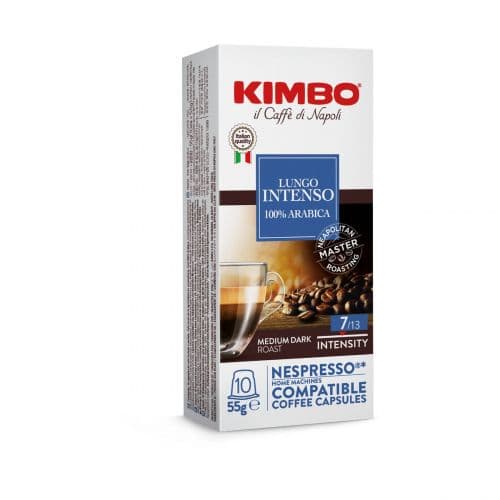
Kimbo Caffè
Kimbo Lungo - Nespresso®* compatible coffee capsules
$2.99
Dark
Kimbo Caffè
Kimbo Espresso Napoli - Nespresso® Original®* compatible coffee capsules 10 caps
$2.99
Dark
Kimbo Caffè
Kimbo Espresso Napoli - Nespresso® Original®* compatible coffee capsules 40 caps
$10.69
Dark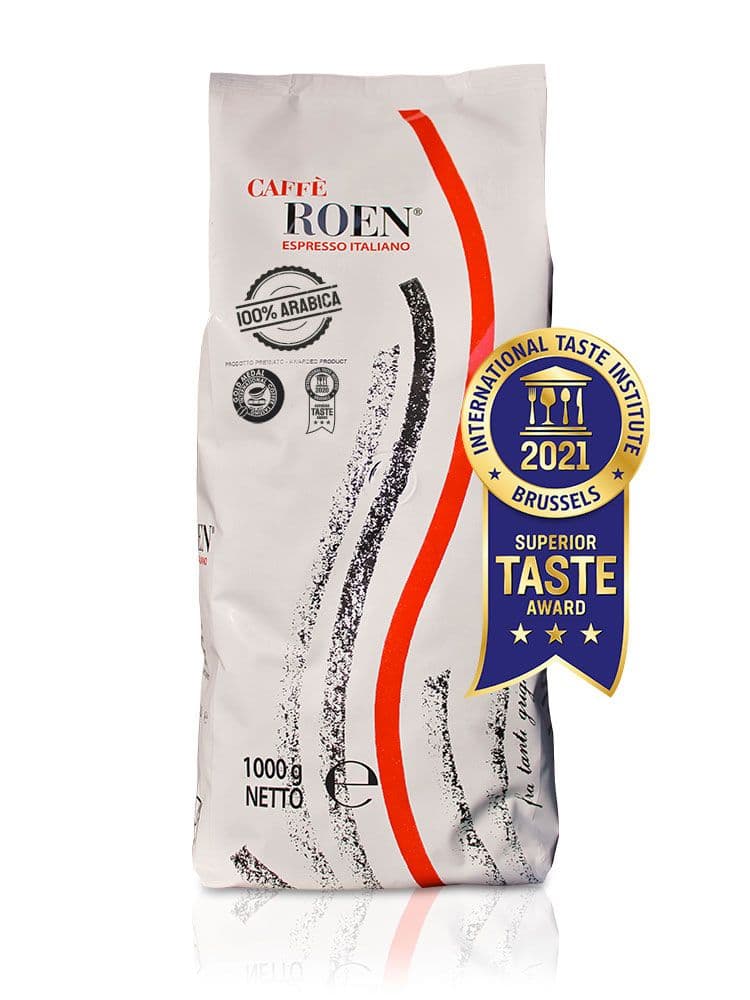
Caffè Roen
Caffe Roen 100% Arabica
$26.00
Medium
Beanies
Amaretto Almond Flavoured Decaf Coffee
$2.97
Medium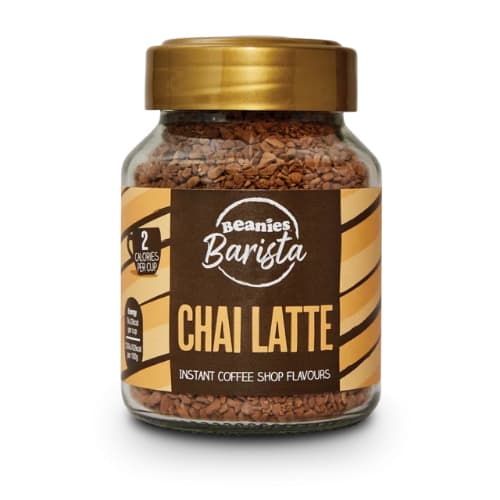
Beanies
Chai Latte Flavoured Coffee
$2.97
Medium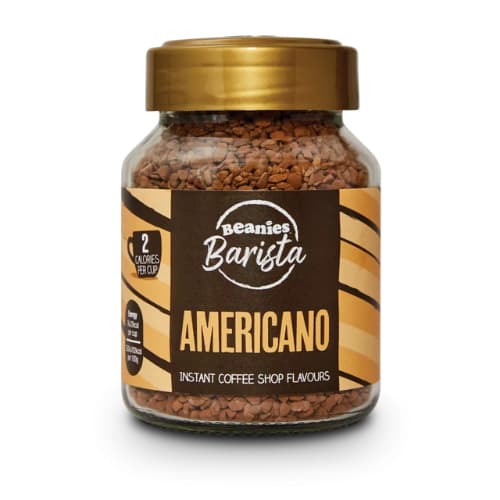
Beanies
Americano Flavoured Coffee
$2.97
Medium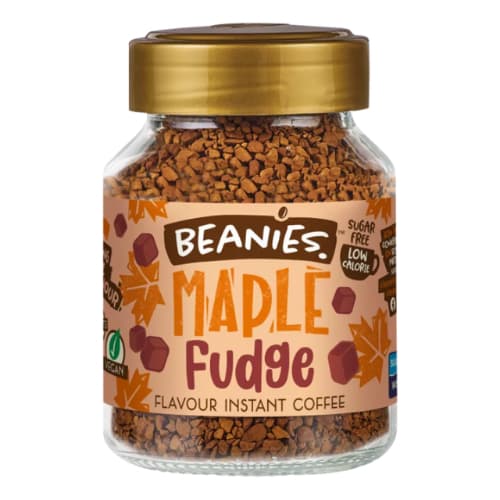
Beanies
Maple Fudge Flavoured Coffee
$2.97
Medium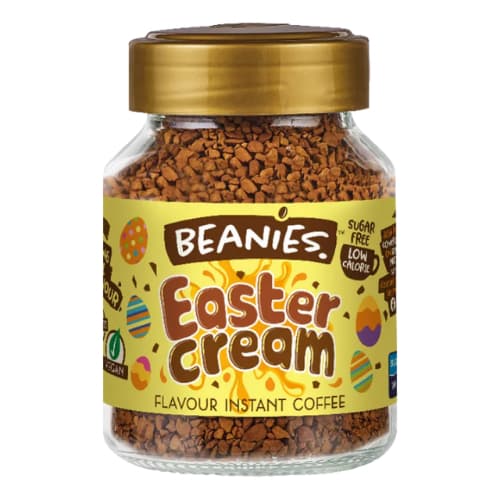
Beanies
Easter Cream Flavoured Coffee
$2.97
Medium
Beanies
Creamy Caramel Flavoured Coffee
$2.97
Medium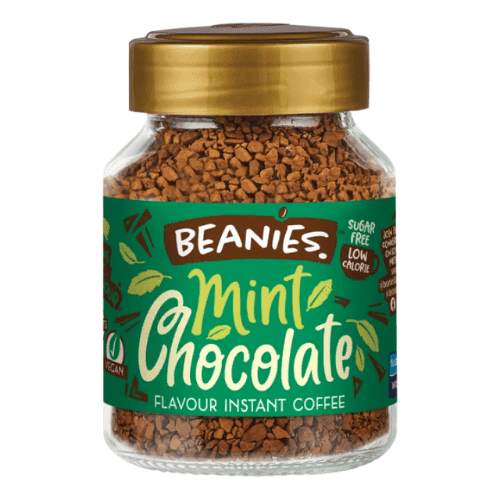
Beanies
Mint Chocolate Flavoured Coffee
$2.97
Medium
Segafredo Caffè
Segafredo Zanetti® - Enzo™ - Dark Roast - Ground Coffee - Urn Pack - 7.5 oz Bags (Pack of 20)
$87.69
DarkThe Arabica coffee bean is the ancestor of all coffees because it was the first type of coffee bean ever consumed by humans. Since then not much changed because it’s still the most used bead today, representing about 70% of global production. The plant's natural occurrence can be found in tropical conditions on either side of the equator, and it takes part in the botanical family called “Rubiaceae”.
With popularity like this, there is no wonder that everyone talks about Arabica coffee. This type is so outstanding that many people can’t even name any other kind of coffee. Still, a big part of coffee drinkers doesn’t seem to know too much about it other than its name. Where does the name come from? What are the specific attributes of this coffee? Why has it become so popular?
A brief history of the Arabica Coffee
The origin of this little but more trendy bean takes us back to the 12th century in Ethiopia. The plant was found high up in the mountains. And the exciting part is that it wasn’t discovered by humans. The story goes that it was a goat farmer who noticed that his goats had more energy after they ate some beans. After that occurrence, people started to roast the beans, and they began to make soup out of it to have more energy. After they found out the great potential in this plant, they started growing and harvesting the beans. This origin story may not be entirely accurate, but what we do know for sure is that it didn’t take long for this coffee bean to be known worldwide.
Around the 16th century, coffee production took a big turn. The bean went global when the Ottoman Empire conquered this area of the world which was known as the Arabian Peninsula; they gave it the name of “Wine of Arabia” to the beverage we know as coffee today. Because it was developed in Arabia, they gave it the name of Arabic.
The new invention got into Europe in the modern 16th century through the Venetian traders. But the Ethiopians wanted to maintain a monopoly on the coffee market by banning the export of plants. And of course, as soon as you make it illegal to do something, there will be certain persons to desire to do that even more.
The plants were stolen and distributed by the Dutch. This resulted in arabica coffee beans being produced and sold all over the world from Indonesia, through Europe to South America. This was all good for the economy, but there was a downside to all this, which was the defamation of the pure genetic code of the plant.
Arabica Coffee Beans
You may have seen the statement “100% Arabica Coffee” on some coffees. This actually refers to the species of coffee the package contains. Today there are more than 100 species of coffee, and Coffee arabica is one of them. Of the 100 coffee species, there are really only two that are commonly used: the Arabica and Robusta. Between these two Arabica is considered to be the higher quality for the following reasons:
- Arabica has a more light and enjoyable taste. Robusta usually has a more roasted and bitter taste.
- Arabica coffees contain about 60% more lipids than robusta coffees. The lipids give the coffee smoothness, and it allows you to detect more nuances of flavor.
- Arabica beans are containing a substantial amount of caffeine, but they are less caffeinated than Robusta and thus less bitter.
Arabica Coffee Taste
The High-quality Arabica coffee often has a chocolate-like, beautifully fragrant, and pleasant acidity within the taste. Regarding the roast, it can have a hint of bitterness, but with a nice portion of creme, it tastes nice. This is due to the lipids in the coffee beans themselves.
Arabica Coffee Smell
Arabica Coffee has a good smell, which is generated by two main factors: the roasting process and bean varietal. When they are raw and unroasted, the coffee owns the scent of blueberries. After the roasting process, the beans have a pleasant perfumey smell with notes of fruit and sugar tones. The other most popular coffee bean is robusta commonly used in instant coffee, a cheap filler for blended coffee and espresso shots.
Growing Preferences
A new plant of Arabica takes about seven years to mature fully. It likes the higher altitudes, but there are cases where it was grown as low as sea level. The plant can tolerate any low temperatures until it’s not frozen. After two to four years after planting, the arabica plant produces small, white, flowers. After pruning, small berries will appear. The berries are dark green, and they are not yet consumable. In this stage, they are called “cherries” and are ready for picking. Inside of a “cherry”, there are usually two coffee beans.
Where are Arabica Beans Farmed Today?
As you saw earlier the Arabic prefers tropical climates around the equator. Now, most of the plants are found in Africa and South America, which are the best spots on the planet for a great harvest. But the Arabica coffee beans can be found in Colombia, Costa Rica, Mexico, Guatemala, Ecuador, Brazil, Ethiopia, Rwanda, Burundi, and last but not least India.
7 Benefits of Arabica Coffee
There have been disputes about the pros and cons of coffee. Here are some of the specific benefits of arabica coffee:
- Is full of antioxidants.
- Caffeine can help you stay alert and focused
- Is low in calories (without added milk or sugar)
- Contains amounts of vitamins and minerals – like niacin, magnesium, riboflavin, manganese, and potassium
- Some studies say that it can help you stay hydrated because it's 95% water
- Is successfully used in skincare products (moisturizes, smooths, nourishes, and tones)
- is comforting and delicious.
Different Types of Arabica Coffee Beans
We talked about the popularity of Arabica coffee and its benefits of it. But let’s see the many varieties that have been mutated from the original Arabica coffee, and how do they taste like:
- Typica - clean, sweet taste
- Bourbon- boasts a fruity chocolate kick.
- Caturra- lighter and with a citrus flavor.
- Catimor- mellow flavor.
- Catuai- tangy and the other sweet.
- Gesha- undertones of tropical fruits and flowers (one of the world’s most expensive coffees).
- Jackson- delicate and acidic, a little edgy even.
- Jamaican Blue Mountain- light, creamy smooth, and a bit sweet.
- Jember- buttery and sweet at the same time.
- Kent- delicate and spicy floral flavors.
- Kona- flavors of spices and nuts.
- Maragogype- hints of citrus and floral
- Maracatu/Maracaturra- bright fruity flavor.
- Mocca - chocolate flavored
- Mundo nova- caramel sweetness.
- Pacamara- sweet acidity
- Pacas- sweet and spicy with hints of floral
- Pache- a popular smooth flat blend.
- SL-34 & SL-28- fruity wine-based flavour.
- Villa Sarchi- pronounced fruit flavor.
- Villalobos- acidity, and sweetness, delightful to drink black.