
Tanzania
Coffee production in Tanzania is a significant aspect of its economy as it is the largest export crop in Tanzania. Tanzania's coffee production averages between 30-40,000 metric tons per year, of which about 70% is Arab…
30 products
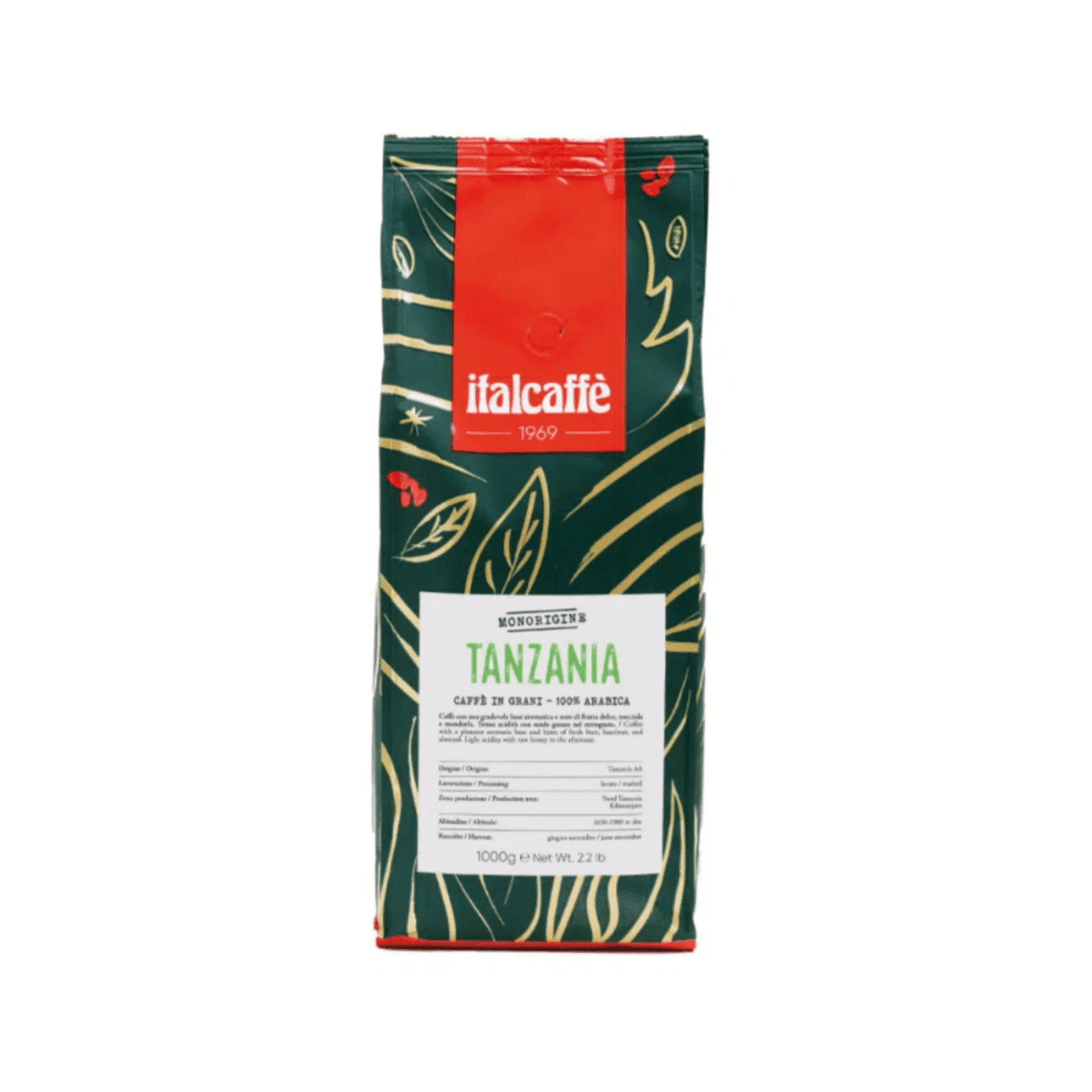
Italcaffè
ARABICA TANZANIA
$25.71
Light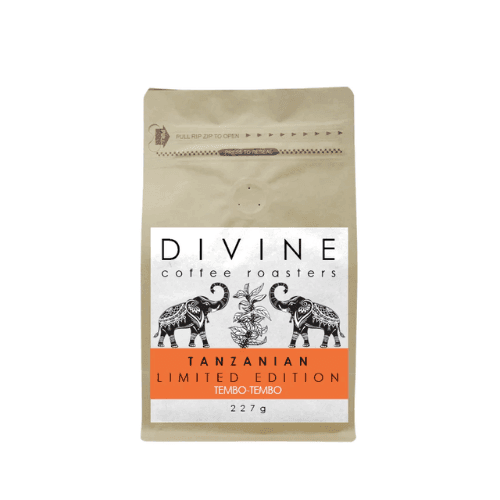
Divine Coffee Roasters
TANZANIAN
$9.53
Medium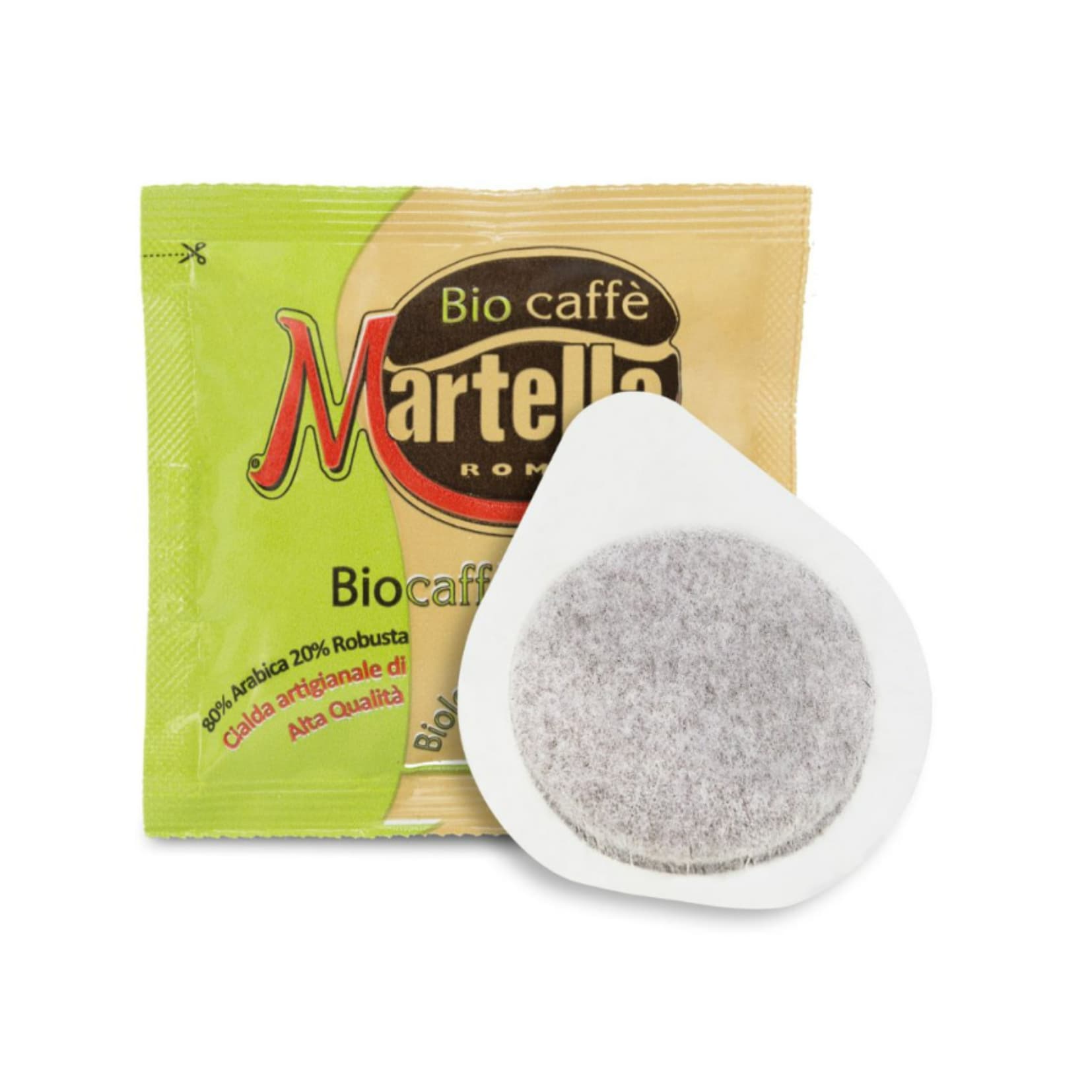
Caffè Martella
Bio Caffè (Scatola da 150 cialde)
$60.00
Medium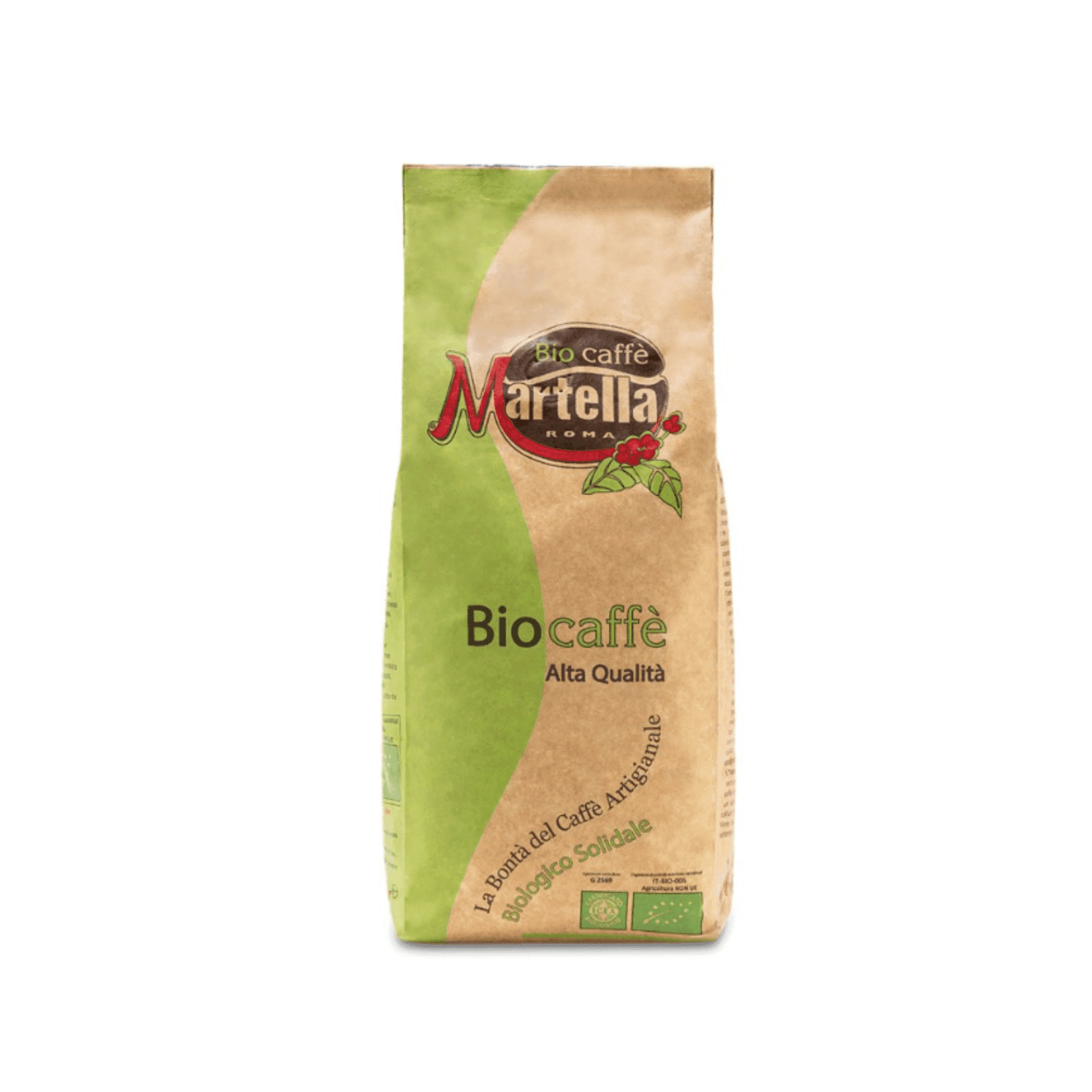
Caffè Martella
Bio Caffè
$28.90
Medium
Caffè Diemme
CAPSULE TANZANIA - Caffè Diemme
$18.00
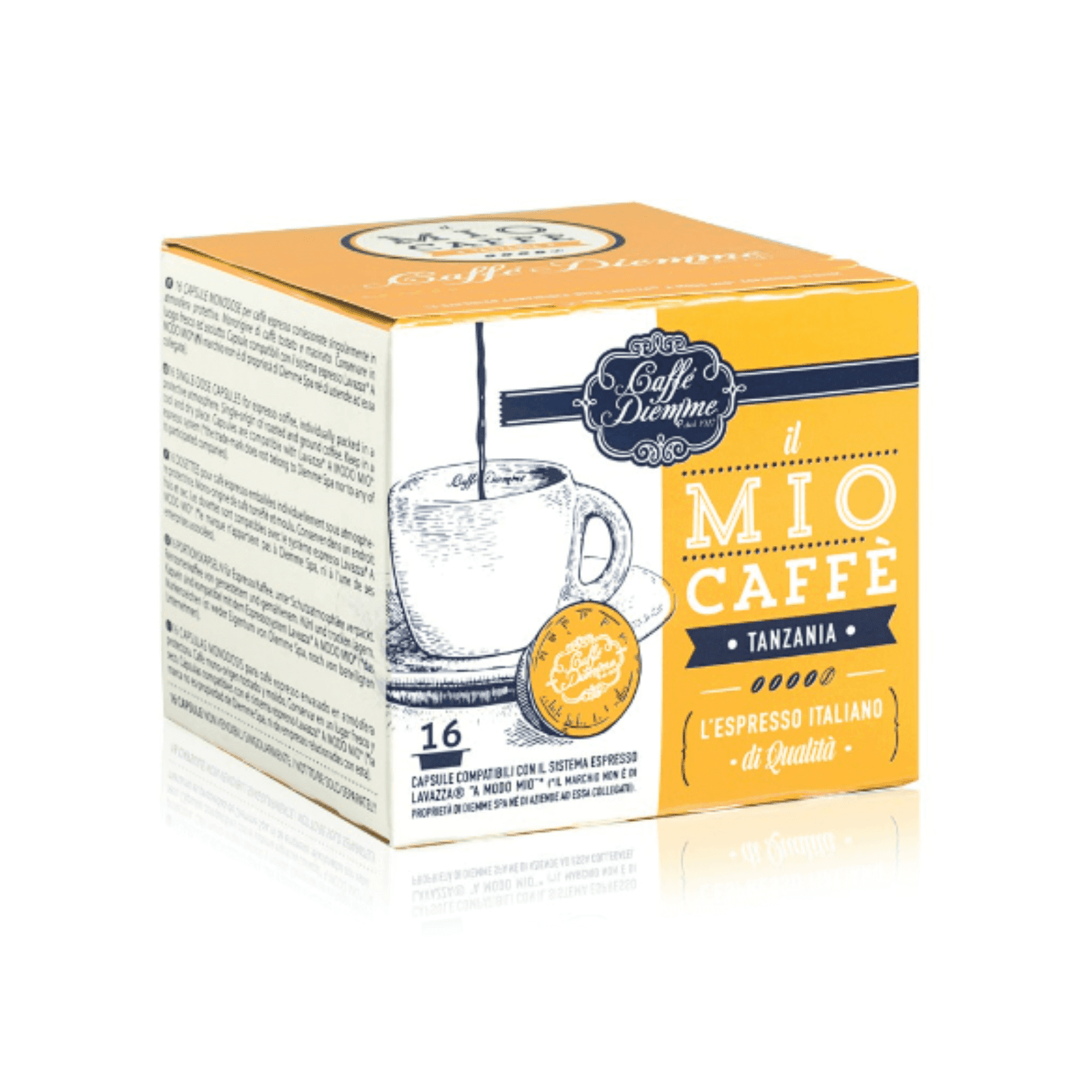
Caffè Diemme
TANZANIA - IL MIO CAFFE'
$4.90
Dark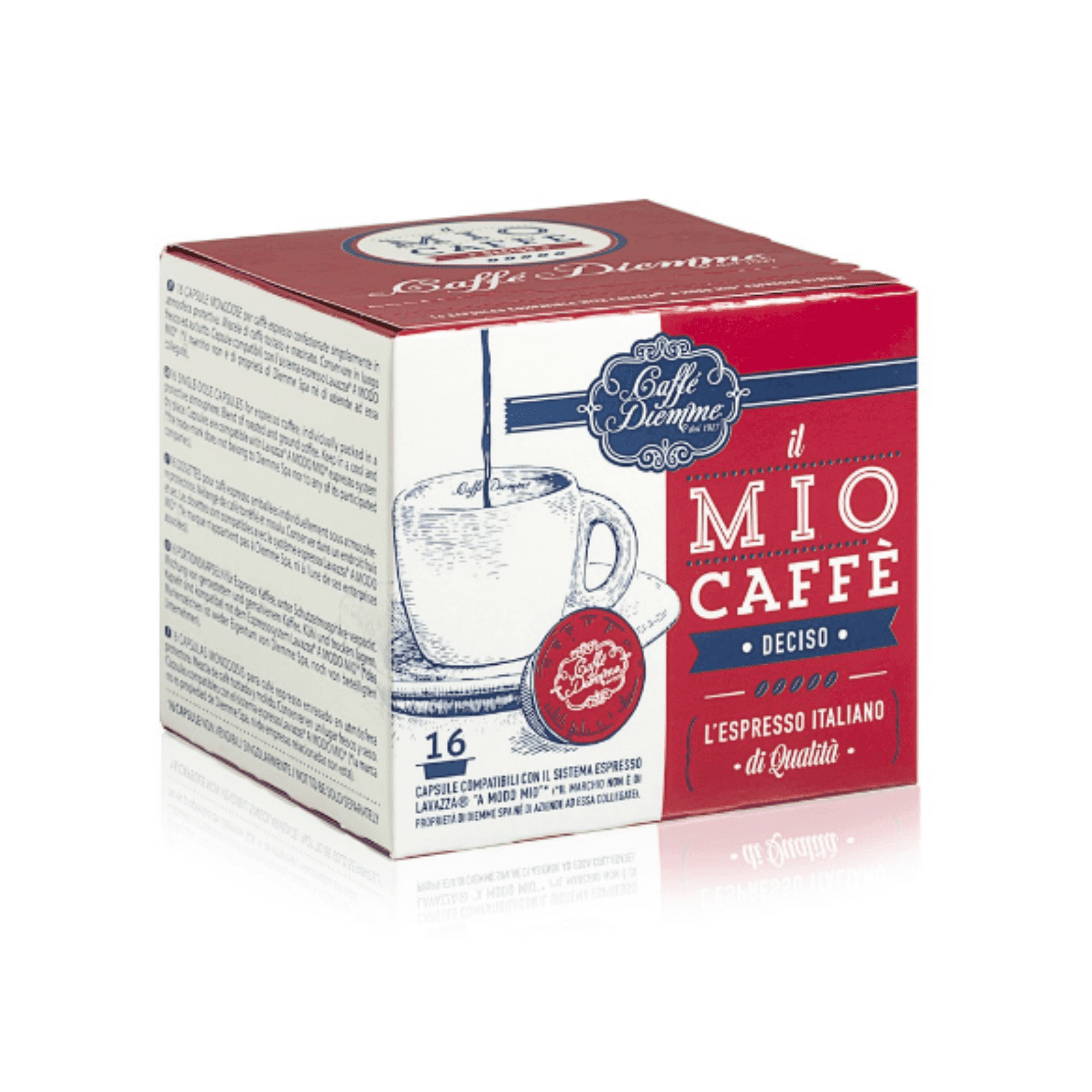
Caffè Diemme
DECISO - IL MIO CAFFE'
$4.90
Medium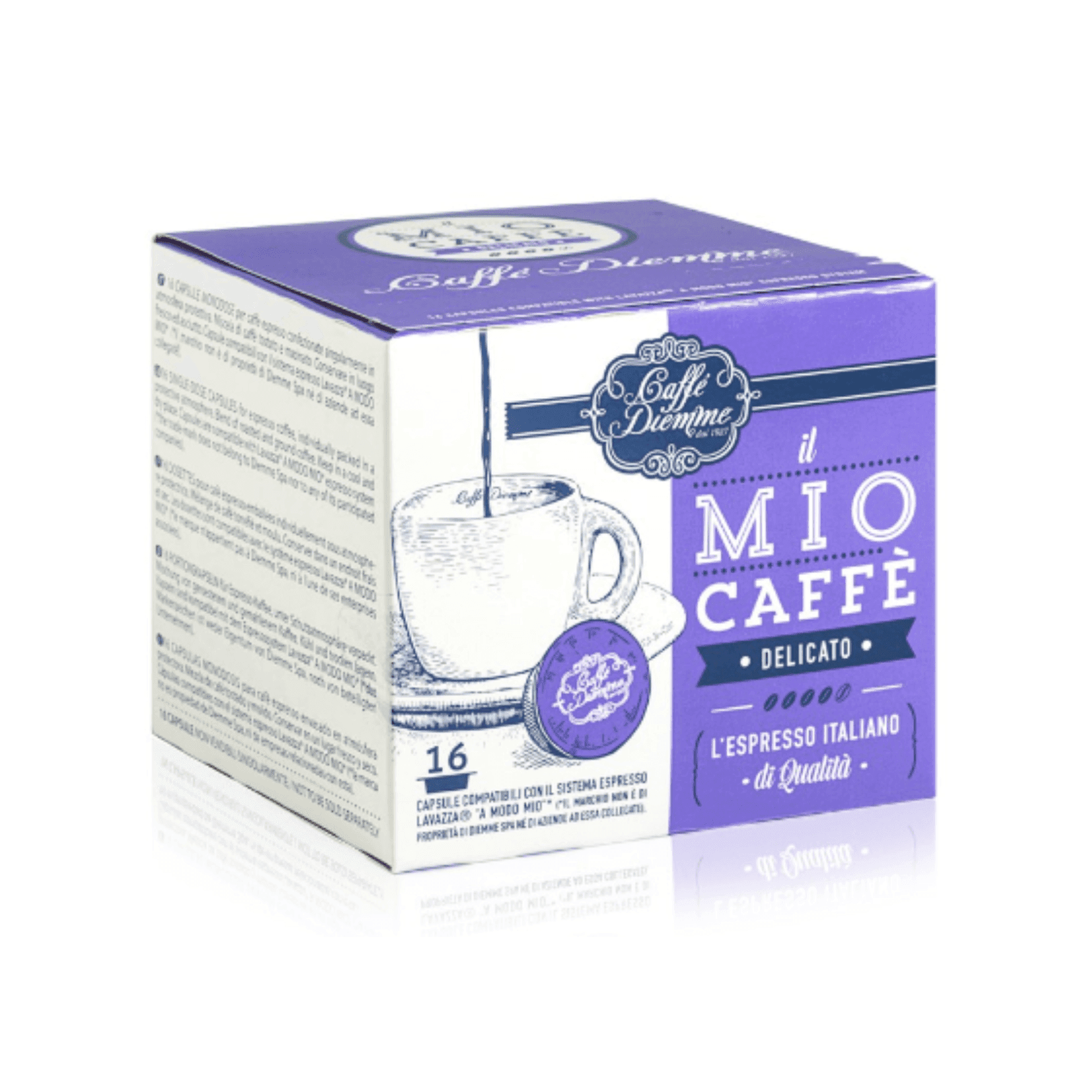
Caffè Diemme
DELICATO - IL MIO CAFFE'
$4.90
Medium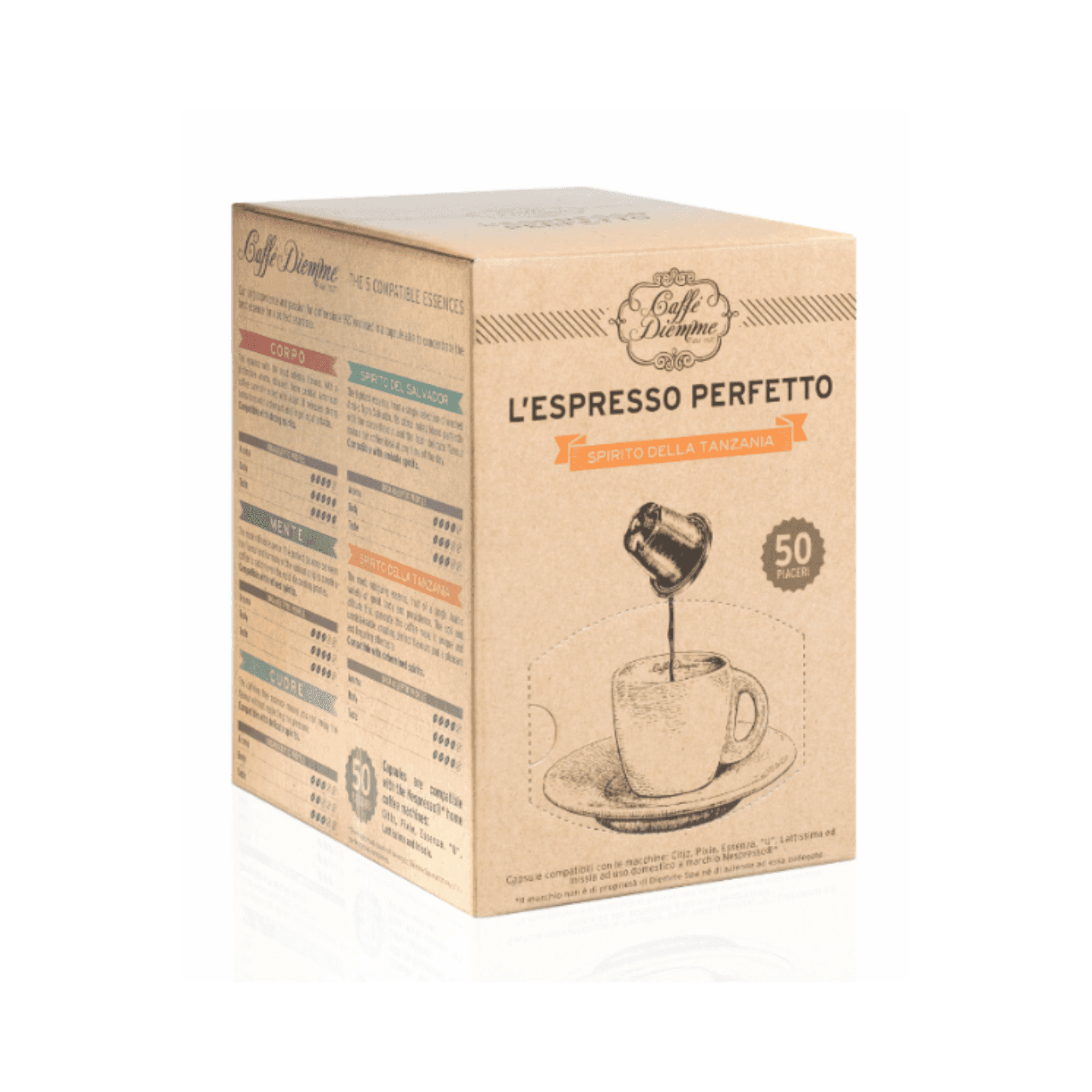
Caffè Diemme
SPIRITO DELLA TANZANIA - L'ESPRESSO PERFETTO
$14.00
Medium
Caffè Diemme
CAFFÈ BIANCO DECAFFEINATO
$6.50
Medium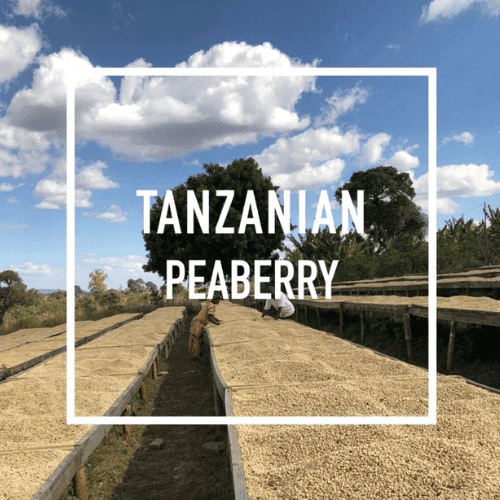
Daybreak Coffee Roasters
TANZANIA PEABERRY
$15.31
Medium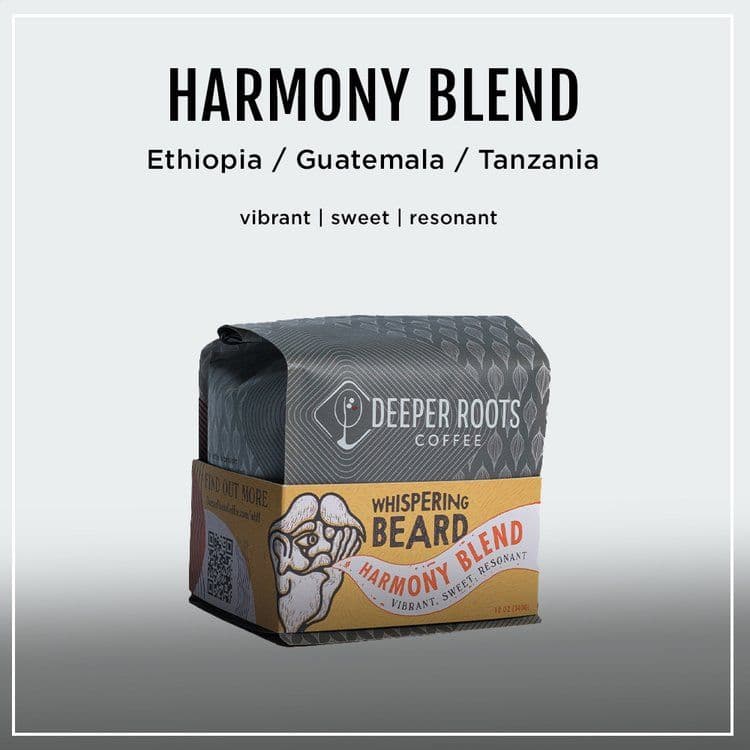
Deeper Roots Coffee
HARMONY BLEND – 12OZ
$14.26
Fellow
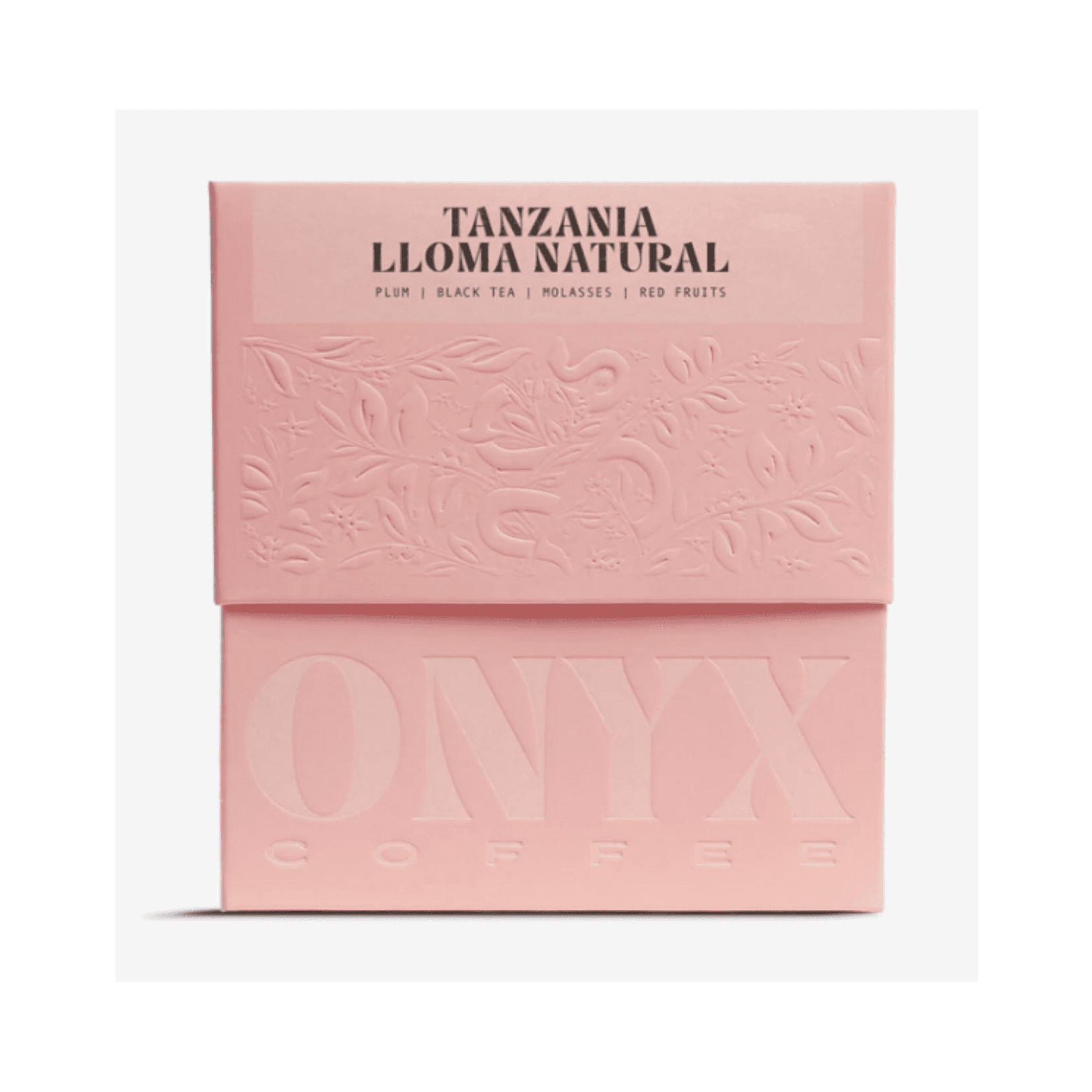
Tanzania Lloma Natural - Fellow Coffee
$20.49
Medium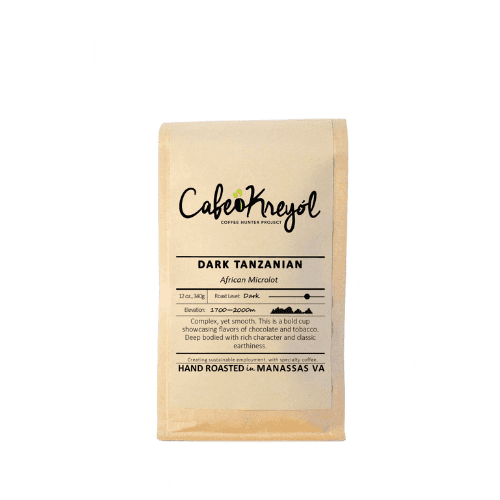
Cafe Kreyol
Dark Tanzanian - African Microlot
$14.99
Dark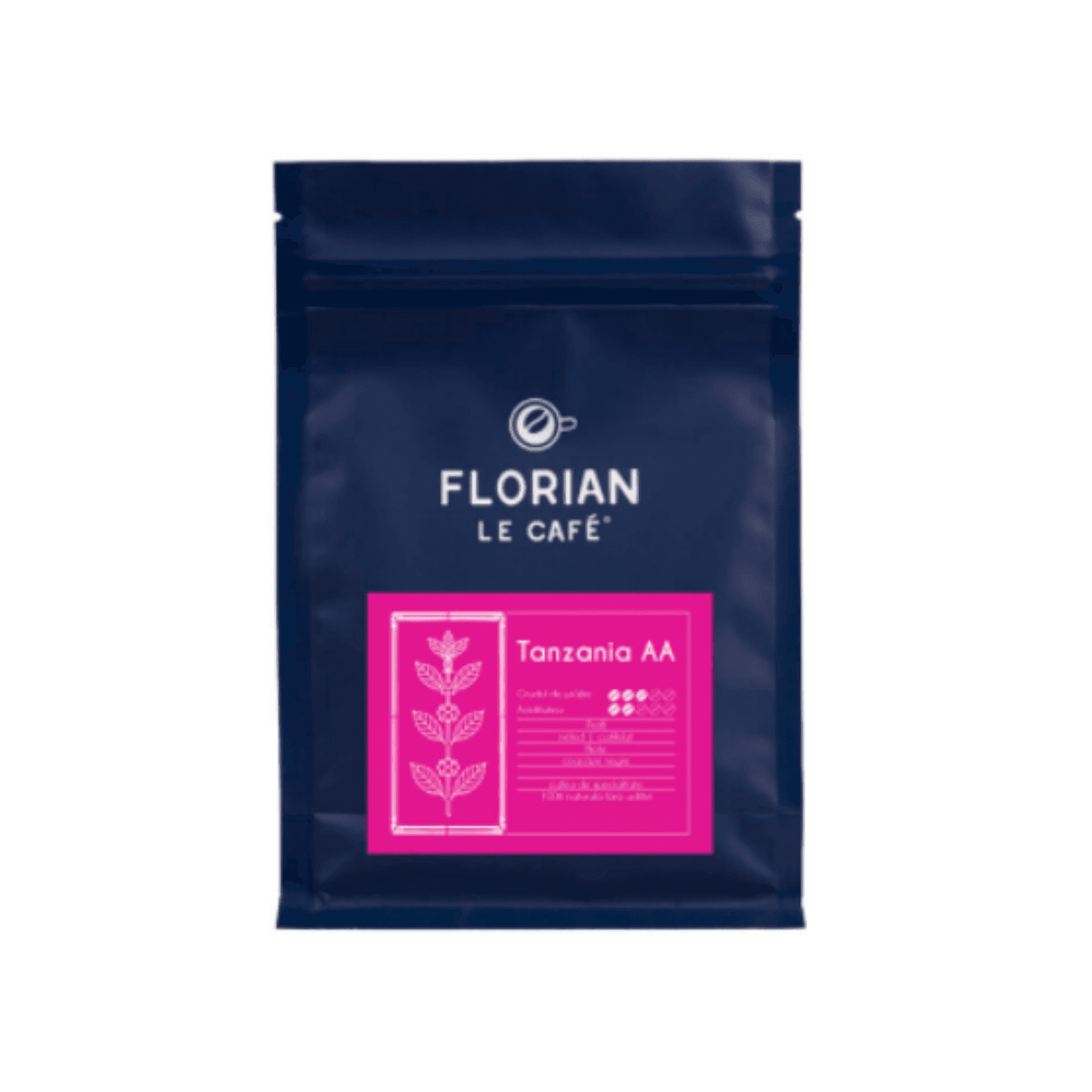
Florian le Café
TANZANIA – AA - Florian
$5.26
Medium
Gorilla Coffee
TANZANIA, KAMARO AA
$15.91
Contego
Fresh Roasted Coffee Tanzania AB Utengule
$5.26
Medium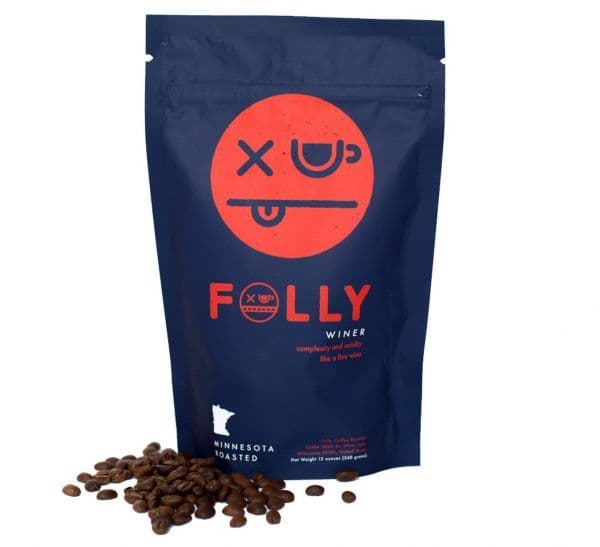
Folly Coffee
Winer
$18.38
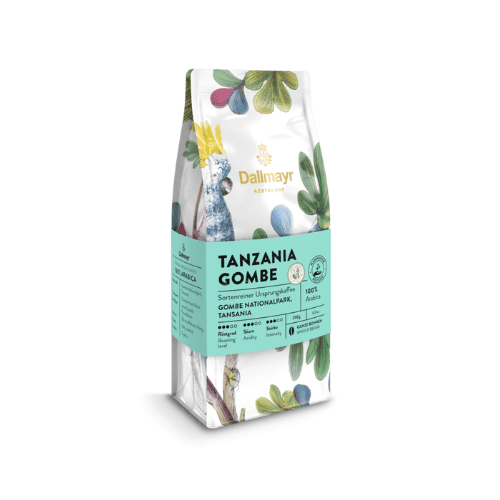
Dallmayr
Dallmayr Röstkunst Tanzania Gombe
$7.10
Medium
Red Bay Coffee
Red Bay Coffee East Fourteenth Tanzanian Coffee Beans - Whole Bean Coffee Dark Roast - Fresh Coffee Whole Bean - Single Origin Coffee Beans - 12oz Resealable Pouch of Specialty Coffee Beans
$17.12
Dark
Gourvita Trends
TANZANIA MOSHI - von Coffee-Nation
$13.90
Medium
Good As Gold
Tanzania Peaberry - Green Coffee
$6.95
Light
Good As Gold
Tanzania Peaberry
$7.86
Medium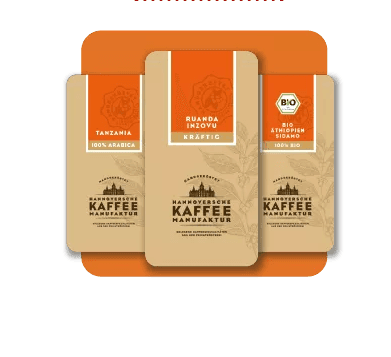
Hannoversche Kaffeemanufaktur
Trial package Africa
$11.90
Coffee production in Tanzania is a significant aspect of its economy as it is the largest export crop in Tanzania. Tanzania's coffee production averages between 30-40,000 metric tons per year, of which about 70% is Arabica and 30% is Robusta.
The nine main growing regions of Arabica are located in:
- Iringa;
- Kigoma;
- Matengo Highlands;
- Mbeya;
- Mbinga;
- Morogoro;
- Ngara;
- North Kilimanjaro;
- The Usambara Mountains.
The main region is the Bukoba area of the Kagera region growing Robusta coffee. Two new species have recently been found in the Eastern Arctic Mountains of Tanzania, Coffea bridsoniae and C. kihansiensis. The harvest is traditionally October-February. Ninety percent of the country's coffee farms are small farms, with the rest being plantations. The industry estimates that there are approximately 270,000 employees involved in the coffee industry.
Prior to 1990, the state council and cooperative unions were responsible for marketing coffee. The 1990 and 1994/95 reforms affected export prices. The disease of coffee wilting occurred in Tanzania in 1997, spreading rapidly and causing severe losses.
Coffee Market in Tanzania
A farmer can sell his product in three ways. The internal market in which the products are sold at a price set by the farmer directly to private buyers of coffee, village groups, or coffee cooperatives. This practice is most common among small farmers due to low yields per farmer. Once buyers and private coffee cooperatives have received a significant amount of products, they can sell their goods at the Moshi coffee auction or export the product directly. Most first-class coffee producers are allowed to bypass the auction and are able to sell their coffee directly to foreign roasters. This policy was created by the Coffee Board of Tanzania to allow local farmers and companies to build long-term relationships with international buyers.
Moshi Coffee Exchange
The Moshi Coffee Exchange is located in Moshi, Kilimanjaro Region, and organizes a weekly auction for a 9-month season. Auctions take place weekly on Thursdays and all local exporters who do not have a license to bypass the stock exchange must export by auction. Authorized exporters participate in the auction and there are no limits on how much one exporter can buy.